Georgia’s Fall Fescue Overseeding Window Is Narrowing As October Winds Down
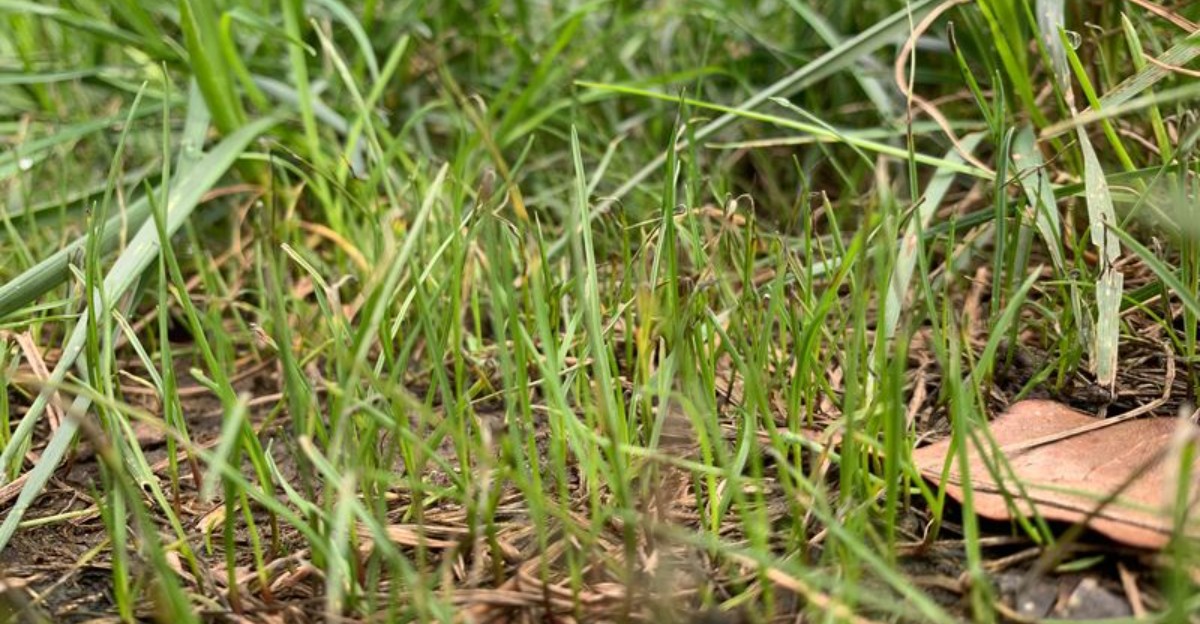
October is slipping away, and bare patches in a tall fescue lawn may not have much time left to fill in before winter.
Fescue grows best during cooler weather, which makes fall an important season for establishing new grass. But seeds still need suitable soil temperatures and time to develop roots.
Waiting until cold weather settles in can make establishment harder.
If your Georgia lawn needs overseeding, check the forecast and your local planting guidance before spreading seed. Prepare areas with thin grass so the seed reaches the soil.
Watering consistently during germination matters just as much as choosing the right date.
Do not assume a late application will catch up simply because temperatures remain mild. Giving seedlings a stronger start now can make a noticeable difference when spring arrives.
1. October Is Prime Time For Fescue Overseeding
Cool nights and warm afternoons are what tall fescue loves most. Across north and central Georgia, early to mid fall usually brings exactly that kind of weather.
Tall fescue is a cool-season grass, so it grows best when summer heat finally fades.
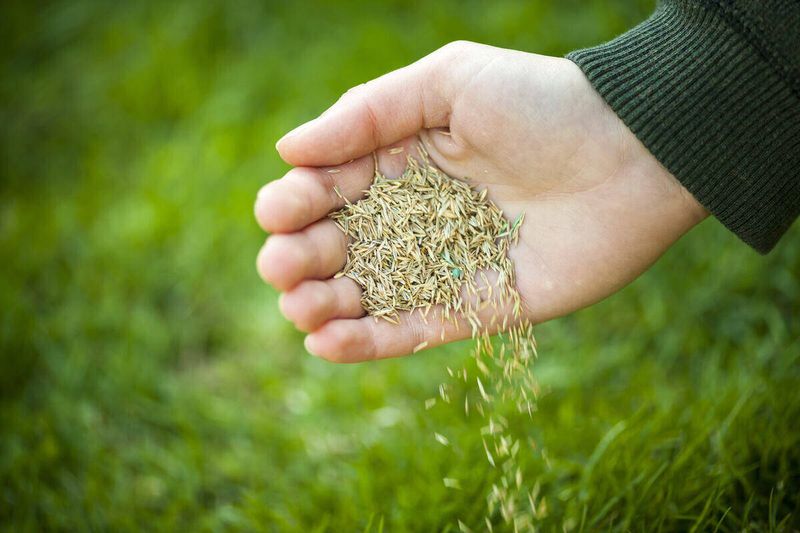
Seed tends to sprout well when soil is still warm but the air has cooled off. UGA Extension generally points to September and October as the main seeding window for fescue in the state.
Mid-October is still workable for most yards in the Piedmont and mountains.
Timing shifts a bit by location, though. Mountain areas cool down sooner, so seeding there often works best earlier in the season.
Fescue struggles in the hotter parts of south Georgia, and warm-season grasses usually suit those lawns better.
Fall seeding also gives young grass several months of mild weather before summer stress returns. Spring-seeded fescue has far less time to toughen up before hot, dry spells arrive.
Weed pressure tends to be lower in fall too, since many summer weeds are slowing down. That gives new grass a bit more room to fill in.
If your lawn thinned out over the summer, now is the time to pick up seed. Choose a quality tall fescue blend suited to your area and sun exposure.
2. Waiting Too Long Leaves Less Time For Roots To Establish
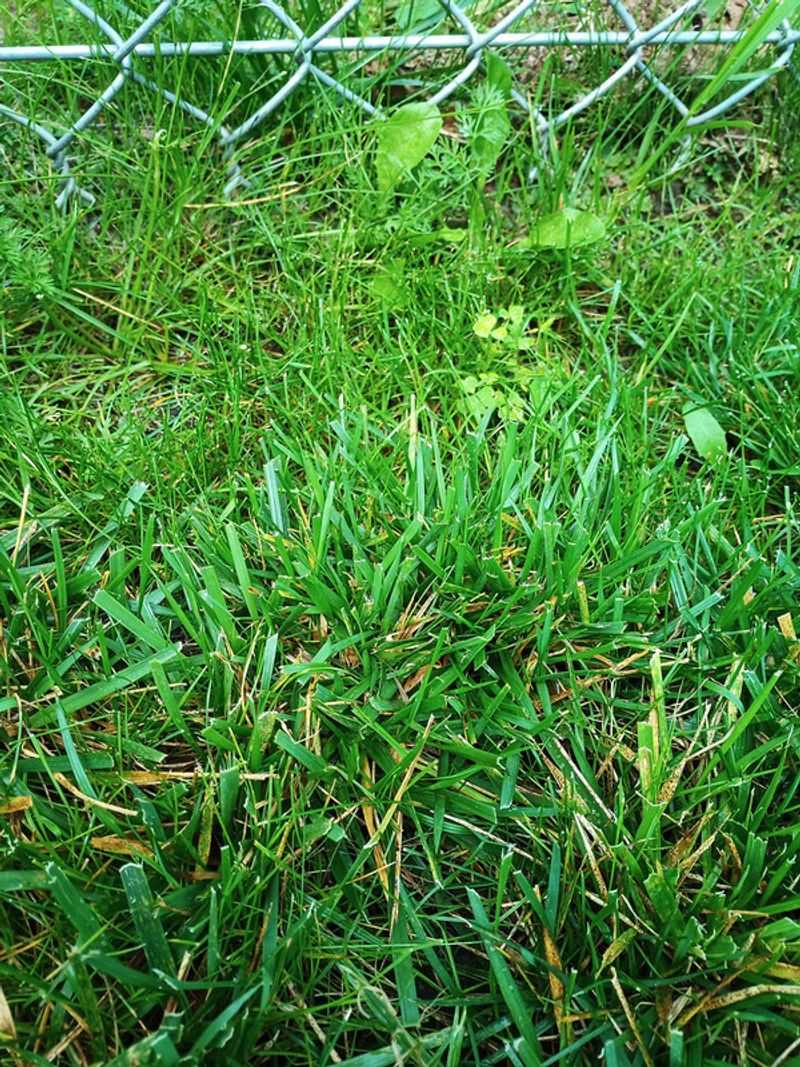
Roots are the real story behind a lawn that survives its first winter. Green blades on top look nice, but what happens underground matters more.
Young fescue needs weeks of steady growth to build a decent root system before cold weather settles in.
Seed sown in late October or November may still sprout in Georgia, especially in milder years. However, those seedlings often head into winter smaller and weaker than grass planted earlier.
Shallow roots dry out faster and can get lifted when soil freezes and thaws.
Frost heaving like that tends to be a bigger issue in colder northern counties. Thin, young turf may also have a harder time handling foot traffic or winter weeds.
Late seeding is not hopeless, and plenty of lawns pull through just fine. Results depend on how mild the winter turns out and how well the seedlings are cared for.
Your Georgia Garden Changes Every Week. Your Plan Should Too.
Gardening in Georgia changes quickly throughout the season. Every Friday you’ll receive a simple weekly plan showing exactly what to plant, prune, fertilize, harvest, and protect so you never miss the right timing.
Some homeowners who miss fall choose to wait and seed thin spots in late winter or early spring instead.
That option works, but spring grass has less time before summer heat hits. Fall seeding usually gives better long-term results when you can get it done.
So if seeding is on your list, try not to push it off another few weekends. Every extra week of growth now helps roots dig in deeper.
3. Shorter Existing Grass Helps Seed Reach The Soil
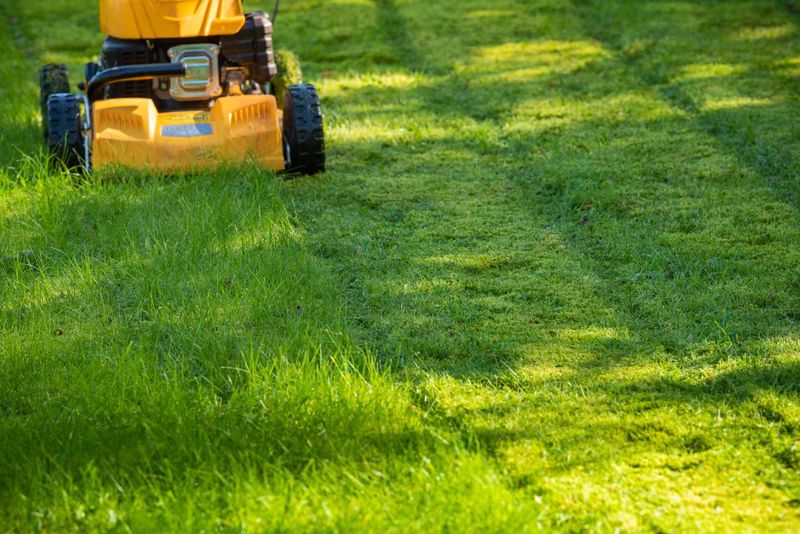
Tall grass acts like a roof over your seed. Scatter seed on a shaggy lawn, and a lot of it ends up stuck on blades instead of touching dirt.
Mowing lower than usual before overseeding helps open up the turf so seed can drop down where it belongs.
Most fescue lawns are kept around three inches or so during the year. Before seeding, many lawn pros suggest cutting a bit shorter, often around two inches, for that one mowing.
Bag the clippings or rake them up afterward.
Leaving a thick layer of clippings can block seed from reaching soil, which defeats the whole purpose. A light rake also pulls out loose thatch and debris.
Avoid scalping the lawn down to bare dirt, though. Cutting too low can stress existing fescue right when you want it to stay healthy.
In Georgia yards with heavy clay, core aeration before seeding can help a lot too, since it loosens packed soil.
Once seed is down, give the new grass time before mowing again. A common rule is to wait until seedlings reach your normal mowing height, then cut with a sharp blade.
Raise the mower back up after that first trim. Taller grass helps shade out weeds and keeps roots cooler.
4. Good Seed To Soil Contact Improves Germination
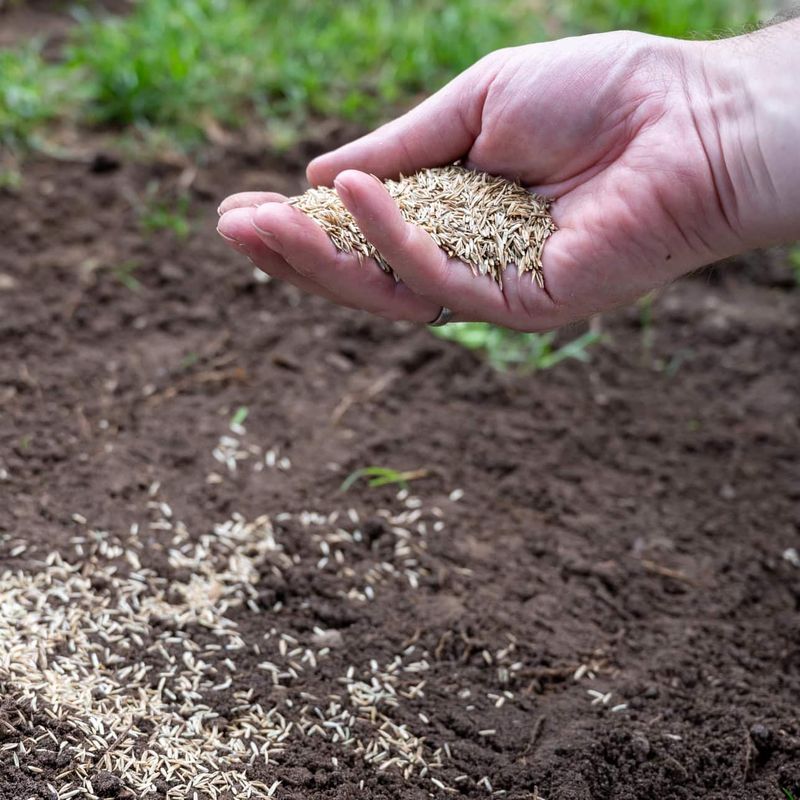
Seed sitting on top of thatch is a bit like a plant in a pot with no dirt. It might sprout, but it has little to hold onto.
Fescue germinates more reliably when each seed is pressed against moist soil.
Core aeration is one of the easiest ways to make that happen. The machine pulls small plugs of soil, leaving holes where seed can settle and stay damp.
Renting an aerator or hiring a lawn service are both common choices in fall.
A slit seeder is another option, and it cuts small grooves and drops seed right into them. For small patches, roughing up bare spots with a stiff rake works well enough.
After spreading seed, lightly rake it so it mixes into the top layer of soil. Avoid burying it deeply, since fescue seed only needs a thin covering.
Red clay soils found across much of Georgia can crust over after rain, so loosening the surface first really helps.
Some people lightly roll the area afterward to firm things up. A thin layer of weed-free straw can also hold seed in place on slopes and cut down on bird snacking.
Spreading seed in two directions gives more even coverage. Follow the bag label for the right overseeding rate.
5. New Seed Needs Consistent Moisture To Get Started
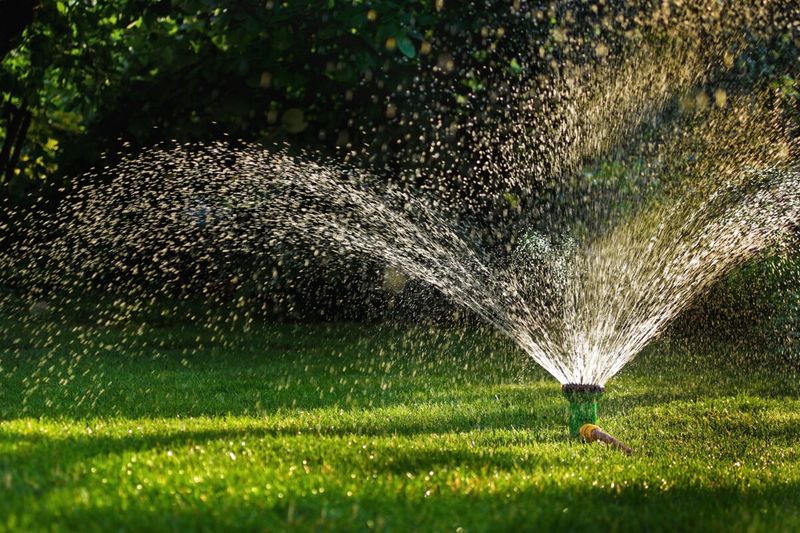
Dry seed just sits there waiting. Once it soaks up water and starts to sprout, though, letting it dry out can set it back fast.
Keeping the top layer of soil evenly damp is the key job during the first couple of weeks.
Light watering once or twice a day usually works better than one heavy soak. You want the surface moist, not soggy or puddled.
Fescue often sprouts within one to two weeks, though cool weather can stretch that out.
October in Georgia can turn dry for stretches, so rain alone may not be enough. Check the soil with your finger, and water when the surface starts to feel dry.
Morning is a good time to water since grass dries off during the day.
Too much water can wash seed away on slopes or encourage disease in thick, wet spots. Watch for runoff and cut back if water starts pooling.
Once seedlings reach an inch or two, you can slowly shift to deeper, less frequent watering. That change encourages roots to grow downward instead of staying near the surface.
Keep foot traffic off the area while it fills in. Kids, pets, and mowers can all crush tender seedlings before they toughen up.
6. Heavy Leaf Cover Can Smother Young Fescue Seedlings
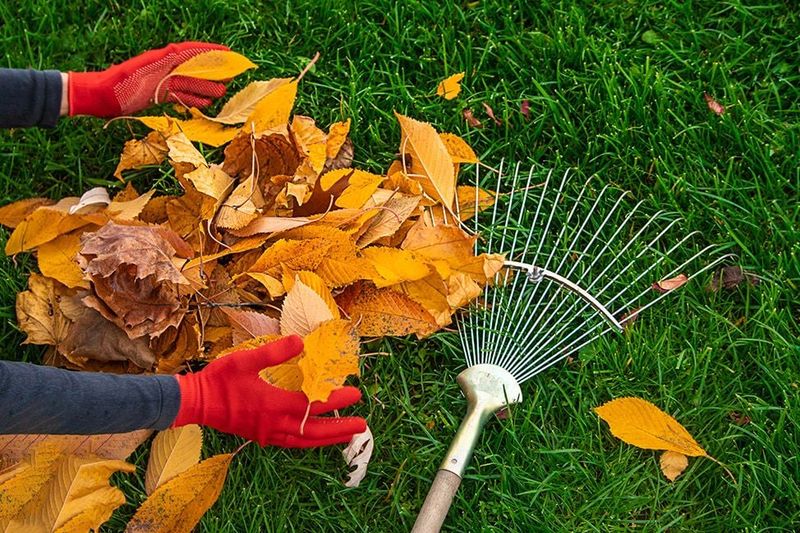
Falling leaves look pretty, but they can be rough on new grass. Just as fescue seedlings start to show up, oaks and maples begin dropping their load.
A thick mat of leaves blocks sunlight and traps moisture right on top of tender grass.
Young seedlings need light to grow, and covered patches can turn thin, yellow, or weak. Damp leaf piles may also raise the chances of fungal problems.
Wooded lots across north Georgia often deal with this every single fall.
Try to clear leaves at least once a week once they start falling heavily. A leaf blower on a low setting or a light plastic rake is gentler on new grass than a stiff metal one.
Mulching leaves with a mower can work once seedlings are established and tall enough to cut. Shredded leaves in a thin layer can break down without smothering the turf.
Before that point, it is usually safer to remove them.
Shade from trees is another thing to think about. Even tall fescue, which handles some shade better than many grasses, still needs a few hours of sun daily.
Thinning low branches may help shaded spots. Shade-tolerant fescue blends can also improve your odds in those tougher areas.
7. Late Fall Growth Slows As Soil Temperatures Drop
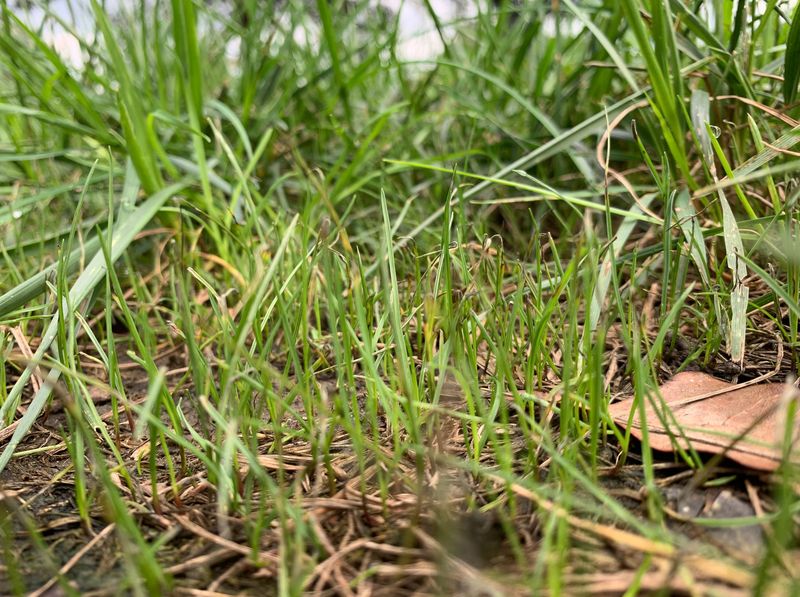
Grass keeps its own calendar, and soil temperature runs it. Once the ground cools off in late fall, fescue simply slows down.
Seed still sprouts in cooler soil, but it often takes longer and grows more slowly afterward.
Air temperatures can swing a lot from day to day. Soil, on the other hand, cools more gradually, which is why growth tapers off rather than stopping overnight.
Inexpensive soil thermometers make it easy to check conditions in your own yard.
In Georgia, mountain counties usually cool down weeks earlier than areas around Macon or Augusta. That means the practical seeding window closes sooner up north than it does farther south.
Slower growth also changes how you care for the lawn. Seedlings may need less water as days shorten, and mowing becomes less frequent.
Fertilizing new fescue is often recommended at seeding and again several weeks later, based on a soil test. Your county Extension office can help with testing and timing.
Patience matters a lot this time of year. A lawn that looks thin in December may thicken up nicely once spring warms the soil again.
Results still depend on winter weather and soil conditions. Keep expectations realistic, and plan to touch up bare spots next fall if needed.