Spooky-Named Ohio Native Plants And How They Got Their Names
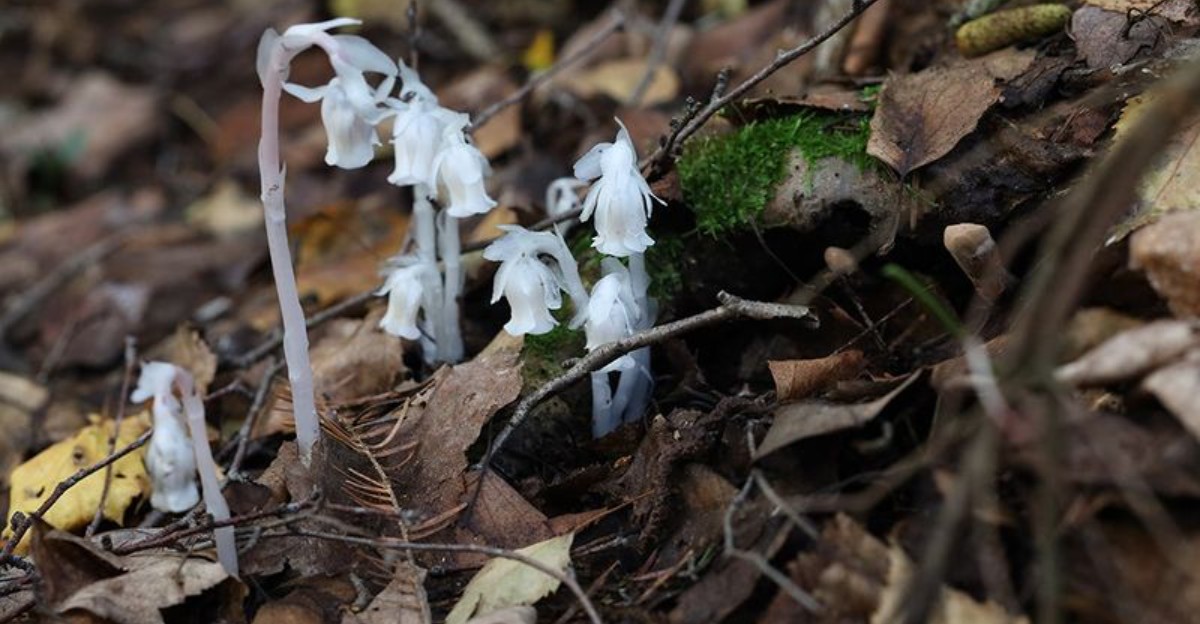
Some plants carry names that sound like they crawled out of a haunted forest, and the stories behind them are even better.
Ohio’s meadows, woods, and roadsides hold a surprising cast of characters. Devil, ghost, witch, blood, snake, and a few others pop up in the field guides if you flip the pages.
Your garden could host a few without you knowing a thing about their reputations.
Nobody chose these names to be spooky for fun. Each one came from something real, a look, a smell, a bit of folklore, or a use that settlers whispered about over the fire.
Some turn out to be gentle, pretty, and perfect for a pollinator bed. A few deserve the warning that comes with the name.
Learn the tales before the trick-or-treaters show up. You’ll have a story to tell at the door.
1. Doll’s Eyes Watch You From The Woods
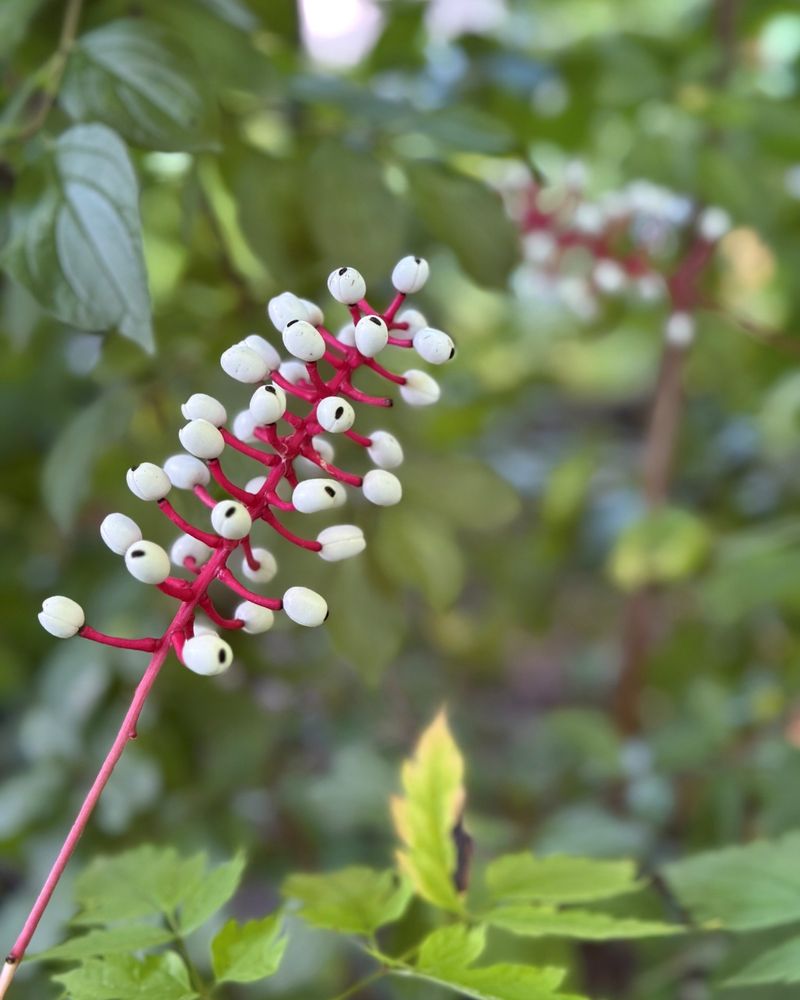
Picture a quiet walk through an Ohio forest in late summer, when something seems to stare back at you from the shade. Look closer and you will spot a cluster of white berries, each one marked with a single black dot.
That eerie plant is Doll’s Eyes, known to scientists as Actaea pachypoda. The name comes straight from those berries, which look a lot like the glass or porcelain eyes on old-fashioned dolls.
Back in the 1800s and early 1900s, many dolls had shiny white eyes with dark centers. Anyone who grew up with one of those toys could easily see the resemblance in the woods.
The berries sit on thick, bright red stalks that make the whole display pop. Against the green leaves, the white and red combo looks almost painted on, like a prop from a haunted house.
Doll’s Eyes is a perennial, so it comes back year after year from the same roots. It grows best in rich, shady woods, often near maple, beech, and oak trees.
In spring, the plant sends up fluffy clusters of tiny white flowers. Most people walk right past them, but the berries that follow in July through September are hard to miss.
Over time, folks gave this plant a pile of other names too. You might hear it called White Cohosh, Toadroot, or Necklace Weed, depending on who you ask.
If you want to find it, try shaded trails in state parks across Ohio during late summer. Bring a camera, since the berries make a fantastic close-up photo.
Gardeners who love shade can grow Doll’s Eyes from nursery plants raised from seed. It adds a strange and striking touch to a woodland garden, especially near Halloween.
Just keep one thing in mind before you get too close. Doll’s Eyes is also called White Baneberry, and bane is an old word for poison.
Every part of the plant is toxic, especially the berries and roots, so admire it with your eyes only, and call Poison Control at 1-800-222-1222 if anyone swallows the berries.
2. White Snakeroot Hides A Dark Pioneer Secret
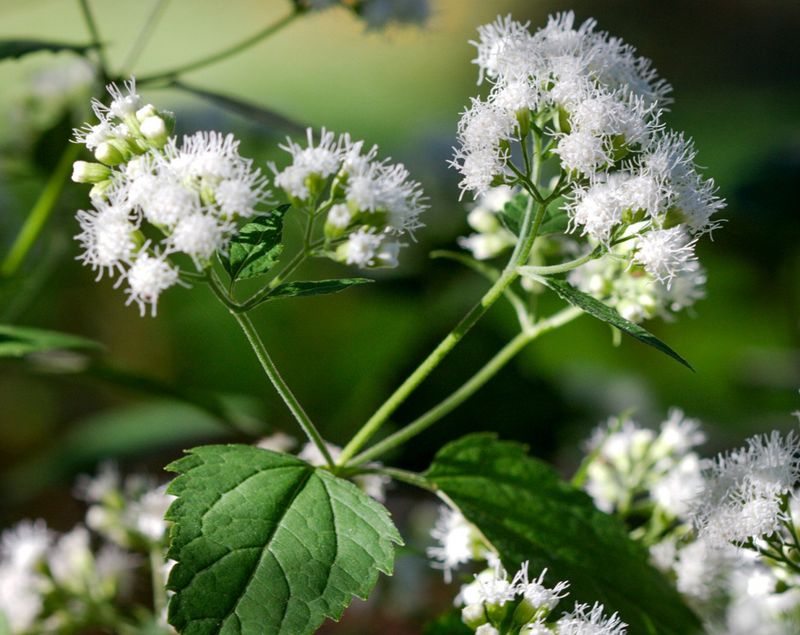
Fluffy white flowers dotting a shady Ohio woods in September look about as harmless as a plant can get. White Snakeroot, though, carries one of the darkest stories in Midwestern history.
Your Ohio Garden Changes Every Week. Your Plan Should Too.
Gardening in Ohio changes quickly throughout the season. Every Friday you’ll receive a simple weekly plan showing exactly what to plant, prune, fertilize, harvest, and protect so you never miss the right timing.
Known to scientists as Ageratina altissima, this native perennial grows in woodlands, forest edges, and shady yards across Ohio. It usually stands 1 to 3 feet tall with clusters of tiny, bright white flowers.
The snakeroot name comes from an old belief that its roots could treat snakebites. That claim never held up, but the name stuck around.
The real story is far stranger. The plant contains a toxin called tremetol, and cows that graze on it pass the toxin into their milk.
Pioneer families who drank that milk came down with a mysterious illness. They called it milk sickness, and it swept through frontier settlements in the early 1800s.
Its most famous victim was Nancy Hanks Lincoln, the mother of Abraham Lincoln. Milk sickness claimed her life in 1818 in Indiana, when young Abe was just nine years old.
For years, nobody knew the cause. An Illinois doctor named Anna Bixby is often credited with linking the illness to White Snakeroot in the 1830s.
Today, milk sickness is rare, since dairy cows rarely graze in shady woods. Still, horses, goats, and other livestock should be kept away from the plant.
Here is the twist that makes it worth growing anyway. White Snakeroot blooms late in the season, when bees and butterflies need every flower they can find.
It also handles dry shade better than most flowers. That makes it useful under big trees where little else wants to grow.
3. Ghost Pipe Glows White Without Any Chlorophyll
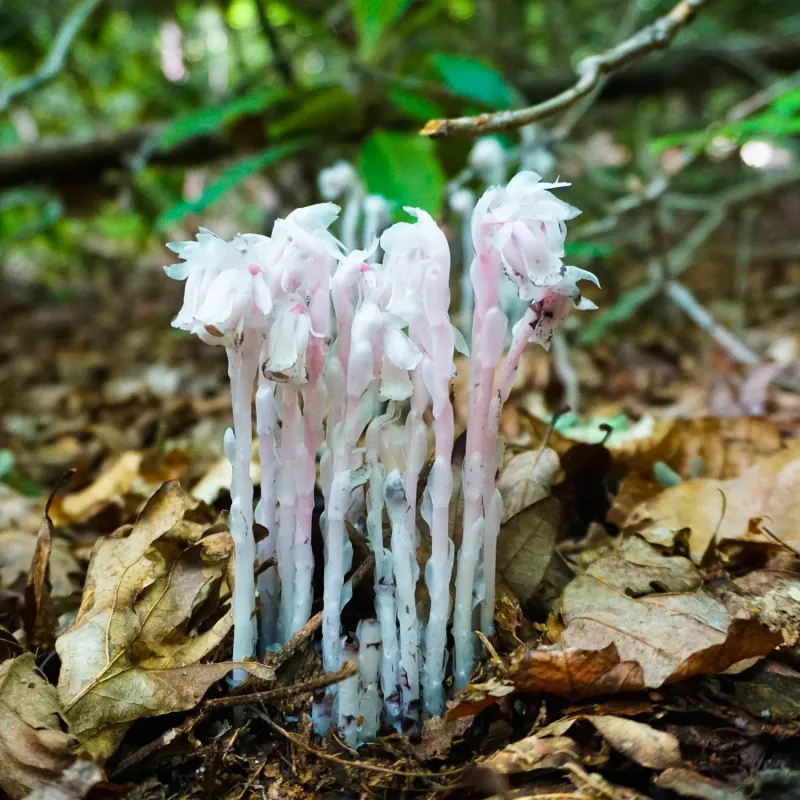
Imagine stumbling upon a little crowd of white stems poking out of the dark forest floor. They look like tiny ghosts gathered for a secret meeting under the trees.
Meet Ghost Pipe, or Monotropa uniflora, one of the oddest wildflowers in Ohio. Its pale, waxy color comes from a missing ingredient that nearly every other plant has.
That ingredient is chlorophyll, the green stuff plants use to turn sunlight into food. Without it, Ghost Pipe cannot make its own meals through photosynthesis.
So how does it eat? It taps into underground fungi that are linked to tree roots, borrowing nutrients that the trees and fungi share with each other.
Scientists call this kind of lifestyle parasitic. In plain words, Ghost Pipe is a sneaky moocher that lives off a hidden web beneath your feet.
Because it skips sunlight, it can grow in very dark, shady spots where other flowers struggle. Look for it in damp woods with lots of leaf litter, usually from summer into early fall.
Each stem holds a single flower that droops downward at first, like a pipe bowl or a bowed head. As it matures, the flower slowly turns upward to face the sky.
The scientific name describes that habit nicely. Monotropa means one turn, and uniflora means one flower.
Sometimes the plant has a soft pink blush or tiny black flecks. Those little details make each patch look a bit different, so it is fun to compare them.
Please resist picking it, since Ghost Pipe is delicate and hard to grow anywhere else. Snap a photo instead, and you will have a spooky souvenir that lasts.
After a good summer rain, take a slow walk on a shady trail. You might find your own ghostly gathering glowing in the gloom.
4. Devil’s Darning Needles Spin Wild, Wispy Seed Heads
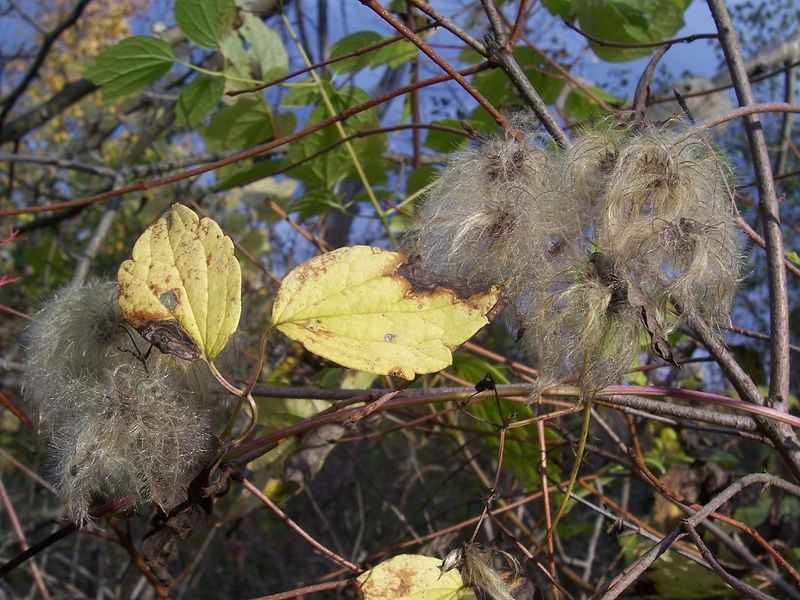
Picture a tangle of silvery, twisting threads draped over a fence on a misty October morning. It looks like something left behind after a witch’s sewing session.
That eerie vine is Clematis virginiana, a native Ohio climber with a pile of colorful nicknames. One of the spookiest is Devil’s Darning Needles.
The name comes from its seed heads. After blooming, female plants produce clusters of seeds, each with a long, feathery tail that curls and twists.
Bunched together, those wispy tails look like a messy pincushion of needles and thread. Early settlers imagined the devil himself darning socks with them.
You may also hear it called Virgin’s Bower, a much gentler name. Others call it Old Man’s Beard, since the fluffy seed heads look like a scraggly gray beard.
Here is a fun bit of trivia. Devil’s darning needle is also an old nickname for dragonflies, so you might hear the same spooky name used for insects buzzing over a pond.
In late summer, the vine covers itself in clouds of small white flowers. They have a sweet fragrance that draws bees, wasps, and butterflies.
This native vine climbs by wrapping its leaf stalks around anything nearby. Fences, shrubs, and small trees all make good supports.
It grows well along stream banks, woodland edges, and moist thickets. In a garden, it can quickly cover an arbor or trellis.
Give it some room, since it grows fast and spreads by seed. A yearly trim in early spring keeps it from taking over.
The sap can irritate skin, so wear gloves when you prune. It is also not safe to eat.
5. Bloodroot Bleeds Red Sap
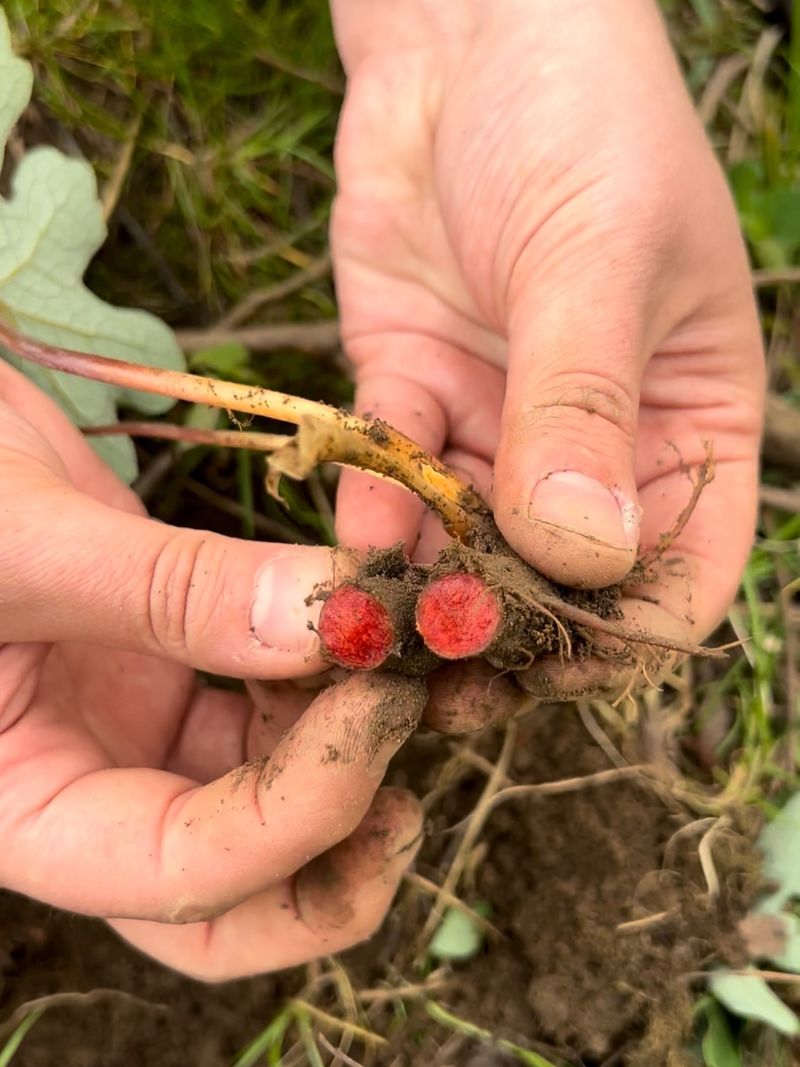
Snap a root in your hand, watch it ooze bright red, and you will understand this name instantly. Bloodroot is one of Ohio’s earliest spring wildflowers, and it has a gory little secret.
Its underground stem, called a rhizome, is filled with orange-red sap. The same colorful juice also runs through the leaf stalks and flower stems.
Scientists named it Sanguinaria canadensis. Sanguinaria comes from the Latin word for blood, so even the science name points to that dramatic sap.
Above ground, the plant looks surprisingly sweet. A single white flower with lots of slim petals opens in early spring, often while its leaf is still wrapped around the stem like a cloak.
The leaf itself is worth a look, too. It has deep, rounded lobes and a slightly blue-green color that makes it easy to spot once the flower fades.
Bloodroot flowers do not last long. Each bloom may open for only a day or two, and it closes up on cloudy days and at night.
Native Americans used the red sap as a dye for baskets, clothing, and face paint. That history adds a colorful layer to the plant’s scary-sounding name.
Ants help spread its seeds in a neat trick of nature. Each seed has a tasty little attachment that ants carry back to their nests, planting new Bloodroot along the way.
Gardeners can grow it in shady spots with rich soil. It forms lovely patches over time and pairs well with ferns and other woodland plants.
Wear gloves if you handle the roots, since the sap can irritate skin. The rhizomes are poisonous if eaten, so keep them away from kids and pets.
Next March or April, keep an eye on sunny forest edges. A flash of white might lead you to Ohio’s most dramatic little bleeder.
6. Witch Hazel’s Name May Come From Water Witching
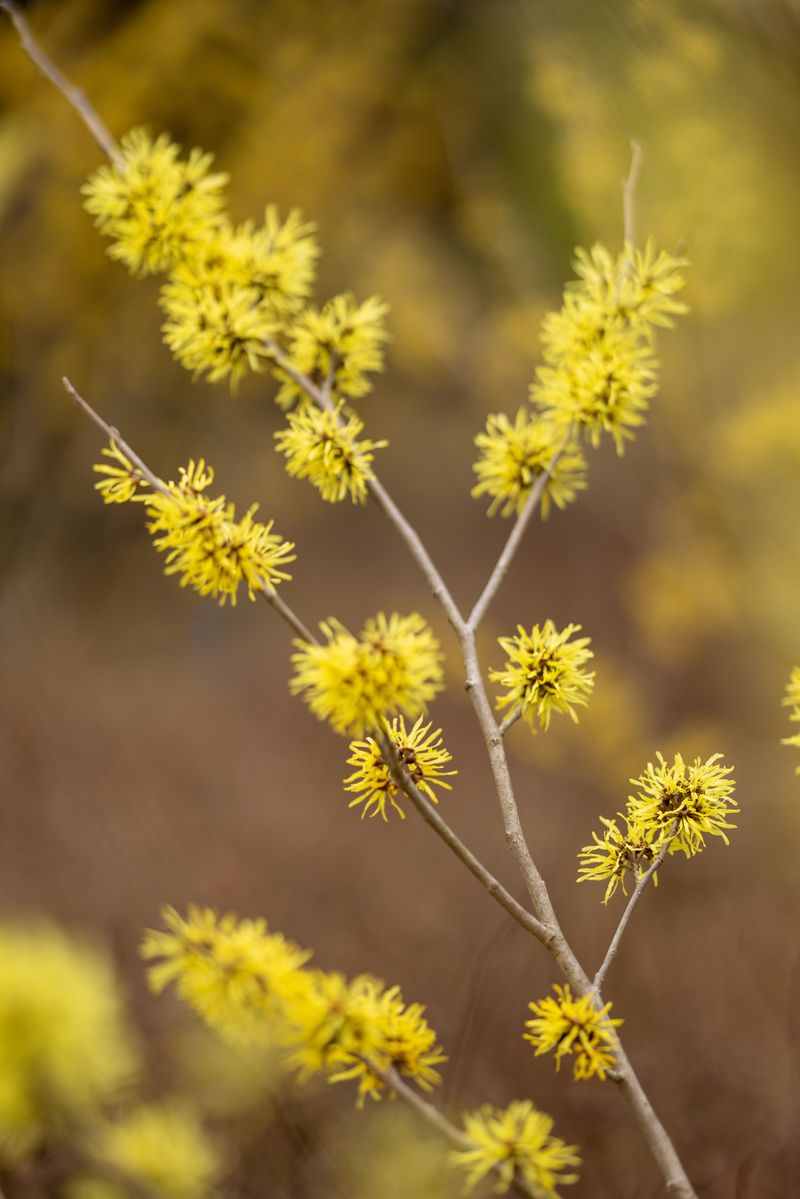
Long before anyone had machines to find water, some people trusted a forked stick and a hunch. That old practice may be the reason Witch Hazel has such a magical name.
Common Witch Hazel, or Hamamelis virginiana, is a shrub or small tree native to Ohio. It grows along forest edges, streams, and hillsides across much of eastern North America.
One popular theory links its name to water witching, also called dowsing. In this practice, a person holds a Y-shaped branch and walks slowly across the land.
When the branch dips toward the ground, it supposedly signals hidden water or minerals below. Early European settlers reportedly learned to use witch hazel branches this way from Native Americans.
The flexible, forked twigs made perfect divining rods. Settlers believed the rods would bend downward on their own when water was near.
Does dowsing really work? Scientists have tested it many times, and the results usually show it works no better than guessing.
Still, the tradition stuck around for centuries, and some people still practice it today. That spooky, almost magical idea gave the shrub a name that feels perfect for October.
Witch Hazel has its own bit of real magic, too. It blooms in late fall, long after most plants have dropped their flowers.
Its seed pods are also full of surprises. When they dry out, they snap open and can launch seeds several feet away, sometimes with an audible pop.
Imagine walking through quiet woods in November and hearing little cracks around you. It sounds a bit like a ghost tapping on branches, but it is just Witch Hazel at work.
If you have a yard with partial shade, this shrub is a wonderful pick. It offers fall flowers, golden leaves, and a story you can share with every visitor.
7. Rattlesnake Master Was Once Trusted For Snakebites
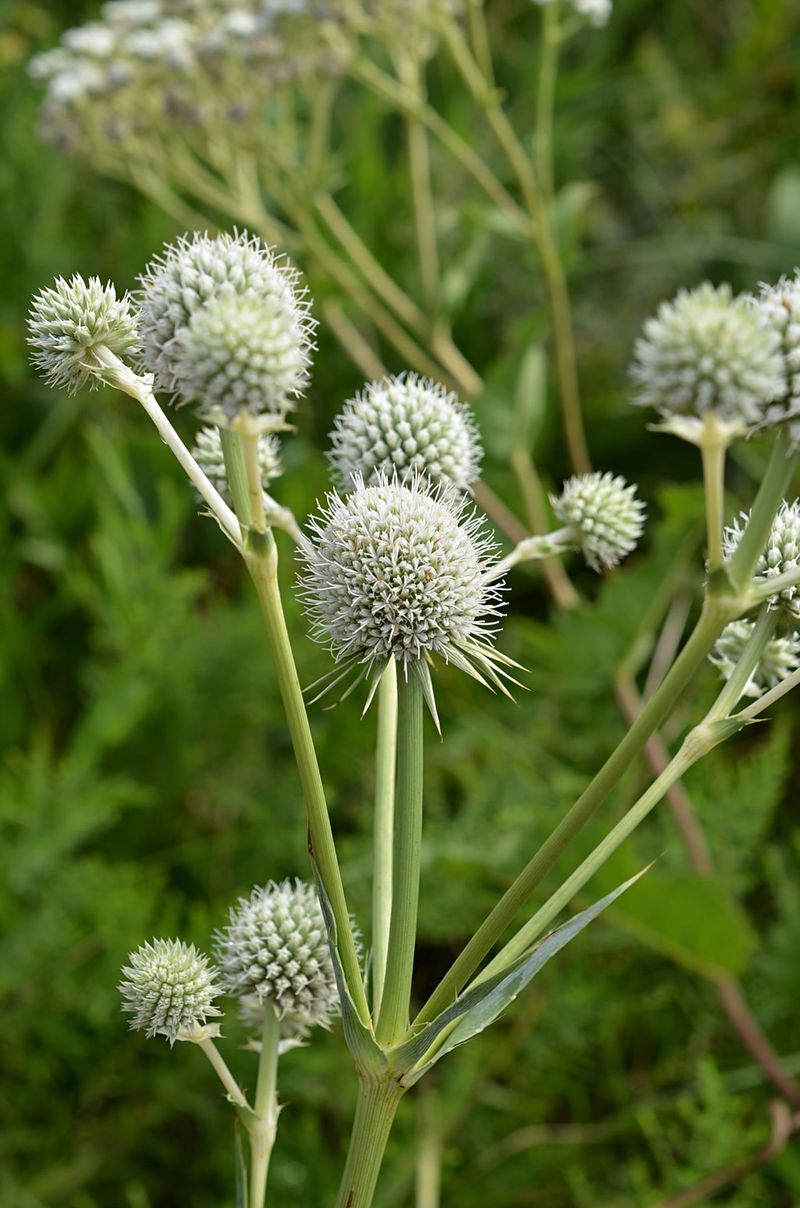
Some plants look like they landed from another planet, and Rattlesnake Master is one of them. Its spiky leaves and round, prickly flower heads seem far too strange for an Ohio prairie.
This native plant is called Eryngium yuccifolium. The second part of its name means yucca-leaved, since its long, stiff, blue-green leaves look a lot like a yucca’s.
The common name comes from an old belief that the plant could cure rattlesnake bites. Settlers and some Native peoples reportedly used its roots as a remedy.
Modern science has found no proof that it works on snakebites. If anyone is bitten, the right move is to call 911 or Poison Control at 1-800-222-1222 right away.
Here is a surprise for most people. Rattlesnake Master belongs to the carrot family, the same group as parsley, dill, and Queen Anne’s lace.
In summer, it sends up sturdy stalks topped with greenish-white balls of tiny flowers. Each ball looks a bit like a spiky golf ball or a small sea creature.
Those strange blooms are pollinator magnets. Bees, wasps, beetles, and butterflies crowd onto them on warm afternoons.
The leaves have fibers tough enough to twist into cord. Native peoples used them to make sandals and string, and archaeologists have found ancient footwear made from them.
In the wild, look for it in Ohio’s prairie remnants and other sunny, open spaces. It grows naturally alongside big bluestem and other prairie natives.
Gardeners can grow it in full sun with dry to average soil. It usually reaches 3 to 5 feet tall and adds a bold, architectural look to a native bed.
8. Devil’s Walking Stick Earns Its Name With Sharp Prickles
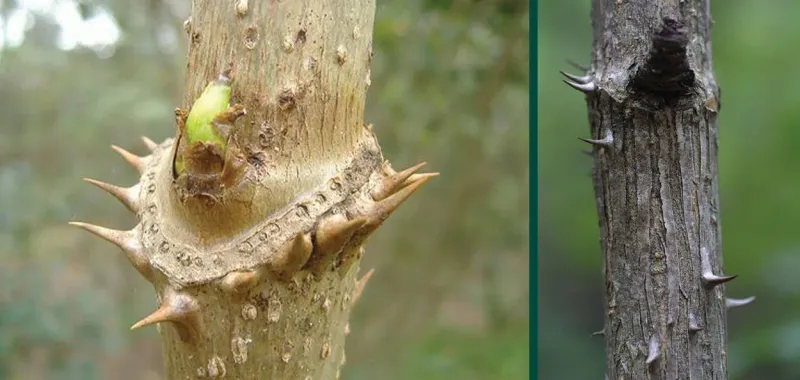
Grab this stick, and you will regret it almost instantly. Devil’s Walking Stick is covered from top to bottom in sharp prickles that seem designed to keep hands far away.
Known as Aralia spinosa, this plant is a large shrub or small tree native to the eastern United States, including parts of Ohio. It can reach 10 to 20 feet tall or more.
Its stems, branches, and even its leaf stalks bristle with stout, pointy prickles. The name suggests only the devil himself would dare to lean on such a painful cane.
The scientific name agrees. Spinosa simply means spiny, so scientists and storytellers landed on the same idea.
Hercules’ Club is another common nickname. It brings to mind a giant’s spiky weapon, which fits the tough, thorny trunk.
Some folks call it Angelica-tree, a much sweeter name. It is funny that one plant can sound both heavenly and wicked at the same time.
The leaves are huge, sometimes several feet long and split into many smaller leaflets. They create an umbrella shape that looks a bit tropical in summer.
In late summer, big sprays of tiny creamy flowers rise above the leaves. Bees, butterflies, and other pollinators swarm them like a buzzing festival.
Those flowers turn into dark purple berries in fall. Songbirds love them, so the shrub becomes a busy snack bar before winter.
This plant spreads by sending up new shoots from its roots, called suckers. Give it room, since a single plant can turn into a prickly thicket over time.
Wear thick gloves if you ever need to prune it. Handling the bark and roots can cause allergic skin reactions in some people, so caution pays off.
For a wildlife-friendly yard with an edgy look, it is a bold choice. Just plant it away from paths where someone might brush against it.