Why Florida Lawns Look Worse After The First Cold Front, And When They Bounce Back
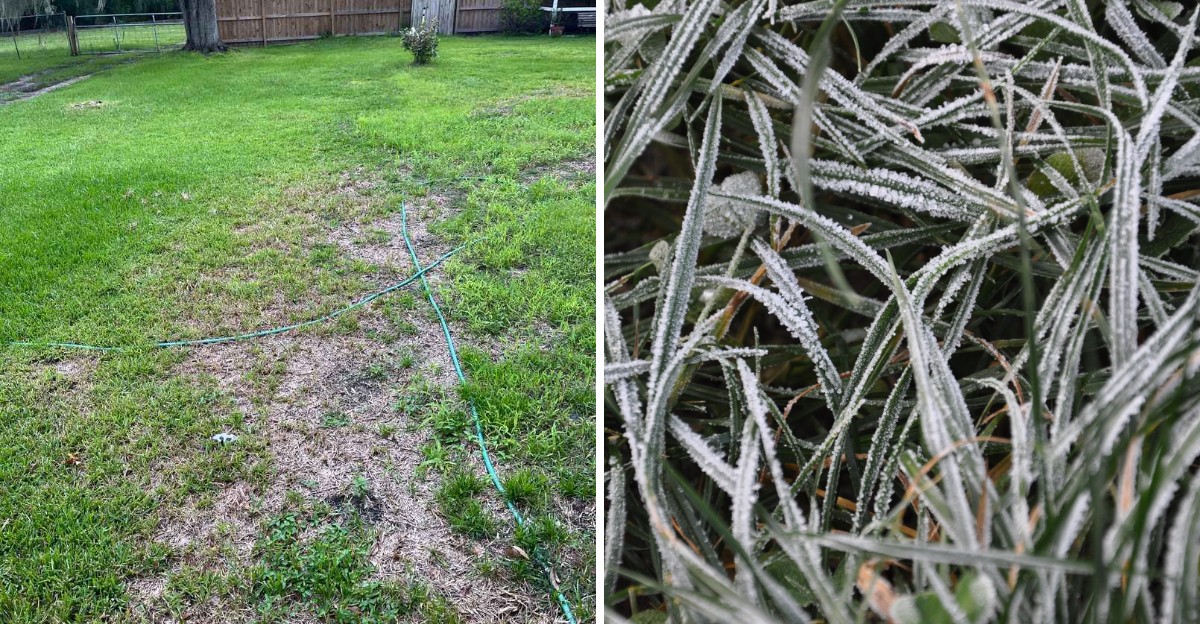
The first cold front blows through, and overnight your lush green Florida lawn looks like it aged ten years. Don’t panic.
Grass that looked fine on Monday turns tan and tired by Thursday. Neighbors start asking questions at the mailbox.
Some owners grab fertilizer, others fire up the sprinklers, and a few start talking about sod.
That reaction usually does more harm than good. The change you see has a cause, and the cause explains most of the timeline too.
Some lawns recover on their own in a few weeks, while others take until spring to look right.
Your grass type matters more than your effort here. So does what you do in the next few days, and what you skip.
Step back from the hose for now. The next move depends on knowing what you’re really looking at.
1. Cooler Nights And Shorter Days Tell Lawns To Slow Down
Picture your lawn as a summer athlete who just heard the coach blow the final whistle. All season long, it sprinted through heat that sat between 80 and 95 degrees.
Once daytime air temperatures start staying below 70 degrees, growth slows way down. Your grass is not sick or lazy.
It is simply responding to signals it has followed for thousands of years.
Light plays a big role too. Shorter days mean fewer hours of sunshine for the blades to turn into food.
The sun also sits lower in the sky, so the light that reaches your yard is weaker and spread thinner.
Put cooler nights and dimmer days together, and your grass gets a clear message. It is time to ease off, save energy, and stop pushing out new leaves so fast.
You may notice you are mowing less often, which is a nice bonus. Clippings get shorter, and the lawn stops looking freshly cut for only three days.
That slowdown is one of the first clues that the season has turned.
A smart move now is to raise your mower deck a notch. Taller blades hold more stored energy and shade the soil, which helps the roots stay cozy.
Also cut back on watering, since slower grass drinks much less than it did in July.
2. Warm-Season Grasses Are Built To Go Dormant

Bears hibernate, and so does a lot of Florida turf, in its own grassy way. St. Augustine, Bermuda, Zoysia, Centipede, and Bahia all belong to a family called warm-season grasses.
Each one loves heat and sunshine. When temperatures keep dipping into the range of 50 degrees to the low 60s, these grasses shift into a resting state called dormancy.
Think of dormancy as a power-saving mode on your phone. The screen dims, apps stop running in the background, and the battery lasts much longer.
Your lawn does the same thing by pulling energy down into its roots and runners.
Fun fact: many of these grasses came from tropical and subtropical parts of the world. Bahia grass, for example, traces its roots to South America.
Your Florida Garden Changes Every Week. Your Plan Should Too.
Gardening in Florida changes quickly throughout the season. Every Friday you’ll receive a simple weekly plan showing exactly what to plant, prune, fertilize, harvest, and protect so you never miss the right timing.
Their ancestors learned to wait out cool spells instead of fighting them.
Because of that, a tan or straw-colored yard in January is usually a sign of a healthy plant doing its job. The green parts above ground fade, but the living crowns and roots stay tucked safely below.
Your role during this rest period is pretty easy. Water lightly only when the soil is dry, keep foot traffic down, and avoid heavy yard work.
Let the grass nap without interruption, and it will wake up stronger once warmth returns in spring.
3. A Frost Or Freeze Usually Turns Them Brown
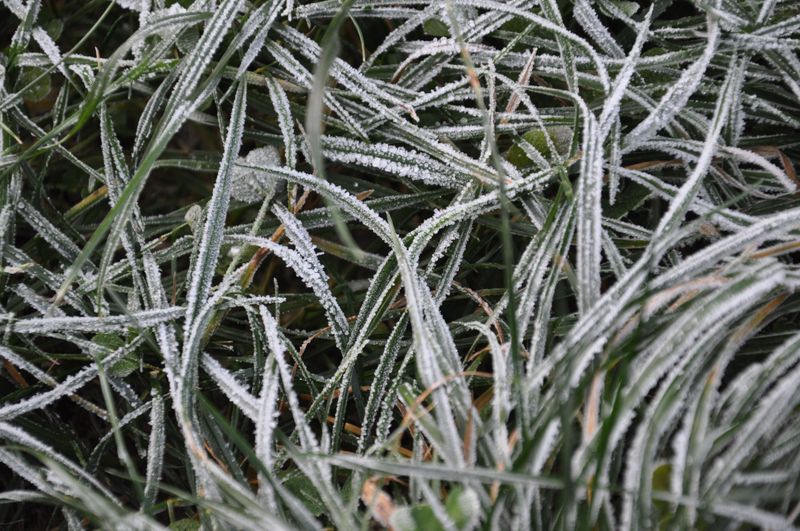
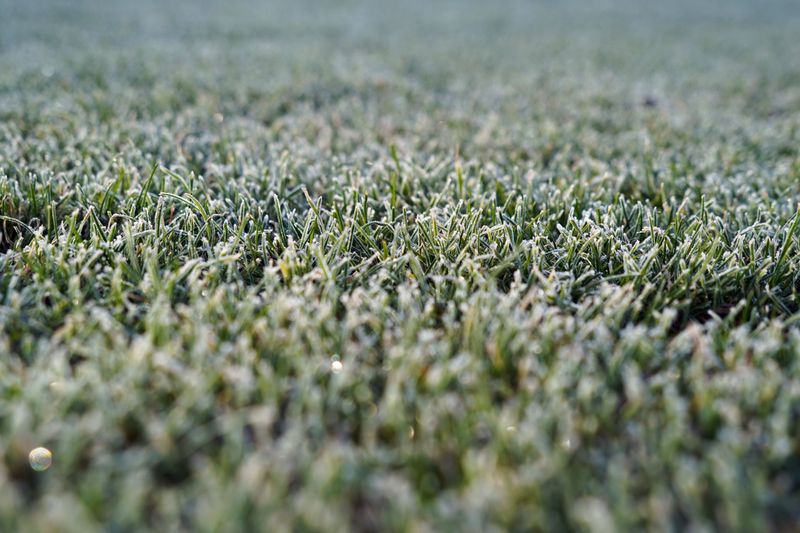
One chilly morning, you might wake up to a lawn that sparkles like powdered sugar. That glitter is frost, and it forms when surface temperatures drop to 32 degrees or lower.
Tiny ice crystals settle on each blade and can bruise the leaf tissue. A light frost often damages only the tips, while the roots underneath stay safe and sound.
Here is the tricky part. Walking on frosty grass can crack the frozen blades like thin glass.
Later that day, you may spot brown footprints marking every trip to the mailbox or trash can.
Those tracks can linger for weeks, so try to stay off the yard until the sun melts the ice. Ask kids and pets to use the sidewalk on frosty mornings too.
A hard freeze is a different story. When temperatures suddenly plunge below 20 degrees, turf can suffer lasting harm, especially in North Florida.
Thankfully, that kind of cold is fairly rare across most of the state.
After any frost, the lawn may look brown or yellow almost overnight. Resist the urge to rake, scalp, or reseed right away.
Most of the color loss is surface-level, and patience pays off far better than panic. Give it until spring to show you what truly made it through.
4. Spots Under Trees And Near The Coast May Stay Greener
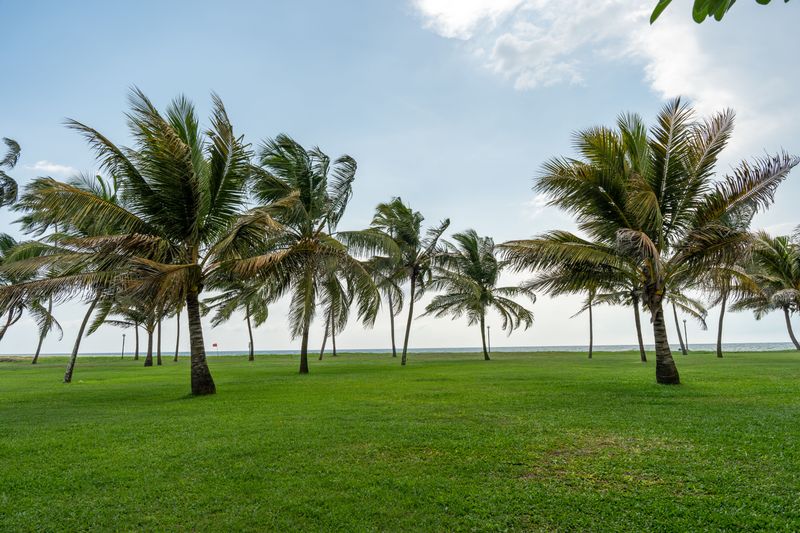
Ever notice a neat green stripe along your driveway while the middle of the yard looks like toast? You are not imagining it, and you did nothing special to that strip.
Certain parts of a lawn hold heat better than others. Areas near the house, along fence lines, and under tree canopies often have warmer soil on cold nights.
Tree branches act like a loose blanket overhead. They trap a little of the ground’s warmth and block some frost from settling on the blades.
Walls and fences work in a similar way by shielding grass from chilly wind.
Concrete adds its own trick. Driveways and sidewalks soak up sunshine all day and give that heat back after dark.
Grass growing beside them tends to keep its color longer and may green up sooner in spring.
Coastal yards get a boost too, since nearby water cools down slowly and softens cold snaps. A home a few miles inland might see frost while a beachside lawn stays fine.
On the flip side, deeply shaded and damp corners can lag behind once spring arrives. They warm up slowly and may stay pale for extra weeks.
Use these patterns as a free map of your yard’s microclimates, which helps when planning plants and watering zones.
5. South Florida Lawns Stay Green But Grow More Slowly
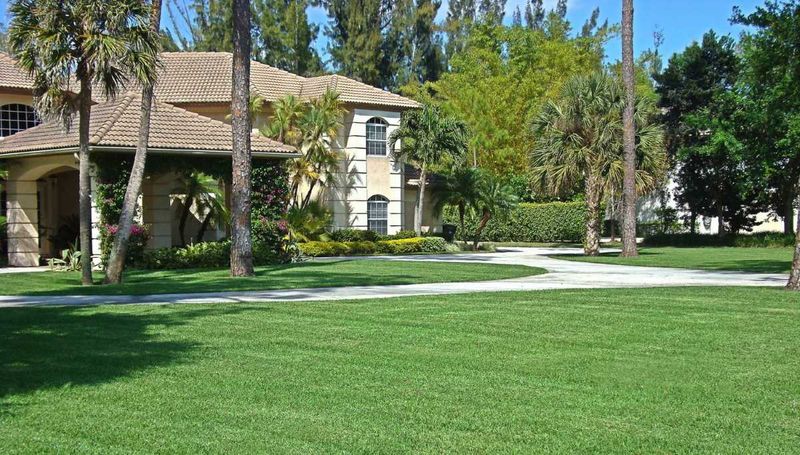
Folks in Miami and Naples get to brag a bit this time of year. While North Florida yards fade to tan, many South Florida lawns keep their color through winter.
The tropical climate keeps soil warm enough for grass to stay active. Instead of shutting down fully, the turf just shifts into a lower gear.
You will still see changes, though they are quieter. Mowing might drop from weekly to every two or three weeks.
Thin spots fill in more slowly, and bare areas from summer may not close up until spring.
Keep in mind that South Florida is not fully cold-proof. Every so often, an unusually strong front pushes far south and brings a chilly night or even light frost.
When that happens, blades can turn yellow or bronze for a short while.
The good news is that this discoloration usually passes quickly. A few warm, sunny days often bring the green right back without any extra effort from you.
For care, think light and steady. Water based on rainfall and how the grass looks, not on a summer schedule.
Keep mower blades sharp so cuts heal fast. Watch for weeds, since some cool-season weeds sneak in when grass slows.
Hand-pulling a few now prevents a bigger mess later.
6. Fertilizing Now Can Set Up Spring Damage
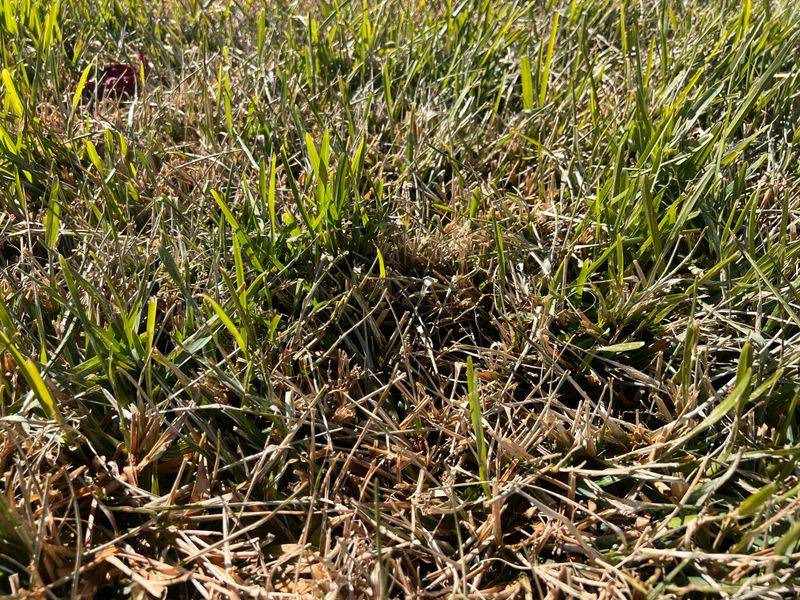
Feeding a sleeping lawn is a bit like handing a midnight snack to someone in deep slumber. They cannot use it, and it might cause trouble later.
In North and Central Florida, late fall and winter fertilizing is a common mistake. Grass that should be resting gets nudged into pushing out soft, tender growth.
That fresh growth is fragile. When the next cold front rolls through, those new blades are the first to get hurt.
You end up with a weaker lawn heading into spring instead of a sturdier one.
There is an environmental cost too. Slow or dormant grass cannot absorb nutrients well, so much of the fertilizer washes away.
It can soak down into groundwater or run off into lakes, springs, and canals, feeding algae instead of your yard.
Extra nitrogen during cool months also invites disease. Lush, weak tissue is an open door for fungal problems that love chilly, damp weather.
So when should you feed? Wait for steady spring green-up, then apply fertilizer during the active growth season from late spring through summer.
Check your county rules as well, since many Florida areas limit fertilizer use during the rainy season. Save your money now, and spend it when the grass can put every bit to good use.
7. Brown Patches In Cool Weather May Be Large Patch
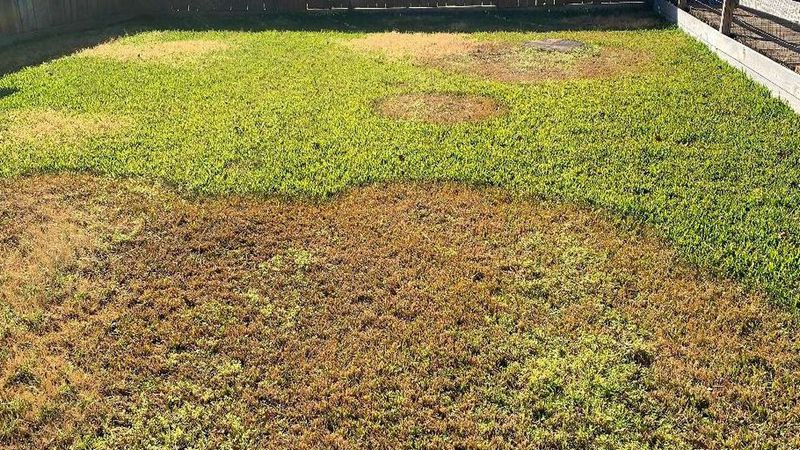
Not every brown spot in winter comes from the cold. Sometimes a sneaky fungus called Large Patch is the real culprit behind those odd rings.
Large Patch loves cool, moist weather. It tends to show up between fall and spring when soil temperatures sit somewhere around 60 to 70 degrees.
St. Augustine and Zoysia are favorite targets, though Bermuda can get hit too. The disease often starts as a yellow or bronze circle that slowly grows wider.
You might see a darker or orange-tinted edge where the fungus is most active.
Want a quick test? Gently tug on a blade near the border of the patch.
If it slips out easily and the base looks brown, soft, and rotted, Large Patch is a strong suspect.
Several habits make this fungus happier. Overwatering, poor drainage, thick thatch, and heavy nitrogen in cool months all give it a boost.
Watering late in the evening also leaves blades wet overnight, which it loves.
To fight back, water only in the early morning and only when needed. Improve drainage in soggy areas and skip winter fertilizer.
Mow the infected spot last so you do not spread spores around. If patches keep growing, a fungicide labeled for Large Patch can help, along with advice from your local extension office.
8. Most Lawns Green Up Between March And May
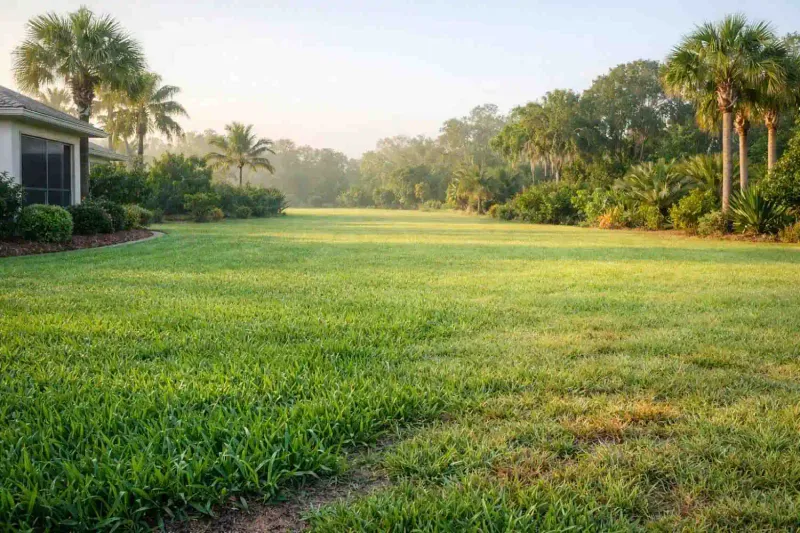
Mark your calendar, because spring is when the comeback show begins. For most Florida lawns, the big green-up happens between March and May.
In Central Florida, you might spot the first hints of color as early as late February. By March, the change is easier to see, and by April most yards are growing steadily again.
North Florida usually runs a few weeks behind. Lawns there may hold onto their tan coats a bit longer, especially after a chilly winter.
Down south, the shift is more subtle since those lawns never fully faded.
Green-up does not happen overnight. The full process often takes two to six weeks, depending on weather and grass type.
Some varieties wake up faster, while others take their sweet time.
You will likely see a patchy stage first. Warm spots near pavement and buildings turn green early, while shady corners lag behind.
That checkerboard look is normal and usually evens out within a few weeks.
Here is a helpful tip: once you notice new growth, give the lawn its first mow of the season. Cut at a normal height and bag or rake away loose brown debris if it is thick.
Avoid scalping, which can stress the waking grass and invite weeds into the open spaces.
9. Warm Nights, Not Fertilizer, Bring Them Back
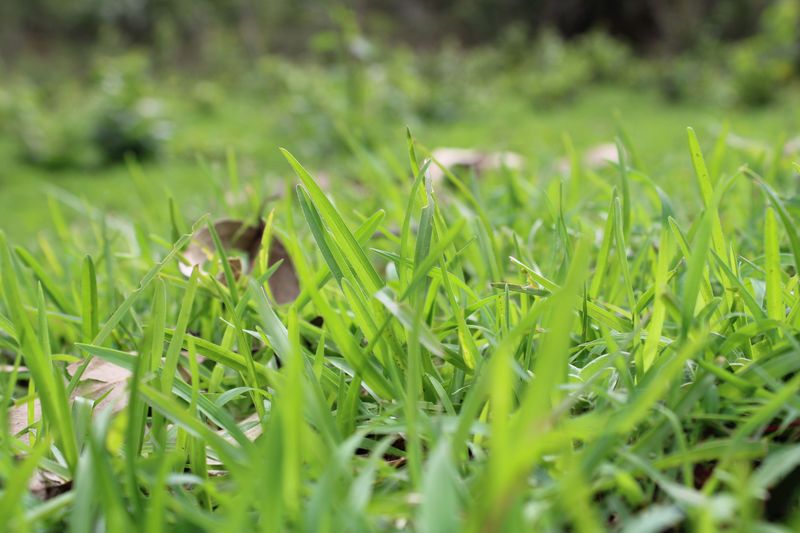
A soil thermometer might be the most underrated lawn tool you can buy. It tells you more about green-up timing than any bag of fertilizer ever could.
Warm-season grass wakes up based on soil temperature, not just air temperature. Once the soil stays around 65 degrees, roots come alive and fresh shoots start poking through.
Nighttime temperatures matter a lot here. Your lawn really hits its stride when nights stay above 60 degrees on a regular basis.
A few warm afternoons followed by cold nights will not do the trick.
Longer days help too. As spring sunshine stretches later into the evening, the grass gets more hours to make food and rebuild its energy.
Many homeowners rush to fertilize the moment they see a hint of green. Feeding too early often wastes nutrients, because the roots are not ready to absorb them.
It can also push weak top growth before the root system has caught up.
Letting the lawn wake up on its own pays off. Roots grow deeper and stronger, and the turf handles summer heat and pests much better.
So check that thermometer, watch the nightly lows, and enjoy the slow return of color. Patience now sets up a thicker, healthier yard for the whole year.