Don’t Let The First Frost Find Your North Carolina Tomatoes Still On The Vine
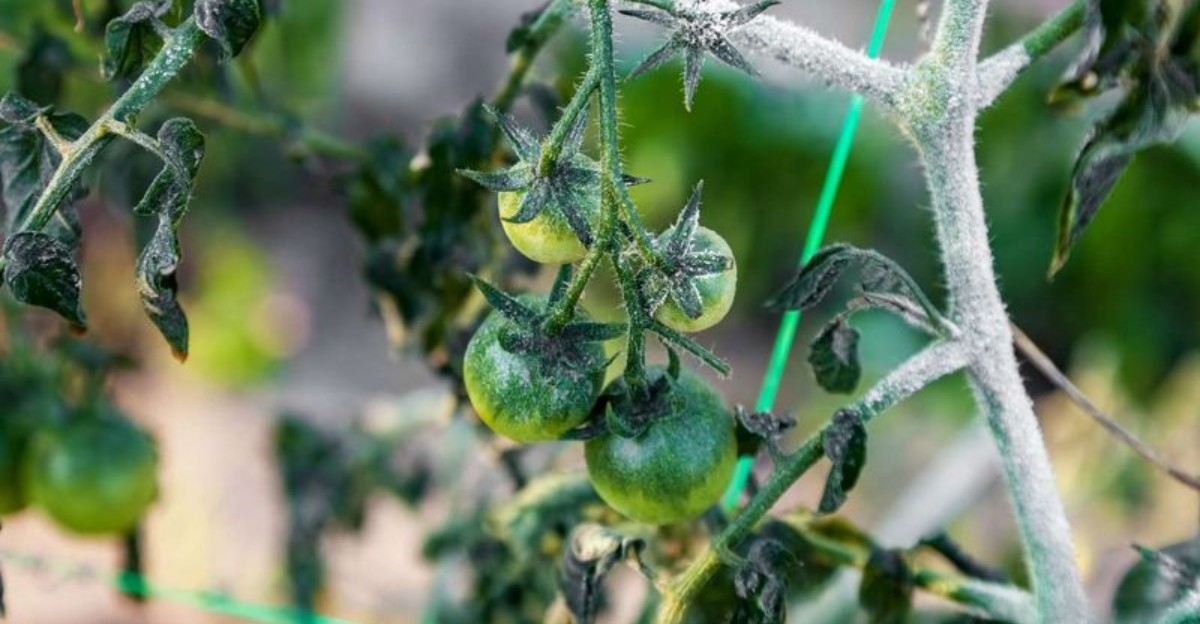
Tomato plants give up quickly once frost arrives. The leaves blacken, and fruit can be harmed overnight. North Carolina’s first frost comes at different times depending on where you live, with mountain gardens facing it much sooner than the coast.
If you still have tomatoes on the vine, it pays to act before the forecast turns cold. Not every tomato is ready to be picked, though. Fruit that has reached a certain stage can finish ripening indoors, while very small green ones rarely do.
Some gardeners pick everything at once. Others pull the whole plant and hang it up. Each method has trade-offs.
A quick look at your fruit tells you what to do. Plan ahead, and you can enjoy tomatoes for weeks after the garden ends.
1. Frost Arrives At Different Times Across The State
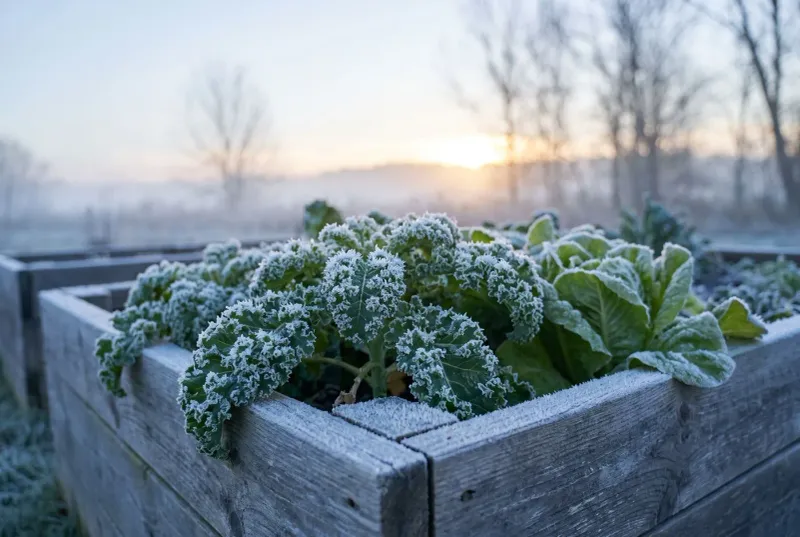
Boone and Wilmington may share a state, but they hardly share a fall calendar. A gardener in the high mountains can see frost on the lawn while a friend near the coast is still picking tomatoes in shorts. That gap shapes every harvest plan across North Carolina.
Two big things drive the difference: elevation and distance from the ocean. Cold air settles faster at higher elevations, so mountain valleys and ridges cool off quickly once fall arrives.
Down east, the Atlantic acts like a giant heat battery, holding warmth and slowing the drop in temperature for weeks.
Here is a rough guide to help you plan. In the Mountains, the first frost usually lands sometime in October, and some high spots see it even sooner.
The Piedmont, home to cities like Charlotte, Raleigh, and Greensboro, tends to get its first frost from late October into early November, while the Coastal Plain often waits until November.
Those dates are only averages, though, and averages can be sneaky. Early frosts pop up in any given year, sometimes a couple of weeks ahead of schedule.
Keep an eye on your local forecast once October rolls in, and pay extra attention to clear, calm nights, since they let heat escape from the ground fastest.
All of this matters because North Carolina tomatoes are stubborn in the best way. During warm fall stretches, many plants keep blooming and setting fruit well into autumn, which tempts gardeners to wait just one more week.
Knowing your region’s typical frost window helps you enjoy that bonus season without getting caught off guard. A free phone weather alert set for your zip code can be one of the smartest garden tools you own.
2. Cold Damages Tomatoes Even Before Frost
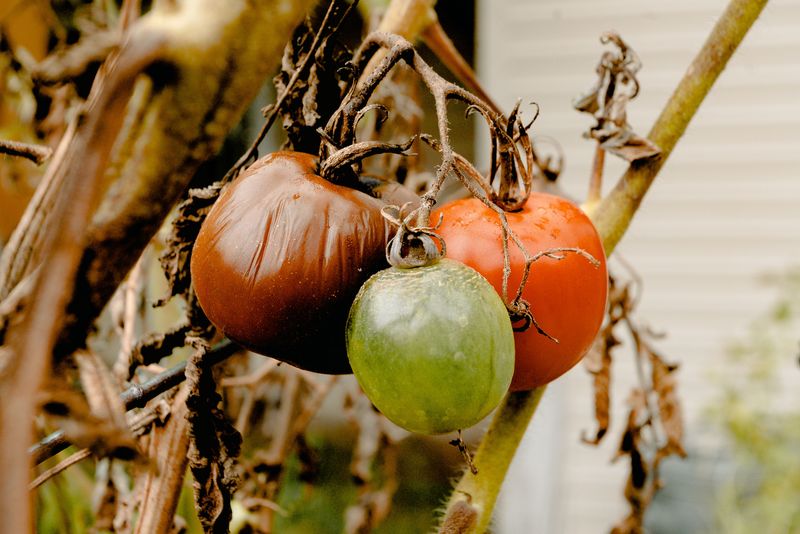
Frost gets all the blame, but the real trouble often starts sooner. Tomatoes are warm-weather plants with roots in the tropics of South America, and they simply do not like the cold. Long before ice shows up, chilly nights can quietly hurt your fruit.
Scientists call it chilling injury. When tomatoes sit in temperatures below about 50°F for long periods, their cells start to struggle.
Your North Carolina Garden Changes Every Week. Your Plan Should Too.
Gardening in North Carolina changes quickly throughout the season. Every Friday you’ll receive a simple weekly plan showing exactly what to plant, prune, fertilize, harvest, and protect so you never miss the right timing.
You might notice soft spots, blotchy or uneven ripening, or fruit that stays pale and never reaches that rich red color you were hoping for.
Flavor takes a hit too. A tomato that spent many cold nights on the vine can taste flat and watery, even if it looks fine on the outside. That is a sad ending for a fruit you babied all summer long.
So what should you do? Start harvesting mature fruit once nights regularly dip into the 40s, instead of waiting for an official frost warning. Pick ripe tomatoes promptly too, since leaving them out only gives the cold more time to work against them.
A simple outdoor thermometer near your garden makes this easy to track. Check it in the early morning, when temperatures are usually lowest, and jot down the readings for a week or so. Once you see a pattern of cool nights, you know it is time to get picking.
Timing like this matters a lot in North Carolina. Cool fall nights often arrive weeks before the first frost, especially in the Mountains and the Piedmont.
Gardeners who watch the thermometer instead of the calendar usually bring in better-tasting tomatoes and fewer disappointments.
3. Mature Green Tomatoes Will Ripen Indoors
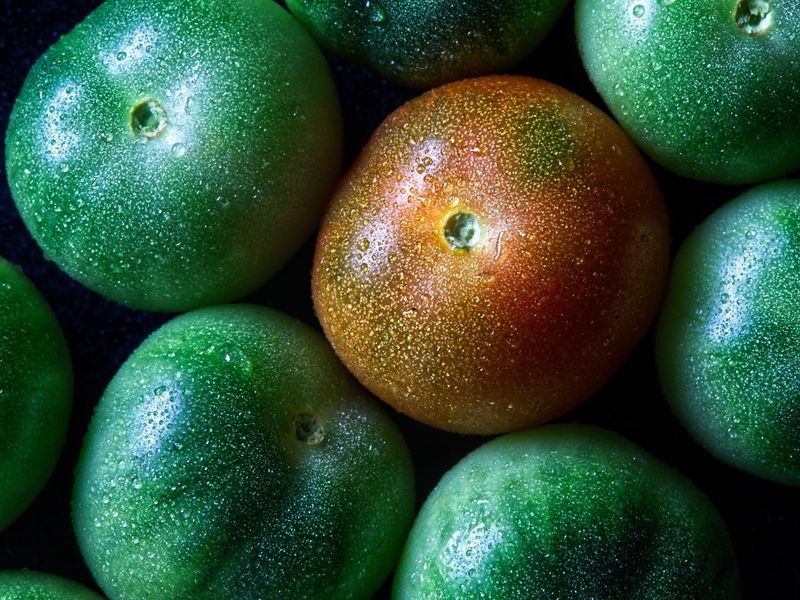
Grandma had it right when she lined her windowsill with green tomatoes every fall, though she probably skipped the full sun part. Plenty of green fruit can finish ripening after you pick it. The trick is knowing which ones are ready to make that change.
Look for tomatoes that are mature green. These have reached full size for their variety, and their skin turns glossy with a lighter, almost whitish green color.
If you slice one open, you will see jelly-like gel around the seeds, which is a great sign the fruit can ripen on its own.
Small, hard, dark green tomatoes are a different story. They usually are not developed enough to ripen off the vine, so save them for cooking instead.
Once you have your mature green crop, pick it before cold weather settles in. Wipe each tomato clean with a soft cloth to remove dirt. Then set the fruit in a single layer, without stacking, somewhere that stays around 65 to 70°F and out of direct sunlight.
Warmth, not light, does most of the ripening work. A spare bedroom shelf, a pantry, or a cardboard box in a quiet corner all work nicely.
Check your tomatoes every day or two, and pull out any that turn soft, moldy, or start to spoil so they do not spread trouble to their neighbors.
For North Carolina gardeners, this method is a real treasure. Fall vines across the state often hold dozens of green tomatoes at the end of the season. With a little patience, many of them can become sweet, red slices for sandwiches well into November.
4. Pulling Whole Plants Can Help Fruit Finish
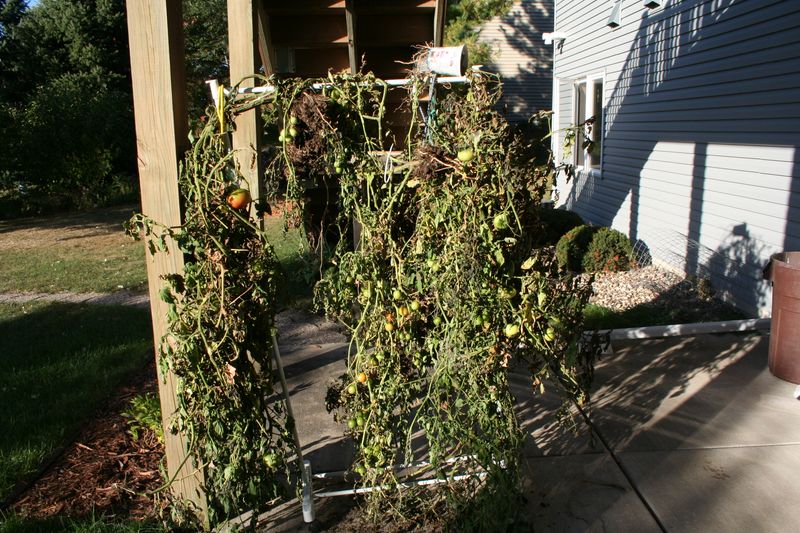
Walk into an old farm shed in late fall and you might spot something strange: tomato plants hanging upside down from the rafters like bats.
It looks odd, but there is real gardening wisdom behind it. Many old-timers swear by this trick for saving the last of the crop.
Fruit that stays attached to the vine can keep developing for a while after the plant leaves the ground. That makes this method especially helpful for tomatoes that are close to ripe. Instead of picking them one by one, you let the plant do a little more of the work.
Start before frost hits, and choose healthy plants only. Pull each one up with its roots, then gently shake off the loose soil so you do not track a mess indoors. Tie some twine around the base of the stem and hang the plant upside down.
Location matters here. A garage, shed, or basement that stays around 60 to 70°F gives the best results. Spread newspaper or an old tarp on the floor underneath, because some tomatoes will drop as they ripen, and you will be glad you did.
After that, simply check in every few days. Pick tomatoes as they color up, and toss any that rot. Leaves will dry out and fall, which is normal, so do not worry when the plant starts looking scruffy.
North Carolina gardeners have a nice advantage with this approach. Garages and sheds across much of the state often stay warm enough through fall to support ripening.
It is an easy, low-cost way to stretch your harvest and enjoy a quirky fall project at the same time.
5. Frost Cloth Can Buy A Few Extra Weeks
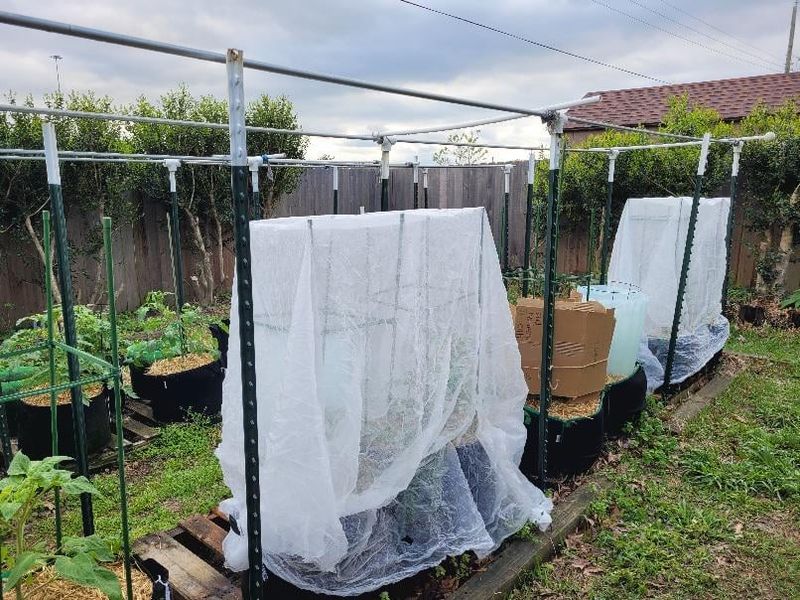
One cold night does not have to end your tomato season. In fact, a simple sheet of fabric can be the difference between a ruined crop and several more weeks of fresh picking. Smart gardeners keep a stack of covers ready every fall.
Here is how it works. A light frost can damage exposed leaves and fruit, turning them limp and dark by morning.
The soil, however, soaks up heat during the day and releases it at night, and a cover traps that rising warmth around your plants like a cozy blanket.
Frost cloth, sold at most garden centers, is made for this job because it lets in light and air. Old bedsheets or lightweight blankets work in a pinch too. Avoid plastic touching the leaves, since it can actually let cold pass straight through to the plant.
Timing is everything. Drape your covers over plants before sunset, while the ground still holds warmth from the day. Make sure the fabric reaches all the way to the ground, and weigh down the edges with rocks or bricks so heat cannot sneak out.
Stakes or tomato cages help keep fabric from pressing on leaves. The next morning, once temperatures climb, pull the covers off so plants can soak up sunshine and fresh air again.
Why bother? Across North Carolina, the first frost is often followed by weeks of mild, pleasant weather. Protecting your plants through that one chilly night can let tomatoes keep ripening right on the vine.
Many gardeners are surprised to be slicing homegrown tomatoes well past what they thought was the season’s end.
6. Green Tomatoes Are Delicious On Their Own

Ask any Southern cook, and you will hear it loud and clear: a green tomato is not a failure, it is an opportunity. Those firm, unripe fruits have a whole fan club of their own. Some folks even pick green tomatoes on purpose in midsummer.
Their appeal comes from a bright, tart flavor and a sturdy texture. Unlike ripe tomatoes, they hold their shape when sliced, fried, or simmered. That makes them perfect for many classic Southern dishes. Fried green tomatoes are the obvious star.
Slice them about a quarter inch thick, dip them in egg or buttermilk, coat them in cornmeal, and fry until golden and crisp. Serve them hot with a little salt, a squeeze of lemon, or a spoonful of remoulade, and watch them vanish.
Plenty of other options are waiting too. Green tomato relish adds zing to hot dogs and burgers, and chow-chow, a tangy mix of chopped vegetables, brightens up a bowl of beans or greens. Green tomato salsa verde makes a fresh twist for chips and tacos.
Planning to can or pickle your green tomatoes? Always follow tested recipes and guidelines from trusted sources like NC State Extension or the National Center for Home Food Preservation.
Tested recipes make sure the acid levels and processing times keep your jars safe on the shelf. In North Carolina, these dishes are more than recipes; they are tradition.
Fried green tomatoes and chow-chow have long been popular ways to use end-of-season fruit. Turning your leftover green crop into a family favorite is a tasty way to celebrate the close of another growing year.
7. Clean Up Diseased Vines After Harvest
Spotted, yellow leaves on your tomatoes this summer? Those same problems might be planning a comeback next year. The good news is that a little fall cleanup can stop them in their tracks.
Diseases such as early blight and Septoria leaf spot are sneaky. Their spores survive on infected plant debris, including old stems, leaves, and fallen fruit. When spring rains splash that material around, the disease can hop right onto your fresh new plants.
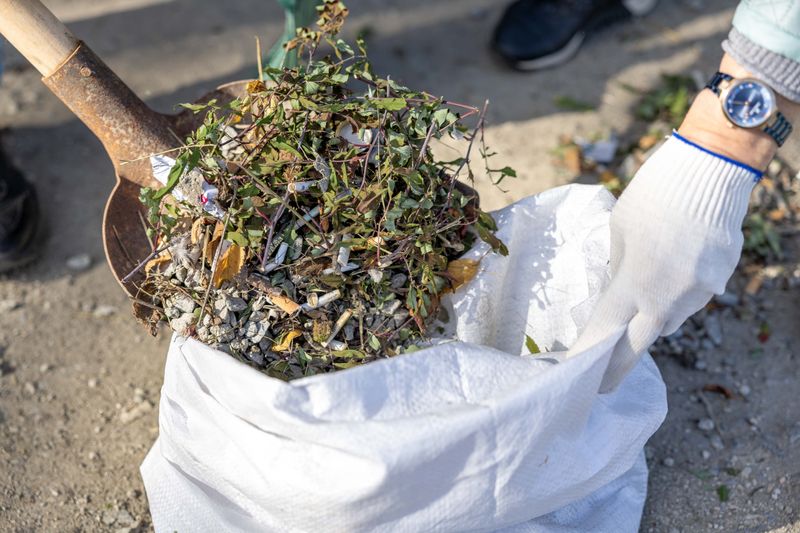
Breaking that cycle starts right after your final harvest. Pull up all your tomato plants, roots and all, and gather any fruit that dropped to the ground. Leaving even a few rotting tomatoes behind can give trouble a place to hide over winter.
Where those plants go matters just as much. Bag diseased vines and put them in the trash rather than your compost pile.
Most home compost bins do not get hot enough to wipe out disease spores, so tossing infected material in there can spread the problem all over your garden later. Grab a rake next and clear up dropped leaves around the bed.
Then make a note to plant tomatoes in a different spot next year. Rotating where you grow tomatoes, along with relatives like peppers and eggplant, gives the soil a break from those specific diseases.
Cleanup is especially valuable in North Carolina. Warm, humid summers create perfect conditions for fungal diseases that carry over from one year to the next.
An hour or two of tidying in fall can mean healthier plants, greener leaves, and a bigger harvest when tomato season rolls around again.
8. Save Seeds From Your Best Heirloom Plants
Every heirloom tomato carries a story, and some varieties have been passed from hand to hand for generations. Saving your own seeds lets you become part of that tradition. Even better, the end of the season is the perfect moment to start.
Seeds from open-pollinated or heirloom tomatoes usually grow plants similar to the parent. That is not true for most hybrids, whose offspring can turn out quite different.
By saving seeds from your best-performing heirloom plants, you slowly build a collection suited to your own backyard.
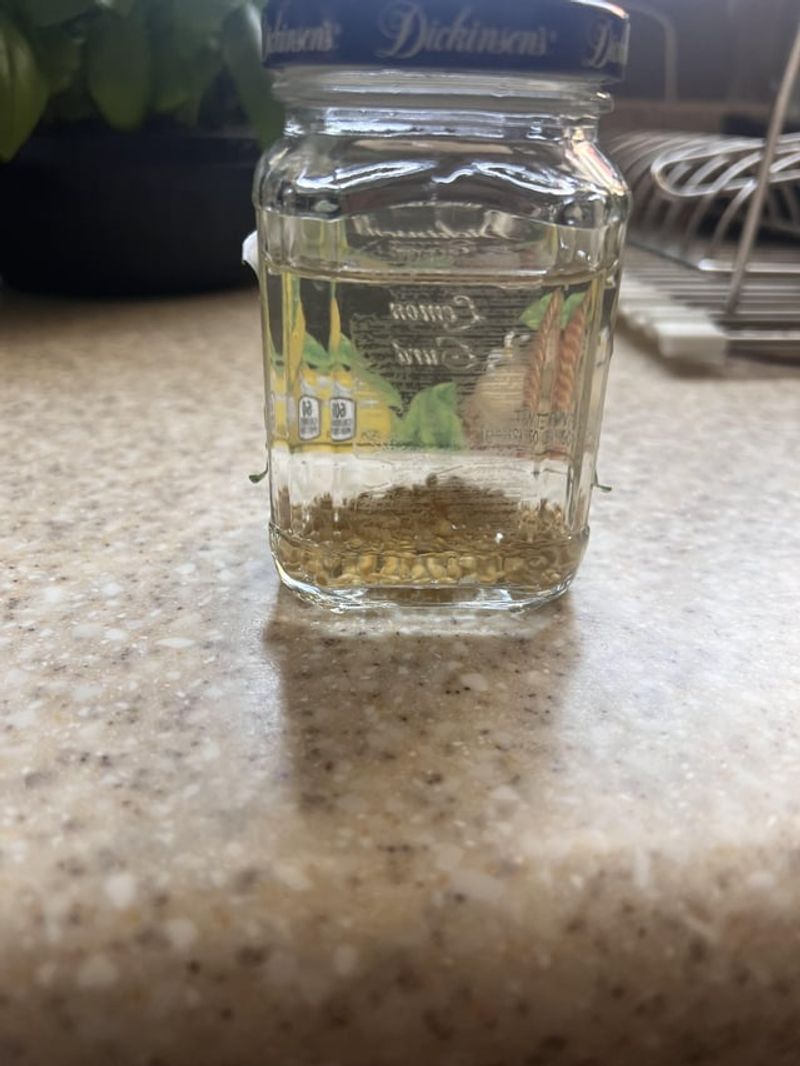
Begin by choosing a fully ripe tomato from a healthy plant that produced well. Cut it open and scoop the seeds, along with their gel, into a small jar. Add a little water and set the jar somewhere out of the way.
Now comes the slightly smelly part. Let the mixture sit for a few days to ferment, and you may see a layer of mold form on top, which is normal. Fermenting helps remove the gel coating around each seed.
After that, pour off the top layer and rinse the seeds well in a strainer. Spread them on a paper plate to dry for about a week, stirring now and then so they do not clump.
Finally, store them in a labeled envelope with the variety name and year, and keep it in a cool, dry place.
For North Carolina gardeners, this habit pays off in a big way. Tomatoes that handled the state’s heat and humidity well are worth keeping around. Each year you save seeds, your garden can grow a little tougher and more at home right where you live.