12 Helpful Composting Tips Every New York Gardener Should Know
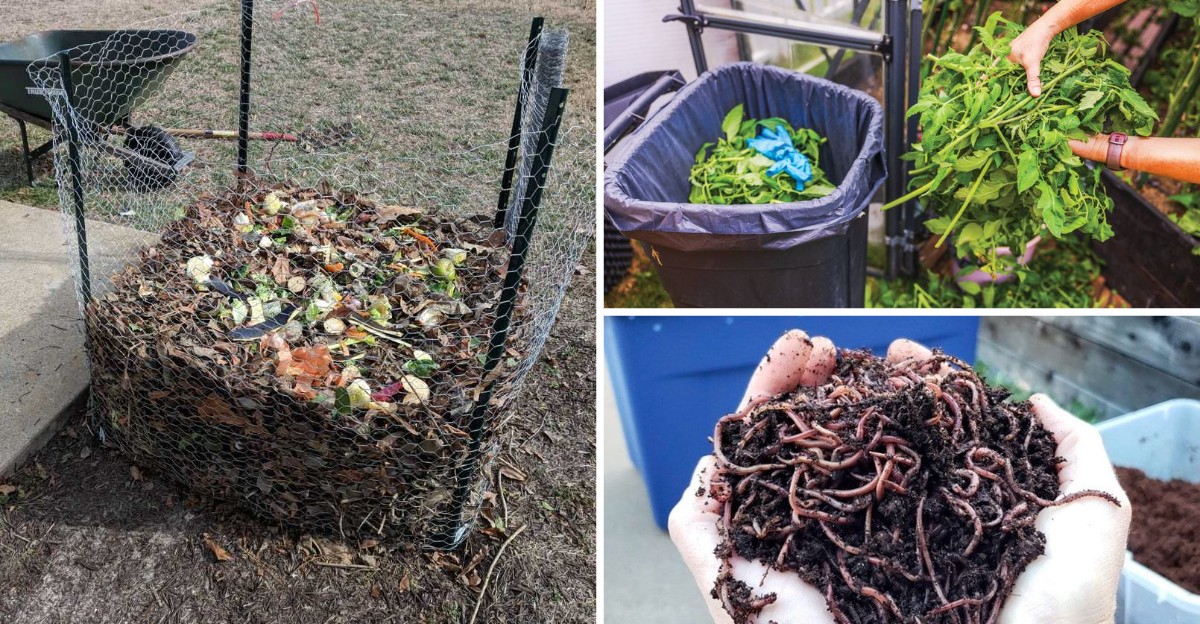
Whole oak leaves can sit in a heap for a year or more, yet shredded ones often soften within a few months. I learned that the hard way after raking a mountain of crunchy brown leaves into my backyard corner.
October in New York hands many gardeners a free pile of crispy golden treasure from the trees overhead. I can’t imagine bagging all that goodness for the curb when my soil is practically begging for it.
Kitchen scraps join the party too, including coffee grounds and the papery skins you peel off onions. You need the right mix, though, or that sweet earthy smell can turn sour and funky fast.
Cold New York winters slow everything down, so the choices you make this fall really matter. Could a messy leaf pile actually become the richest, darkest soil in your garden by next spring?
1. Your Fall Leaves Are Pure Gold For The Pile
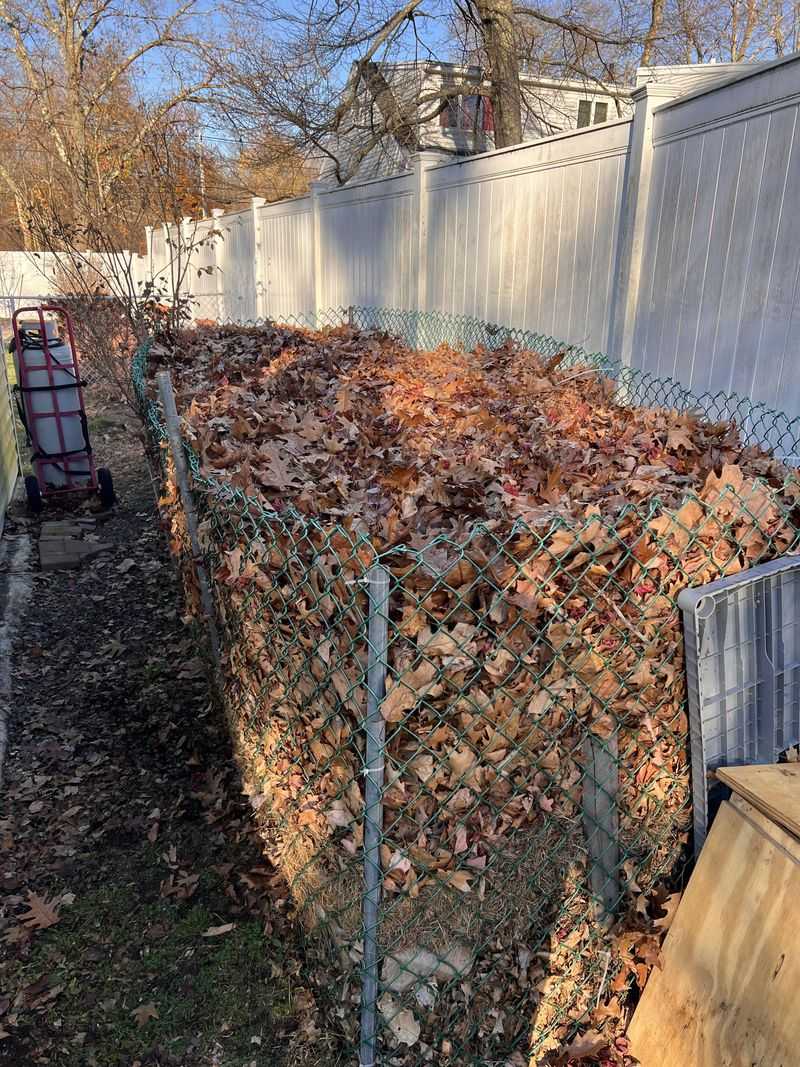
Every October, the maples and oaks across your yard drop a free supply of carbon-rich material for your pile. Cornell Cooperative Extension calls these fallen leaves browns, and they balance out wet kitchen scraps beautifully in the bin.
Many New York gardeners rake leaves into bags for the curb, but that sends valuable nutrients away from home. Keeping them on your property feeds your soil and saves you money on bagged mulch in the garden next season.
I like to stash extra leaves in a wire cage or a few big bags behind the shed. Later in the winter, when green kitchen scraps pile up, those saved leaves keep everything balanced and smelling fresh.
Oak leaves break down slowly because they are tough and waxy, while maple leaves soften much faster. Mixing several kinds together gives you a steadier result and a dark, crumbly texture you will love.
Avoid leaves from black walnut trees, since they contain juglone, a natural chemical that can bother sensitive plants. Most other common yard leaves work well, so grab your rake and start collecting on dry, breezy afternoons.
2. Mix Your Browns With Greens Like A Pro
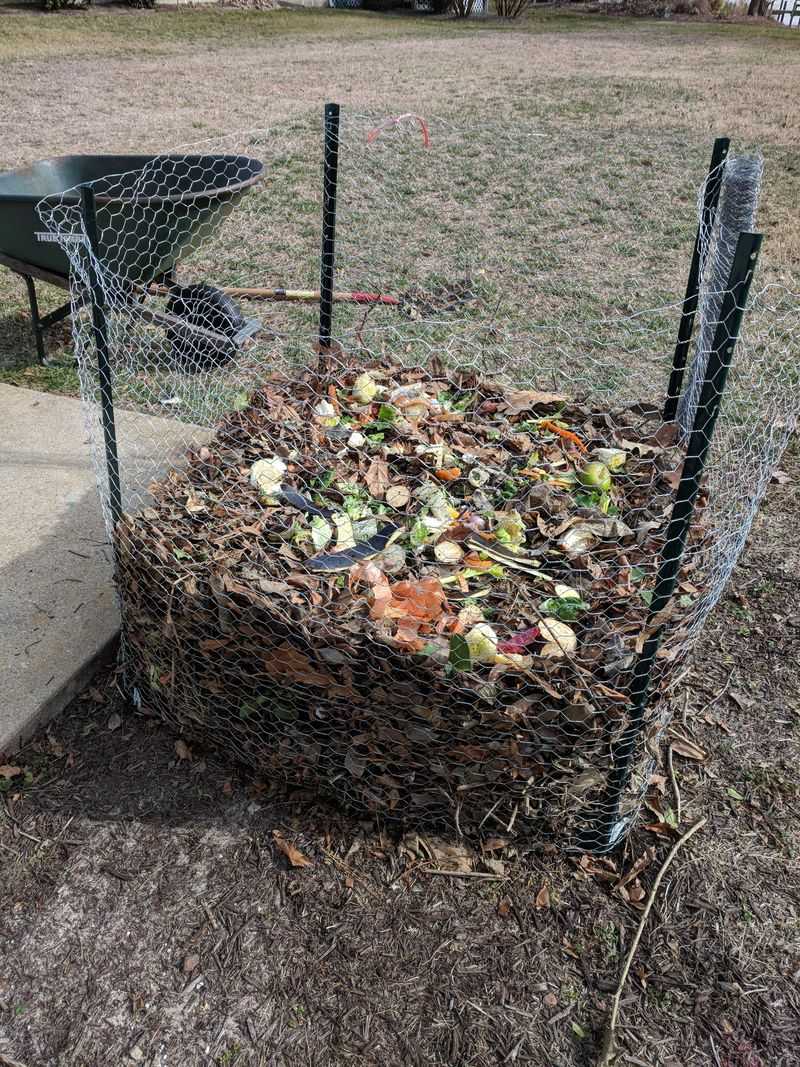
Think of your pile as a recipe, because the right blend of ingredients makes all the difference in speed. Greens bring nitrogen, like vegetable peels, coffee grounds, and fresh grass clippings from your final fall mowing.
Browns bring carbon, such as dry leaves, shredded newspaper, straw, and plain cardboard torn into small pieces from the bin. Many extension guides suggest about two or three parts browns for every one part greens by volume.
That ratio is a loose guide rather than a strict rule, so you do not need a measuring cup. I usually toss in a bucket of scraps, then cover it with a couple of armfuls of leaves.
Too many greens can make the pile slimy and stinky, a smell that neighbors will notice right away. Too many browns, on the other hand, leave you with a dry heap that barely changes for months.
Fall makes balancing easy in New York, since leaves are everywhere and garden cleanup adds plenty of green stems. Layer them like lasagna, and your pile should start warming up within a week or two of building.
Your New York Garden Changes Every Week. Your Plan Should Too.
Gardening in New York changes quickly throughout the season. Every Friday you’ll receive a simple weekly plan showing exactly what to plant, prune, fertilize, harvest, and protect so you never miss the right timing.
3. Shred Those Leaves Before You Toss Them In
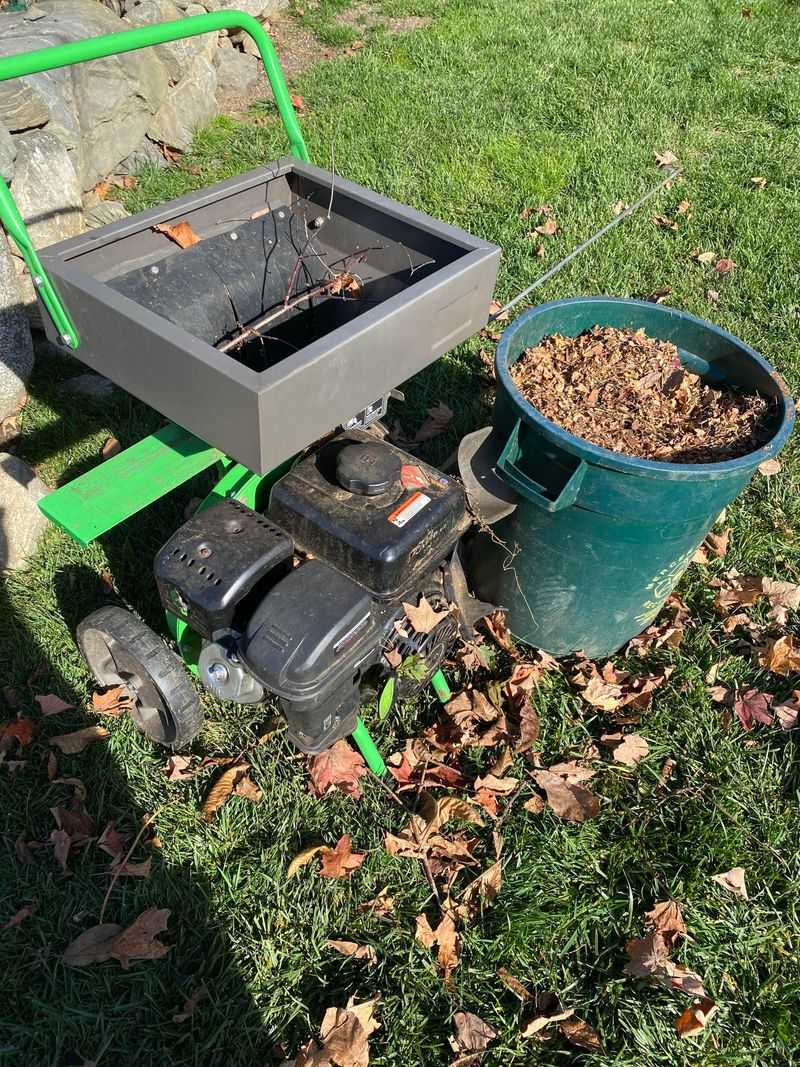
Whole leaves love to stick together in flat, soggy mats that block air and slow everything down for months. Shredding them first creates more surface area, which gives hungry microbes many more places to start working.
You do not need fancy equipment, because a regular lawn mower with a bagging attachment works surprisingly well. Just run it over a layer of dry leaves a few times, and listen for that satisfying, papery crunch.
Another trick is filling a large trash can with leaves and whirling a string trimmer inside it carefully. Wear safety glasses and gloves for this method, since bits of leaf and twig can fly in every direction.
Electric leaf shredders are another option if you have a big yard full of oaks and maples. They chop leaves into confetti-sized pieces quickly, and the whole pile shrinks to a fraction of its size.
Shredded leaves also make a lovely winter mulch around perennials once the ground starts to freeze in late fall. Keep a pile of them handy, because you will reach for that fluffy brown material all winter long.
4. Keep Your Pile As Damp As A Wrung Sponge
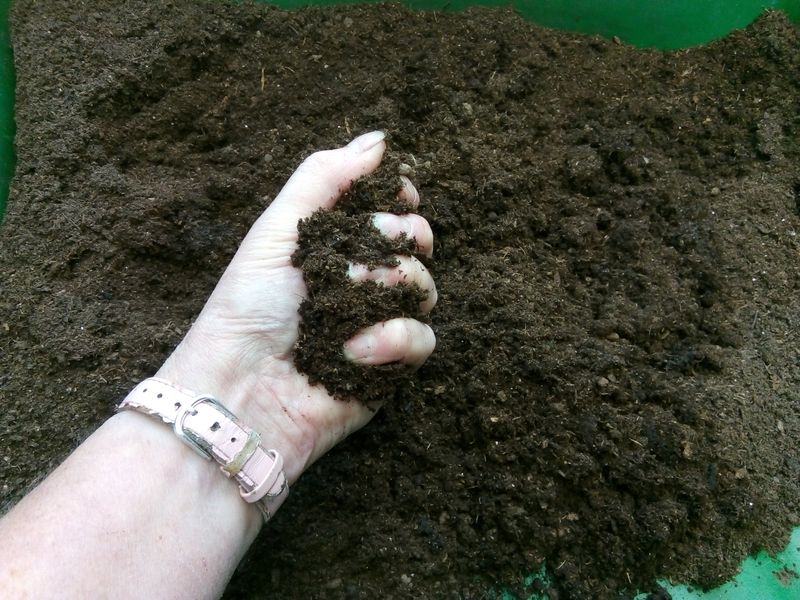
Squeeze a handful of material from the middle of your pile, and pay attention to how it feels. Experts at Cornell describe the ideal texture as a wrung-out sponge, damp to the touch but not dripping with water.
Microbes need moisture to stay active, so a bone-dry pile often sits there doing very little for weeks. Fall leaves are usually crispy when you rake them, which means you will likely need to add water.
Water poured only on the surface tends to run off, leaving the center of the pile dusty and dry. Water poured only on the surface tends to run off, leaving the center of the pile dusty and lifeless.
On the flip side, October rains in New York can turn an open pile into a soggy mess. Too much water pushes out air, and that is when the sour, rotten egg smell starts drifting around.
A simple tarp or a lid on your bin helps keep heavy rain out during stormy autumn weeks. If things already feel waterlogged, mix in extra dry leaves or shredded cardboard to soak up the excess.
5. Give Your Heap A Good Turn Every Week Or Two
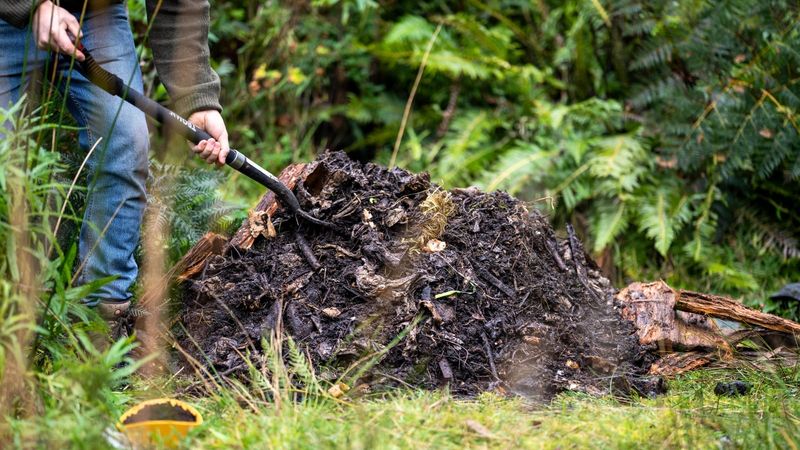
Turning a pile might sound like a chore, but it is really just a chance to stretch your arms. Mixing brings fresh oxygen to the microbes, and they reward you by breaking down scraps much faster.
A garden fork or a compost aerator tool works well for lifting and fluffing the material inside the bin. Try to move the outer edges toward the center, since the middle usually holds the most heat.
Many extension services suggest turning every one to two weeks when the pile is active and warm. You will often see a puff of steam rise on chilly October mornings, which is a lovely sight.
Tumbler bins make this job easier, because you just spin the barrel a few times each visit. They are handy for small yards and for gardeners who would rather skip the heavy forking work on cold days.
Turning is optional if you are patient, since an untouched pile will still break down over a year or more. Cold piles simply move at a slower pace, so choose the rhythm that fits your busy schedule.
6. Build Your Bin Big Enough To Hold Heat
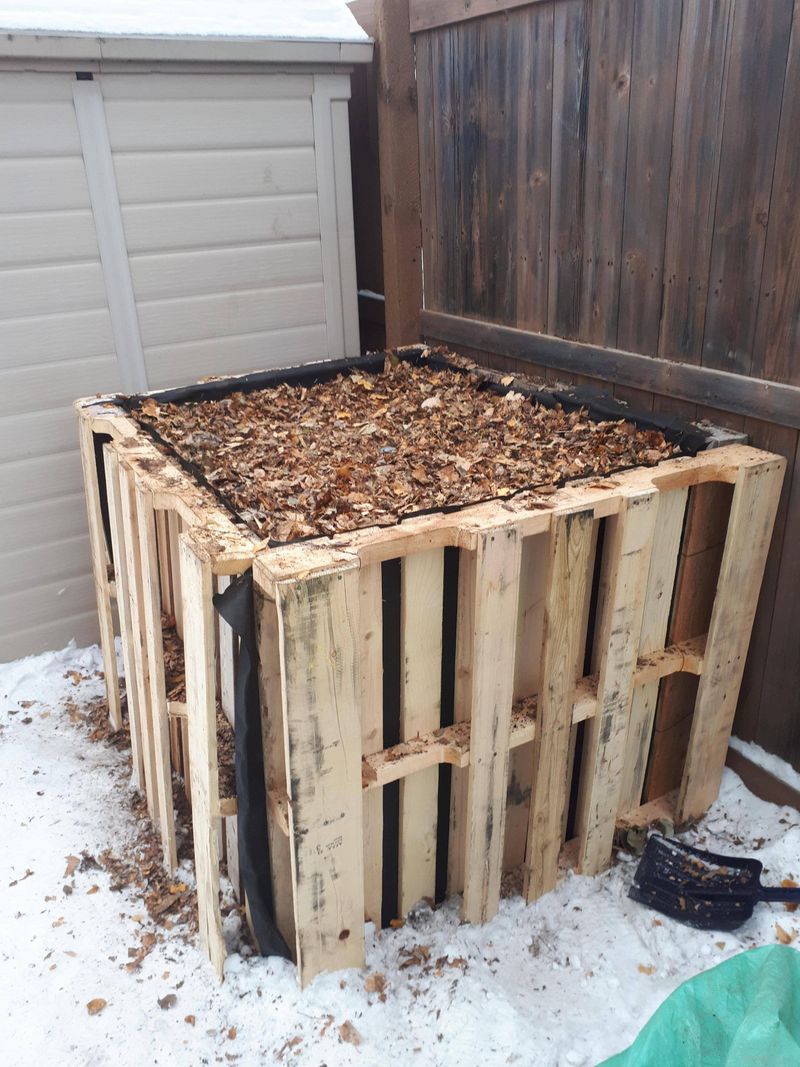
Size matters more than you might expect, because a tiny pile struggles to hold onto the heat it makes. Most university guides recommend a pile at least three feet wide, three feet deep, and three feet tall.
That size, roughly one cubic yard, gives microbes enough room to warm the center between 130 and 160 degrees. A hot center breaks down material faster and can reduce many weed seeds hiding in your garden waste.
Piles much larger than five feet can get too dense, so the middle may run short on air. Staying within that middle range keeps the heap breathing easily while still holding a cozy, steady warmth.
I built my first bin from four wooden pallets tied together with wire, and it cost almost nothing. Wire mesh circles and simple wooden slat bins work well too, especially in roomy suburban backyards across New York.
Fall is a smart time to build one, since you will have plenty of leaves to fill it quickly. A full bin entering winter holds warmth longer than a small scattered pile sitting out in the cold.
7. Outsmart City Rats With A Sealed Bin
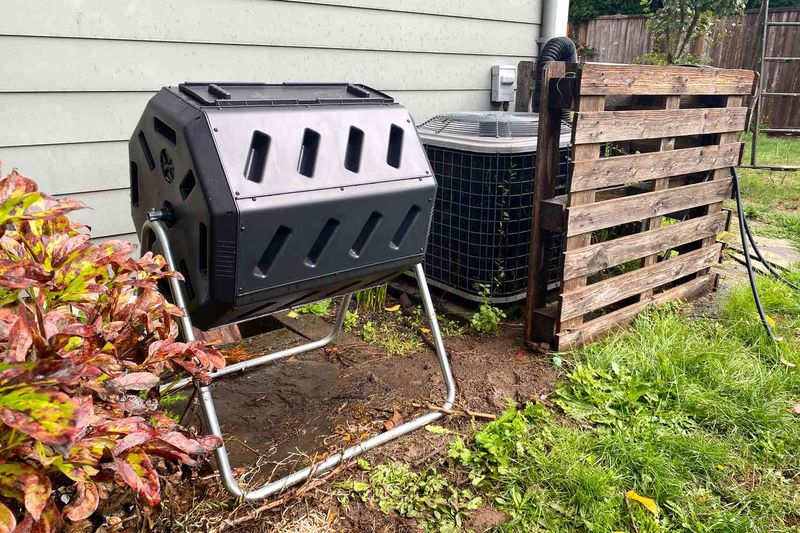
Rats in New York City are famous for their bold attitude, and an open pile looks like a buffet. The NYC Compost Project recommends rodent-resistant bins with secure lids, solid sides, and closed bottoms for city gardens.
Hardware cloth with openings of a quarter inch or smaller can line the bottom of an open frame bin. That sturdy metal mesh stops digging critters while still letting worms and moisture move through the soil freely.
Bury fresh food scraps under a thick layer of leaves, since exposed peels on top tend to attract visitors. I keep a bag of shredded leaves beside my bin, so covering each new bucket takes just seconds.
Rodents often search for warm shelter as nights get colder, so a cozy pile can tempt them in fall. Check your bin for gaps or chewed corners every few weeks, and patch any holes right away.
City gardeners without space for a secure bin can drop scraps at community gardens or greenmarket collection sites. Curbside organics pickup now reaches every borough too, which takes the pressure off a tiny backyard setup.
8. Skip The Meat Scraps In Your Backyard Pile
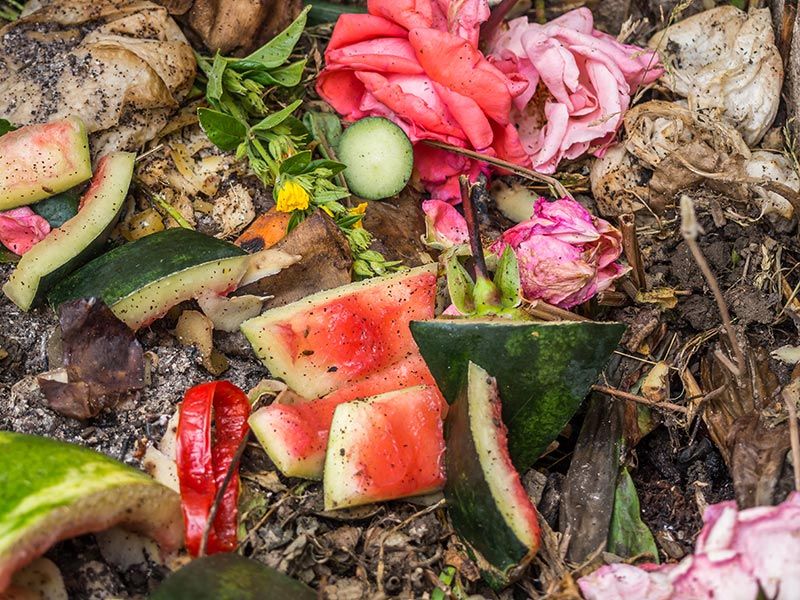
A juicy chicken bone might seem harmless, yet it can turn a quiet backyard pile into a smelly problem. Extension services generally advise keeping meat, fish, bones, dairy, and greasy foods out of small home bins.
Those items break down slowly in typical home piles, and their strong odors draw raccoons, rats, and curious dogs. Oils can also coat other materials, which slows air flow and creates sticky, sour clumps inside the heap.
Pet waste from dogs and cats belongs in the trash too, since it can carry harmful germs and parasites. Home piles rarely stay hot enough for long enough to make that material safe for food gardens.
Plenty of kitchen leftovers still belong in your bin, including fruit cores, eggshells, tea bags, and wilted lettuce leaves. Fall cooking brings loads of pumpkin guts, apple peels, and squash rinds, which your pile will happily accept.
Large municipal facilities can often handle meat and dairy, because their industrial piles reach much higher, steadier temperatures. New York City curbside collection accepts those scraps, so check your local program for the latest rules and details.
9. Toss Out Sick Plants Instead Of Composting Them
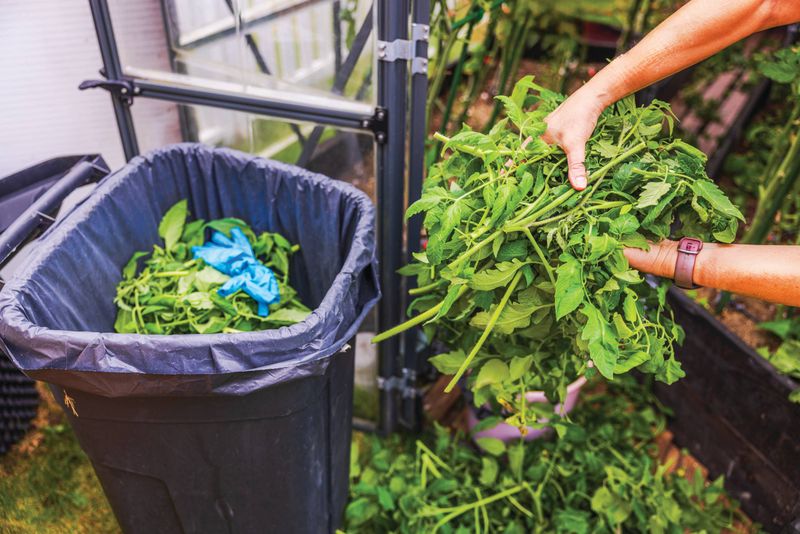
Fall cleanup often reveals tomato vines spotted with blight or squash leaves dusted with powdery mildew in late October. Cornell plant experts suggest bagging diseased material instead of adding it to a typical backyard heap at home.
Home piles often stay cooler than the temperatures needed to reliably break down many plant disease organisms and pests. Spores can survive the winter and return to your garden when you spread that finished material next year.
Weeds that have gone to seed deserve the same caution, especially tough ones like crabgrass and bindweed. A pile that runs warm might reduce those seeds, but a cool heap may let them sprout in spring.
Invasive plants such as Japanese knotweed can regrow from tiny fragments, so keep them far away from your bin. The New York State Department of Environmental Conservation offers guidance on handling invasive plant debris safely.
Healthy stems, spent annuals, and clean leaves can go straight into the pile without any worry at all. When in doubt, I toss questionable plants in the trash, because a fresh start next season feels better.
10. Bundle Up Your Pile Before Winter Arrives
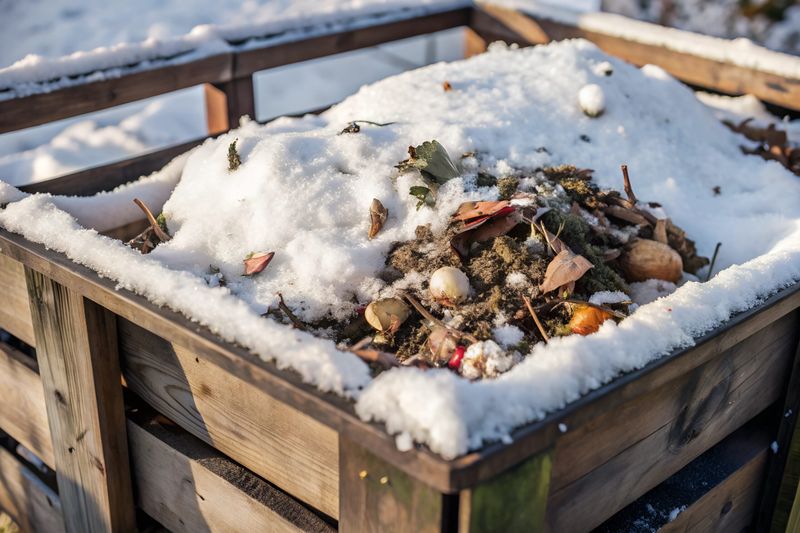
Snow and freezing temperatures across New York slow microbe activity, so most backyard piles nearly pause by January. That is perfectly normal, and the process picks right back up once the weather warms in spring.
You can help the pile hold heat longer by building it big and packing it full this October. A thick blanket of straw bales or bagged leaves stacked around the sides works like a cozy winter coat.
Some gardeners cover the top with a tarp to keep snow from soaking in and freezing into a solid block. Others leave it open, since melting snow adds helpful moisture when temperatures finally climb again in March.
Kitchen scraps keep coming all winter, so place a second bin or a lidded bucket close to your door. Trudging through knee-deep snow to reach a far corner of the yard gets old surprisingly fast in February.
Frozen scraps actually break down quickly in spring, because ice crystals rupture cell walls and soften the tissue. Keep layering browns over each addition, and you will greet the thaw with a pile ready to roar.
11. Try A Worm Bin If You Live In An Apartment
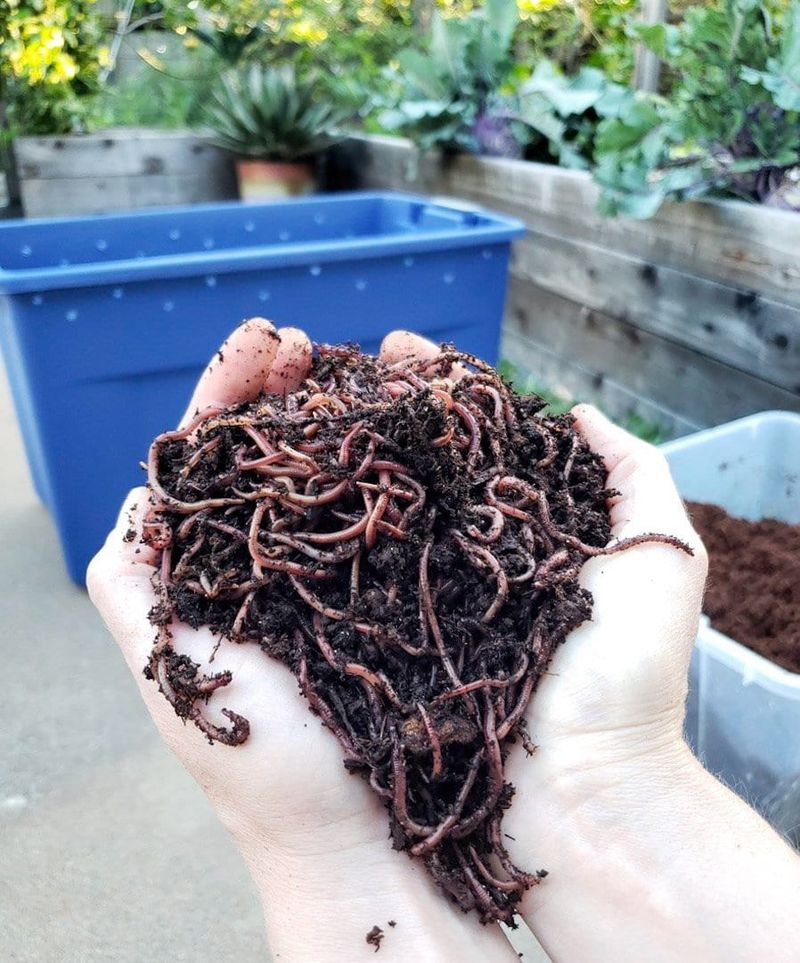
Red wiggler worms can munch through a surprising amount of food, often eating up to half their weight daily. Apartment dwellers love these tiny helpers, since a small bin fits neatly under a kitchen sink or closet shelf.
This method is called vermicomposting, and it works indoors all year without the heat a backyard pile needs. Worms prefer temperatures roughly between 55 and 77 degrees, which matches most heated homes during chilly fall months.
Bedding made from shredded newspaper or cardboard gives the worms a damp, fluffy home that smells like a forest floor. Feed them small amounts of fruit and vegetable scraps, burying each portion gently under the bedding.
Skip citrus peels, onions, and spicy foods, since worms tend to avoid them and the bin can turn sour. Overfeeding is the most common beginner mistake, so start slow and watch how fast scraps disappear each week.
Every few months, you can harvest dark worm castings that houseplants and window boxes truly adore all winter. I mix a handful into potting soil, and my leafy plants respond with richer color within weeks.
12. Spread Finished Compost On Your Beds This Fall
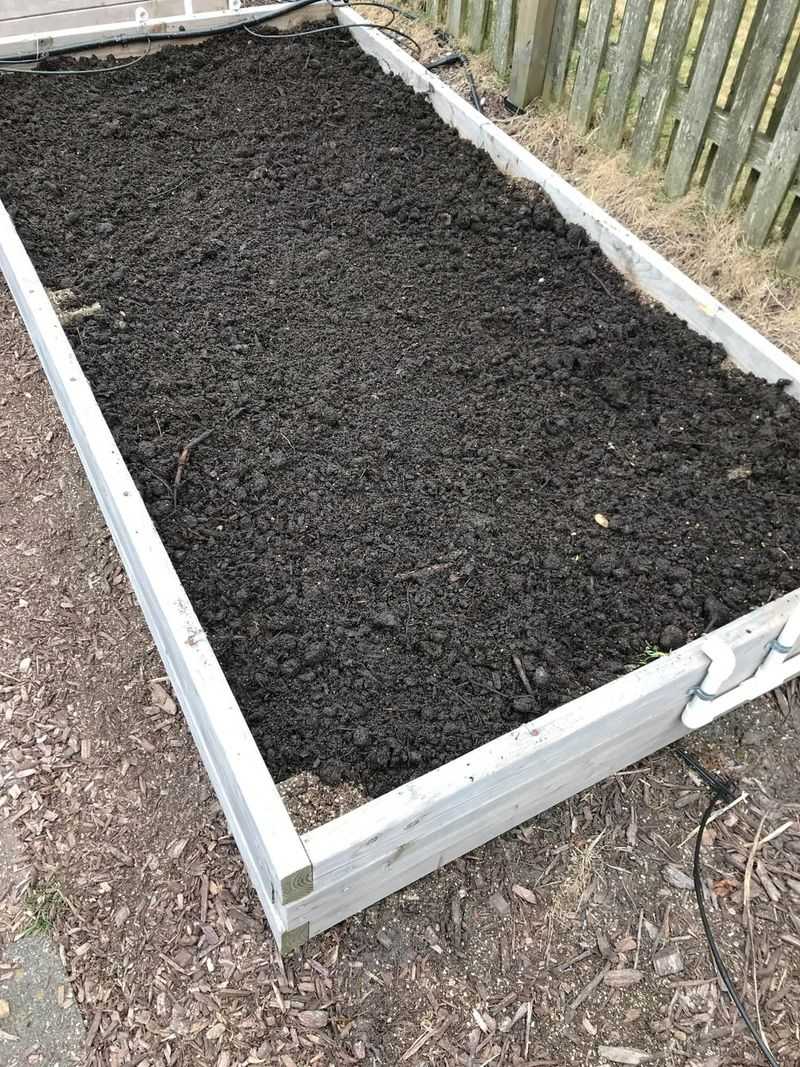
Finished material looks dark and crumbly, and it smells sweet and earthy, much like a forest after rain. You should not be able to recognize the original leaves or scraps when it is ready to use.
October is a wonderful month to spread it, because nutrients slowly seep into the soil over the winter. By planting time, earthworms and soil life will have mixed much of it into your beds for you.
Many extension guides suggest spreading a layer about one to two inches thick over vegetable beds and flower borders. Adding it around shrubs and young trees helps too, as long as you keep it away from trunks.
Partly finished material with a few chunks is fine to use as a top layer on empty fall beds. Winter freezes and thaws will soften those lumps, so they blend in nicely before you plant again.
A light sprinkle over the lawn after fall aeration can also boost thin patches before the grass goes dormant. Standing over beds blanketed in rich, dark soil you made yourself is one of the sweetest gardening rewards around.