The Mowing Habit That Leaves California Lawns More Vulnerable Going Into Fall
A freshly mowed lawn can look crisp and tidy for a day or two, which makes certain mowing habits feel like good care.
Some of those habits, though, drain the grass of energy just when it needs reserves most.
Late summer and early fall put California lawns in a delicate spot, still recovering from heat while preparing for the cooler, wetter months ahead.
Small choices at the mower can tip that balance in either direction, affecting roots, weeds, disease, and water use.
Most adjustments take only a minute and cost nothing.
Grass behaves like a living plant rather than a carpet to trim, and treating it that way changes how it heads into the new season.
Scalping Weakens Grass Going Into Fall
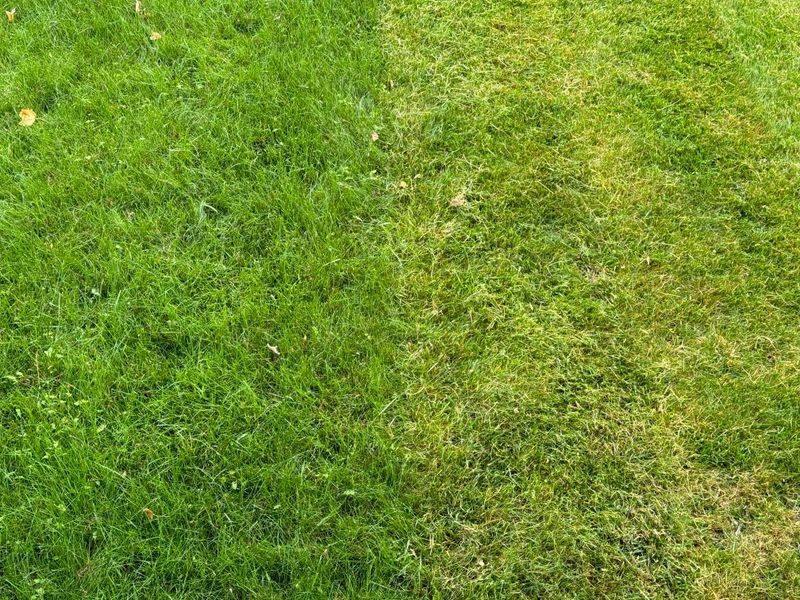
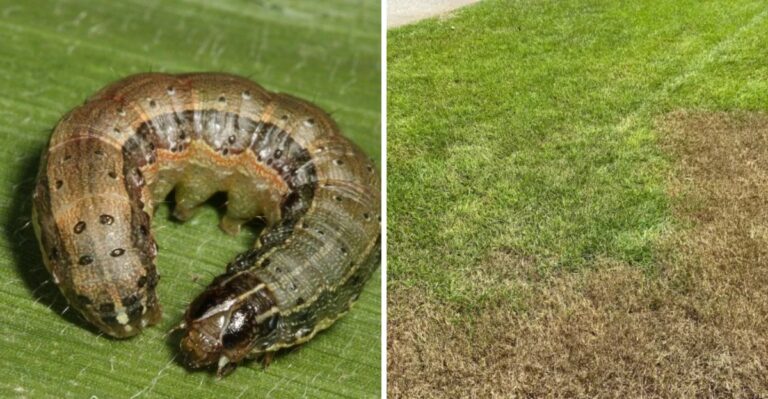
Brown, straw-colored patches appearing a few days after mowing send a loud signal that the mower went too low.
Scalping means cutting grass so short that most of its green leaf disappears, exposing stems or soil underneath.
Grass blades work like tiny solar panels, catching sunlight and turning it into the sugars that feed roots, crowns, and new shoots.
Cut down to stubble, the plant suddenly has far less energy available.
The damage runs deeper than appearance. UC turfgrass guidance notes that grass mowed too short tends to develop shallower roots.
Shallow roots dry out faster, pull fewer nutrients from the soil, and leave the lawn less able to bounce back from stress.
Timing worsens the problem in California. Late summer stays hot and dry in many areas, and grass is already working hard to keep up.
Fall then arrives, when cool-season lawns such as tall fescue and bluegrass should be building roots for the year ahead, and a scalped lawn spends that season recovering instead.
Uneven ground deserves attention too. Bumps and high spots often get scalped even when the mower height seems fine.
Leveling low areas with a thin layer of soil, and raising the deck a notch, keeps those bald spots from forming every week.
Fall makes a good time for that leveling work on cool-season lawns, since active growth helps grass fill in quickly.
Short Mowing Exposes Soil To Weeds
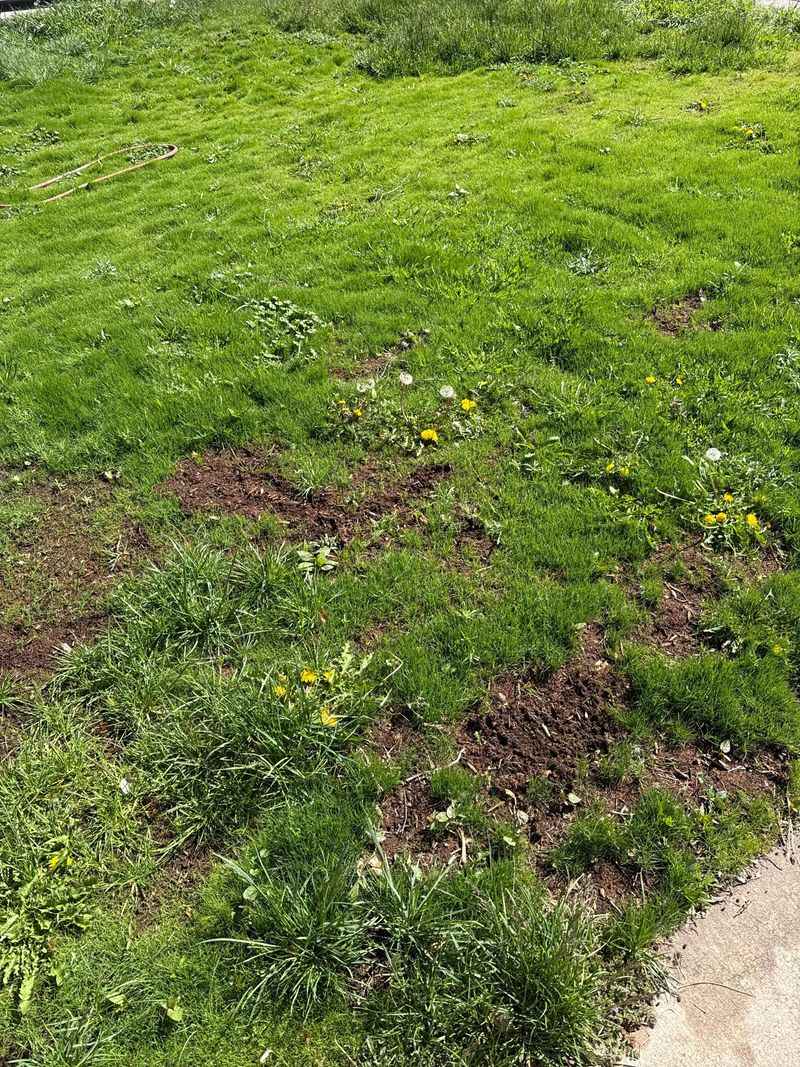
Crabgrass thrives on a buzz cut. Many weed seeds sit in the top layer of soil, waiting for warmth and light to signal that it’s time to sprout.
A thick, tall lawn blocks that light, while a scalped lawn practically rolls out the welcome mat.
Short grass leaves gaps where sunshine reaches bare ground, and seeds of crabgrass, spurge, and other weeds warm up quickly in those spots.
Before long, they fill the openings grass should be covering.
UC IPM points out that a dense, healthy lawn ranks among the best defenses against weeds, and proper mowing height plays a big part in that density.
Taller grass shades the soil, keeps it cooler, and helps it hold moisture longer between waterings.
Bare soil brings other trouble too. It dries quickly under the California sun and can crust over, so water runs off rather than soaking in.
Your California Garden Changes Every Week. Your Plan Should Too.
Gardening in California changes quickly throughout the season. Every Friday you’ll receive a simple weekly plan showing exactly what to plant, prune, fertilize, harvest, and protect so you never miss the right timing.
Weak grass then grows even thinner, opening more space for weeds, and the cycle feeds itself.
Breaking that cycle starts with the mower deck rather than a spray bottle. Raising the height, letting grass thicken, and pulling young weeds by hand before they set seed all help.
Within a season, many homeowners notice fewer weeds simply because the grass grows strong enough to crowd them out. Taller grass works as free weed control that grows on its own.
Raise The Mower Height For Cool Weather
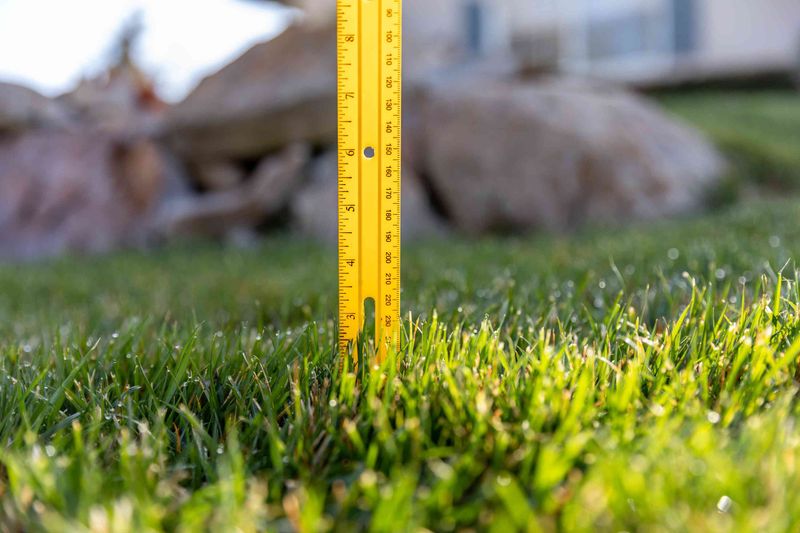
A single click on the height lever can change how a lawn handles fall. Most mowers adjust in under a minute.
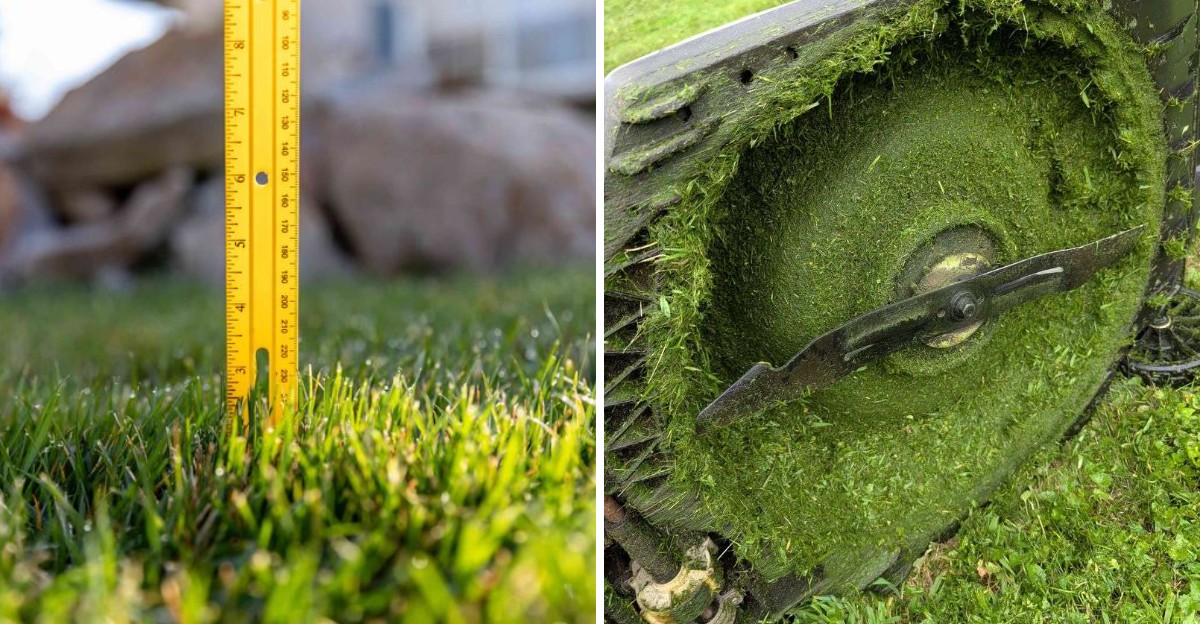
Ideal heights depend on grass type, so a quick check comes first. UC IPM lists tall fescue at roughly 1.5 to 3 inches, with the higher end suiting most home lawns.
Kentucky bluegrass does well around 1.5 to 2.5 inches.
Warm-season grasses follow different numbers. Common bermudagrass is usually kept about 0.5 to 1.5 inches, while hybrid bermudagrass and zoysiagrass often sit lower, around 0.5 to 1 inch.
These grasses spread by runners and handle short cuts better than fescue, though mowing at the top of their range in fall helps them store energy before winter dormancy.
For cool-season lawns, fall brings prime growing time. A mower set toward the high end leaves more blade surface to capture sunlight.
More leaf means more food, and more food builds deeper roots before winter rains arrive.
Uncertainty about grass type is common. A few blades compared with photos in UC ANR turf guides, or shown to a local nursery, usually settle the question.
Knowing the grass type prevents following a one-size-fits-all number that may not suit the yard at all.
Mixed lawns containing both grass types do best at a compromise height, set toward the middle of their overlapping ranges.
Shady areas also benefit from a slightly higher cut, since taller blades capture more of the limited light.
Follow The One Third Rule
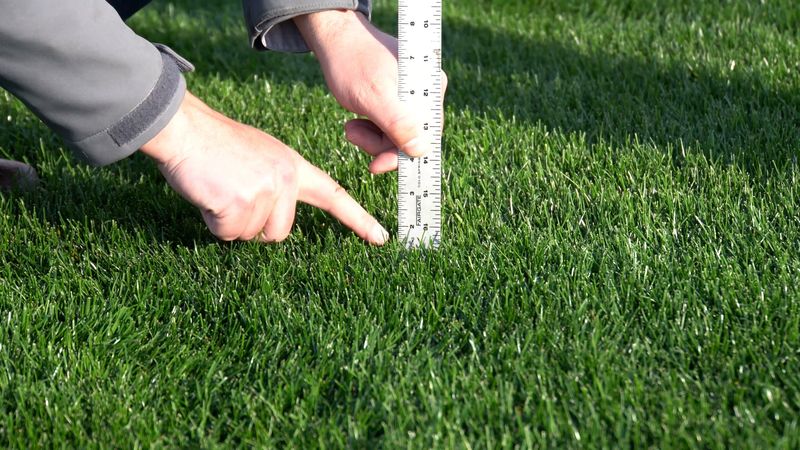
A haircut that takes off two-thirds of the hair at once would leave anyone shocked, and lawns react much the same way.
Grass handles a light trim well, while a heavy chop sends it into stress mode.
UC turfgrass experts recommend a simple guideline, removing no more than about one-third of the blade in a single mowing.
For tall fescue kept at 3 inches, that means mowing once it reaches about 4 to 4.5 inches.
Cutting too much at once forces the plant to pour stored energy into regrowing leaves, energy pulled straight from the roots.
Repeated over and over, that pattern shrinks roots and leaves the lawn thirsty and weak heading into fall.
Following the rule sometimes means mowing more often. During spring and early fall, when cool-season grass grows fast, every five days may work better than once a week.
During slower periods, the time between cuts can stretch out. Late fall and winter growth slows considerably, so mowing frequency usually drops too.
A shaggy lawn after a vacation calls for patience rather than one dramatic pass. Raising the mower to its highest setting, cutting once, and waiting a few days makes a gentler start.
Lowering the deck gradually over several mowings protects the roots and keeps a tall lawn from turning into a scalped one overnight.
That stepwise approach often saves the lawn weeks of recovery time.
Sharpen Blades For Clean Cuts
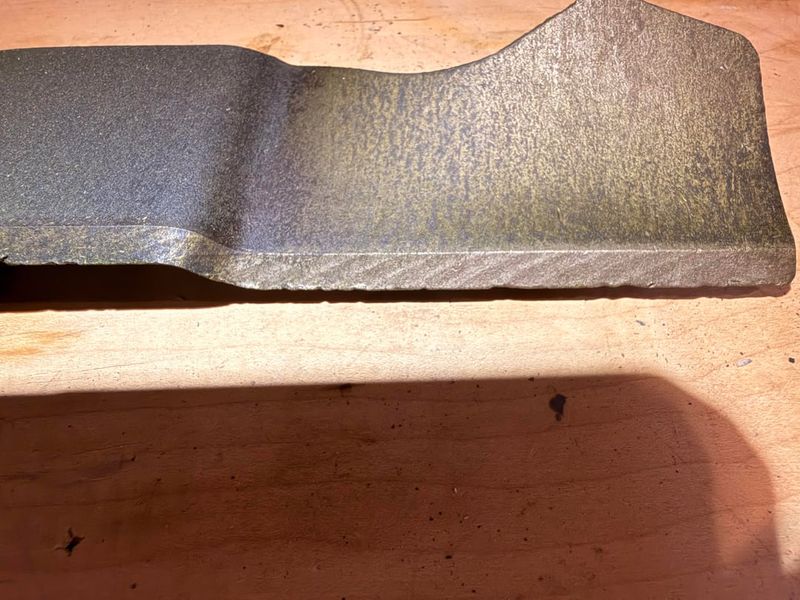
A close look at grass tips a day after mowing can reveal a lot. Ragged, frayed tips that turn whitish brown usually point to a dull blade tearing rather than slicing.
Torn blades lose more water and take longer to heal. UC IPM notes that ragged cuts can leave turf more open to disease and give the lawn a dull, grayish cast.
Clean cuts close quickly and keep grass looking fresh and green.
Many lawn care guides suggest checking blades a few times each season. Sandy soil, sticks, and rocks wear blades down faster, so busy mowing months may call for more frequent care.
Sharpening makes a manageable weekend project. Disconnecting the spark plug wire or removing the battery comes first for safety.
The blade then comes off, gets clamped, and receives a file along its original angle. Balancing it afterward keeps the mower from shaking.
Gloves protect hands throughout the process, since even a dull blade carries sharp edges.
A local hardware store or small engine shop can also sharpen blades for a modest fee. Keeping a spare blade on hand allows a quick swap while the other gets serviced.
Either way, a sharp edge ranks among the cheapest upgrades a lawn can get, and the difference often shows within a single mowing.
Mulching mowers in particular depend on sharp blades to chop clippings finely enough to break down quickly.
Skip Mowing Wet Grass
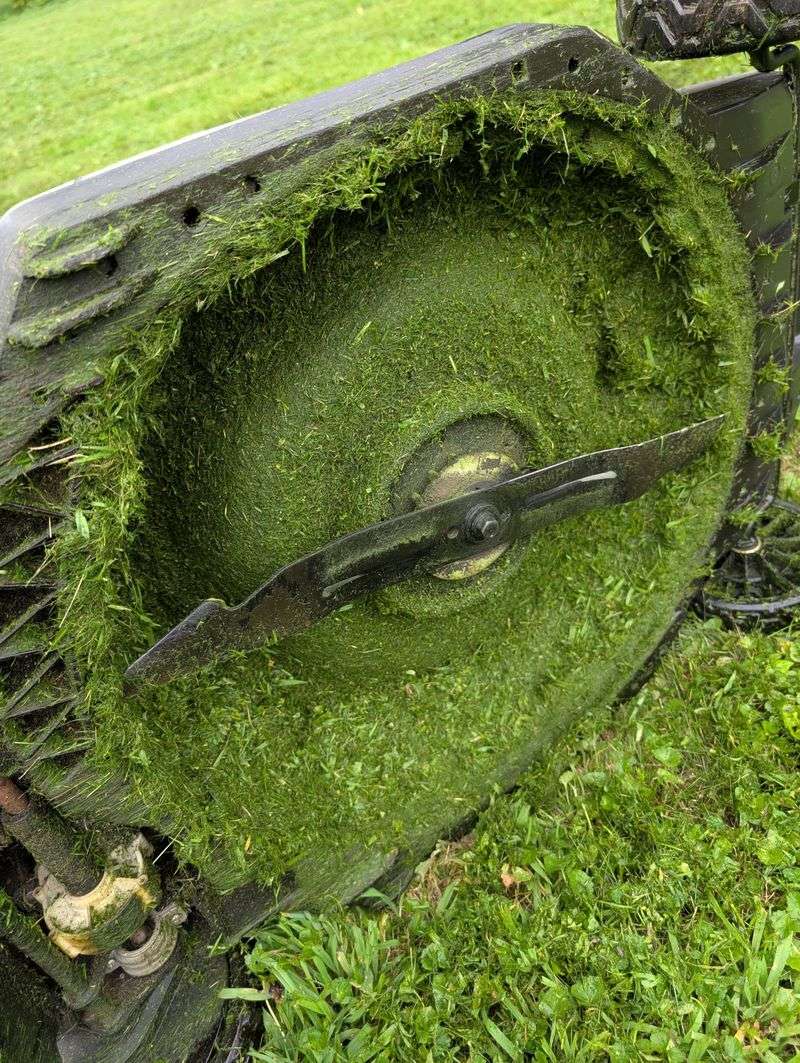
Foggy fall mornings along the California coast leave lawns soaked in dew. Mowing before work might seem efficient, yet it usually creates more chores than it solves.
Damp blades bend and slip instead of standing up for a clean cut. The mower tends to tear them, leaving cut ends that stay moist.
Moist, wounded leaves give fungal diseases an easier way in, especially as nights cool.
Wet mowing also spreads trouble around the yard. Spores and clippings cling to wheels, shoes, and the mower deck, carrying disease from one patch to another unnoticed.
Clumps add another problem. Soggy clippings mat together and drop in heavy piles that cover the grass beneath, blocking light and air.
Clumps also build up under the deck, making the mower work harder.
Waiting until the lawn dries, usually by late morning or early afternoon, works best. A walk across the grass in dry shoes offers a quick test.
Shoes that come back wet signal more waiting time.
Footing stays safer on slopes as well, since wet grass turns slippery and mowers can slide.
Early-morning irrigation, as UC recommends, also helps the lawn dry well before mowing time. Pausing sprinklers after rain prevents keeping turf wetter than necessary.
Clippings that do clump can be spread out with a rake so they dry and break down rather than matting the turf.