7 Differences Between A Gravel Garden And A Mulch Bed That Actually Matter
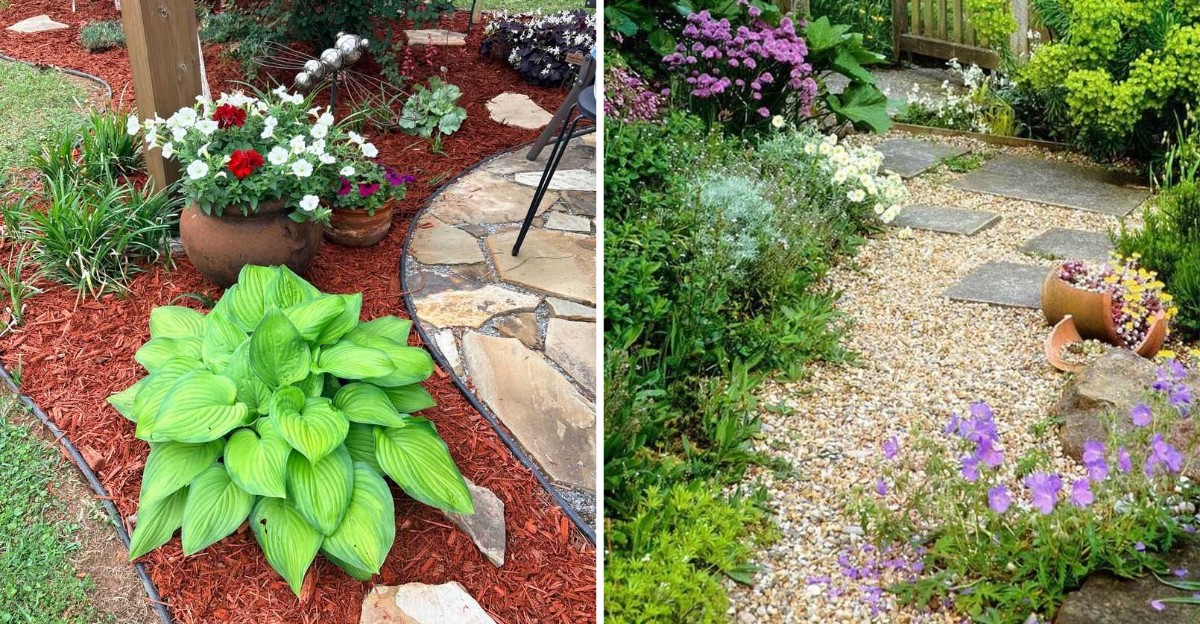
Shredded bark around your shrubs slowly turns into worm food, while a layer of crunchy stones barely changes. I found that tiny fact surprising, because both options look like simple ground covers from the sidewalk.
October is when many of us tidy beds, so the choice suddenly feels very real and a little pressing. Maybe you have a bare patch right now, with cool air nipping your fingers as you rake.
I believe the right answer depends less on looks and more on what happens below the surface. Rainwater and soil critters react quite differently to each layer you spread across the ground this fall.
You’re in for a surprise when you see how much your plants care about this one choice. So which cover would your favorite corner of the yard quietly ask for, if it could talk?
1. Your Soil Will Feel The Biggest Difference Of All
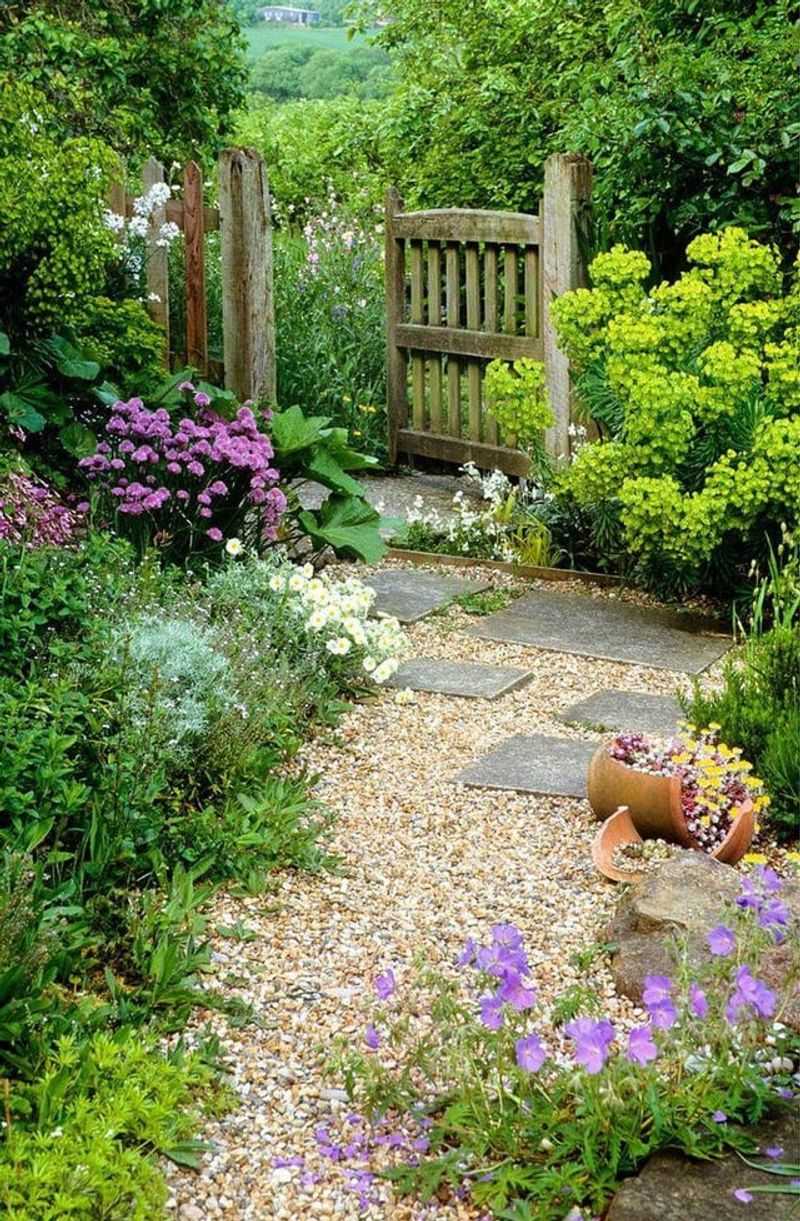
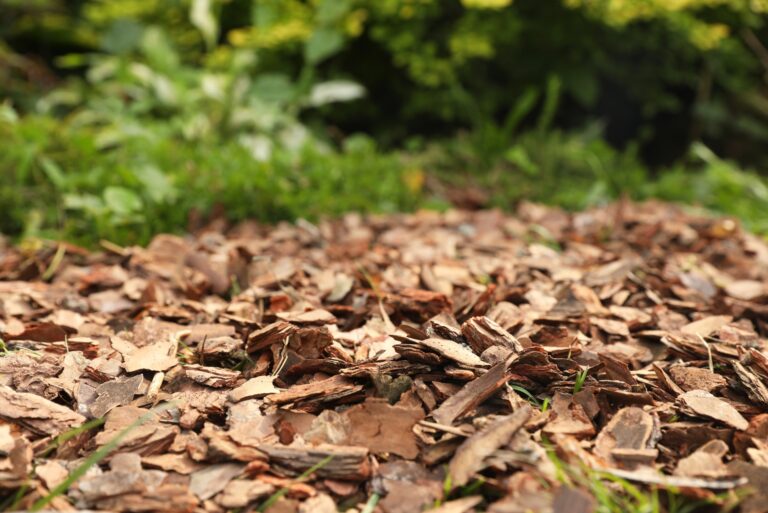
Earthworms gather beneath a layer of wood chips as it slowly breaks down, pulling bits underground over many months. Organic mulch breaks down gradually, adding organic matter that improves soil structure, according to many university extension services.
Gravel works in a very different way, because stone does not rot or feed the creatures below. Your soil under a gravel layer mostly stays as rich or as lean as it was on day one.
That sounds like a drawback, yet many drought tolerant plants actually prefer lean, gritty ground with little added fertility. Rich soil can make some Mediterranean herbs like lavender grow floppy and weak instead of compact and sturdy.
Mulch, on the other hand, slowly builds a darker, crumbly top layer that holds nutrients for hungry plants. Roses and most flowering shrubs tend to reward that richer soil with stronger growth over the following years.
Fall is a smart time to notice this difference, since cooling soil still hosts busy worms and fungi. Pull back a corner of each cover in October and compare the color and smell of the soil underneath.
Soil under old mulch often smells earthy and sweet, like a forest floor after a gentle rain. Soil under gravel usually looks much the same as the day you spread those first crunchy stones.
Neither result is wrong, but knowing it helps you match the cover to the plants you love most. Think of mulch as a slow feeder and gravel as a steady, unchanging blanket over the ground all year.
2. You Will Watch Water Behave In Very Different Ways
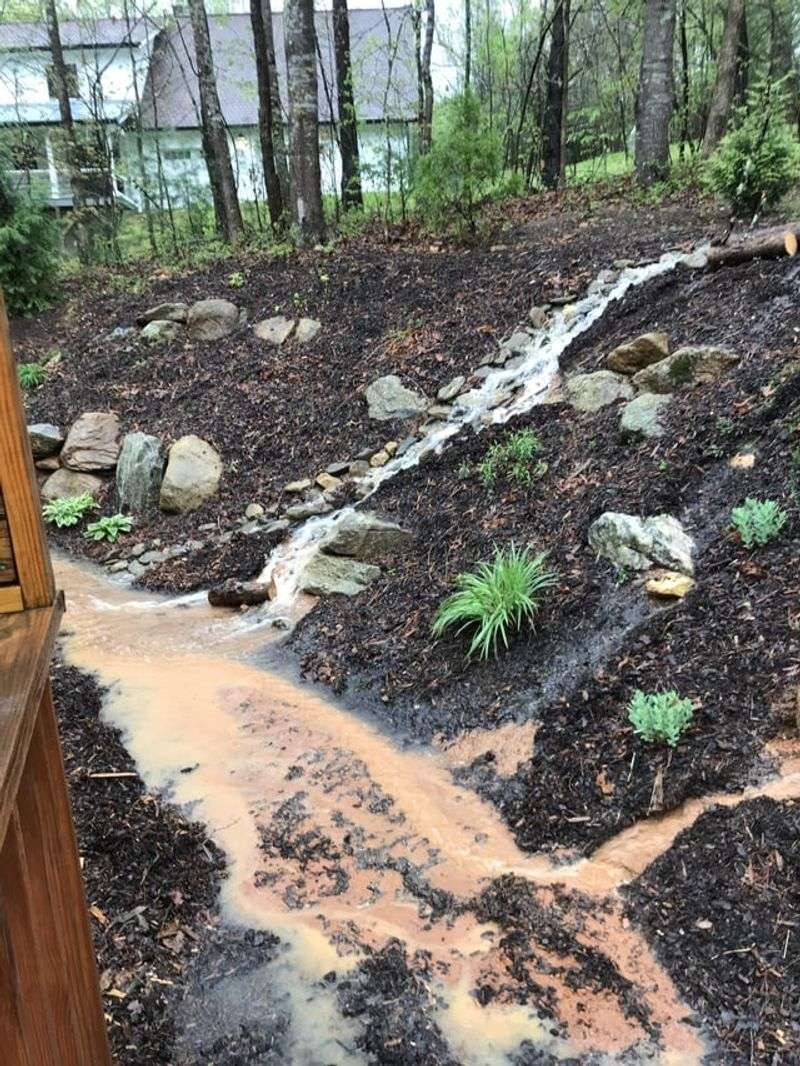
Rain hitting a mulch bed sounds soft and muffled, while rain on gravel makes a bright, pattering clatter. That sound difference hints at a bigger story about how each surface handles moisture through the changing seasons.
Organic mulch acts like a sponge, soaking up water and slowing evaporation from the soil below it. Extension experts often recommend two to three inches of mulch to keep roots evenly moist between waterings in dry weather.
Gravel also reduces evaporation, but water slips through the gaps between stones much faster than through wood. The surface dries quickly after a storm, which keeps plant crowns from sitting in cold, soggy material all winter.
That quick drying matters a lot for plants that rot easily, such as lavender, sedum, and many succulents. Wet mulch packed against their stems through a rainy fall can invite crown rot and fungal trouble.
Thirsty plants tell a different story, because they appreciate the steady moisture that mulch holds near their roots. Newly planted fall shrubs and perennials especially benefit, since their roots are still settling into new ground.
One quirky detail is that gravel can create a moist zone right beneath the stones themselves, which surprises many gardeners. Roots of tough plants often find that cool, damp layer while their leaves stay dry above it.
Before choosing, watch your yard during the next heavy October rain and note where puddles linger the longest. Soggy spots usually suit mulch and moisture lovers, while quick draining slopes often welcome a gravel garden.
3. Your Plant Choices Should Steer The Whole Decision
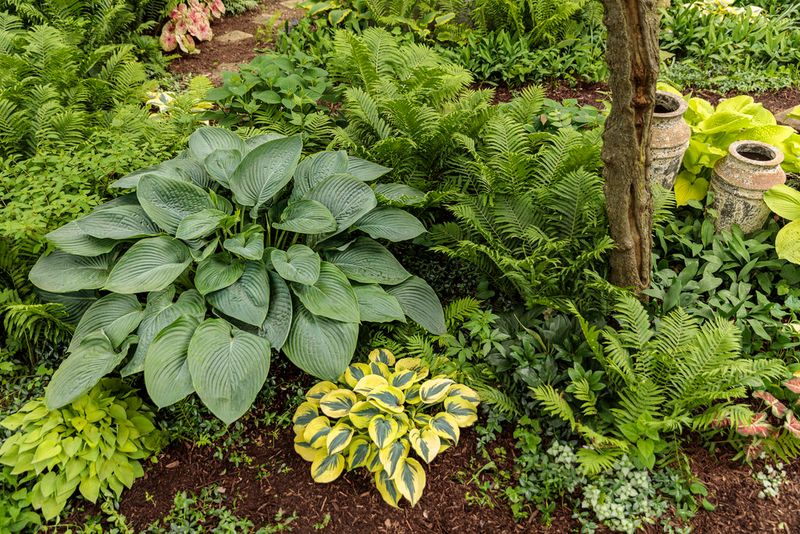
Shade loving hostas tucked into a hot, sunny gravel bed often sulk, with crispy edges on every leaf. Plants come from different natural homes, and each cover copies a very different kind of wild habitat.
Gravel gardens mimic dry, rocky places like Mediterranean hillsides, prairies, and mountain slopes with thin, stony soil. Lavender, thyme, sedum, and ornamental grasses often look happiest when their crowns rest on sharp, fast draining stones.
Mulch beds feel more like a woodland floor, covered in fallen leaves and slowly rotting twigs under tall trees. Ferns, hydrangeas, hostas, and most vegetables thrive with that soft, nourishing layer around their roots all year long.
Mixing these groups in one bed can feel tempting, especially when garden centers hold big fall sales on perennials. Try to group plants by their water and soil needs, then pick the cover that suits them.
October is a great month to plant many perennials, since warm soil helps roots settle before winter. Planting first and adding the cover second lets you tuck each layer neatly around new stems without burying them.
Keep mulch a few inches away from trunks and stems, as extension services warn about rot and rodents. Gravel can sit closer to crowns, which is one reason rock garden plants enjoy it so much.
A fun bit of history is that English gardener Beth Chatto made gravel gardens famous in the 1990s. She planted hers on an old parking lot and famously chose not to water it once plants settled in.
4. Your Wallet Feels Each Option On A Different Schedule
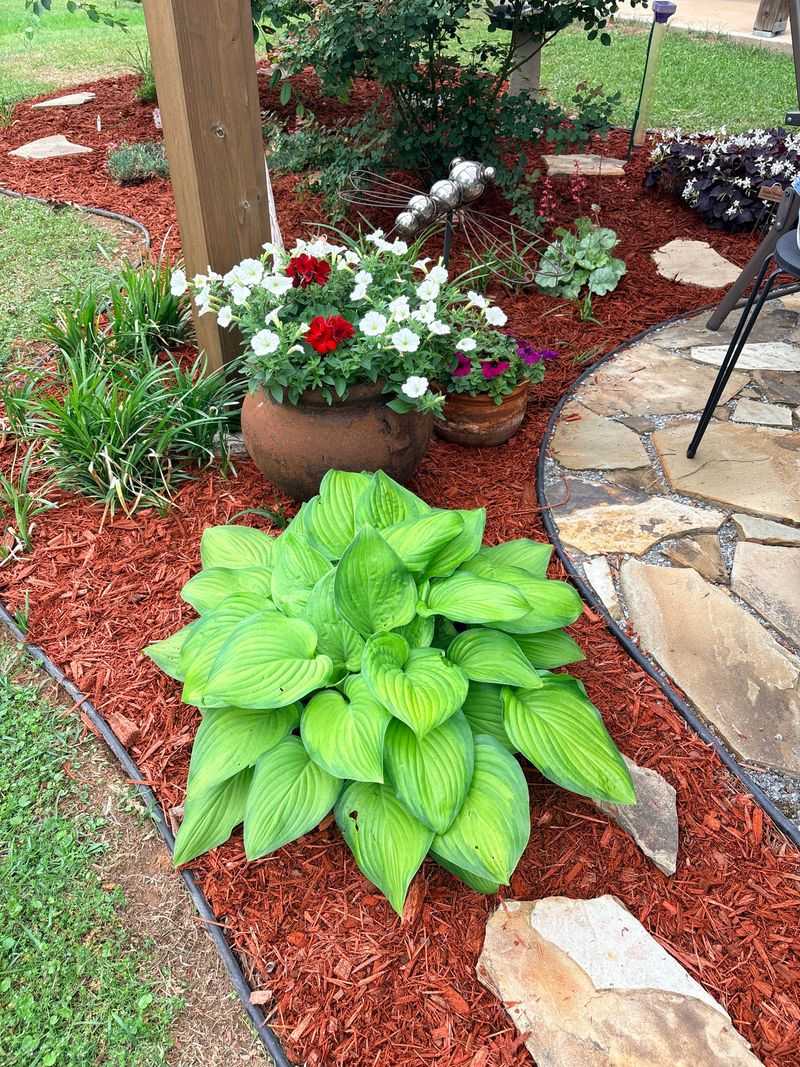
Gravel is the friend who asks for a big favor once, while mulch borrows a little every year. Both habits cost money, but the timing feels very different when you plan your yearly garden budget.
Gravel usually costs more upfront, especially when you add delivery fees and a sturdy edging to hold it. Prices vary a lot by region and stone type, so local quotes give the clearest picture for your yard.
Once it is down, gravel mostly stays put for many years with only occasional raking and topping up. Stones slowly sink into soil over time, though a fabric or compacted base can slow that sinking.
Mulch starts out cheaper, and some towns even offer free wood chips from local tree trimming crews. The catch is that organic mulch breaks down, so most beds need a fresh top layer each year.
Fall is a handy time to refresh mulch, after soil cools but before the ground freezes solid for winter. Many extension guides suggest checking depth first, since piling more on top of thick mulch can smother roots.
Removal costs matter too, because changing your mind about gravel later can mean hours of heavy, sweaty shoveling. Mulch simply rots into the soil, which makes it a forgiving choice for beds you might redesign someday.
A quick tip is to price both options over five years instead of comparing only the first bill. You may find the gap between them shrinks once yearly bags of bark get added to the math.
5. Fall Leaves Will Test Your Patience In Gravel
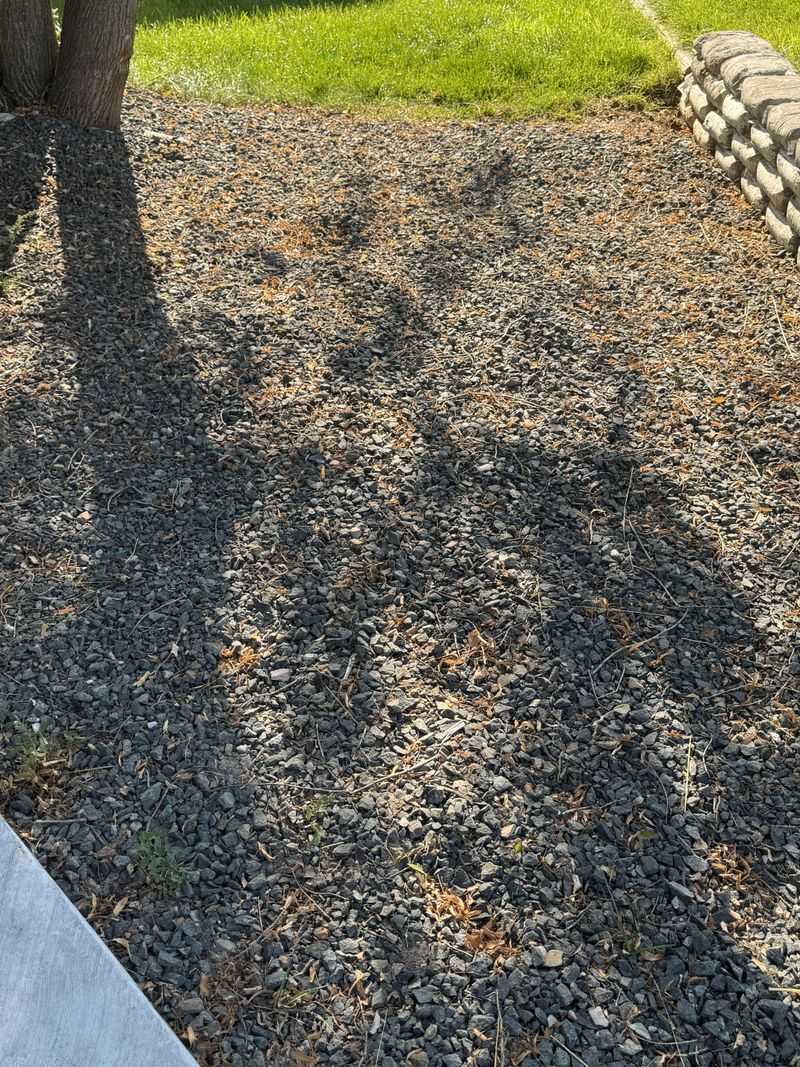
In many yards, maple leaves drift down like confetti each October, and that pretty moment reveals a big practical difference. On a mulch bed, fallen leaves blend in and can even become part of the cover by spring.
Gravel is much fussier, because leaves get trapped between stones and slowly break down into crumbly organic debris. That debris creates a perfect seedbed, so weeds sprout happily in what used to be clean, tidy stone.
A leaf blower on a low setting or a leaf rake with flexible tines works well on gravel. Try to clear leaves weekly during peak drop, before rain mats them down into the narrow gaps.
Mulch beds give you a lovely shortcut, since shredded leaves make a free and useful mulch for winter. Run them over with a mower first, because whole leaves can mat together and block water from reaching roots.
Many extension services encourage keeping some leaf litter in beds, since it shelters overwintering insects like moth caterpillars. Firefly larvae and some native bees also spend the cold months tucked into soft soil or garden debris.
Gravel offers far less of that cozy shelter, so wildlife friendly gardeners often lean toward mulch beds. You can still help by leaving a leafy corner nearby where critters can settle in safely for winter.
If big trees shade your yard, think hard this fall before choosing gravel beneath their wide, spreading branches. Placing a gravel garden in an open, sunny spot keeps autumn cleanup quick and much less frustrating for you.
6. Weeds Will Still Find You In Either Bed
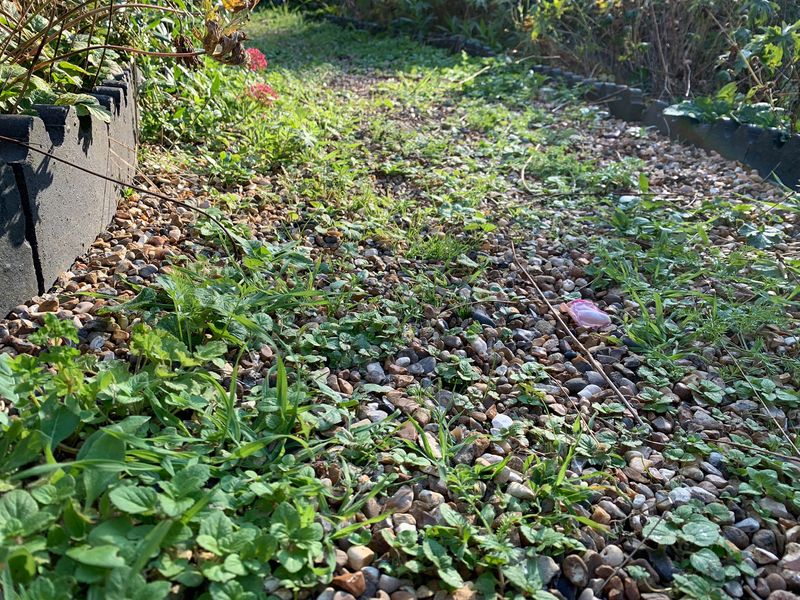
Nobody wants to hear it, but neither gravel nor mulch offers a weed free promise forever. Both covers cut down on weeds by blocking light, yet each one fails in its own sneaky way.
Mulch smothers many small weed seeds, which struggle to reach sunlight through a thick layer of bark. As mulch breaks down, though, it turns into rich compost where windblown seeds can sprout easily.
Gravel starts out tough on weeds, but dust and leaf bits slowly fill the spaces between stones. Seeds love that gritty mix, and their roots can wedge deep into the gaps over time.
Landscape fabric under gravel can help, but research from extension services shows it has real downsides too. Under mulch, fabric often blocks the breakdown that feeds soil, so many experts skip it there.
Fall is a surprisingly important season for weeding, because many weeds drop seeds before winter arrives. Pulling them now, while soil is moist and soft, means fewer surprises popping up next year.
Winter annuals like henbit and chickweed often sprout in October, so keep an eye out for them. Their tiny leaves pull out easily from mulch, while gravel weeds may need a narrow hand tool.
A light raking every few weeks helps both surfaces, since disturbing tiny seedlings early saves your back. Treat weeding as a calm, regular chore, like watering houseplants, instead of a big weekend project.
Thicker layers help in both cases, so aim for about two to three inches of mulch or gravel. Thin, patchy spots let sunlight sneak through, which gives weeds the opening they have been waiting for.
7. Your House Needs A Safer Edge Near The Walls
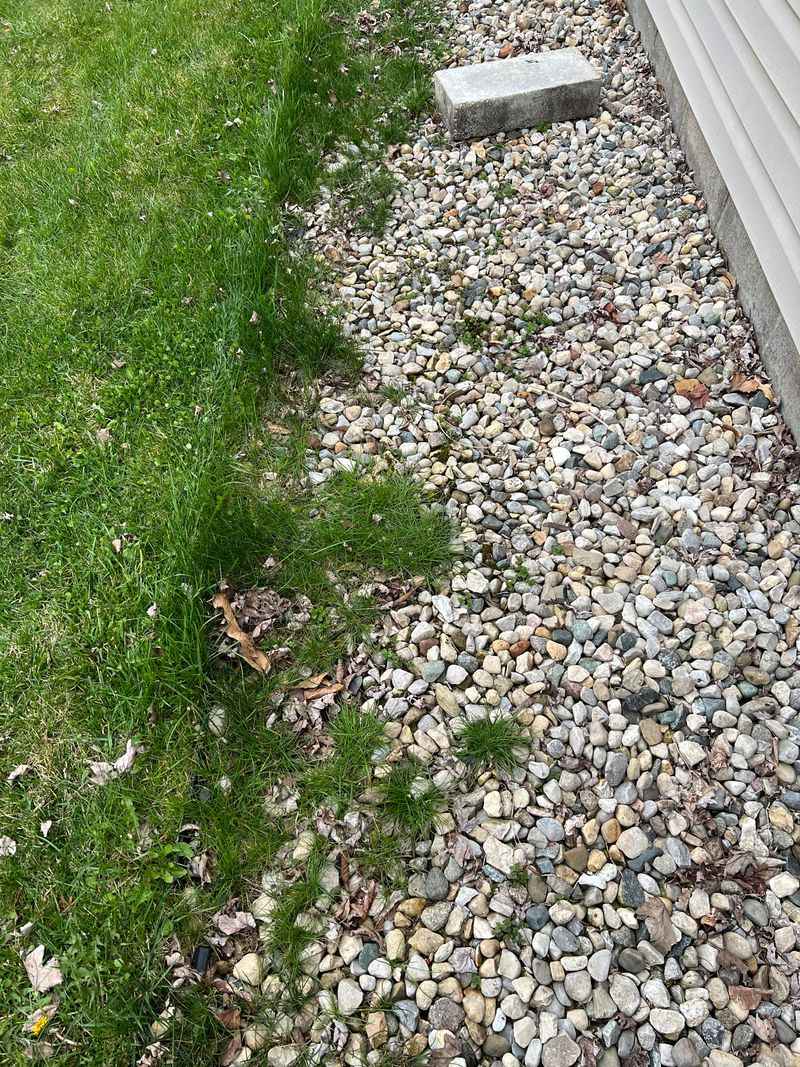
Home safety experts call the first five feet around a house Zone Zero, and they treat it as a key strip of the yard worth extra attention. Agencies in dry western states recommend keeping that strip free of materials that ignite easily.
Wood mulch is a flammable material, which is why gravel often wins right next to walls. Even in regions with no dry season, a stone strip near your foundation has other perks.
Mulch piled against siding can hold moisture and give termites and carpenter ants a sheltered path inside. Many extension entomologists suggest keeping organic mulch several inches below siding and away from wooden trim.
Gravel near the house also helps rainwater drain away rather than splashing mud onto your walls. Make sure the ground slopes away from the foundation, since stones alone cannot fix poor grading.
Heat is another quirk to remember, because pale stones bounce sunlight onto walls and nearby plants. Gravel also stores warmth during the day and releases it slowly as evenings turn crisp in fall.
Sun loving herbs often enjoy that cozy reflected warmth, while tender shade plants may scorch nearby. Mulch stays cooler, so it works better in beds farther out where roots need gentle, even temperatures.
October is a smart month for this project, since cooler days make hauling stone much more comfortable. Many homeowners blend both, with a gravel strip hugging the house and mulch beds flowing beyond it.
That mix gives you safety near the walls and soft beds where favorite plants can spread out. It might be the most practical answer, letting each cover do the job it handles best.