Running Sprinklers On Frosty Nights Can Protect Some Indiana Garden Plants
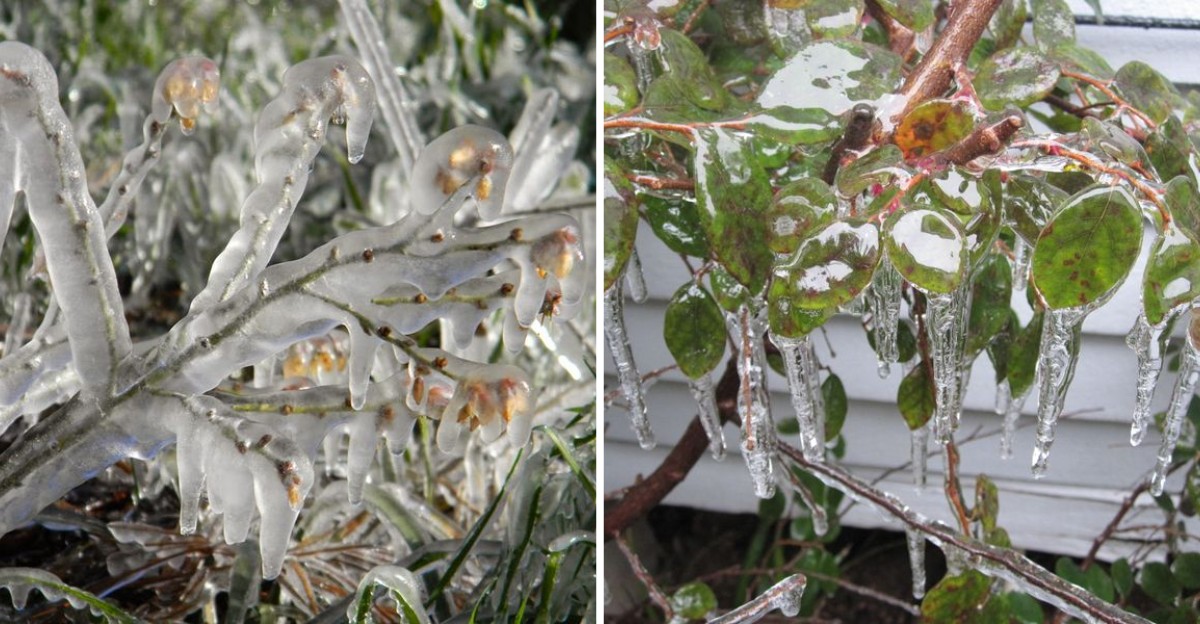
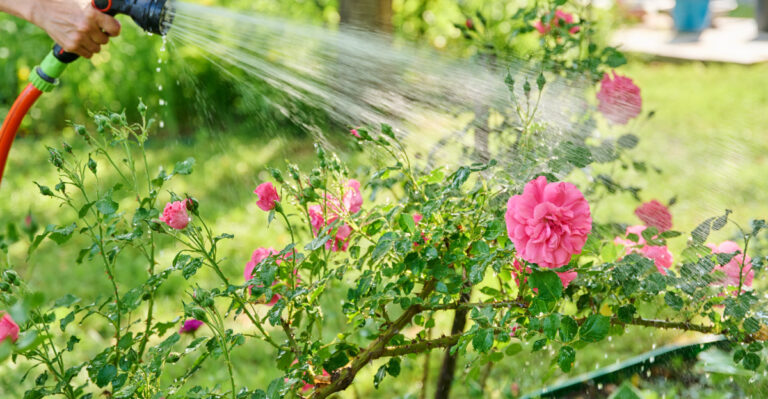
Farmers sometimes spray their crops with icy water on freezing nights, and the plants come out of it safer. I nearly spilled my coffee the first time I read that, because it sounds so wonderfully backward.
October in Indiana brings crisp mornings when frost sparkles on pumpkin leaves and the last tomatoes. You need a plan for those clear, still nights when the thermometer slides below thirty-two degrees.
I believe the science behind this trick is just as fun as the results in the garden bed. Water quietly gives off warmth as it turns to ice, and plants can borrow that warmth overnight.
Still, the method has rules, and breaking them can leave an Indiana garden worse off than before. So could a little frosty water really help your fall vegetables survive until the next harvest basket?
Freezing Water Releases Heat That Protects Your Plants
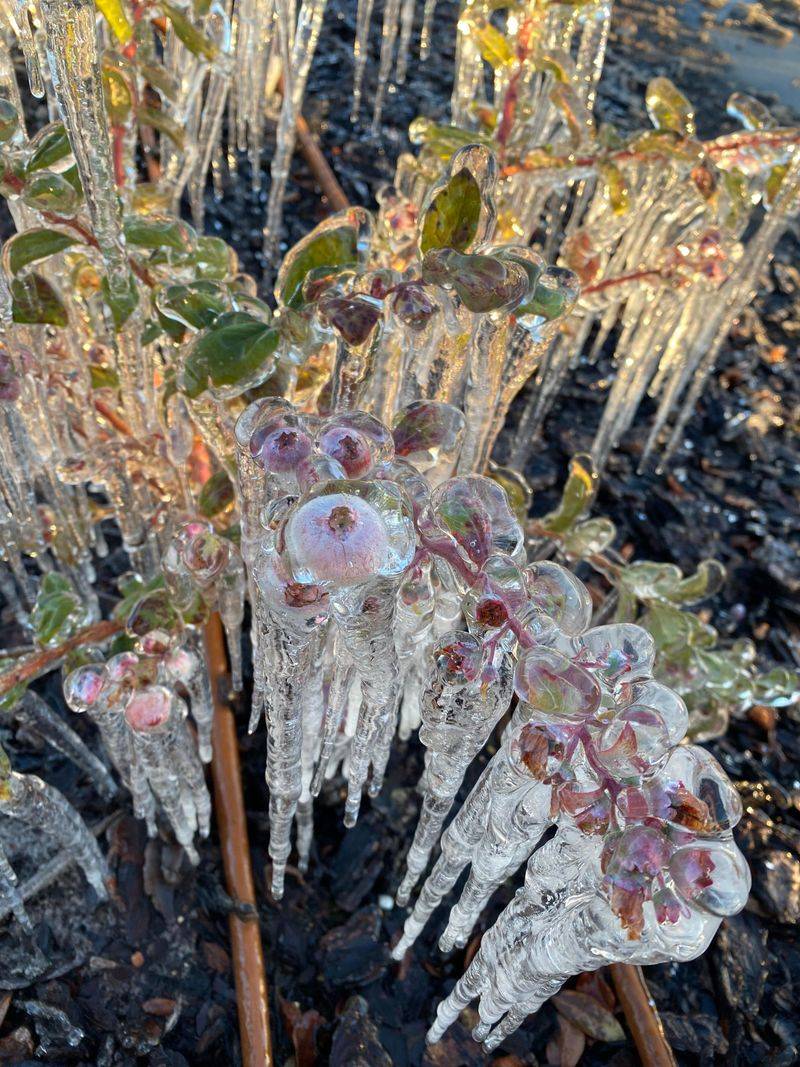
Every time water freezes, it releases a small burst of heat into whatever it touches nearby. Scientists call this latent heat, and it sits at the very heart of sprinkler frost protection for crops.
As long as fresh water keeps freezing on a leaf, the surface stays close to thirty-two degrees. That number matters, because many hardy fall crops can handle it without serious harm to their cells.
University extension specialists in several states explain that the ice coating is not the true hero of the story. The steady change from liquid to solid does the real work, releasing fresh warmth minute after minute.
On a dry leaf, ice crystals can form inside the plant tissue and rupture tender cell walls. A wet glaze holds the temperature steady, so those crystals rarely get the chance to grow inside.
Indiana gardeners should know this works best on low, sturdy crops like strawberries, kale, and cabbage. Research on home garden setups is limited, so treat it as a careful experiment rather than a guarantee.
Wind is another factor, since breezy nights pull heat away faster than the freezing water can replace it. Calm, clear October nights give you the best odds, because the released heat stays near the leaves.
Once you understand the physics, the whole idea feels less like magic and more like simple kitchen science. Watch your weather app closely this month, and keep a hose ready when the forecast drops toward freezing.
Florida Citrus Growers Have Relied On This Method For Decades
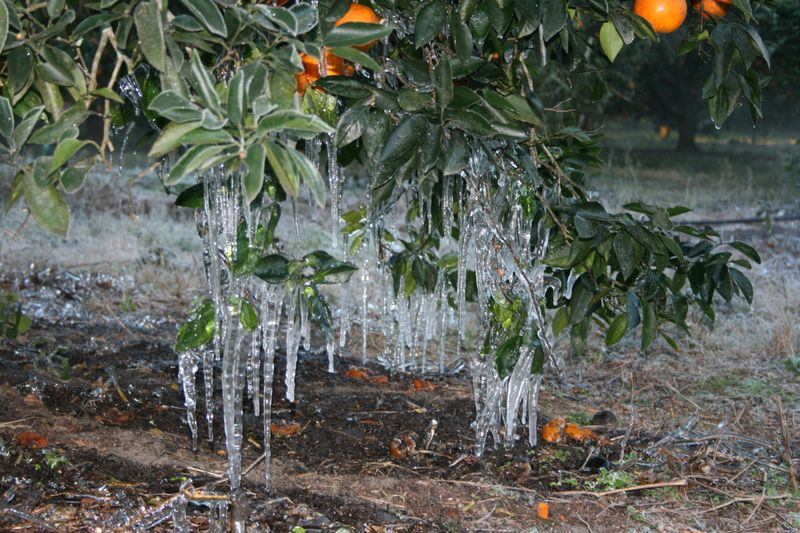
Down in Florida, a hard freeze can damage a large part of the orange crop in a single night. Growers there have used water for cold protection for decades, and the University of Florida studies it closely.
Many citrus groves rely on low microsprinklers that mist the lower trunk and inner branches during cold snaps. Protecting the trunk matters most, since a healthy trunk lets the tree regrow even if the leaves suffer.
Florida strawberry farmers use overhead sprinklers too, coating low plants in shiny ice on frosty winter mornings. Photos of those fields look strange, yet the berries underneath often come through in surprisingly fine shape.
Your Indiana Garden Changes Every Week. Your Plan Should Too.
Gardening in Indiana changes quickly throughout the season. Every Friday you’ll receive a simple weekly plan showing exactly what to plant, prune, fertilize, harvest, and protect so you never miss the right timing.
Apple and cranberry growers in northern states also use water this way to protect tender buds. So the method has a long, tested track record across very different climates and crops in America.
Commercial farms have big advantages, though, including deep wells, strong pumps, and careful temperature sensors in the field. A backyard in Indiana usually has one spigot, a garden hose, and much less water pressure.
That difference does not make the idea useless, but it does mean you should scale your expectations. Protecting a small bed of greens is realistic, while soaking a large orchard is far tougher.
I find it comforting that home gardeners can borrow a page from farmers who grow our breakfast juice. Learning their rules first will save you from the mistakes that turn a smart trick into a mess.
Your Sprinklers Must Run Until The Ice Melts
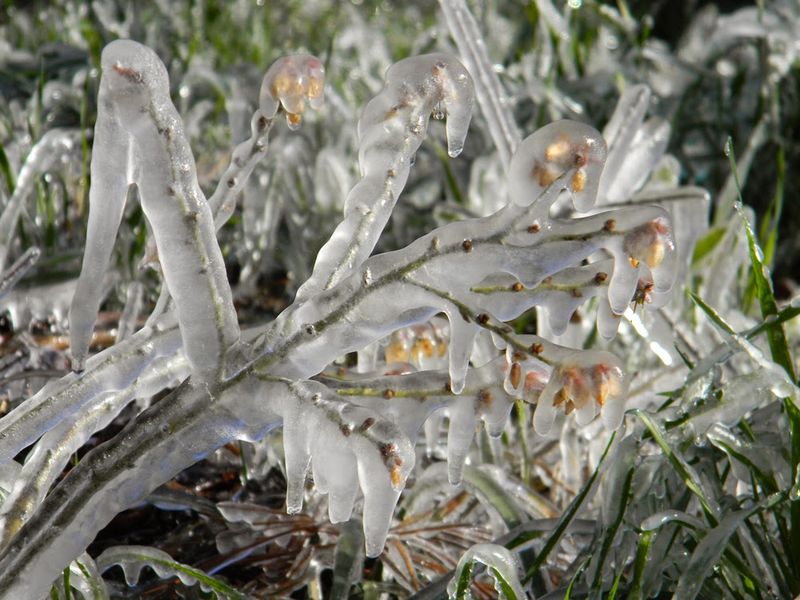
Turning on the water at bedtime is the easy part, but the morning shift is where patience counts. Extension guides recommend keeping sprinklers running until the ice melts off the plants on its own.
Start the water before the temperature reaches freezing, usually when the air hits around thirty-four degrees Fahrenheit. Starting early lets the process get going before ice crystals have any chance to form inside leaves.
Morning sunshine and rising air temperatures will slowly loosen the ice shell around stems and leaves. When you see clear water running between the ice and the plant, shutting off the hose usually becomes safe.
On a chilly Indiana morning, that melt may not happen until ten or even eleven o’clock. Plan for a long run, and make sure your water supply can keep up the whole time.
Coverage matters as much as timing, since any spot the spray misses can freeze hard overnight. Set the sprinkler so it reaches every plant in the bed, and test the spray pattern during daylight.
Oscillating sprinklers that pause too long on one side can leave plants exposed for several minutes between passes. Extension experts note that a steady, frequent spray works better than an occasional heavy splash of water.
Keep a spare hose indoors too, because a frozen hose at midnight is nobody’s idea of fun. A warm cup of cocoa helps as well while you wait for that slow, sparkling morning melt.
Turning The Water Off Too Early Can Backfire On You
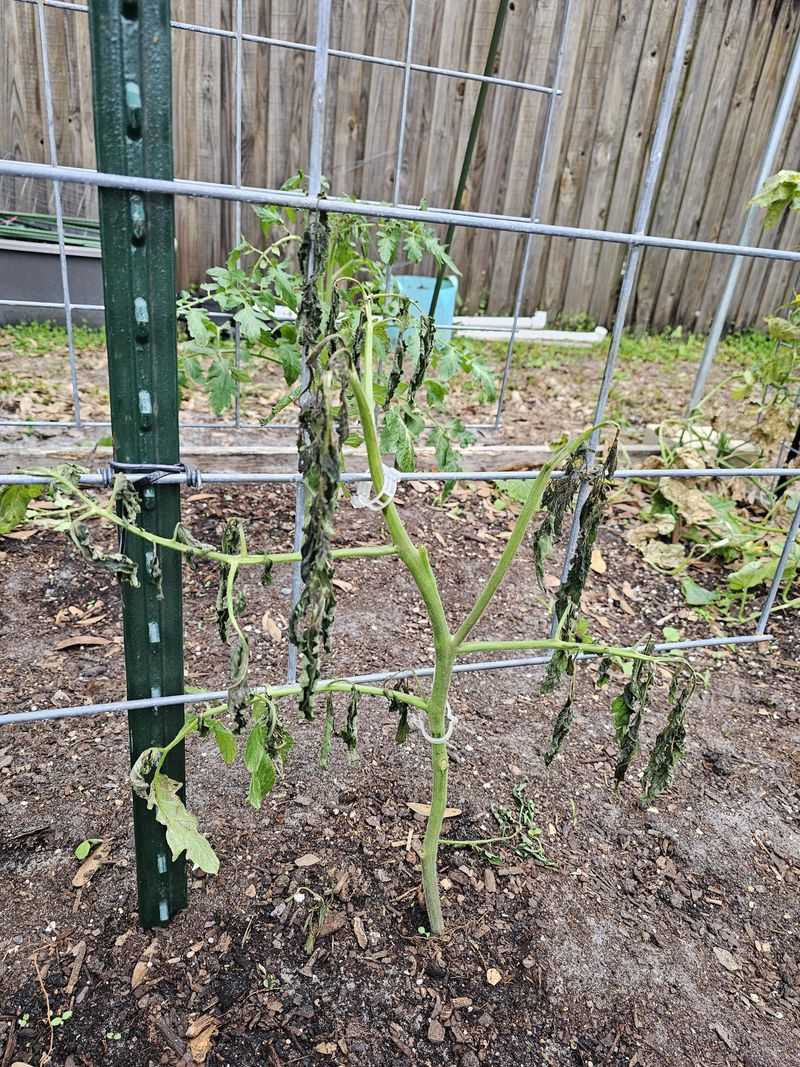
Some serious frost damage can happen after the water stops, not during the coldest hours of the night. Shutting off the sprinklers too soon is a common cause, and the science behind it surprises many people.
When water evaporates from ice and wet leaves, it pulls heat away from the plant underneath it. That cooling effect is much stronger than the warming effect of freezing, so the balance flips quickly.
Extension researchers explain that evaporation soaks up roughly seven times more heat than freezing gives off. That means a coated plant can drop below air temperature once the fresh water supply suddenly stops.
Dry, breezy mornings make the problem worse, because evaporation speeds up when the air is thirsty. Gardeners who quit at dawn to save water can find limp, darkened leaves by lunchtime the same day.
Running out of water in the middle of the night creates the same trouble, only much sooner. Check your well pump or city water pressure before you start, so the flow stays steady until morning.
Power outages can also stop well pumps, which is a real risk during stormy fall weather in Indiana. If you doubt your setup can last all night, a frost blanket may be the safer choice.
Honestly, half-finished protection can leave plants in rougher shape than doing nothing at all on a frosty night. Commit to the full run, or choose a different method that fits your schedule and water supply.
Heavy Ice Can Snap Your Weak Branches
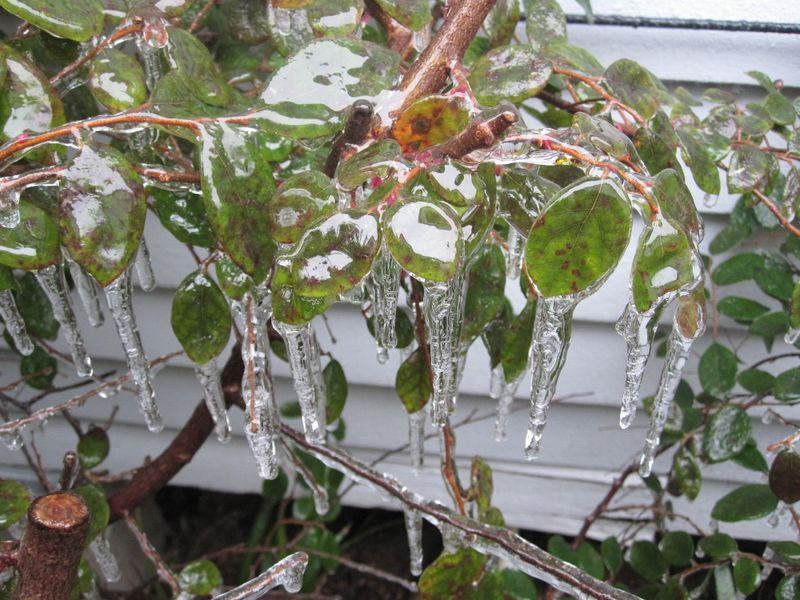
Ice looks lovely glittering on a shrub at sunrise, but it is surprisingly heavy stuff to carry. A thick coating can multiply the weight of a branch many times over during a long night.
Tall tomato vines, young fruit trees, and leggy perennials are among the plants most likely to bend or crack. Low, compact crops like spinach and lettuce handle the load much better because they sit close to soil.
Extension specialists note that this is one reason the method suits strawberries and low vegetables best. Taller woody plants can suffer broken limbs, which can let disease in later in the season.
Before a frosty night, walk your garden and tie floppy stems to stakes with soft garden twine. Prune away cracked or weak branches ahead of time so they do not split under the ice.
Resist the urge to knock ice off branches in the morning, since frozen wood snaps very easily. Let the sun and the running water melt it away gently, even if you feel very tempted.
Indiana gardens often hold a mix of tall and short plants, so aim the spray very carefully. A low sprinkler pointed at your greens can protect them while sparing the young apple tree nearby.
Think of ice as a helpful blanket that turns into a burden when it gets too thick. A little planning helps keep your garden safer from both the cold and the cracking weight overhead.
You Should Water The Soil The Day Before A Frost
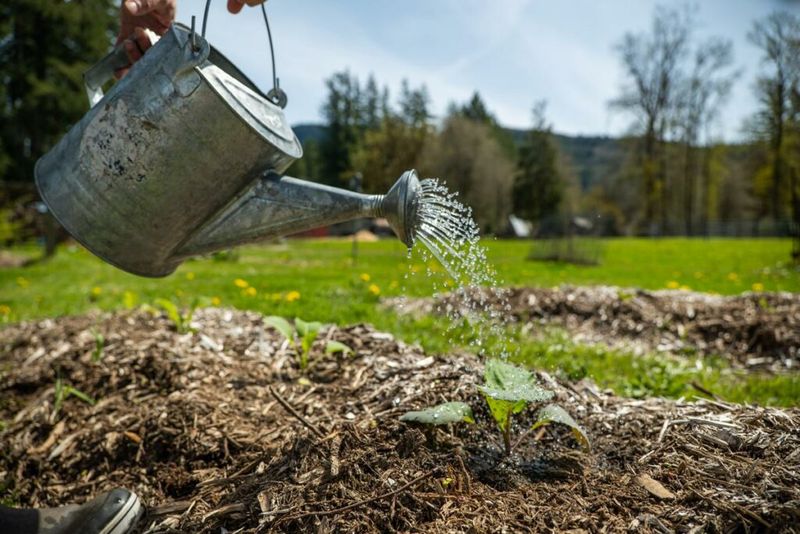
Sometimes the simplest frost trick happens in broad daylight, hours before the cold air even arrives. Watering your garden soil the day before a frost can help plants ride out a chilly night.
Moist soil soaks up more heat from the bright afternoon sun than dry, crumbly soil usually does. After dark, that stored warmth slowly rises back up and wraps low plants in slightly warmer air.
University extension programs suggest the difference is often a degree or two, which can matter on borderline nights. It will not rescue tender basil from a hard freeze, but it gives tougher crops a helpful edge.
Water in the morning or early afternoon so the surface dries a bit before evening sets in. Soaking the ground deeply works better than a quick sprinkle that barely wets the top inch.
October in Indiana can bring dry spells, so your garden beds may be thirstier than they appear. Push a finger into the soil, and if it feels dusty two inches down, it needs a drink.
Pair the soil soak with a frost cloth for extra help, especially over leafy greens and late carrots. Covers trap the warmth rising from damp ground, so the two tricks work nicely as a team.
For many home gardeners, this simple step feels far easier than babysitting a sprinkler all night long. Keep an eye on the forecast, water early, and give your fall harvest a few more weeks to shine.