What It Means When a Red Fox Shows Up in Your New York Yard
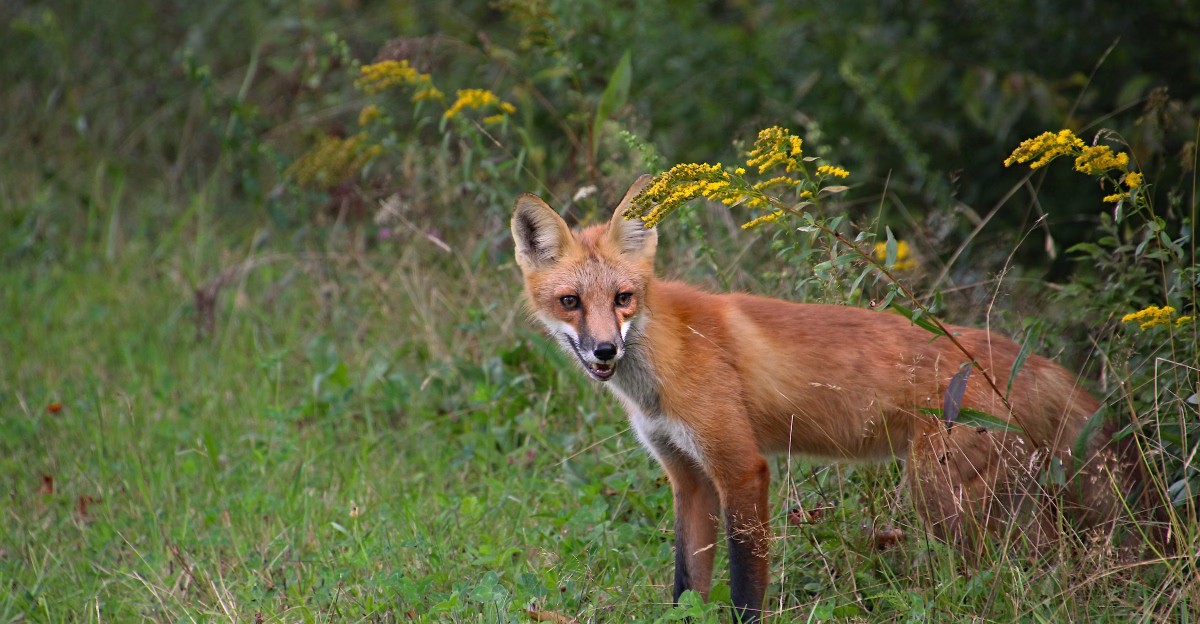
A wild canine weighing less than most house cats might be napping under your deck right now. Yes, really. Most adults tip the scales at just 8 to 15 pounds.
That fluffy tail makes up a big chunk of its length. It works like a warm blanket on cold nights. I love that detail more than I probably should.
These visitors show up all over New York. You can spot them in Long Island suburbs, Hudson Valley backyards, and even parts of the city. Personally, I get a little thrill every time one trots past my garden fence.
You might feel curious, nervous, or a bit of both. That mix of feelings makes sense to me. So what is your new guest actually telling you about your yard?
That Flash of Orange Fur Is Telling You Something About Your Yard
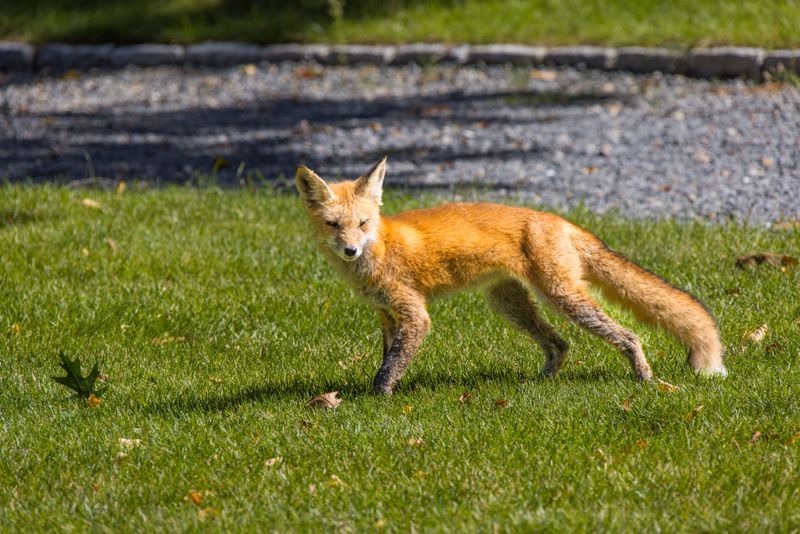
Spotting a fox can feel like finding a secret. Most of the time, the message is simple and pretty flattering.
Your yard has something a smart, picky animal finds useful.
Red foxes are some of the most adaptable mammals in North America. They live in farm fields, forests, beach towns, and busy neighborhoods across New York.
Over many years, they have learned that suburbs offer easy meals and quiet hiding spots.
A sighting rarely means trouble. Often the fox is just passing through on its nightly route.
Many foxes cover a few miles each night while hunting, so your lawn may only be one stop on a long loop.
Healthy foxes are usually shy around people. They tend to keep their distance and slip away when noticed.
Seeing one at dawn or dusk is normal behavior, not a warning sign.
I like to think of a fox visit as a little report card for the yard. It suggests there is cover, food, and calm nearby.
The next step is figuring out which of those things pulled it in, and whether you want it to stay.
Those Mice in Your Garden Are Probably the Main Attraction
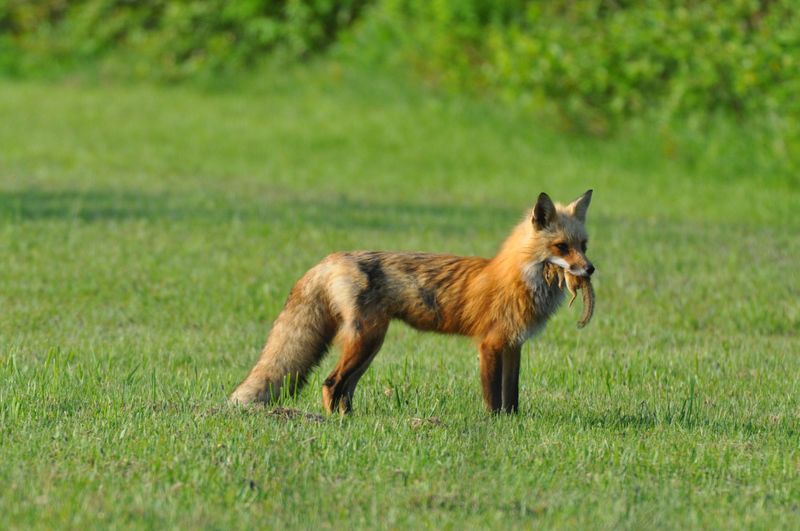
Foxes are pest control with a bushy tail. Their favorite meals include mice, voles, chipmunks, and rabbits.
A garden full of rodents is like an open buffet to them.
Gardeners in New York often battle voles chewing roots and bulbs. A fox hunting at night can help keep those numbers down.
Some experts suggest a single fox may eat thousands of small rodents each year.
Foxes also snack on other things. They eat insects, berries, fallen apples, and birdseed scattered under feeders.
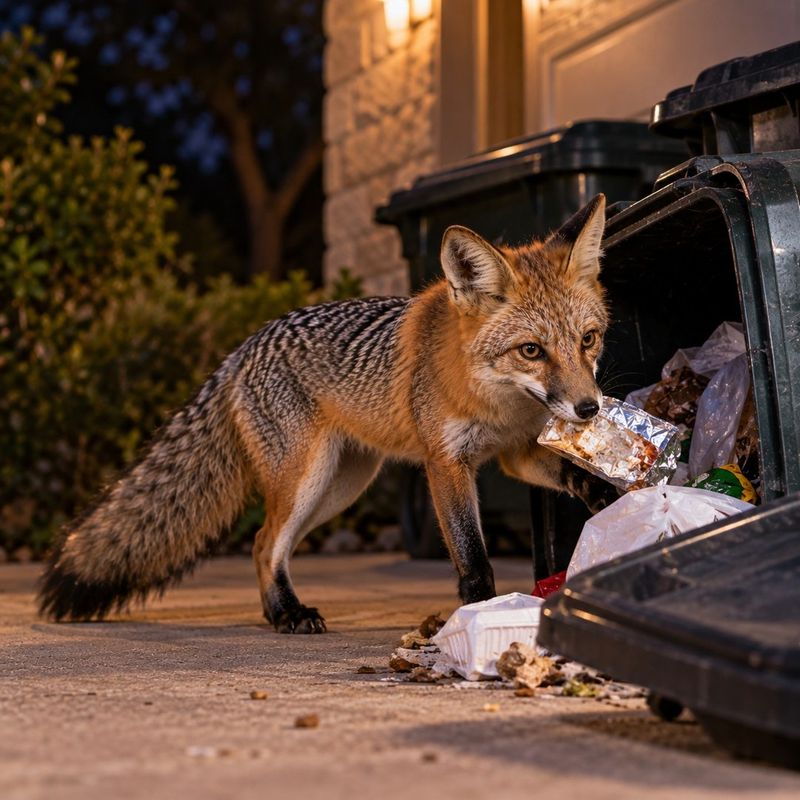
Pet food left on a porch is a big draw, and so is open trash.
You can learn a lot by looking around. Check under your bird feeder for spilled seed.
Look for fruit rotting under trees or a compost pile with meat scraps tossed in.
Personally, I enjoy the free rodent patrol in my vegetable beds. Still, a yard with too many food sources can make a fox feel a little too comfortable.
Your New York Garden Changes Every Week. Your Plan Should Too.
Gardening in New York changes quickly throughout the season. Every Friday you’ll receive a simple weekly plan showing exactly what to plant, prune, fertilize, harvest, and protect so you never miss the right timing.
Knowing what is on the menu helps you decide how welcoming you want to be.
Daytime Sightings Usually Have a Simple Family Explanation

Spring is baby season. Red foxes in New York mostly breed in winter, and the kits arrive around March and April.
Parents get busy fast after that.
Feeding a growing litter takes a lot of work. Moms and dads may hunt during the day to keep up.
Many people worry when they see a fox in daylight, but it is often just a hardworking parent.
Foxes are mostly active at dusk, night, and dawn. Still, daytime trips are common in spring and early summer.
A fox that looks alert, walks normally, and avoids you is usually healthy.
Dens are often tucked under sheds, decks, porches, or brush piles. You might notice a hole with loose dirt and small bones nearby.
Playful kits tumbling on the lawn are a sight many folks remember for years.
The family stage does not last long. Young foxes often leave the den area by summer and head off on their own by fall.
So that busy little crew is mostly a short-term guest.
Your Cat and Small Dog Deserve a Little Extra Watching

Pet owners ask me about this one the most. Adult cats and medium or large dogs face low risk from foxes.
A fox usually sees them as a rival, not a meal.
Tiny pets are a different story. Rabbits, guinea pigs, chickens, and very small puppies can look like prey.
Keep small animals inside or in a sturdy, covered pen, especially at night.
Walk small dogs on a leash after dark. Bring cat food bowls indoors so they do not attract hungry visitors.
A secure coop with buried wire helps protect backyard hens.
Disease is worth a calm look too. Rabies in foxes is uncommon in New York, but it does happen.
Mange and distemper can also show up and may spread to dogs.
Keep pet vaccines up to date. Teach kids to admire foxes from a distance and to tell an adult if one acts strange.
A little watchfulness keeps both your family and the fox safe and happy.
A Few Easy Changes Can Make Your Yard Way Less Tempting
Small habits make a big difference. Foxes stick around where life is easy.
Take away the easy stuff, and they often move on by themselves.
Start with trash. Use cans with tight or locking lids, and put them out the morning of pickup instead of the night before.
Rinse food containers before tossing them in the bin.
Next, check your feeders. Use trays to catch spilled seed, or clean up the ground every few days.
Fewer seeds mean fewer mice, and fewer mice mean less reason for a fox to visit.
Pick up fallen fruit from trees and berry bushes. Keep compost in a closed bin, and skip meat, bones, or dairy.
Feed pets indoors whenever you can.
Never feed a fox on purpose. A fed fox can lose its fear of people, and that is when problems start.
New York wildlife officials strongly advise against feeding foxes or other wild animals.
I made these changes in one weekend. My yard got tidier, and the visits dropped off nicely.
Found a Den Under the Deck? Patience Pays Off

Finding a den can feel like a big deal. Honestly, it is more of a temporary rental than a permanent move.
Fox families use dens mainly to raise their kits.
Most dens are active from early spring into summer. Once the young are strong enough to roam, the family often leaves for good.
Many homeowners just wait it out and enjoy the show.
Do not block a den while kits are inside. Sealing it can trap or orphan the babies.
That leads to a much bigger problem for you and for the animals.
If you need them gone sooner, wait until the kits are running around outside. Then gentle pressure can nudge the family to a backup den.
Fox parents usually have more than one spot ready.
After the family leaves, close the space for good. Loosely stuff the hole with leaves first, and check for a few days.
If nothing disturbs it, seal it with sturdy wire mesh buried several inches deep to prevent new tenants next spring.
Noise, Lights, and Smells Can Send Your Visitor Packing
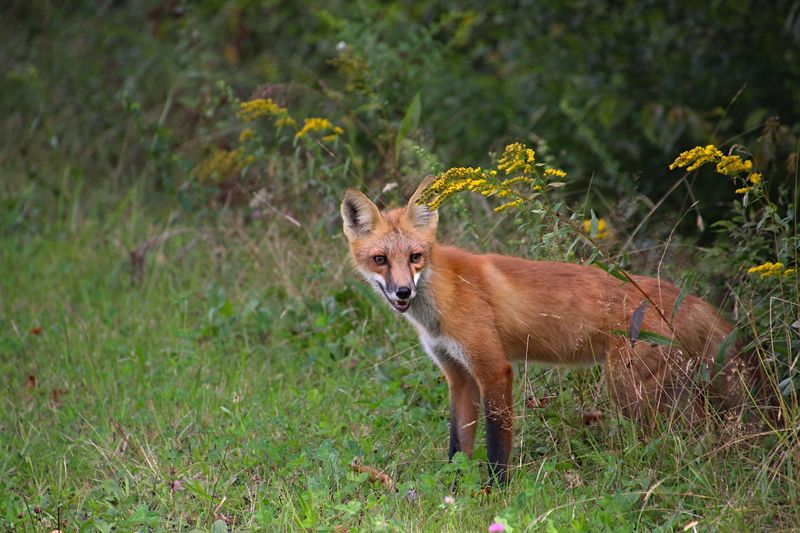
Foxes are cautious by nature. Startle them a few times, and they often decide your yard is not worth the stress.
You can do this without hurting them at all.
Motion-activated sprinklers work well. A sudden burst of water surprises a fox without harm.
Motion lights near sheds or decks can also make a hideout feel less private.
Noise helps too. Clap your hands, bang a pot, or shout from a safe distance.
Some people place a radio near a den set to a talk station for a few days.
Smell matters to foxes. Rags soaked in apple cider vinegar placed near a den can make the spot feel unwelcome.
Some folks use used kitty litter, though results vary.
Mix and rotate your methods. Foxes are clever and may get used to the same trick.
Be steady for a week or so, and many will relocate on their own.
I like these options because they respect the animal. The goal is a gentle nudge, not a fight.
Some Situations Really Do Need an Expert
Most fox visits handle themselves. Still, a few signs mean it is time to pick up the phone.
Your safety comes first.
Watch for odd behavior. A fox that stumbles, circles, seems confused, or acts unusually bold may be sick.
Patchy fur and crusty skin often point to mange.
Keep people and pets away from any fox that acts strange. Do not try to catch or touch it.
If a fox bites or scratches a person or pet, contact your doctor, your vet, and your local health department right away.
In New York, the Department of Environmental Conservation offers guidance on wildlife issues. You can also hire a licensed Nuisance Wildlife Control Operator.
These pros know the rules and can handle tough denning problems.
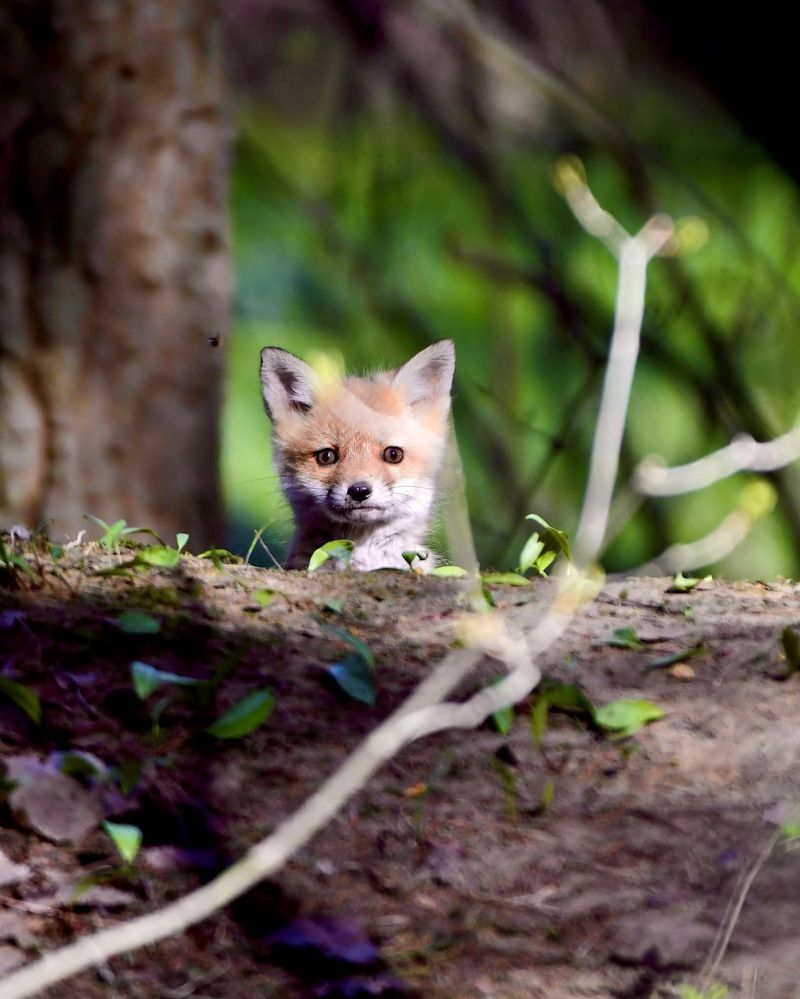
Found a kit that seems alone? Watch from far away for a full day first.
Parents often leave young ones while they hunt. If it still seems abandoned or hurt, call a licensed wildlife rehabilitator for help.
Knowing who to call brings real peace of mind. Then you can relax and enjoy your clever neighbor.