Is Planting Store-Bought Mums In Your Ohio Garden This Fall The Wrong Move Or A Good Idea?

Those pots by the grocery store door look like a bargain, and you already carry one to the car in your mind.
Ohio gardeners split into two camps on this one. Some plant their mums every October and swear by the results.
Others tried it once, watched the plants vanish by spring, and haven’t bought another since. Both sides sound completely sure of themselves.
Here’s the twist. The same plant can go either way, and the difference rarely comes down to luck.
Where you buy it, when you plant it, and how it was grown before you ever met it all play a part.
Plenty of neighbors guess, then act surprised when spring rolls around.
Read the tag and size up your spot before you pay. A little homework keeps a cheap impulse from turning into a quiet disappointment.
1. Fall-Planted Mums Often Don’t Make It Through Winter

Picture your bright orange mum glowing by the mailbox in October. Come April, you find a brown, empty clump where it used to sit.
That letdown happens to plenty of gardeners, and the reason is mostly about roots. Mums planted in fall have only a few weeks to settle in before the ground turns hard and cold.
Their roots stay shallow and thin, like a tent staked with toothpicks.
Ohio winters make things trickier. Our weather loves to swing from freezing nights to mild, sunny afternoons.
Each time the soil freezes, it swells, and each time it thaws, it shrinks back down.
That constant motion is called frost heaving. It can lift a weak plant right out of the soil.
Once the roots are exposed to icy wind, the plant has little chance of bouncing back in spring.
Still, a fall planting is not a lost cause. Some mums do return, especially the tougher types planted early with a bit of winter care.
The trick is knowing what you bought and when it goes in the ground.
Think of fall planting as a fun experiment rather than a sure thing. If you go in with that mindset, a mum that pops back up next year feels like a happy bonus.
And if it does not, you still enjoyed weeks of gorgeous color for a few dollars.
2. Florist Mums Rarely Survive Outdoors In Ohio

Here is a little secret the grocery store will not print on the price tag. Many of those dome-shaped mums near the checkout are florist mums, also called pot mums.
Growers raise these plants for one main job, which is looking fabulous. They are bred for big, tidy flowers and a perfect round shape.
Surviving a snowy January is simply not on their resume.
Think of them like a fancy party outfit. It looks amazing for the event, but you would not wear it to shovel the driveway.
Florist mums tend to have weaker roots and less cold toughness than garden types.
Fun fact: chrysanthemums have been grown for over 2,000 years, starting in China. Over time, breeders split them into many groups, and some were made for vases and pots rather than backyards.
Your Ohio Garden Changes Every Week. Your Plan Should Too.
Gardening in Ohio changes quickly throughout the season. Every Friday you’ll receive a simple weekly plan showing exactly what to plant, prune, fertilize, harvest, and protect so you never miss the right timing.
So how can you tell what you have? Look for a foil wrapper, a tag that says florist or pot mum, or no tag at all.
Super-dense blooms on a short plant are another clue.
If you suspect you have a florist mum, treat it like a seasonal guest. Enjoy it on the porch, keep it watered, and let it go when the show ends.
Saving your planting energy for sturdier mums will spare you a lot of spring disappointment.
3. Look For Hardy Garden Mums Instead

Shopping for mums is a bit like picking a winter coat. Some look cute but feel thin, while others are built to handle real cold.
If you want blooms that come back, hunt for plants labeled hardy garden mums or perennial mums. These are bred to live outdoors year after year.
They usually grow stronger roots and spread more willingly than their florist cousins.
Now for the sneaky part. Not every tag that says garden mum means tough enough for Ohio.
Some varieties are only reliably hardy in zone 7 or warmer, while most of the state sits in zone 6, with a few chilly spots in zone 5.
So read the fine print like a detective. Look for a hardiness rating of zone 5 or lower, which gives you a nice cushion.
If the tag is vague, ask a staff member at a local nursery.
Local garden centers are often your best bet here. Ohio growers know what handles our weather, and they tend to stock varieties that have proven themselves nearby.
A few well-loved hardy types include Sheffield Pink and many Mammoth series mums from the University of Minnesota. They cost a little more sometimes, but they repay you with color for years.
That is a pretty good deal for one smart purchase.
4. Planting By Early September Gives Roots A Head Start

Timing is everything, and mums are no exception. In Ohio, the sweet spot for fall planting is August through early September.
Why so early? Mums need about four to six weeks in the ground before the first hard frost.
During that stretch, the roots reach out, grab the soil, and build the anchor the plant will lean on all winter.
Try to pick plants that are still mostly in tight buds. A plant that is not busy blooming can send more energy downward to its roots.
Think of it as saving the fireworks for later while it gets the foundation poured first.
Choose a sunny spot with soil that drains well. Mums hate sitting in soggy ground, especially when water freezes around their crowns.
Loosen the soil, mix in some compost, and set the plant at the same depth it sat in its pot.
Gently tease apart roots that circle the pot. This little nudge encourages them to grow outward instead of staying in a tight ball.
Water deeply after planting and keep the soil evenly moist for the next several weeks. Late summer can still be hot and dry in the state.
A steady drink helps those young roots settle in quickly, giving your mum its best shot at greeting you next spring.
5. The Later You Plant, The Lower The Odds

Late October, a chilly Saturday, and you finally get around to planting that mum from the porch. It feels productive, but the calendar is not doing you any favors.
Mums tucked in this late have very little time to grow roots before the ground freezes. Most Ohio soil starts getting cold and stiff by November.
That leaves a plant with a tiny, shallow grip on the earth.
Plants in full bloom face an even bigger hurdle. All their energy is pouring into those flowers.
With so much going toward the show, there is not much left over for growing underground.
Picture a runner trying to train for a race while already sprinting. Something has to give, and in this case, it is usually the roots.
If you still want to try, help the odds a little. Pinch off spent blooms, water well before the freeze, and pick the most sheltered spot you have, like near a south-facing wall.
Mulch will also matter more for late plantings.
Just keep expectations realistic and stay cheerful about it. A late-planted mum is more of a lottery ticket than a guarantee.
If it comes back, celebrate, and if not, you have learned exactly when to plant next year.
6. Leave The Stems Standing Through Winter
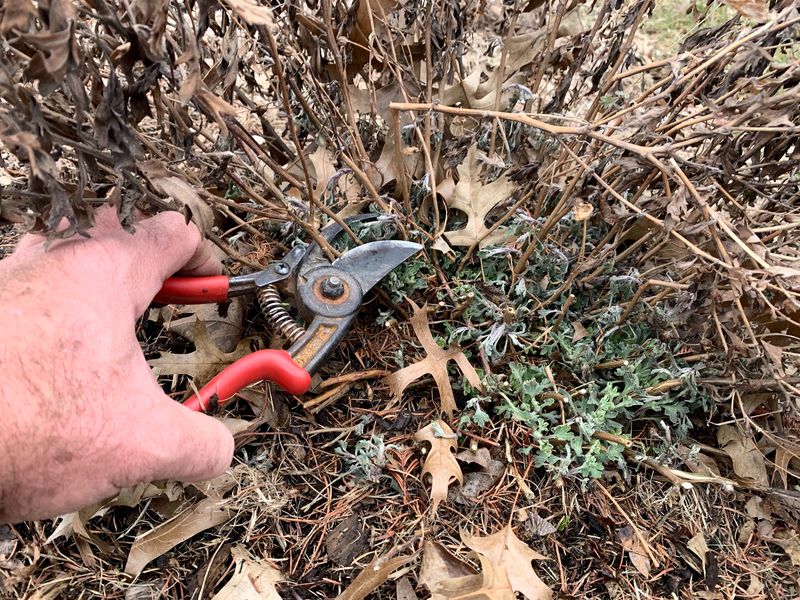
Good news for anyone who dislikes fall cleanup: this tip asks you to do less. Once your mums finish blooming and a few frosts roll through, put the pruners away.
Those brown, crispy stems may not win beauty contests, but they work hard. They trap fallen leaves and snow around the base of the plant.
That pile acts like a cozy blanket over the crown and shallow roots.
Cutting stems down to the ground in fall can leave the plant exposed. Water may also seep into freshly cut stems and freeze, which adds stress to the crown.
Some gardeners worry the bed will look messy. Here is a fun twist on that thinking.
Old stems give birds a perch, and a dusting of frost on them can look surprisingly pretty on a winter morning.
When spring arrives, watch the base of the plant closely. Once you spot fresh green shoots poking up, it is time to trim.
Cut the old stems back to just above the new growth, and toss them in the compost.
Be patient, since mums can be late risers. Some do not wake up until mid to late April in the state.
Give them a few extra weeks before deciding they are gone.
7. Add Straw After The Ground Freezes

Mulch sounds like a fall chore, yet the real magic happens once winter has truly arrived. In Ohio, that usually means sometime after Thanksgiving.
Wait until the ground has frozen solid before adding anything. Mulching too early can keep the soil warm, which may invite mice to move in.
It can also trap moisture against the crown while temperatures still bounce around.
Once the soil is frozen, pile on three to six inches of straw, pine needles, or evergreen branches. Leftover holiday tree boughs work great here and give them a second life.
The goal is not to keep the plant warm like a heater. Instead, mulch keeps the soil steadily frozen.
That steady chill prevents the up-and-down freeze and thaw cycles that push plants out of the ground.
Skip heavy, wet materials like matted leaves right on top of the crown. They can hold too much water and cause rot.
When spring warms up, remove the mulch slowly over a week or two. Pull back a little at a time as new shoots appear.
This gradual reveal protects tender growth from a surprise late frost, which our state loves to toss in. A quick check every few days keeps everything on track.
8. Or Enjoy Them In Their Pots As Fall Decor

Sometimes the smartest garden move is not to plant at all. Plenty of Ohio folks simply enjoy potted mums as seasonal decor, and honestly, that is a great choice.
Mums are the queens of autumn porches. Pair them with pumpkins, gourds, a hay bale, or a cheerful scarecrow.
Suddenly your entryway looks like the cover of a fall magazine.
To keep them looking fresh, water often. Potted mums dry out fast, especially on breezy days.
Check the soil daily and water when the top inch feels dry, aiming at the soil rather than the flowers.
Buy plants with lots of closed buds instead of fully open blooms. You will get weeks more color that way.
Placing them where they get morning sun and a bit of afternoon shade helps the flowers last longer too.
Try mixing colors for extra fun. Deep burgundy next to bright gold looks fantastic, and white mums pop beautifully against orange pumpkins.
When the blooms fade, toss the plant in the compost pile without guilt. Treating them like annuals is perfectly normal.
You paid for weeks of happy color, and that is exactly what you got. Next fall, you can pick fresh shades and create a brand new look.
9. Spring Is The Best Time To Plant Mums That Come Back

If you want mums that return like old friends every autumn, think spring. That is the season state gardeners use for the most reliable results.
Planting in May or early June gives mums a whole growing season to settle in. Their roots have months to spread deep and wide.
By the time winter shows up, they are ready to hang on tight.
Spring mums often come as small, green plants without flowers. They may not look exciting at the nursery, but do not let that fool you.
These humble starters grow into bushy mounds packed with buds by September.
Here is a handy trick for fuller plants. Pinch back the tips of each stem by about an inch every few weeks until early July.
This encourages branching, which means more flowers and a sturdier shape. Stop pinching by early July so buds can form on time.
Give them full sun, well-drained soil, and regular water during dry spells. A light feeding of balanced fertilizer in late spring helps too.
The reward is worth the wait. Spring-planted hardy mums can brighten your yard for many years, and they often spread enough to divide and share.
Your neighbors may soon be asking for a clump of their own.