The Meaning Behind Finding A Ladybug Inside Your Ohio Home In Fall
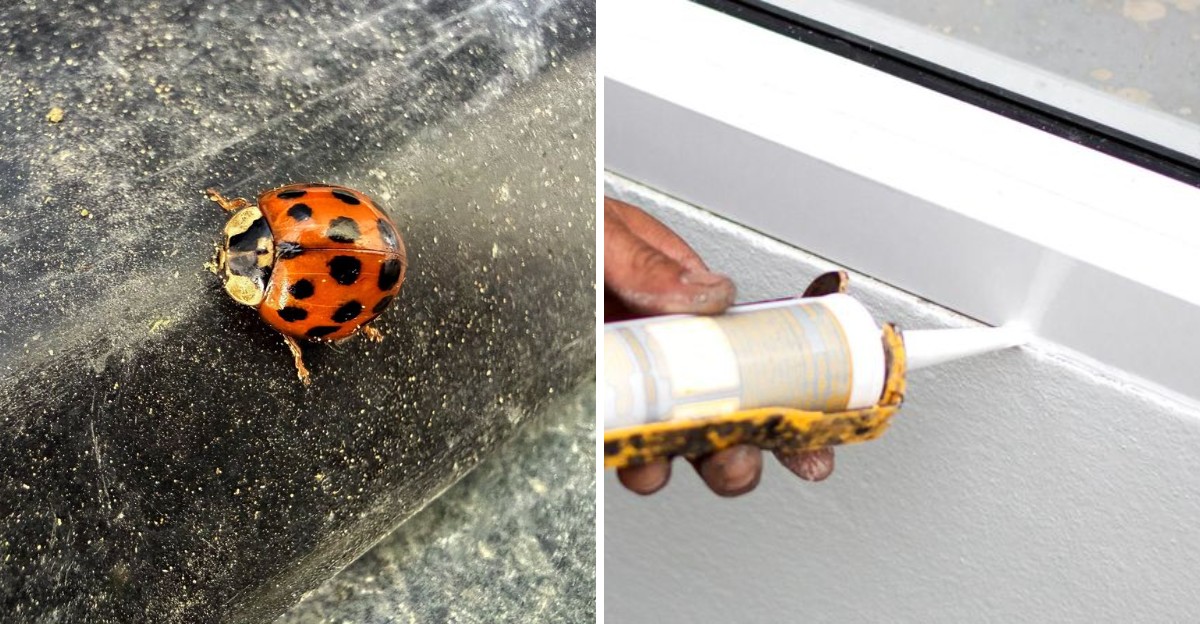
Finding a ladybug crawling across your window in October might seem like a lucky surprise, but its appearance has a practical explanation.
Ladybugs have long been associated with good fortune in folklore. Yet the beetle inside your home may not be the familiar native species you imagine.
Many fall visitors are actually Asian lady beetles searching for sheltered places to spend winter.
As temperatures drop across Ohio, these insects may gather around buildings and slip through small openings. Once indoors, they can remain hidden until warmer conditions bring them out again.
Take a closer look before assuming every spotted beetle is the same.
Their presence usually has more to do with seasonal behavior than any special meaning.
Understanding why they appear can help you handle these unexpected visitors without unnecessary worry.
1. Folklore Calls It Good Luck, But There’s A More Practical Explanation
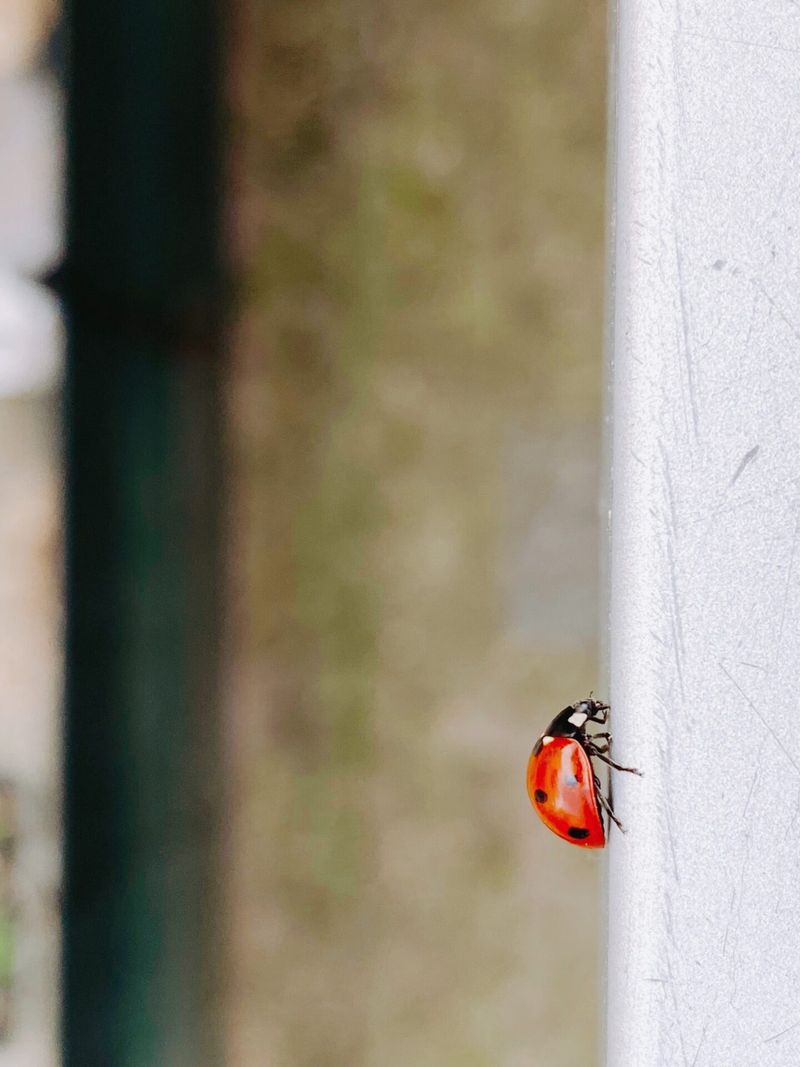
Old stories say a ladybug landing on you brings good fortune. Some folk traditions even claim the number of spots predicts how many happy months lie ahead.
Those tales are fun to share, but they are beliefs rather than anything you can count on.
A beetle on your windowsill in fall usually has a simpler reason for being there. As days shorten and temperatures drop, certain lady beetles start searching for a protected place to wait out the cold.
Your house happens to offer exactly that kind of shelter.
Warm afternoons often trigger the biggest flights, especially after a cool spell. Beetles tend to gather on sun-facing walls, and light-colored siding seems to draw extra attention in many neighborhoods.
Across Ohio, homeowners commonly notice this activity from late September into October, though timing shifts with the weather each year.
From there, the insects crawl into small openings around windows, siding, and trim. Some settle inside wall spaces, while a few wander into rooms where you finally spot them.
So, does one indoor ladybug mean anything special? Enjoy the folklore if you like it, but the practical takeaway is that your home has gaps worth checking.
Seeing one or two beetles is no reason to panic, and a quick look at your window frames can tell you a lot about where they got in.
2. Indoor Fall Visitors Are Typically The Asian Species, Not Native Ladybugs
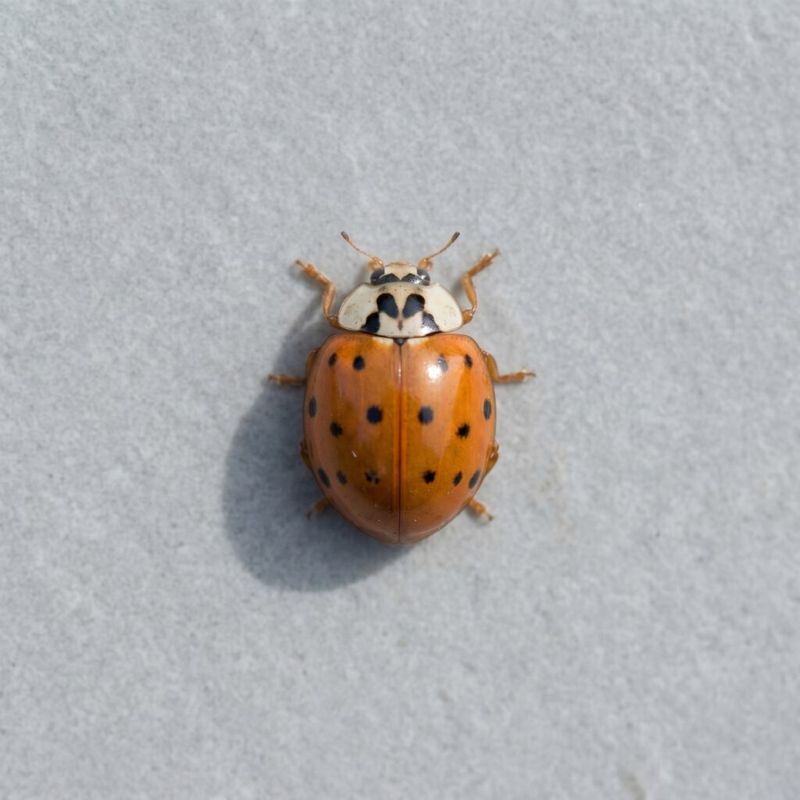
Look closely at that beetle on your curtain. Odds are good it is a multicolored Asian lady beetle rather than a native ladybug.
Harmonia axyridis was brought to North America to help control aphids and other crop pests.
It spread widely over the following decades and now ranks among the most common lady beetles in Ohio gardens and fields. In summer, it does useful work eating soft-bodied insects on trees and crops.
Fall is when it becomes a household nuisance.
In its native range, this beetle overwinters in cliffs and rocky outcrops. Buildings seem to play a similar role here, which helps explain why it shows up in homes far more often than native species do.
Identifying one takes only a moment. Many individuals have a black mark behind the head shaped like an M or W on a pale background.
Your Ohio Garden Changes Every Week. Your Plan Should Too.
Gardening in Ohio changes quickly throughout the season. Every Friday you’ll receive a simple weekly plan showing exactly what to plant, prune, fertilize, harvest, and protect so you never miss the right timing.
Color can range from pale tan to deep orange or red, and spot counts vary a lot. Some have many spots, while others have very few or none at all.
A magnifying glass or a zoomed phone photo makes the marking easier to see.
Knowing which beetle you have helps you set realistic expectations, since this species is the one most likely to gather in large numbers around homes.
3. Native Lady Beetles Usually Find Other Sheltered Winter Spots
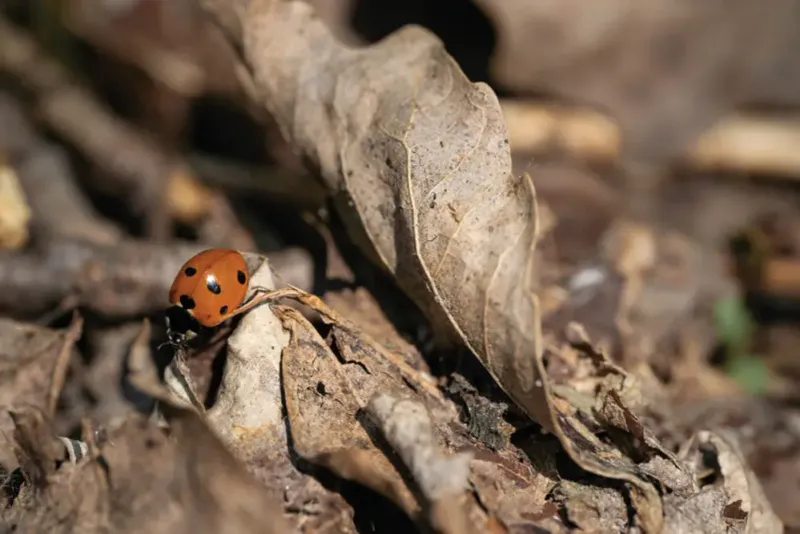
Native lady beetles are not exactly house guests. Most of them prefer winter quarters outdoors, tucked away from your living room.
Leaf litter, loose bark, and grassy edges are typical hiding spots for several native species.
Some kinds, like the convergent lady beetle in the western United States, are known for gathering in large groups in sheltered natural sites. Behavior differs by species, so not every native beetle follows the same plan.
Around Ohio, native types such as the spotted lady beetle and twice-stabbed lady beetle are commonly found overwintering outside.
That is one more reason to leave some fallen leaves in garden beds over winter. A layer of leaves under shrubs or along a fence line can give helpful insects a protected place to rest.
Of course, an occasional native beetle may still wander indoors by accident.
It might hitch a ride on firewood, potted plants, or clothing. Finding one now and then is not unusual, but large clusters indoors usually point to the Asian species instead.
Gardeners who want more native beetles around can plant flowers that support aphid predators, like dill, yarrow, and native asters.
Results depend on your yard, nearby habitat, and pest levels, yet a varied planting usually beats a bare, tidy lawn for beneficial insects.
4. Heated Rooms Can Coax Them Out Of Wall Voids Midwinter
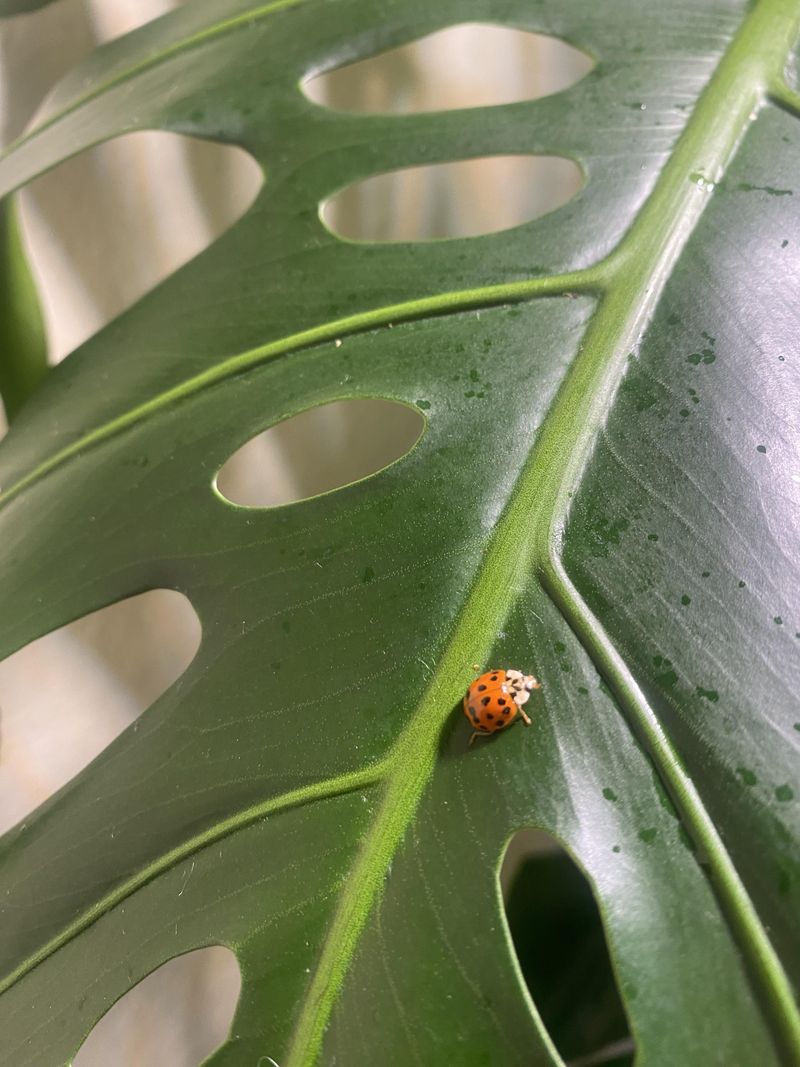
January snow outside, and a ladybug crawling up your lamp. That odd pairing confuses plenty of homeowners.
Beetles that settled inside walls or attics in fall stay mostly inactive while temperatures are cool.
When indoor heat or bright winter sun warms the spaces where they rest, some of them wake up. They then follow warmth and light, which often leads them into rooms rather than back outside.
Sunny days during an Ohio winter are a common time to notice this happening.
South- and west-facing rooms tend to see more activity because those walls warm up faster. Spots near ceiling lights, window frames, and outlets are where they often appear.
Seeing them in February does not mean a new group moved in.
Usually, these are the same beetles that arrived in fall, slowly trickling out as the season goes on. Activity often picks up again in late winter and early spring as they try to head outdoors.
A vacuum works well for removing them without crushing them, which can leave stains and a sharp odor.
Some people place a knee-high stocking inside the vacuum hose, secured with a rubber band, to catch beetles and release them outside. Emptying the bag or canister promptly helps prevent any smell from lingering indoors.
5. They Won’t Reproduce Indoors Over The Winter
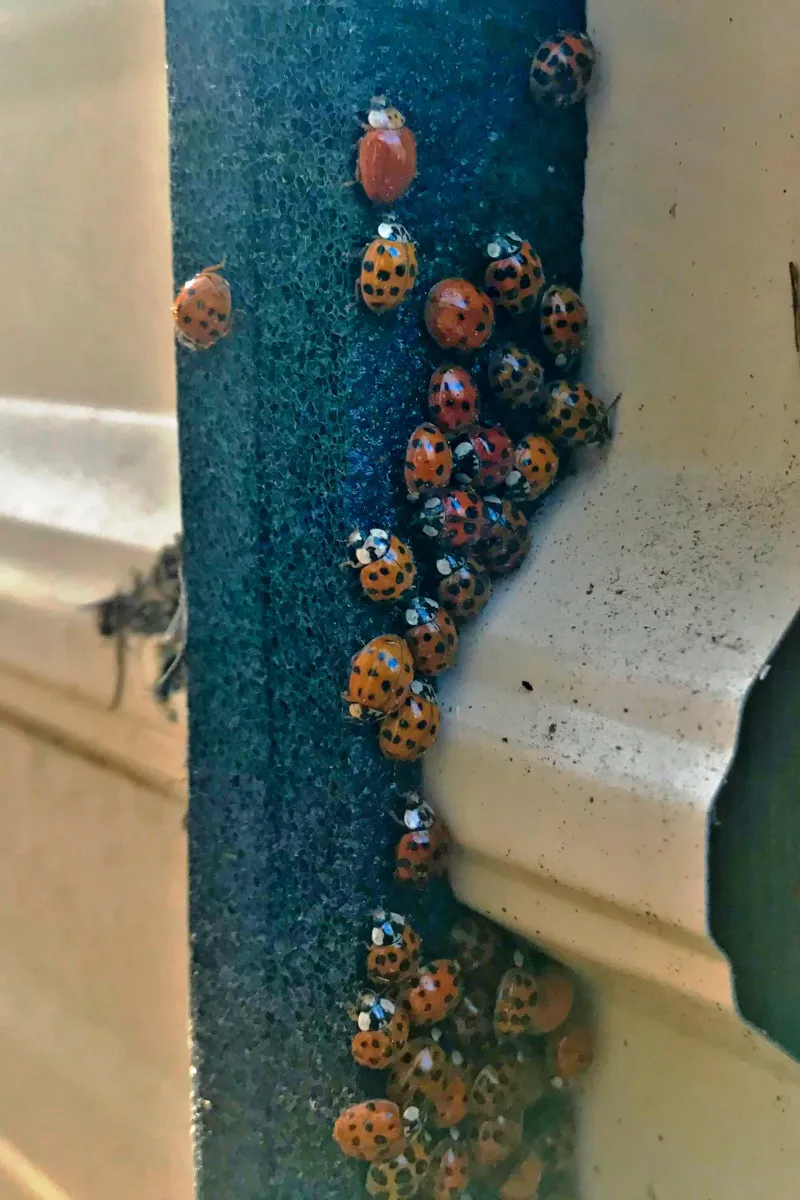
Here is some welcome news for anyone worried about an indoor colony. Lady beetles inside your home are in a resting state, not a breeding one.
Breeding generally happens outdoors in spring and summer, when aphids and other prey are easy to find.
Females usually lay eggs near those food sources on plants. Young larvae need a steady supply of soft insects to grow, and a heated house in winter does not offer that.
So the number you see in fall is roughly the number you are dealing with until spring.
Counts may seem to rise on warm days, but that is usually more beetles waking up, not new ones hatching. Others that wandered into dry rooms may not survive long without moisture.
Houseplants are not likely to change that picture in a meaningful way.
Even if a plant has a few aphids, conditions indoors rarely support a full beetle life cycle. Treat any plant pests on their own terms rather than expecting beetles to handle them.
Come spring in Ohio, survivors try to leave through the same gaps they used to enter.
Cracking a window on a mild day can help some find their way out. Once outdoors, they spread into gardens and fields, where many return to hunting aphids.
6. A Mild Pinch And Occasional Allergies Are The Main Drawbacks
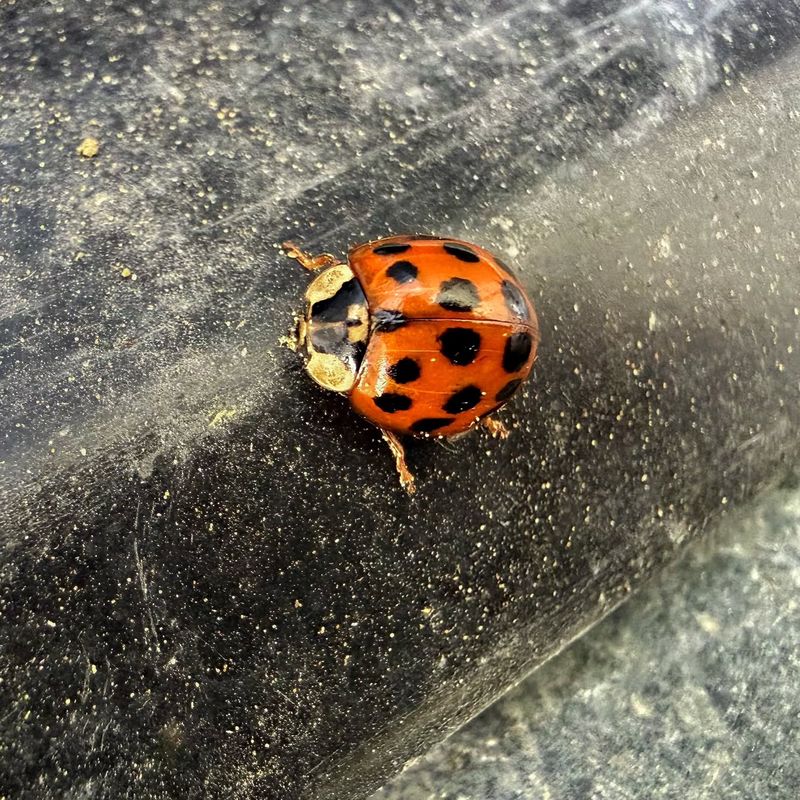
Ouch, did that ladybug just bite? Asian lady beetles can give a small pinch, though it rarely breaks skin.
Most people describe it as a prickly nip that fades quickly.
Bites seem to happen more often when beetles are numerous or searching for moisture. Washing the spot with soap and water is usually all the care it needs.
Disturbed beetles also release a yellowish fluid from their leg joints, a defense called reflex bleeding.
That fluid has a bitter, unpleasant smell and can stain light walls, curtains, and fabrics. Crushing beetles makes the problem worse, which is why gentle removal works better than swatting.
Some people react to the beetles in a different way.
Asian lady beetles have been linked to allergy symptoms in certain individuals, such as sneezing, itchy eyes, or a runny nose. Reactions vary, and people with ongoing symptoms should check with a doctor for proper advice.
Pets may get curious and try to eat them, so keeping an eye on dogs and cats is reasonable.
Overall, these beetles do not damage wood, chew wiring, or eat stored food in Ohio homes. They are mostly a nuisance, and calm, steady cleanup keeps them manageable through the colder months.
7. Sealing Cracks Helps Keep More Beetles Outside
Prevention beats chasing beetles all winter. Closing entry points before they arrive usually makes the biggest difference.
Late summer or early fall is a good window for this work, before large flights begin.
Walk around your house and look closely at gaps near windows, doors, siding, soffits, and utility lines. Even narrow cracks can let lady beetles slip through.
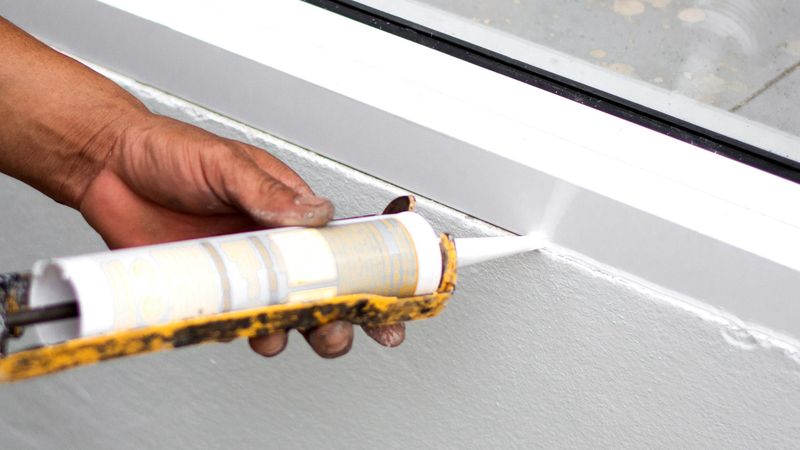
Exterior-grade caulk works well for small openings around window and door trim.
Replace worn weather stripping and door sweeps, especially on doors facing south or west. Check that window and attic vent screens are intact, with no tears or loose edges.
Larger gaps around pipes or wires can be filled with foam sealant or copper mesh.
Results vary from house to house, and older homes may need extra effort. Some beetles might still find a way in, but each sealed gap tends to cut down the number.
Professional exterior insecticide treatments are sometimes used in fall, though timing matters and products should be applied according to label directions.
For most Ohio homeowners, sealing and vacuuming handle the issue without chemicals. Bonus points, too, since the same repairs can reduce drafts and help keep stink bugs, boxelder bugs, and cluster flies outside as well.