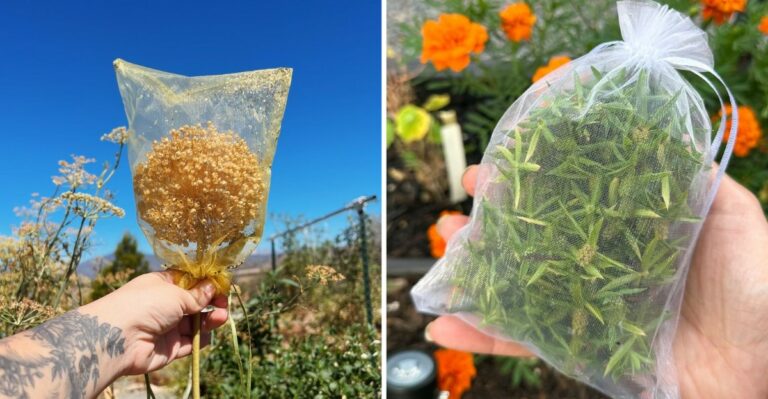
Trees Across The Missouri Ozarks Are Holding Their Green Longer This Fall Thanks To A Hot Dry Summer
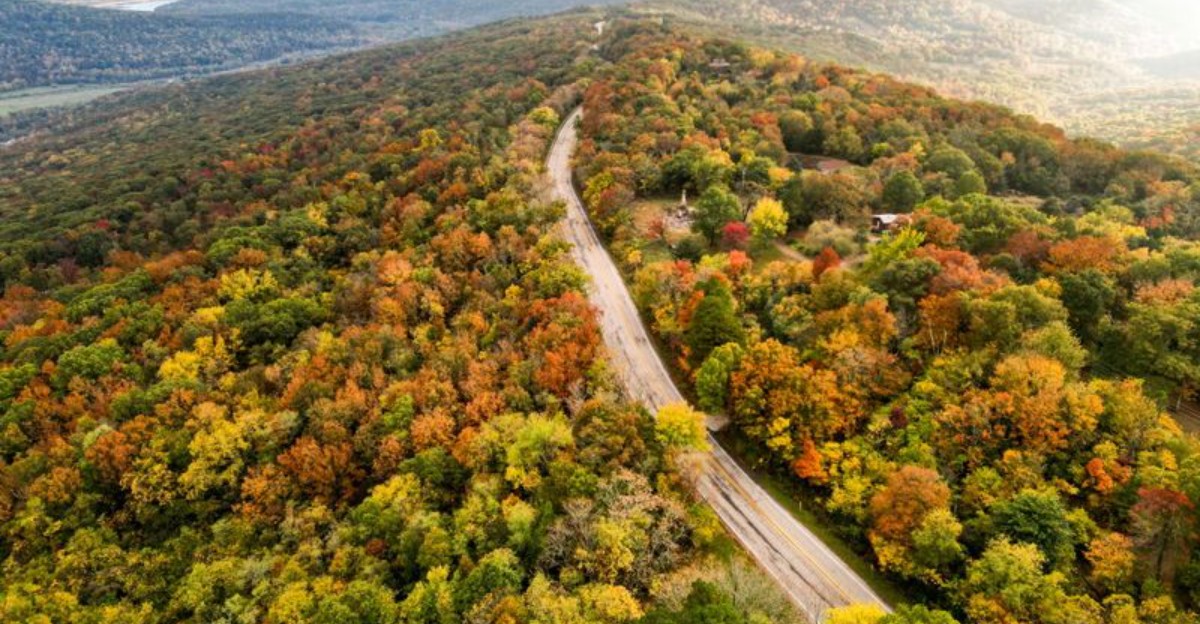
The yellow in a fall leaf has been hiding inside it all summer, tucked behind green chlorophyll. I love that detail, because it means autumn color is less about painting and more about the green stepping aside.
In some years, Ozark hillsides in Missouri stay stubbornly green into October, and leaf watchers start wondering about the delay. Weather scientists point to the weeks before fall, when heat and dry soil can quietly slow the whole show.
You need to know that timing is not a simple calendar event, since leaves respond to daylight and temperature. I believe that makes every Missouri autumn a little different, like a favorite song played at a new tempo.
The crisp smell of fallen leaves may arrive later than usual, but the payoff can still be worth it. So what exactly has to happen before those green ridges finally glow with bright color?
Your Late-Summer Heat Paired With Dry Soil Slowed The Change
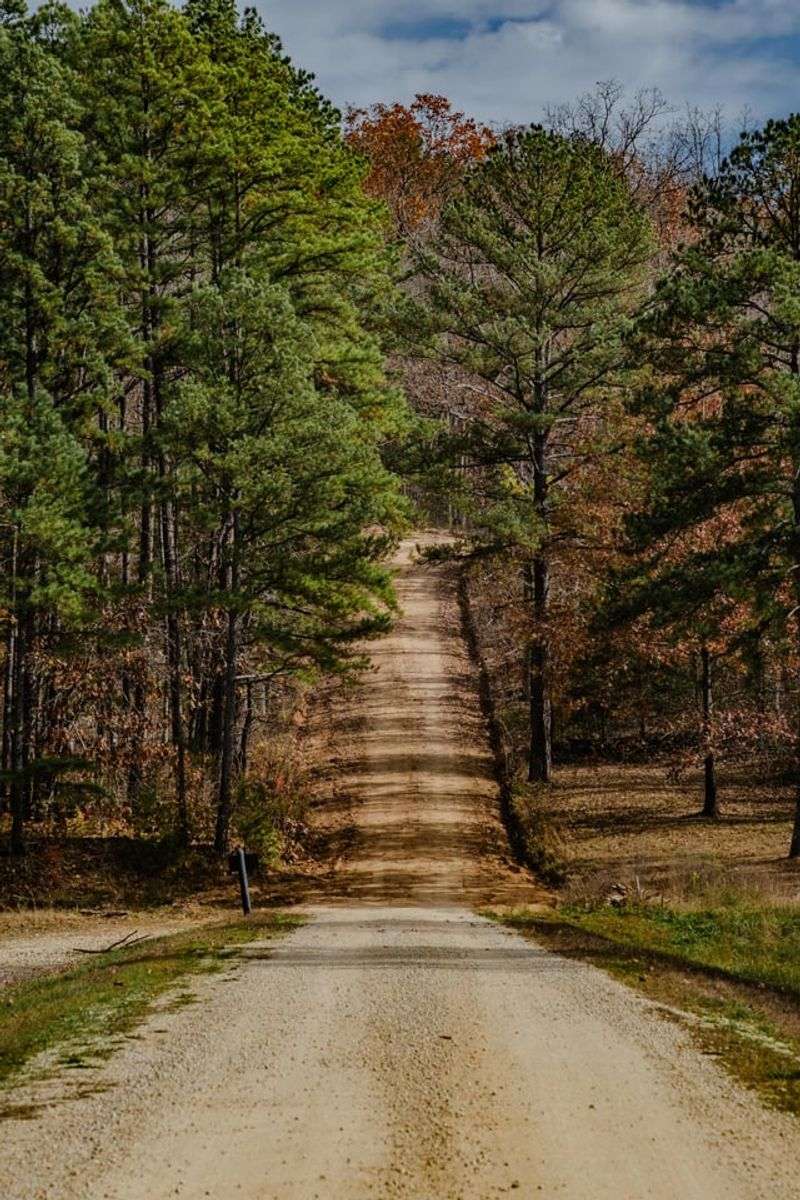
Think back to those sticky late-summer afternoons, when lawns crunched underfoot and the thermometer barely budged after sunset. Those stretches matter more than most people realize, because stress from heat and dry spells can linger in trees long after the weather finally changes.
According to the Missouri Department of Conservation, fall color depends heavily on weather in the weeks before autumn. Warm temperatures stretching into September can keep leaves making chlorophyll, so the green layer stays in charge longer.
Dry soil adds a second twist, since thirsty roots send stress signals that affect how leaves age and fade. Extension specialists note that drought can delay color in some trees while pushing others to drop leaves early.
Scientists still debate the exact balance, and the effect varies from one ridge to the next valley. A shaded north slope with deeper soil may behave very differently from a rocky, sun-baked south slope nearby.
That uneven pattern explains why one hillside can look like a patchwork quilt while another stays plain green. Your own backyard maple might follow its own schedule too, depending on its spot and soil moisture.
For home trees, a deep, slow watering every couple of weeks during dry fall spells can ease lingering stress. Aim the water near the drip line, where the outer branches end and many feeder roots quietly spread.
A layer of shredded mulch, about two to three inches deep, also helps the soil hold moisture longer. Keep that mulch a few inches away from the trunk so the bark stays dry and healthy.
Cool Nights Are What Your Leaves Need Before Color Shows
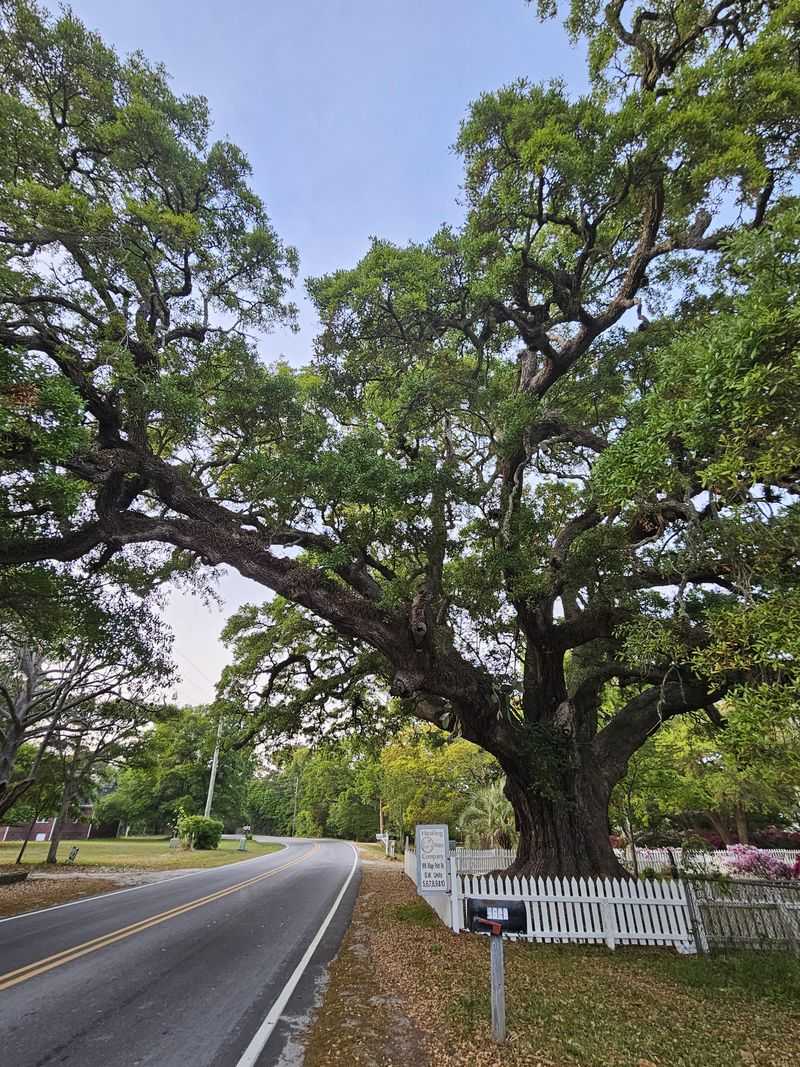
Leaves are a bit like sleepy teenagers in October, because they need a chilly nudge before changing their outfits. That nudge mostly comes from cool nights, ideally above freezing, paired with bright and sunny afternoons.
Shorter days start the process, signaling trees to build a corky layer where each leaf stem meets the twig. Once that layer forms, sugars get trapped in the leaf, and chlorophyll begins breaking down faster.
Cool nights speed up that breakdown, so the hidden yellows and oranges finally get their turn in the spotlight. Those golden pigments, called carotenoids, sat inside the leaf all season under the busy green layer.
Your Missouri Garden Changes Every Week. Your Plan Should Too.
Gardening in Missouri changes quickly throughout the season. Every Friday you’ll receive a simple weekly plan showing exactly what to plant, prune, fertilize, harvest, and protect so you never miss the right timing.
Reds and purples work differently, since trees actually make those pigments fresh in autumn from trapped sugars. Sunny days followed by crisp nights tend to bring out the richest reds, according to many university extension foresters.
Warm, muggy nights stretching into early October can stall the whole routine, leaving canopies green for extra weeks. That is likely part of the reason Ozark color can seem late in years with lingering heat.
A hard freeze is a different story, because a sudden plunge can brown leaves before bright pigments develop. Gentle cooling works best, which is why forecasts matter so much to anyone chasing Missouri leaf color.
Keep an eye on overnight lows in your local forecast, especially when they start dipping into the forties. A few nights like that in a row often hint that the color show is finally warming up.
You Might Get A Shorter Viewing Window Once Color Arrives
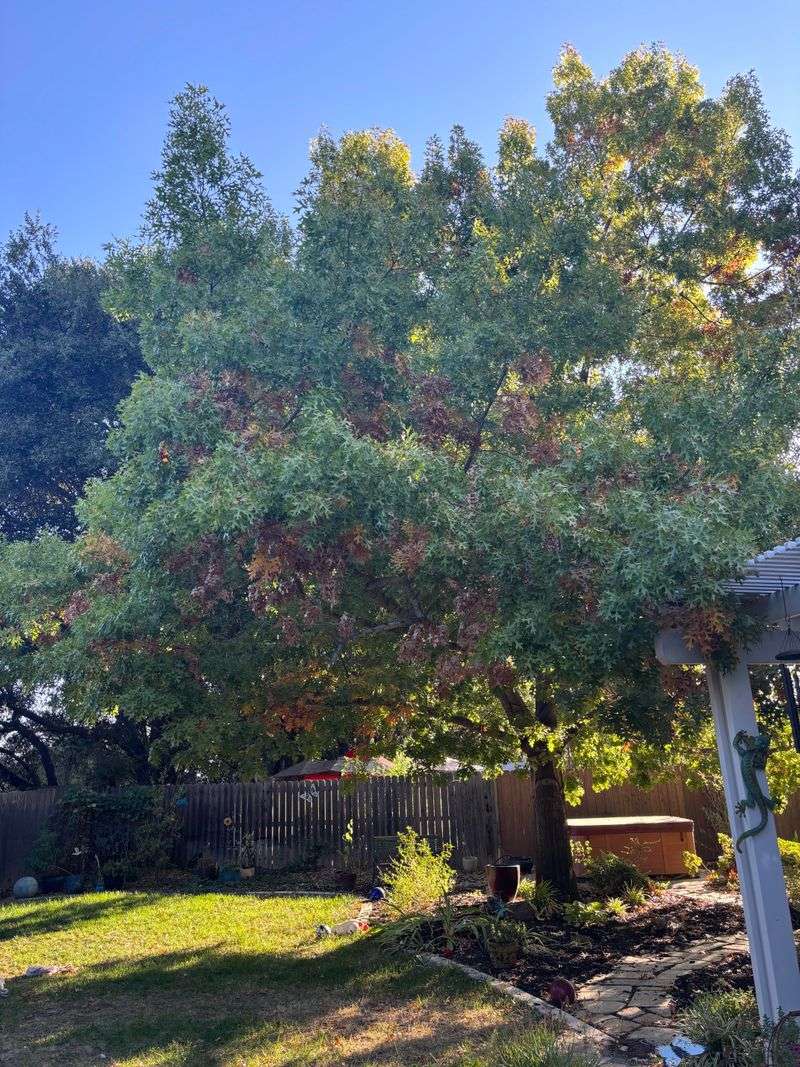
Late color has a sneaky catch, because a delayed start can sometimes squeeze the best viewing days together. Trees that change late still face the same shrinking daylight, so their leaves cannot hang on forever.
By early November, the abscission layer at each leaf stem keeps working, whether the color has peaked or not. That means a late show may flash brightly for a week or so before leaves start tumbling down.
Forecasters cannot promise a short season every time, and some late years still deliver long, lovely stretches. Wind and heavy rain play a big role, since one stormy night can strip a ridge quickly.
My best advice is to stay flexible rather than locking in one weekend months ahead of time. The Missouri Department of Conservation posts weekly fall color updates that help you track changes across regions.
Checking those reports every few days lets you jump in the car when your favorite area starts glowing. Local park offices and nature centers often share social media photos that show real conditions on the ground.
Weekday trips can also stretch a short window, since crowds thin out and parking spots open up nicely. Early morning light makes colors pop too, with soft gold rays sliding across the misty valleys below.
Pack a light jacket, a thermos of cocoa, and a camera, then let the forecast guide your plans. A short window feels much less stressful when you are ready to go on short notice.
Expect Muted Shades Or Early Leaf Drop In Drier Areas
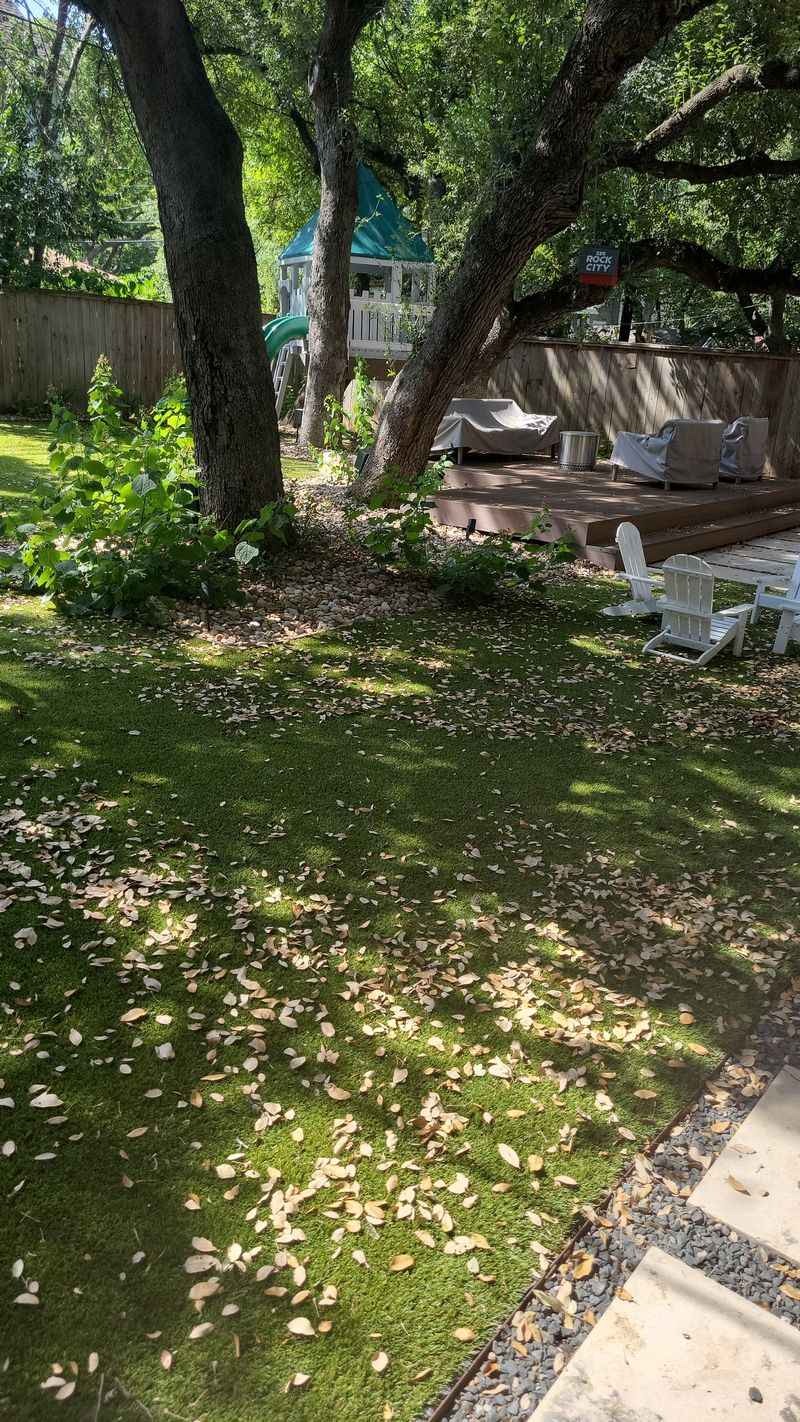
Not every tree puts on a fireworks show after a dry summer, and some simply fade into tan. Drought-stressed trees may produce fewer bright pigments, leaving leaves dull yellow, rusty brown, or crisp at the edges.
University of Missouri Extension experts explain that water shortages can trigger early leaf drop as a survival strategy. Shedding leaves sooner helps a thirsty tree save moisture, since fewer leaves mean less water lost to the air.
Thin, rocky Ozark soils dry out quickly, so ridgetops and south-facing slopes often show this pattern first. Bottomland trees near creeks usually have steadier water, which can help them hold richer color a bit longer.
Dogwoods and sassafras are good examples to watch, since their leaves sometimes brown early in dry spots. In moister shade, those same species can glow with deep reds and bright oranges a week later.
Early drop does not usually mean a tree is in serious trouble, though repeated drought years add up. Stressed trees can become more open to borers and diseases, so long-term care still matters a lot.
For yard trees, watch for thinning crowns, small leaves, or branch tips that fail to leaf out next spring. A certified arborist can check a struggling tree and suggest care that fits its age and location.
Fall watering before the ground freezes gives roots a helpful drink heading into the long winter rest. Muted color in a dry year is mostly a sign of a tough summer, not a reason for panic.
Your Oaks With Hickories Set The Ozark Color Palette
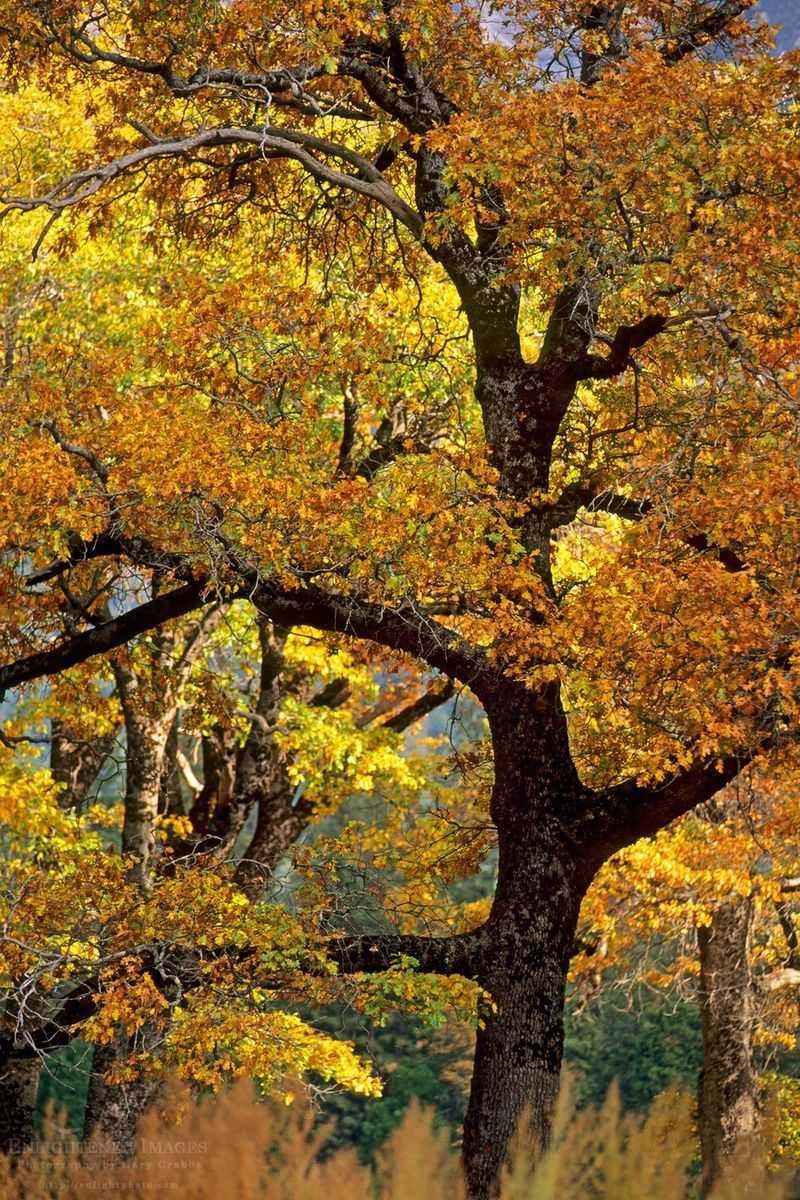
Walk any Ozark trail in October and you will likely crunch through more acorns than maple seeds. Oaks and hickories dominate much of the region, so they shape the colors you see from every overlook.
Hickories usually turn a warm, buttery gold, and their leaves often change a bit earlier than oaks. That golden glow lights up hillsides like sunshine poured over the trees on a cloudy afternoon.
White oaks lean toward deep burgundy and russet, while scarlet oaks can blaze a bright, cheerful red. Black and post oaks often settle into browns and bronzes, giving the forest a cozy, earthy backdrop.
Oaks tend to color late and hold their leaves longer, so they often anchor the final weeks of autumn. Some young oaks even keep crunchy brown leaves on their branches through winter, a habit botanists call marcescence.
Sugar maples, black gums, and sumacs sprinkle brighter pops of orange and red across that oak backdrop. Black gum is often one of the first trees to turn, flashing scarlet along creek banks and ridges.
Learning to spot hickories by their shaggy or tight bark makes autumn walks feel like a friendly treasure hunt. Hickory nuts also feed squirrels, deer, and wild turkeys, which helps explain the busy rustling in the leaves.
Because oaks rule the Missouri Ozarks, the palette leans warm and earthy rather than neon bright like New England. That rich, rustic look has its own charm, especially when the low afternoon sun hits the ridges.
You Should Time These Scenic Ozark Drives For Peak Color
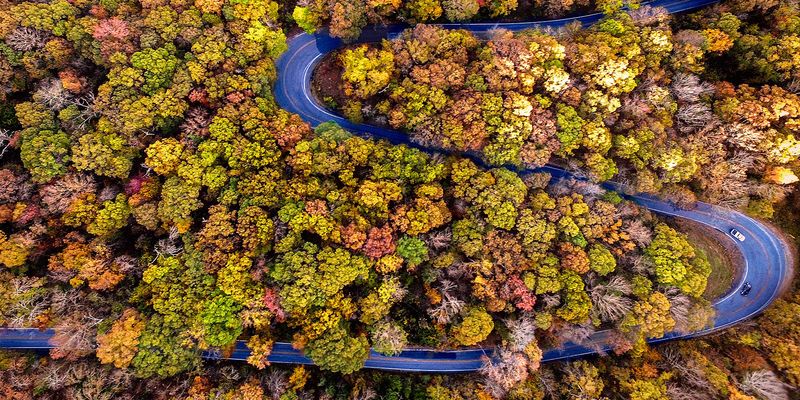
Few things beat rolling down a winding Ozark highway with the windows cracked and copper leaves swirling past. Timing matters, though, and most Ozark peak color typically lands somewhere from mid-October into early November.
The Glade Top Trail near Ava is a National Scenic Byway with sweeping views across the Mark Twain National Forest. Its gravel ridges show off smoke trees, maples, and oaks, so plan for slow driving and frequent photo stops.
Highway 19 between Salem and Eminence winds through the Ozark National Scenic Riverways area, with forested hills on every side. Stop at Alley Spring Mill near Eminence, where the red mill framed by golden leaves looks like a postcard.
Ha Ha Tonka State Park near Camdenton pairs castle ruins with oak-covered bluffs above the Lake of the Ozarks. The short drive into the park rewards you with overlooks that glow orange when the sun drops low.
State park staff and conservation agents often share fall color reports that help you pick the right weekend. Southern areas often peak a little later than northern counties, so a second trip can extend your season.
Fill your gas tank before heading out, since stations can be few and far between on backroads. Download offline maps too, because cell service often fades in the deep hollows between the ridges.
Pack snacks, wear layers, and plan to linger at overlooks where the hills roll on like waves of rust. A late show still gives you plenty of reasons to slow down and savor every bend in the road.