8 Plants That Struggle Beneath A Missouri Black Walnut
There is a tree in many Missouri yards that looks generous and shady, yet quietly runs the neighborhood underneath its branches. Gardeners notice something odd about the ground below it, season after season.
Seedlings go in with high hopes and green leaves. A few weeks later, those same leaves droop, yellow, and curl inward like they gave up on the whole idea.
The soil looks fine. The watering schedule is fine. The sunlight is decent. Still, certain crops sulk while others shrug and thrive just inches away.
The secret sits in the roots, the fallen husks, and the leaf litter that piles up each autumn. Learning which plants react badly can stop the wasted seed packets and point you toward what actually grows.
1. Tomatoes Wilt Faster Than Any Other Garden Favorite
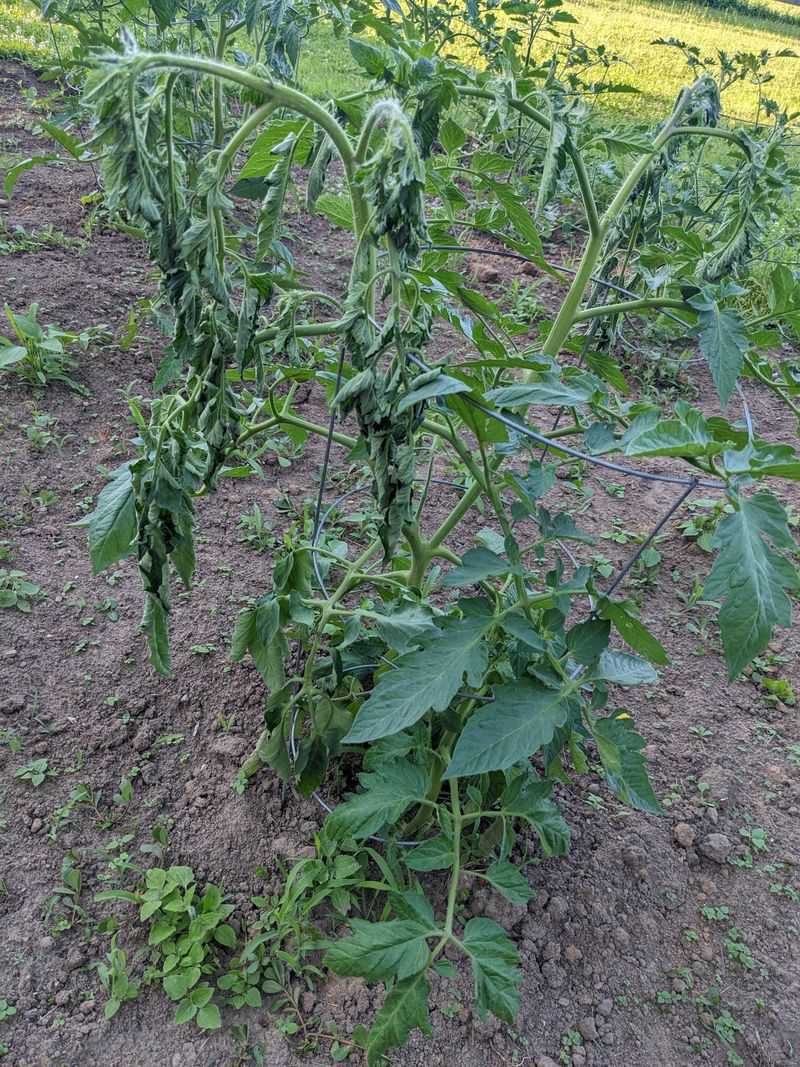
Ask any Missouri gardener who has lost a tomato patch to a shady corner, and the story sounds the same. Strong transplants go in during May, then collapse by June with yellow lower leaves and stems that look bruised inside.
The culprit is juglone, a natural compound black walnuts release from their roots, husks, buds, and fallen leaves. Tomatoes belong to the nightshade family, which happens to be the most sensitive group of all.
Symptoms show up fast. Leaves wilt during the hottest part of the day and refuse to perk back up overnight, and the whole plant may brown from the bottom upward within two weeks.
Cutting a wilted stem lengthwise often reveals dark streaks in the vascular tissue. That discoloration is a strong clue that juglone, not drought, is behind the trouble.
Distance helps but does not solve everything. Walnut roots commonly spread far past the branch tips, sometimes reaching 50 to 80 feet from the trunk on mature trees.
The smartest fix is containers. Grow tomatoes in large pots or raised beds with solid bottoms, placed well away from the drip line and filled with fresh soil that has no walnut leaves mixed in.
Skip the shortcut of composting walnut leaves for tomato beds. Juglone breaks down eventually, but partially finished compost can still carry enough to stunt young plants.
Move the patch to open sun about 60 feet out, and those same seedlings usually reward you with a heavy August harvest.
2. Potatoes Sulk And Produce Undersized Tubers
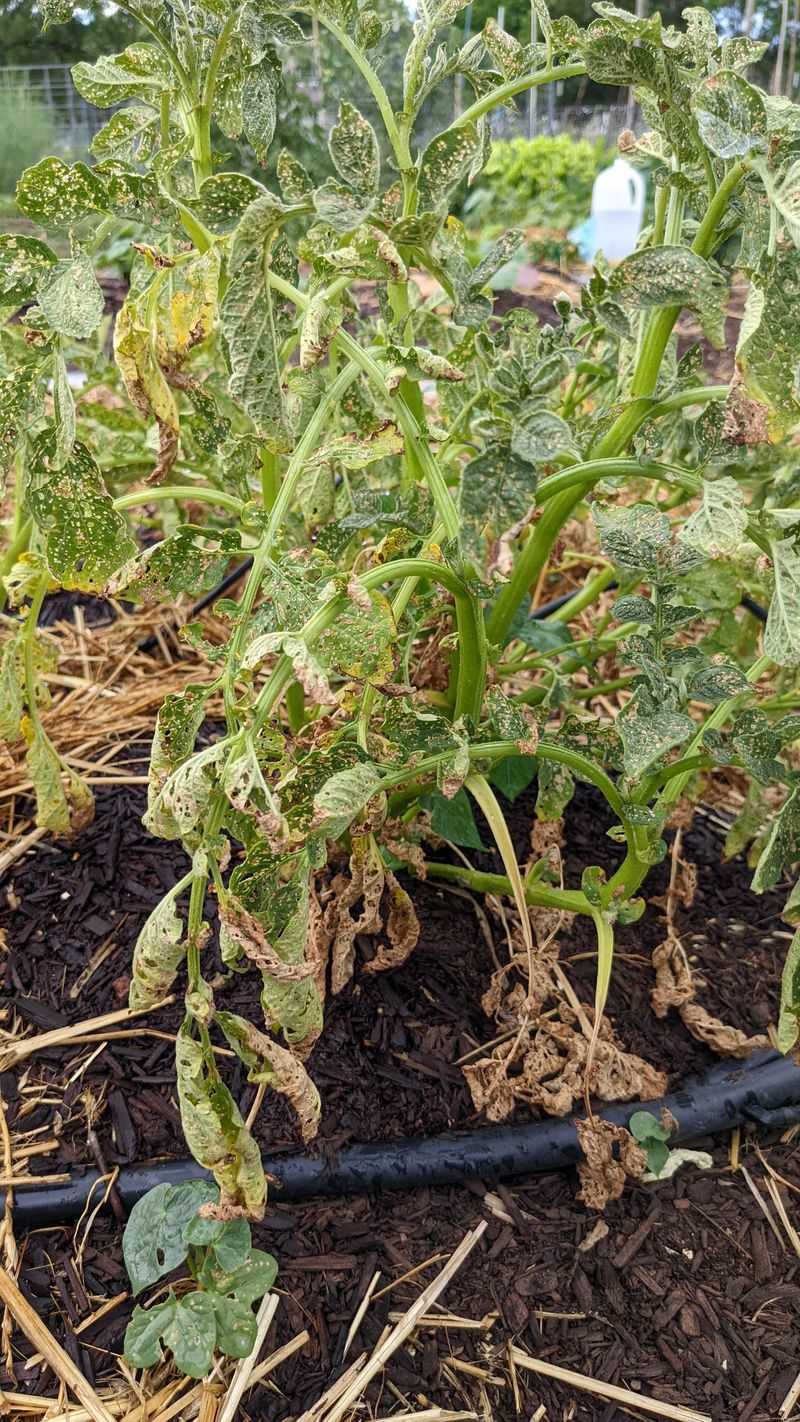
Potatoes hide their disappointment underground, which makes the problem sneaky. Foliage may look passable while the harvest turns out to be a handful of marbles instead of dinner.
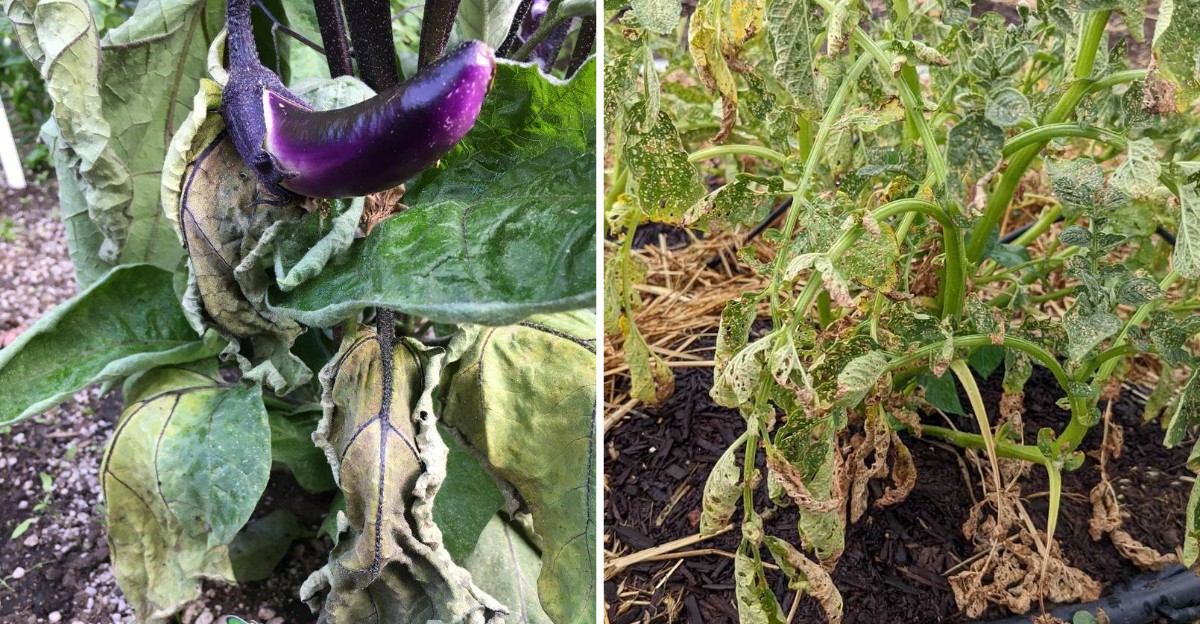
Like tomatoes, potatoes are nightshades, and nightshades react strongly to juglone in the root zone. Even moderate exposure can shut down tuber development while the plant limps along above the soil line.
Missouri growers often plant spuds in early spring, before the walnut leafs out. That timing creates false confidence, because walnut roots stay active and juglone lingers in soil year round.
Watch for stunted growth, purple tinting on stems, and foliage that browns from the edges inward. Digging around week ten usually confirms the bad news.
Soil texture matters too. Heavy Missouri clay holds juglone longer than loose, well drained ground, so poorly drained spots near a walnut tend to be the worst offenders.
Your Missouri Garden Changes Every Week. Your Plan Should Too.
Gardening in Missouri changes quickly throughout the season. Every Friday you’ll receive a simple weekly plan showing exactly what to plant, prune, fertilize, harvest, and protect so you never miss the right timing.
A practical workaround is grow bags. Fabric containers holding 10 to 15 gallons of clean soil let potatoes root freely without touching walnut roots at all.
If you prefer in ground planting, choose a site upslope and far from the tree. Rain running downhill from a walnut can carry husk residue into beds below it.
One more tip worth remembering: rake up fallen nuts and husks before they rot into the surface soil. Those green hulls carry a heavy concentration of the compound, and they are the reason so many autumn cleanups quietly improve next spring’s results.
3. Peppers Turn Yellow And Refuse To Set Fruit
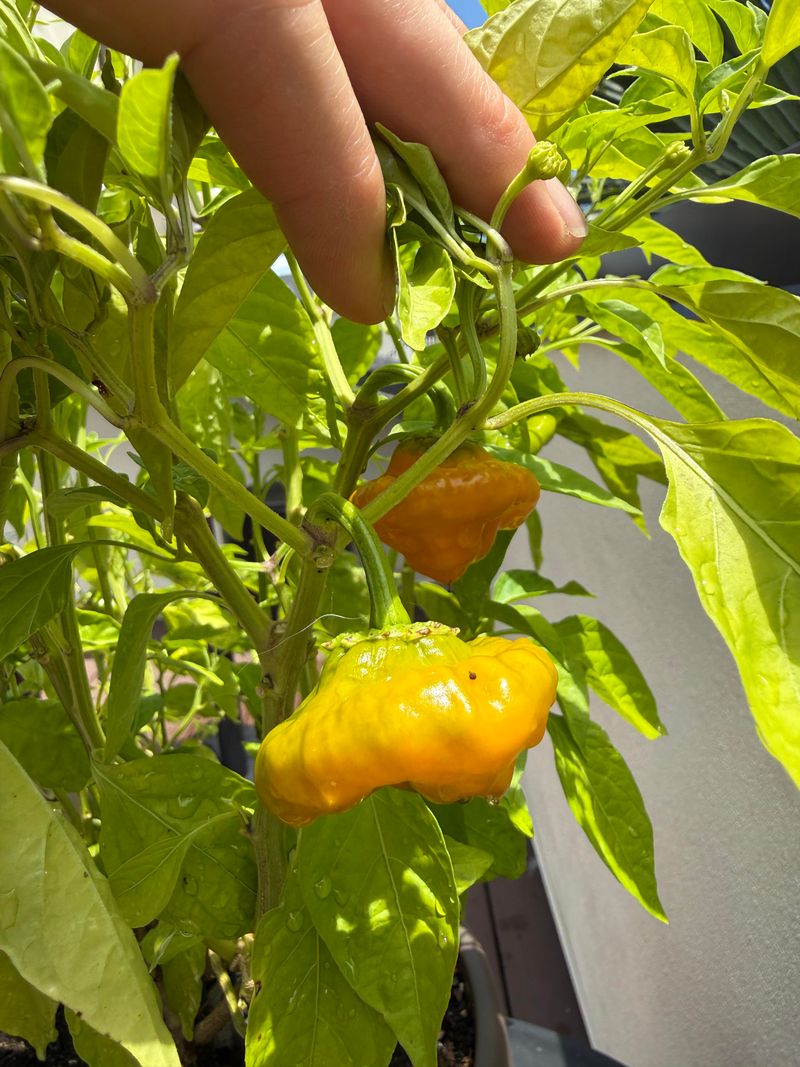
Bell peppers have a reputation for being fussy, but under a walnut they go beyond fussy. Blossoms drop, leaves fade to a sickly lemon shade, and the plant simply parks itself at eight inches tall.
Peppers share the nightshade lineage with tomatoes and potatoes, so the sensitivity is written into the family. Juglone interferes with respiration in the roots, which starves the plant of energy it needs for flowering.
Missouri summers already stress peppers with heat and humidity. Add walnut chemistry to the mix and the plant has nothing left for fruit production.
Gardeners often blame fertilizer first. They pour on nitrogen, watch nothing change, and only later realize the tree 40 feet away has been calling the shots.
Hot peppers show slightly more tolerance than sweet varieties in many backyard trials, though neither one truly thrives. Jalapenos might limp to a small harvest where a bell pepper gives up entirely.
Raised beds lined with landscape fabric offer real protection. Build them at least 18 inches deep, fill with imported soil, and keep walnut leaf litter swept off the surface each fall.
Mulch choice deserves attention as well. Walnut wood chips and shredded walnut leaves have no business near a pepper bed, so stick with straw, pine bark, or clean hardwood mulch from another species.
Relocating peppers to a sunny south facing spot far from the tree usually produces a dramatic turnaround. Same seed, same gardener, wildly different results.
4. Eggplant Stalls Out Before It Ever Blooms
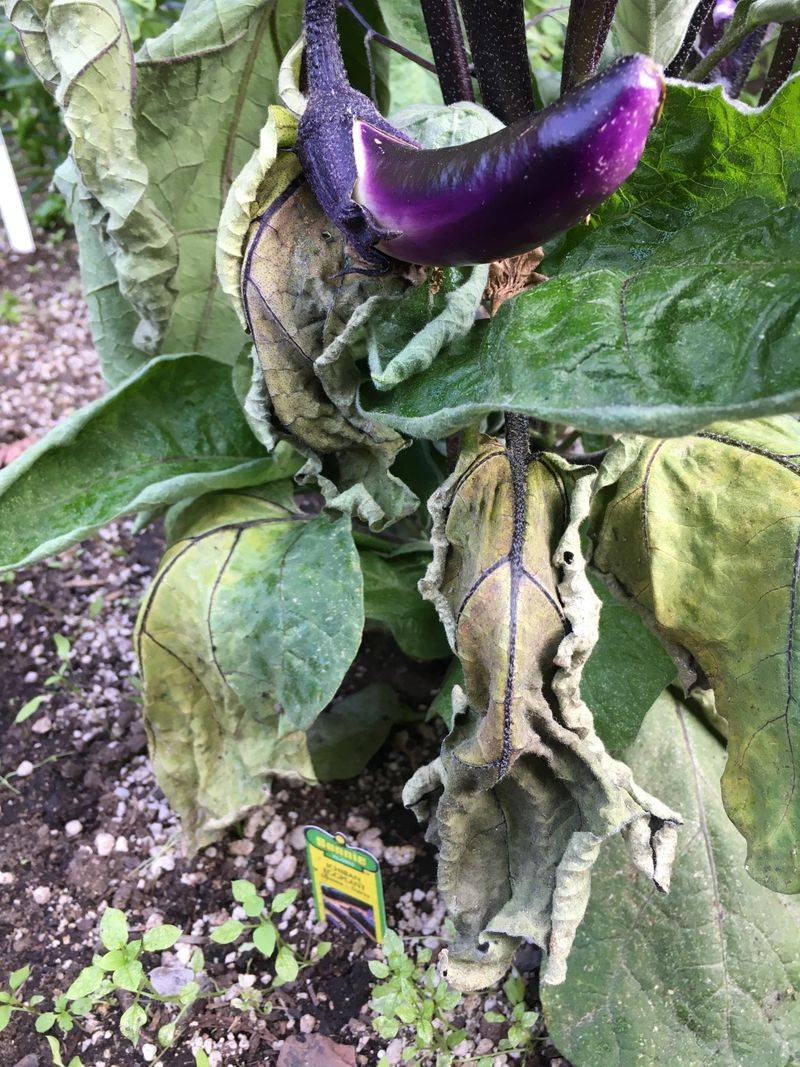
Few vegetables telegraph unhappiness quite like eggplant. Under walnut influence it stops growing, holds its original three leaves, and looks permanently offended by the situation.
Eggplant is arguably the most juglone sensitive nightshade of the bunch. Where a tomato might survive a season on the edge of the root zone, eggplant frequently fails outright.
Signs appear early. Transplants that were vigorous in the nursery flat turn dull green within ten days, then develop crispy leaf margins and a stem that feels thin and papery.
Heat lovers by nature, eggplants also suffer from the shade a mature walnut casts. Reduced sunlight compounds the chemical stress and leaves the plant with no path forward.
Container growing solves both problems at once. A 20 inch pot on a sunny patio, far from the canopy, gives eggplant the warmth and clean root zone it craves.
Watch what goes into that pot. Homemade compost containing walnut leaves or husks can undo all your careful placement, so use bagged potting mix or compost from a known source.
Here is a detail worth knowing: juglone breaks down through microbial activity, and healthy, well aerated soil processes it faster than compacted ground. Still, active walnut roots keep resupplying it, so avoidance beats remediation.
Set eggplants at least 60 to 80 feet from a mature Missouri walnut. That single change often turns a season of frustration into glossy purple fruit by August.
5. Blueberry Bushes Decline Within A Season Or Two
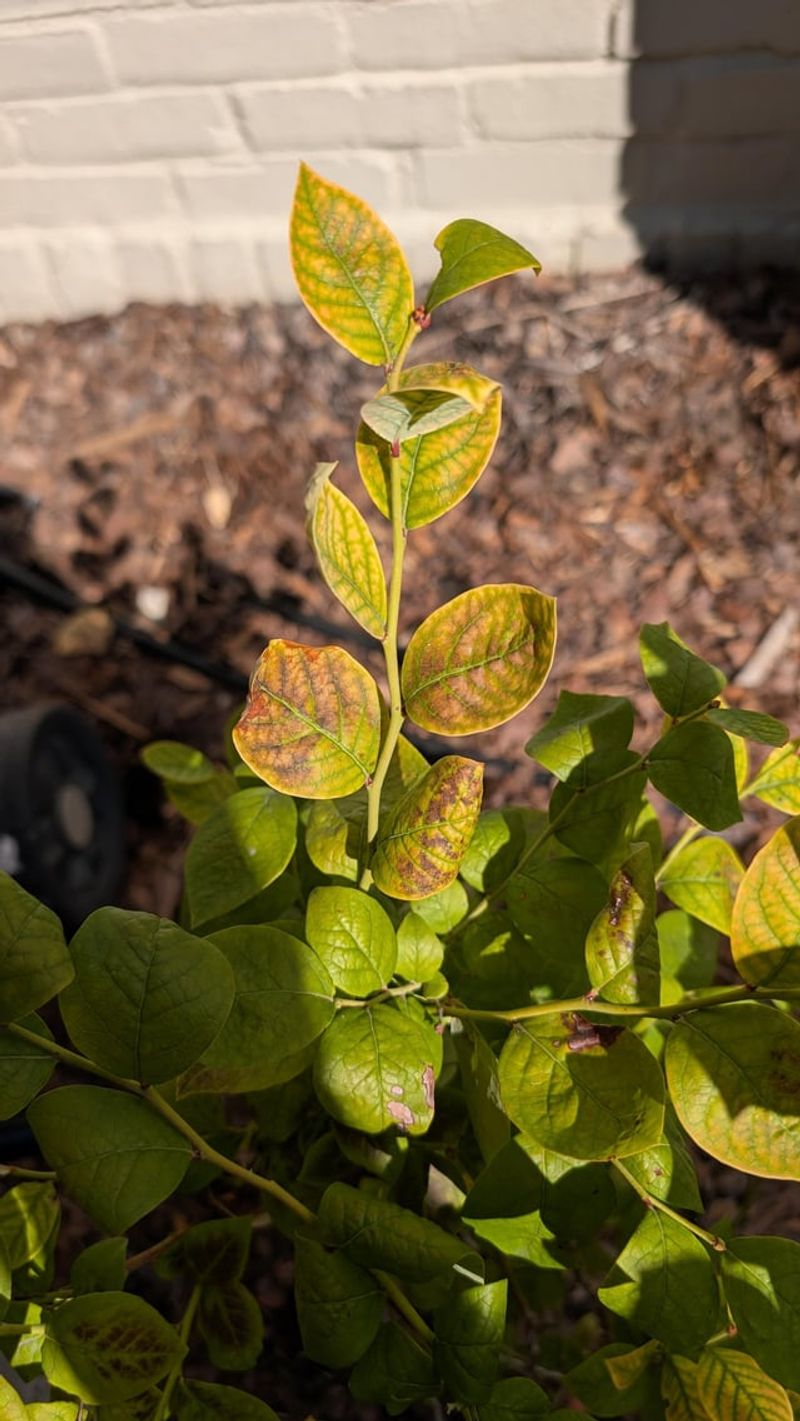
Blueberries already ask a lot from Missouri soil, demanding acidity most yards do not naturally offer. Plant one near a black walnut and you have stacked two problems into a single hole.
Juglone hits blueberry roots hard, and the shallow, fibrous root system makes matters worse. Those fine roots sit exactly where walnut roots and leaf litter concentrate the compound.
Trouble often takes a full season to appear. Year one looks acceptable, year two brings reddish yellow foliage, thin new growth, and cane tips that brown back.
Because blueberries are a long term investment, losing them stings more than losing an annual crop. A bush that should produce for 20 years may fade before its fourth birthday.
Gardeners sometimes mistake the symptoms for iron deficiency, since both cause yellowing between leaf veins. Adding sulfur helps pH but does nothing for juglone exposure.
The reliable answer is distance plus containment. Half wooden barrel planters or large fabric containers filled with peat rich acidic mix let blueberries flourish on a deck or open lawn.
If you plant in the ground, scout the whole area first. Look up for walnut canopy, look down for husks and shells, and ask neighbors if a walnut once stood nearby, since decaying stumps and roots keep releasing juglone for years.
Serviceberry and elderberry make far better in ground substitutes near walnuts. Both tolerate the tree and still deliver fruit for pies, jam, and hungry songbirds.
6. Apple Trees Struggle To Establish Healthy Roots
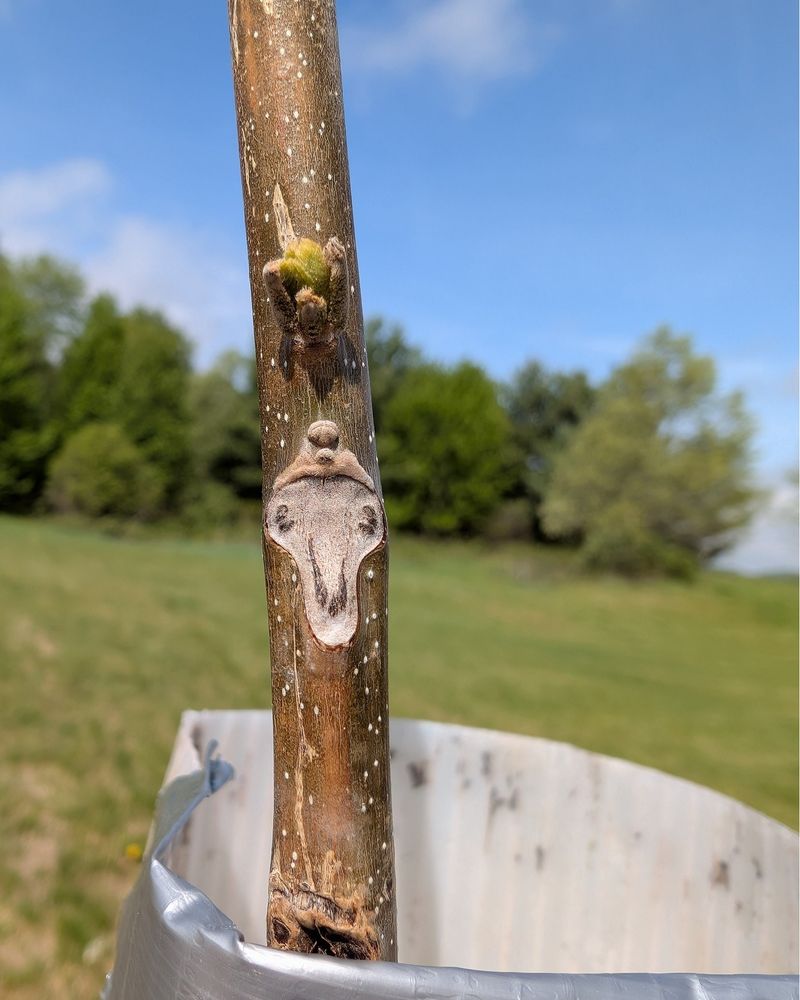
Picture a homestead orchard plan drawn on graph paper, with apple trees marching in tidy rows past an old walnut at the fence line. That walnut will win the argument.
Apples rank among the woody plants most damaged by juglone, and young trees suffer the sharpest setbacks. Root growth slows, leaves stay small, and the trunk barely gains caliper year over year.
Mature apples occasionally hang on with reduced vigor, but a newly planted whip inside the walnut root zone rarely establishes well. Wilting during dry spells is often the first visible clue.
Missouri has plenty of old farmsteads where a lone walnut stands beside a struggling orchard corner. Longtime growers learned the lesson through experience and simply planted elsewhere.
Root zones matter more than shade lines here. Walnut roots can extend two to three times the canopy width, so measuring from the branch tips underestimates the danger zone considerably.
When planning fruit trees, walk the property and mark every walnut, including small saplings that will grow into full sized trees. Leave 80 feet of clearance where you can.
Removing a walnut is not an instant fix either. Grind the stump, pull out as many large roots as possible, and give the site several years, often five or more, before planting sensitive fruit trees there.
Pears, persimmons, and cherries handle walnut neighbors somewhat better. Choosing tolerant species beats working against chemistry with fertilizer and hope.
7. Peonies Sit Sad And Flowerless Season After Season
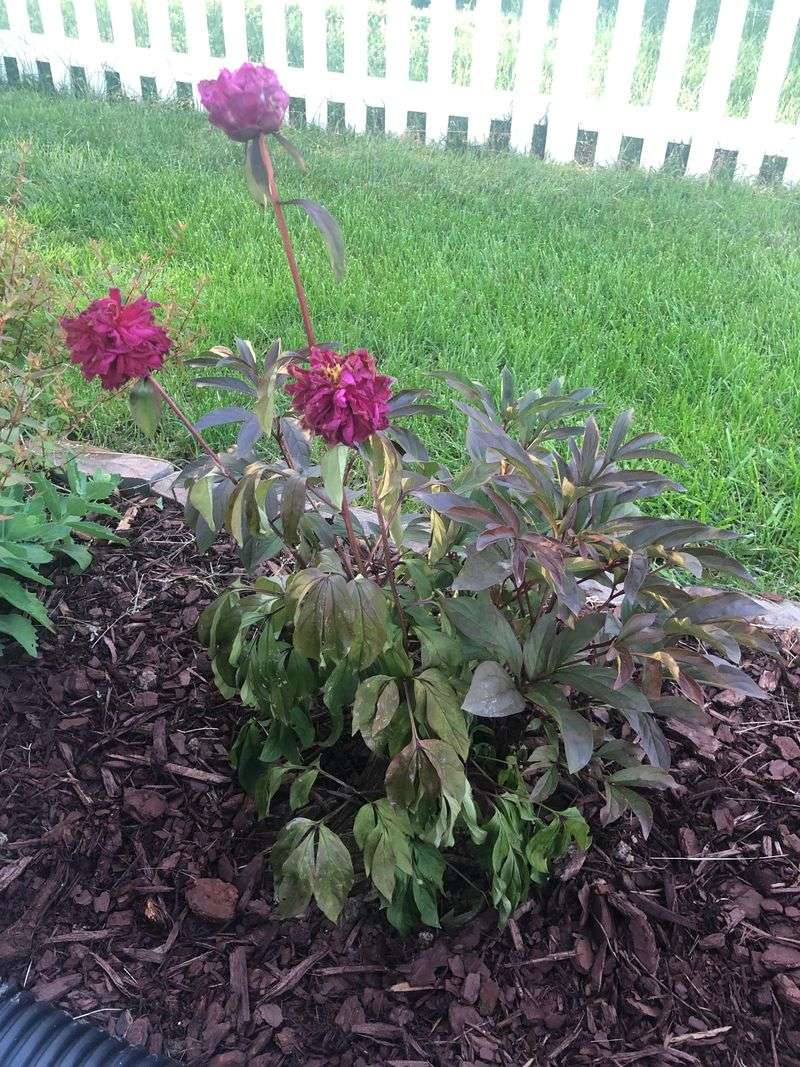
Grandma’s peonies are practically a Missouri heirloom, passed between families and replanted along countless fence rows. Put one under a walnut and the family tradition hits a wall.
Peonies react to juglone with sudden wilting, blackened stem bases, and buds that form but rarely open. The plant may return each spring looking smaller than the year before.
What makes this frustrating is peony toughness everywhere else. These are plants that survive drought, ice storms, and decades of neglect without complaint.
Symptoms sometimes get blamed on botrytis blight, a genuine peony disease that also causes stem collapse. Location near a walnut is the tiebreaker clue.
Peonies transplant well in early fall, which is a relief for anyone attached to the plant. Dig the clump, keep three to five eyes per division, and replant in full sun at least 60 feet from the tree.
Set the eyes only one to two inches below the soil surface. Planting too deep is the other classic reason peonies refuse to bloom, so fix both issues at once.
For the shady spot left behind, choose plants that shrug off walnut chemistry. Hostas, ferns, daylilies, Virginia bluebells, and astilbe all handle the neighborhood without drama.
Give a moved peony a season or two to settle in before judging it. Once reestablished in clean soil, those fat pink blooms usually come roaring back every May.
8. Azaleas And Rhododendrons Brown Out At The Edges
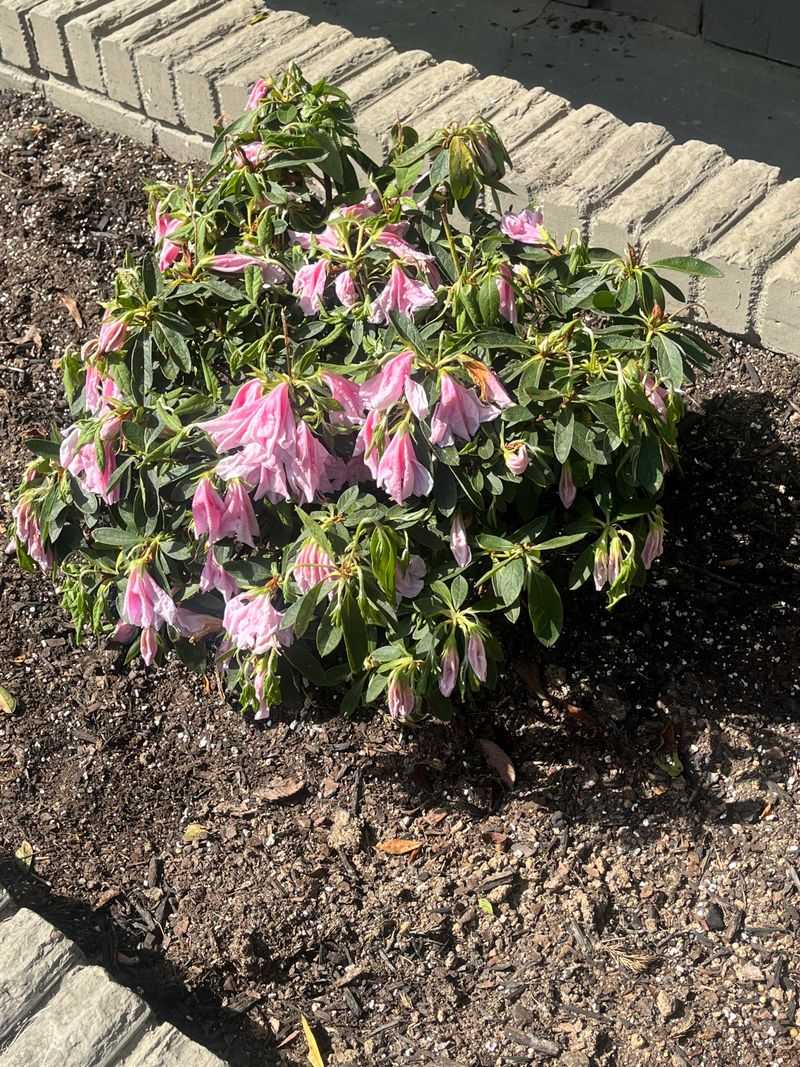
Shade loving shrubs seem like the obvious choice for the dim ground beneath a big tree. Azaleas and rhododendrons look perfect on paper and disappointing in practice.
Both belong to the heath family, which shares blueberry’s low tolerance for juglone. Leaves curl, edges brown, and flower buds shrivel before opening.
Decline tends to be gradual rather than sudden. A shrub may push weak growth for two or three springs before thinning out to bare twigs on one side.
Missouri’s clay soils add another layer of difficulty, since these shrubs want acidic, well drained, organically rich ground. Walnut leaf litter builds up and keeps resupplying the problem compound.
Before blaming winter burn or spider mites, check the tree canopy overhead. Walnut leaflets are easy to spot, arranged in long rows along a central stem, and the husks smell sharply citrusy when crushed.
Relocation works if the shrub still has healthy roots. Move it in early spring or fall to a protected north or east facing bed well outside the walnut root zone.
For the space you are leaving empty, try oakleaf hydrangea, wild ginger, sweet woodruff, or Solomon’s seal. Each tolerates walnut conditions and fills shade beautifully.
Building a raised bed on top of walnut roots is a partial fix at best. Roots grow upward into fresh soil surprisingly fast, so containers with solid bottoms remain the safer bet for anything in the heath family.