The Alabama October Planting Trick That Brings Strawberries Months Early
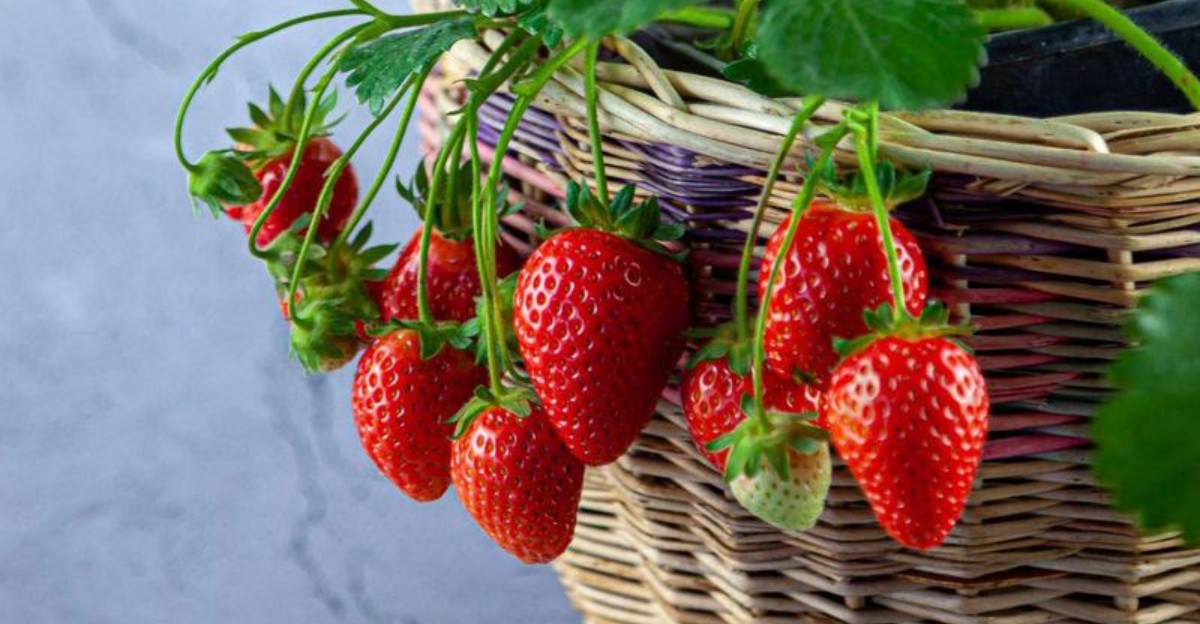
You can plant strawberries in fall, and neighbors may wonder why. Cool soil lets crowns build roots while you skip the spring scramble.
Varieties like Chandler and Camarosa suit Alabama winters, so you can plant with confidence. Pine straw shields crowns from hard frost, and a row cover guards the blossoms.
Spring arrives, and you pick berries while others still browse seed racks. Harvest begins in April across much of Alabama, weeks ahead of late beds.
Those neighbors may soon ask for a taste, bowls in hand. Timing separates a strong harvest from a weak one.
Soil temperature, drainage, and spacing all matter before any crown goes in. Raised rows warm faster and drain better, which crowns demand.
Black plastic mulch can raise yields and also keeps berries clean. Your planting window is short, and regional dates shape the harvest.
A Fall Root Head Start For Spring Berries
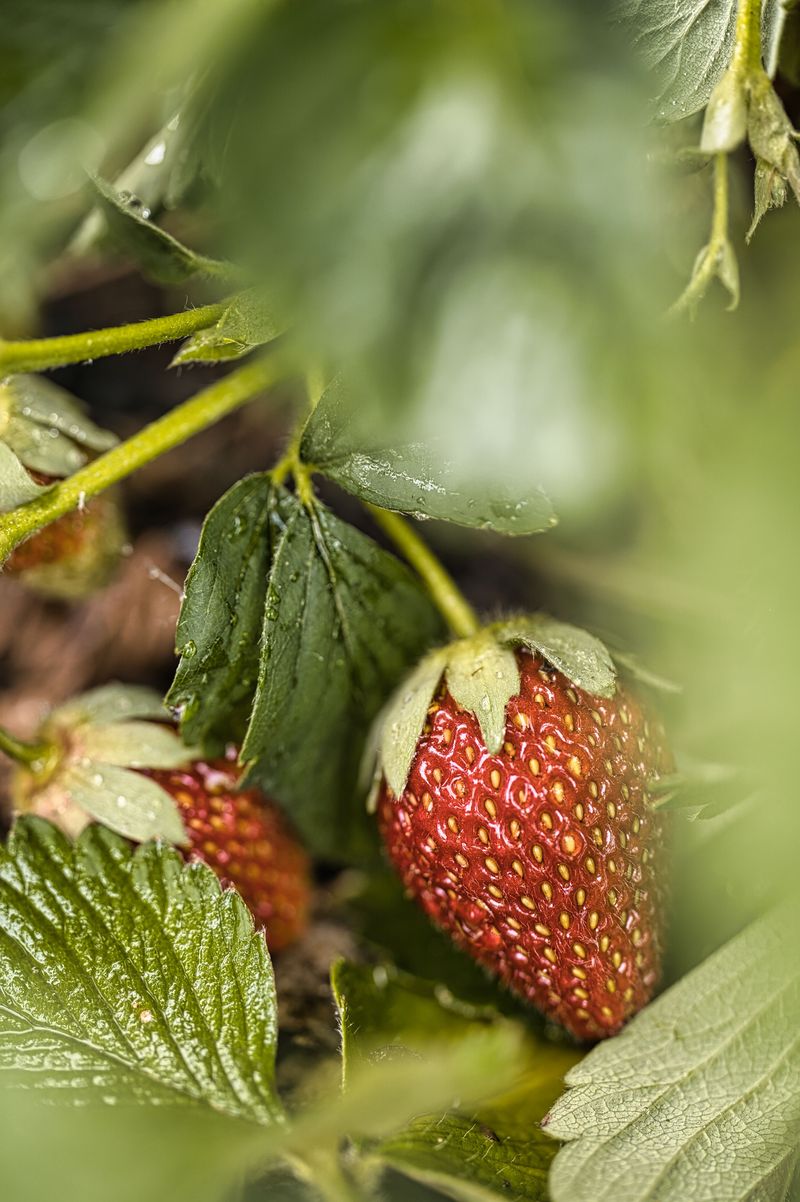
Think of a strawberry plant like a student cramming before a big test. October planting gives it the whole fall semester to study instead of one rushed night.
Plants set out in fall spend the cool months building strong roots and crowns. Crowns are the short, thick stems where leaves, flowers, and fruit all begin.
Alabama falls are often mild enough for roots to keep growing into early winter. Soil holds summer warmth longer than the air, so underground growth keeps chugging along.
As fall days shorten and cool, the plant forms flower buds inside each crown. By the time spring arrives, those buds are ready to burst open fast.
Spring-planted strawberries face a much tougher schedule in the Deep South. They must grow roots, leaves, and flowers all at once while temperatures climb quickly.
Alabama heat often shows up in May, and strawberries perform poorly in high heat. Spring plants frequently run out of time before they can produce a decent crop.
Fall planting simply flips the order of chores for the plant. Roots and crowns get finished early, leaving spring free for flowers and fruit.
Alabama Extension, based at Auburn University, has long promoted fall-planted strawberries for Alabama. Commercial farms across the South use the same method to fill market stands by April.
Home gardeners can borrow the idea with just a few plants and a sunny spot. One small raised bed can deliver a good harvest while neighbors are still planning.
The Sweet Spot On The Alabama Calendar
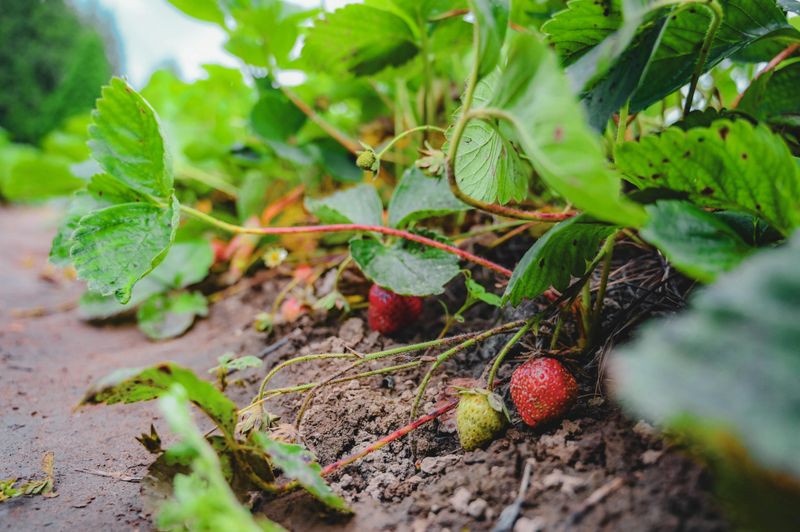
Timing matters more than fancy tools when you plant strawberries in the fall. Miss the window by a few weeks, and your harvest can shrink noticeably.
North Alabama gardeners usually aim for late September through early October. Cooler nights arrive sooner up near Huntsville and the Tennessee Valley.
Central Alabama, around Birmingham and Montgomery, does best from early to mid-October. That stretch gives plants several weeks of growth before the first hard chill.
South Alabama and the Gulf Coast can push planting into late October or early November. Warmer winters near Mobile mean plants have extra time to settle in.
Your Alabama Garden Changes Every Week. Your Plan Should Too.
Gardening in Alabama changes quickly throughout the season. Every Friday you’ll receive a simple weekly plan showing exactly what to plant, prune, fertilize, harvest, and protect so you never miss the right timing.
Soil temperature offers another helpful clue for picking the right day. Ask your county Extension office for the best soil temperature range before planting.
A cheap soil thermometer from any garden center takes the guessing out of it. Push it into the bed in the morning and read it after a minute.
Planting too early in warm soil can push plants to grow leaves instead of buds. Planting too late leaves weak roots that struggle when January cold rolls in.
Order plants from a nursery early so they arrive on schedule. Popular varieties can sell out, so waiting can cost you.
Mark your planting date on a calendar and keep notes each season. After a year or two, you will know your own yard’s sweet spot by heart.
Local extension offices also share county planting dates for free. A quick phone call can save you a season of trial and error.
Common Strawberry Mistakes To Skip
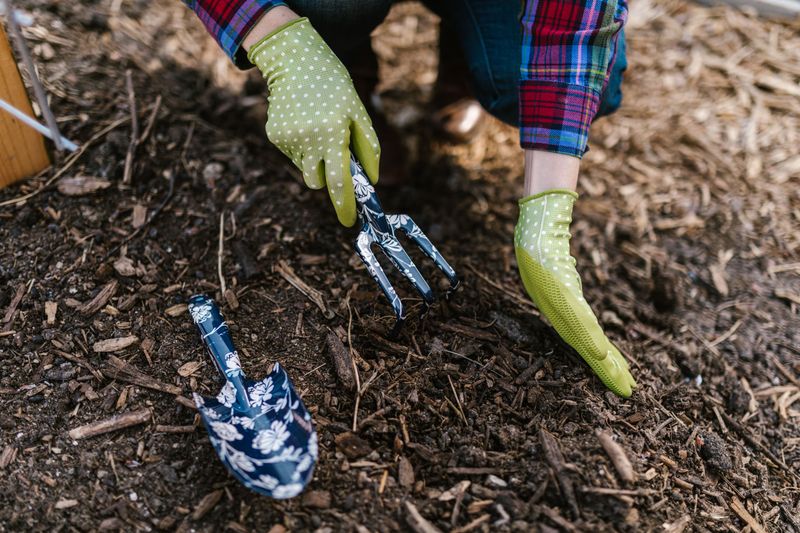
Some gardeners dig up runners in spring and plant them wherever they please. Those patches look charming, but the berries often show up late and in small numbers.
Runners are the long stems strawberry plants send out to make baby plants. Many gardeners treat them like free plants and let them spread all over the bed.
In Alabama, traditional matted-row systems can be harder to manage in heat, humidity, and crowded beds. Plants packed tightly together trap moisture, which invites fungus and gray mold.
Another common slip is buying varieties meant for northern states. Types bred for Ohio or Michigan often perform poorly in our warm, humid climate.
Some folks also bury the crown too deep when planting. A buried crown can rot quickly, while one set too high dries out in the wind.
Aim for the middle of the crown to sit right at soil level. Roots should hang straight down, not curled up like a ball of yarn.
Skipping water after planting is one more common mistake. Young fall plants need steady moisture for the first two weeks to settle in.
Finally, many gardeners let fall runners grow unchecked through the cool months. Pinching them off sends the plant’s energy into crowns and future flowers instead.
Casual patches like that teach plenty, mostly about what not to repeat. Treating strawberries as a yearly crop planted fresh each October tends to work better here.
Fresh plants each fall also break the cycle of diseases that build up in soil. Your berries can end up cleaner and easier to pick.
Plasticulture Beds And Smart Variety Picks
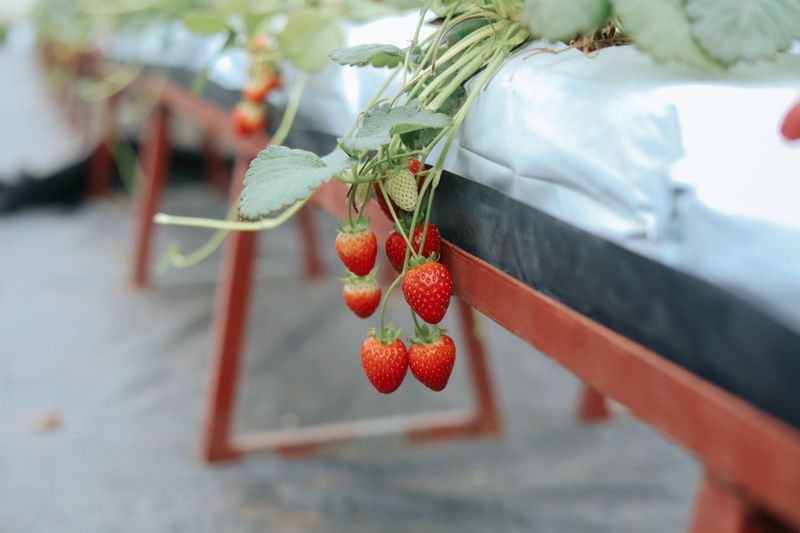
Visit a strawberry farm in Cullman or Baldwin County, and you may spot plastic-covered rows. Those raised beds covered in plastic are the backbone of Southern fall planting.
Plasticulture simply means growing plants in raised beds topped with plastic mulch. Black plastic warms the soil in winter and keeps berries off the dirt.
Home gardeners can copy this setup on a small scale without much trouble. Build a bed about eight inches tall and roughly two feet wide.
Lay drip tape or a soaker hose down the middle before covering it with plastic. Then cut small X-shaped holes about twelve inches apart for each plant.
Variety choice matters just as much as the bed itself. Chandler has long been a favorite in Alabama for its big, sweet berries.
Camarosa and Sweet Charlie also handle our winters and produce early fruit. Sweet Charlie in particular ripens a little sooner, which helps eager gardeners.
Plug plants are a solid choice for October planting, though some growers use fresh bare-root plants. Plugs come with soil around the roots, so they settle in faster with less stress.
Mix compost into the soil before building the bed for better drainage. A soil test from your county extension office shows what fertilizer your soil needs.
Strawberries like slightly acidic soil, with a pH around 5.5 to 6.5. Lime or sulfur can nudge the number in the right direction if needed.
Once this setup is ready, the plants do most of the heavy lifting. You mostly water, watch, and wait for those first white blossoms.
Berries From April Into Early Summer
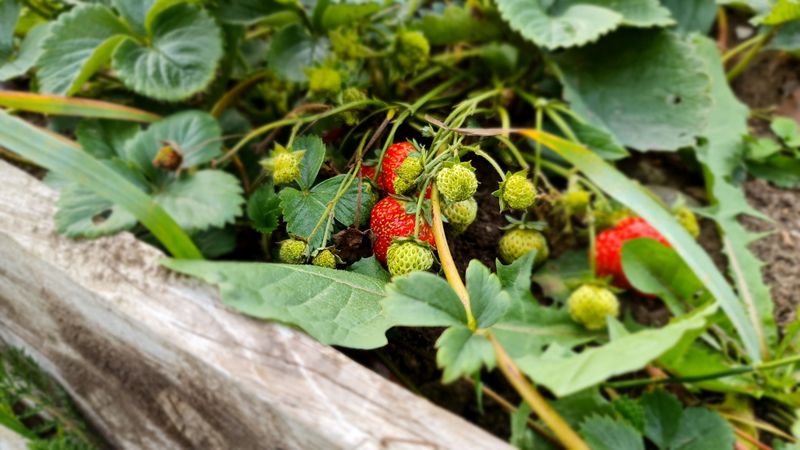
Imagine picking ripe strawberries in March while your coat is still hanging by the door. For many October planters in South Alabama, that scene is possible in a good year.
Fall-planted beds often start flowering in late February across the southern counties. Ripe berries can follow about thirty days after the first blossoms open.
Central Alabama gardens usually see their first harvest in late March or early April. North Alabama patches tend to follow a couple of weeks behind that pace.
Compare that with spring-planted beds, which typically give a light first-season crop. Heat can cut that harvest short.
The harvest window also stretches longer with fall plants. Picking can continue for several weeks, often into May.
Yields tend to be bigger, too, since mature crowns support more flower clusters. A healthy plant may give about one to one and a half pounds of berries over the season.
Flavor is another reward that makes the effort worthwhile. Cool spring nights help berries build more sugar, so they taste noticeably sweeter.
Pick berries in the morning when they are fully red and still cool. Leave a bit of green cap on each one so they last longer in the fridge.
Extra berries freeze well for smoothies, jam, and summer shortcake. Your freezer stash might even outlast the line at the farmers market.
There is a special joy in serving homegrown berries before stores stock local ones. Friends may be surprised by your early harvest.
Late Winter Frost Protection For Tender Blooms
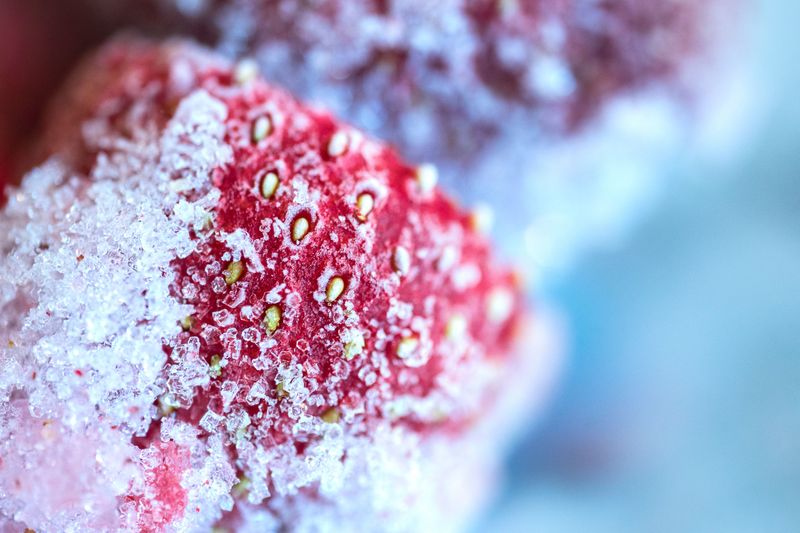
One surprise freeze in March can damage a month of early flowers. Protecting those blooms keeps your head start from slipping away overnight.
Strawberry plants themselves handle cold surprisingly well during winter. Open blossoms are the weak spot, getting damaged when temperatures fall to around 30 to 32 degrees.
A lightweight frost cloth, often called row cover, is your best friend here. Drape it over the plants on cold evenings and anchor the edges with bricks.
Remove the cover the next morning once temperatures climb above freezing. Bees need to reach the flowers so they can pollinate and form fruit.
Keep an eye on weather apps through February and March. Alabama springs often bring warm days followed by a sharp cold snap.
Watering the soil before a freeze can help, since moist ground holds heat better. Dry soil loses warmth quickly and leaves plants more exposed.
Pine straw tucked around plants adds another cozy layer during the coldest weeks. It also keeps berries cleaner when rain splashes down.
Birds and squirrels can be just as troublesome as frost once berries turn red. Bird netting draped over hoops keeps birds from snacking first.
Remove old, damaged leaves in late winter to improve airflow around the crowns. Better airflow cuts down on gray mold during damp spring weather.
Gardeners who stay watchful in late winter tend to enjoy a bigger payoff by spring. A few chilly evenings of tucking plants in feel small next to bowls of berries.