7 Things You Should Keep Out Of Your Compost Pile This Fall In Pennsylvania
Once the cold sets in, a Pennsylvania compost pile slows to a crawl. The microbes that break everything down work best in warm conditions, and by December, many backyard piles are barely doing anything at all.
That’s important to remember during fall cleanup. A pile that isn’t getting hot can’t destroy weed seeds, plant diseases, or pest eggs.
Toss in the wrong materials now, and they may simply sit there all winter, then come right back to your garden in spring. Blight-covered tomato vines, seed-heavy weeds, and invasive plants can all cause trouble.
Black walnut leaves and hulls, which are common across the state, can even leave behind compounds that stunt certain vegetables. Some kitchen scraps attract raccoons and rodents looking for an easy winter meal.
Being a little picky about what goes in this fall keeps your compost clean, healthy, and ready to use.
1. Diseased Plant Debris
Last October, a neighbor of mine tossed her blighted tomato vines into the compost. By July, her new plants were covered in the same ugly brown spots. She learned a hard lesson about sick plants and compost piles.
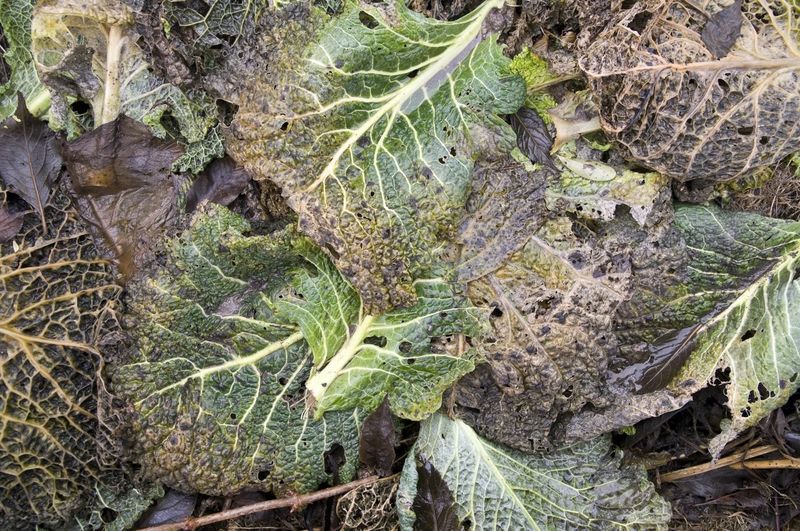
Fall cleanup brings a lot of tired, spotted foliage. Tomato plants often carry early blight or late blight.
Apple leaves may show scab, with dark, crusty patches. Peonies, phlox, and bee balm frequently get powdery mildew or other fungal problems by the end of summer.
Here is the issue. Germs that cause these diseases need high heat to be destroyed. A big, well-managed pile can reach 140 to 160 degrees Fahrenheit.
Most backyard piles never get that warm, especially in cool Pennsylvania weather. The spores just sit there and wait.
When you spread that compost next spring, you spread the disease too. Rain splashes the spores up onto fresh leaves. Soon the cycle starts all over again in your garden beds.
So what should you do instead? Bag diseased material and put it out with the trash. Some towns also collect yard waste for large municipal compost sites, which run much hotter than home piles. Check with your local borough or township to see what they accept.
A few extra habits help a lot. Clean your pruners with rubbing alcohol after cutting sick plants. Rake up fallen apple leaves quickly so scab has fewer places to hide over winter. Rotate where you plant tomatoes each year.
Healthy leaves and stems are still great for compost. Just learn to spot the sick ones and keep them separate. Your future garden will thank you with greener, stronger plants.
2. Weeds That Have Gone To Seed
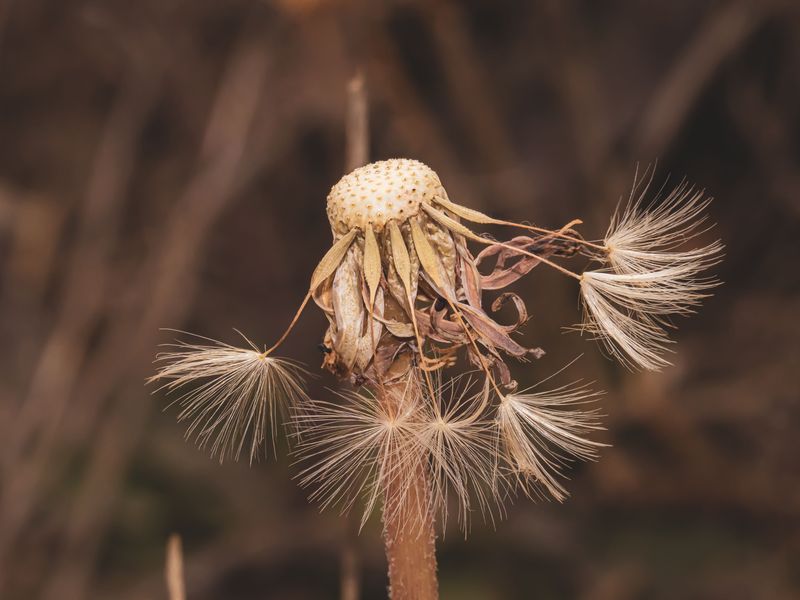
Weeds are sneaky little planners. By late summer, many of them have already packed their bags for next year. Those bags are seeds, and there can be thousands on a single plant.
Japanese stiltgrass is a big troublemaker in Pennsylvania. It looks like a soft, thin bamboo and loves shady lawns, trails, and garden edges.
In September and October, it drops tiny seeds that can stay alive in the soil for three to five years. Ragweed, lambsquarters, crabgrass, and foxtail are also busy seeding right now.
Your Pennsylvania Garden Changes Every Week. Your Plan Should Too.
Gardening in Pennsylvania changes quickly throughout the season. Every Friday you’ll receive a simple weekly plan showing exactly what to plant, prune, fertilize, harvest, and protect so you never miss the right timing.
You might think the compost pile will break those seeds down. Sadly, that rarely happens at home. Seeds are tough.
They have hard coats built to survive cold winters and dry spells. A cool backyard pile is like a cozy hotel for them.
Then spring comes. You spread your rich, dark compost over the vegetable beds. A few weeks later, a carpet of weeds pops up right where you wanted carrots. You basically planted them yourself.
A better plan is simple. Pull weeds before they flower whenever you can. If they already have seed heads, put them straight into a trash bag.
Some gardeners let seedy weeds bake in a sealed black bag in the sun for several weeks, but trash is the safest choice.
Fun fact: one ragweed plant can make up to 60,000 seeds. That is a lot of future weeding from one careless toss.
Young weeds without flowers or seeds are fine to compost. They add nice green material to the pile. Just watch the timing, and you will save your back plenty of bending next summer.
3. Invasive Plants That Resprout From Roots
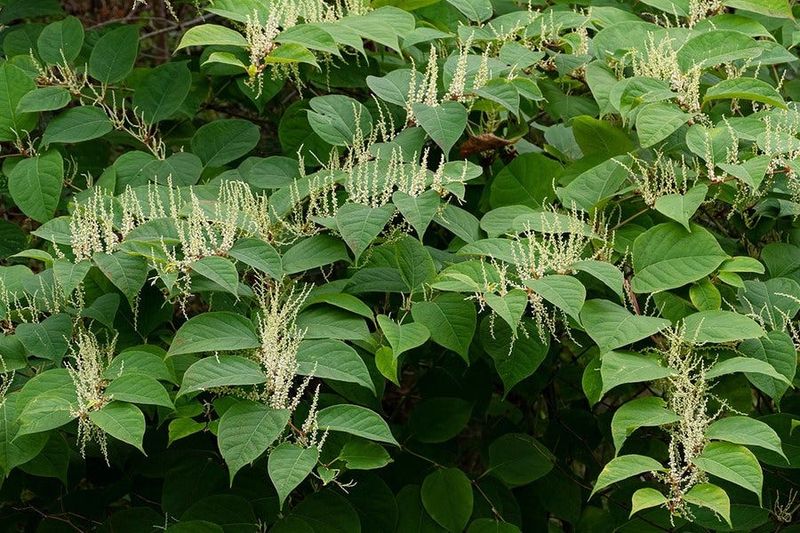
Some plants just refuse to give up. Chop them into pieces, and each piece tries to become a brand new plant. Gardeners have a few choice words for these stubborn guests.
Japanese knotweed is the champion of comebacks. It grows along streams and roadsides all over Pennsylvania, with hollow stems that look like bamboo.
A root fragment smaller than your fingernail can grow into a whole new patch. In the United Kingdom, people have even had trouble selling homes with knotweed on the property.
Quackgrass is another tough one. It spreads with long, white underground stems called rhizomes.
Every little segment can send up fresh shoots. Creeping Charlie, also called ground ivy, sneaks across lawns with runners that root wherever they touch soil.
Toss any of these into compost, and they will likely survive. In fact, they may love it. Compost is moist, loose, and full of food.
The pieces keep growing right inside the pile. Later, you spread them around your yard like a gift nobody asked for.
Treat these plants like trash, not garden material. Pull or dig them, then seal them in heavy bags. Leave the bags out for regular garbage pickup. Avoid putting knotweed in yard waste bins, since it may spread at a collection site.
Patience helps too. Getting rid of knotweed or quackgrass usually takes repeated pulling over a season or two. Keep at it, and the plants grow weaker over time.
Your compost pile should be a place for things to break down, not take over. Keep these root-sprouters far away from it.
4. Berries From Invasive Plants
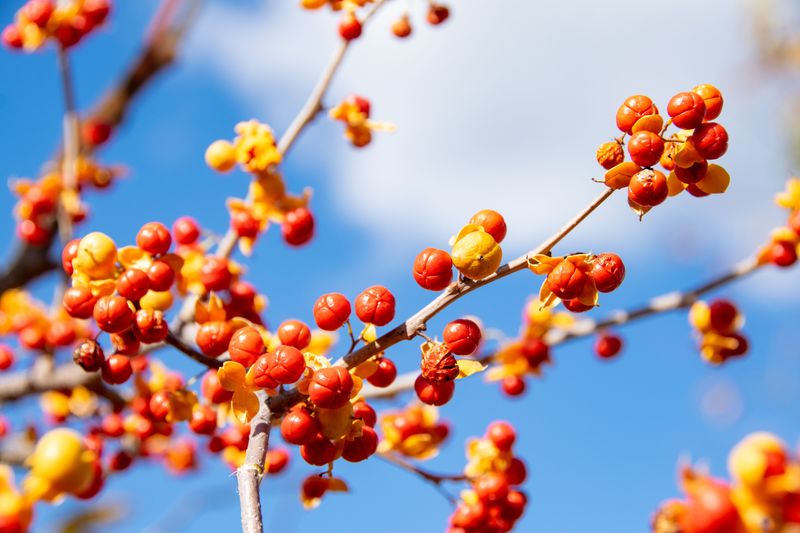
Bright orange and red berries look so cheerful in autumn. Many people even use bittersweet vines in fall wreaths. But in Pennsylvania, some of those pretty berries are a real problem.
Oriental bittersweet wraps around trees and can pull them down with its weight. Multiflora rose forms thick, thorny walls in fields and woods.
Japanese barberry crowds out native plants and even creates a cozy home for ticks. Bush honeysuckles, like Amur and Morrow’s honeysuckle, leaf out early and shade everything below them.
All of these plants spread by berries. Birds eat the fruit and drop the seeds far and wide. If you put the berries in your compost, you are doing the bird’s job for it. The seeds sit quietly, then sprout wherever you spread your finished compost.
Soon you may find tiny bittersweet vines curling up your fence. Or baby barberry shrubs hiding in your flower bed. Pulling them is not fun, especially the thorny ones.
The fix is easy. When you prune or remove these plants in fall, gather the berry-covered branches carefully.
Place them in sturdy trash bags and send them to the landfill. Wear thick gloves for multiflora rose and barberry, because those thorns are sharp.
Did you know? Pennsylvania lists many of these plants as noxious or invasive, and Japanese barberry sales are being phased out in the state.
Think about replacing them with native shrubs. Winterberry holly, American cranberrybush, and spicebush all offer colorful berries that local birds love. You get the fall color without the headaches.
5. Grass Clippings Treated With Certain Herbicides
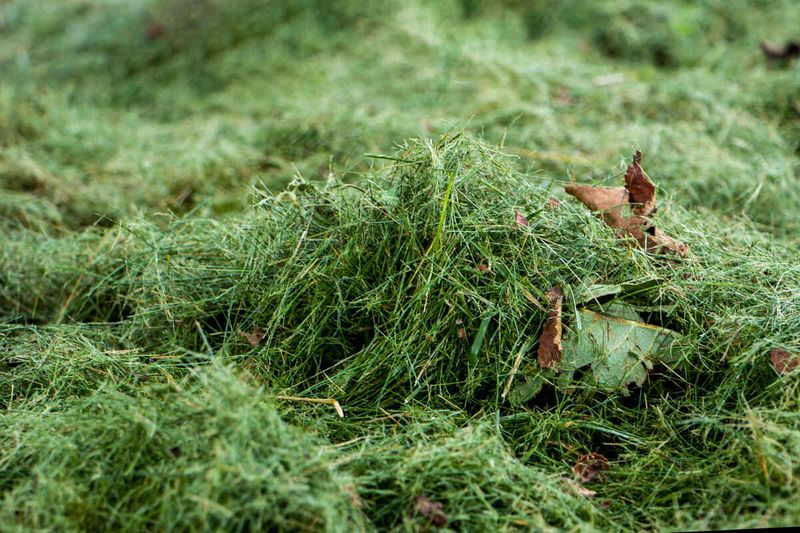
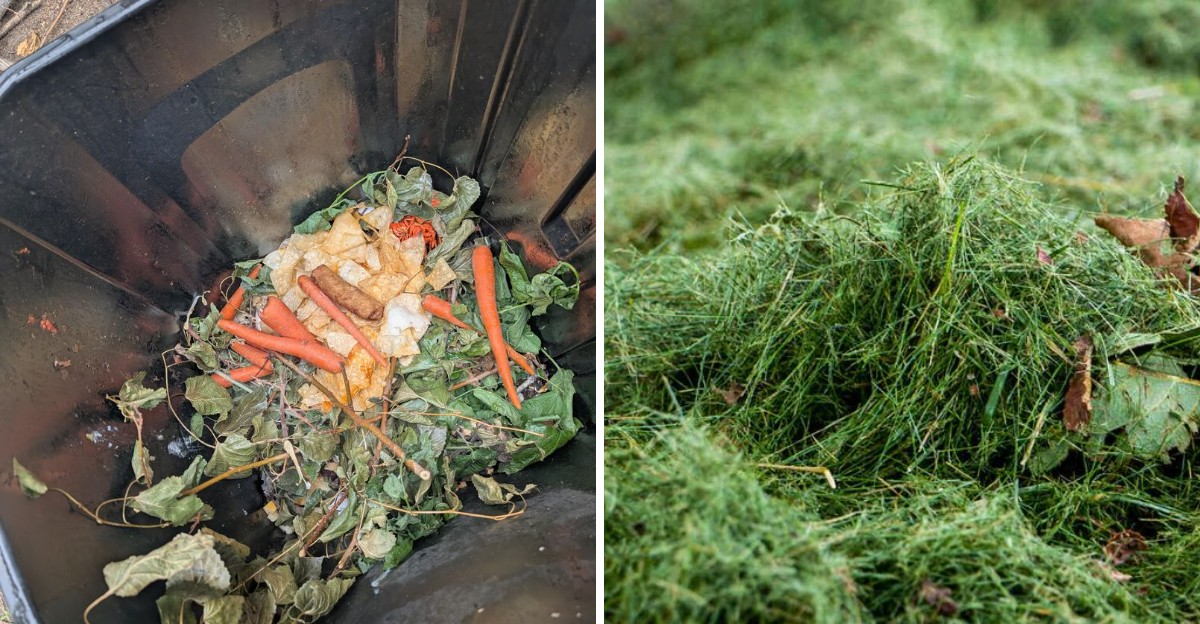
Grass clippings seem like the perfect compost ingredient. They are green, free, and full of nitrogen. Most of the time, they really are a great choice.
There is one big catch, though. Some lawn weed destroyers contain herbicides that last a very long time.
Chemicals like clopyralid, aminopyralid, and picloram can survive the entire composting process. They stay active for months, sometimes even years.
These chemicals are made to target broadleaf weeds like dandelions and clover. Unfortunately, many garden plants are broadleaf plants too.
Tomatoes, beans, peas, potatoes, and peppers are very sensitive. Even tiny amounts can cause twisted, cupped leaves and poor harvests.
Gardeners often have no idea what went wrong. They added lovely compost and then watched their tomatoes curl up like fiddleheads. Tracing the problem back to grass clippings can take a while.
So be a label detective. If you or a lawn service treated your grass this year, find out what product was used. Read the label closely.
Many products clearly say not to use treated clippings for compost or mulch. Some only require you to wait through a few mowings.
If you are unsure, play it safe. Leave the clippings on the lawn instead. Grasscycling, as it is called, feeds your lawn naturally and saves you raking time. Clippings from untreated lawns can go straight into your pile.
Be careful with clippings from neighbors too. Ask before you accept a bag. A friendly question now can save your whole vegetable garden next summer.
6. Meat, Dairy, And Oily Foods
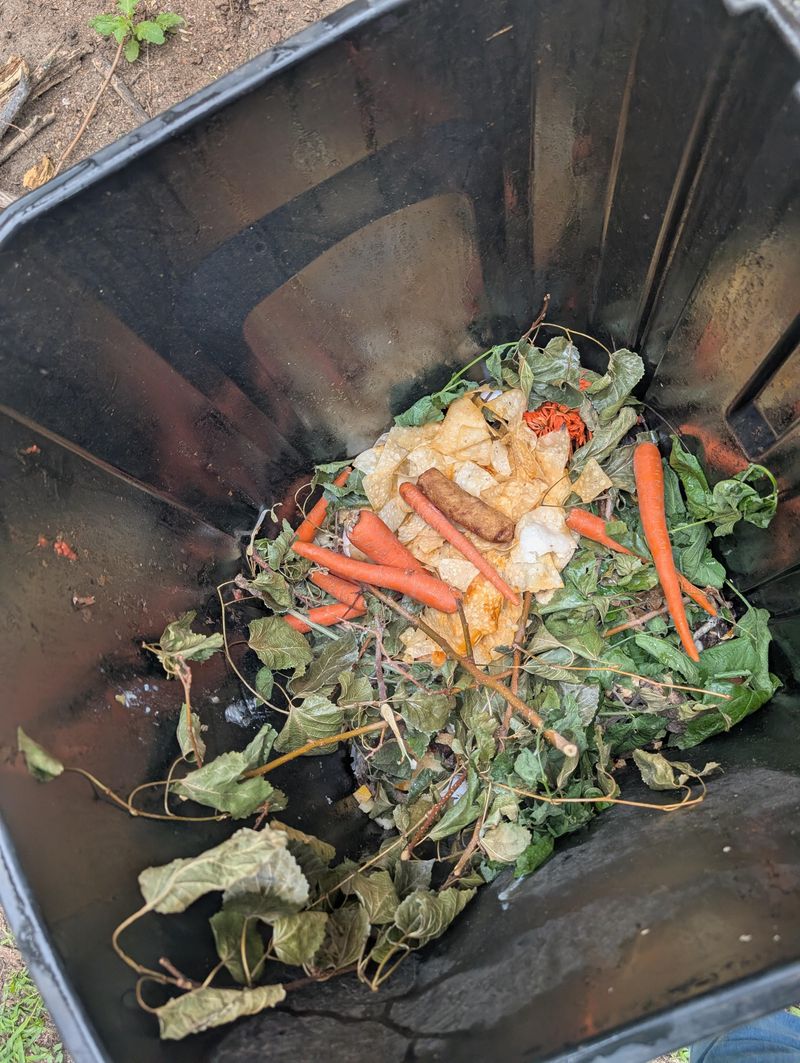
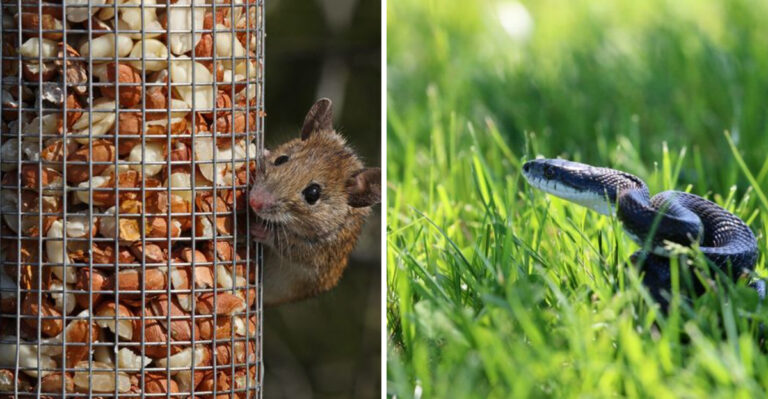
A raccoon tipping over your compost bin at midnight is annoying. A black bear doing it is a whole different story. In many parts of Pennsylvania, that is a real possibility.
Pennsylvania has around 18,000 black bears, according to the state Game Commission. In fall, they enter a stage of heavy eating to get ready for winter. A bear may eat 20,000 calories a day. Smelly food scraps in your yard look like an open buffet.
Meat, bones, fish, cheese, butter, and greasy leftovers give off strong smells as they rot. Those smells travel far.
Raccoons, skunks, opossums, rats, and stray dogs will follow the scent too. Once animals find an easy meal, they keep coming back.
These foods cause other problems as well. Fats and oils break down slowly and can coat other materials. That keeps air from moving through the pile. Without air, compost starts to smell sour and rotten instead of earthy.
Stick with plant-based kitchen scraps. Fruit and vegetable peels, coffee grounds, tea bags, and crushed eggshells are all great. Bury fresh scraps under a layer of brown leaves to cut down on odors.
A sturdy, closed bin also helps a lot. Some families in bear country use a separate trash plan for meat scraps, like freezing them until garbage day.
Want to compost meat anyway? Look into special methods like bokashi or ask whether your town offers food waste collection. Those systems handle tricky scraps much better than a simple backyard pile.
7. Pet Waste
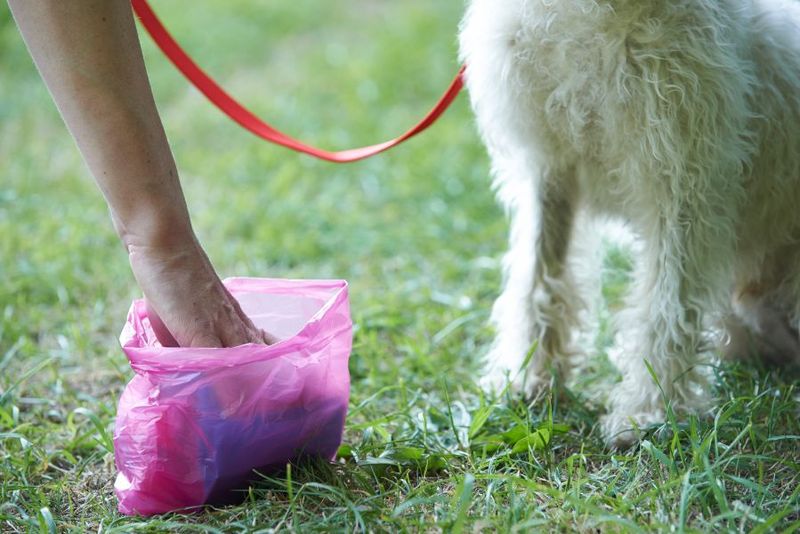
Dogs and cats bring so much joy. What they leave behind in the yard, though, is another matter. It might seem natural to toss it in the compost, but that is a risky move.
Pet waste can carry parasites and harmful bacteria. Roundworms, hookworms, and Giardia are a few common ones.
Cat waste may also contain Toxoplasma, a parasite that is especially dangerous for pregnant women. Dog waste can hold E. coli and Salmonella.
Here is the trouble. Many of these germs and eggs are very hardy. Roundworm eggs, for example, can stay alive in soil for years. A typical backyard pile simply does not get hot enough, long enough, to make them safe.
Now think about where compost usually goes. It ends up around lettuce, carrots, and other foods we eat. It may also land near sandboxes, play areas, or lawns where kids roll around. That is not a mix anyone wants.
The simplest solution is to bag pet waste and put it in the trash. Check your local rules, since some areas have specific guidelines. Never flush cat litter, because it can harm water systems.
Some pet owners use a dedicated pet waste digester buried in the ground. These are kept far from gardens and water sources. The material inside is never used on food plants.
Pick up after pets often, especially in fall when leaves can hide messes. Wash your hands well afterward. Your furry friends can still be part of a healthy yard. Their waste just needs its own path, far away from your compost.