What Alabama Orchard Owners Do In October To Prepare For Next Summer’s Harvest
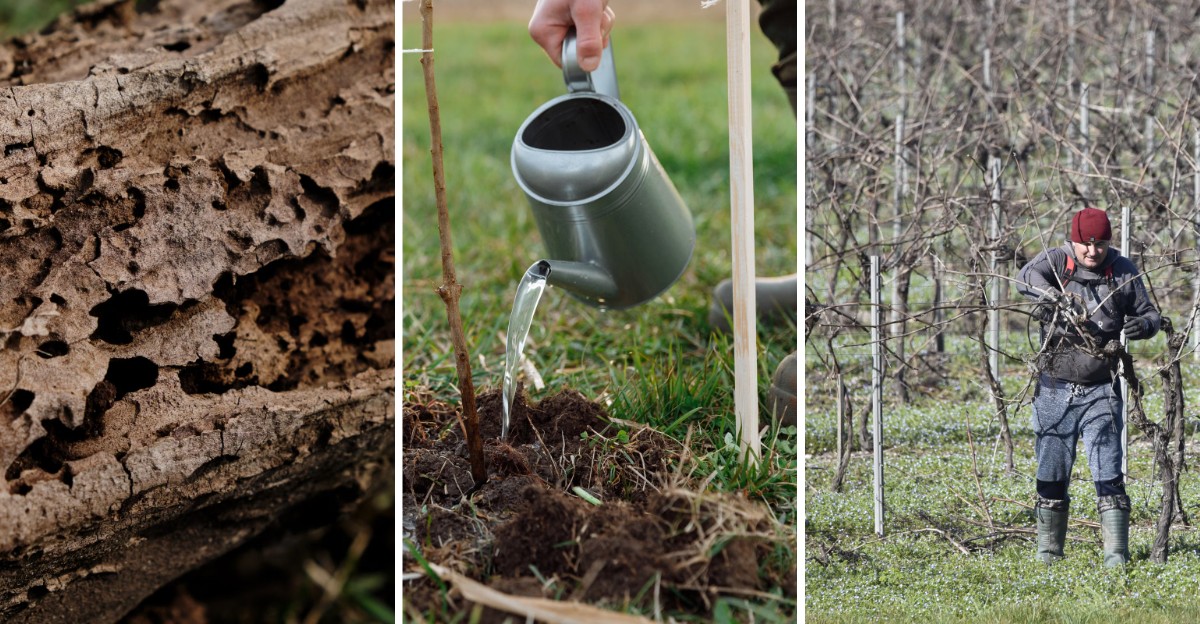
You are deciding next July’s harvest right now, whether you realize it or not. Flower buds for those peaches formed back in late summer, tucked tight inside the twigs.
Fallen fruit and leaves under the canopy host fungal spores waiting for spring. Rake them out, and brown rot loses its winter shelter.
Pruning in October pushes tender shoots that an early frost can scorch. Wait, and let the wood harden for the cold weeks ahead.
Acidic soils in much of Alabama tie up nutrients, so test your soil this month. Dry roots in a thirsty October weaken the buds that become next July’s fruit.
Acting in October sets you up for larger, healthier peaches by next July. Neglect these tasks, and you risk a thin harvest. Master this order of tasks, and better Alabama peaches are within reach by July.
1. Clean Up Fallen Fruit And Leaves
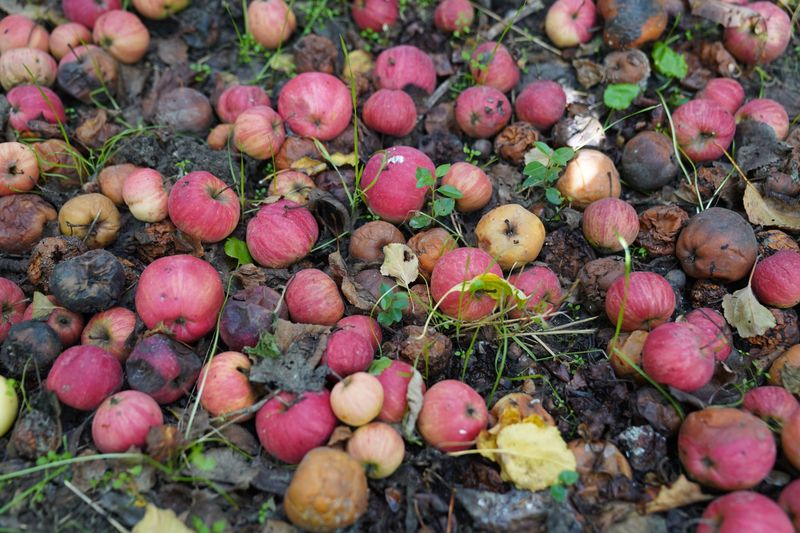
Picture a mushy peach lying in the grass since August. To you it is trash, but to brown rot fungus it is an ideal wintering site.
Rotten fruit that stays on the ground or clings to branches turns into hard, wrinkled mummies. Those mummies release spores in spring, right when fresh blooms open.
Alabama’s humid springs make the problem worse because fungus loves warm, damp air. A messy orchard floor can invite a season of fuzzy, rotten fruit.
Grab a rake, a bucket, and a sturdy pair of gloves this month. Pick up soft fruit and pluck shriveled ones still hanging from twigs.
Fallen leaves matter too, especially under apple and pear trees. Leaves can carry scab and other leaf spots straight into next season.
Pecan growers in south Alabama clean up shucks and fallen nuts for similar reasons. Scab spores on pecans can also spend the winter in that leftover debris.
Do not toss this mess into your compost pile unless it gets very hot. Bagging it for the trash or burying it deep works better for most backyard growers.
Some owners run a mower over leaves to chop them into tiny bits. Smaller pieces break down faster, which leaves fungus fewer places to hide.
Keep a tally of how many rotten fruits you collect under each tree. A big pile tells you which tree needs extra attention and spraying next spring.
Think of this chore as sweeping the kitchen before company arrives. A tidy orchard floor in October means cleaner, prettier fruit when summer rolls around.
2. Test The Soil Before Winter Arrives
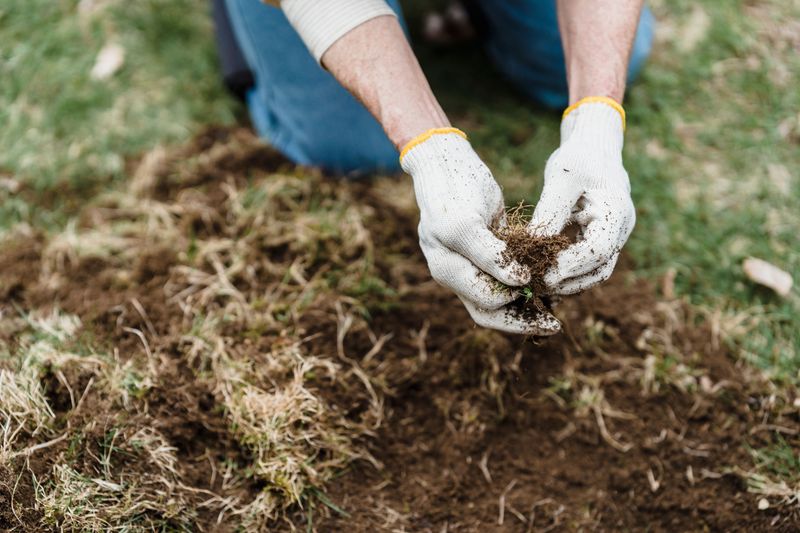
Auburn University runs a soil lab that will read your dirt like a report card. Soil testing is inexpensive, though you should check the lab’s current fee first.
October is a smart time to send a sample because results arrive early. You also get them back in time to fix problems before spring growth starts.
Most fruit trees prefer soil with a pH between 6.0 and 6.5. Much of Alabama has acidic soil, often clay, that sits well below that number.
Your Alabama Garden Changes Every Week. Your Plan Should Too.
Gardening in Alabama changes quickly throughout the season. Every Friday you’ll receive a simple weekly plan showing exactly what to plant, prune, fertilize, harvest, and protect so you never miss the right timing.
Acidic soil leaches calcium and magnesium and ties up phosphorus. Your trees can show deficiencies even when fertilizer is sitting right under their roots.
Your county Extension office can provide sample boxes and forms. Friendly staff there can also help you understand the results later.
To collect a sample, dig small holes about six inches deep around each tree’s drip line. Mix the soil in a clean bucket and scoop out about a pint.
Skip spots near fertilizer bags, burn piles, or the dog’s favorite bathroom corner. Those places can throw off your numbers and give confusing advice.
If the report says you need lime, fall is a good season to spread it. Lime works slowly, so it needs months to change the soil before blooms appear.
The report will also suggest how much potassium and phosphorus to add. Follow those numbers instead of guessing, because extra fertilizer causes leafy growth and weak fruit.
Treat the test like a doctor’s checkup for your orchard. A little science now helps you avoid a summer of guesswork.
3. Plant New Trees In Late Fall And Winter
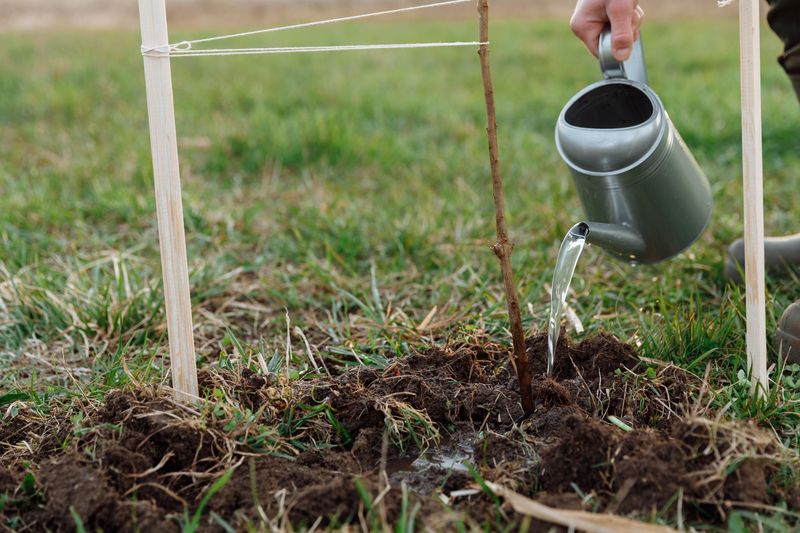
Ask an old-timer in Chilton County when to plant fruit trees, and you may hear a surprising answer. Late fall through winter beats spring planting in Alabama.
October soil still holds summer warmth, even when the air turns crisp. Roots keep growing in warm ground long after the leaves fall.
A tree planted now spends winter quietly building a root system. By spring, it is ready to push leaves without struggling through a hot, dry June.
Spring-planted trees face Alabama’s intense summer heat with small, shallow roots. Many of them struggle, wilt, and need frequent watering just to hang on.
Bare-root trees usually arrive from nurseries between December and February. Container trees, however, can go in the ground right now if you find good ones.
Buy from a nursery that sells varieties tested in the Southeast. Trees shipped from northern states may struggle with our heat, humidity, and short winters.
Choose a sunny spot with at least eight hours of direct light each day. Avoid low areas where cold air settles and frost can nip early blooms.
Dig a hole wider than the root ball but not deeper. Set the tree so the graft union sits a few inches above the soil line.
Water deeply after planting to settle the soil around the roots. Then add a ring of mulch, keeping it a hand’s width away from the trunk.
New trees usually give you little fruit next summer, so patience matters here. Still, planting this fall puts you a full season ahead on future harvests.
4. Match Your Trees To Your Local Chill Hours
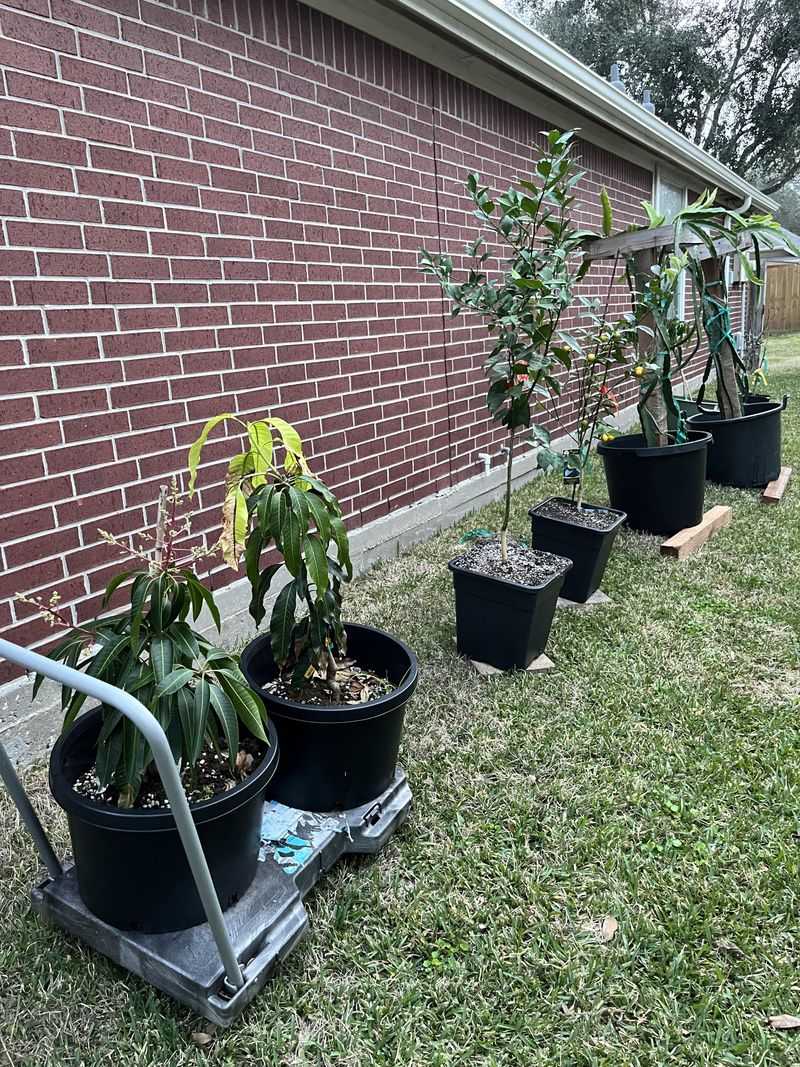
Fruit trees need a cold nap before they bloom, much like kids need sleep before a big test. Growers call this nap time chill hours.
A chill hour is roughly one hour spent between 32 and 45 degrees Fahrenheit. Each variety needs a certain number of these hours to wake up properly.
North Alabama may collect 1,000 chill hours or more in a normal winter. Mobile and the Gulf Coast might only see 400 to 600.
Plant a high-chill peach near the coast, and it may bloom weakly or late. Plant a low-chill variety up near Huntsville, and it could flower too early.
Early blooms are often damaged by a surprise March frost. One cold night at bloom can sharply cut a whole year of peaches in hours.
October is when smart growers order trees and plan next year’s lineup. Check your area’s average chill hours through the Alabama Cooperative Extension System.
Many orchards plant several varieties with different chill needs and ripening dates. That way, a single bad frost does not ruin every tree at once.
Some growers also track chill hours each winter with a simple weather app or online tool. Watching the count helps them guess when blooms might open.
Variety tags usually list chill hours, but some online catalogs leave that detail out. Ask the seller directly before you spend money on a tree.
Think of chill hours as matching shoe sizes to feet. The right fit makes everything work smoothly, while the wrong one leads to a disappointing season.
5. Spray Copper Once The Leaves Have Fallen
Bacterial spot sounds like something from a science fiction movie, but Alabama peach growers know it well. Tiny holes in leaves and pitted fruit are its calling cards.
Bacteria can overwinter in twig lesions and leaf scars after leaves drop in fall. A copper spray at leaf fall may help reduce that overwintering risk.
Rain and wind spread bacteria quickly, and Alabama gets plenty of both. Fall storms can spread bacteria from tree to tree across a whole orchard.
Many growers apply copper once most of the leaves have fallen. Some follow with a second spray once the branches are fully bare.
Peach leaf curl is another common disease that copper can help manage. It makes spring leaves pucker, redden, and drop, which weakens the whole tree.
Read the product label carefully, since copper strength varies from brand to brand. Using too much can burn leaves still hanging on the tree.
Pick a calm, dry day with no rain expected for at least a day. Wind can carry spray onto your garden, porch, or neighbor’s shiny truck.
Wear gloves, long sleeves, and safety glasses while mixing and spraying. Copper is a natural mineral, but it still irritates skin and eyes.
Apples, pears, and plums have their own spray schedules, so check Extension guides for each crop. Extension spray schedules list timing for most backyard fruits in Alabama.
Skipping this spray may seem harmless when trees look bare and quiet. Come June, though, you may see more speckled, damaged fruit.
6. Inspect The Trunks For Hidden Borer Damage
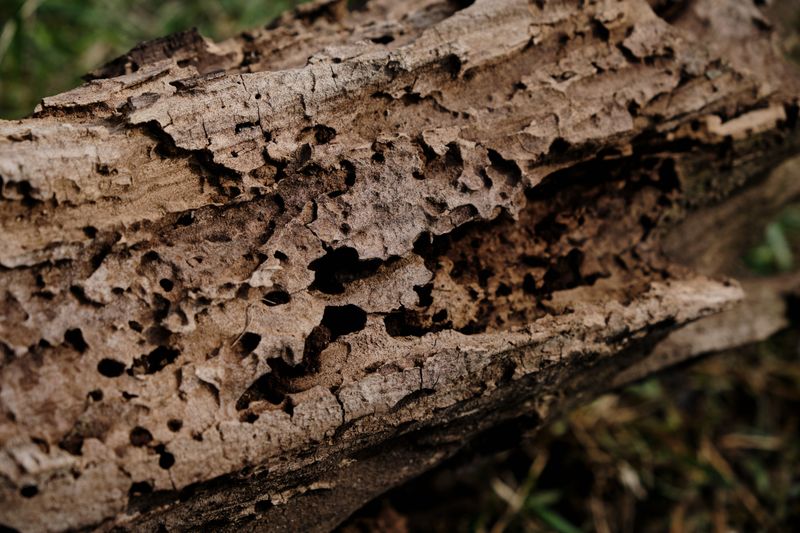
Golden blobs of sap at the base of a peach tree look pretty, almost like amber jewelry. Still, they often mean a borer is chewing inside the trunk.
Peachtree borers are moth larvae that tunnel just below the soil line. They eat the living inner bark, which carries sugars to the roots.
A few borers can weaken a young tree in one season. Heavy damage can girdle the trunk and leave it unable to feed its branches.
October is prime time to look because adult moths finished laying eggs in late summer. Young larvae are still small and close to the surface.
Pull back mulch and soil a few inches around each trunk. Look for jelly-like gum mixed with sawdust, which growers call frass.
Some old-school growers poke a thin wire into each hole to reach the larvae. It sounds odd, but it works well on a handful of trees.
Labeled trunk sprays applied in fall can protect trees in larger orchards. Read the directions, since timing and safety rules differ between products.
Plums, cherries, and nectarines attract borers too, so check them while you are down there. Keeping grass and weeds away from trunks makes inspections much easier.
Healthy, vigorous trees handle a little borer damage better than stressed ones. Good watering, proper fertilizer, and clean trunks all help them bounce back.
Kneeling in the dirt might not feel glamorous on a cool fall morning. Next summer’s loaded branches will make those muddy knees feel worth it.
7. Hold Off On Pruning Until Late Winter
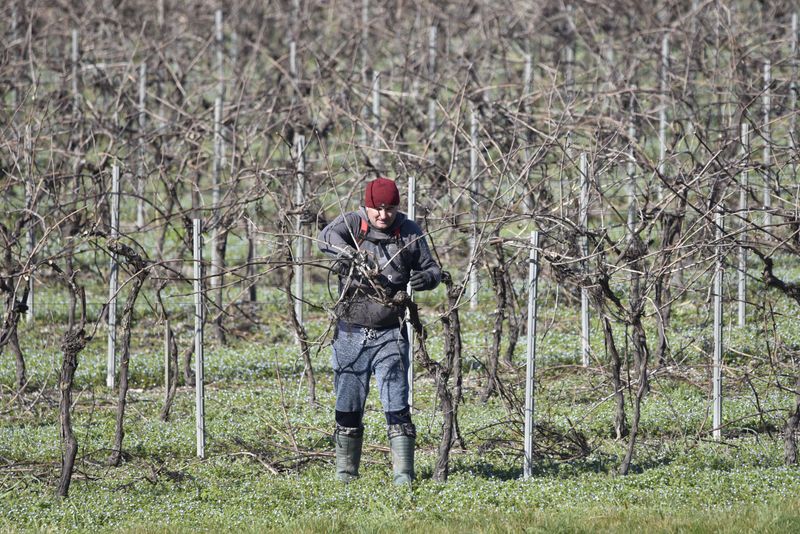
Those wild, leggy branches might tempt you to grab the loppers this weekend. Put them back on the hook, because October cuts can backfire.
Pruning signals a tree to push out fresh growth. Tender new shoots that sprout in fall are damaged by the first hard freeze.
Fall cuts also heal slowly as trees slip into winter rest. Open wounds give fungus and bacteria easy entry during wet Alabama winters.
Most experts suggest pruning peaches and plums in late February or early March. Apples and pears can be pruned a bit earlier, in mid to late winter.
There is one exception worth knowing about. Broken, diseased, or storm-damaged limbs should come off right away, no matter the season.
Use October to plan instead of cut. Walk around each tree and tie ribbon on branches to remove later.
Look for limbs that cross, rub, or grow straight up into the center. Peach trees thrive in an open vase shape that lets light reach the fruit.
Sharpen and clean your pruning tools now while you have time. Sharp blades make clean cuts that heal faster and invite fewer problems.
On peaches, next summer’s fruit forms on wood that grew this year. Cutting too much later can remove next season’s flower buds, so plan carefully.
A notebook or phone photo of each tree helps you remember your plan in February. Future you will appreciate the clear notes on a chilly pruning day.
Waiting can feel like staring at a cookie jar you are not allowed to open. Trust the calendar, and your trees will reward your patience.
8. Water Deeply And Refresh The Mulch Layer
October in Alabama is often one of the driest months of the year. Folks call it football season, but your trees might call it thirsty season.
Next year’s flower buds formed this summer and are still developing now. Drought stress this fall can weaken those buds and reduce next summer’s crop.
A slow, deep soak once a week works better than a quick daily sprinkle. Deep watering pushes roots downward, where soil stays cooler and moist longer.
Lay a garden hose at the drip line and let it trickle for an hour. Soaker hoses and drip lines save time and waste less water.
Stick a finger or screwdriver into the soil to check moisture. If the top few inches feel dusty, your trees need a drink.
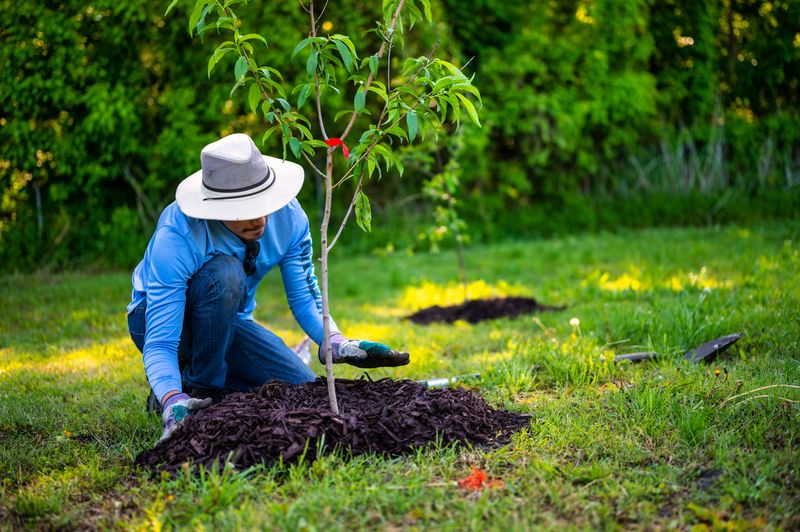
Once the soil is moist, spread two to four inches of mulch around each tree. Pine straw, shredded bark, and wood chips all work nicely here.
Mulch holds moisture, keeps roots cozy in winter, and blocks hungry weeds. Over time it breaks down and feeds the soil with organic matter.
Pull mulch back several inches from the trunk to form a donut, not a volcano. Piled-up mulch traps moisture against bark and invites rot and rodents.
Keep watering until the first hard freeze, especially for young trees planted recently. Roots keep working underground even after leaves turn gold and drop.
Giving thirsty trees a drink now is like packing a lunch for a long trip. Next summer, they will open that lunch box and share the goodies with you.