Mowing Florida St. Augustine Too Short In Fall Is How Winter Weeds Get In
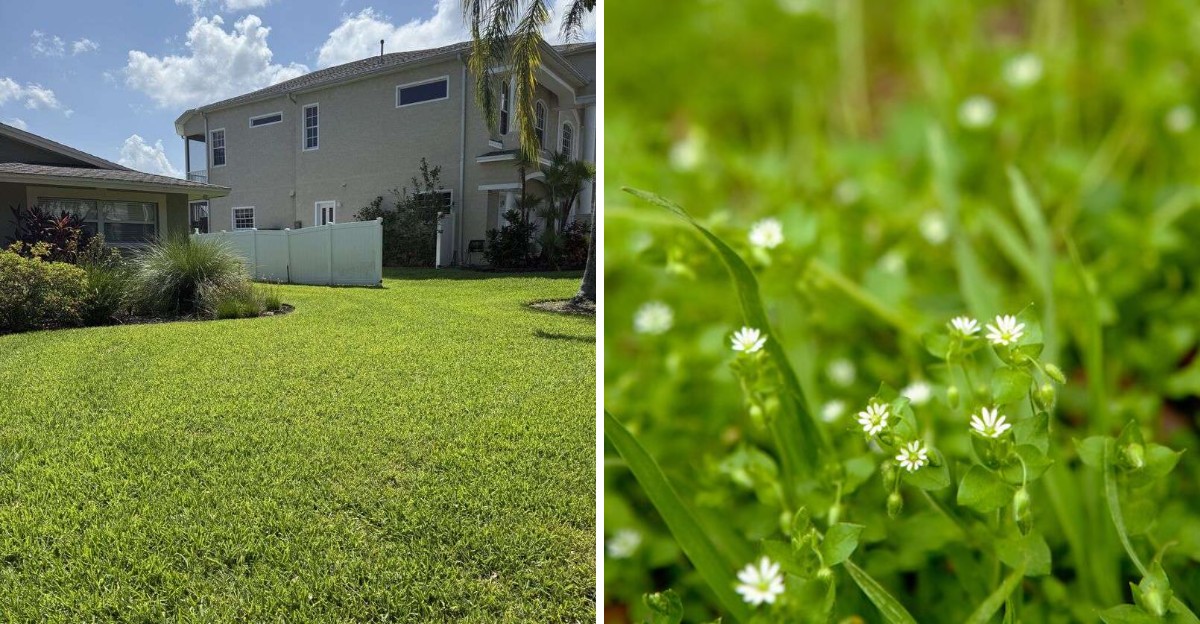
Cutting your St. Augustine lawn extra short before winter might seem like a smart way to reduce mowing, but it can create problems.
This warm-season grass begins slowing down as temperatures cool. Removing too much leaf growth can weaken the turf when recovery is already becoming slower.
Thin, stressed areas also leave more room for winter weeds to establish.
Across Florida, St. Augustine lawns can remain green longer in warmer regions, but that does not make aggressive fall mowing harmless.
Keeping the grass at an appropriate height helps maintain better coverage.
Resist the temptation to lower your mower simply because the growing season is winding down.
A healthy, dense lawn provides natural competition against unwanted plants. Protecting that coverage now can make winter weed problems easier to manage without creating unnecessary stress.
1. A Dense Canopy Of Grass Blades Shades Out Weed Seeds
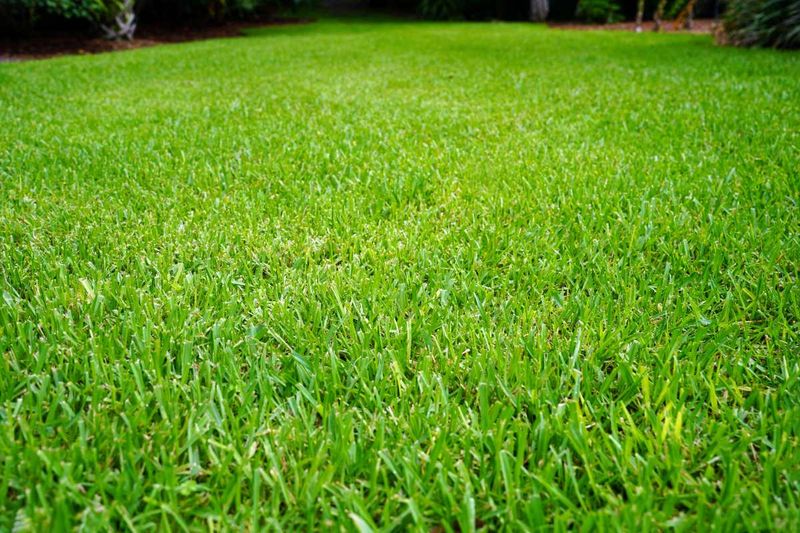
Thick grass works like a living umbrella over your soil. When St. Augustine blades overlap, very little light slips through to the ground below.
Plenty of weed seeds need light at the soil surface to sprout well, so shade gives them a harder start.
Picture a crowded bus with no empty seats left. Weed seedlings that do germinate under a dense canopy often struggle to compete for light, water, and space.
Height plays a big role here, because taller blades spread wider and cast more shade across the soil.
Cut that canopy down too far, and the umbrella shrinks. Sunlight reaches spots it couldn’t touch before, and seeds that were sitting quietly can wake up.
Density depends on more than mowing, of course. Good watering habits, proper fertilizing at the right times, and decent sunlight all help St. Augustine fill in.
Shady yards in Florida can be tricky, since heavy tree cover may thin the grass no matter how carefully you mow.
Even a thick lawn won’t block every weed. Some seeds still find a way, especially along edges, near sidewalks, or where foot traffic wears the turf down.
A dense canopy simply tilts the odds in your favor. Fewer gaps usually mean fewer weeds to pull or treat later in the winter.
2. Scalped Turf Lets Sunlight Reach Bare Soil
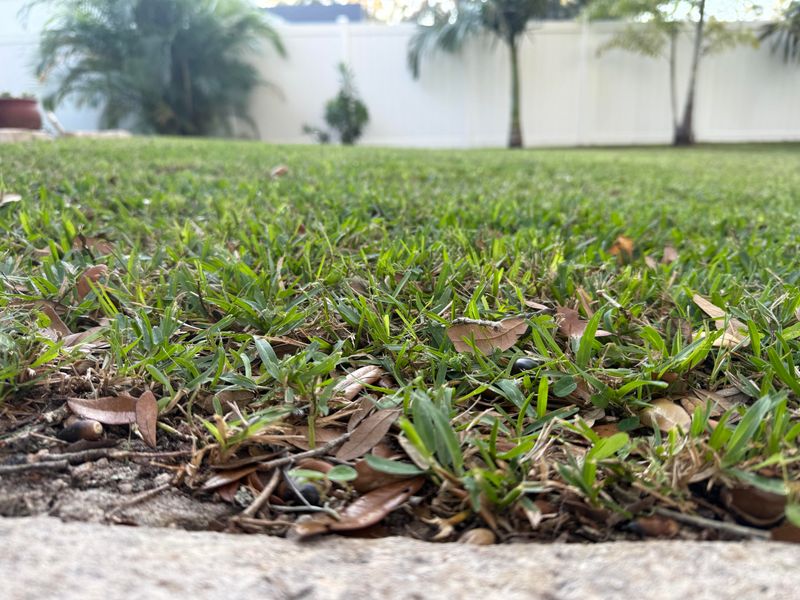
One low pass with the mower can undo weeks of good care. Scalping happens when blades get cut so short that stolons, stems, or soil show through.
You’ll usually spot it as yellow or brown streaks, often on high spots or bumpy ground.
Scalped grass also has less leaf area for making food. Recovery can take a while, and fall recovery is often slower than recovery during the summer growing season.
Uneven yards are frequent troublemakers.
Dips and humps cause the mower deck to dip low in some places, even when the height setting seems fine. Walking the lawn first helps you spot areas to raise the deck or mow around.
Dull blades can add to the problem by tearing grass instead of cutting it cleanly. Ragged tips may brown and look stressed, though other issues like drought or pests can cause similar damage.
Your Florida Garden Changes Every Week. Your Plan Should Too.
Gardening in Florida changes quickly throughout the season. Every Friday you’ll receive a simple weekly plan showing exactly what to plant, prune, fertilize, harvest, and protect so you never miss the right timing.
Across Florida, sandy soils dry out quickly, so scalped patches may also lose moisture faster. Keeping the mower raised and sharp is a simple way to protect that cover heading into winter.
That extra protection can help St. Augustine stay healthier as growth slows and cooler weather settles in.
3. Standard Varieties Prefer A Cutting Height Near Four Inches
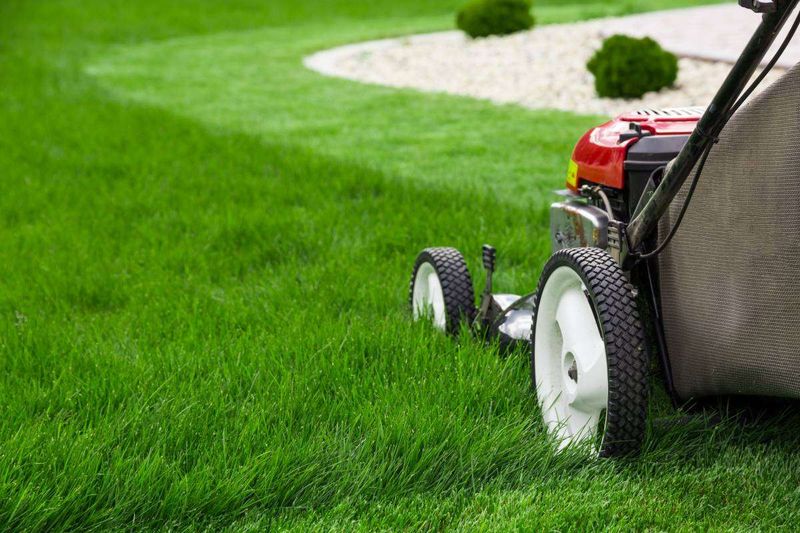
Four inches sounds tall until you see how good it looks. Common St. Augustine types, such as Floratam, generally do best when mowed at a height of around 3.5 to 4 inches.
UF/IFAS Extension guidance supports keeping these standard varieties on the taller side.
Why so tall? Longer blades support deeper roots, and deeper roots can help the grass handle dry spells and stress more easily.
Shade is another reason. Lawns growing under partial tree cover often benefit from staying at the higher end of the recommended range.
Checking your actual height is easier than guessing.
Set the mower on a flat driveway and measure from the ground to the bottom of the blade. Deck settings can be misleading, since numbers on the lever don’t always match the true cut.
Some push mowers can’t reach four inches at all, which surprises plenty of new homeowners. If yours tops out lower, it may be worth looking at models with taller settings.
Variety matters too, so knowing what you planted helps. Floratam is common in many Florida yards, but other cultivars exist, and recommendations can shift slightly depending on the type.
When unsure, a local county Extension office can help identify your grass.
4. Dwarf Cultivars Like Seville Can Be Kept A Bit Lower
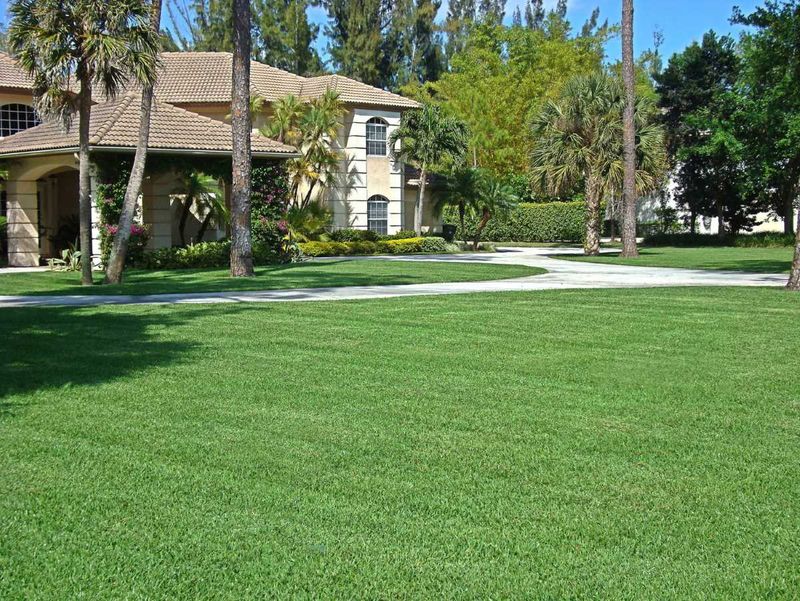
Not every St. Augustine lawn wants to stand tall. Dwarf types like Seville and Delmar have shorter, finer blades and can handle a lower cut than standard varieties.
UF/IFAS lists a range of about 2 to 2.5 inches for these dwarf cultivars.
Lower doesn’t mean as short as possible, though. Dropping well below the suggested height can still thin the grass and open space for weeds.
Knowing your variety is the tricky part.
Dwarf types usually have a tighter, more compact look, but telling them apart by eye isn’t always easy. Paperwork from the sod installer, or a call to the builder, may answer the question faster.
Mixing up varieties can cause real headaches. Mowing standard Floratam at dwarf height often leaves it stressed, while mowing a dwarf type too tall may make it look uneven.
In Florida neighborhoods, it isn’t unusual for one yard to have patches of different grasses. Older lawns sometimes get repaired with whatever sod was available, so heights may need some adjusting.
Shade-tolerant dwarf types can still thin out under heavy cover. Raising the cut slightly within the suggested range may help those spots hold up better through the cooler months.
5. Taking A Third Of The Blade Or Less Eases Stress
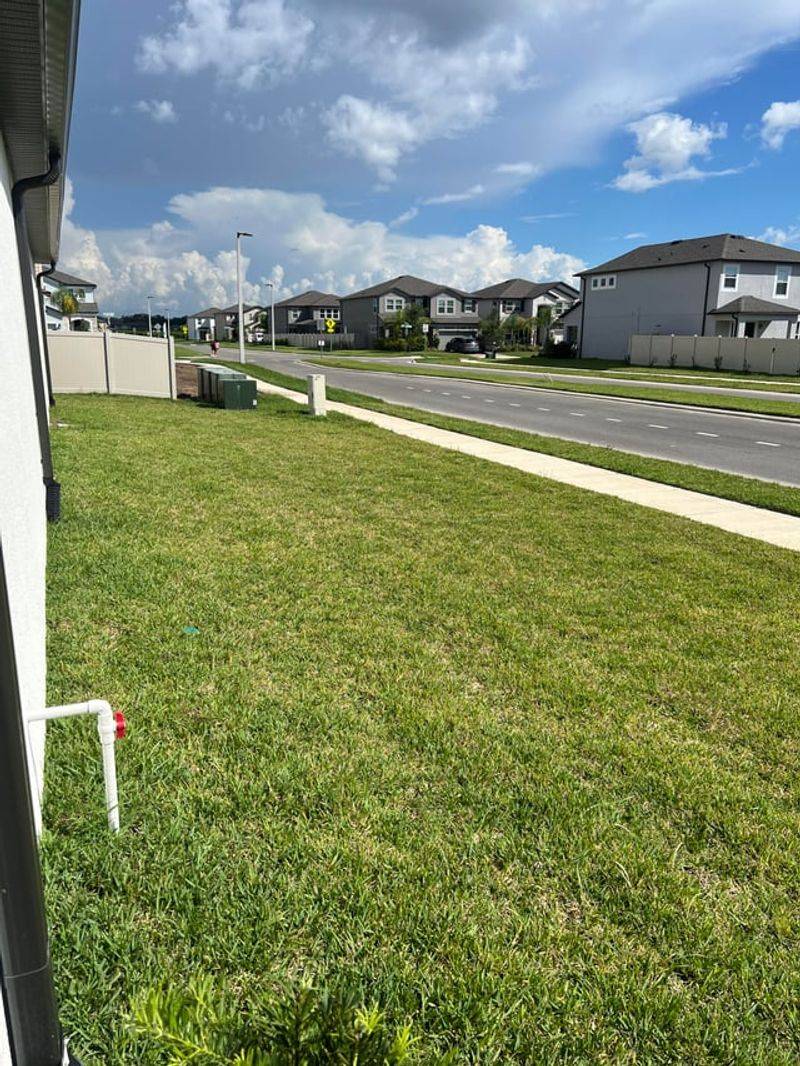
Here’s a rule that saves a lot of grief. Removing no more than one-third of the blade length at each mowing is a widely recommended guideline for turfgrass.
So if your target height is four inches, mowing when the grass reaches about six inches keeps you within that range.
Cutting off too much at once can shock the plant. Grass leans on its leaves to make food, and losing a big chunk suddenly can slow growth and weaken roots.
Stressed grass tends to thin out, and thin spots give weeds an opening.
Life gets busy, and sometimes the lawn grows taller than planned. Rather than chopping it down in one go, try lowering it gradually over two or three mowings spaced a few days apart.
Clippings are another bonus of following this approach. Short clippings usually break down quickly and can return some nutrients to the soil, so bagging them often isn’t necessary.
Long clumps are different, since they can smother grass if left in piles.
Fall in Florida brings a lot of variation in weather and growth. A lawn in Miami may still be growing steadily, while one near Tallahassee slows down much earlier.
Watching the grass itself works better than sticking to the calendar.
6. Winter Annuals Like Chickweed Move Into Thin, Weak Spots
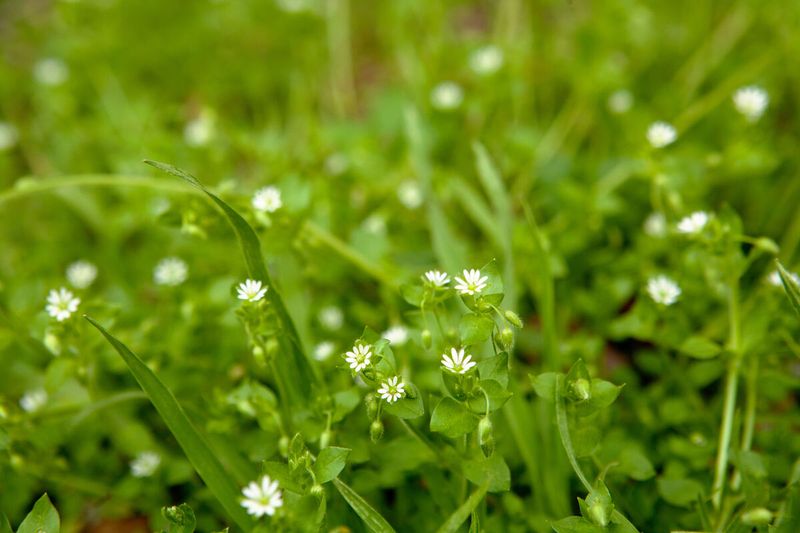
Chickweed doesn’t wait for permission. Winter annual weeds generally sprout in fall or early winter, grow through the cool months, and set seed before warm weather returns.
Common chickweed, henbit, and annual bluegrass are a few that show up in lawns during this stretch.
Thin turf gives them room to settle in.
Chickweed has small oval leaves and tiny white flowers, and it often spreads low across the ground. Henbit has scalloped leaves and small purple-pink blooms, so it’s fairly easy to spot.
These weeds are more common in North and Central Florida, where winters run cooler. South Florida lawns may see fewer of them, though local conditions vary quite a bit.
Since they are annuals, they usually fade as temperatures climb in spring. That doesn’t mean ignoring them, because each plant can drop seeds that show up again next fall.
Hand pulling works well for small patches, especially when the soil is a little moist.
Preemergence herbicides labeled for St. Augustine are another option for lawns with a history of winter weeds. Timing matters a lot, so read the label carefully and check with your county Extension office about the right window for your area.
Thicker turf remains the best long-term defense.
7. Slower Fall Growth Means Mowing Less Often
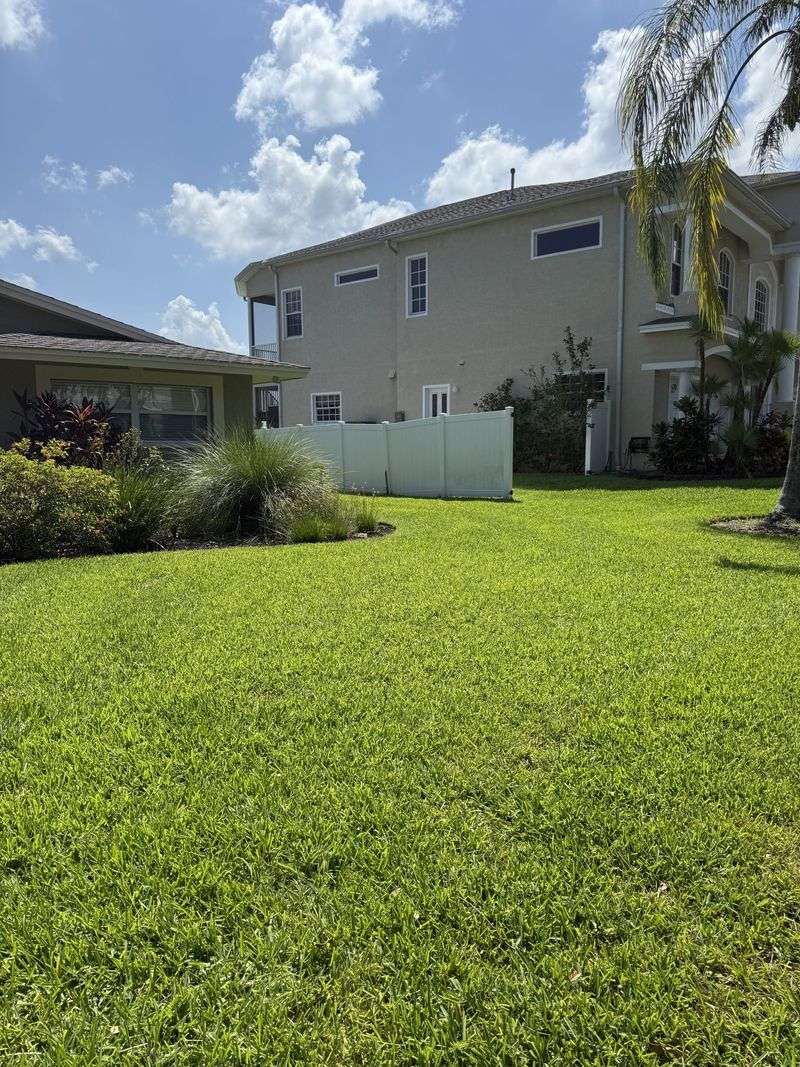
Good news for your weekend plans. As days shorten and temperatures cool, St. Augustine usually grows more slowly, so it needs mowing less often.
A lawn that needed weekly cuts in July might go a week or two longer between mowings by late fall.
How much it slows depends on where you live. North Florida lawns often slow sharply and may go semi-dormant in winter, while South Florida grass can keep growing at a steady pace.
Let the grass height guide you instead of a fixed schedule.
Mowing out of habit can lead to cutting grass that barely grew. That extra pass adds wear from mower wheels and foot traffic without much benefit to the lawn.
Some homeowners take advantage of the slower season to sharpen blades or service the mower. A clean cut matters just as much in fall as in summer.
Watering needs often drop as well, since cooler temperatures usually mean less moisture loss.
Overwatering a slow-growing lawn can encourage disease, including large patch, which is a common cool-season problem in St. Augustine. Watering only when the grass shows signs of thirst, like folded blades, tends to work better.
Keeping a relaxed mowing rhythm and a taller cut helps the grass stay strong until spring growth returns.