Why A “30-Day Radish” Can Take Much Longer Than 30 Days In North Carolina
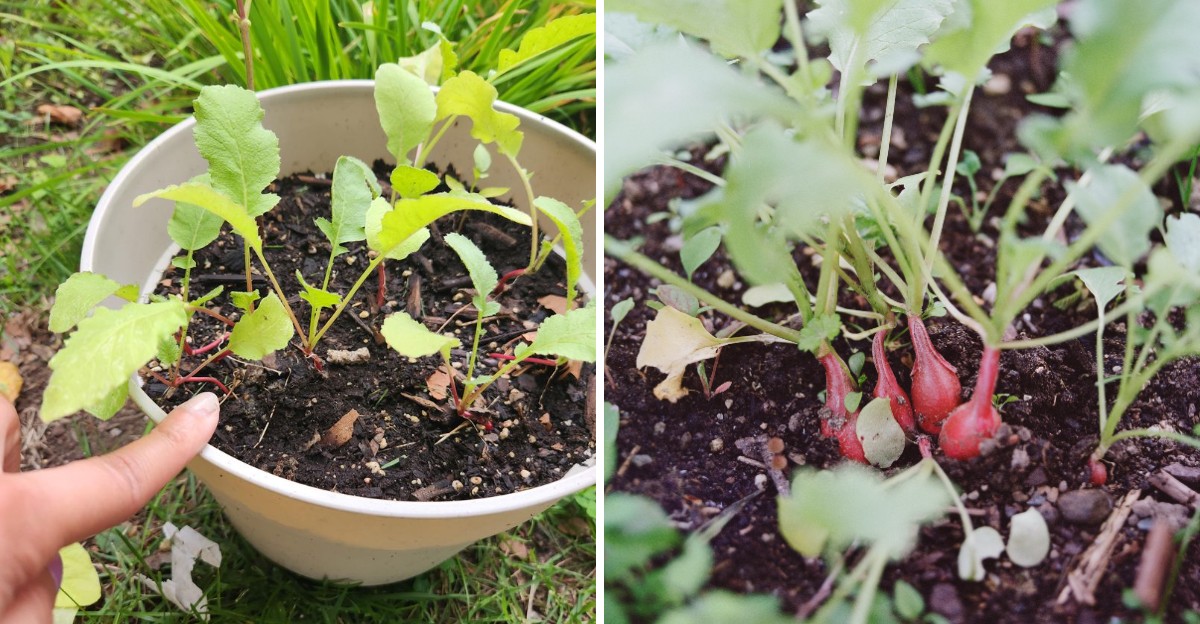
The seed packet says 30 days, and the calendar disagrees. Many gardeners feel cheated when October radishes are still tiny in November. The number on the packet assumes ideal conditions, usually spring weather.
In fall, days grow shorter and soil cools, so the plant grows more slowly. Each cool week adds extra time. Crowding can stretch the wait even further, because radishes pushed together put energy into leaves.
Heavy nitrogen can do the same, giving you big tops and small roots. Rain this fall has been patchy in North Carolina, and uneven moisture makes radishes woody or hot. None of this means the crop has failed.
It only means the timeline needs adjusting. Knowing what slows them down helps you plan your harvest and still get crisp, sweet roots.
1. Days To Maturity Assume Ideal Conditions
Seed packets are a little like weather forecasts. They give you a helpful idea of what might happen, but they cannot promise anything. When a packet says 30 days, it is sharing a best guess, not a deadline.
That number comes from growing trials done under ideal conditions. Seed companies picture mild temperatures, full sun, steady moisture, and loose, rich soil all working together at once.
Real backyards rarely line up so neatly, so a radish that matures in 25 days on a test farm might need 40 or more in your raised bed.
Smart gardeners treat the number as a starting point. Mark the expected date on a calendar, and begin checking your crop around that time. Gently brush the soil away from the top of a few roots to see how wide they look.
Better yet, pull a single test radish. Slice it open and take a bite. If it feels crisp and has a nice size, go ahead and harvest more.
If it still looks skinny, give the rest another few days and check again, since radishes can change quickly once they start swelling. North Carolina makes that patience extra important.
The weather here loves to swing, with a warm, sunny week followed by a chilly, cloudy one. Each of those shifts can speed up or slow down growth, so the same planting might race ahead for a while and then crawl.
Keeping a simple garden journal helps a lot. Write down the sowing date, the weather, and the day you harvested. After a season or two, you will know how long radishes really take in your own yard, which beats any packet estimate.
2. Cool Fall Weather And Shorter Days Slow Growth
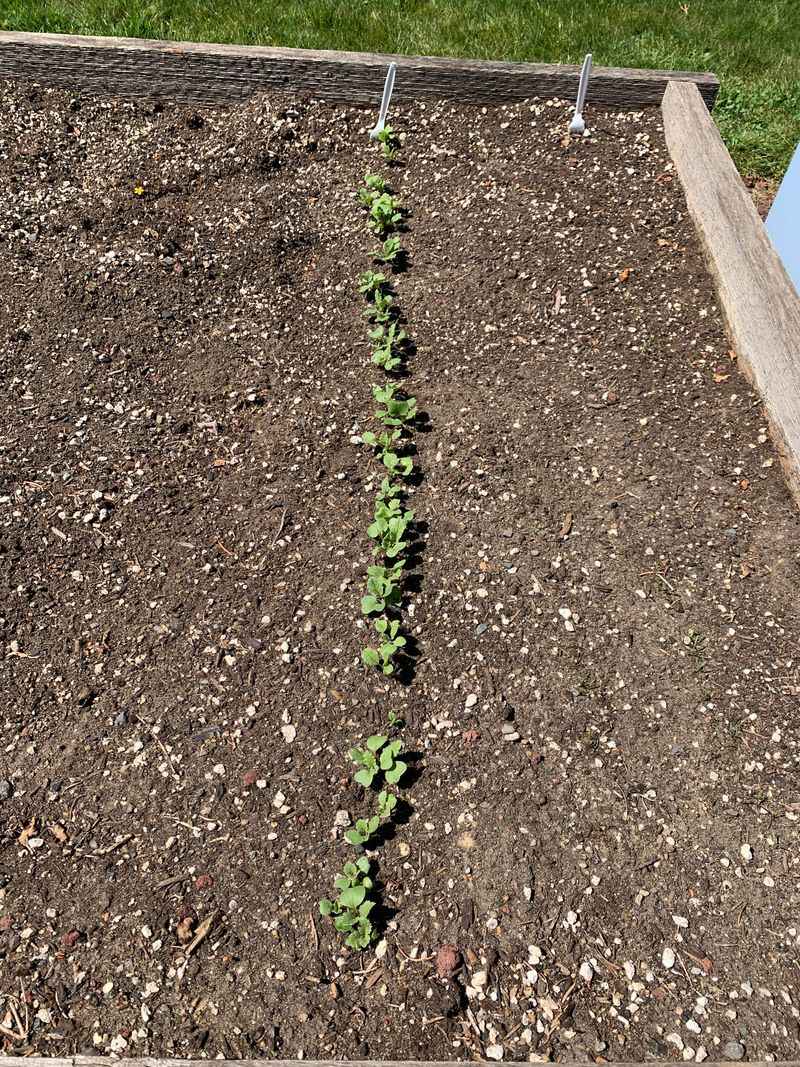
October in North Carolina feels like a gift. The air turns crisp, the bugs calm down, and garden chores suddenly seem pleasant again. Radishes enjoy the cooler air too, but they also notice something gardeners often miss.
Every week, the days get shorter. Radishes grow fastest in mild weather with plenty of daylight, and as late fall arrives, both temperature and light start to fade. Plants simply have less energy to work with, so their roots swell more slowly.
Because of that, timing makes a huge difference. A radish sown in early September might be ready in about a month. One sown in late October could take several extra weeks, sometimes stretching closer to two months before the roots reach a good size.
Your North Carolina Garden Changes Every Week. Your Plan Should Too.
Gardening in North Carolina changes quickly throughout the season. Every Friday you’ll receive a simple weekly plan showing exactly what to plant, prune, fertilize, harvest, and protect so you never miss the right timing.
Want a quicker crop? Sow your fall radishes earlier, once the worst summer heat has passed. You can still plant small batches later, but expect those late sowings to move at a slower pace and plan your meals around it.
Row covers are another handy tool. These lightweight fabric sheets rest over plants or on simple hoops and trap a little warmth from the soil.
On chilly nights, that small boost can keep radishes growing instead of stalling, and the fabric also helps block hungry insects.
Plenty of Tar Heel gardeners love sowing radishes in October for a late harvest, and that plan can absolutely work.
Radishes handle light frost well, so they keep going long after summer crops have quit. Just give them a longer runway, and you will still enjoy crunchy roots as the holidays get closer.
3. Heat Keeps Roots From Forming Properly
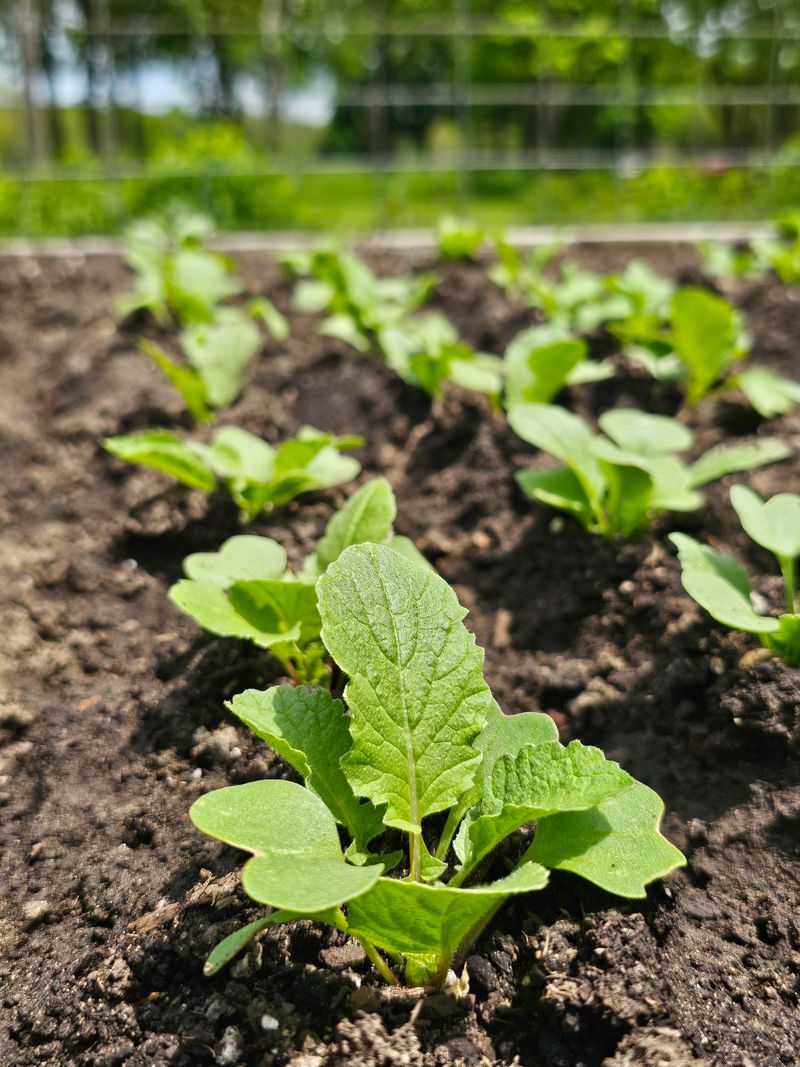
Ever pulled up a radish with gorgeous leaves and a root no bigger than a pencil? Hot weather is often the sneaky cause. Radishes are a cool season crop, and warm temperatures throw their whole plan off track.
When the thermometer climbs, radishes tend to pour energy into leafy tops. The roots may stay small, turn woody, or develop a fiery spice that makes your eyes water.
In some cases, the plants bolt, which means they send up a flower stalk before ever forming a decent root.
So the clock keeps ticking while you wait for roots that might never fill out. A planting that should take a month can drag on for weeks with little to show for it. That frustration is common, but it is also easy to avoid.
Timing is your best friend here. Sow radishes in early spring, as soon as the soil can be worked, and again from late summer into fall. Skip sowing in the heat of early summer, when hot days and warm nights make good roots nearly impossible.
During a surprise warm spell, give your crop a helping hand. Afternoon shade from a taller plant or a piece of shade cloth can cool things down. Steady watering also matters, because moist soil stays cooler and keeps roots tender.
North Carolina springs are famous for warming up fast. One week feels like March, and the next feels like June. Early fall can also bring stubborn hot days well into September, so watch the forecast closely and plant when a cooler stretch is on the way.
4. Crowded Seedlings Compete For Space
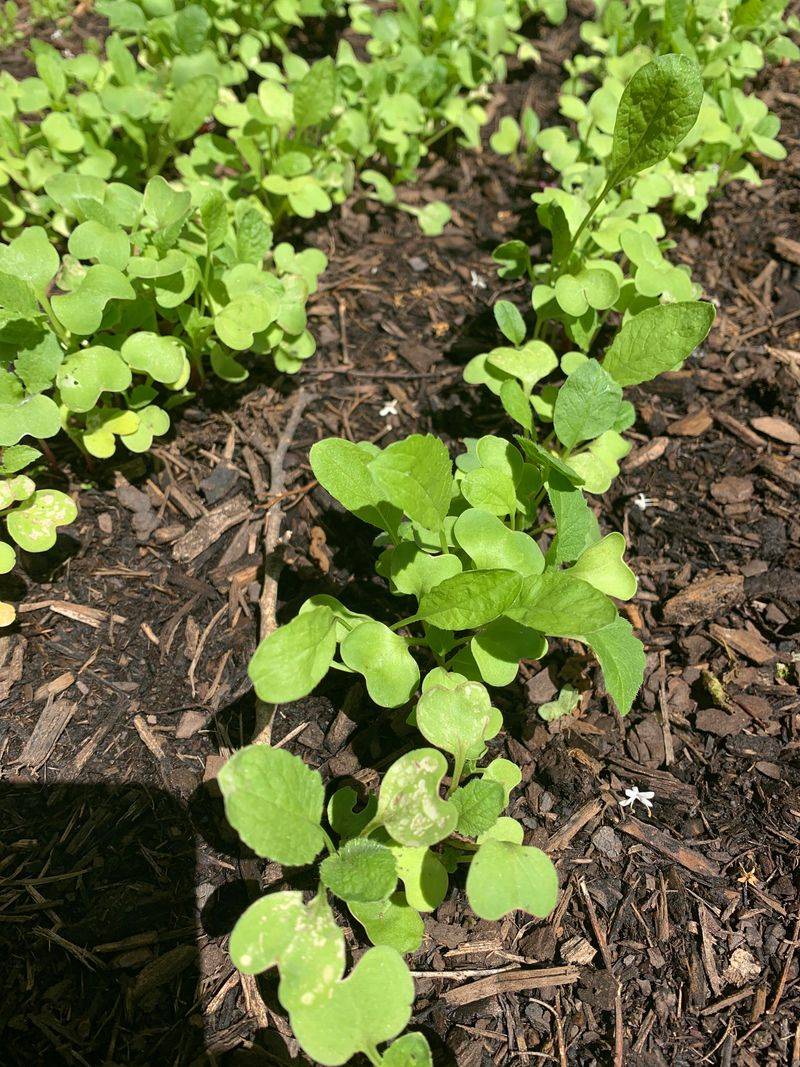
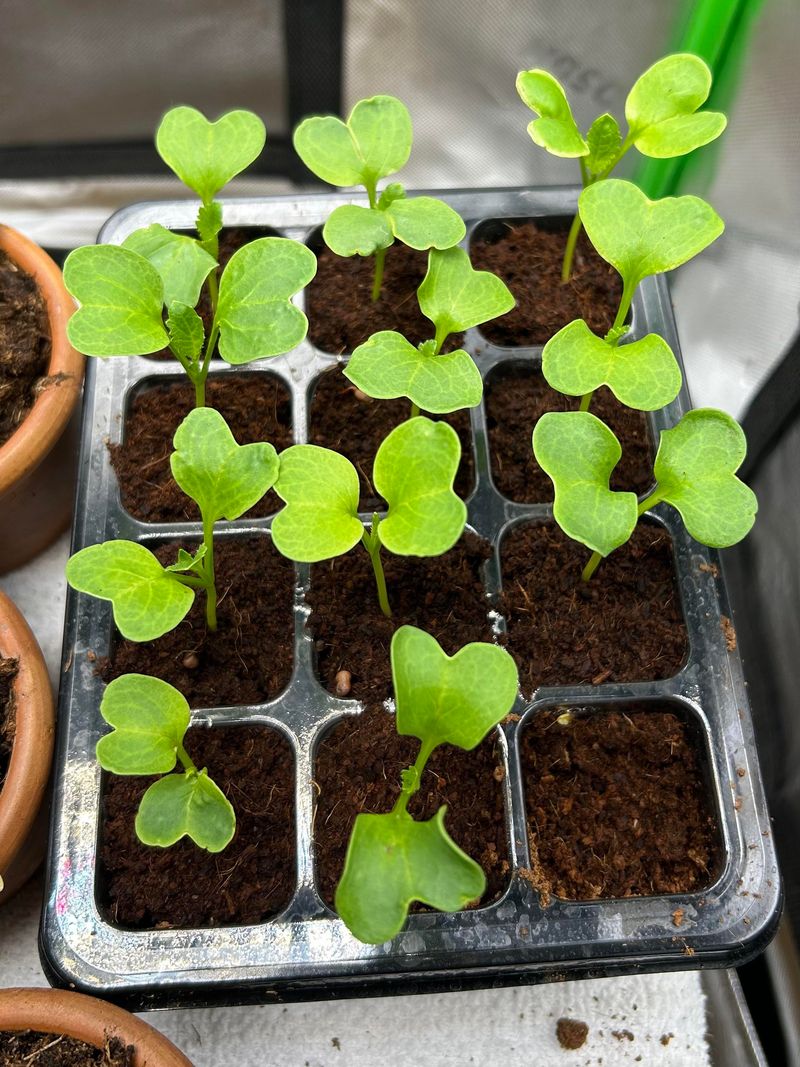
Tiny radish seeds are almost too easy to sow. You shake a pinch into your palm, sprinkle it down a row, and suddenly dozens of seedlings pop up like a little green crowd at a concert. The trouble starts when nobody has room to move.
Crowded radishes compete for everything they need. Light, water, and nutrients get split among too many plants, and each one ends up with a smaller share. Worse, the roots have no space to swell, so they stay thin and slow to develop.
As a result, the whole planting drags on. Instead of a quick harvest, you may wait weeks for roots that barely grow. Some never form a round bulb at all and just stay long and stringy.
Fixing the problem takes only a few minutes. Try to sow seeds about an inch apart from the start. If they come up thick anyway, thin the seedlings early, leaving about 1 to 2 inches between each plant once they have a couple of true leaves.
Thinning can feel painful, since every sprout looks so hopeful. Here is the bright side, though. Those little thinnings are edible and taste peppery and fresh, so toss them into salads, sandwiches, or scrambled eggs.
Many North Carolina gardeners scatter radish seeds heavily and then forget about thinning altogether. Busy schedules and fast-growing weeds make it easy to skip.
Snipping extra seedlings with small scissors at soil level works well and avoids disturbing nearby roots, giving the keepers the room they need to grow plump and ready on time.
5. Too Much Shade Means Leaves Instead Of Roots
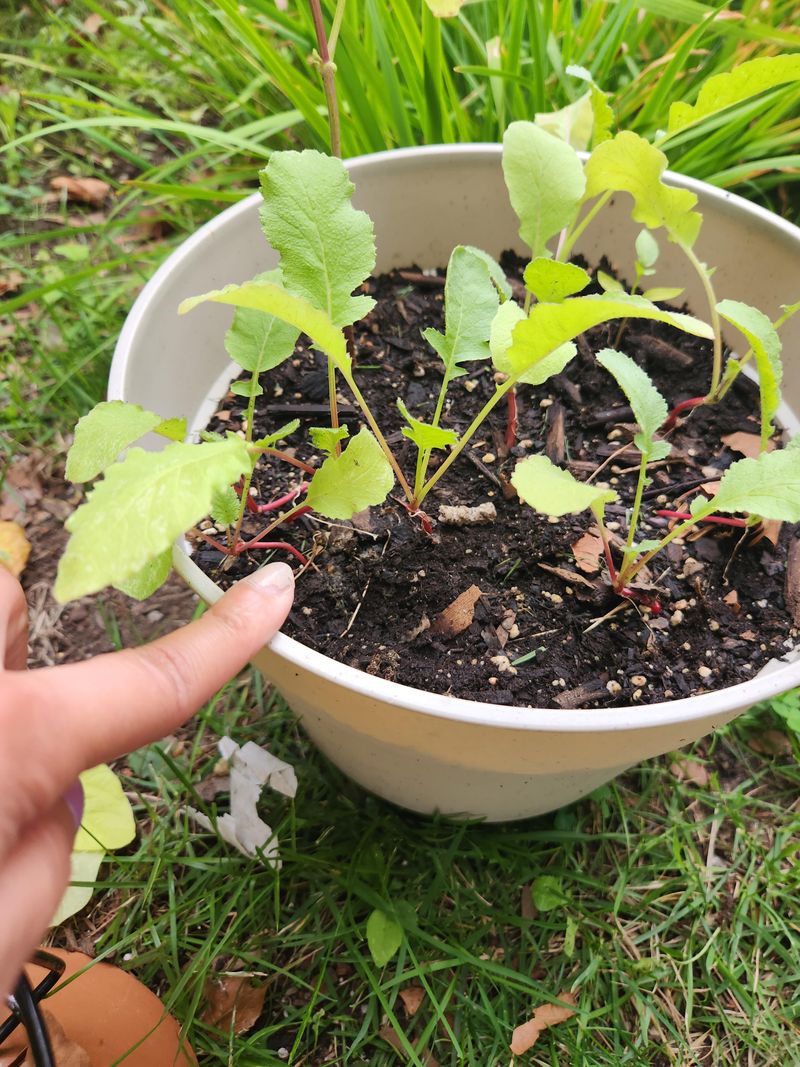
Sunlight is basically radish fuel. Leaves collect it, turn it into energy, and send that energy down to build a plump root. Cut back the sun, and the whole system starts to sputter.
In too much shade, radishes act a bit like kids stretching to see over a fence. They grow tall, floppy leaves while trying to reach more light. Meanwhile, the roots develop slowly or stay small, and your harvest date keeps sliding further away.
For best results, plant radishes where they get at least six hours of direct sun each day. More is even better, especially in cooler months. Spend a day watching your yard, and note which spots stay bright from morning to afternoon.
Fall adds a twist many gardeners forget. As the sun sits lower in the sky, shadows from trees, fences, and buildings grow longer. A bed that basked in sunshine all summer might sit in shade for half the day by October.
Luckily, radishes are flexible. They grow well in containers, window boxes, and small raised beds, so you can move your plantings to sunnier spots when the seasons change. Even a big pot on a bright patio can produce a nice batch.
North Carolina is full of tall pines, oaks, and maples that make neighborhoods beautiful. Those same trees can quietly shade garden beds, and with shorter fall days, there is less light to spare.
Checking your sun patterns each season helps your radishes get every bright hour they deserve.
6. Dry Or Compacted Soil Holds Them Back
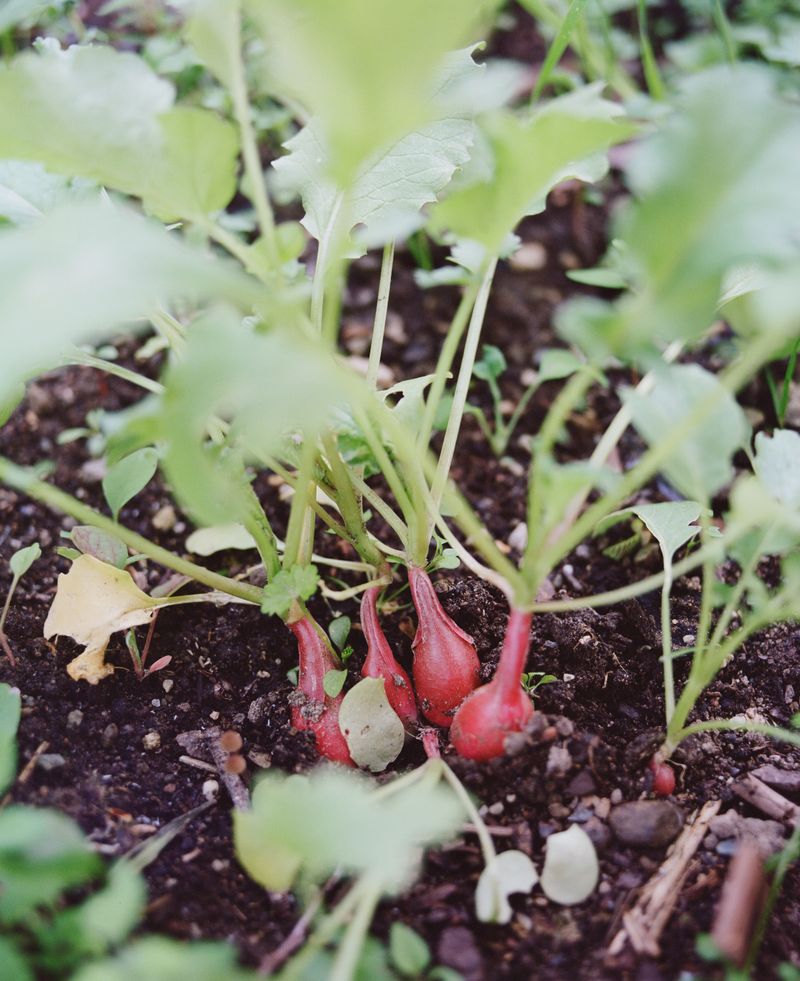
Down under the surface, a radish root is trying to push outward and grow round. Loose, moist soil makes that job easy. Hard, dry ground turns it into a struggle.
Radishes need two things from their soil to grow quickly: room to expand and steady moisture. Dry soil slows growth and often makes roots tough or cracked.
Compacted or heavy soil squeezes the root, so it has a harder time swelling into that classic crisp shape.
Good prep goes a long way. Before sowing, loosen the soil several inches deep with a garden fork or trowel. Work in a few handfuls of compost to add nutrients and help the soil hold water without turning soggy.
Watering takes a little attention, too. Check the soil by poking a finger into it, and water when the top inch feels dry. Even moisture is the goal, because a cycle of bone dry and then soaked can cause roots to split.
If your yard is mostly clay, raised beds are a game changer. Filling them with a mix of good soil and compost gives radishes a soft, crumbly home. They warm up faster in spring too, which is a nice bonus.
North Carolina gardeners know this challenge well. The Piedmont is famous for its heavy red clay, which can feel like brick when dry and sticky when wet. Fall also tends to bring dry spells, so a layer of light mulch and regular watering can keep your radishes on track.
7. Too Much Nitrogen Or The Wrong Variety Changes The Timeline
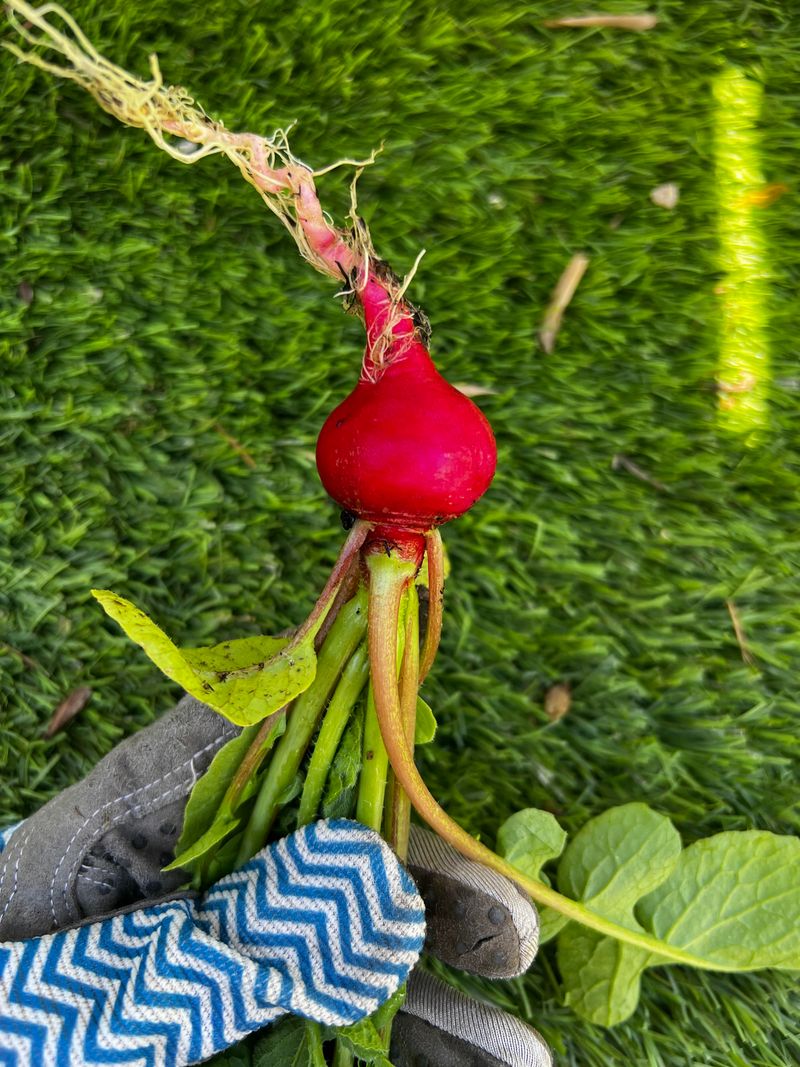
Two hidden culprits can stretch your radish timeline without you even noticing: the fertilizer bag and the seed packet you grabbed. Both are easy to fix once you know what to look for.
Start with nitrogen. This nutrient helps plants grow leaves, which sounds great until you realize radishes are grown for their roots.
Heavy nitrogen fertilizer pushes big leafy tops while slowing root formation, so you get plenty of greens and a disappointing harvest.
For radish beds, go easy. Skip high nitrogen fertilizers, and rely mostly on compost mixed into the soil. If you fertilized a bed heavily for leafy crops like lettuce, consider planting radishes somewhere else.
Variety matters just as much. Not every radish is built for speed. Daikon and other winter radishes naturally take two months or more to mature, because they grow large, long roots meant for storage and cooking.
Always check the seed packet for the expected days to maturity. When you want a quick crop, choose round or small types like Cherry Belle or French Breakfast, which often mature in about three to four weeks under good conditions.
Save winter radishes for when you can give them extra time. Matching the variety to the season helps North Carolina gardeners set realistic goals. Quick types fit nicely into short spring and early fall windows.
Daikon shines with a late summer sowing, growing slowly through the cool months, and some gardeners even use it as a cover crop to loosen heavy clay. With the right pick, the wait feels well worth it.