Acorns Are Raining Down In Virginia. Here’s What A Big Acorn Year Means For Your Yard
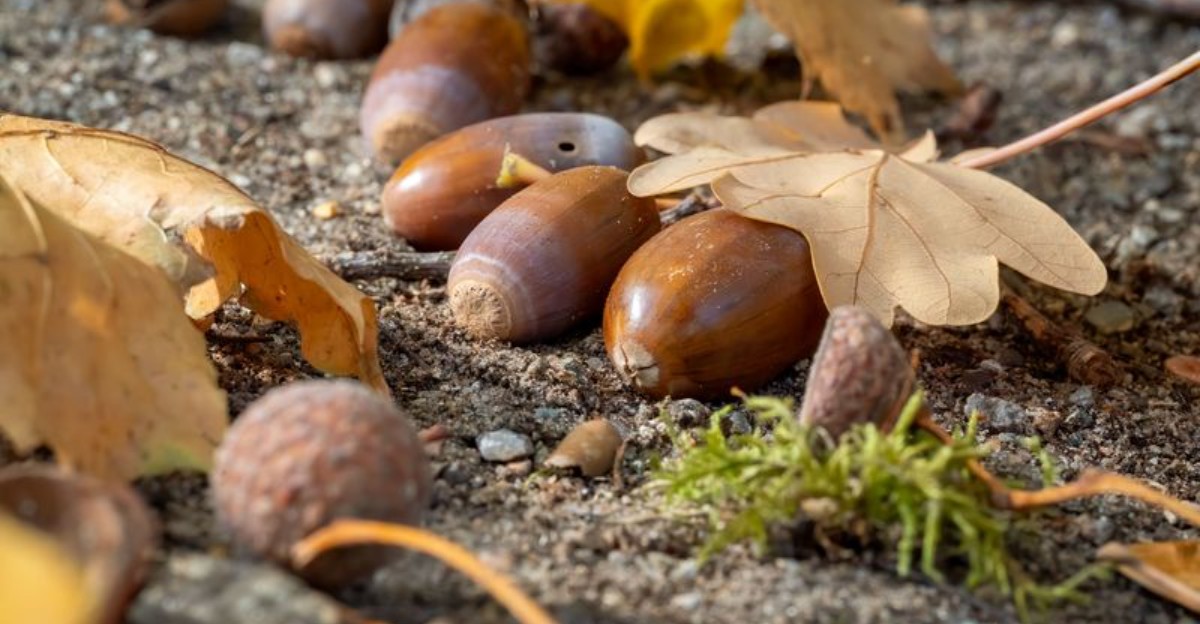
A single big oak can drop thousands of acorns in a good year. Step onto your deck right now, and it might feel like every one of them landed there.
Oak trees across Virginia are having a solid year, and yards are paying the price in rolling, crunching nuts. Driveways feel like marble floors, and the patch near the steps has turned slippery.
All those acorns do more than make a mess. They change which animals show up, what your dog sniffs out, and even what sprouts in your grass next spring.
Some effects are fun to watch, while others are worth a little planning. A few ripple out for a year or two after the last acorn falls.
Find out what all those little brown nuts really mean for your yard, and how to stay one step ahead.
This Year’s Oak Crop Is Strong Across Virginia
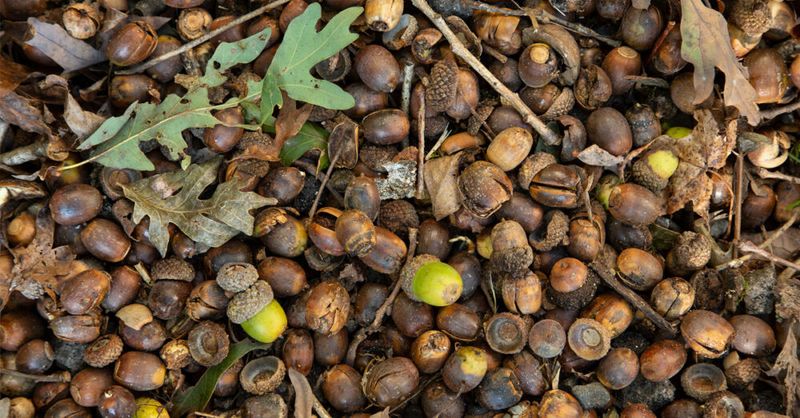
Ask any Virginia homeowner with an oak nearby, and you will hear the same story. The ground is covered, and the acorns keep coming.
State wildlife reports rate this year’s white oak crop about average, after a very good showing in 2025. That’s still a solid step up from the lean crops of 2023 and 2024.
Red oaks are a different tale, with many areas reporting almost no acorns at all. Even so, biologists still call this season solid overall, thanks to the white oaks.
Here is the twist many people miss. Acorn crops can vary a lot from one county, or even one street, to the next.
Your neighbor might see a modest drop while your yard gets buried. Weather during spring flowering, insect damage, and tree age all play a part.
Oaks also tend to work on a rhythm. Many species produce huge crops every few years, with quieter seasons in between.
Scientists call these heavy years mast years. One idea is that oaks flood the ground so animals cannot eat every single seed.
Want to know which oaks you have? Check the leaves, since white oaks have rounded lobes and red oaks have pointed tips.
Knowing your tree type helps you predict next year. White oak acorns mature in one season, while red oak acorns take about two seasons.
Keep a simple notebook or phone note about your crop each fall. After a few years, you will start spotting your own trees’ patterns and planning cleanup better.
Squirrels Are Busy Stashing Winter Supplies
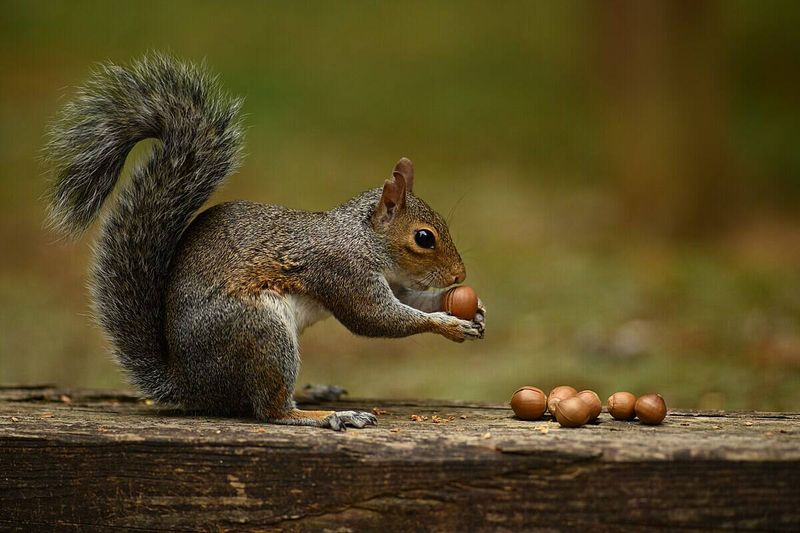
Picture a tiny gray accountant with a fluffy tail. Every acorn gets counted, carried, and tucked away for later.
Squirrels do not hibernate, so winter food storage matters a great deal. A big acorn year turns your lawn into their busiest workplace.
A single squirrel can bury thousands of nuts in one season. They dig small holes, drop in an acorn, and pat the soil back down.
Here is a clever detail. Squirrels can tell white oak acorns from red oak acorns, and they treat them differently.
White oak acorns sprout quickly, so squirrels often eat them right away. Red oak acorns are more bitter and keep longer, making them better for storage.
Your Virginia Garden Changes Every Week. Your Plan Should Too.
Gardening in Virginia changes quickly throughout the season. Every Friday you’ll receive a simple weekly plan showing exactly what to plant, prune, fertilize, harvest, and protect so you never miss the right timing.
Some squirrels even nip the tip off a white oak acorn. That trick can slow sprouting and help it last in the stash.
Of course, squirrels forget plenty of their hiding spots. Those lost acorns help plant new oak forests across the state every year.
For your yard, expect small holes in flower beds and lawns. Potted plants and freshly turned soil are favorite digging targets.
Try laying chicken wire or a layer of gravel over bulb beds. It lets plants grow but keeps busy paws from digging deep.
Enjoy the show while it lasts. Watching a squirrel bury, check, and rebury an acorn is free entertainment on a crisp fall morning.
Deer And Turkeys Will Visit More Often
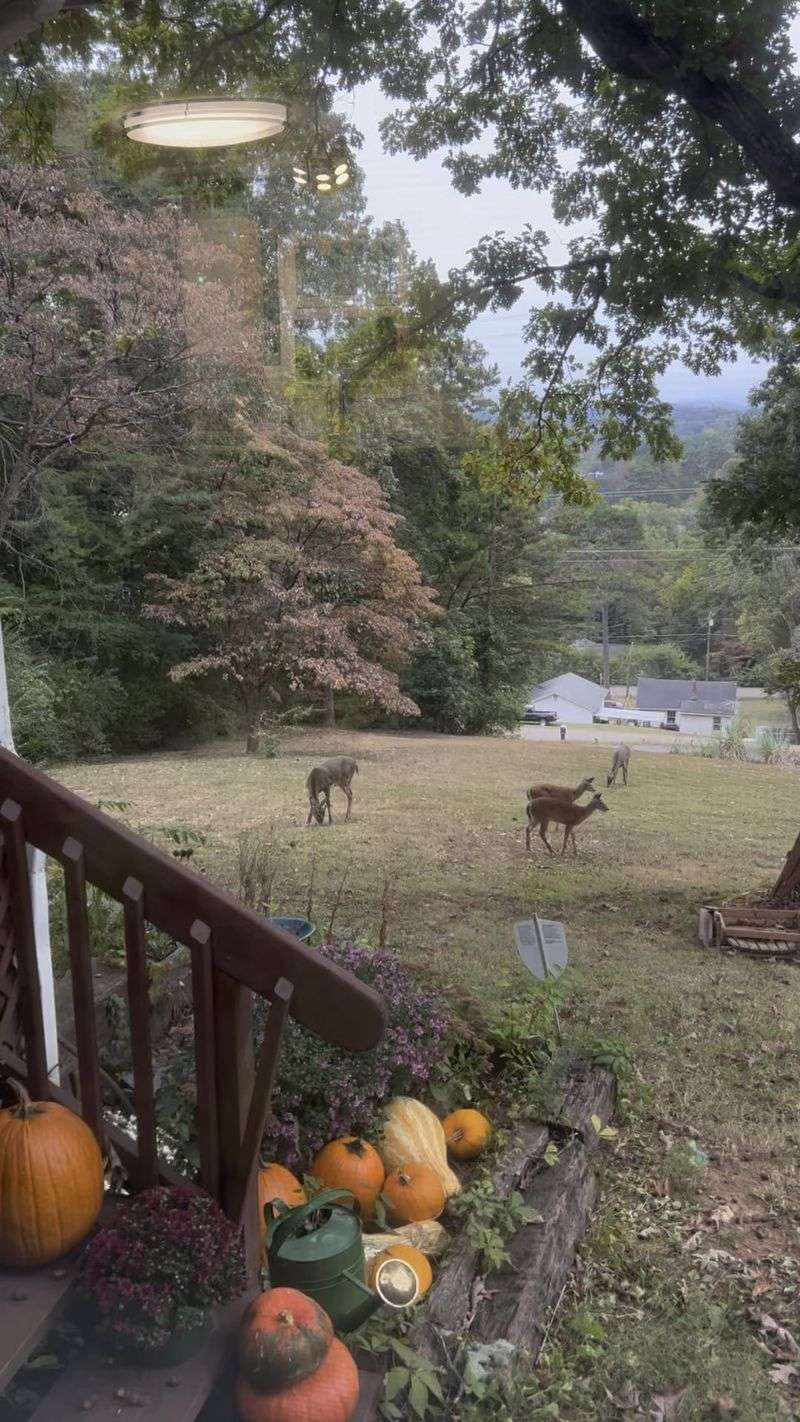
Early morning, a soft crunch near the tree line. Look closely, and you might spot a doe nibbling acorns beside a strutting turkey.
Acorns rank among the top fall and winter foods for white-tailed deer and wild turkeys. They pack fat and energy that help animals get through cold months.
Deer have favorites, and white oak acorns win most of the time. Those nuts have fewer tannins, which gives them a milder, sweeter taste.
During heavy crop years, deer may shift their home areas to include rich feeding spots. A yard with big oaks can easily become one of them.
Turkeys join the party too. Flocks scratch through leaves, gobbling acorns and bugs as they move along.
Here is a funny twist hunters often notice. When acorns are everywhere, deer and turkeys may stay hidden in the woods more.
With plenty of food under the trees, they do not need to travel to open fields. So some hunters see fewer animals in big acorn years.
For homeowners, more visits can mean nibbled shrubs and trampled flower beds. Hostas, azaleas, and young fruit trees often catch a hungry deer’s eye.
Consider wrapping young trees with mesh guards before winter. Motion-activated sprinklers can also gently send visitors on their way.
If you enjoy wildlife, keep a camera by the window. Dawn and dusk are the best times to catch a glimpse.
More Acorns Can Mean More Mice
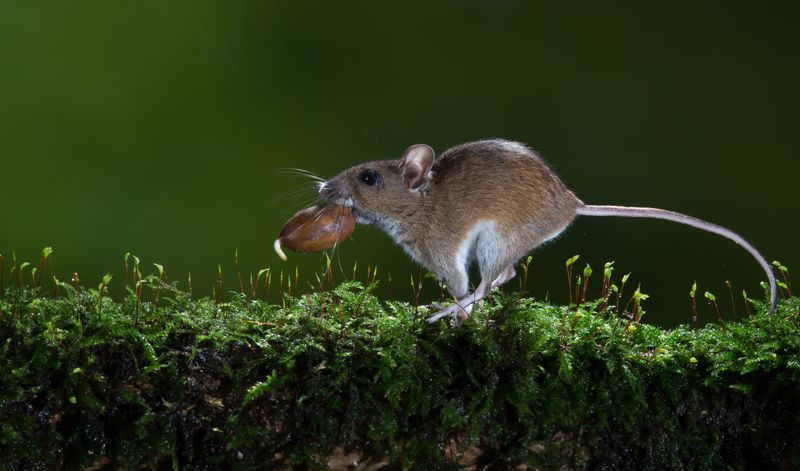
Tiny feet, big appetites. White-footed mice may be small, but a mast year gives them a feast fit for royalty.
These mice rely heavily on acorns for food. Their numbers rise and fall with the yearly oak crop.
When nuts are plentiful, more mice survive the winter. Well-fed females raise healthier litters and sometimes breed during colder months too.
Fun fact: mice gnaw acorns for more than a meal. Their front teeth never stop growing, so chewing keeps them trimmed.
All that extra food means a bigger mouse crowd by spring. Some of those critters will go searching for warm shelter as temperatures drop.
Many Virginia homes see mice slipping into garages, sheds, and basements in fall. A gap as small as a dime can let one squeeze inside.
Walk around your house and check for openings near pipes and vents. Steel wool and caulk work well to seal small holes.
Store birdseed, grass seed, and pet food in metal or thick plastic bins. Cardboard bags are an open invitation for hungry rodents.
Keep firewood stacked away from your walls and off the ground. Mice love cozy woodpiles placed right next to a warm house.
Spotting droppings or chewed boxes is an early warning sign. Acting quickly can keep a few visitors from becoming a winter-long problem.
Mice Booms Can Lead To More Ticks Later
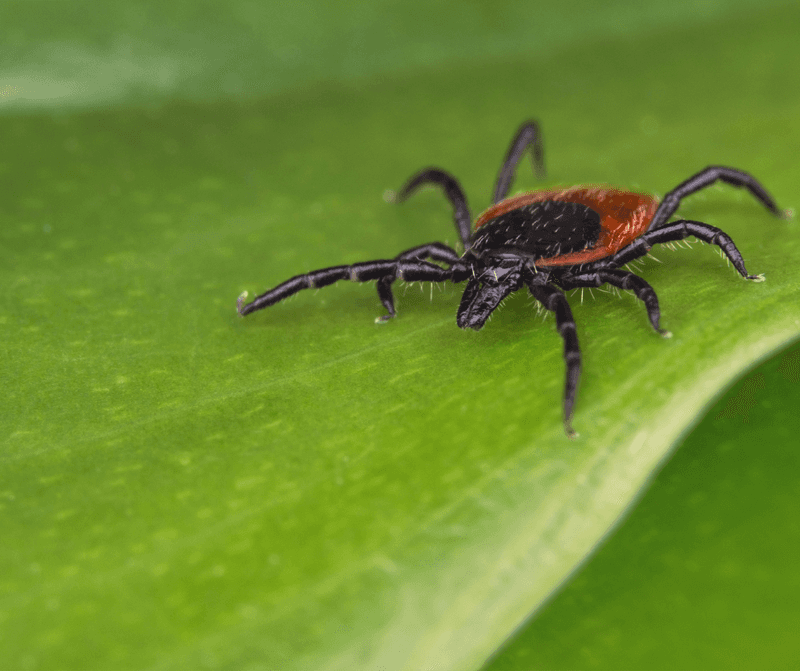
Think of an acorn crop as the first domino in a long chain. The last domino might be a tick on your ankle two summers from now.
Lyme disease is the most common tick-borne illness in Virginia. It spreads through the black-legged tick, often called the deer tick.
White-footed mice carry the bacteria behind Lyme disease very well. They pass it to young ticks that feed on them.
More acorns lead to more mice, and more mice feed more baby ticks. Those infected larvae grow into nymphs one to two years later.
Nymphs are the real troublemakers. They are about the size of a poppy seed, so they are easy to miss on skin.
Researchers have tracked this pattern for years. Big acorn crops often predict higher Lyme risk down the road.
Tick numbers are also growing across the Mid-Atlantic. Warm, wet weather and more host animals help them spread.
Plan ahead now instead of waiting. Keep grass short and create a wood chip border between lawn and woods.
After yard work or hikes, check yourself, kids, and pets. Pay close attention to hairlines, behind knees, and around waistbands.
Treating clothing with permethrin can add extra protection. Ask your vet about tick prevention for dogs and outdoor cats too.
A quick shower after outdoor time also helps. It can wash away ticks before they settle in.
Acorns Can Make Dogs Sick

Your dog sees a yard full of crunchy little toys. Sadly, those toys can lead to an upset belly or worse.
Acorns contain natural compounds called tannins. Tannins can irritate a dog’s stomach and gut.
Common signs include vomiting, diarrhea, and a lack of appetite. Sometimes the diarrhea may even contain blood.
Eating a large number of acorns can cause more serious trouble. Liver or kidney damage is possible in rare, severe cases.
The shape is a problem too. Hard, round acorns can become choking hazards for curious pups.
They may also get stuck in the intestines, especially in small breeds. Some blockages require surgery to fix.
Puppies and big chewers face the highest risk. They tend to grab first and think later.
Teach a firm leave it command before peak acorn season. Reward your dog with a tasty treat each time it listens.
Walk your dog on a leash under oak trees for a few weeks. Swap acorns for a sturdy chew toy during yard time.
Rake the spots where your pet plays most often. Even a small cleared zone can make a big difference.
If your dog eats acorns, call your vet right away. Quick action gives your furry friend the best chance at a smooth recovery.
Mowing Over Them Can Turn Them Into Projectiles
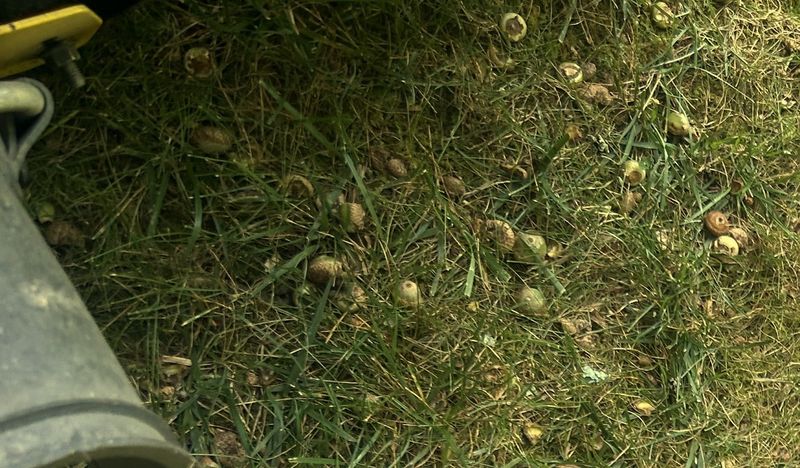
Thwack! That sharp crack from under your mower is not a happy sound.
It is an acorn shooting out at surprising speed.
Many people assume mowers chop acorns like leaves. In truth, their hard shells resist shredding much better than you might think.
Spinning blades can launch acorns across the yard like tiny baseballs. They can hit people, pets, windows, or car doors nearby.
The person mowing faces risk too. Acorns can bounce back toward ankles, legs, or even faces.
Mower blades take a beating as well. Hard nuts can dull edges quickly or cause dents and chips.
A dull blade tears grass instead of cutting it cleanly. Torn tips turn brown and invite lawn disease.
Before mowing, sweep or rake the heaviest acorn patches. A leaf blower can also push them into piles for easier pickup.
Wear safety glasses, long pants, and closed shoes while mowing under oaks. Keep kids and pets inside until the job is finished.
Point the discharge chute away from windows, cars, and sidewalks. Small choices like that lower the odds of costly damage.
After the season, check your blade for nicks. A quick sharpening keeps your lawn looking neat and your mower running smoothly.
Patios and walkways need attention too. Piles of acorns there can roll underfoot like marbles.
Expect Oak Seedlings In Your Lawn Next Spring
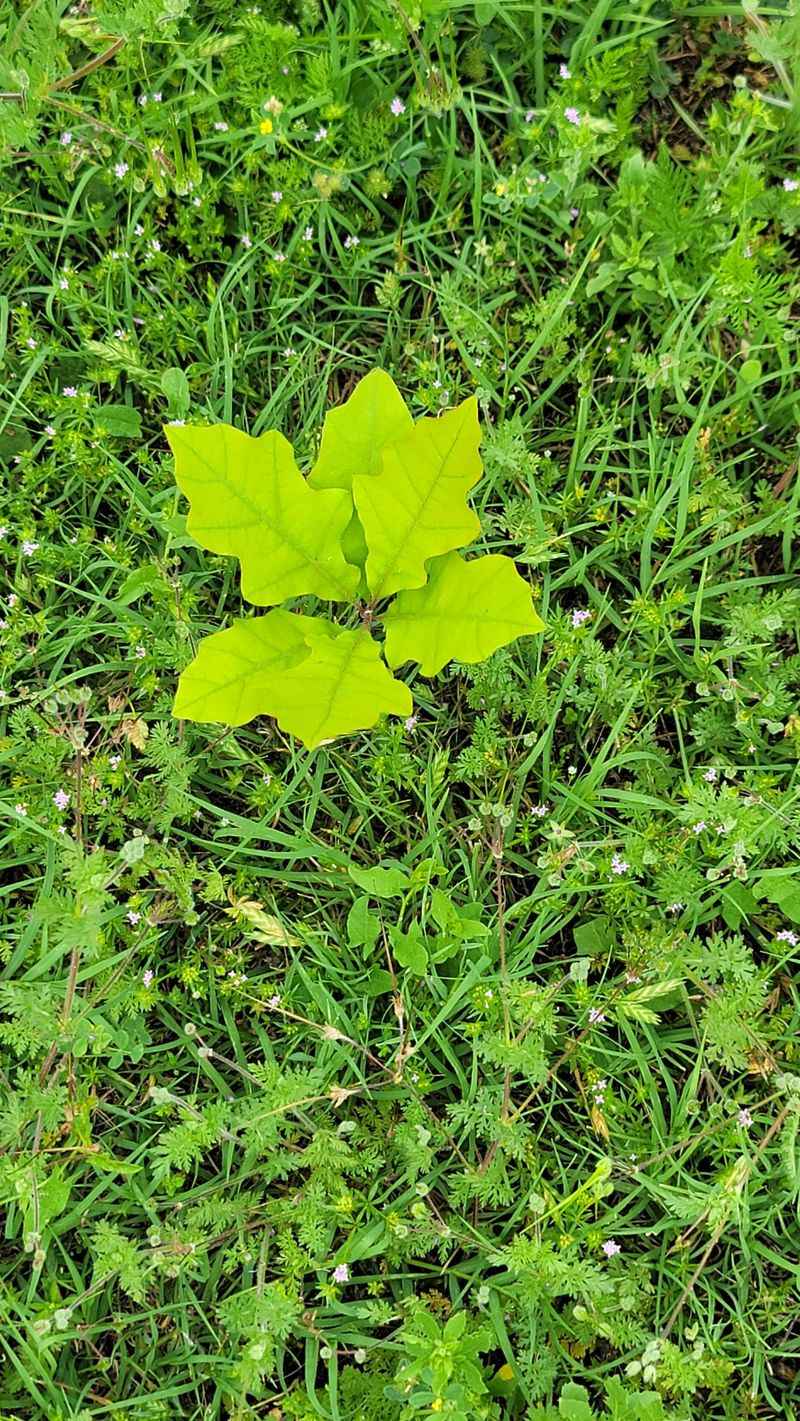
Come April, you may spot tiny leaves poking through your grass. Look closer, and you will find baby oak trees.
Every acorn is a seed with big dreams. Left alone, many will sprout right where they landed.
White oak acorns move fast. They often send down a root in fall, then push up leaves the next spring.
Red oak acorns prefer to wait. They need a cold winter rest before sprouting in spring.
After a mast year, the number of sprouts can be impressive. Lawns, flower beds, and gutters may all host little oaks.
These are not weeds in the usual sense. They are true young trees that could grow tall for centuries.
Here is a handy tip. Pull seedlings while they are small and the soil is moist after rain.
Grip near the base and tug gently to lift the root. Older seedlings grow deep taproots, so early removal is much easier.
Regular mowing also keeps lawn sprouts in check. Repeated cutting wears them down until they fade away.
Want a free tree instead? Pot up a healthy seedling and plant it in a sunny, open spot.
Native oaks support hundreds of insect species and many songbirds. Sharing extras with neighbors or local schools is a lovely way to spread that benefit.
Raking Them Up Saves You Trouble
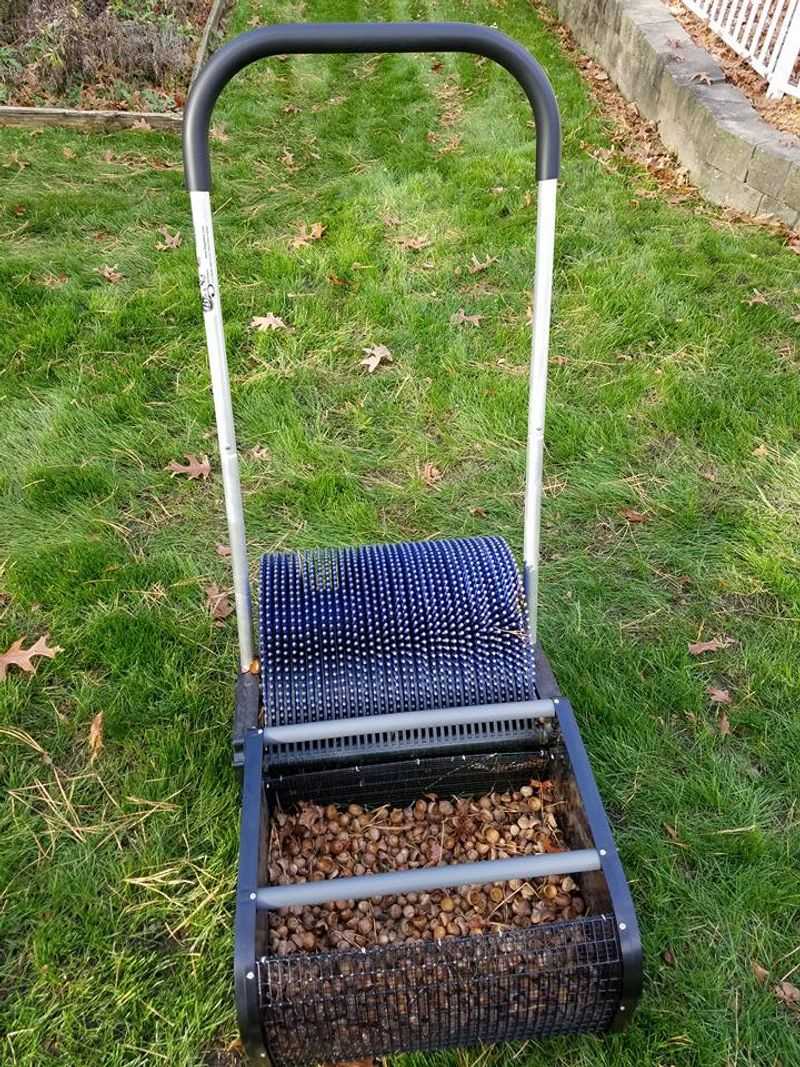
Nobody dreams about raking acorns on a Saturday. Still, a little effort now can spare you plenty of headaches later.
Thick layers of acorns turn sidewalks and driveways into rolling hazards. Clearing them helps family and guests stay steady on their feet.
Your lawn will thank you too. Heavy piles block sunlight and air, leaving bald or thin spots behind.
Raking also cuts down on spring seedlings. Fewer acorns on the ground means fewer baby oaks to pull.
Less food lying around can mean fewer critters hanging out. Squirrels, mice, and deer visit less when the buffet shrinks.
Want an easier way? Try a rolling nut gatherer, which scoops acorns as you push it like a small mower.
A sturdy leaf rake and a wide dustpan work well on hard surfaces. Some lawn sweepers can grab acorns and leaves together.
Tackle the job a few times each week during peak drop. Smaller loads are faster and gentler on your back.
So what should you do with the pile? Some Virginia nature centers and wildlife rehabbers welcome clean acorn donations.
Crafters use them for wreaths and fall decorations. You can also add a few to your compost, though they break down slowly.
A tidy yard looks great and stays safer. You will enjoy those golden fall days much more.