New York Has Too Many Deer, And Your Shrubs Are Paying The Price This Winter
Your arborvitae looked perfect in October. Now it looks like someone gave it a bad haircut from the ground up.
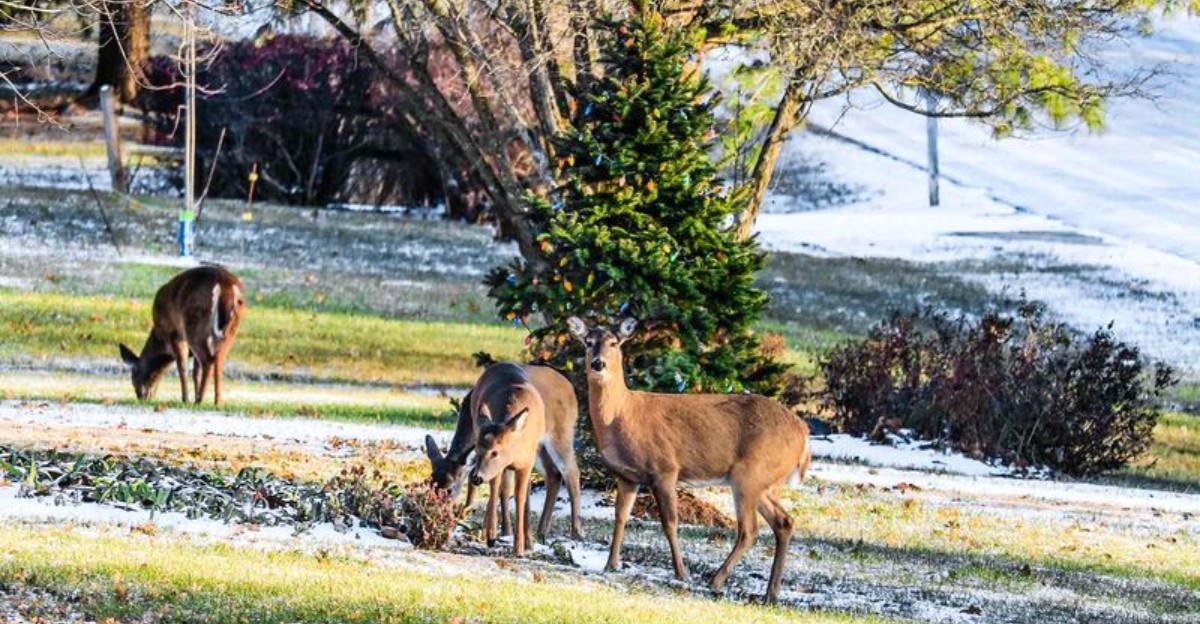
Hungry deer are wandering into yards across New York and treating shrubs like an all-you-can-eat buffet. With snow burying their usual meals, your evergreens suddenly look delicious.
Deer numbers in many areas are higher than the land can easily support. That means more mouths and more pressure on gardens from Long Island to the Hudson Valley.
The damage adds up fast, from bare branches and chewed tips to scraped trunks. By spring, some shrubs may barely look like themselves.
You have real options to fight back, from cheap quick fixes to longer-term solutions. Your shrubs deserve a fighting chance this winter.
Winter Leaves Deer With Few Other Options
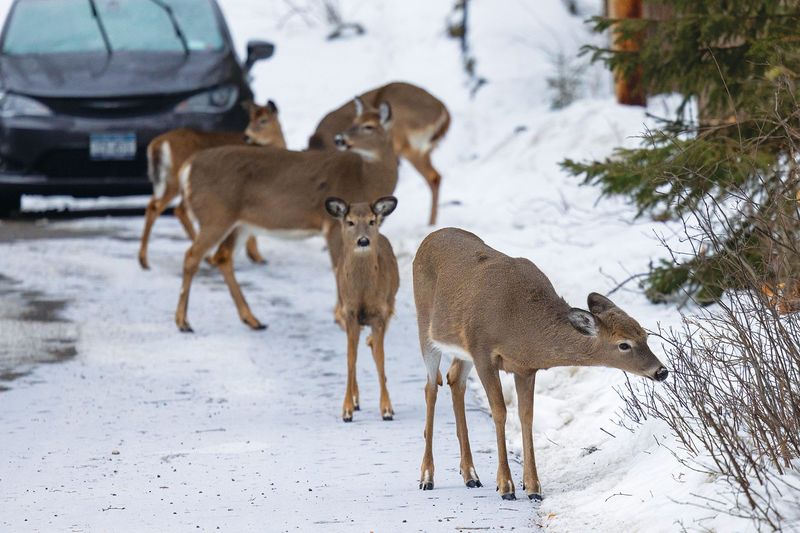
Picture a deer in January, standing in knee-deep snow with an empty stomach. Grass, clover, and acorns are buried, so the menu shrinks fast.
Deer switch to woody browse once the cold settles in. They eat twigs, buds, and evergreen needles because little else is available.
Staying warm also burns a huge number of calories. A shivering deer needs steady fuel just to get through a frosty night.
The New York State Department of Environmental Conservation lists favorite winter foods for deer. Cedar, sassafras, wintergreen, and maples all appear high on that list.
Deep snow brings another big change in behavior. Deer gather in sheltered spots called yarding areas to save energy.
Thick conifer stands make classic yards in the wild. Sadly, quiet suburban neighborhoods can offer the same shelter and plenty of tasty snacks.
Your yard may look like a cozy hotel to a herd. Tall hedges block the wind, and foundation plantings offer food right outside the door.
Plants deer ignore in summer can suddenly become targets. Hunger changes their habits, so even so-called safe shrubs face risk.
Here is a smart move for late fall. Walk your property and note which shrubs sit along deer paths or near woods.
Those plants usually get hit first once snow arrives. Protecting them early saves you from scrambling after the damage is done.
Watching the weather helps too. Big storms often trigger heavy browsing within a few days, so act before the flakes fly.
Arborvitae And Yews Are At The Top Of Their Menu
Ask any gardener in Westchester County about arborvitae, and you might hear a sigh. Deer treat these tidy evergreens like candy bars.
Arborvitae, also called northern white cedar, ranks among the top winter foods for deer. Its soft, flat needles are easy to chew and packed with nutrients.
Yews rank right up there too. Deer seem to crave them, even though yews are toxic to many other animals and people.
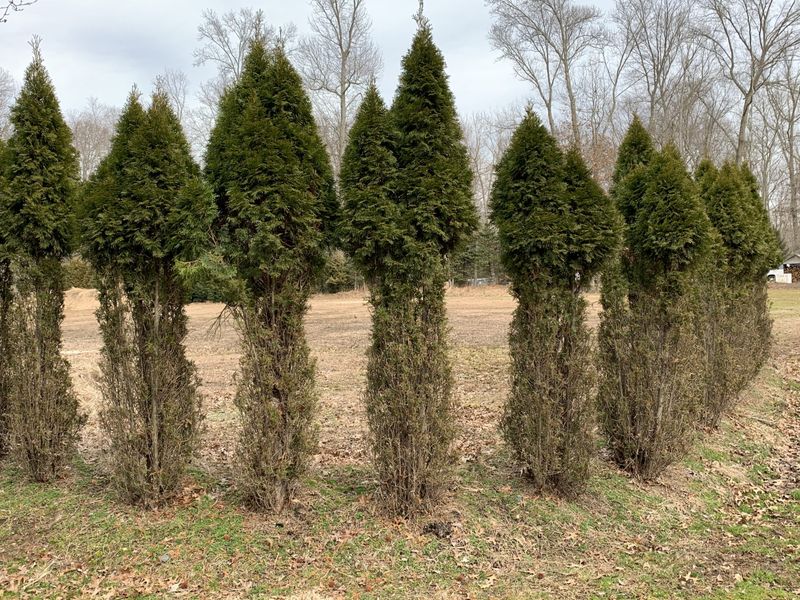
A telltale pattern shows up after a hard winter. Shrubs end up bare from the ground to about six feet high.
Gardeners call this the deer line. Everything a deer can reach gets eaten, while the top stays green and full.
The look is common in Suffolk County and Westchester County. Both areas have dense deer populations living right next to homes.
Many New York yards rely on arborvitae for privacy screens. Losing the lower half can leave a gap where your neighbor suddenly sees everything.
So what can you do? Start by focusing protection on these two plants before anything else.
Netting, burlap, or fencing should go around them first. Other shrubs can wait if your time or budget is tight.
Planning a new hedge? Think twice before planting a long row of arborvitae in deer country.
Mixing in less tasty evergreens like junipers can spread out the risk. A varied hedge rarely gets wiped out all at once.
Fun fact: arborvitae means tree of life in Latin. Deer clearly agree it keeps them alive through winter.
Torn, Ragged Branch Tips Point To Deer Damage
Something chewed your shrubs overnight, but who did it? A little detective work can solve the mystery in minutes.
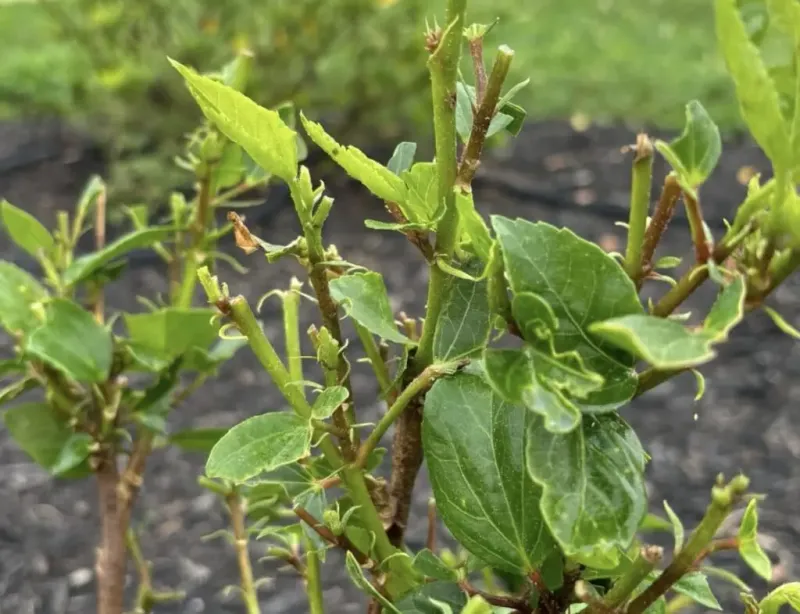
Look closely at the branch tips first. Deer have no upper front teeth, so they cannot make clean bites.
Instead, they grab and pull. That leaves ragged, shredded ends on stems and leaves, almost like torn paper.
Rabbits leave a very different mark. Their sharp teeth create neat, angled cuts that look snipped with scissors.
Height offers another strong clue. Deer usually browse between one and six feet off the ground.
Rabbit damage tends to stay low, often under two feet. Snow can raise rabbits higher, though, so check other signs as well.
Hoof prints are easy to spot in snow or soft soil. Deer tracks look like split hearts pointing in the direction of travel.
Droppings help confirm your suspect. Deer leave piles of small, oval pellets, often near the plants they visited.
Bark damage tells its own story. Shredded bark on young trunks often means a buck rubbed his antlers there.
Try this simple habit during winter. Take a quick walk around your yard after fresh snowfall.
Tracks show exactly where deer enter and leave your property. Knowing their path helps you place fences or repellents where they matter most.
Snapping a few phone photos is handy too. Comparing pictures week to week shows whether your defenses are working.
A Tall Fence Is Still The Most Reliable Fix
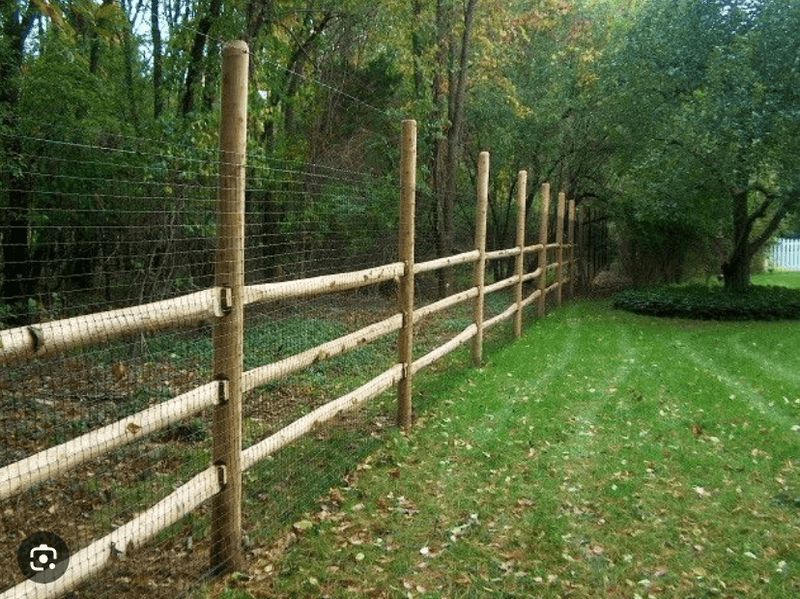
Sprays, gadgets, and old wives’ tales come and go. A tall fence keeps doing its job year after year.
Experts widely recommend an eight-foot fence for reliably keeping deer out. Anything shorter may become a hurdle rather than a wall.
Deer are amazing athletes. Most can clear eight feet when motivated.
Their weakness is depth perception. Deer hesitate to jump when they cannot see a safe place to land.
Yards packed with trees or shrubs may get by with six to eight feet. Open lawns usually need the full height.
A double fence is a clever option. Two four-foot fences spaced three to four feet apart confuse deer about the distance.
Some homeowners try a ha-ha fence. It pairs a shorter fence with a dip in the ground that throws off a deer’s judgment.
Material choice matters for your budget. Woven wire can last 20 to 30 years, which makes it a long-term investment.
Polypropylene mesh costs less and nearly disappears from view. It wears out sooner, especially where snow piles against it.
Check local rules before you buy anything. Many New York towns require permits for fences taller than six feet.
A quick call to your town building office can save headaches. Ask about height limits, setbacks, and any neighborhood association rules.
Fencing only part of your yard can work well. Enclose your most prized plants and let the rest fend for themselves.
Burlap Wraps Shield Evergreens Through The Coldest Months
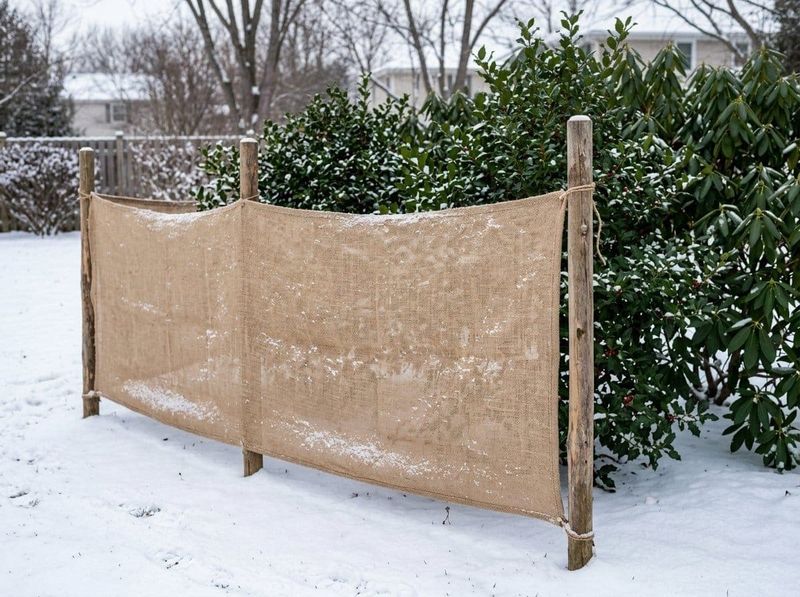
Walk through almost any older neighborhood in winter, and you will spot shrubs dressed in brown burlap. It may look odd, but those plants are smiling underneath.
Burlap creates a physical wall between deer and your evergreens. A deer cannot nibble what it cannot reach.
The benefits go beyond deer. Burlap also blocks harsh wind, frost, ice buildup, and winter sunscald.
Heavy snow can bend or snap branches. A snug burlap screen helps keep limbs from splaying apart under the weight.
Setting it up is fairly simple. Pound wooden stakes into the ground around the shrub before the soil freezes.
Drape the burlap over the stakes, not right on the plant. Leave a few inches of space so air can move freely.
A double layer gives better protection. Run it all the way down to the ground so deer cannot sneak under.
Burlap breathes, which is a big plus. Some light and moisture still reach the plant, unlike plastic wrap.
Timing makes a difference. Install wraps in late fall, before the first hard freeze arrives in your part of New York.
Take them off in spring once severe cold has passed. Leaving them on too long can trap heat as days warm.
Natural burlap is eco-friendly and cheap. Store it dry over summer, and you can often reuse it next season.
Repellents Work Best When You Switch Them Up
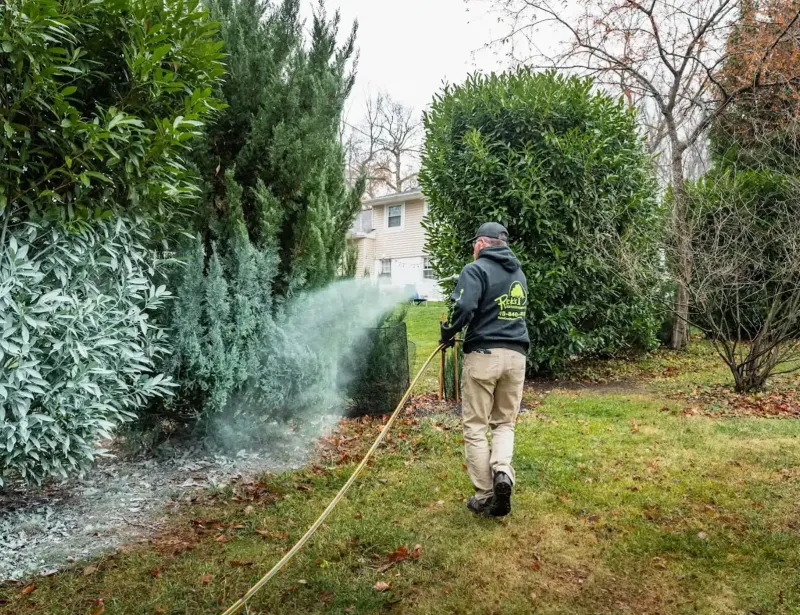
Deer are smarter than most people think. Spray the same product all winter, and they may shrug it off by February.
Animals get used to a single smell or taste over time. Experts call this habituation, and it ruins many good plans.
The fix is rotation. Switch between taste-based, scent-based, and contact repellents every few weeks.
Common ingredients include rotten egg solids, hot pepper, garlic, and fish meal. Some products use plant oils like lemongrass instead.
Many of these mimic signs of danger, like a nearby predator. Others simply taste awful, so deer move on to easier snacks.
Reapplication keeps the shield strong. Most products need a fresh coat every two to four weeks.
Heavy rain or snow can wash protection away quickly. Plan to spray again after big storms roll through.
Spring brings fast new growth. Those tender shoots have no repellent on them, so spray more often then.
Start before you see damage, not after. Deer that already found a tasty shrub are harder to discourage.
Use most repellents on ornamental plants only. The flavor or odor could linger on vegetables and fruit you plan to eat.
A handy trick is keeping a simple calendar. Write down which product you used and when, then pick a different type next time.
Spray on a dry day above freezing when possible. Many formulas stick better and last longer under those conditions.
Bucks Can Still Shred Young Tree Trunks
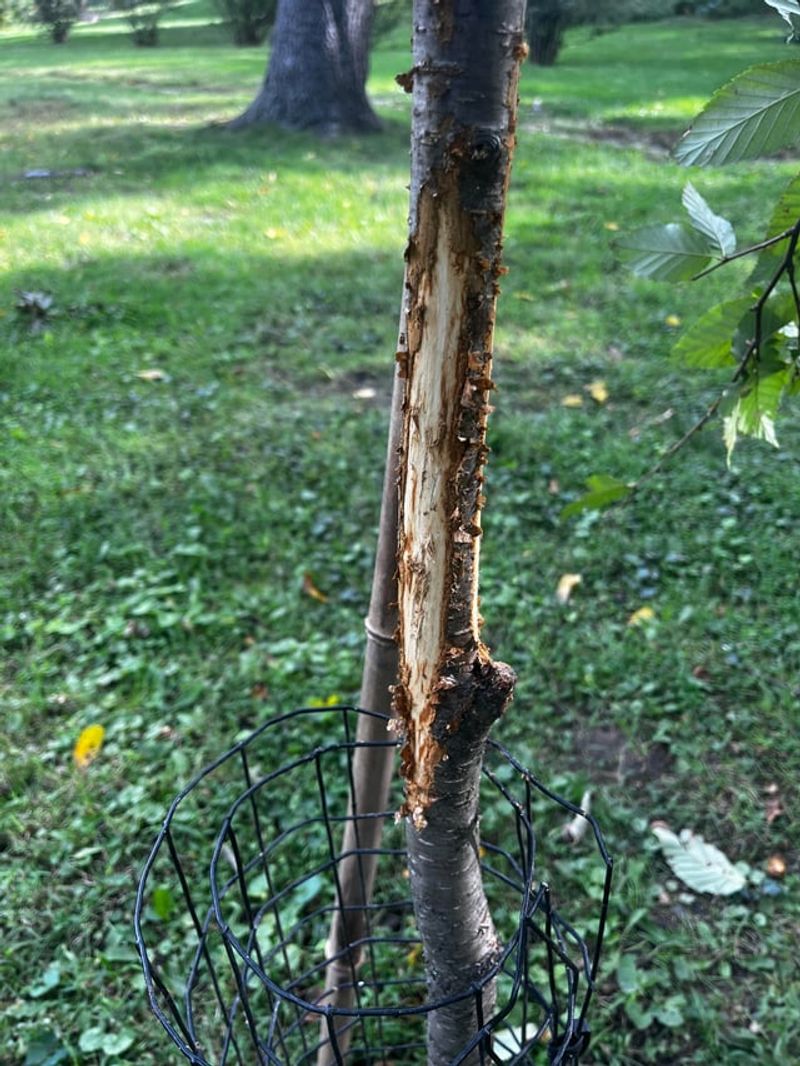
One morning, your young maple has long scrapes running up its trunk. No, it was not a vandal with a knife.
Male deer, called bucks, cause damage known as buck rub. They scrape their antlers against small trees.
Rubbing peaks during the mating season, called the rut. It runs from late summer into early winter.
Bucks rub for two main reasons. They remove velvet from new antlers and mark territory with scent and visible scars.
The damage usually sits between one and five feet high. Bark gets stripped off, leaving vertical gouges and bare wood.
Young trees with thin, smooth bark suffer most. Trunks one to six inches across are a favorite target.
Under the bark lies the cambium layer. It carries water and nutrients, so injury can stunt growth and invite disease.
Things get serious if damage circles the whole trunk. That is called girdling, and the tree may not survive it.
Protection is cheap and easy. Wire cages about four to five feet tall work well around young trees.
Rigid plastic mesh guards are another solid choice. Some gardeners even slit plastic drainage pipe and slip it around the trunk.
Keep any guard loose. Trees need room to grow and air to circulate, or moisture can cause rot.
Check guards each fall before the rut begins. Replace cracked ones, and widen cages as trunks get thicker.
Some Tough Shrubs Deer Usually Leave Alone
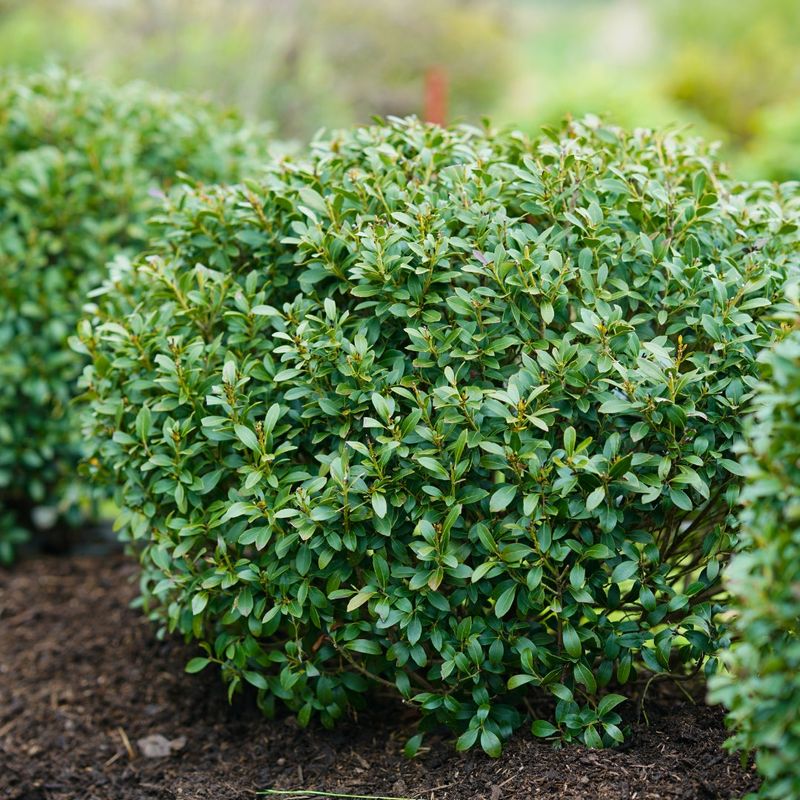
Imagine a garden that deer stroll past without stopping. You can get surprisingly close with the right plant choices.
No shrub is truly deer-proof, so keep expectations realistic. A starving deer in February will taste nearly anything.
Still, deer show clear preferences. They tend to skip plants with strong scents, fuzzy or rough leaves, thorns, or bitter flavors.
Boxwood is a classic choice. It contains bitter compounds, and its dense foliage is not much fun to chew.
Junipers have a sharp aroma and prickly needles. Deer usually avoid them, making them great evergreen hedge partners.
Forsythia is a reliable flowering shrub. Its bright yellow spring blooms rarely attract hungry visitors.
Other good picks include spirea, lavender, and Russian sage. Each brings color and texture without ringing the dinner bell.
Native options shine too. Mountain laurel and inkberry holly both handle winters and resist browsing fairly well.
Beautybush and many viburnums round out the list. Some native birches also tend to get passed over.
Placement matters as much as plant choice. Put tougher shrubs along the edges of your garden as a living barrier.
Tender favorites can then sit closer to the house. Deer often turn back before reaching the good stuff.
Ask your local nursery which plants hold up in your town. Deer habits vary a bit from region to region.
Feeding Deer Only Makes The Problem Worse
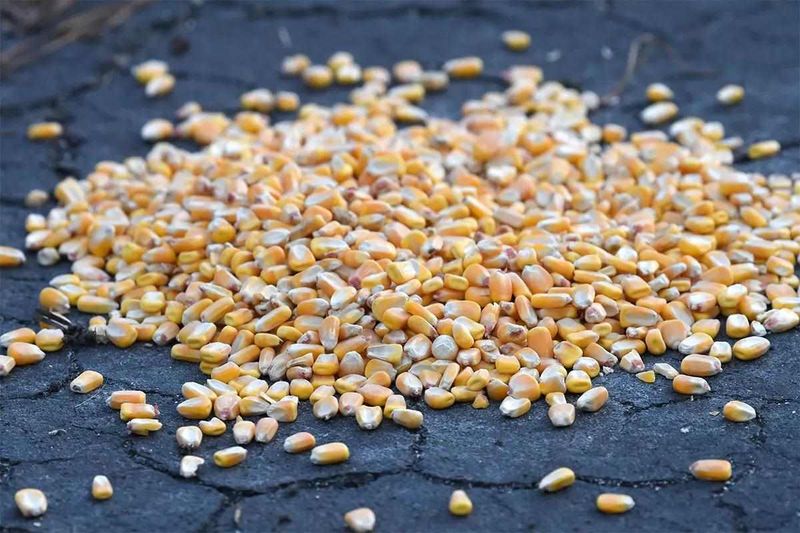
Tossing out corn for skinny-looking deer feels kind. Unfortunately, it often causes far more harm than good.
First, it breaks the law. New York bans intentionally feeding wild deer or moose anywhere in the state.
Salt and mineral licks are off limits too, not just near roads. Bird feeders can count too if you ignore a written warning.
Crowding is a major worry. Feeding draws deer into tight groups where illness spreads quickly.
Chronic Wasting Disease is one serious concern. It moves through herds more easily when animals share food piles.
Deer stomachs are surprisingly delicate. A sudden switch to corn or hay can trigger a condition called acidosis.
Instead of helping, the food can leave deer sick or starving. Their bellies need time to adjust to new diets.
Hand-outs also make deer less afraid of people. Bold deer wander near roads more often, raising the risk of car crashes.
Your shrubs pay the price as well. Feeding spots attract more deer, and they browse everything nearby.
Over time, extra food keeps herds larger than the land can support. Woods and gardens both suffer from that pressure.
Want to help wildlife? Plant native shrubs for birds and keep feeders high and tidy.
Clean up spilled seed regularly. Deer quickly learn that scattered sunflower seeds mean an easy meal.
Damaged Shrubs Can Bounce Back With Spring Care
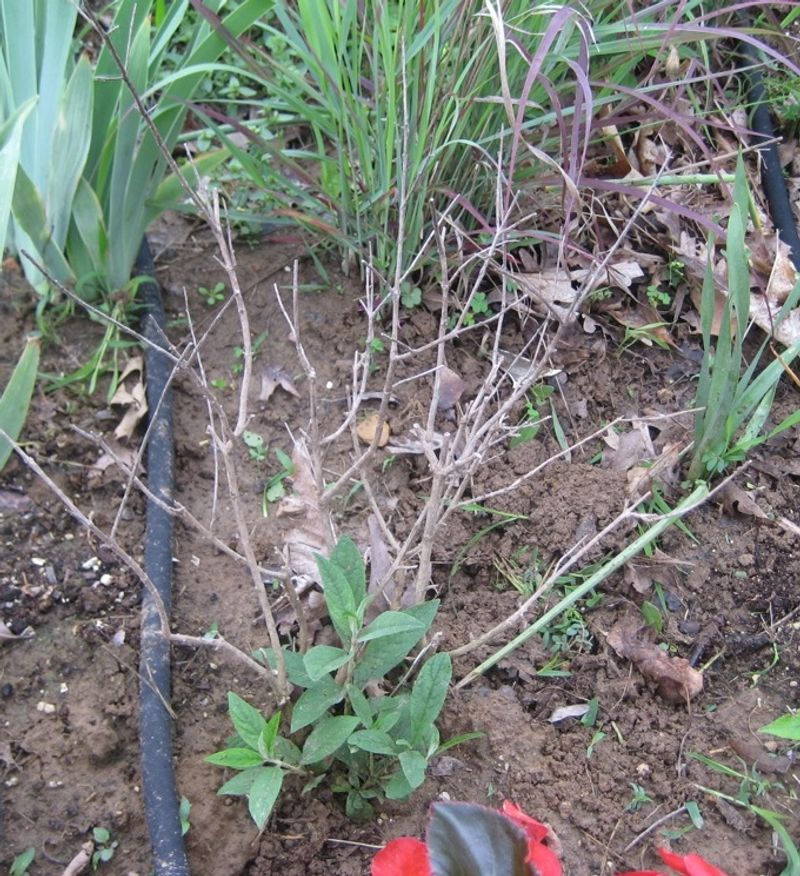
Spring arrives, and your shrubs look rough. Before you grab a shovel to dig them out, give them a chance.
Healthy plants are tougher than they look. Many recover from heavy browsing once warm weather returns.
Deciduous shrubs are especially resilient. They often push out fresh shoots from the base, even after losing lots of growth.
Patience is part of the deal. Getting back to full size can take a few seasons.
Start with careful pruning. Use sharp pruners and cut ragged stems back to the nearest healthy bud or new growth.
Clean cuts heal faster than torn ends. Dull blades crush stems, so sharpen tools before you begin.
Water makes a huge difference. Most shrubs need about an inch per week from rain or a hose.
A spring feeding gives plants extra energy. Choose a fertilizer suited to the type of shrub you have.
Spread a layer of mulch around the base. It holds moisture and keeps roots cooler during summer heat.
Lightly browsed plants usually rebound with ease. Shrubs stripped to bare sticks may struggle, especially some evergreens.
Scratch a twig with your fingernail to check. Green tissue underneath means that branch still has life.
Once plants recover, plan ahead for next winter. Deer will return, so set up defenses before the first snow.