Virginia Now Has 1.38 Million Deer. Here’s How To Protect Your Yard This Winter
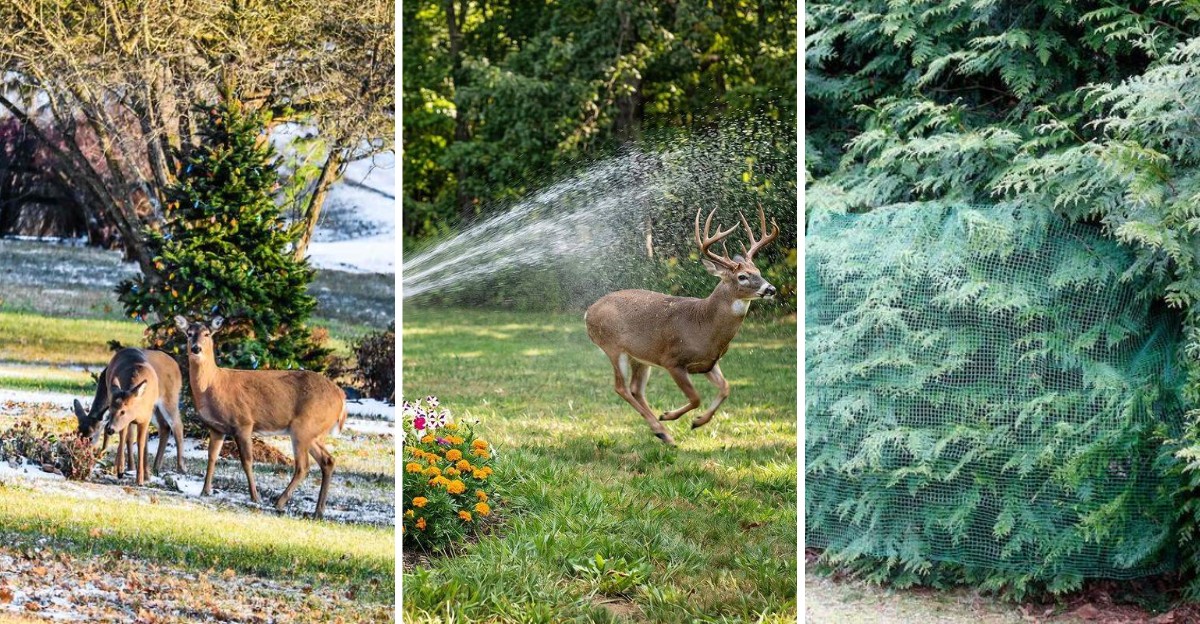
You step outside on a frosty morning and find your favorite shrubs chewed down to bare twigs. Overnight, the neighborhood deer decided your yard was the place to be.
Virginia is home to roughly 1.38 million white-tailed deer, nearly 40% more than 20 years ago. Many of them treat suburban yards like an all-you-can-eat buffet.
Winter makes things worse, as wild food runs low and hungry deer get bolder. Hedges by the porch, tender evergreens, and young tree trunks all become targets.
You have more power to fight back than you might think. A few smart moves can keep your plants green and your landscape looking cared for until spring.
Winter Is When Deer Do The Most Damage
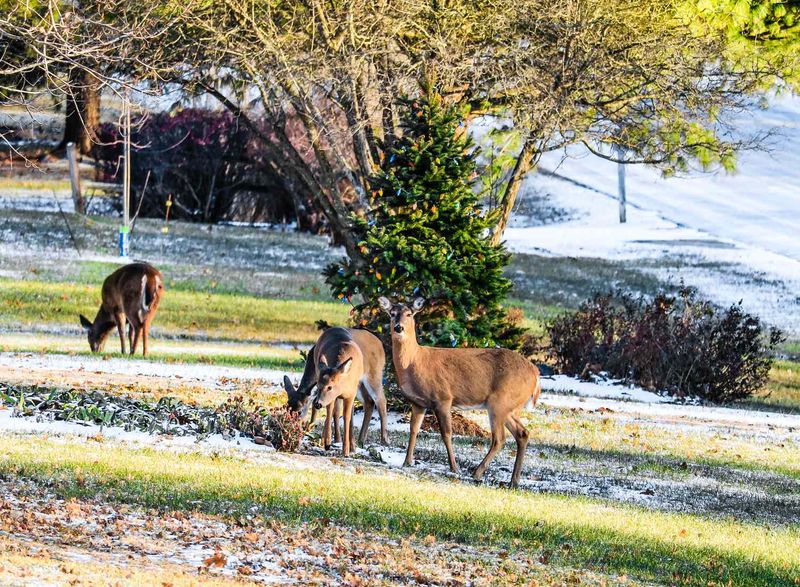
Snow on the ground means slim pickings in the woods. Deer still need fuel, so they wander into yards looking for anything green.
Winter is the hardest season of the year for a deer. Its main goal becomes simple survival, and that goal shapes every move it makes.
Acorns and tender plants get scarce by December in most of Virginia. Your evergreen shrubs suddenly look like the best meal in town.
Hungry deer get less picky as the cold drags on. By late winter, they will even chew plants they usually skip, like boxwoods and junipers, and favorites like rhododendrons get hit even harder.
Gardeners often notice the worst damage between January and March. Branches look torn and ragged, since deer lack upper front teeth for clean bites.
Here is a handy clue for spotting deer damage. Rabbits leave neat, angled cuts, while deer leave rough, shredded ends on twigs.
Height also tells the story pretty clearly. Deer usually feed from about one foot up to six feet off the ground.
Planning ahead makes a huge difference in how your yard looks come spring. Protecting plants in late fall works better than reacting after the first big bite.
Walk your yard in November and list the plants deer love most. Then pick the protection methods in this guide that fit your space and budget.
A little effort now saves a lot of replanting money later. Your spring garden will thank you for thinking ahead this winter.
Arborvitae, Yews, And Hostas Top Their Menu
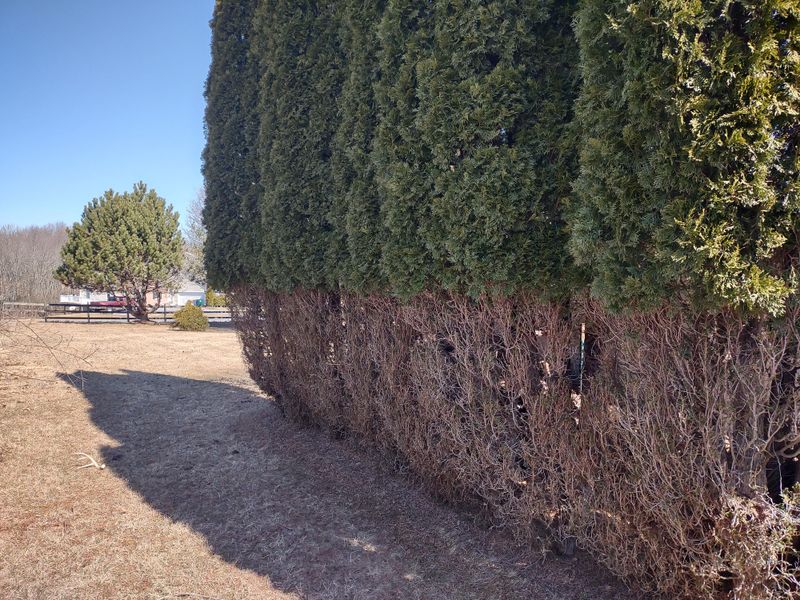
Ever seen an arborvitae hedge that looks like a lollipop? Deer often eat everything they can reach, leaving a bare trunk under a fluffy top.
Gardeners call that pattern a browse line. Once you notice it, you will spot it in neighborhoods all over the state.
American arborvitae ranks near the top of the deer wish list. Its soft, flat needles stay green all winter, which makes it a reliable snack.
Yews are another favorite, even though they are toxic to many animals. Deer seem to handle them just fine and will strip them heavily.
Hostas get hit hard during the growing season. Many homeowners find their lush leaves chewed down to sad little stalks overnight.
Daylilies and roses also land on the menu often. Deer treat rose buds like candy, so blooms can vanish before they open.
So what can you do if these plants already fill your yard? Focus your strongest protection on them first, since they draw the most attention.
Wrap arborvitae and yews with netting or burlap before the cold arrives. Hostas fade back in winter, but they need a repellent plan in spring.
When adding new plants, consider swapping a few favorites for tougher choices. Green Giant arborvitae, a hybrid, tends to see less browsing than the American type.
Fun fact: deer can eat several pounds of plants each day. One small herd can level a hedge row surprisingly fast.
Fences Need To Be Tall To Work
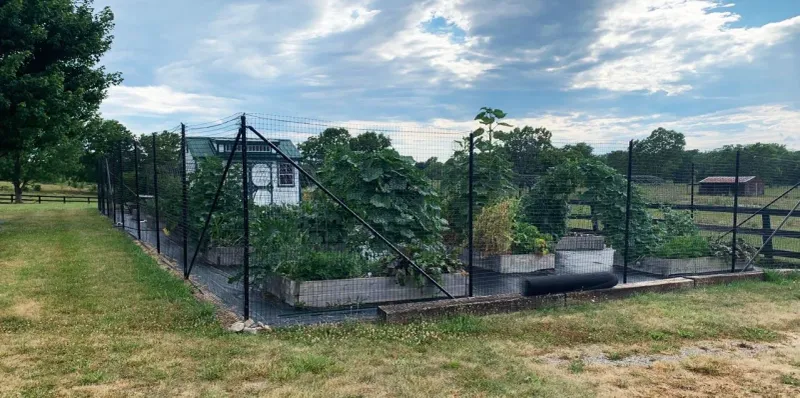
Think a four-foot fence will stop a deer? Sadly, most deer clear that height with barely any effort at all.
White-tailed deer are amazing athletes. They can leap as high as 8.5 feet when they feel motivated enough.
Fencing is still the most effective way to keep deer out of a garden. The trick is building it tall enough to matter.
Experts suggest a height between five and eight feet. Eight feet gives you the best protection, especially in areas with heavy deer traffic.
Not a fan of a giant wall around your yard? Black polypropylene mesh fencing blends into the scenery and costs less than wood or metal.
Another clever option is a double fence. Two shorter fences set about four feet apart confuse deer, since they dislike jumping into tight spaces.
Deer also have poor depth perception. A solid fence they cannot see through often works even at a lower height.
Check your local rules before you build anything. Many Virginia towns and homeowner associations limit fence height in front yards.
Walk the fence line every few weeks during winter. Deer test weak spots, and fallen branches can create sneaky gaps along the bottom.
Tie bright flagging tape to new fencing for the first few weeks. It helps deer notice the barrier so they do not crash into it.
Netting Protects Shrubs Through Winter
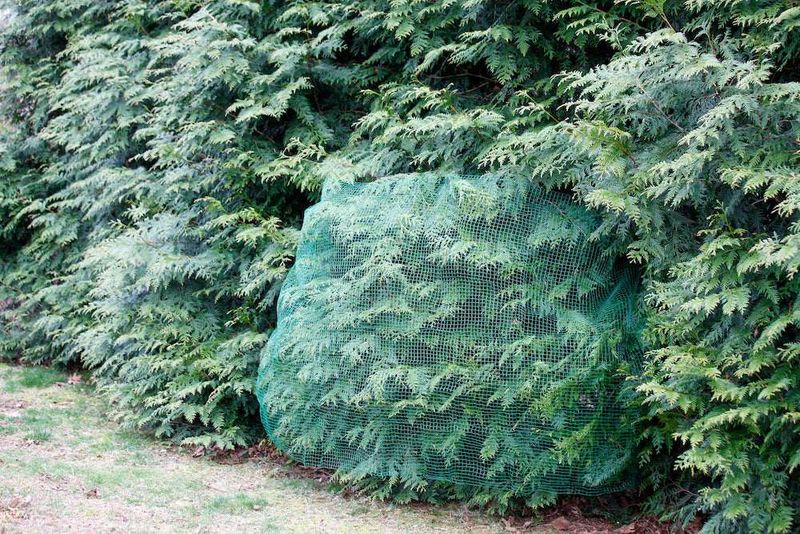
Wrapping shrubs might feel like dressing them in winter coats. Honestly, that is not far from the truth.
Plant netting creates a physical barrier between deer and your favorite greenery. Deer dislike getting their mouths tangled, so they usually move on.
Covers do double duty during cold months. Besides stopping hungry mouths, they shield branches from heavy snow and ice.
Many plant covers are made from breathable non-woven fabric. The material lets sunlight and fresh air reach the plant underneath.
Lightweight black mesh is another popular pick. It nearly disappears from a distance, so your yard still looks neat.
Timing matters a lot here. Install netting in late fall, before deer develop a habit of visiting your shrubs.
Secure the bottom edge with landscape staples or garden pins. Clever deer will push their noses under loose netting to reach tasty branches.
Avoid wrapping too tightly around evergreens. Leave a little room so branches can move and breathe without bending or breaking.
Take the covers off once spring growth begins in your part of the state. Leaving them on too long can trap heat and stress the plant.
Store netting in a labeled bin over summer. Good-quality netting can last several winters, which makes it a smart, budget-friendly choice.
Repellents Work Best When You Rotate Them
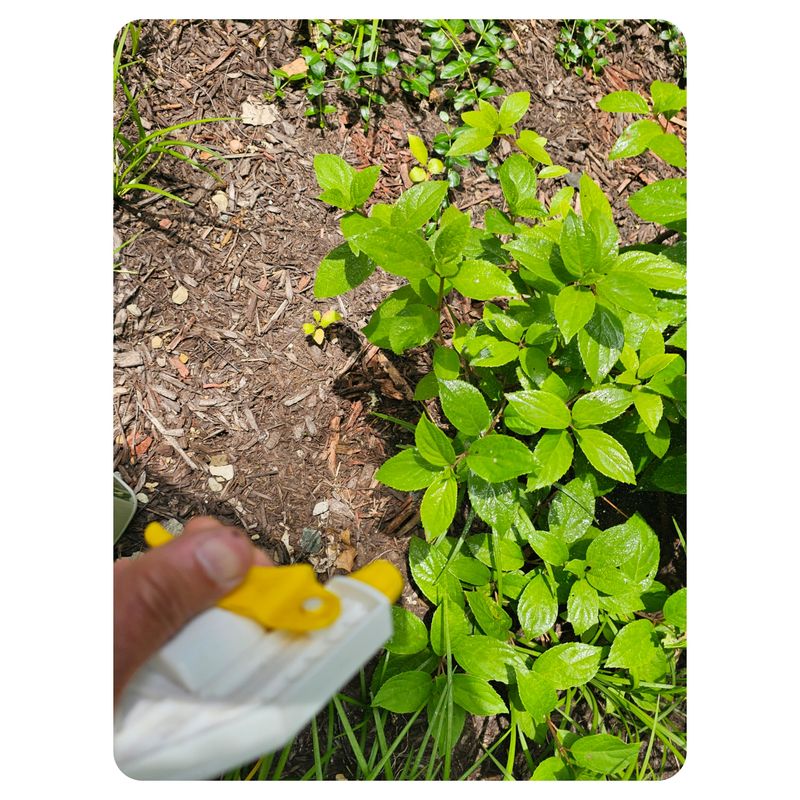
Deer are smarter than they look. Spray the same repellent for months, and they may start ignoring it entirely.
Experts call this habituation. Deer get used to a smell or taste once they learn it causes no real harm.
Rotating your repellents keeps them guessing. Switch between products every month or two for better results.
Most repellents fall into two groups: scent-based and taste-based. Scent products often use rotten egg or garlic, while taste products use bitter or spicy ingredients.
Try pairing one of each type through the season. Mixing signals creates a stronger message that your yard is not worth the trouble.
Timing helps just as much as variety. Repellents work best when applied before damage begins, especially in early spring and fall.
Pick a dry day with temperatures above freezing for spraying. Many products need a few hours to dry and stick to leaves.
Reapply after heavy rain or snow melts. New growth also needs a fresh coat, since older spray does not cover it.
Keep a simple calendar in your phone to track applications. A quick reminder makes rotation easy and keeps protection steady all winter.
Read labels carefully before spraying edible plants. Some repellents are fine for ornamentals but not for vegetables or herbs you plan to eat.
Motion-Activated Sprinklers Startle Them Away
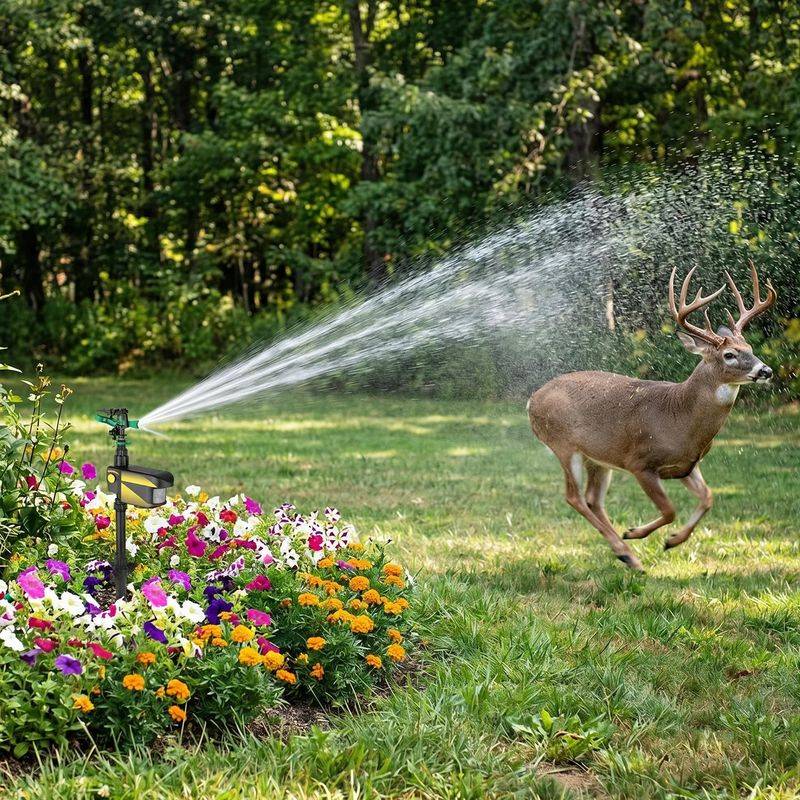
Imagine strolling up to a snack and getting blasted with cold water. Deer feel the same surprise, and they rarely enjoy it.
Motion-activated sprinklers use infrared sensors to detect movement. When a deer steps into range, the device fires a quick burst of water.
The combination of motion, sound, and spray makes these gadgets effective. Deer often flee and think twice before coming back.
Best of all, the method is humane. Nobody gets hurt, and your yard simply becomes an annoying place to visit.
Winter does bring a catch in colder parts of Virginia. Sprinkler hoses can freeze when temperatures drop below 32 degrees.
Use them during milder stretches, or pick a spot near a frost-free spigot. Drain hoses on very cold nights to prevent cracks.
Move the sprinkler every week or two. Like repellents, a device in the same place can lose its surprise factor.
Aim the sensor toward known deer paths or favorite shrubs. Look for hoof prints or trampled trails to find the best spots.
Adjust the sensitivity to avoid soaking your mail carrier. Most models let you set the range and spray angle.
Many units run on batteries and connect to a regular garden hose. Setup usually takes about ten minutes, even for beginners.
Deer-Resistant Plants Can Save You Headaches
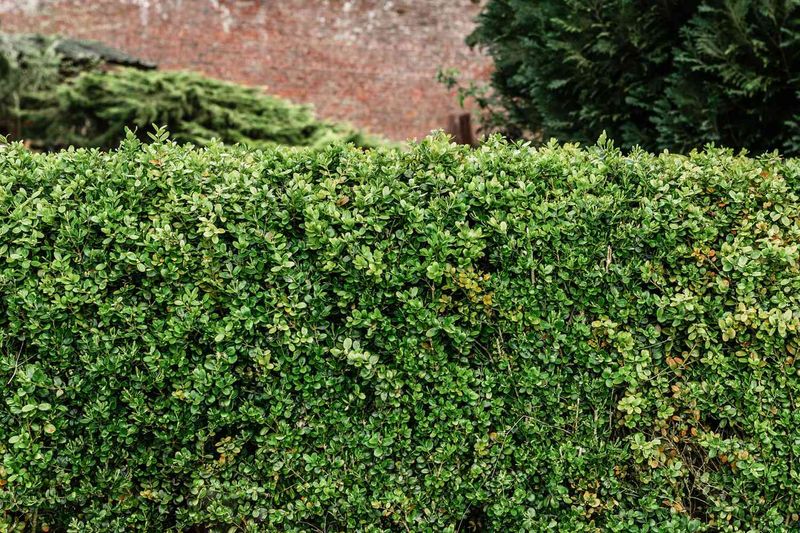
Want a yard that mostly takes care of itself? Choosing the right plants might be the easiest fix of all.
Let us be honest first. No plant is truly deer-proof, since a starving deer may try almost anything.
Still, deer clearly have preferences. They usually avoid plants with strong scents, prickly thorns, or fuzzy leaves.
Boxwoods are a classic choice that deer tend to skip. Their bitter smell and taste keep most browsers away.
Junipers offer prickly evergreen color all year long. Hawthorns add thorns, spring flowers, and berries that birds love.
Virginia sweetspire is a native shrub with a charming bonus. It produces fragrant white blooms in summer and fiery red leaves in fall.
Herbs like lavender, rosemary, and sage also work well in sunny spots. Their scents seem to confuse deer and mask nearby tastier plants.
Try planting resistant varieties around the edges of your garden. They can act as a living buffer for more delicate plants inside.
Local nurseries and garden centers often keep lists of deer-resistant plants. Staff can suggest options that suit your soil and sunlight.
Native plants support pollinators and local wildlife too. You protect your yard while helping bees and butterflies thrive.
Protect Young Tree Trunks From Rubbing
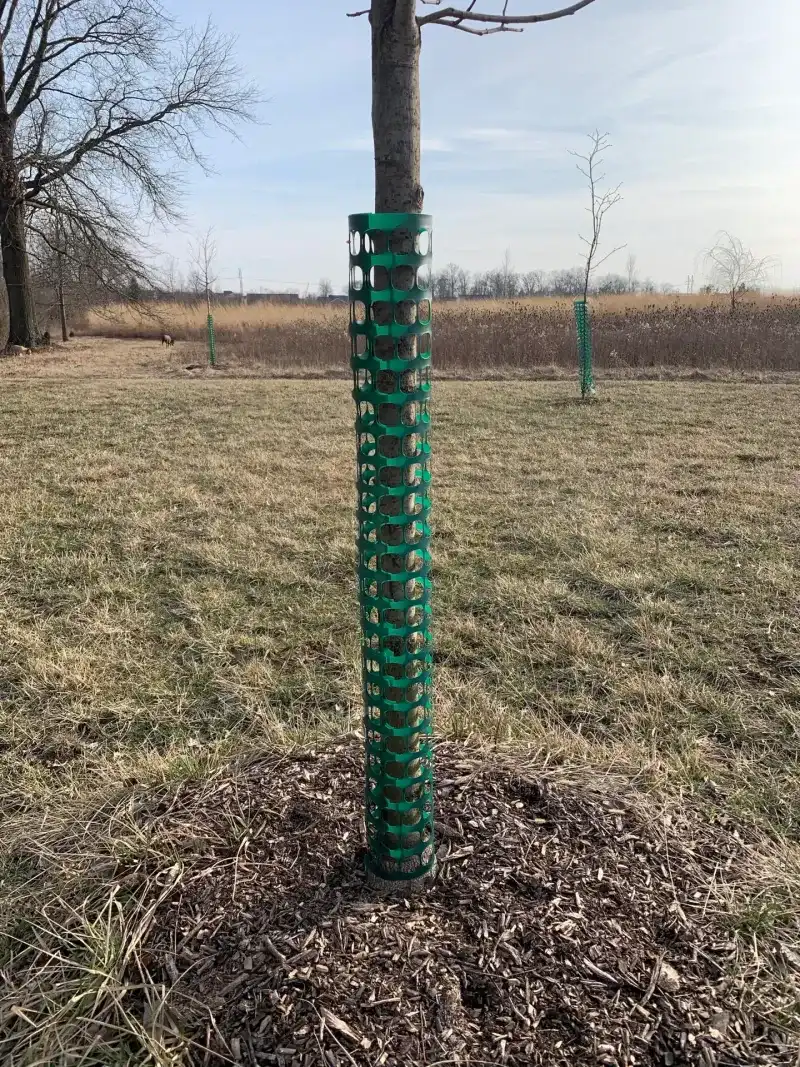
Spotted shredded bark on a skinny young tree? A buck probably stopped by to polish his antlers.
Bucks rub their antlers on trunks during fall and winter. The habit helps them remove velvet and mark their territory.
Rubbing can strip bark right down to the soft wood. Badly damaged trees struggle with disease and may decline or fail completely.
Young trees with trunks one to four inches wide face the most risk. Bucks prefer them because they bend just enough to feel right.
Luckily, protection is cheap and quick. Plastic tree wraps, spiral guards, or plastic sleeves can shield bark from damage.
Chicken wire or hardware cloth cages offer sturdier protection. Place stakes around the trunk and wrap the wire loosely, leaving space for growth.
Make guards at least four to five feet tall. Bucks rub higher than many people expect.
Check guards each spring and remove tight wraps. Trunks expand as they grow, and snug wraps can cause harm over time.
Already found damage? Avoid painting the wound with sealant, since most experts say trees heal better on their own.
Fun fact: rubs act like scent signposts. Glands on a buck’s forehead leave messages that other deer can smell.
Never Feed Deer, Even In Hard Winters
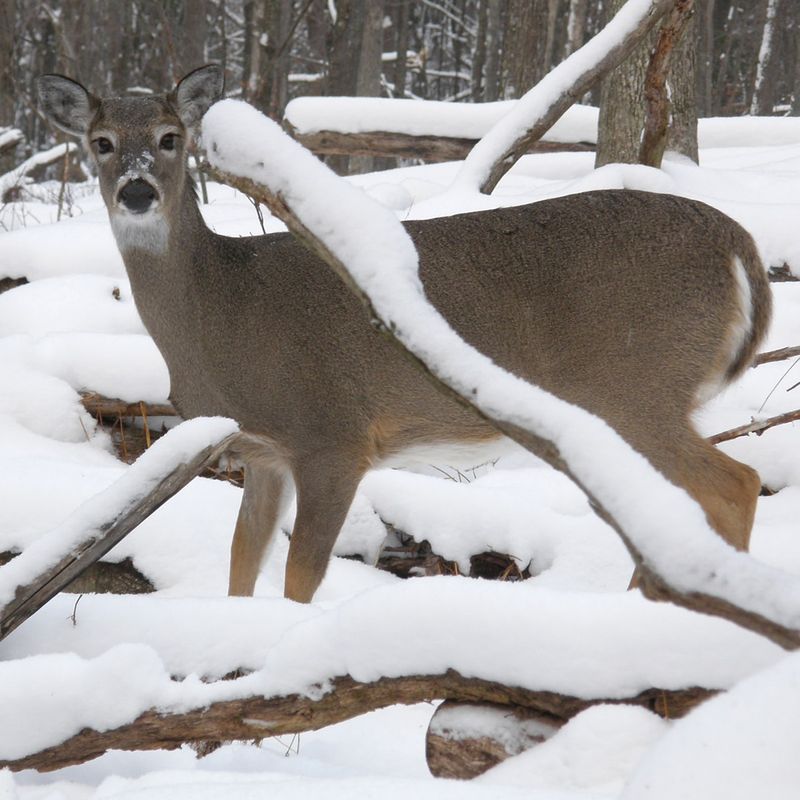
Tossing corn to a skinny deer feels kind. Unfortunately, that gesture often causes far more harm than good.
Feeding deer is against the law across much of the state. Statewide, it is illegal from September 1 through the first Saturday in January.
Many Virginia counties ban feeding all year long. These rules help slow chronic wasting disease, a serious illness spreading among deer.
Feeding spots bring deer nose to nose. Close contact makes it easier for germs to pass from one animal to another.
Diet is another big concern. A deer’s stomach adjusts slowly, and sudden rich foods like corn can make it seriously ill.
Winter deer rely on woody browse such as twigs and buds. Their bodies are built for that rough menu during the cold months.
Handouts also teach deer to hang around homes. More visitors mean more chewed shrubs, more car crashes, and more neighbor complaints.
Want to help wildlife instead? Plant native shrubs on your property’s edge, far from your prized garden beds.
Ask neighbors to skip feeding too. One feeder on the block can draw deer into every yard nearby.
Check the Virginia Department of Wildlife Resources website for your county’s rules. Staying informed protects deer, your garden, and your wallet from fines.