Where Not To Plant Coneflowers In New York And Where They Thrive Best
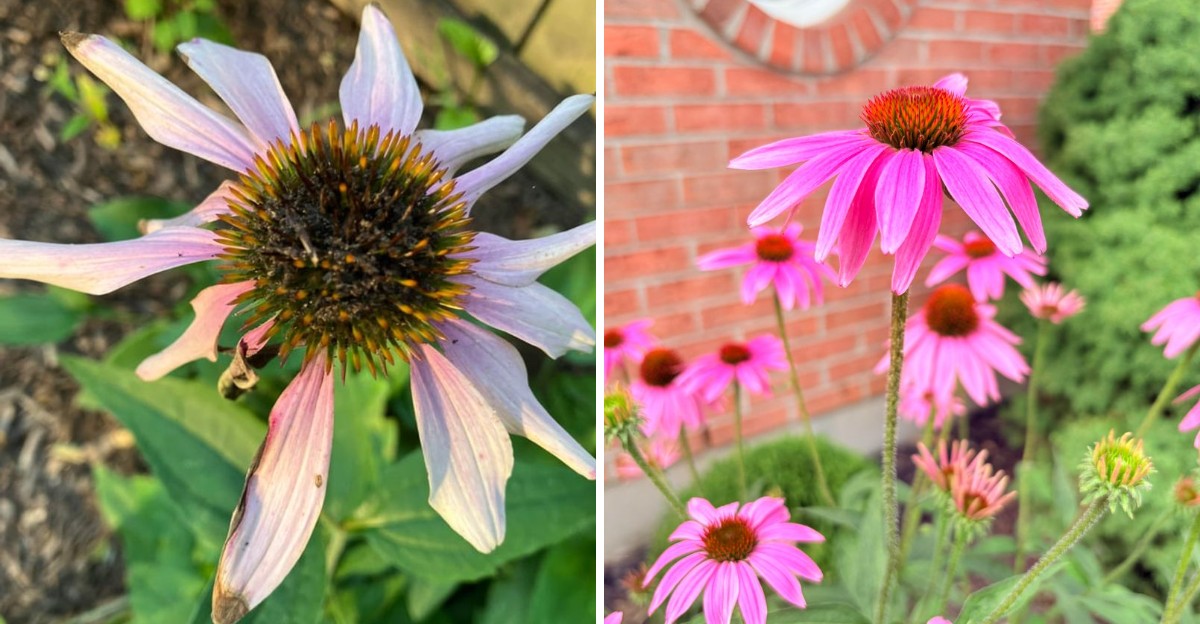
A July afternoon buzzing with bees and a sea of purple petals nodding in the breeze is hard to beat. Coneflowers can look that good, but only when they land in the right spot.
Plant them in the wrong corner, and they sulk, flop, or quietly fade away. Across New York, gardeners face everything from heavy clay to sandy, fast-draining soil.
Each yard has its own quirks, and coneflowers notice every one of them. Some spots feel like a cozy prairie to these tough plants, while others feel like a soggy trap.
A few smart choices can make a huge difference. You won’t need a fancy degree or a big budget to get it right.
The guide below reveals which places cause trouble and which ones make these cheerful blooms thrive. Choose wisely, and your coneflowers will come back stronger every summer.
Soggy Clay Is A Root-Rotting Trap
Squish, squish, squish goes your boot in that low corner of the yard. Coneflower roots hate that sound just as much as your socks do.
Heavy clay holds water like a sponge that refuses to dry out. Roots sitting in soggy soil for days can start to rot underground.
Many parts of New York have dense clay, especially in older neighborhoods and farm country. Spring thaws and summer storms can turn those beds into little swamps.
Watch for warning signs like yellow leaves, mushy crowns, and plants that fail to return in spring. Those clues often point straight to poor drainage below the surface.
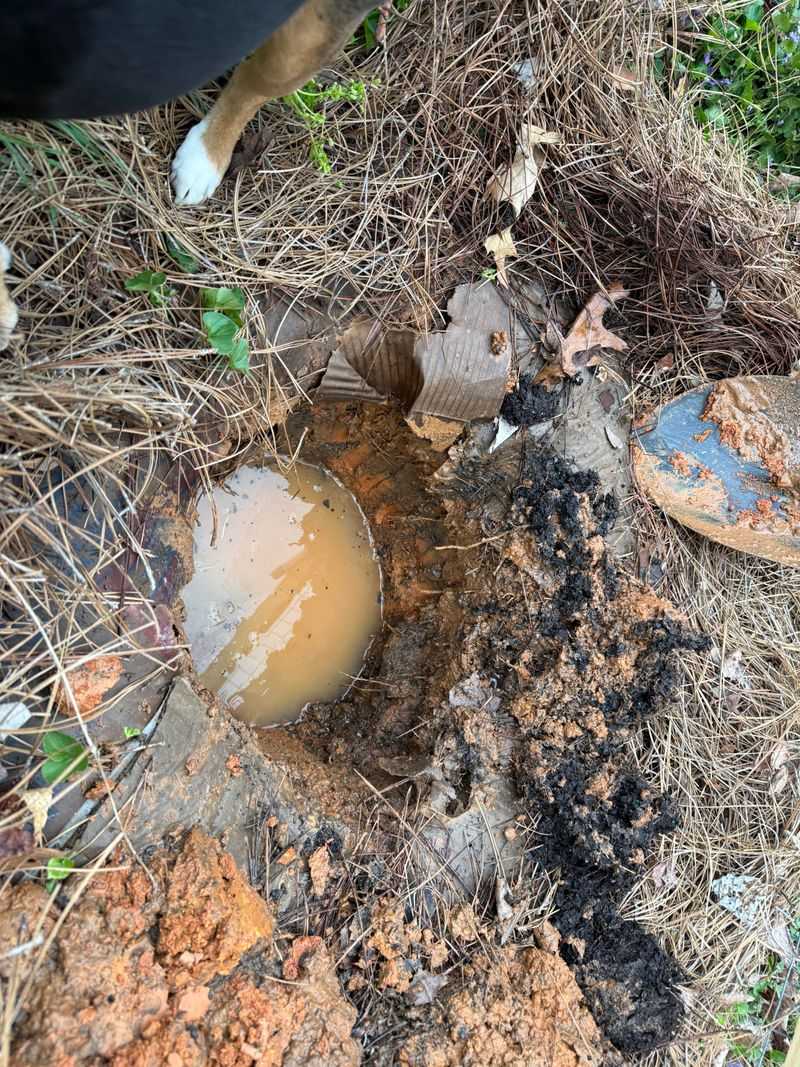
Here is a helpful trick before planting anything new. Dig a hole about a foot deep, fill it with water, and time the drain.
Water that lingers longer than a few hours signals trouble for coneflowers. A spot like that needs serious help or a different plant altogether.
Clay can be improved, but small fixes rarely do the job. Mix compost across a wide area instead of just stuffing it into one planting hole.
A single amended hole can act like a bathtub, collecting water from the clay around it. Working a whole bed spreads the benefits and keeps roots breathing.
Raised beds offer another easy solution for stubborn soil. Even six to eight inches of lift can keep crowns above the soggy zone.
Moisture-loving plants like swamp milkweed or blue flag iris can fill wet spots instead. Save the coneflowers for higher, drier ground where they can truly flourish.
Shady Corners Leave Them Leggy And Bloomless
Imagine trying to read a book in a dim closet all day. Coneflowers in heavy shade feel a lot like that, straining and stretching for any bit of light.
Sun is their fuel, plain and simple. Six to eight hours of direct light each day keeps them strong and full of flowers.
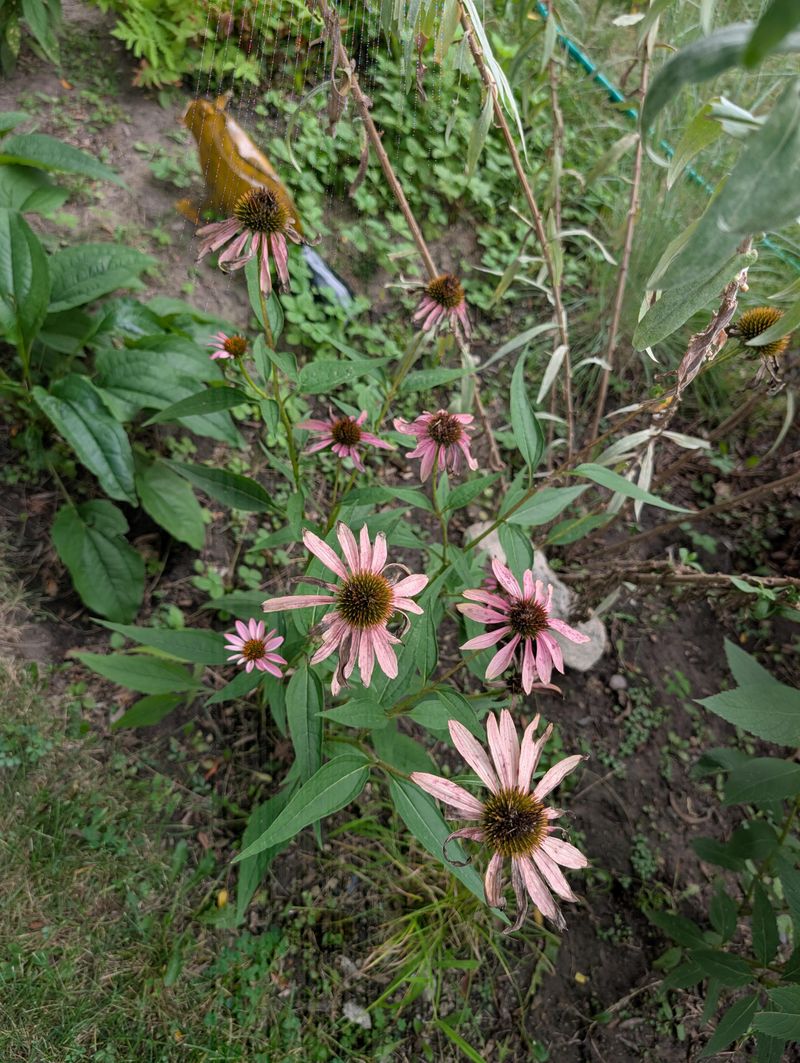
Shady spots under big maples or beside tall fences cause stems to grow long and thin. Gardeners call that stretched-out look leggy, and it rarely ends well.
Leggy stems bend, lean, and sometimes snap in a summer storm. Blooms also shrink in number, leaving you with plenty of leaves and few flowers.
Your New York Garden Changes Every Week. Your Plan Should Too.
Gardening in New York changes quickly throughout the season. Every Friday you’ll receive a simple weekly plan showing exactly what to plant, prune, fertilize, harvest, and protect so you never miss the right timing.
Many yards have mature trees that cast deeper shade each year. A spot that felt sunny five years ago might be much darker today.
Try a simple sun check before planting anything. Glance at the bed every two hours on a clear day and note when light hits it.
Fewer than six sunny hours means coneflowers will likely struggle there. Morning sun alone usually is not enough to keep them sturdy.
Already have droopy plants in the shade? Moving them to a brighter area is the best lasting fix, and early spring or fall works well for transplanting.
Shade lovers can happily take over that darker corner. Hostas, ferns, and wild ginger enjoy low light and will not complain one bit.
Staking might hold up floppy stems for a while. Still, more sunlight solves the real problem much better than any garden stake.
Rich, Overfed Beds Make Stems Flop Over
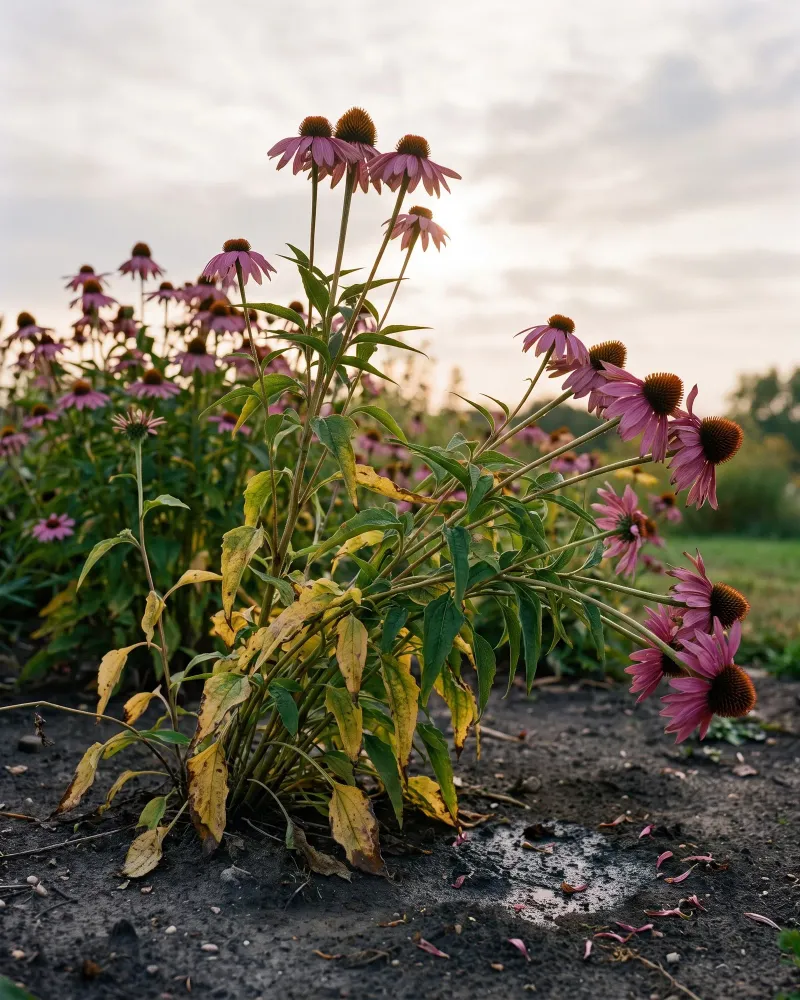
Kindness can backfire in the garden. Plenty of well-meaning gardeners pamper their coneflowers with rich food, only to watch stems collapse by midsummer.
Nitrogen is usually the culprit behind the flop. Too much of it pushes fast, soft growth that cannot hold up heavy flower heads.
Picture a teenager growing six inches in one summer. Quick growth often looks awkward and wobbly, and coneflowers behave in much the same way.
Wild coneflowers grew up on lean prairie soil with little extra food. Those tough conditions kept them short, sturdy, and packed with blooms.
Beds made for tomatoes or roses often contain far too much fertilizer. Planting coneflowers there can lead to tall, floppy plants with fewer flowers.
Most gardens already have enough nutrients for these easygoing plants. Skipping the fertilizer bag is often the smartest move you can make.
A thin layer of compost in early spring is plenty. Spread about half an inch around the plants and let rain work it into the soil.
Lawn fertilizer can also sneak into flower beds. Keep spreaders aimed away from coneflowers so extra nitrogen does not drift their way.
Already dealing with floppy stems this year? Try the Chelsea chop in late May by trimming plants back by about one third.
Shorter, bushier plants usually follow that quick trim. Blooms may arrive a little later, but stems will stand much taller and prouder.
Crowded Spots Choke Off Airflow
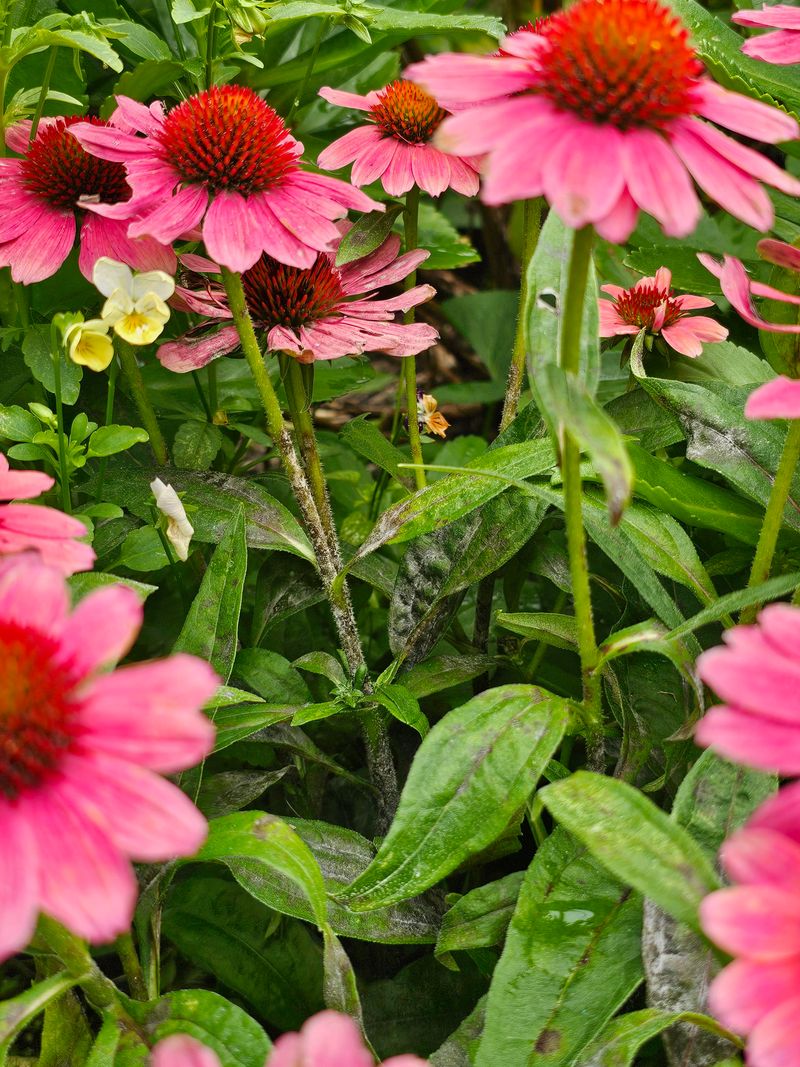
Ever squeezed onto a packed subway car in August? Coneflowers jammed into tight spaces feel that same sticky, stuffy discomfort.
Good airflow keeps leaves dry after rain and morning dew. Damp, still air invites problems like powdery mildew and leaf spot.
Humid summers across New York make spacing even more important. Moist air lingers around crowded plants and gives fungus a perfect home.
Spacing needs depend on the variety you pick. Aim for one to three feet between plants, with larger types getting the wider gap.
Small plants from the nursery can look lonely at first. Resist the urge to fill every gap, because they will spread out quickly.
Crowding also hurts flower production over time. Plants fighting for light, water, and nutrients tend to produce fewer and smaller blooms.
Older clumps can become too dense after several years. Dividing them every three or four years in spring refreshes growth and opens space.
Here is a fun bonus of dividing clumps. You get free plants to share with neighbors or tuck into other sunny spots.
Avoid planting coneflowers right against walls, fences, or dense shrubs. Solid barriers block breezes and trap moisture around the leaves.
Watering at the base helps too. Wet leaves in crowded beds dry slowly, so aim your hose at the soil instead of the foliage.
Give each plant a little elbow room, and it will reward you. Healthy leaves and plenty of flowers are worth the extra space.
Deep Mulch Smothers The Crowns
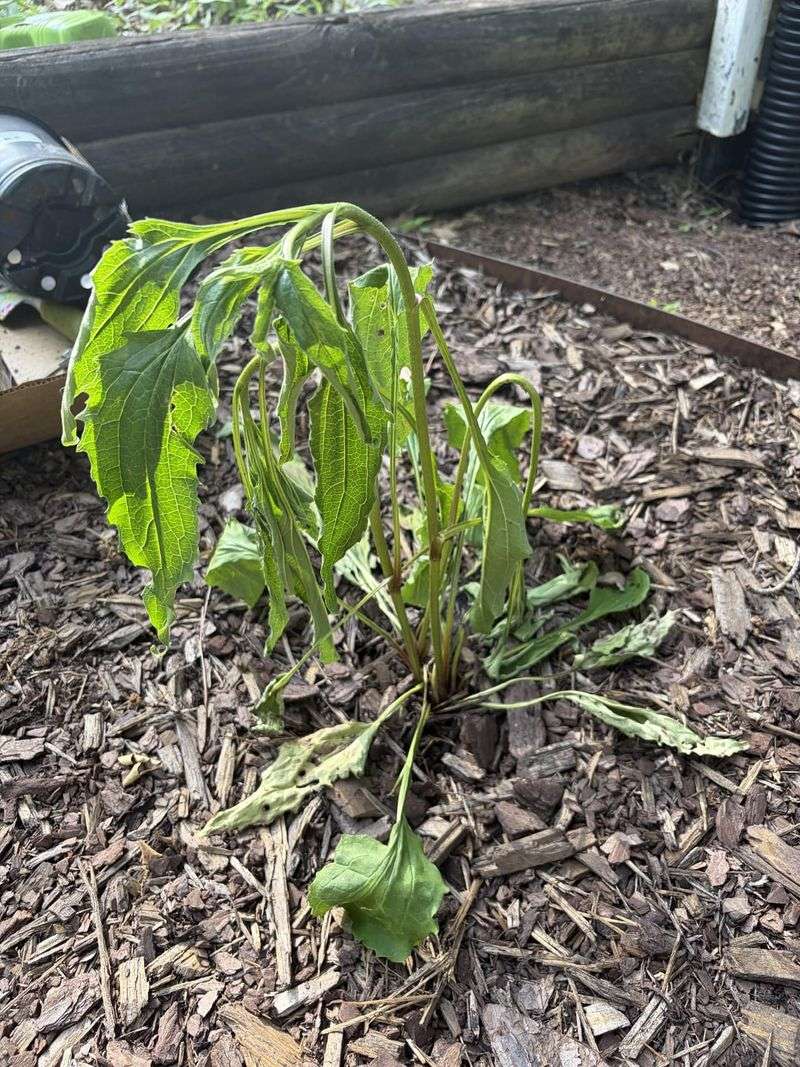
Volcano mulching has a sneaky way of hurting plants. Those tall mounds piled around stems look tidy, but they can cause real harm below.
Coneflower crowns sit right at the soil line. Mulch heaped over them traps moisture and creates perfect conditions for crown rot.
Winter makes the risk even greater. Snow melts into the mulch, freezes, then melts again, keeping crowns wet for weeks at a time.
Many gardeners pile on extra mulch before winter to protect plants. Coneflowers are cold-hardy natives, so they rarely need that heavy blanket.
Mulch still has plenty of benefits when used the right way. It holds soil moisture, keeps weeds down, and slowly feeds the soil.
Spread a layer about two to three inches deep across the bed. Leave a ring of bare soil at least an inch wide around each plant.
Think of it like a donut instead of a volcano. The hole in the middle lets the crown breathe and dry out after rain.
Shredded bark and leaf mulch work nicely for coneflowers. Fine gravel is another option that drains well and mimics their natural prairie home.
Check your beds each spring once snow melts away. Gently pull back any mulch that shifted onto crowns during winter storms.
Soft, mushy crowns or foul smells suggest rot has already started. Removing affected plants quickly helps protect the healthy ones nearby.
All-Day Sun Is Where They Truly Shine
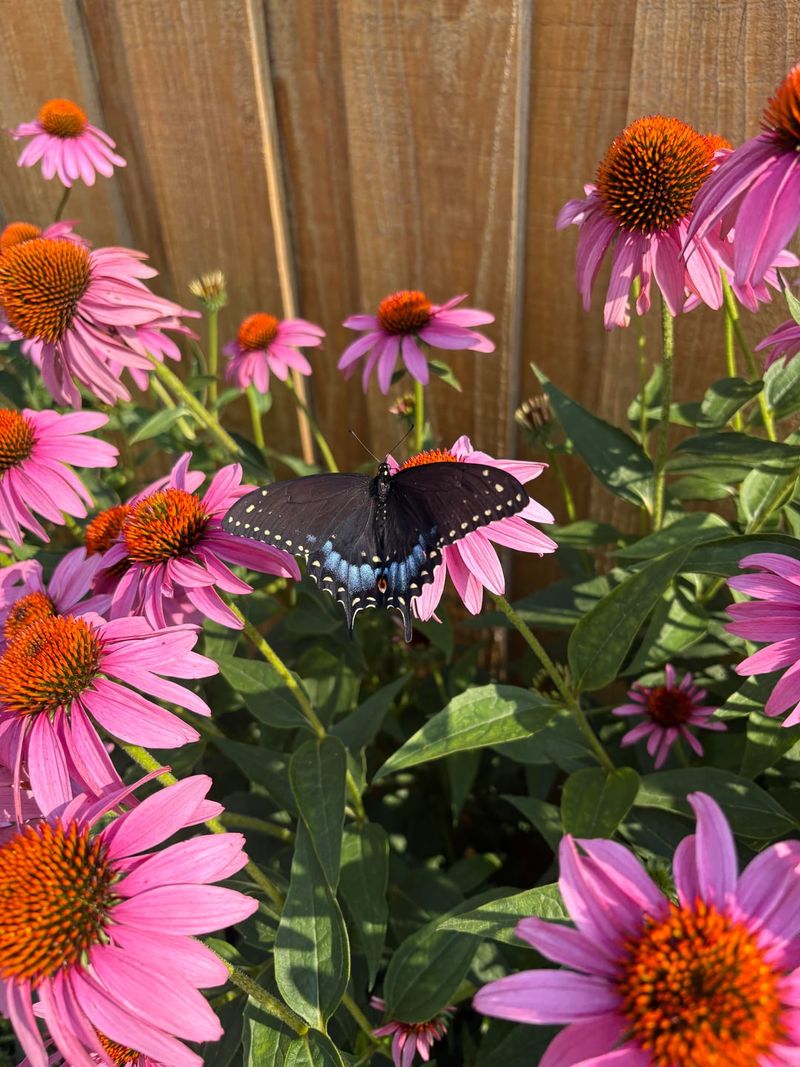
Sunshine lovers, meet your perfect plant match. Coneflowers soak up bright light like kids at a summer pool party.
Full sun means at least six to eight hours of direct light each day. More sun usually means stronger stems and a bigger flower show.
Purple coneflower is native to the central and southeastern United States, but it thrives in New York gardens. Wild plants grew in open prairies and woodland edges with plenty of light.
Strong sunlight helps coneflowers build stiff, sturdy stems. Those stems hold up big flower heads without bending or needing stakes.
South-facing and west-facing beds are often the best spots in your yard. Open areas away from trees and tall buildings also work wonderfully.
Across much of the state, all-day sun is ideal for these hardy perennials. Summers are warm without being too harsh, so blooms stay bright.
Hot pavement areas, like driveway edges, can still work well. Coneflowers handle heat better than many garden flowers once their roots settle in.
New plants need a little care during their first summer. Water deeply once a week until roots grow strong and deep.
After that first year, coneflowers become quite drought tolerant. Sunny spots that dry out quickly become a strength rather than a problem.
Fun fact: flower heads often turn to follow the sun. Plant them where you can enjoy those cheerful faces from your porch or sidewalk.
Lean, Well-Drained Soil Suits Them Best

Grab a handful of soil and give it a squeeze. Crumbly soil that falls apart easily is exactly what coneflowers love.
Loam and sandy loam are ideal choices for these plants. Both let water drain away while still holding a bit of moisture for roots.
Believe it or not, coneflowers handle poor soil better than many perennials. Rocky, sandy, or dry ground often suits them just fine.
Their prairie roots explain that tough nature. Lean soil kept wild plants compact, sturdy, and ready to handle hot summers.
Sandy soils on Long Island are a natural fit for coneflowers. Water drains fast there, keeping roots healthy and happy.
Gardeners with heavier soil can still create a good home. Mixing in compost improves texture and helps water move through more easily.
Go easy on the amendments, though. A modest amount improves drainage, while too much can make soil overly rich and cause floppy stems.
Soil tests are cheap and surprisingly helpful. Cornell Cooperative Extension offices across New York can help you test your soil.
Coneflowers prefer soil that is close to neutral. A pH between six and seven usually works well for most varieties.
Deep, well-drained soil also helps their thick, fibrous roots spread. Those roots reach down for water, making plants tougher during dry spells.
Skip heavy potting mixes when planting in the ground. Simple, lightly improved native soil is often the best choice.
Meadow And Pollinator Gardens Feel Like Home
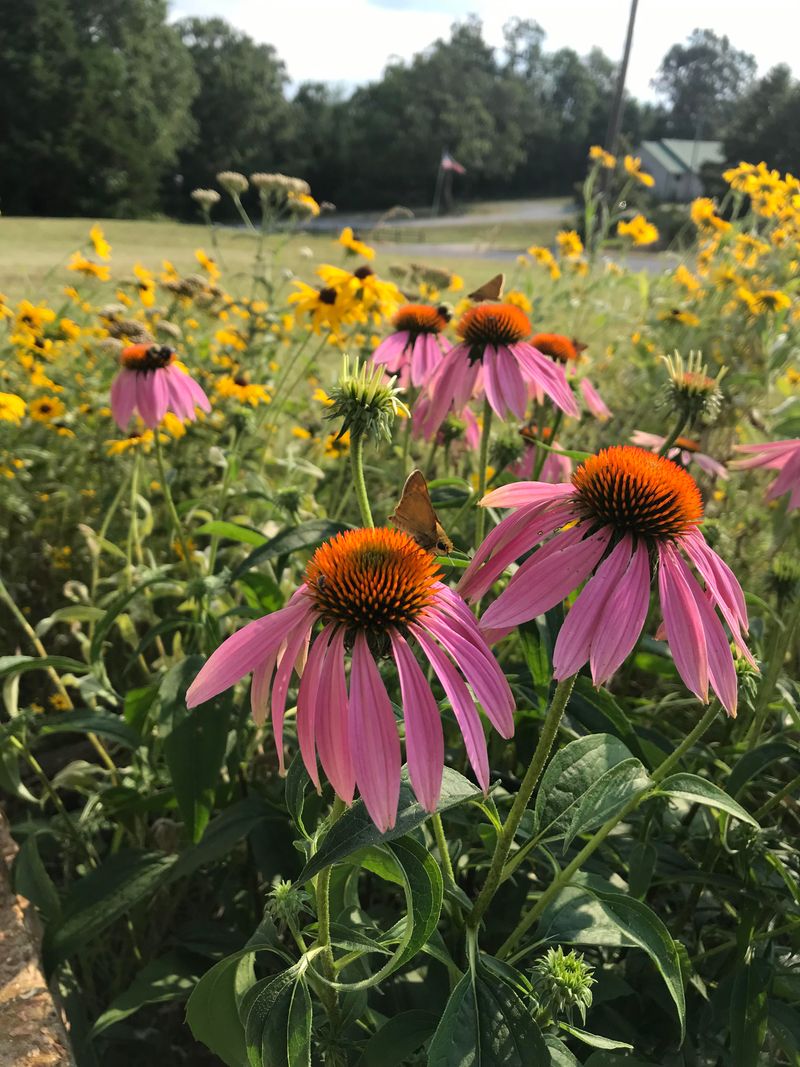
Buzzing bees, fluttering butterflies, and waving grasses make a coneflower feel right at home. Meadows remind them of the wild prairies where they first grew.
Pollinator gardens are one of the best places for these plants. Bees, butterflies, and even hummingbirds visit the flowers for nectar.
Monarch butterflies often stop by coneflowers during summer. Watching them sip from the orange centers is a treat for kids and adults alike.
Purple coneflower, or Echinacea purpurea, is a favorite in pollinator plantings. Many Long Island gardens use it to support local wildlife.
Native companions help create a balanced meadow look. Try pairing coneflowers with black-eyed Susans, bee balm, and little bluestem grass.
Mixing plants with different bloom times keeps pollinators coming back. Early, middle, and late flowers provide food across the whole season.
Plant in groups of three or five for the best effect. Bigger patches are easier for bees and butterflies to spot from above.
Skip chemical sprays in these gardens whenever possible. Pesticides can harm the very insects you are trying to attract.
Meadow plantings also need less care than formal beds. Once established, they handle dry weather and rarely need extra fertilizer.
Even a small space can become a mini meadow. A sunny strip along a fence or sidewalk can support plenty of local pollinators.
Every coneflower you plant helps build local biodiversity. Your garden becomes a welcoming stop for wildlife moving through the neighborhood.
Sunny Slopes Give Them The Drainage They Crave
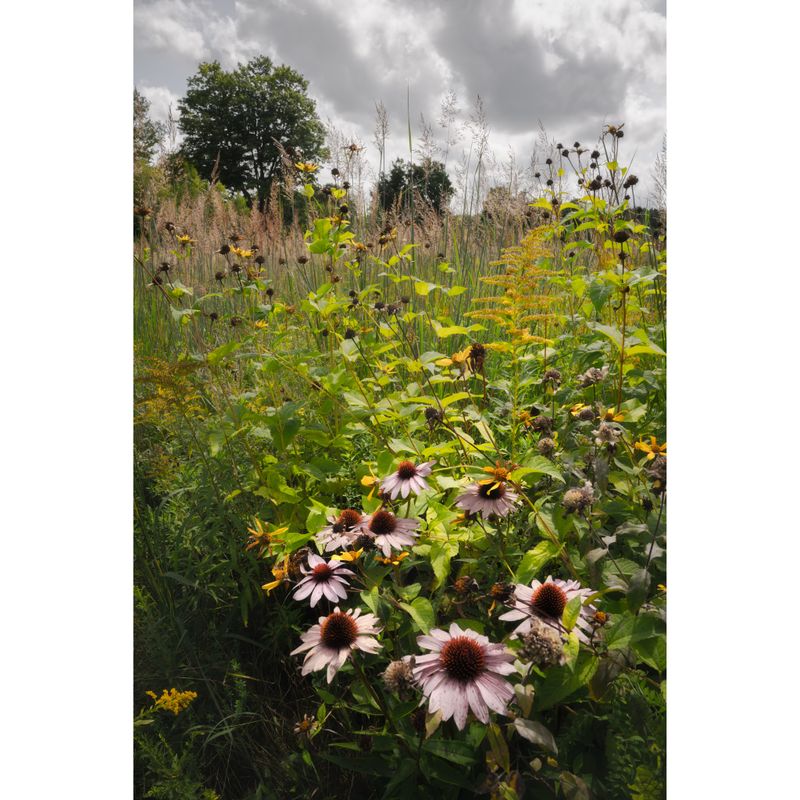
Hillsides can be tricky places to garden. Mowing is tough, water runs off fast, and many plants struggle to settle in.
Coneflowers see slopes a little differently, though. Gravity pulls extra water away from their roots, which suits them perfectly.
Good drainage protects against root rot and crown rot. Slopes rarely stay soggy, so those problems become much less common.
Many New York properties have hills, banks, or sloped front yards. Sunny slopes facing south or west make excellent spots for coneflowers.
Slopes also dry out faster after rain. Established coneflowers handle that dryness well thanks to their deep, sturdy roots.
New plants need extra help on a hill at first. Water slowly and deeply so moisture soaks in rather than running downhill.
Small soil pockets or berms can catch water for young plants. Create a little ridge on the downhill side of each planting hole.
Erosion control is a nice bonus of planting slopes. Coneflower roots, along with native grasses, help hold soil in place.
Pair them with prairie dropseed or switchgrass for a natural look. Grasses fill gaps and add movement when breezes sweep across the hill.
Mulch can wash away on steep slopes. Shredded bark stays put better than chunky wood chips on hillsides.
Turning a hard-to-mow bank into a flower-filled hill saves time too. Less mowing means more hours for simply enjoying the view.
Winter Birds Will Thank You For A Spot Near The Window
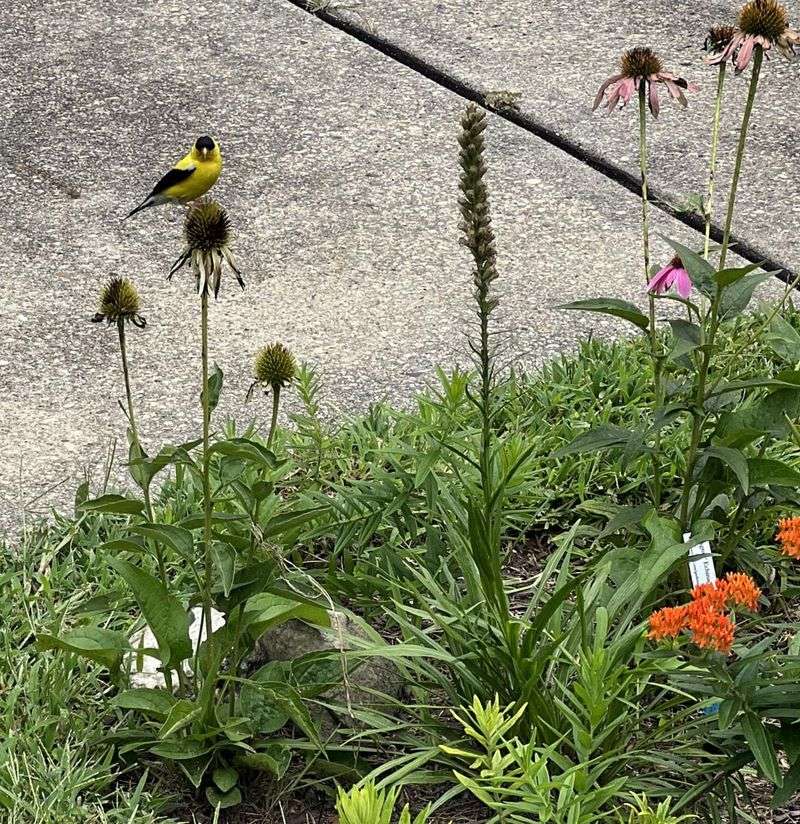
Snow falls softly outside, and a bright little goldfinch lands on a brown coneflower head. Moments like that make winter feel a lot cozier.
Coneflower seed heads are a favorite snack for many songbirds. Goldfinches especially love picking the tiny seeds from those spiky cones.
Planting coneflowers near a window turns winter into a free bird show. Kitchen and living room views work especially well for daily watching.
Skip cutting back your plants in fall. Leaving stems and seed heads standing gives birds food when other sources run low.
Standing stems also add lovely winter interest to the garden. Frost and snow sparkle on the dark cones, creating a charming scene.
Cold winters can be long and gray. Watching birds visit your garden brings life and color to those chilly months.
Minimal winter care makes this plan even easier. Coneflowers are hardy, so they rarely need protection from the cold.
Wait until late winter or early spring to tidy up. Cut old stems down to a few inches before new growth appears.
Some seeds will fall and sprout on their own. Those little seedlings can fill in bare spots or be moved elsewhere.
Keep a notebook by the window to track visitors. Kids often love counting goldfinches, chickadees, and sparrows throughout the season.
A sunny bed near your window gives coneflowers light and gives you a front-row seat. Everybody wins, feathers included.