Spotted Lanternflies Are Settled In Around Buffalo. Western New Yorkers Should Check For Egg Masses Now
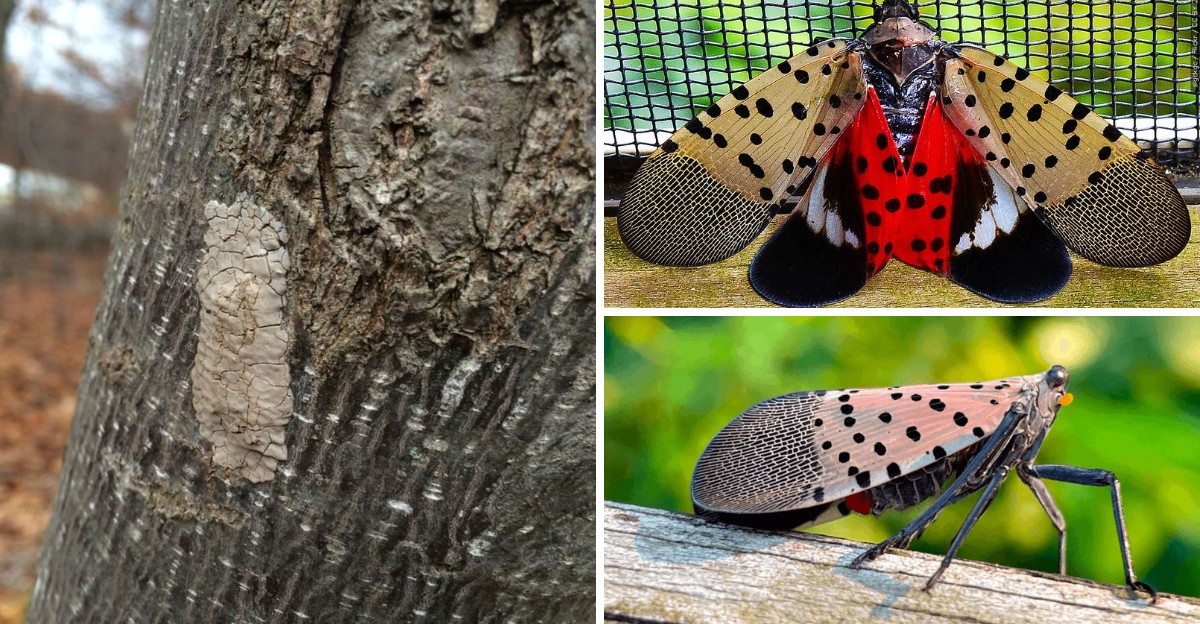
That gray smudge on your maple tree might look like someone flicked mud at it. Look closer, because it could be hiding dozens of future invaders.
Spotted lanternflies have been in the Buffalo area since 2022. These colorful bugs suck sap from trees and vines, leaving a sticky mess that turns black with mold.
Western New York is home to a big stretch of grape country, so local growers are paying close attention. Every lanternfly that survives the winter adds to the risk.
Fall is egg-laying season, which makes right now the perfect time to fight back. Each egg mass you destroy means fewer bugs hatching next spring.
Knowing where to look makes all the difference. Your yard might be hiding more than fallen leaves.
Egg Masses Look Like Smears Of Dried Mud
Imagine someone wiped a muddy thumb across a tree trunk and walked away. That is about what a spotted lanternfly egg mass looks like at first glance.
Each mass is usually one to one and a half inches long. Some folks say it looks like cracked cement or old putty instead of mud.
Fresh egg masses start out white and a bit shiny. Over a few days, the coating dries into a dull gray, brown, or pinkish gray color.
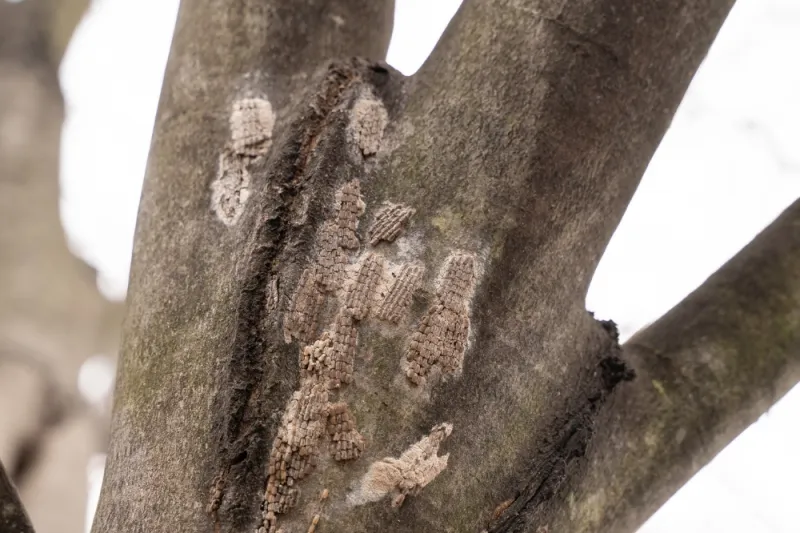
Under that coating sit 30 to 60 eggs lined up in neat rows. Picture tiny seeds packed side by side under a crusty blanket.
Older masses can look a little different as winter wears on. The waxy cover may crack or wear away, showing rows of small brown eggs that look like seeds.
Spotting them takes a bit of practice, so give yourself some grace. A good trick is to look for shapes that seem too smooth or too flat for bark.
Try running your fingertip lightly near a suspicious spot without pressing. Real bark feels rough and woody, while an egg mass feels waxy or crusty.
Bring your phone and snap close-up photos of anything odd. You can compare them later with pictures from the state or Cornell University.
Many Buffalo residents have already mistaken these masses for bird droppings or lichen. Once you see a real one, though, your eyes start catching them everywhere.
Females Are Laying Eggs Right Now
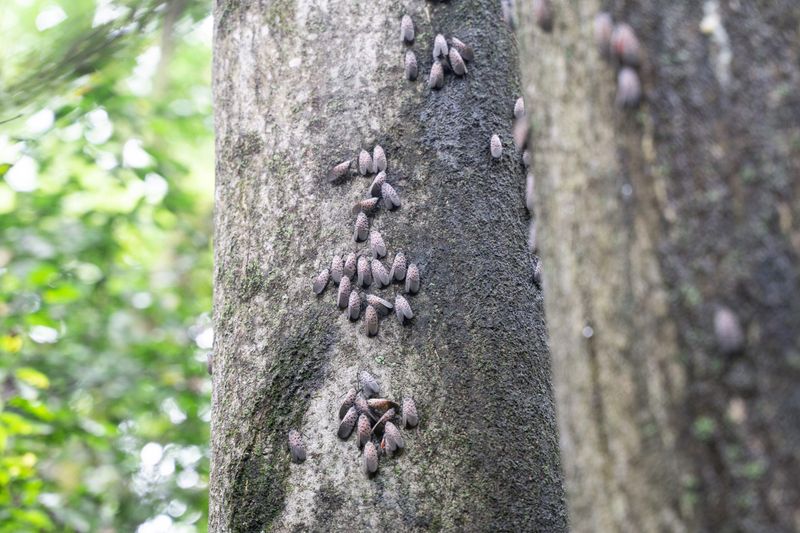
Autumn in Western New York means pumpkins, apple cider, and sadly, busy lanternfly mothers. Females lay their eggs from late summer through November.
October is often the busiest month for egg laying. Cool mornings and bright afternoons seem to suit these insects just fine.
Each female can make at least two egg masses before the cold arrives. With up to 60 eggs per mass, the math adds up fast.
One single female could leave behind more than 100 future bugs. Now multiply that by every adult crawling around a neighborhood.
The eggs are built tough for winter. Their waxy coating acts like a cozy jacket against snow, ice, and those famous lake-effect storms.
Come April or May, tiny black nymphs with white spots hatch out. They start feeding right away and grow fast through the summer.
Your New York Garden Changes Every Week. Your Plan Should Too.
Gardening in New York changes quickly throughout the season. Every Friday you’ll receive a simple weekly plan showing exactly what to plant, prune, fertilize, harvest, and protect so you never miss the right timing.
Here is a helpful tip for timing your search. Plan a weekly yard check from October through early spring, when trees are bare and masses stand out.
Leafless branches make your job much easier. You can see trunks and limbs clearly without leaves blocking the view.
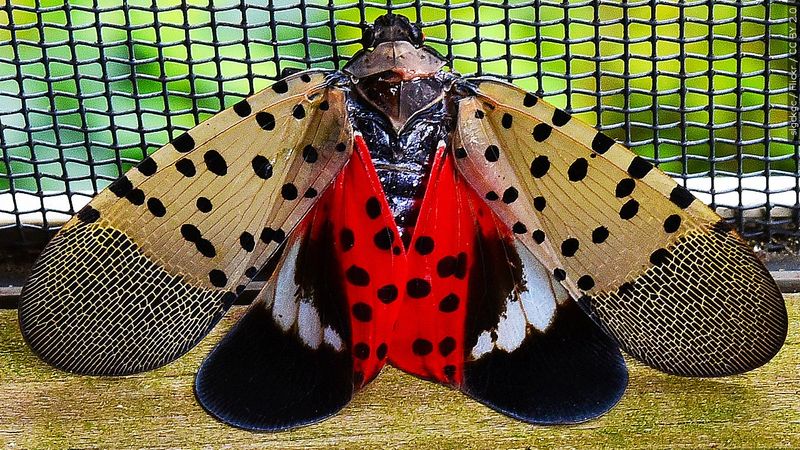
Fun fact: adult lanternflies show bright red hind wings when they fly. Resting adults look plain gray with black spots, so their flashy side often surprises people.
Every mass removed before spring stops dozens of hungry nymphs. Your efforts this season really can shape what next summer looks like.
Tree Bark Is A Favorite Spot
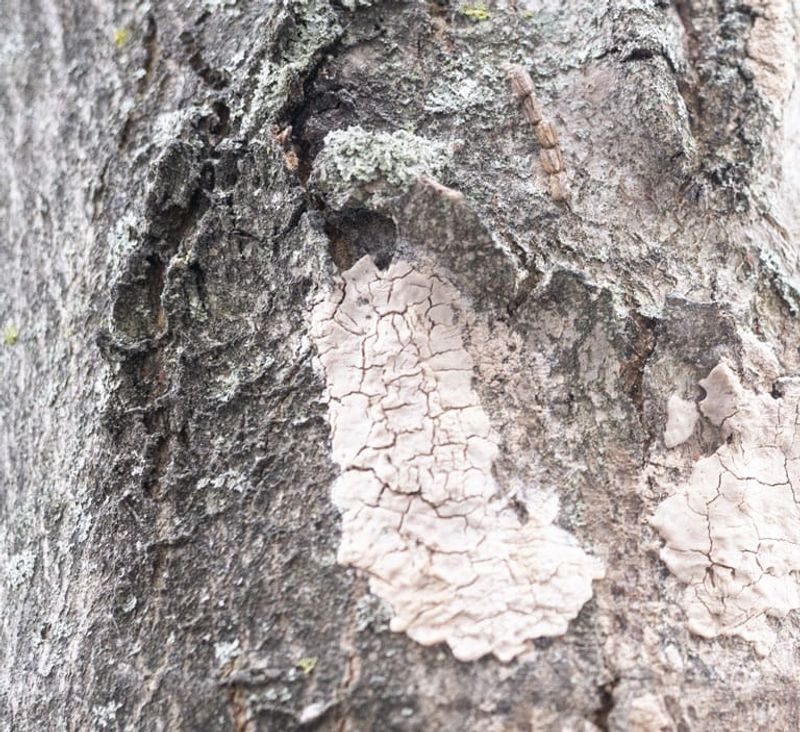
Bark is basically nature’s camouflage wallpaper for lanternfly eggs. The gray and brown tones blend so well that even trained experts squint.
Females often lay masses right on tree trunks. They also like branches, especially the hidden undersides where rain and eyes rarely reach.
Branch crotches are another sneaky favorite. Those V-shaped spots where limbs meet the trunk give eggs extra shelter from wind.
Maples, black walnut, birch, and willow trees are all worth checking. Fruit trees in your yard deserve a close look too.
Start at the base of each tree and work your way up slowly. Many masses sit low enough to reach, but some hide much higher.
A pair of binoculars can help with upper branches. You might feel a little silly, but your neighbors will understand once you explain.
Try walking around each trunk in a full circle. Masses often sit on just one side, so a quick front view can miss them.
Light matters more than people think. Low morning or late afternoon sun creates shadows that make raised egg masses easier to see.
Smooth-barked trees can make masses pop out a little more. Rough, flaky bark is tougher, so slow down and look carefully.
If you find one, check the whole tree for more. Where there is one egg mass, there are often others close by waiting to be found.
Stone Walls And Fences Hide Them Too
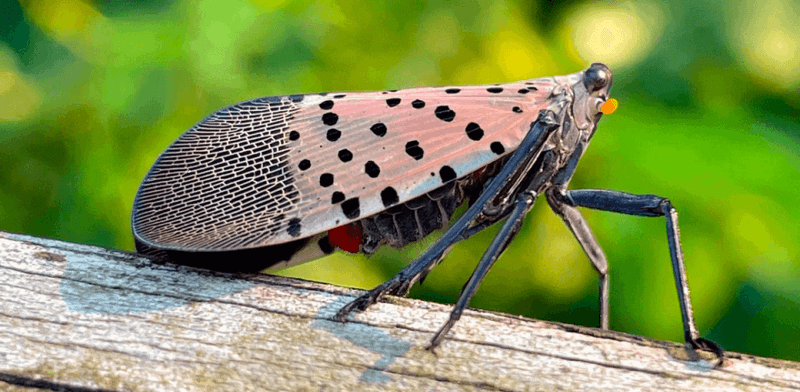
You might think trees get all the attention, but lanternflies are not picky. They happily lay eggs on almost any flat, sturdy outdoor surface.
Stone walls are a real hiding hot spot. Gray rocks and crusty egg masses look surprisingly alike from just a few feet away.
Brick walls and foundations also attract egg-laying females. The masses can look like old mortar or a patch of grime.
Wooden fences deserve careful attention, especially weathered ones. Faded gray boards make an almost perfect match for the egg coating.
Metal fences and posts are not safe either. Chain link poles, gate hinges, and fence brackets can all hold a mass or two.
So how do you search without spending all weekend outside? Pick one section of fence or wall per day and give it a slow, careful scan.
Pay extra attention to the side facing away from wind. Sheltered surfaces seem to get chosen more often than exposed ones.
Buffalo homes with old stone walls or garden borders have plenty of hiding places. Those charming features can unfortunately make great nurseries for these pests.
Do not forget smaller items near walls and fences. Rocks in garden beds, stepping stones, and decorative boulders can also hide masses.
Kids can make great helpers for this task. Turn it into a backyard treasure hunt and offer a small prize for each mass found.
Check Outdoor Furniture And Grills
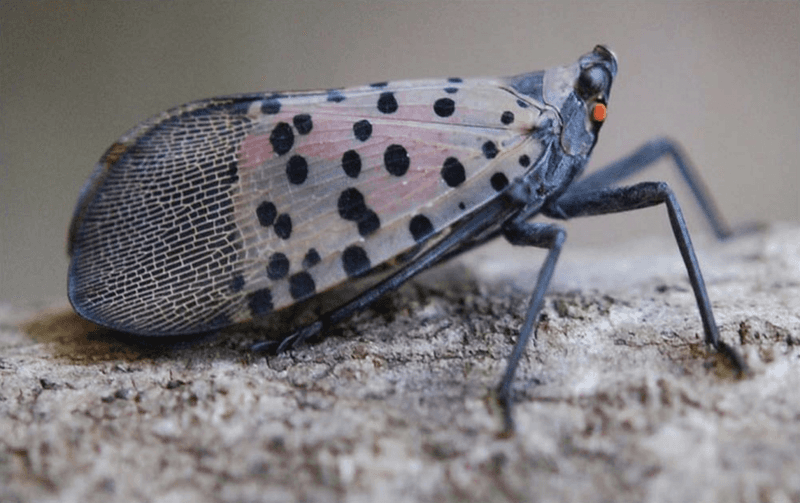
Your favorite patio chair might be hiding a not-so-welcome surprise. Lanternflies love laying eggs on outdoor furniture left out in fall.
Picnic tables are a common target. Check the underside of the tabletop and the legs where shadows keep things hidden.
Patio chairs, benches, and even cushions can host egg masses. Flip them over and inspect every crease and corner.
Grills are another surprising favorite. Look at the lid, the legs, the side shelves, and especially the grill cover.
Covers often sit untouched for weeks, which gives females plenty of peace. Fold the cover open and scan both sides before tucking it away.
Planning to store furniture in a garage or shed this winter? Give every piece a careful look before moving it inside.
Bringing an egg mass indoors could mean surprise hatchlings next spring. Warm garages might even help eggs hatch earlier than usual.
Do not overlook kids’ toys, playsets, and garden decorations. Swing sets, slides, and birdbaths can all hold masses in hard-to-see spots.
Here is a smart habit to build. Make an inspection part of your normal fall cleanup routine, right alongside raking leaves.
If you are giving away or selling outdoor items, check them twice. Passing along furniture with egg masses could spread the problem to someone else’s home.
Cars And Trailers Can Carry Them Across The State
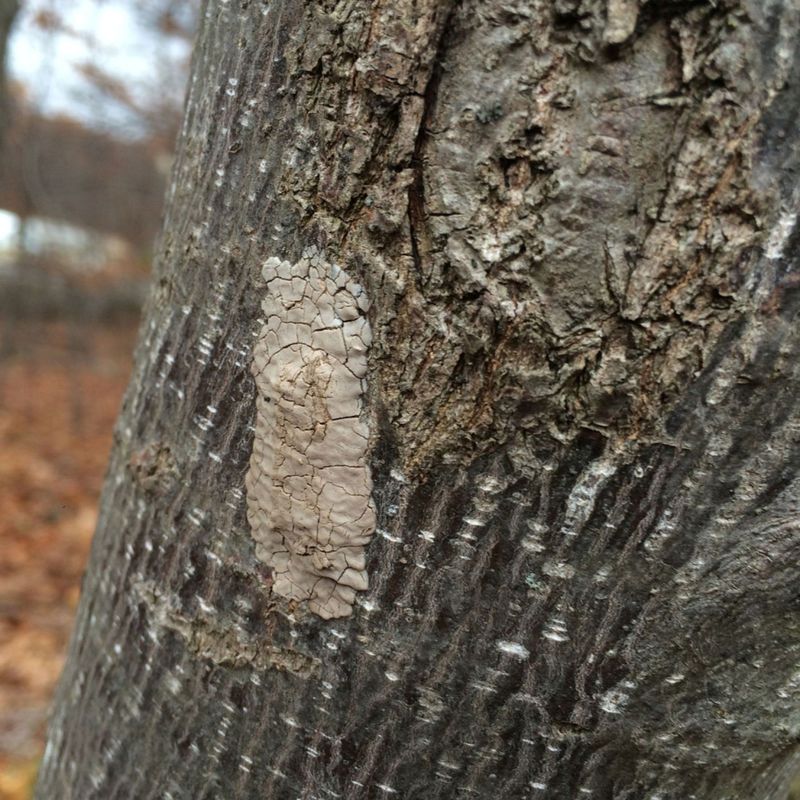
Spotted lanternflies are terrible flyers but excellent hitchhikers. They travel hundreds of miles by catching free rides on vehicles.
That is mostly how they spread so quickly across the country. Since first appearing in Pennsylvania in 2014, they have reached many states.
Cars, trucks, campers, and trailers all make great targets. Egg masses can stick to bumpers, wheel wells, and undercarriages.
Trailers that sit outside for weeks are especially risky. Boat trailers and utility trailers offer plenty of quiet surfaces.
Heading from Buffalo to Rochester, Albany, or the Finger Lakes? Take a quick walk around your vehicle before you go.
Look at the license plate area, mirrors, and roof racks. Check any spot where a mass could cling without being brushed away.
Firewood is another big concern for travelers. Never move firewood long distances, since it can carry eggs and other pests too.
New York has rules about moving firewood for good reason. Buy it near where you plan to burn it whenever possible.
Moving or hauling outdoor gear soon? Pennsylvania has an online checklist for travelers, and it offers helpful ideas for any state.
Western New York’s grape farms depend on keeping these bugs contained. A two-minute vehicle check could protect vineyards miles away from your driveway.
Scrape Them Into A Bag With Rubbing Alcohol
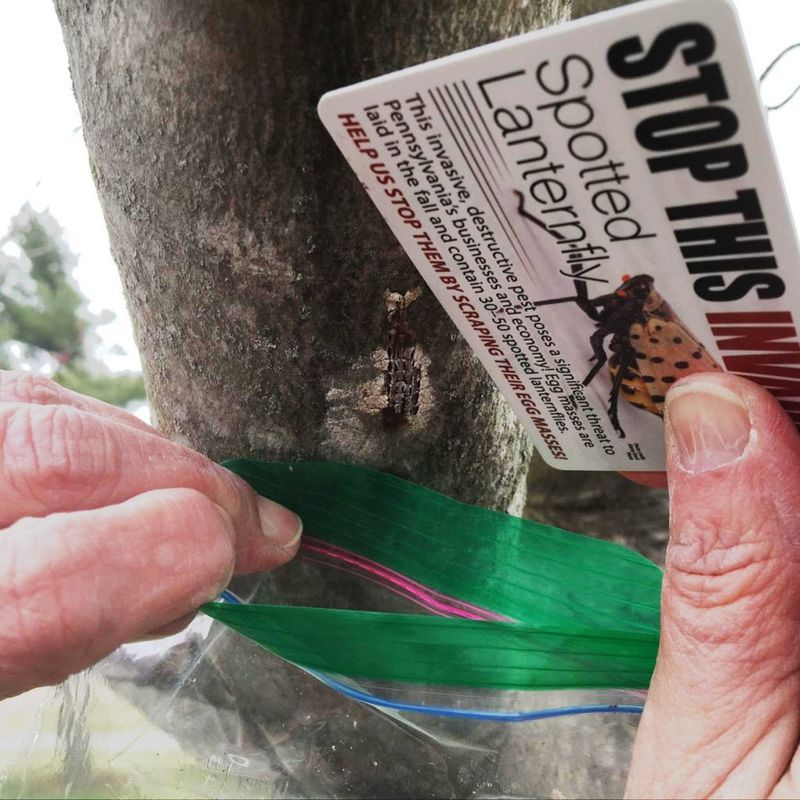
Good news: getting rid of egg masses is cheap, quick, and pretty satisfying. You probably already own everything you need.
Grab a resealable plastic bag or small jar with a lid. Pour in some rubbing alcohol or hand sanitizer.
Next, find a scraping tool. An old credit card, a plastic putty knife, or a butter knife all work well.
Hold the bag right under the egg mass. Then scrape firmly downward so the eggs fall straight into the liquid.
Make sure every egg sits fully covered by the alcohol. Seal the bag tightly and toss it in the trash.
Here is a mistake many people make. Scraping eggs onto the ground is not enough, since they can still hatch in spring.
Smashing is another option if you lack supplies. Press firmly and evenly across the whole mass until you hear eggs pop.
Crunching sounds mean the job is working. Still, the bag method is usually more reliable and less messy.
Wear gloves if you have sensitive skin. Rubbing alcohol can dry out hands, and bark bits can be scratchy.
Keep a small removal kit in your garage or car. A bag, a card, and a little bottle of sanitizer make quick work of any surprise find.
Tree Of Heaven Is Their Top Host Plant

Despite its lovely name, the Tree of Heaven is a bit of a backyard villain. It is the lanternfly’s absolute favorite place to feed.
Scientists call it Ailanthus altissima. It came from China, just like the spotted lanternfly itself.
Lanternflies feed on more than 70 plant types. Still, this tree pulls them in like a magnet.
Identifying it is easier than you might expect. Look for long leaves with 10 to 40 small leaflets lined up along one stem.
Each leaflet has a small bump or notch near its base. Crush a leaf, and you will notice a strong smell, like rancid peanut butter.
Tree of Heaven grows fast in empty lots, along highways, and near railroad tracks. Buffalo has plenty of these weedy spots in both city and suburbs.
Do not confuse it with sumac or black walnut. Sumac leaflets have toothed edges, and walnut leaves smell spicy instead of stinky.
Removing these trees can help, but take care. Cutting them down often makes them sprout dozens of new shoots from the roots.
Many experts recommend treating them with herbicide first. A local arborist or Cornell Cooperative Extension office can give advice.
Some researchers leave a few trees as trap trees. Lanternflies gather on them, making the bugs easier to find and manage.
Report What You Find To The State
Think of yourself as a citizen scientist helping protect your region. Your report helps experts see where lanternflies are spreading.
The New York State Department of Agriculture and Markets wants to hear from you. Reports from places where lanternflies haven’t been found yet are especially helpful, so a sighting outside the Buffalo area matters even more.
Visit agriculture.ny.gov/reportSLF to share your sighting, or email [email protected]. The online form is short and simple to finish.
Before you report, snap a clear photo. Place a coin or key nearby so officials can judge the size.
Write down the exact location too. A street address, nearby cross streets, or GPS coordinates from your phone all work.
Officials may ask for a sample. You can freeze the bug or egg mass, or keep it in rubbing alcohol.
Found an adult or nymph instead of eggs? Report those too, then squash them if you safely can.
Each report adds a dot to the state’s map. That map guides where crews survey, treat, and focus outreach.
Spread the word among friends and neighbors as well. Share photos on community pages so others in Buffalo learn what to watch for.
Fighting an invasive pest takes teamwork from everyone. A few minutes of reporting could help protect Western New York vineyards, parks, and backyard trees for years.