Keep Stink Bugs Out Of Your Home With Natural Repellents Worth Trying
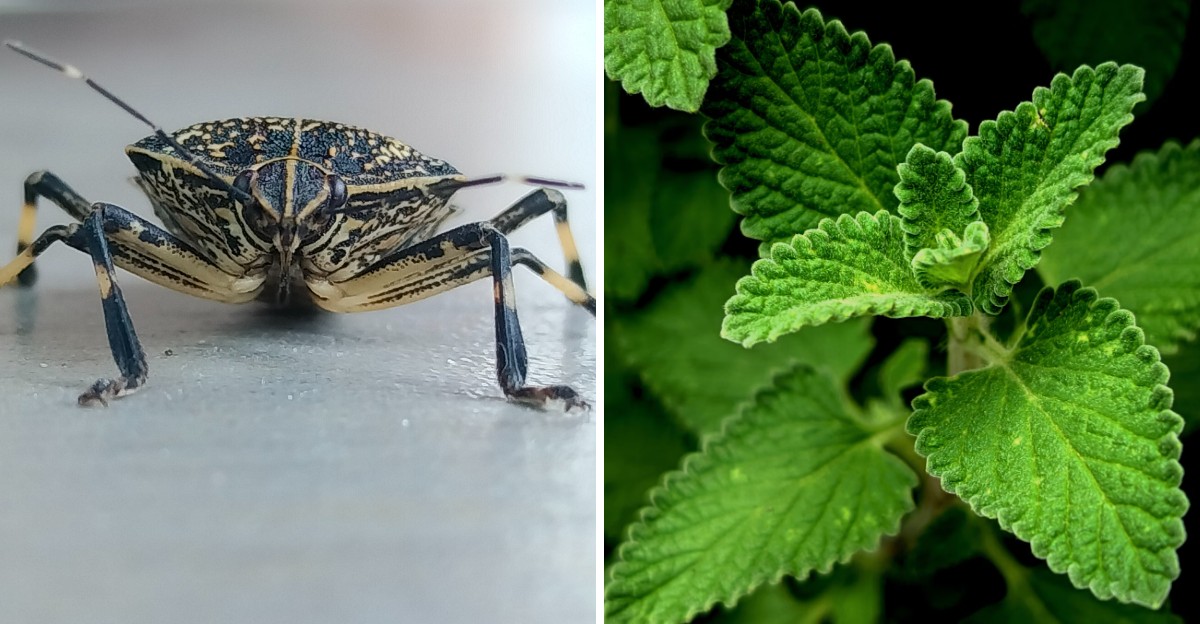
Your curtain is hiding a tenant who pays no rent and smells like wilted cilantro. Tap it gently and a sour, skunky whiff fills your living room.
Suddenly you are breathing a forgotten salad left in a warm car. These shield-shaped travelers slip through very narrow gaps around windows and doors.
They chase warmth, and your home reads like a luxury resort. Reach for a strong spray and you may fill the house with vapors.
Picture yourself waving a broom while your cat judges you like a referee. Pressing on a bug releases even more of its defensive scent.
Vacuums collect them but leave your machine smelling sour for many days. Warm afternoons lure them out, so you spot them wandering on walls.
A bowl of soapy water beneath a lamp can quietly clear your room. Light becomes your quietest ally tonight.
1. Spray Peppermint Oil Around Each Entry Point

Picture a candy cane factory, then imagine bugs holding their noses at the door. Mint scents smell fresh to people, and spearmint oil has repelled stink bugs in lab tests.
Mix about 15 drops of peppermint essential oil into two cups of water. Add a small squirt of dish soap so the oil blends instead of floating on top.
Pour the mix into a spray bottle and shake it well before each use. Mist window frames, door edges, vents, and any gaps where light sneaks through.
Bugs follow scent trails and warm air to find a way inside. Lab trials used stronger oil mixes, so this spray works as a mild deterrent at best.
Reapply after a few days, especially after rain washes outdoor surfaces clean. Indoor spots may hold the scent for days before it fades away.
Test a hidden patch first on painted or wooden surfaces. Some finishes can get cloudy if the oil sits too long.
Keep the bottle away from cats, since peppermint oil can bother them. Dogs can react badly too, so keep both pets away from the area and ventilate the room.
Peppermint also pairs well with a quick, gentle wipe of the sills before you spray. Clean surfaces hold the scent longer, and a fresh coat greets any scout that wanders close during chilly autumn evenings.
As a bonus, your home will smell like a holiday treat. That beats the scent of squashed bugs by a mile.
2. Seal Cracks With Caulk Before The Cold Arrives
Entomologists describe one home where over five hundred stink bugs were collected in two days. Common entry points include small cracks and gaps around the building.
Natural repellents work best when bugs have fewer ways to get in. Sealing cracks is the quiet hero that supports the other tricks.
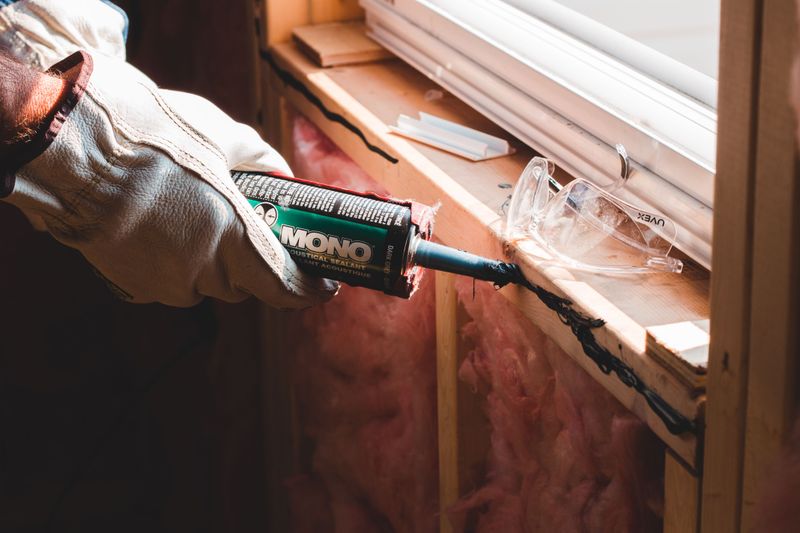
Walk around your house on a sunny afternoon before bugs move in. Look closely at window frames, door trim, siding seams, and spots where pipes or cables enter.
Run a bead of silicone or acrylic caulk along any gap you find. Smooth it with a wet finger for a neat, tight seal.
Check behind outdoor light fixtures and around dryer vents too. Bugs love those warm, hidden corners when nights turn chilly.
Replace worn weatherstripping on doors if you can see daylight underneath. A simple door sweep can block a surprising number of crawling visitors.
Screens matter as well, so patch small tears with repair tape or mesh kits. Even a tear can welcome a determined bug.
Pick a dry, calm day for this project so the caulk cures properly overnight. Cool temperatures slow the drying, so check the label for the lowest temperature it handles before you start sealing the gaps.
Seal early, since sealing later can trap bugs inside your walls. Lower heating bills are a pleasant reward on top of fewer bugs in your rooms.
3. Dust Diatomaceous Earth Along Windowsills And Doorways
Think of it as glitter with a job. Diatomaceous earth is a soft white powder made from fossilized algae that lived millions of years ago.
Under a microscope, each grain has sharp, jagged edges. Those edges can wear down the waxy coating on softer insects and dry them out.
Choose food-grade diatomaceous earth, which is safer around kids and pets when used carefully. Pool-grade versions are different and should stay out of your home.
Sprinkle a thin line along windowsills, door thresholds, and baseboards near entry points. A light dusting works better than a thick pile.
Stink bugs wear tough armor, and pest pros say the powder works slowly, if at all. Treat it as a small bonus.
Wear a simple dust mask while applying it to avoid breathing in the fine particles. Close the windows to keep breezes from scattering it around.
Moisture weakens the powder, so refresh it after cleaning or humid days. Outdoors, it works best under covered porches or eaves.
Keep the powder in a small plastic squeeze bottle with a narrow tip. That tool gives you a neat, thin line along tight edges, and it keeps extra dust from drifting into your living space.
Vacuum old powder after a couple of weeks and lay down fresh lines. Your sills get extra protection without synthetic pesticides.
4. Mist Garlic Spray On Plants Near Your Walls

Vampires are not the only ones who run from garlic. Stink bugs may find the strong smell unpleasant enough to skip plants coated with it.
Crush four or five garlic cloves and soak them in two cups of water overnight. Strain out the chunks the next morning so your sprayer does not clog.
Pour the liquid into a spray bottle and add a few drops of mild soap. Shake gently and you have a homemade bug deterrent.
Spray shrubs, vines, and flower beds that sit close to your house. Bugs often gather on these plants before crawling up to windows.
Focus on the undersides of leaves, where insects like to hide. Morning or early evening is best, since hot sun can stress wet leaves.
Reapply weekly and after rain showers. The scent fades faster outdoors, so consistency matters, though evidence for garlic is mostly anecdotal.
Your yard may smell like an Italian kitchen for a day or so. Many people find it fades quickly, while the bugs stay annoyed longer.
Spritz a bit of the diluted mixture onto a single small leaf before spraying a whole plant. Wait a day to see how the leaf responds, then treat the rest of the bed with confidence.
Bonus points go to anyone who plants real garlic near the foundation. It looks pretty and may help all season long.
5. Try Neem Oil On Gardens And Porches

Farmers in India have used neem trees for centuries to guard their crops. Today, that same old wisdom can help protect your patio and garden.
Neem oil comes from the seeds of the neem tree. It disrupts how insects eat, grow, and lay eggs, though adult stink bug results are limited.
Mix neem oil with warm water at the strength on the product label. Add a few drops of gentle soap so the mix blends smoothly.
Spray it on plants, porch railings, and outdoor furniture where bugs like to gather. Coat both the tops and bottoms of leaves.
Fresh mixes work best, so make only what you will use that day. Neem breaks down quickly once it is mixed with water.
The smell is earthy and a little nutty, kind of like garlic mixed with peanuts. Some people dislike it at first but get used to it.
Avoid spraying during bright midday sun to protect your plants. Evening applications also keep helpful bees out of the way.
Label your spray bottle clearly and store it on a high, dry shelf. Neem mixtures lose their punch quickly in warm rooms, so a cool cabinet helps your supplies stay fresh and potent between uses.
Fewer bugs outside means fewer bugs trying to sneak indoors. Think of neem as your first line of defense before the front door.
6. Build A Simple Soapy Water Trap For Stragglers

Here is a simple trick for a bug that wanders across your kitchen table. Grab a jar, add soapy water, and let gravity do the rest.
Stink bugs have a funny habit of dropping straight down when startled. Hold the jar beneath one, give a gentle nudge, and it falls in.
Fill a wide jar halfway with warm water and a good squirt of dish soap. The soap breaks the surface tension so bugs cannot float away.
Keep a jar near problem windows during October and November. Grabbing bugs this way avoids squishing them and releasing that famous odor.
For a nighttime trap, place a shallow pan of soapy water under a small lamp. Bugs drift toward the light and splash into the dish.
Empty the trap once a day or so and refill it with fresh water. Flush the contents or dump them far from your home.
Kids often enjoy helping with this chore, almost like a bug-catching game. Just supervise little ones around water and lamps.
Add a tiny pinch of salt to the water if you want extra insurance. Store a spare jar near the back door, so you can catch a wandering, curious bug the second it first appears.
It is cheap, simple, and surprisingly satisfying. Few things feel as good as winning a quiet contest with a jar of bubbles.
7. Try Catnip And Herbs Around Your Foundation

Your cat may roll around in ecstasy, but stink bugs may steer clear. Catnip contains a compound called nepetalactone that many insects dislike.
Some lab studies suggest catnip oil can repel insects like mosquitoes, though stink bug evidence is limited. That makes it a useful backyard plant.
Plant catnip, mint, lavender, and thyme in beds close to your walls. Together, they create a fragrant border that bugs may avoid.
Mint spreads fast, so grow it in pots to keep it from taking over. Lavender loves sunny, dry spots and adds a lovely purple touch.
Herbs planted in fall may not grow much until spring. Potted herbs can sit near doors right now and add some deterrence.
Crush a few leaves now and then to release a stronger scent. Rubbing them on porch steps gives an extra burst of fragrance.
You also gain fresh herbs for tea, cooking, and homemade sachets. Few pest solutions taste this good in a mug of hot tea.
Group your pots by sunlight needs, and rotate them each week or so. Even growth keeps the leaves full, which means a stronger, steadier scent barrier around the doors and windows you want to protect.
Just expect visits from curious neighborhood cats. They might lounge in your garden, which honestly adds charm to the view.
8. Place Cedar Blocks And Sachets In Hidden Spots

Ever opened an old cedar chest and caught that warm, woodsy smell? That cozy scent comforts people and may discourage insects in small closed spaces.
Stink bugs love quiet, dark places like attics, closets, and wall corners. They tuck themselves away there to wait out the winter months.
Place cedar blocks or cedar chips in these hiding spots. Small cloth bags filled with shavings work well on shelves and in storage bins.
Add a few drops of clove or lemongrass oil to cloth sachets for extra punch. Both scents are strong and pleasant, but keep sachets away from pets.
Check attic vents, basement corners, and spaces behind curtains. These areas often hold the biggest surprise gatherings by midwinter.
Cedar loses its scent over time, but it is easy to refresh. Lightly sand the blocks after a couple of months to wake the smell back up.
Your closets will smell clean, and your sweaters may thank you too. Cedar may also help deter moths from wool clothing.
Slide a few small sachets into drawers and coat pockets as well. Those small pouches add a gentle woodsy scent to your clothes while they quietly guard the dark corners where bugs like to rest.
Small steps like this work best paired with sealing and sprays. Layered defenses turn your house into the least welcoming hotel on the block.