The Planting Mistake Holding Back North Carolina Coastal Gardens This October
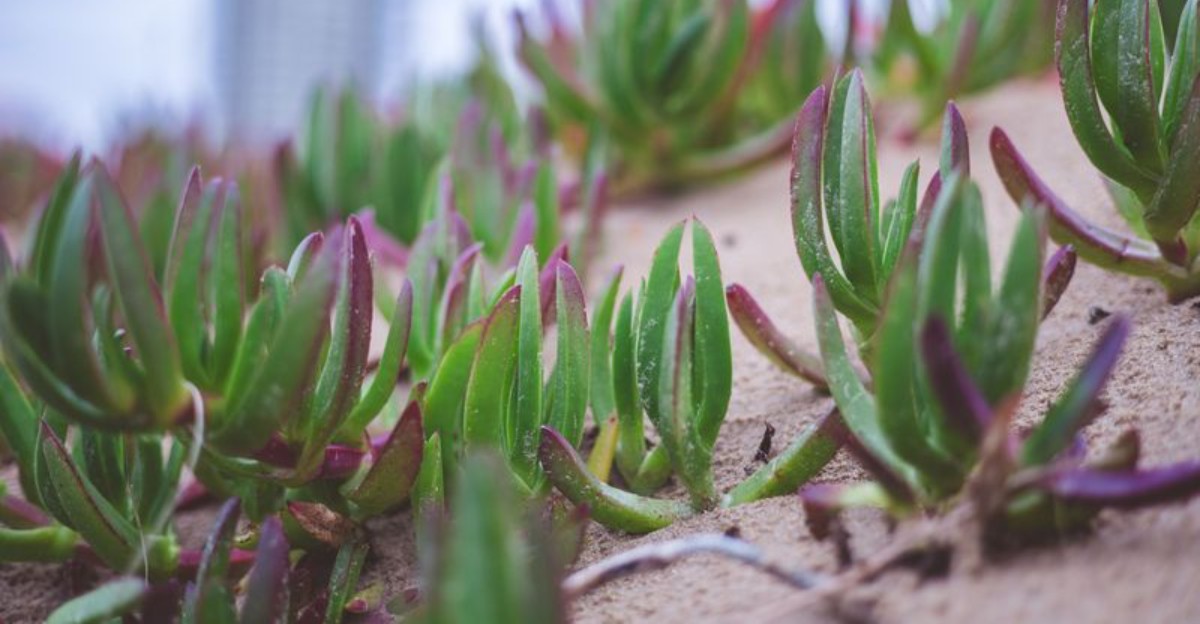
Coastal gardens play by different rules, and one common mistake catches many newcomers. The soil is sandy, and it drains fast.
Wind and salt spray dry out leaves, and a long drought has left the coast with a rainfall deficit that this month’s storm only partly cured.
Gardeners carry inland habits to the beach, then wonder why plants stall. The error often happens on planting day, before the first leaf ever struggles. It affects how roots settle, how much water they find, and how well they handle wind.
October is a good time to plant on the coast, since soil stays warm and winters are mild. Fix this one thing, and new plants have a much better chance of taking off.
1. Planting Straight Into Unamended Sand Is The Mistake
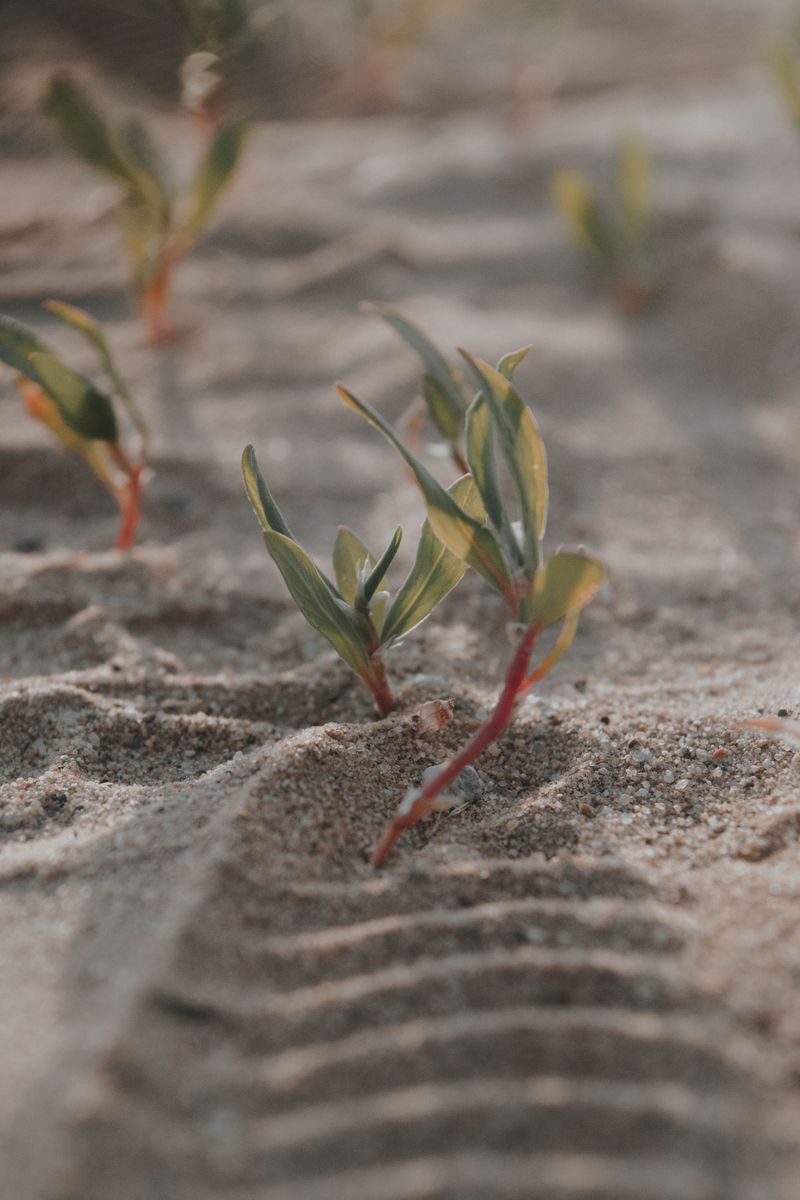
Grab a handful of soil from a coastal yard and watch it slip right through your fingers. That loose, gritty feel tells you a lot. Many gardeners dig a hole in that sand, drop in a new plant, and hope for the best.
Sadly, hope is not enough. Sandy soil drains so fast that water and nutrients rush past the roots before they can soak anything up. Fresh transplants, tiny seedlings, and fall bulbs often sit there struggling, growing slowly or barely at all.
Think of it like trying to fill a bucket that has holes in the bottom. You can pour and pour, but very little stays put. Your plants feel the same way when they live in plain sand. The good news is that the fix is simple.
Before you set out fall vegetables like collards, kale, and lettuce, or flowers, shrubs, and trees, take time to improve the whole planting area. Mixing in rich organic material gives roots something to grab onto and a place to find food and water.
Location makes a big difference here. Much of North Carolina’s Coastal Plain has light, sandy soil that acts nothing like the thick red clay found in the Piedmont. Clay holds water for days, while sand lets it go almost at once.
So gardening advice from a friend in Raleigh or Charlotte might not work at the beach. Coastal soil needs its own plan. When you understand that, you can stop fighting your yard and start working with it.
A little prep this October pays off for months. Your plants will root deeper, stay greener, and handle stress far better than plants tucked straight into bare sand.
2. Drought Makes Sandy Soil Even Less Forgiving
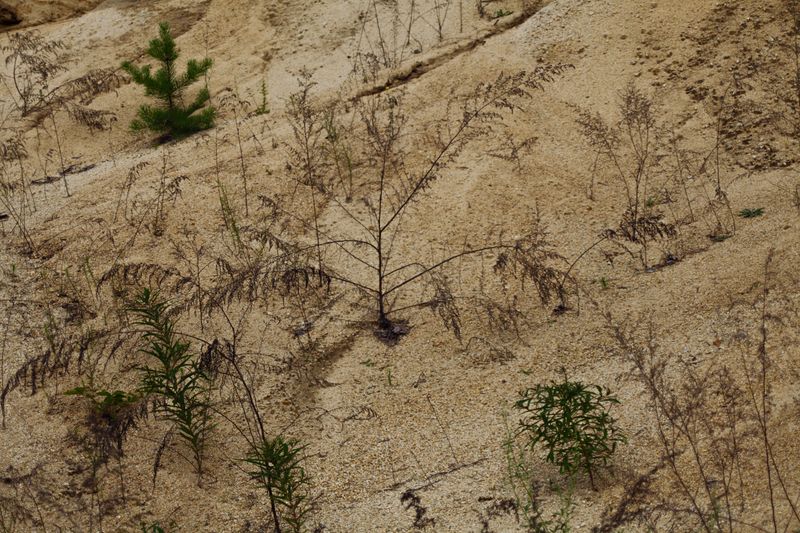
Rain can fool you. A good storm rolls through, puddles form, and the yard looks soaked. Two or three days later, though, sandy soil can feel bone dry again.
Sand simply holds very little water to start with. During a dry stretch, it gives up whatever moisture it has very quickly after rain or a garden hose. New plants with short roots have almost nothing left to drink.
That is why weather matters so much this fall. Even after recent rain from Isaias, coastal soil may still be dry a few inches below the surface. The top layer might look dark and damp while the root zone stays thirsty.
Your North Carolina Garden Changes Every Week. Your Plan Should Too.
Gardening in North Carolina changes quickly throughout the season. Every Friday you’ll receive a simple weekly plan showing exactly what to plant, prune, fertilize, harvest, and protect so you never miss the right timing.
Before you plant, do a quick check. Push your finger or a small trowel about three or four inches into the ground. If it feels dry and dusty down there, water the bed well a day ahead of planting.
After your plants go in, keep a close eye on them. Drooping leaves in the afternoon, crispy edges, or slow growth can all point to a lack of water. Catching these signs early makes it much easier for plants to bounce back.
Here in North Carolina, the southeastern coast has been dealing with drought conditions. Experts say the region still needs a lot more rain to fully recover. One storm does not erase weeks or months of dry weather.
Treat your soil like a savings account that has run low. A single deposit helps, but it will take steady care to build it back up. Checking often and planning ahead will keep your fall garden on track.
3. Compost Helps Sand Hold Water And Nutrients
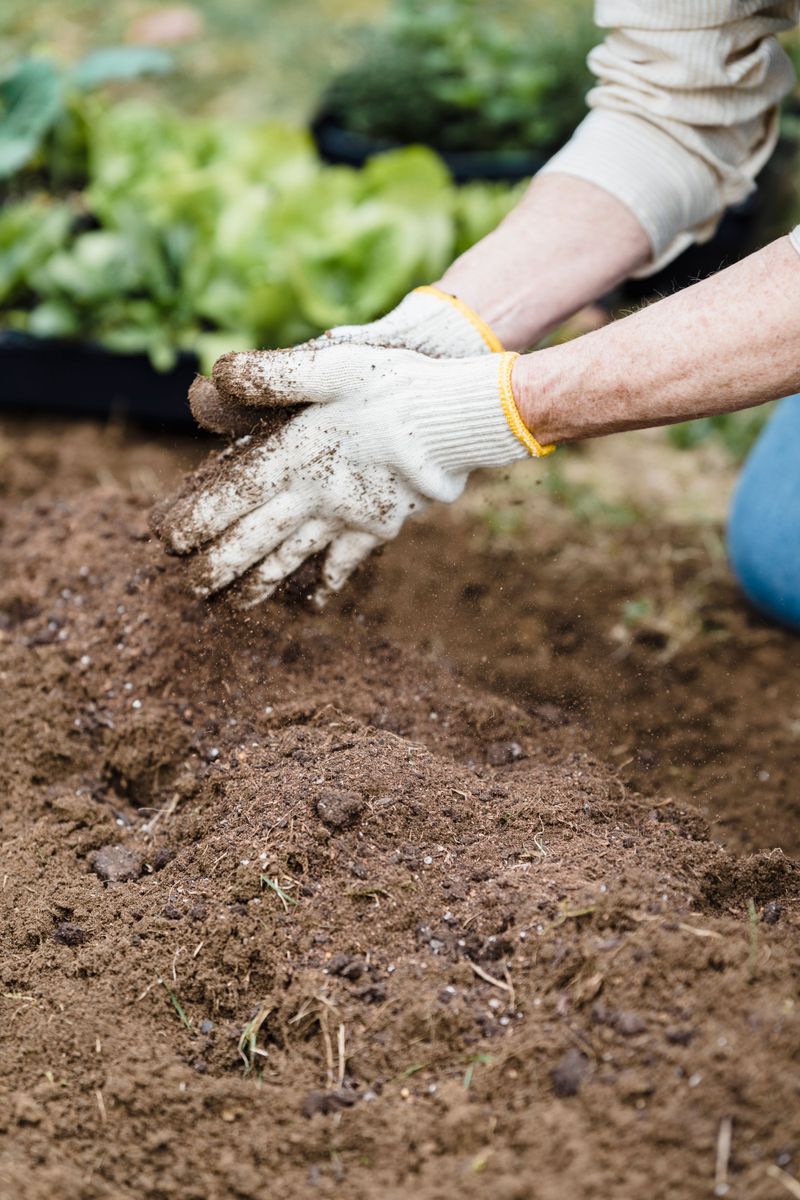
Few things in gardening work as much magic as a pile of dark, crumbly compost. Spread it over sandy soil and you start to change the whole personality of your yard.
Compost, aged manure, and leaf mold behave like a kitchen sponge. Tucked between grains of sand, they grab water and nutrients and hold them longer. Roots then have time to reach that moisture and food instead of watching it drain away.
Getting started is easy. Spread 2 to 3 inches of compost across the entire planting area, not just in single holes. Then work it into the top several inches of soil with a garden fork or shovel.
Why the whole bed? When you only fill one hole with rich soil, roots tend to stay inside that cozy spot. Improving the full area invites them to spread out and grow strong.
Keep the habit going each season. Add a fresh layer of compost every spring and fall, and your soil will grow richer year after year. Shredded leaves make a great free bonus, too, since they work as mulch and slowly break down into the ground.
Coastal gardeners have an extra reason to stay on top of this. Warm, humid weather in eastern North Carolina speeds up how fast organic matter breaks down. What you add this October can be mostly gone in a year or so.
That might sound like bad news, but it really just means you get to keep feeding your soil. Fallen oak leaves, kitchen scraps, and grass clippings can all turn into compost at home. Your garden will thank you with healthier, happier plants.
4. New Plantings Need More Frequent Watering
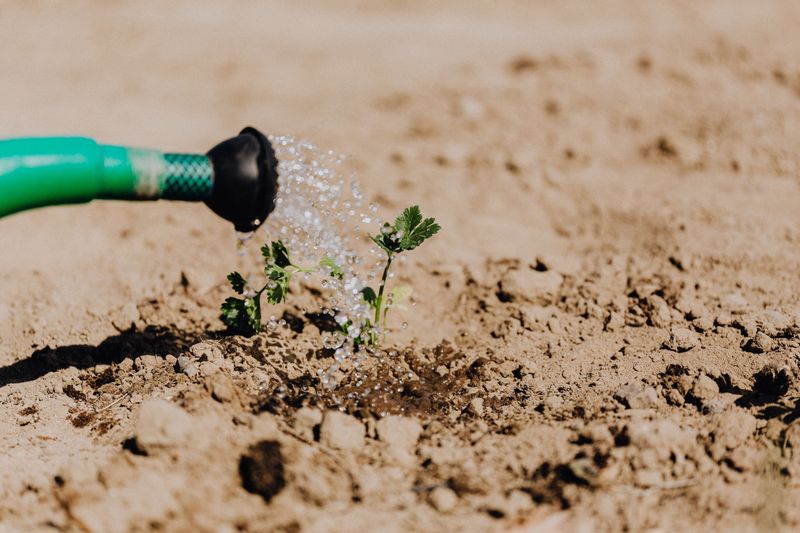
Picture a sprinkler schedule that works perfectly in a clay yard. Now try it in sand, and your plants may start sulking within days. Sandy ground just plays by different rules.
Water zips through sand quickly, so new plants there often need a drink more often than plants in heavier soil. Young roots are small and can only reach the moisture right around them. Until they spread out, they rely on you.
Start by watering new transplants and seedlings deeply. A slow, thorough soak pushes water down into the root zone instead of wetting just the surface. Then check the soil every day or two for the first couple of weeks.
Tools can make life easier. Drip irrigation and soaker hoses release water slowly and evenly, which gives sand a better chance to hold it. They also keep leaves dry, which helps prevent leaf diseases.
Timing matters, too. Morning watering lets plants fill up before the afternoon sun and wind kick in. Less water floats away as evaporation, and foliage has time to dry before night.
Be a good neighbor while you do it. Some coastal towns set water restrictions during dry periods, so follow any local rules about days and hours. A timer on your hose can help you stay on schedule without much effort.
Fall is a prime planting season along the North Carolina coast, with mild days that roots love. Even so, sudden dry spells can stress new plants fast. Steady watering through October and November helps them settle in strong before winter arrives.
5. Mulch Slows Moisture Loss
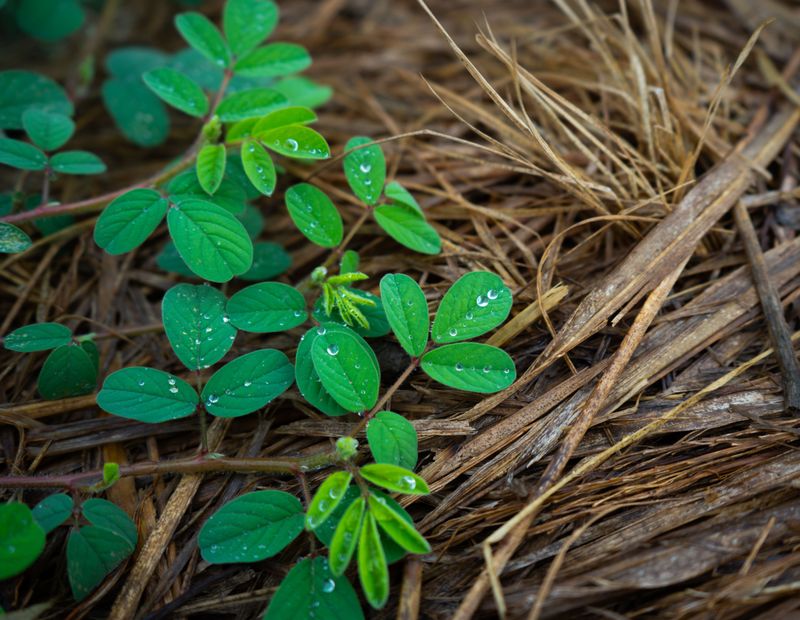
Walk through almost any neighborhood near Wilmington or Morehead City and you will spot golden pine straw tucked around shrubs and flower beds. Southern gardeners have trusted it for generations, and for good reason.
Mulch works like a cozy blanket for soil. A layer on top shades the ground, cuts down on evaporation, and keeps roots cooler on warm fall afternoons. Over time, it breaks down and adds organic matter to the sand below.
After planting, spread 2 to 3 inches of mulch over your beds. Pine straw, shredded leaves, and shredded bark all do a fine job. Pick whatever is easy and affordable for you.
Just give your plants a little breathing room. Keep mulch a few inches away from stems and trunks. Piling it right up against them can trap moisture and lead to rot or pest problems.
Mulch does not last forever, especially in a humid coastal climate. Check your beds every few months and add more as the layer gets thin. A quick top-off in spring and fall usually keeps things in good shape.
There is a bonus, too. A solid layer of mulch helps block weeds, so you spend less time pulling them and more time enjoying your garden. It also keeps soil from splashing onto leaves during heavy rain.
Pine straw is especially handy in North Carolina, since the state has plenty of longleaf and loblolly pines. It is widely sold at garden centers, and many folks simply rake it up from their own yards. Light, easy to spread, and good-looking, it fits coastal gardens beautifully.
6. Salt Spray Limits What Grows Near The Water
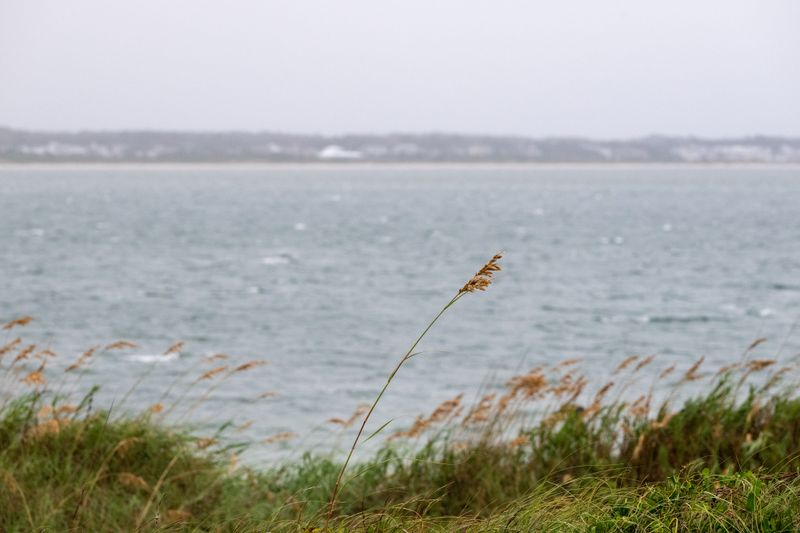
Ocean breezes feel wonderful on a fall afternoon, but your plants might not agree. Every gust from the water can carry tiny drops of salt far inland.
Wind picks up salt spray from the ocean and the sounds and drops it onto gardens. On plants that are not salt tolerant, it can burn leaf edges, turn foliage brown, and stunt growth. Gardens with little shelter from the wind usually take the hardest hit.
Smart plant choices make a huge difference. Wax myrtle and yaupon holly are two tough native shrubs that handle salty air with ease. Many ornamental grasses, such as muhly grass and sea oats near the dunes, also shrug off the spray.
Got a favorite plant that is more delicate? Tuck it behind a building, fence, or hedge that blocks the wind. Even a small barrier can cut down on how much salt lands on its leaves.
A garden hose can help, too. After strong winds blow in off the water, rinse foliage with fresh water when you can. Washing salt off quickly limits the damage it can do.
Layering helps as well. Plant the toughest shrubs on the windy side to act as a living shield, then grow softer plants in the calmer pocket behind them. Over time, your garden builds its own protection.
North Carolina’s coast stretches for hundreds of miles, from the Outer Banks down past the southern beaches and along wide sounds like Pamlico and Albemarle.
Salt spray is part of life in all of these spots. Planting with it in mind keeps your fall garden looking fresh instead of scorched.
7. Sandy Soils Need A Soil Test And Nematode Awareness
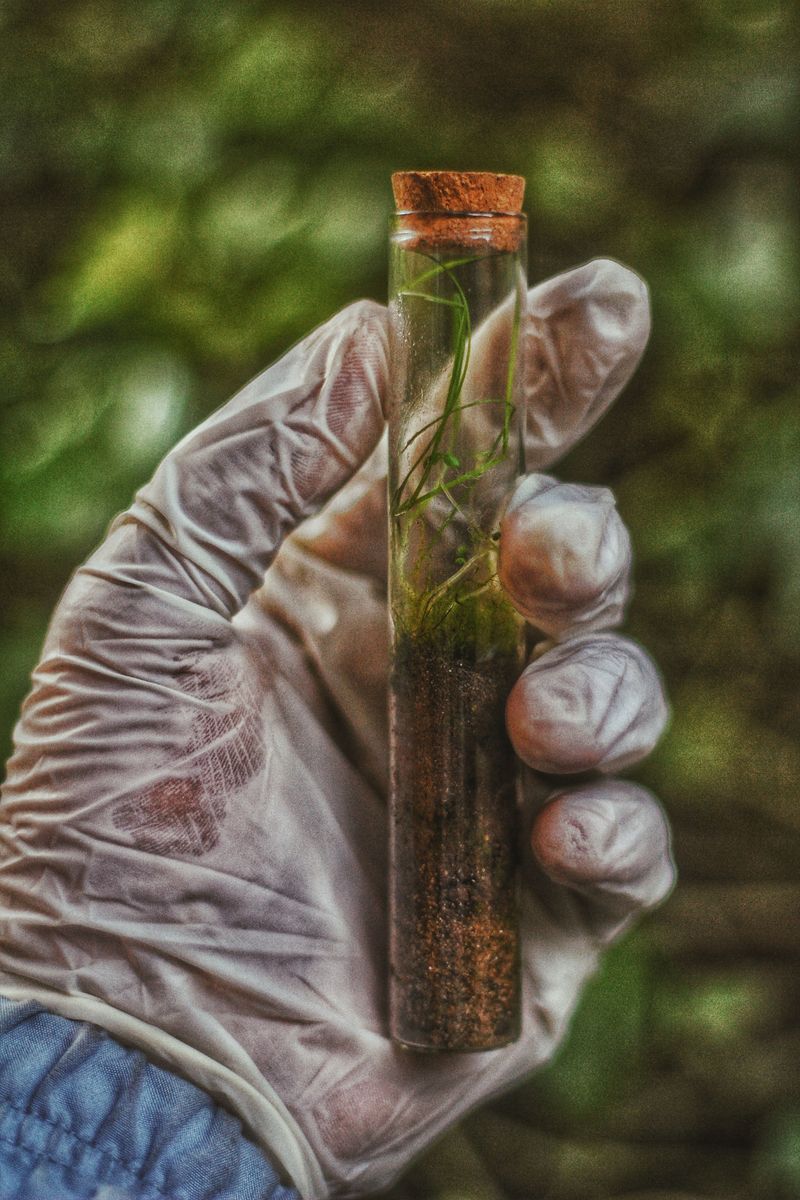
Some garden troubles hide where you can never see them. In sandy coastal soil, two sneaky problems often stay out of sight until plants start to struggle.
The first is soil chemistry. Sandy soil tends to be acidic and low in nutrients, which makes it hard for many vegetables and flowers to thrive. Guessing at what to add can waste money or even make things worse.
A soil test clears up the mystery. The North Carolina Department of Agriculture runs a soil testing lab, and you can pick up sample boxes at your county Cooperative Extension office.
The report tells you exactly how much lime and fertilizer your garden needs, so follow it closely.
The second problem is much smaller but just as serious. Root-knot nematodes are tiny worms that live in the soil and love sandy conditions. They attack roots and cause swollen knots, leaving plants stunted, yellow, and weak.
Tomatoes, okra, beans, squash, and many other vegetables are common targets. If you pull up a plant at the end of the season and see bumpy, knotted roots, nematodes are likely to blame.
A few habits help keep them in check. Rotate your vegetable crops each season so the same family does not grow in one spot year after year.
Keep adding organic matter, which supports helpful soil life, and choose nematode-resistant varieties when you can, such as tomatoes labeled with an N.
Root-knot nematodes are a common headache in sandy Coastal Plain gardens across North Carolina. With a soil test in hand and a smart rotation plan, you can stay one step ahead and enjoy a much healthier harvest.