7 Native North Carolina Plants That Turn A Dark Backyard Into A Firefly Show By June
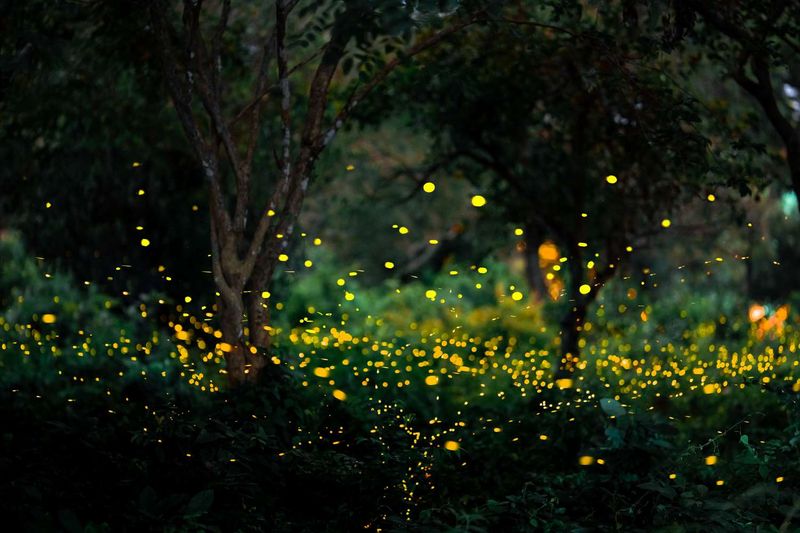
You step out onto the back porch on a warm June night in North Carolina, the air still thick from an afternoon storm, and the yard is just black and quiet. Then one green spark blinks near the grass, then another, and suddenly the whole edge of the yard is winking on and off like slow Christmas lights. That show is not luck. Fireflies need the right plants, the right damp shade, and a little darkness to put on a display, and the good news is that most of what they want is native and easy to grow here.
These seven plants give firefly larvae a place to hide, eat, and grow so that by early summer your backyard does the twinkling for you.
1. Little Bluestem
Fireflies spend most of their lives underground and in the thatch, not flying, and that surprises most folks. The larvae hunt slugs and snails in cool, moist litter for up to two years before they ever glow above your grass.
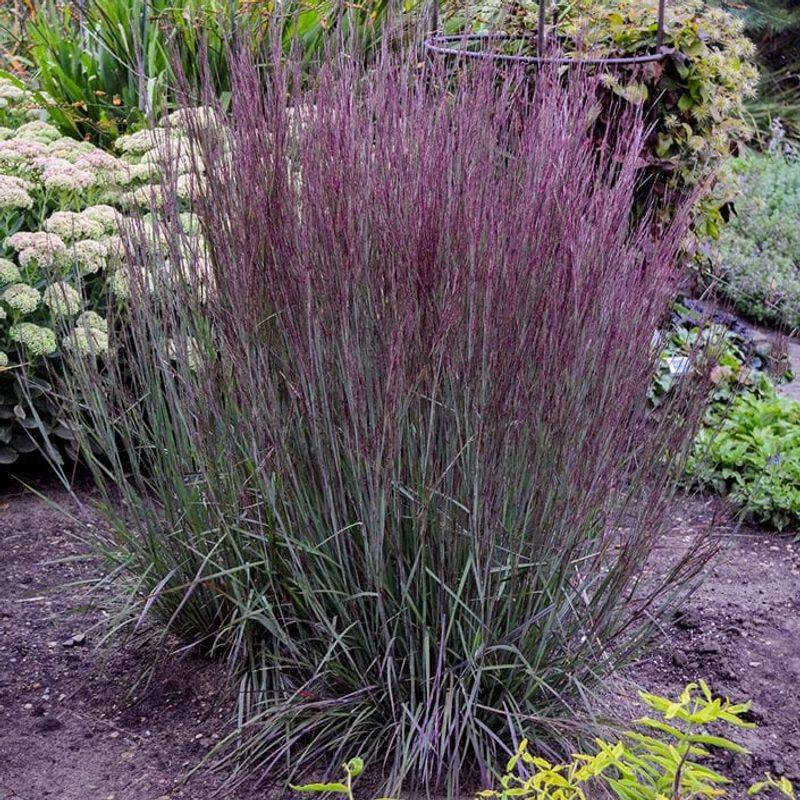
Little bluestem (Schizachyrium scoparium) is a clumping native grass that builds exactly that kind of shelter. It grows two to four feet tall, holds moisture at its base, and leaves standing stems you should never rake bare in winter. That leaf litter is the firefly nursery, so leaving it alone genuinely matters.
Plant it in full sun to part shade with about 18 inches between clumps, and it handles Piedmont red clay without complaint once roots set. NC State Extension lists it as a tough, drought-friendly native for our zones 7a through 8a.
Skip the mower along one back strip and let the bluestem stand. By June, the larvae that overwintered in that thatch climb up and light the fence line.
2. Joe Pye Weed
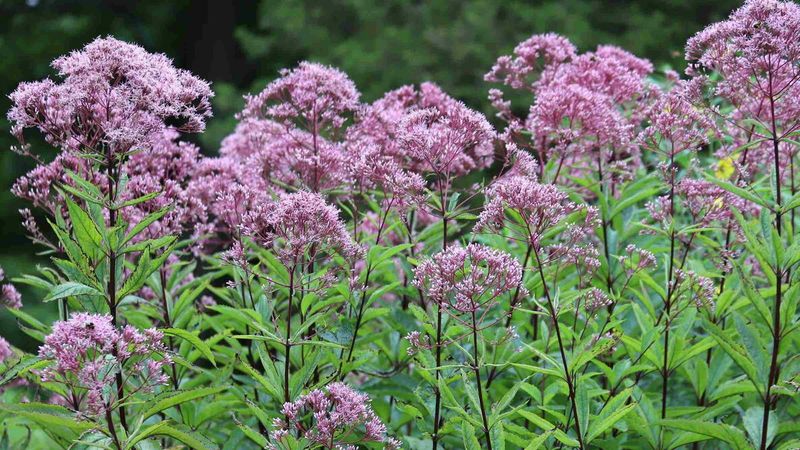
Head to the low, damp corner of your yard where water pools after a storm, the spot you keep meaning to fix. That soggy patch is prime firefly real estate, and Joe Pye weed loves it too.
Joe Pye weed (Eutrochium purpureum) shoots up five to seven feet with dusty rose flower heads that arrive in mid to late summer. But the real gift is the tall, shady, humid microclimate it builds down low, where adult fireflies rest during the day and stay cool.
Fireflies dry out fast in open sun and wind. A stand of Joe Pye acts like a living umbrella, holding the moisture and shade they need to survive our muggy Coastal Plain afternoons.
Set plants about two to three feet apart in that wet spot and water them the first summer while roots dig in. After that they mostly fend for themselves. You turn a drainage headache into a nightly light show, which feels like getting away with something.
3. Cinnamon Fern
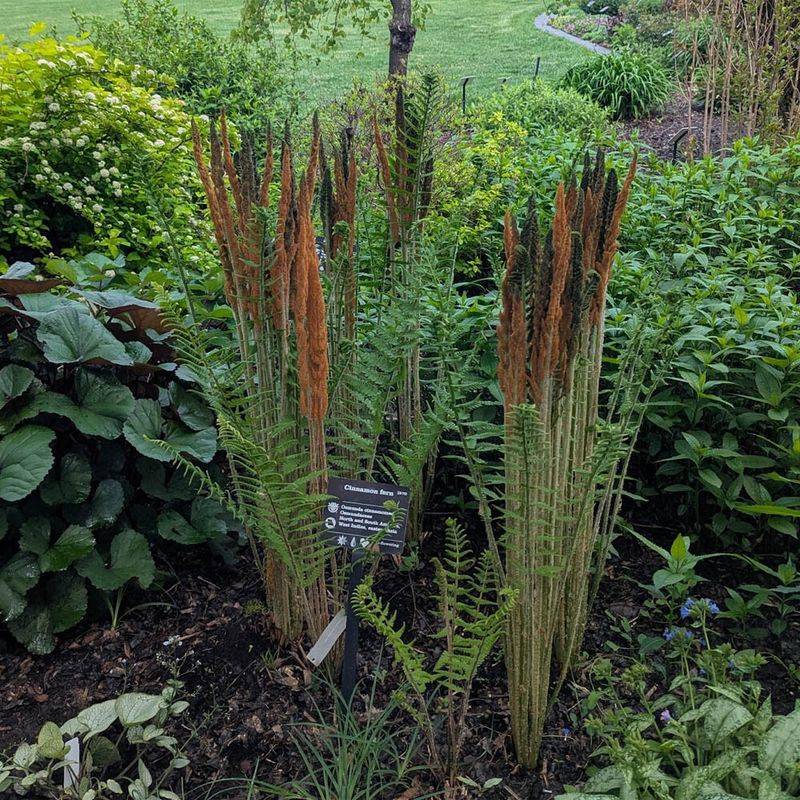
Moisture is the whole game for baby fireflies, and few native plants hold it like a fern bed. Cinnamon fern (Osmundastrum cinnamomeum) thrives in the shady, wet spots where most ornamentals sulk.
Growing three to five feet tall in a graceful vase shape, it forms a dense, cool understory that traps humidity right at ground level. Firefly larvae hunt slugs and soft-bodied prey in that damp shade, and the rusty spore stalks in spring are a bonus for the eye.
Your North Carolina Garden Changes Every Week. Your Plan Should Too.
Gardening in North Carolina changes quickly throughout the season. Every Friday you’ll receive a simple weekly plan showing exactly what to plant, prune, fertilize, harvest, and protect so you never miss the right timing.
Tuck ferns along the north side of the house or under dogwoods, spacing them about two to three feet apart in soil kept consistently moist. They handle the mountains and the Piedmont well, hardy through zone 6a.
Here is where it gets easy. Ferns ask for shade and water, which is exactly the neglected side yard you already have. Fill it in, keep the ground damp, and you have built a glowing hideout without adding one bit of extra chores.
4. Common Milkweed
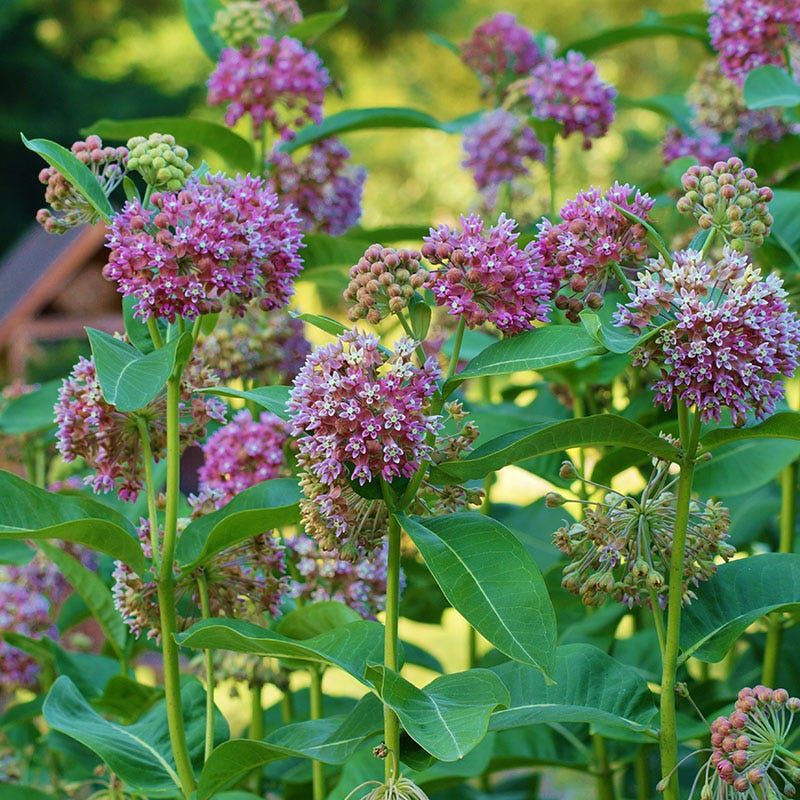
Everybody plants milkweed for the monarchs, and rightly so, but it pulls double duty on a summer night. Common milkweed (Asclepias syriaca) feeds fall butterflies and also anchors the soft, sheltered habitat fireflies favor.
The plant stands three to five feet tall and spreads by underground roots into a loose colony. That colony keeps the ground shaded and slightly moist underneath, and it draws in the small insects and soft-bodied prey that firefly larvae eat.
Give it full sun and room, spacing starts about 18 to 24 inches apart, and let it wander a little at the yard’s edge where its spreading habit will not crowd the flower bed. It handles sandy Sandhills soil and clay alike.
You get monarchs drifting through in fall and fireflies flickering in June from the same patch. Two of North Carolina’s best backyard shows, one plant, almost no fuss.
5. Wild Bergamot
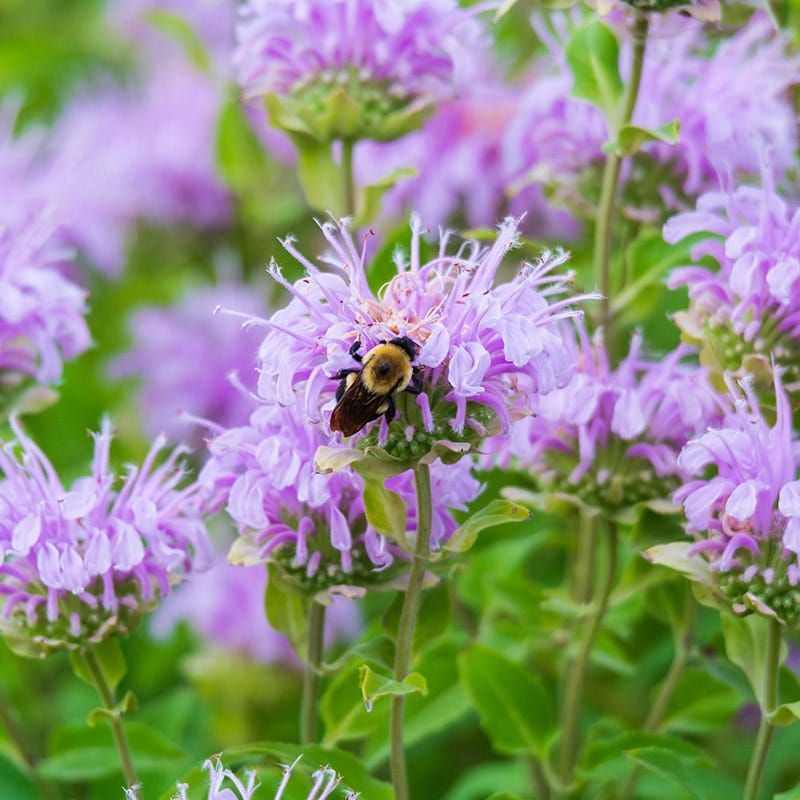
Fireflies flash to find mates, and they flash best where the ground stays a touch damp and cool after dark. Wild bergamot (Monarda fistulosa) helps set that stage while feeding bees and hummingbirds by day.
Also called bee balm, it grows two to four feet tall with shaggy lavender blooms and a minty scent when you brush past. Its clumping roots and leafy base keep soil shaded and hold moisture, which is the quiet foundation larvae need down below.
Plant in full sun to part shade, about 18 inches apart, in average soil that drains but does not bake bone dry. It is native across the Piedmont and mountains and shrugs off our summer heat once established.
Good airflow between clumps keeps powdery mildew off the leaves, a common gripe in our humid stretches. Space them right and you get a fragrant, pollinator-loud garden by afternoon that hands the yard over to the glow crew by nightfall.
6. River Oats
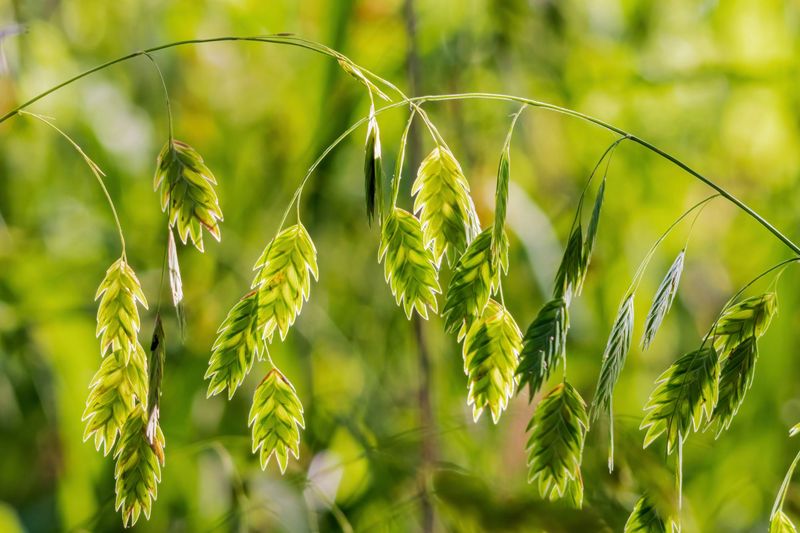
Look at any firefly-rich spot in North Carolina and you will notice it is a little wild, a little unkempt, with dappled shade and leaf litter left in place. River oats (Chasmanthium latifolium) recreates that vibe fast, even under trees where grass gives up.
The plant reaches two to four feet with flat, dangling seed heads that rustle in a breeze and turn coppery by fall. It spreads by seed and short runners to form a loose groundcover that keeps soil moist and shaded, exactly the layer larvae hide and hunt in.
It grows happily in part to full shade, tolerating dry runs once rooted, and fills stubborn spots under oaks and maples. Space plants about 18 to 24 inches apart and expect polite spreading over a couple of seasons.
You cover a bare, dark patch of yard with something alive and rustling, and the fireflies read it as home. A problem area becomes the front row of the show.
7. Eastern Red Cedar
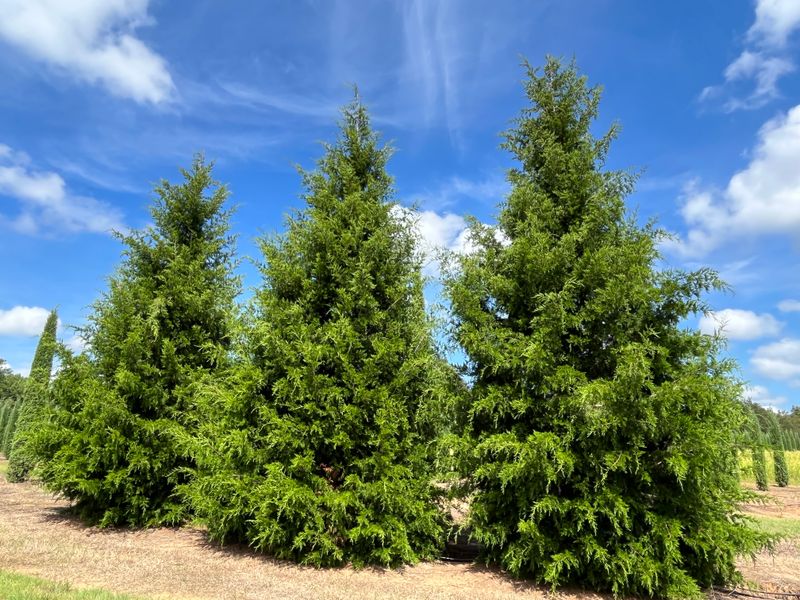
Nobody expects a tree to matter for fireflies, yet the right one changes everything. Eastern red cedar (Juniperus virginiana) is a tough native evergreen that gives your yard the dark, sheltered edge these insects genuinely depend on.
Growing 30 to 40 feet over time with dense, layered branches, it blocks streetlights and porch glare that wash out firefly signals. Light pollution is one of the biggest reasons yards go dark and stay dark, and a screen of cedar shields the flashing so mates can actually find each other.
Plant it as a windbreak or property-line screen on the side facing the road, giving each tree plenty of room since they can spread 10 to 15 feet wide. It handles poor soil, drought, and coastal salt spray without blinking.
Think of it as the curtain around your stage. Cut the outside glare, keep the moisture-holding natives underneath, and by June the show your neighbors drive past will be happening in your own back corner.