The Darkness Trick That Turns Last Year’s North Carolina Poinsettia Red Again

A poinsettia is a short-day plant, which means it needs long nights to change color. That is the secret behind the old darkness trick. Starting about now, the plant needs around fourteen hours of uninterrupted darkness every night.
Even a hallway light or a TV glow can undo the work. During the day, it needs bright light and mild temperatures. This routine usually lasts around eight to ten weeks, until the bracts begin to show color.
That timing puts a red plant near the holidays, or just after them. Many people try and give up too soon. It takes a bit of discipline, but nothing expensive. If you saved last year’s plant, this is your chance to see it turn red again.
1. Poinsettias Change Color In Response To Long Nights
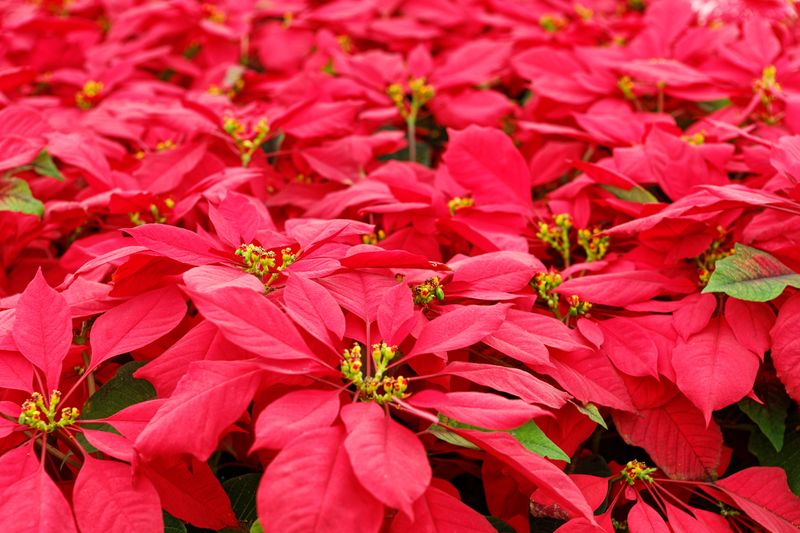
Deep in the hills of Mexico, wild poinsettias wait all year for one signal. When fall arrives and the nights stretch longer, the plants respond by painting their top leaves bright red.
Your potted poinsettia, known to scientists as Euphorbia pulcherrima, still follows that same ancient clock.
Gardeners call poinsettias short-day plants. The name is a little misleading, because what really matters is the length of the night, not the day. After several weeks of long, uninterrupted darkness, the plant starts making colorful bracts.
Bracts are the red parts most people think of as flowers. In truth, they are special leaves that change color to attract attention. The real flowers are the tiny yellow buds, called cyathia, sitting right in the center.
Here is where many indoor plants run into trouble. A poinsettia living in a family room with lamps glowing every evening never gets the long nights it needs. To the plant, it feels like summer all year, so it simply stays green.
That explains why so many people end up with leafy plants that never color again. Nothing is wrong with them at all. They just have not received the right message from the dark.
For families across North Carolina, this is welcome news. Lots of homes buy poinsettias every December, and many hold onto them hoping for a repeat show.
Once you understand that darkness is the trigger, you can create those long nights on purpose and guide last year’s plant back to its festive red.
Knowing this one fact turns a guessing game into a simple plan you can actually follow at home.
2. They Need About 14 Hours Of Total Darkness

Fourteen hours. That is the magic number your poinsettia needs every single night to start turning red. It sounds like a lot, but the routine quickly becomes as normal as brushing your teeth. The darkness has to be complete and unbroken.
Even a quick flash of light from a lamp, a glowing television, or a streetlight shining through the curtains can reset the plant’s internal timer. Poinsettias are very sensitive, so a little light goes a long way in the wrong direction.
Most growers use one of two easy methods. You can carry the plant into a dark closet each evening, or you can cover it with a large cardboard box.
Your North Carolina Garden Changes Every Week. Your Plan Should Too.
Gardening in North Carolina changes quickly throughout the season. Every Friday you’ll receive a simple weekly plan showing exactly what to plant, prune, fertilize, harvest, and protect so you never miss the right timing.
Make sure the box is big enough that it does not crush the leaves and that no light sneaks in around the bottom edges.
Timing is simple once you set a schedule. Around 5 p.m., tuck the plant into darkness. Then uncover it around 7 or 8 a.m. the next morning, giving it roughly 14 to 15 hours in the dark.
A phone alarm can be your best friend here. Set one reminder for the evening and another for the morning so you never forget. Some families even turn it into a kid’s chore, which keeps everyone involved and excited.
Consistency really matters for North Carolina growers. Just one missed night or a sneaky light leak can slow down color development and push your red display later into the season.
Check your closet for gaps under the door and seal them with a towel if needed. Treat those dark hours like a bedtime the plant cannot skip, and it will reward your effort.
3. Timing Decides When Color Appears
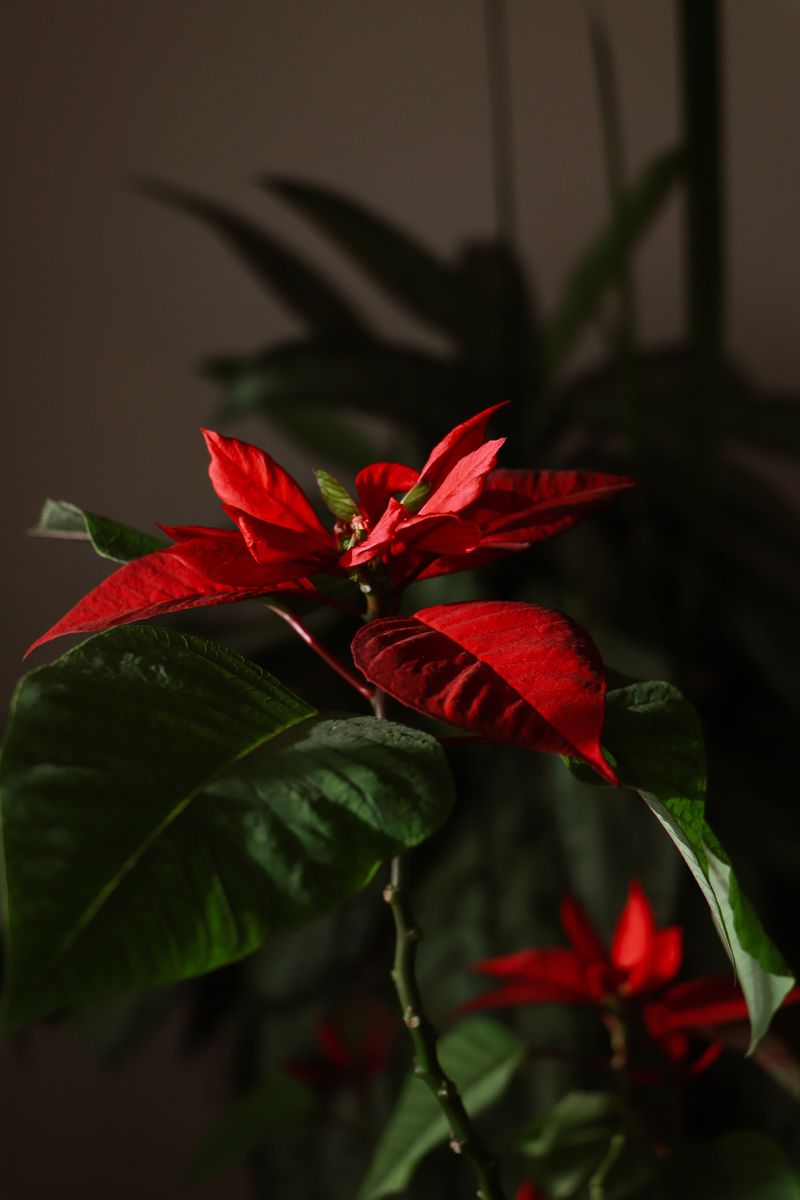
Want red bracts by Christmas morning? Then grab a calendar, because the start date makes all the difference. Poinsettias work on a slow and steady schedule that you cannot rush.
Most plants need about 8 to 10 weeks of long nights before their bracts fully color. Count backward from the holidays, and you will land right around the beginning of October. That is the sweet spot for most home growers.
Starting in late September or early October usually brings color right on time for Christmas. Your plant will slowly show hints of red at first, then deepen into rich color as the weeks roll on. Watching that change is part of the fun.
But what if October has already slipped by? Don’t worry, because you have not missed your chance. If you begin the darkness routine in mid to late October, expect your plant to color up closer to January instead.
A January poinsettia can actually be a treat. After the holiday decorations come down, a fresh pop of red brightens those gray winter weeks. Many gardeners enjoy having something cheerful to look at when everything outside looks bare.
This flexible timing is great news in North Carolina. Plenty of gardeners are only now remembering the plant sitting quietly in the corner since last winter.
Busy fall schedules with school, football games, and harvest festivals make it easy to forget. Write your start date on the calendar and count forward about ten weeks.
Knowing roughly when color will arrive helps you plan where to display the plant and keeps your patience strong during the waiting period. Good timing turns hope into a real plan.
4. Bright Days Matter Just As Much As Dark Nights
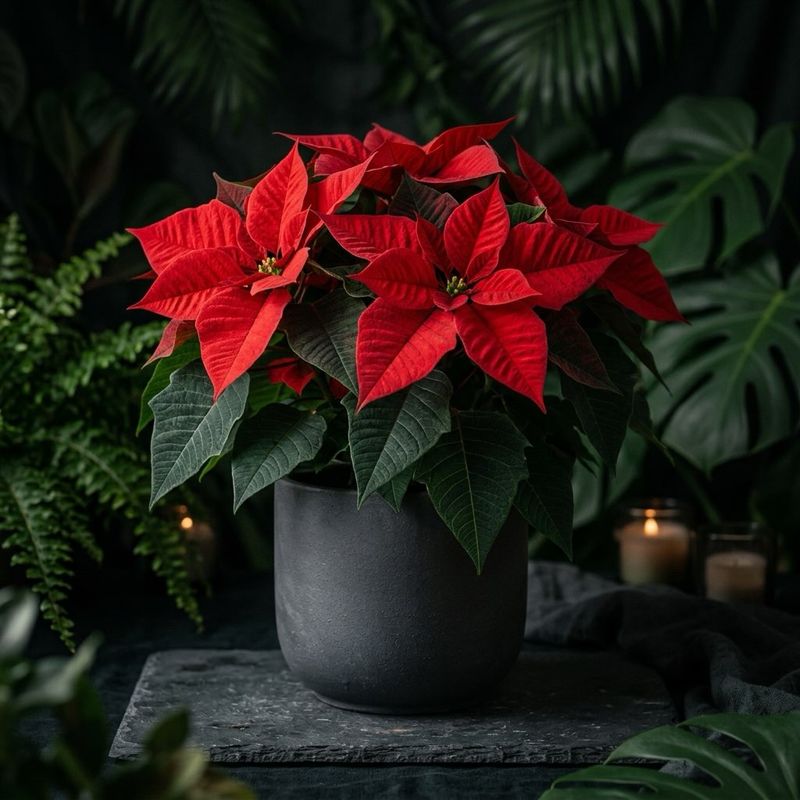
Darkness gets all the attention, but sunshine quietly does half the work. While long nights send the signal to change color, bright days provide the fuel. Without enough light, your plant simply does not have the energy to put on a good show.
Plants make food through photosynthesis, using sunlight to build sugars. A poinsettia uses that stored energy to grow strong stems and produce vivid bracts.
Leave it in the closet too long, or park it in a dim room all day, and you will likely see pale color and weak, stretchy growth.
So every morning, uncover your plant and move it to a bright window. Aim for at least six to eight hours of good light each day. A sunny spot or a place with bright indirect light works well.
A south or west facing window is often the best choice indoors. If the leaves start leaning hard toward the glass, give the pot a quarter turn every few days. That keeps the plant growing evenly instead of looking lopsided.
Then, as evening rolls around, back into the dark it goes. Think of it as a daily rhythm of sunbathing and sleeping. Both parts are equally important for success.
North Carolina has a real advantage here. Fall often brings clear, crisp days with plenty of sunshine pouring through windows, from the mountains to the coast. That bright autumn light gives your poinsettia exactly what it needs to build gorgeous color.
Pick the sunniest window in your house and claim it for your plant. A little planning now means richer reds later.
5. Steady Temperatures Help Color Develop
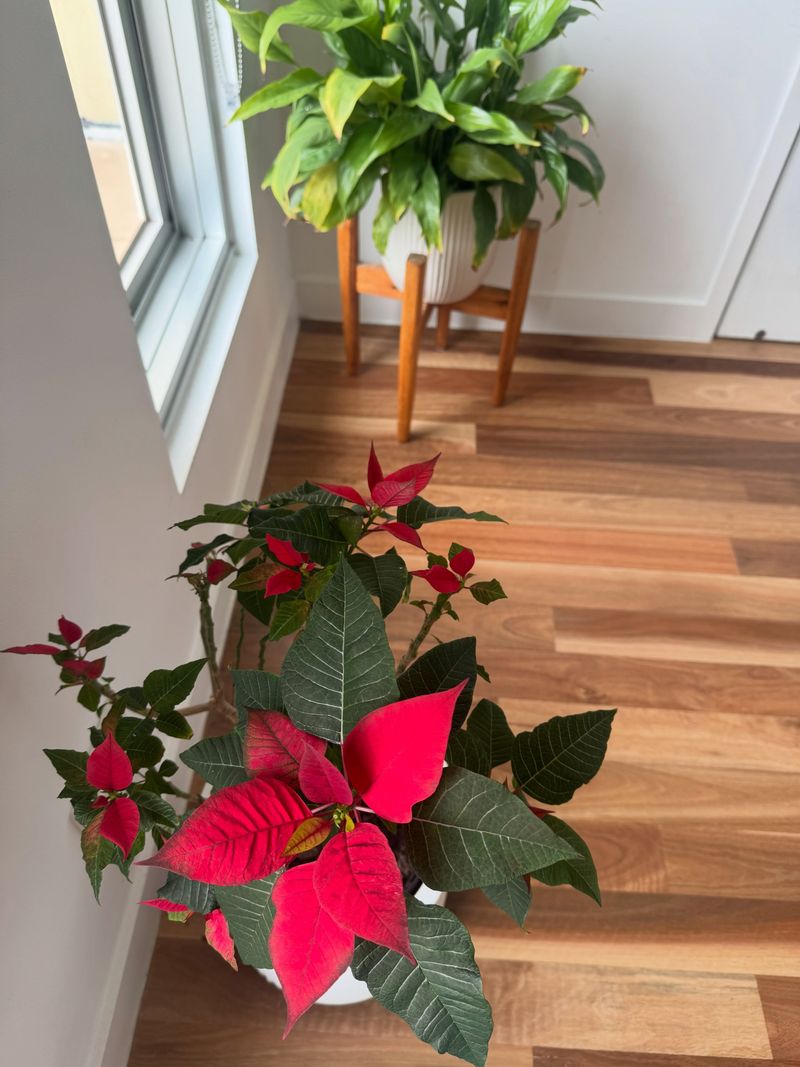
Comfort counts for plants too. Poinsettias are a bit like Goldilocks, preferring temperatures that are not too hot and not too cold. Keep them cozy, and the colors come in brighter and faster.
The ideal range during the day is about 65 to 70°F. At night, slightly cooler temperatures work best, which happens naturally in most homes. Very warm conditions can actually delay color, while chilly drafts can damage the leaves and cause them to drop.
Placement makes a huge difference. Keep your plant away from heat vents, fireplaces, and radiators, which blast hot, dry air. Also watch out for cold windows, since glass can get surprisingly chilly on fall nights.
Your closet choice matters too. Pick one that stays at a comfortable room temperature overnight rather than one against an outside wall or near a drafty garage. A hall closet in the middle of the house is often a smart pick.
Some people like giving their plants fresh air on a nice afternoon. That is fine early in fall, but once nights drop below about 50°F, keep the poinsettia indoors for good. These tropical plants do not handle cold well at all.
In North Carolina homes, indoor temperatures can swing as heat pumps cycle on and off through the day. One hour feels warm, and the next feels cool. Try to keep the plant somewhere those changes feel gentle rather than sudden.
A cheap indoor thermometer placed near your plant can help you spot hot or cold zones. Small adjustments in placement keep the leaves green and healthy while the bracts slowly blush red.
6. Year-Round Care Sets Up Success
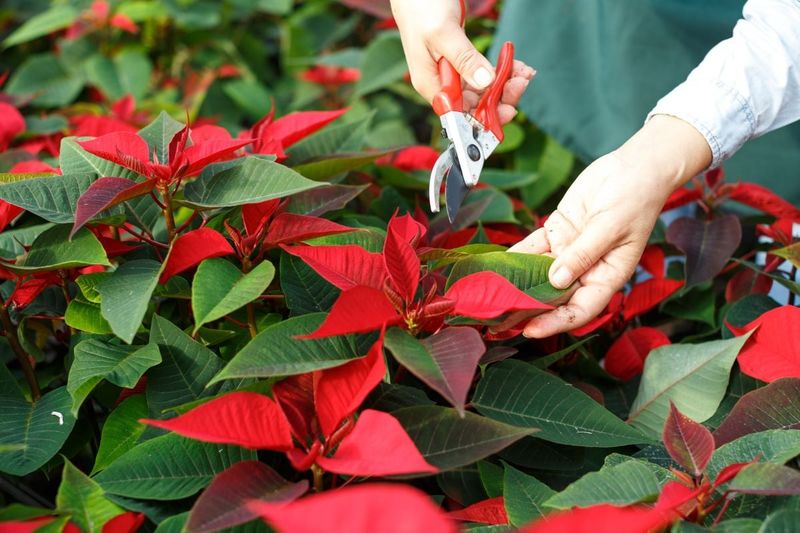
Great color in December actually starts back in spring. A poinsettia that gets steady care all year builds the strong, healthy stems it needs to produce bright bracts in fall. Think of it as training for a big event.
Plants that were cut back in spring, grown in bright light through summer, fed regularly, and pinched to stay bushy usually perform best. Each step helps the plant grow full and sturdy. More branches also mean more spots for colorful bracts to form.
During your current darkness routine, keep up with basic care. Water when the top inch of soil feels dry to the touch. Feed lightly with a balanced houseplant fertilizer to keep the plant nourished while it works hard.
Next year, you can set yourself up even better. In spring, prune the stems back to about six inches tall. Once nights stay above about 50°F, move the plant outdoors to a spot with morning sun and afternoon shade.
Through the summer, pinch off the tips of new growth every few weeks. This encourages side shoots and creates a rounder, fuller shape. Stop pinching by late summer so the plant has time to set its bracts.
Before cool fall nights arrive, carry the pot back inside. That keeps it safe and ready to start the darkness routine again.
North Carolina summers are actually a gift for poinsettias. A shady porch or patio with gentle morning light gives them warm, humid conditions much like their native home.
Many local gardeners find their plants grow larger and healthier after a summer spent outside, making the fall transformation even more impressive.
7. Stop The Routine Once The Bracts Color
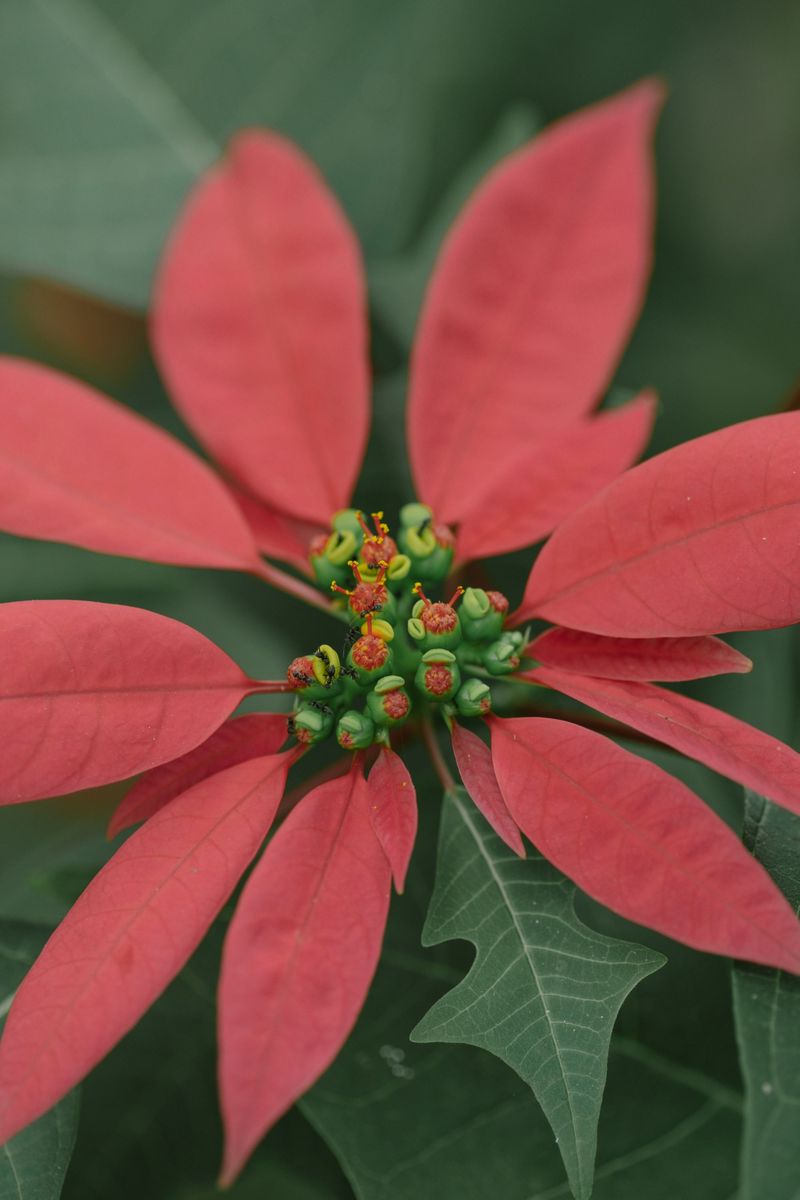
The moment you spot rich red bracts after weeks of effort feels like a little victory. Your patience paid off, and your plant is ready to shine. Now comes the easy part.
Once the bracts have fully colored, the plant no longer needs the long-night routine. You can put away the box or stop the closet trips for good. The color will hold on its own for weeks.
Move your poinsettia to a bright spot where everyone can enjoy it. A dining table, entryway, or sunny side table makes a cheerful display. Just keep it away from cold drafts near doors and from heat sources like vents or fireplaces.
Watering stays simple. Check the soil every few days and water when the top feels dry. If the pot sits in decorative foil, poke holes in the bottom or remove it before watering so extra water can drain.
Safety deserves a quick mention too. Poinsettias are not as dangerous as many people believe, but their milky sap can cause mild mouth and stomach irritation. Keep the plant out of reach of curious pets and small children.
Here is a neat bit of history. The plant is named after Joel Roberts Poinsett, the first U.S. minister to Mexico, who brought it to America in the 1820s. He was from South Carolina, right next door.
For North Carolina families, a reblooming poinsettia can become a treasured tradition. Each year the same plant returns to the holiday table, a little bigger and a little more special. Your green thumb turned last year’s leftover into this year’s centerpiece.