7 Clever Reasons North Carolina Gardeners Never Throw Away Pistachio Shells
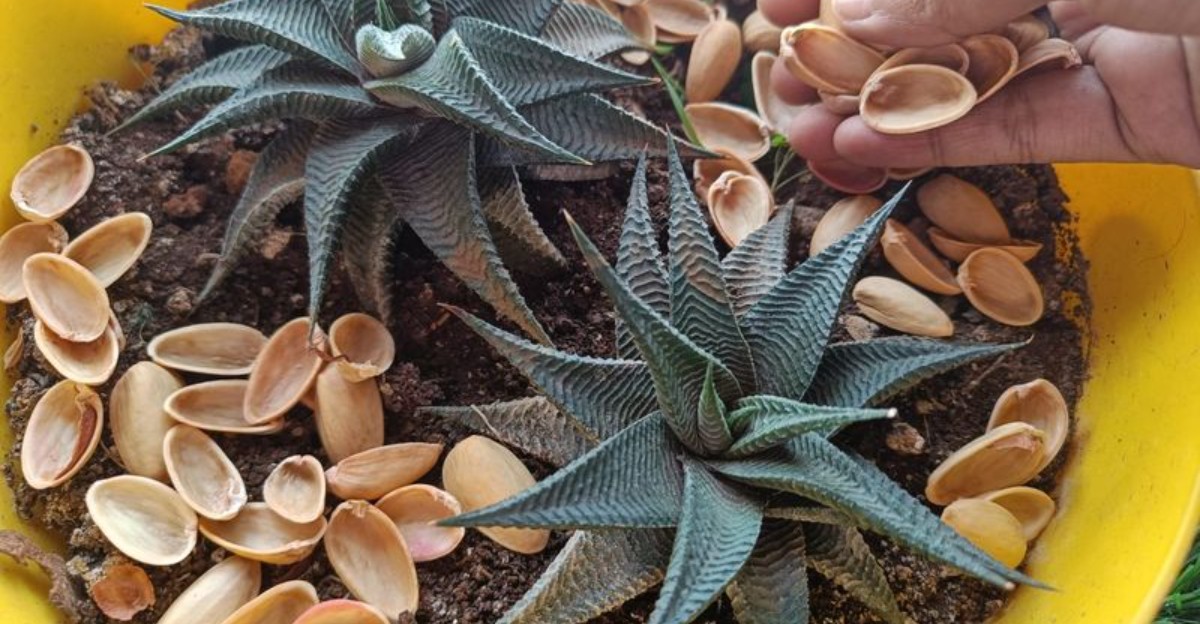
That bowl of empty pistachio shells looks like trash, but gardeners have found plenty of uses for it. Shells are hard and slow to break down, which makes them handy in several ways.
Some people place a layer in the bottom of large pots to take up space and cut down on soil used. Others crush them and mix them into beds to keep clay a little looser.
Shells can also work as a coarse mulch in small areas, or as carbon-rich material in a compost pile. A few clever crafters turn them into plant markers.
One rule matters: soak and rinse salted shells first, because salt harms soil. Seven simple ideas turn a snack leftover into something useful in the North Carolina garden.
1. They Add Slow-Breaking Material To Compost
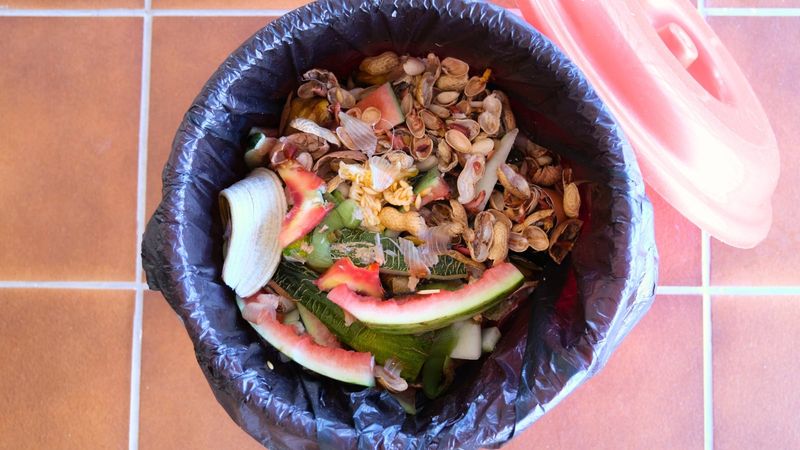
Every good compost pile needs a mix of green and brown ingredients, and pistachio shells fall firmly into the brown camp. They are woody, carbon-rich, and tough, which makes them a helpful partner for soggy kitchen scraps and fresh grass clippings.
That toughness comes with one catch. Whole shells break down slowly, sometimes lingering in the pile for a year or longer.
Crushing them first gives tiny soil microbes more surface to work on, so the shells turn into rich, crumbly compost much faster.
Salt is the other thing to handle before shells hit the bin. Most store-bought pistachios are salted, and too much salt can harm plants and the earthworms and microbes that keep soil healthy.
The fix is simple: drop the shells into a bucket of water, let them soak overnight, then rinse them well in a colander the next morning.
Next comes the satisfying part. Pour the clean shells into a sturdy bag and tap them with a hammer, or just step on the bag a few times on your patio. Broken bits about the size of a pea or smaller work best.
Toss the crushed pieces into your compost and stir them in with leaves, coffee grounds, and food scraps. Their stiff edges create small air pockets, which helps oxygen move through the pile and keeps it from turning into a smelly, packed mess.
North Carolina gardeners often battle heavy red clay that needs plenty of organic matter to loosen up.
Feeding your compost with snack leftovers means every handful of pistachios you enjoy today becomes softer, healthier soil for next season’s tomatoes, peppers, and flowers.
2. They Make A Neat Top Dressing For Potted Plants
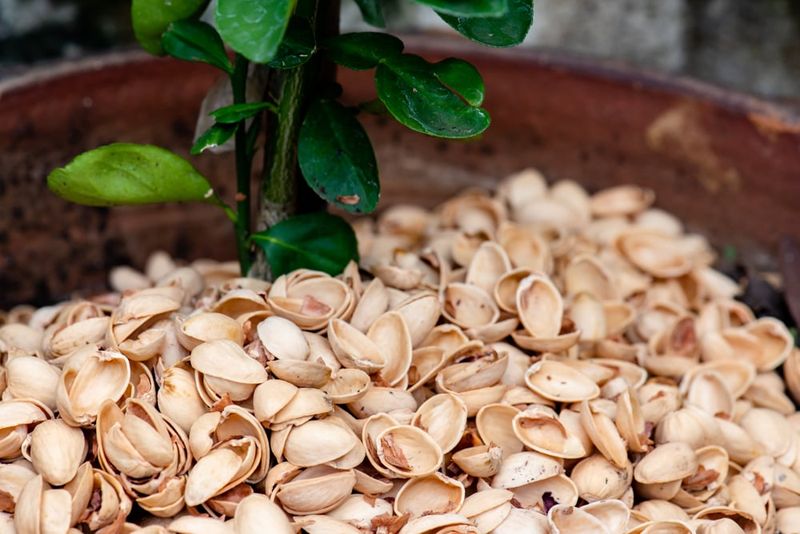
Walk past a potted plant with bare, cracked soil, and it can look a little unfinished. Now imagine that same pot topped with a tidy layer of tan shells. Suddenly it looks polished, like something from a garden shop display.
Looks are only part of the appeal. A light covering of shells slows evaporation from the soil surface, so moisture stays where roots can use it.
It also cuts down on splashing when you water, which keeps dirt off leaves, windowsills, and porch floors.
Getting started takes very little effort. Rinse salted shells thoroughly, or soak them overnight if they are especially salty.
Your North Carolina Garden Changes Every Week. Your Plan Should Too.
Gardening in North Carolina changes quickly throughout the season. Every Friday you’ll receive a simple weekly plan showing exactly what to plant, prune, fertilize, harvest, and protect so you never miss the right timing.
Spread them on an old towel or baking sheet and let them dry completely so they do not grow mold once they sit on damp soil.
When they are ready, scatter a thin layer across the top of your houseplants and patio containers. Aim for just enough to hide the soil, usually one shell deep or a bit more. A light layer lets water soak right through instead of running off the sides.
Shells work nicely in pots with snake plants, jade, rosemary, herbs, and small ferns. Turning some shells face up and others face down creates a pleasing natural texture.
Check the soil moisture with your finger now and then, since a covered surface can hide how wet or dry things really are.
Summer in North Carolina brings long, steamy days, and container soil can dry out by afternoon, especially in full sun. A simple shell topping gives your potted plants a little extra protection, helping you stretch the time between waterings when July heat hits hard.
3. They Work As Mulch In Small Spaces
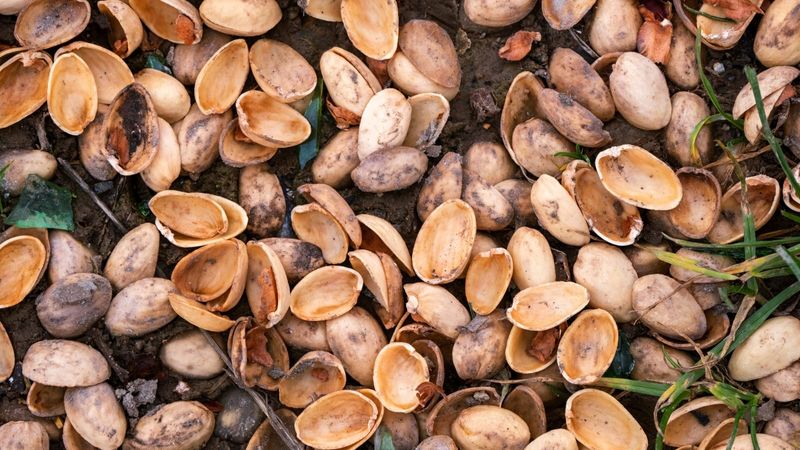
Bags of mulch add up fast at the garden center. Yet a bowl of shells saved from movie nights can quietly become free mulch for the little corners of your yard.
Their slow breakdown, which can be a hassle in compost, becomes a real strength here. Pistachio shells hold their shape much longer than shredded leaves or fine bark, so you will not need to refresh them every few months.
They shine around potted shrubs, in tiny decorative beds, and along the gaps between stepping stones.
Collection is the first step, and patience pays off. Store rinsed, unsalted or well-soaked shells in a bucket or bin with a lid until you have a good supply.
You will want enough to spread about one to two inches deep over the spot you plan to cover.
Spreading them works much like any other mulch. Keep the shells a few inches away from plant stems and tree trunks, since mulch piled against stems can hold too much moisture and invite rot or pests.
A small ring of open soil around each plant keeps things healthy. Short on shells? Mix them with bark mulch, pine straw, or chopped leaves to stretch your supply across a larger area.
The blend still looks attractive, and the shells add a nice speckled texture. Many North Carolina homes already rely on pine straw, which is easy to find across the state.
Shells make a great companion for small spaces where pine straw looks messy or blows around. Save a little at a time, and by spring you may have enough to finish a whole tiny bed without spending a dime.
4. They May Discourage Digging In Containers
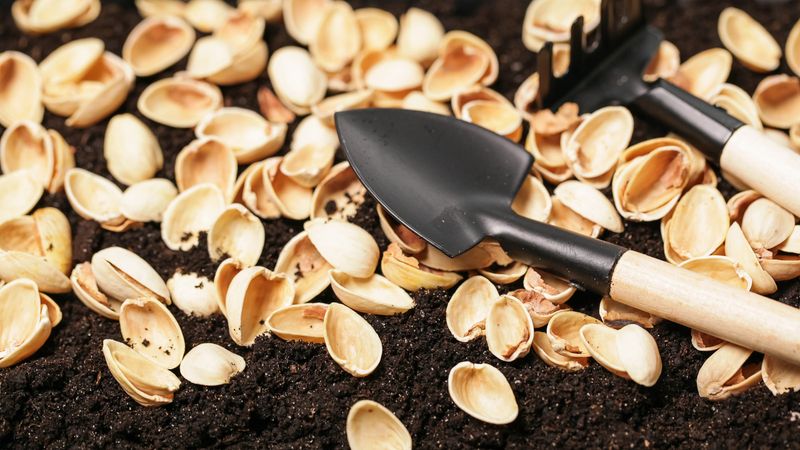
Few things sting like finding your freshly planted pansies flung across the porch. Squirrels and neighborhood cats love loose potting soil, and to them, a soft container looks like a perfect place to dig.
Shells can change that first impression. A layer of hard, bumpy, uneven pieces feels odd under paws, which can make your pots far less inviting.
To be honest, shells will not stop every determined critter, but many gardeners notice fewer holes after adding them.
For this job, go thicker than a decorative topping. Rinse your shells well, let them dry, and spread a layer about an inch or more deep across the soil surface.
Leave a small open ring around each stem so the plant has room to breathe and water can reach the roots easily.
Pairing shells with other tricks often works even better. Some gardeners tuck a few plastic forks upright in the soil or lay a piece of chicken wire under the shell layer for extra protection.
Others place pots near activity, since squirrels tend to avoid busy doorways. Keep an eye on the shells after storms or heavy watering, since they can shift around. A quick pat with your hand puts them back in place.
North Carolina has plenty of eastern gray squirrels, and autumn is their busiest season. As acorns and hickory nuts drop, they race around burying food for winter, and porch containers full of fall mums make tempting hiding spots.
A crunchy shell barrier gives your fall displays a better chance of staying neat until the holidays.
5. They Can Help Start Fires In Outdoor Fire Pits
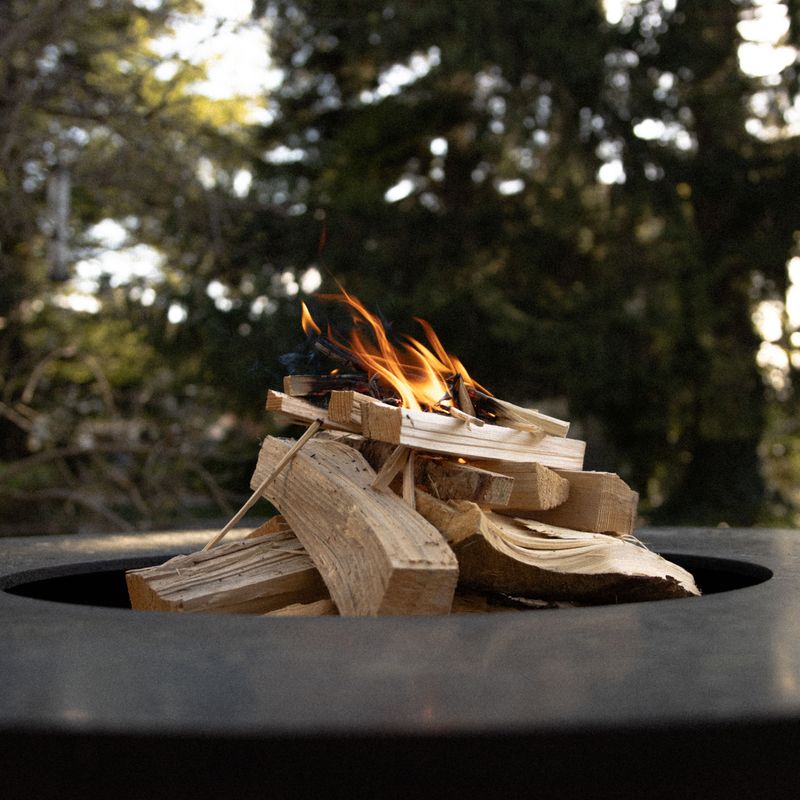
Cool fall evenings in the backyard call for a crackling fire, s’mores, and good company. Getting that fire started, though, can test anyone’s patience.
Dry pistachio shells offer a handy boost. They catch flame quickly and burn hot for a short time, which helps small kindling sticks get going before the bigger logs take over. Think of them as a natural helper, not a main fuel source.
Dryness matters most. Spread shells out in the sun or on a tray indoors until they are completely dry, then store them in a sealed jar or tin so they stay that way. Damp shells smoke and fizzle instead of lighting.
When fire night arrives, set crumpled newspaper in the center of your fire pit, sprinkle a handful of shells over it, and stack thin kindling on top in a teepee shape. Light the paper, and the shells will help carry the flame upward to the wood.
Salted shells may pop or spark a little, so stand back as things catch. Safety always comes first. Keep a bucket of water or a hose nearby, never leave a fire unattended, and make sure it is fully out before heading inside.
Always follow local burn rules and fire safety practices too. North Carolina sometimes faces dry, windy stretches, especially in spring and fall, when wildfire risk climbs. During those times, the NC Forest Service and local officials may issue burn bans.
Before striking a match, check current restrictions for your county so your cozy evening stays safe and legal.
6. They Make Fun Garden Craft Projects
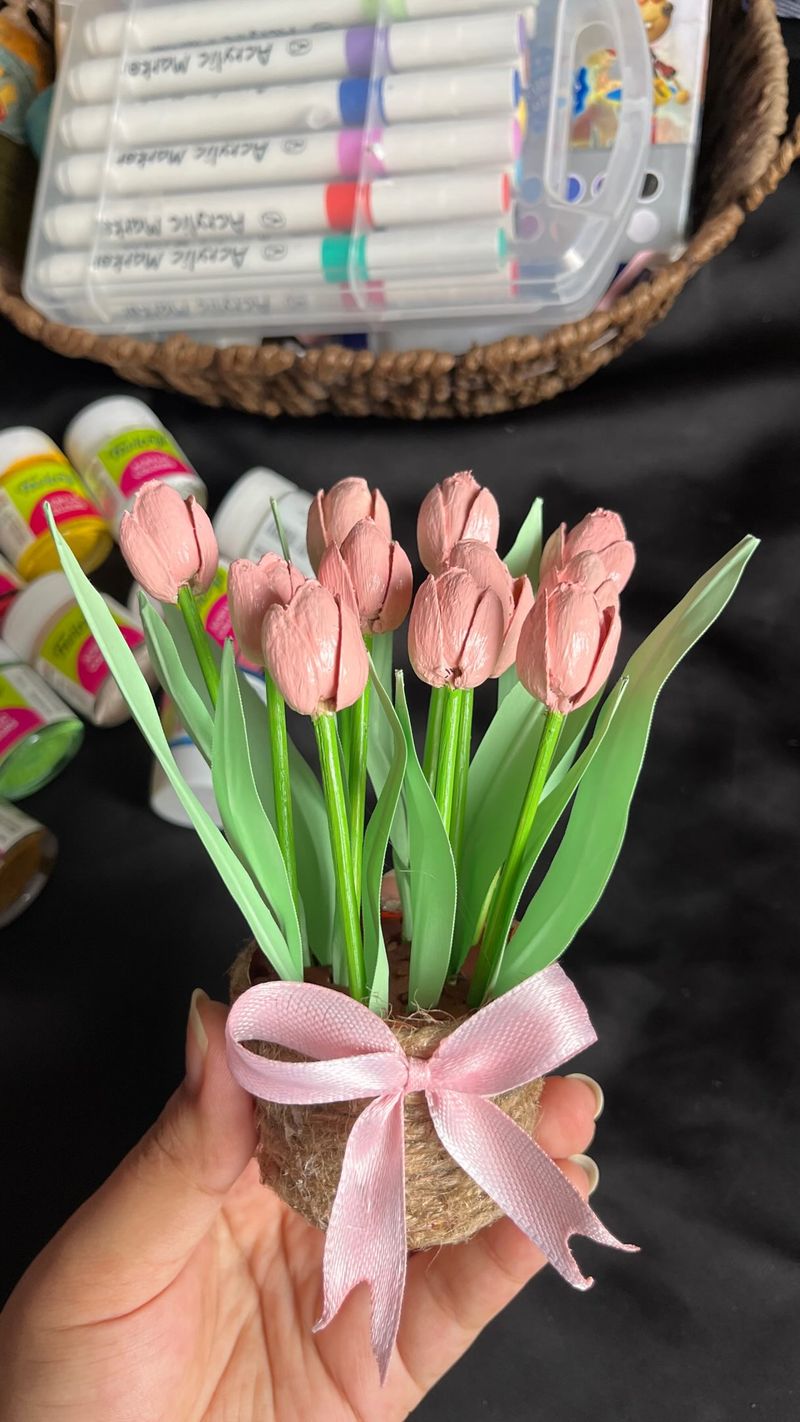
Gray January afternoons can feel endless when you are itching to plant. A jar of saved shells, some glue, and a little paint can turn those slow days into something cheerful.
Pistachio shells are almost made for crafting. Their soft tan color, smooth inside, and gentle curve make them easy to glue onto flat or rounded surfaces.
Arrange them like petals and you get a flower, line them in rows and you get a mosaic, or edge a planter with them for a charming border.
Preparation keeps projects looking their best. Wash the shells in warm, soapy water, rinse, and dry them fully. Paint them with acrylic craft paint if you want bright colors, or leave them natural for a rustic style.
From there, the ideas are wide open. Glue shells onto wooden plant labels to mark herbs and veggies, decorate small terracotta pots for seedlings, or press them into a stepping stone mold before the concrete sets.
Hot glue works quickly for adults, while kids can use thick craft glue with a bit more waiting time.
Anything headed outdoors needs protection. Finish outdoor pieces with a weather-resistant clear coat, such as an outdoor spray sealer, so rain and sun do not peel away your hard work.
North Carolina families often have a quiet winter break before the spring rush begins. Shell crafts fill that gap perfectly, giving kids a hands-on way to get excited about the garden.
When planting time arrives, they will love seeing their own markers and pots out in the yard.
7. Saving Them Keeps Useful Material Out Of The Trash
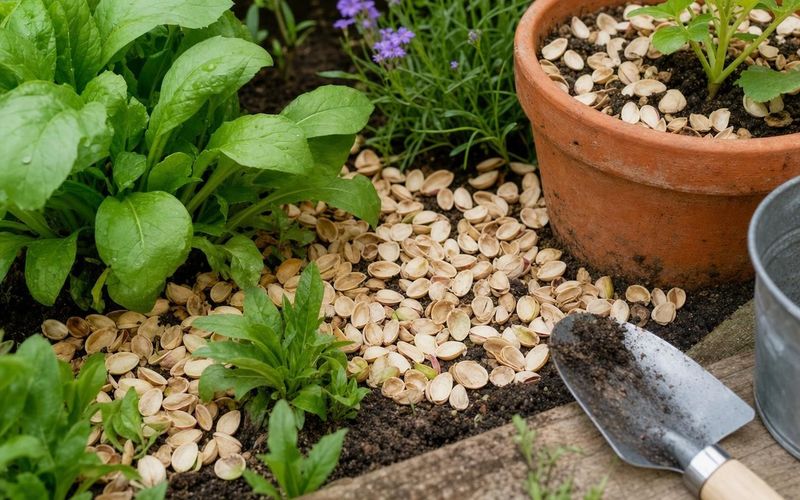
Shells pile up faster than most people expect. A single bag of pistachios can leave behind a surprising heap, and over a year, that adds up to a lot of trash.
Here is the thing, though. Those shells are natural material, the same kind of plant matter that breaks down in forests and fields.
Throwing them away sends something useful to the landfill, where it simply takes up space instead of helping your garden grow.
Building a habit makes saving easy. Keep a jar, tin, or lidded bucket near the spot where your family usually snacks, and label it so everyone knows where empties go. Once it fills, move the shells to a larger storage bin in the garage or shed.
Before any shells go into the garden, give salted ones a good soak and rinse. That one step protects soil life and plant roots. Unsalted shells can skip the soak, though a quick rinse never hurts.
Then pick the job that fits your needs. Crush some for the compost pile, spread some over container soil, save a batch for squirrel-proofing fall planters, and tuck a few dry ones away for fire pit nights or winter crafts.
Rotating between uses means nothing sits around wasted. Across North Carolina, from mountain cabins to coastal cottages, gardeners love finding simple ways to reuse everyday materials in the yard.
Saving pistachio shells is one of the easiest places to begin. It costs nothing, takes almost no time, and turns a favorite snack into a small but steady gift for your garden.