Clever Ways To Use The Basil Taking Over Your Florida Garden
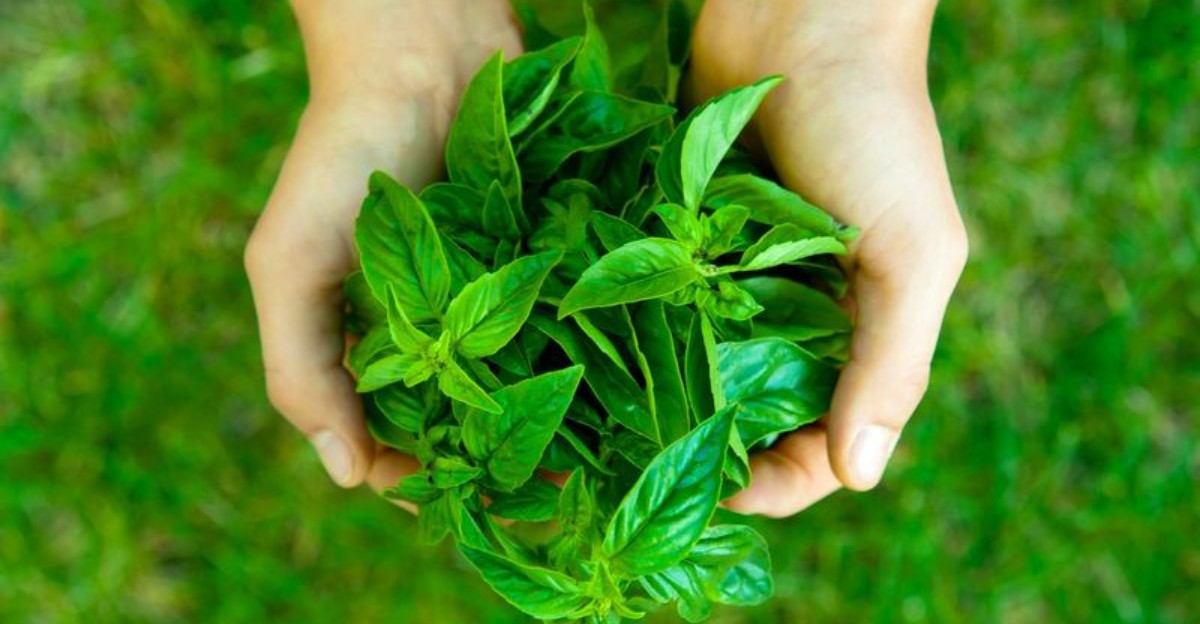
Your basil plant didn’t get the memo about staying small, and now it’s running the whole bed like it pays the mortgage.
Florida’s warm days give this herb everything it wants. Leaves pile up faster than any pasta night can handle, and the smell of it drifts across the yard every time the breeze shifts.
Plenty of gardeners shrug and let half of it bolt.
Smart cooks see a gold mine instead. A handful of tricks turn that green avalanche into pantry staples, gifts, and a few things that have nothing to do with dinner.
Some take five minutes. Others only need a freezer and a free afternoon.
Clip while the plant is still bushy and bright. Waiting only hands the best leaves to the bees.
Grab your scissors and a big bowl.
1. Freeze Chopped Basil In Ice Cube Trays
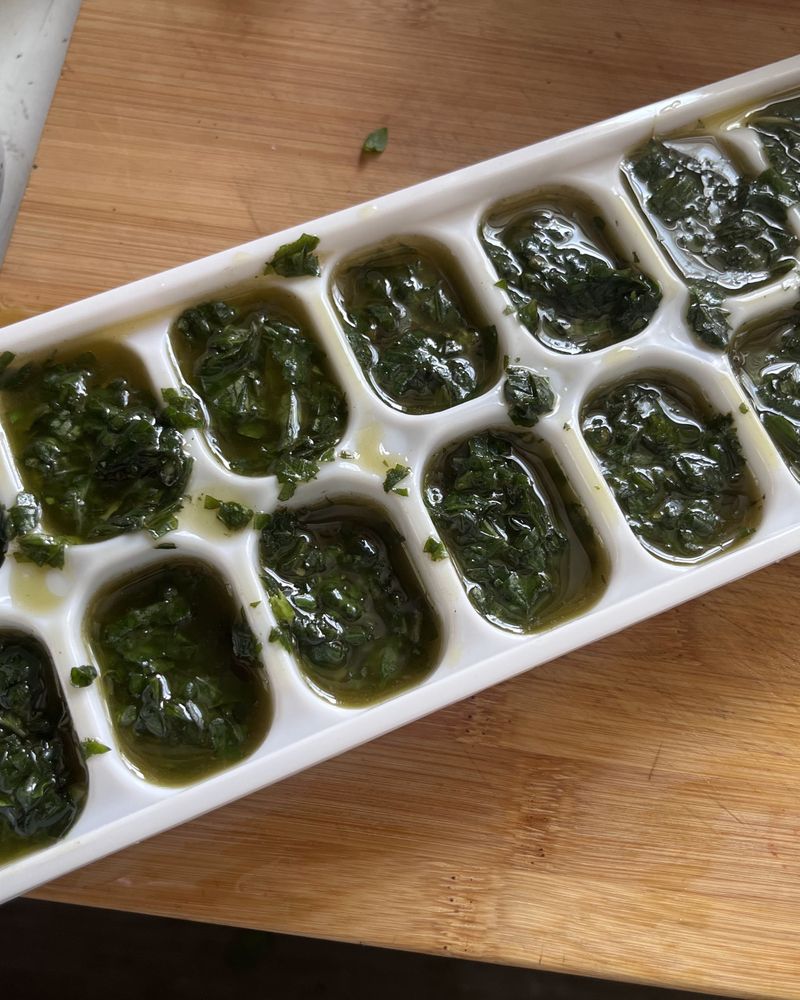
Picture a gray January evening when you crave the taste of July. Pop a green cube into your pasta sauce, and summer comes right back to the table.
Freezing basil in oil is one of the easiest ways to stretch a big harvest. Start by washing the leaves and drying them well with a towel or salad spinner.
Extra water can make icy, mushy cubes, so take your time with this step.
Next, chop the leaves finely with a sharp knife. Spoon about one tablespoon of chopped basil into each slot of an ice cube tray.
Pour one to two tablespoons of extra virgin olive oil over each slot until the leaves are covered.
Slide the tray into the freezer for two to three hours, or leave it overnight. Once the cubes are solid, pop them out and store them in a labeled freezer bag.
Squeeze out extra air so the cubes stay fresh longer.
The oil wraps around the leaves and shields them from freezer burn. That coating helps the basil keep its bright flavor and color.
Many cooks say the cubes taste almost like fresh-picked leaves.
Drop one into soups, lasagna, stir-fries, or a pan of sauteed veggies. No thawing is needed, which makes weeknight cooking quicker.
Your future self will thank you for the shortcut.
2. Blend Big Batches Into Pesto
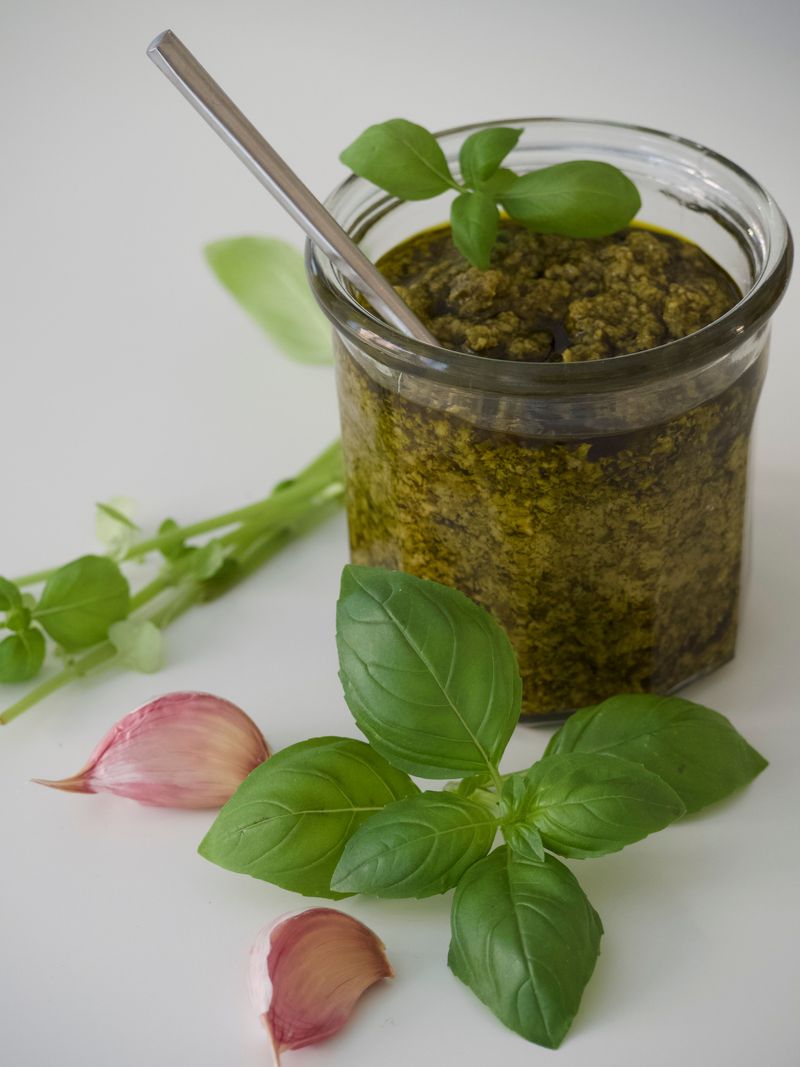
Here is a sneaky chef trick that sounds a little backward. Freeze your basil leaves before you blend them, and your pesto turns out creamier.
The food site Serious Eats explains why it works. Freezing the leaves for one to two hours forms tiny ice crystals.
Those crystals break open the plant cells, much like the crushing action of an old-fashioned mortar and pestle.
Classic pesto needs only a handful of ingredients. Grab basil, garlic, pine nuts, Parmesan or Pecorino Romano cheese, and good olive oil.
Pine nuts can be pricey, so almonds or walnuts make tasty swaps. A squeeze of fresh lemon juice and a pinch of salt brighten the whole batch.
Blend everything until smooth, adding oil slowly until you like the texture. Taste as you go and adjust the garlic or cheese to suit your family.
Your Florida Garden Changes Every Week. Your Plan Should Too.
Gardening in Florida changes quickly throughout the season. Every Friday you’ll receive a simple weekly plan showing exactly what to plant, prune, fertilize, harvest, and protect so you never miss the right timing.
Some folks like it thick for spreading, while others prefer it loose for drizzling.
Fresh pesto keeps in an airtight container in the fridge for up to a week. For longer storage, spoon it into ice cube trays or silicone molds and freeze.
Move the frozen blocks into a zip-top bag, where they last up to six months.
Toss it with pasta, smear it on sandwiches, or swirl it into scrambled eggs. One big blending day can feed you for months.
3. Cook With The Flowers, Not Just The Leaves
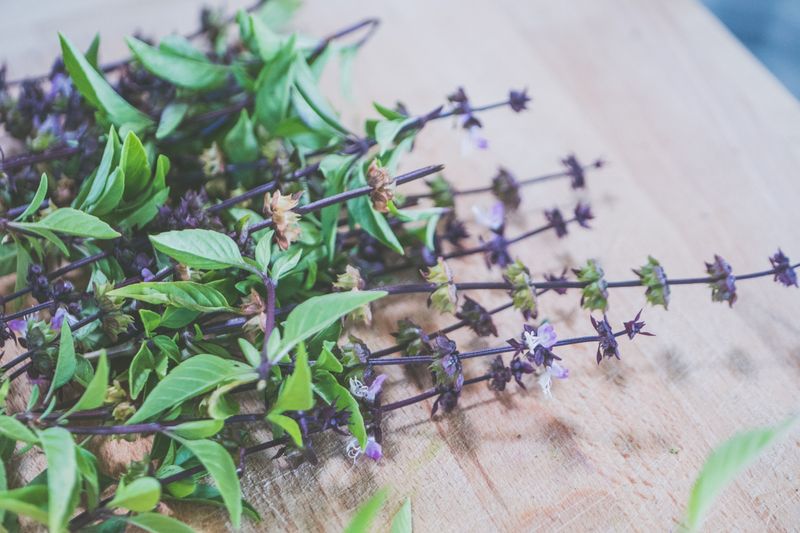
Most gardeners snip off basil blooms and toss them in the compost pile. Hold on, because those tiny flowers are edible and surprisingly tasty!
In the Florida heat, basil loves to bolt and flower fast. Letting it bloom can make the leaves tougher and a bit bitter.
The flowers themselves, however, carry a lively, herby flavor that is often milder than the leaves.
So what can you do with them? Sprinkle the blossoms over summer salads for a pop of color and taste.
They also look lovely as a garnish on soups, pizza, or grilled fish. Adventurous cooks even dip them in a light batter and deep-fry them for a crunchy snack.
Basil flowers work well in pesto too. Use them alone or mix them with leaves for a softer flavor.
Kids often enjoy picking the blooms, which makes dinner prep a family activity.
Got more flowers than you can eat fresh? Dry them on a paper towel in a warm, airy room.
Later, crumble them into stews, soups, or tomato-based dishes.
You can also drop fresh blooms into oils or vinegars for a fragrant infusion. Purple flowers can tint vinegar a pretty pink shade.
Fun fact: the name basil comes from a Greek word meaning royal, so treat those blossoms like little crowns.
4. Root Cuttings In Water To Grow New Plants
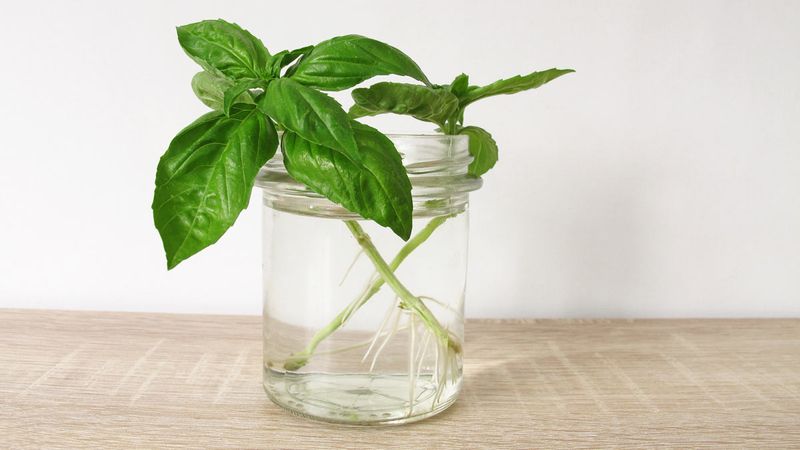
Free plants? Yes, please!
Your overgrown basil can give birth to a whole new herb garden with nothing more than a jar of water.
Start with a healthy, mature plant that stands about 10 to 12 inches tall. Snip a sturdy stem and keep a few leaves at the top.
Then pull off all the leaves from the bottom three to four inches of the stem.
Fill a clean jar with room-temperature water. Set the stems inside so the bare parts sit underwater and the leaves stay dry.
Place the jars on a bright windowsill where they get plenty of light.
Change the water every few days so it stays fresh and clear. Cloudy water can cause slimy stems, so keep an eye on it.
Watching the jars turns into a fun little science project for kids.
In about 10 to 14 days, you should spot thin white roots reaching down. Wait until they grow an inch or two long.
After that, plant each cutting in a pot filled with organic potting mix.
These baby plants make sweet gifts for friends, teachers, and neighbors. You can also tuck them into shady corners of your garden for a fresh crop.
In Florida, basil cuttings often take off quickly, so get ready for even more leaves.
5. Let Some Flowers Bloom For Bees And Butterflies
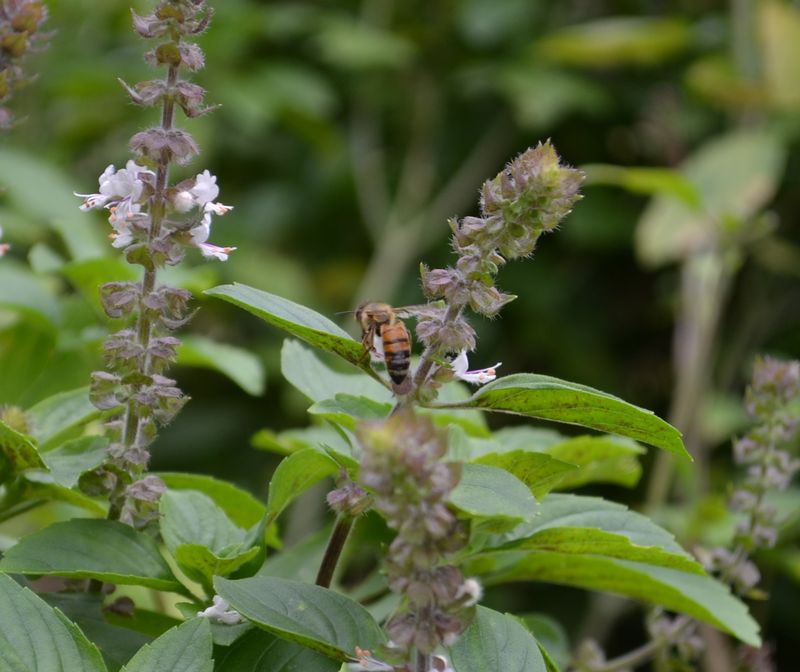
Step outside on a warm afternoon and listen closely. A patch of blooming basil can hum like a tiny, buzzing radio station.
Leaving a few plants to flower is a kind gesture for local wildlife. Basil blossoms come in white, pink, or purple, depending on the variety.
Each one offers sweet nectar and pollen that pollinators need for energy.
Honeybees and bumblebees are huge fans of these blooms. Butterflies drop by too, along with other helpful insects that protect your garden.
Many of those visitors also pollinate your tomatoes, peppers, and squash nearby.
Some types draw bigger crowds than others. African Blue Basil sends up purple flower spikes again and again, and bees adore it.
Thai Basil handles the Florida heat like a champ and offers fragrant leaves plus edible flowers.
You do not have to give up your whole harvest to help. Choose one or two plants and let them grow wild.
Keep pinching the rest for cooking so you get the best of both worlds.
Skip harsh sprays on the flowering plants so visitors stay safe. Supporting pollinators helps build a healthy, balanced backyard ecosystem.
Plus, few things beat watching a fluttering butterfly settle on a flower you grew yourself.
6. Save The Seeds For Next Season
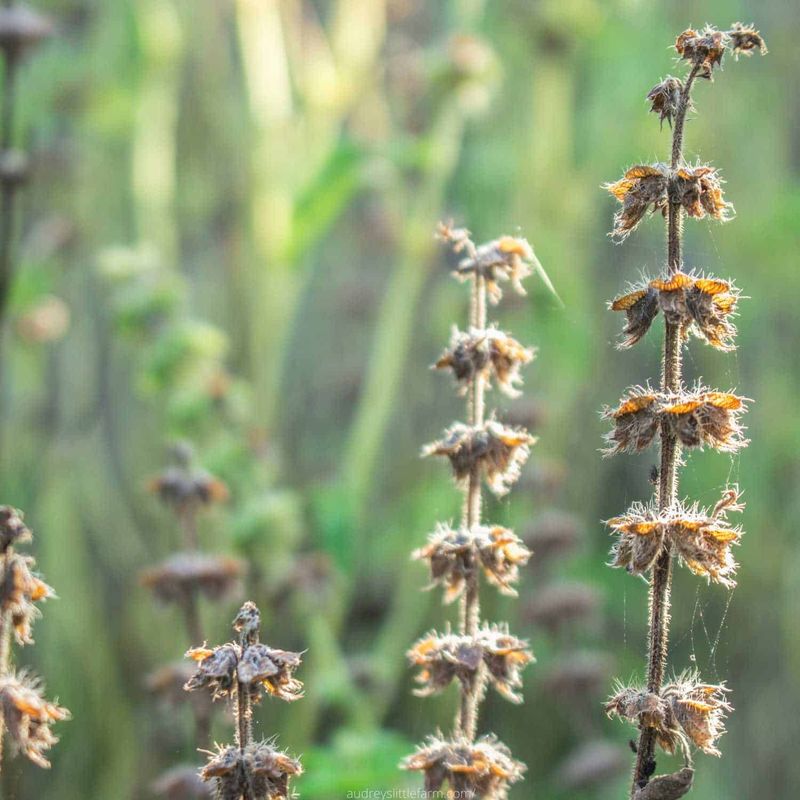
Grandparents across the South have tucked seeds into envelopes for generations. You can carry on that thrifty tradition with your own basil.
First, let a few plants flower and leave the blooms alone. Wait until the flower heads turn brown and dry right on the stem.
Then snip off the whole flower stalk with clean scissors.
Hold the dried stalks over a bowl and gently roll them between your fingers. Tiny black seeds will tumble out from the papery pods.
Blow softly to clear away bits of chaff, but go easy so the seeds stay put.
Drying the seeds well is the most important step. Spread them on a plate or screen in a cool, dry spot out of direct sun.
Leave them there for several days until they feel hard and rattly.
Store the seeds in a paper envelope or small jar in a cool, dark place. Label them with the variety and harvest date.
Stored this way, basil seeds can stay good for up to five years.
One quick tip helps if you grow more than one kind. Different basil varieties can cross-pollinate and create surprise mixes.
Keep types at least 150 feet apart, or plant them at different times, to keep each one true.
7. Steep It Into A Homemade Herb Vinegar
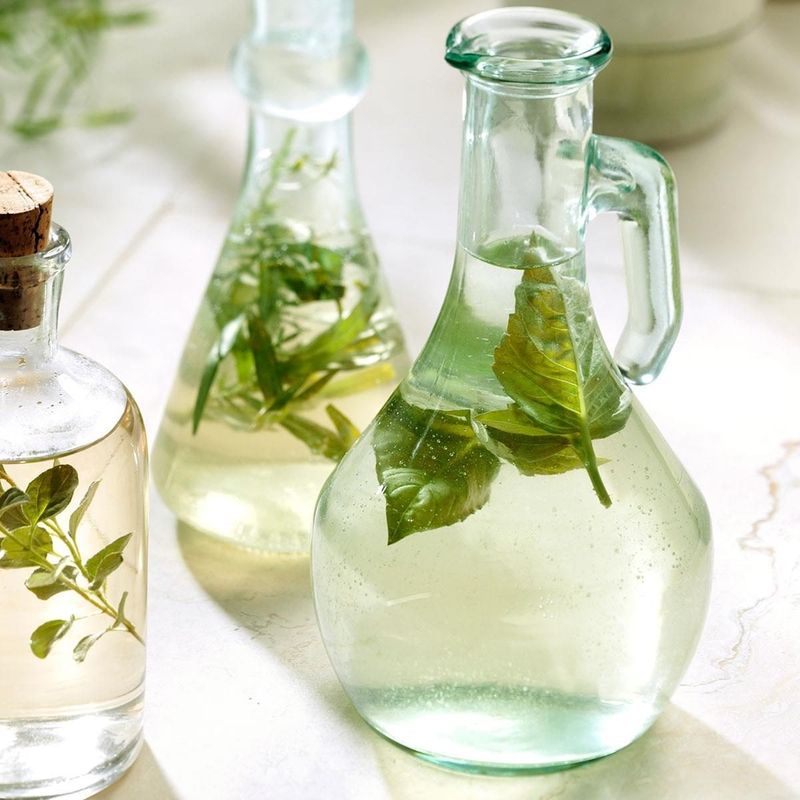
Think of herb vinegar as a salad dressing secret hiding in a bottle. With a little patience, plain vinegar turns into something bright and special.
Begin by rinsing fresh basil leaves and patting them dry. Place them in a clean jar that seals tightly.
Some cooks gently press or muddle the leaves to release their fragrant oils.
Next, heat white wine vinegar until it just begins to simmer. Ask an adult for help with the hot liquid, then pour it over the leaves.
Prefer a simpler path? Room-temperature vinegar works too, though it may take longer to pick up flavor.
Cover the jar and set it in a cool, dark cupboard. Let it rest for about two weeks for the boldest taste.
In a hurry, even 24 hours gives a light herby note.
When it smells just right, strain out the leaves with a fine sieve. Pour the vinegar into a pretty bottle with a lid.
Tuck in a fresh sprig if you want it to look fancy.
Basil flowers can join the jar as well, and purple ones add a rosy tint. Splash the vinegar on salads, roasted veggies, or marinades.
Bottles tied with ribbon make charming homemade gifts for the holidays.
8. Mix Dried Leaves Into Potpourri
Who says basil belongs only in the kitchen? Your sock drawer might enjoy a fresh, garden-scented makeover too.
Basil is a favorite herb for potpourri makers. Fun varieties like lemon, cinnamon, and even chocolate basil each bring their own cozy scent.
Mixing a few types creates a blend that smells like nobody else’s.
To dry the leaves, gather stems and flowers into small bunches. Tie them with string and hang them upside down in a dark, airy spot.
Florida air can be muggy, so a room with a fan or air conditioning helps speed things along.
Once the leaves feel crisp, crumble them into a large bowl. Add other dried goodies like rose petals, citrus peel, cinnamon sticks, or cloves.
A few drops of essential oil can boost the fragrance.
Many recipes call for a fixative such as orris root powder. A fixative helps the smell last longer instead of fading in a week.
Stir everything together and let it rest in a sealed jar for a few days.
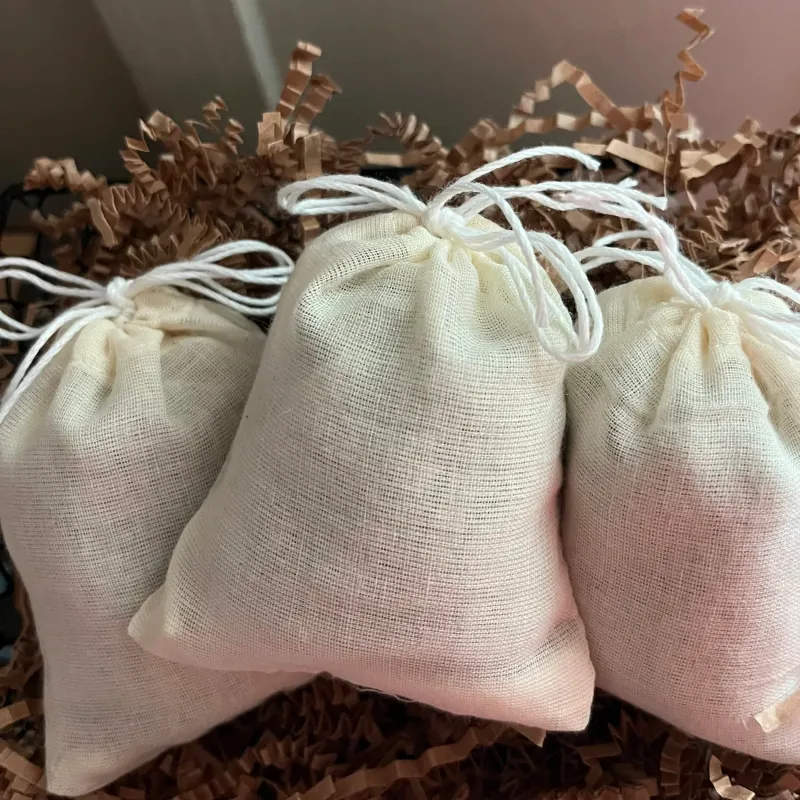
Pour the finished mix into decorative bowls for your living room. You can also fill small fabric bags to tuck into drawers, closets, or cars.
Handmade sachets make thoughtful birthday or teacher gifts, and they cost almost nothing.