What To Plant In Your Pennsylvania Yard Before October Ends
Every fall, Pennsylvania gardeners get a short but valuable window. It opens when the heat fades and closes the moment the ground freezes. Right now, it’s wide open.
The end of October is a sweet spot for planting. The soil is still warm enough for roots to grow, while cooler air keeps new plants from wilting or drying out.
Spring bulbs can go in for a burst of color after the snow melts. Trees, shrubs, and perennials can settle in before winter.
Garlic cloves can start building roots for next year’s harvest. Waiting until November can shrink that window fast.
A few smart choices this month can lead to a yard full of color, flavor, and life when winter finally lets go.
1. Garlic Cloves For A Summer Harvest
Few crops reward patience like garlic. You plant a single clove in the fall, forget about it for months, and dig up a full bulb the next summer. That feels a bit like magic.
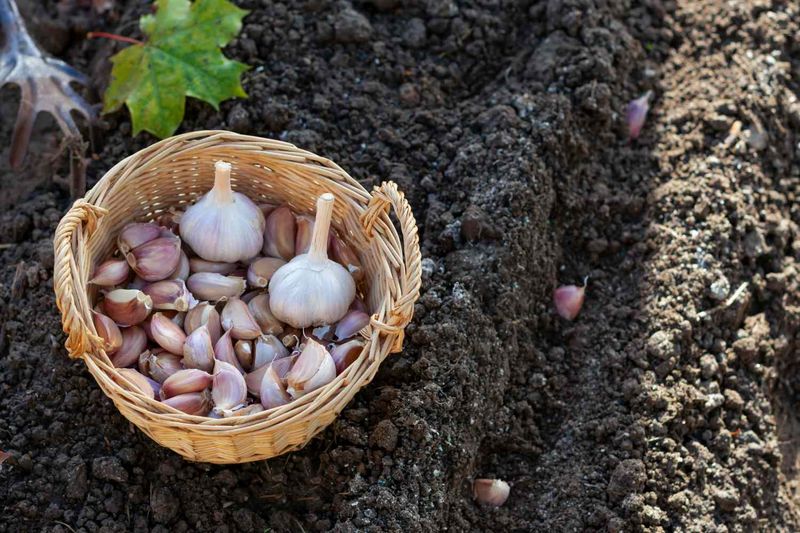
Mid to late October is prime time to plant garlic across much of Pennsylvania. The cloves need a few weeks to grow roots before the ground freezes solid. Those roots help them survive the cold and jump into action once spring arrives.
Start by buying garlic from a garden center or seed company, not the grocery store. Store garlic is sometimes treated to stop sprouting. Hardneck types like Music or German White handle Pennsylvania winters very well.
Pick a sunny spot with loose soil that drains well. Garlic hates sitting in soggy ground. Mix in some compost to give it a healthy boost.
Break the bulb into separate cloves just before planting. Push each clove into the soil about 2 inches deep with the pointy end facing up. Space them around 6 inches apart in rows.
After planting, cover the bed with 4 to 6 inches of straw mulch. The straw acts like a warm blanket. It keeps the soil temperature steady and stops weeds from sneaking in.
In spring, green shoots will poke through the straw. Hardneck garlic also sends up curly stems called scapes in June. Snap them off and cook them, since they taste like mild garlic and help the bulbs grow bigger.
Harvest usually happens in July, when about half the leaves turn brown. Let the bulbs dry in a shady, airy place for two weeks. Then enjoy homegrown garlic all year long.
2. Daffodils That Critters Leave Alone
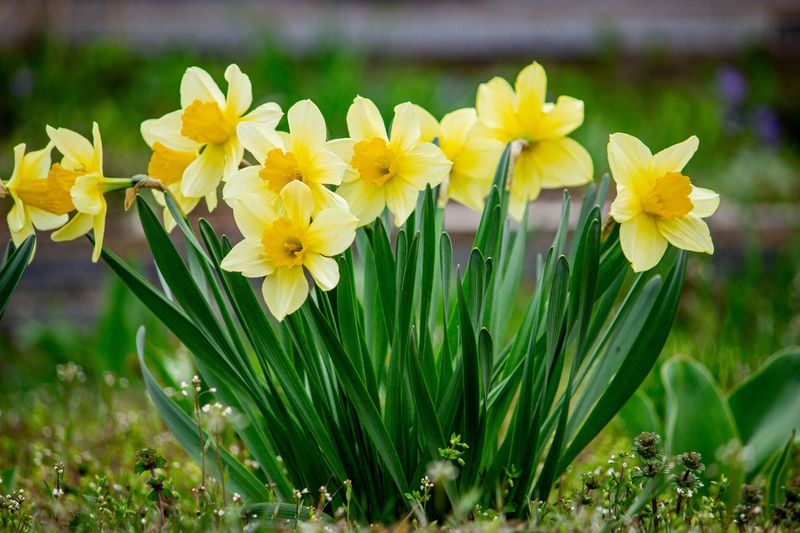
Tired of squirrels digging up your tulips? Daffodils might be the answer you have been hoping for. These cheerful flowers are tough, bright, and mostly ignored by hungry animals.
Daffodil bulbs contain a natural substance that tastes bitter and can upset an animal’s stomach.
Deer, rabbits, voles, and squirrels usually learn to stay away. That makes daffodils a smart pick for yards where wildlife roams freely.
Here is the fun part about timing. Daffodils need a long stretch of cold weather before they can bloom. October planting gives them that chilly winter rest, so they wake up ready to flower in early spring.
Your Pennsylvania Garden Changes Every Week. Your Plan Should Too.
Gardening in Pennsylvania changes quickly throughout the season. Every Friday you’ll receive a simple weekly plan showing exactly what to plant, prune, fertilize, harvest, and protect so you never miss the right timing.
Choose a spot that gets at least half a day of sun. Under trees that lose their leaves works great, since the daffodils bloom before the branches fill in. Avoid low areas where water puddles.
Dig holes about 6 inches deep. Set each bulb in with the pointy tip facing up and the flat roots facing down. Cover it with soil and give the area a good drink of water.
Planting in groups looks much better than single rows. Try clusters of 7 to 10 bulbs for a natural, cheerful look. Many gardeners toss a handful of bulbs and plant them where they land.
Fun fact: daffodils can come back for decades. Old farmhouses across Pennsylvania still have patches planted generations ago.
After the blooms fade in spring, leave the leaves alone until they turn yellow. They feed the bulb for next year. Cutting them early means fewer flowers later.
3. Pansies For Color In Every Season
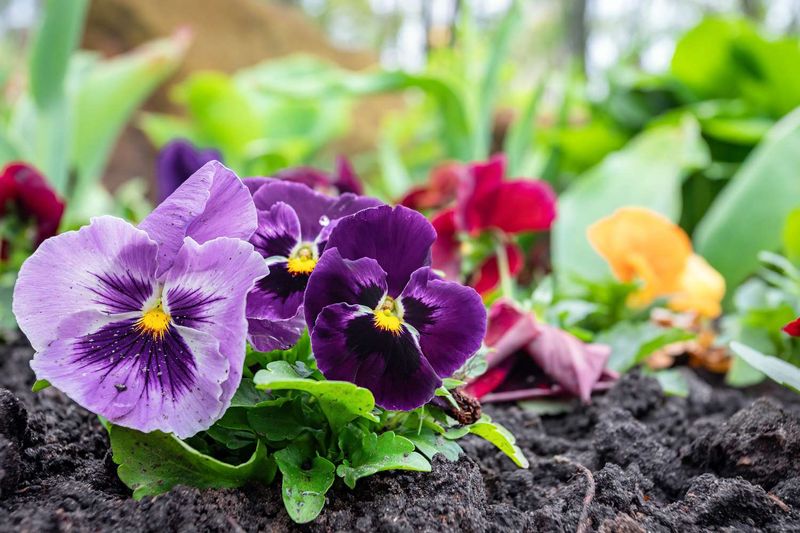
Some flowers give up when the weather turns chilly. Pansies just smile and keep going. Their little faces bring color to porches and flower beds right when everything else fades.
Pansies love cool weather. In much of Pennsylvania, they bloom through fall, rest under winter snow, and then burst back into color in early spring. You get two seasons of flowers from one planting.
October is a great month to get them in the ground. Planting now gives their roots time to settle before hard freezes hit. Strong roots help the plants hang on through January and February.
Garden centers sell pansies in small packs that are easy to plant. Look for compact plants with healthy green leaves. Skip any that look stretched out or yellow.
Pick a spot with morning sun and some shade later in the day. Space plants about 6 to 8 inches apart. Mix a little compost into the soil before planting.
Containers work wonderfully too. Pair pansies with mums, ornamental kale, or small pumpkins for a cozy fall display. Just remember that pots freeze faster than garden beds, so move them close to the house in deep cold.
Water your pansies well after planting and during dry spells. A thin layer of mulch protects their roots during winter. Pine needles or shredded leaves work nicely.
Want more flowers? Pinch off faded blooms every few days. The plant will keep making new ones instead of making seeds.
Bonus tip: pansy petals are edible. Sprinkle them on salads or cupcakes for a pretty touch.
4. Spinach For The First Greens Of Spring
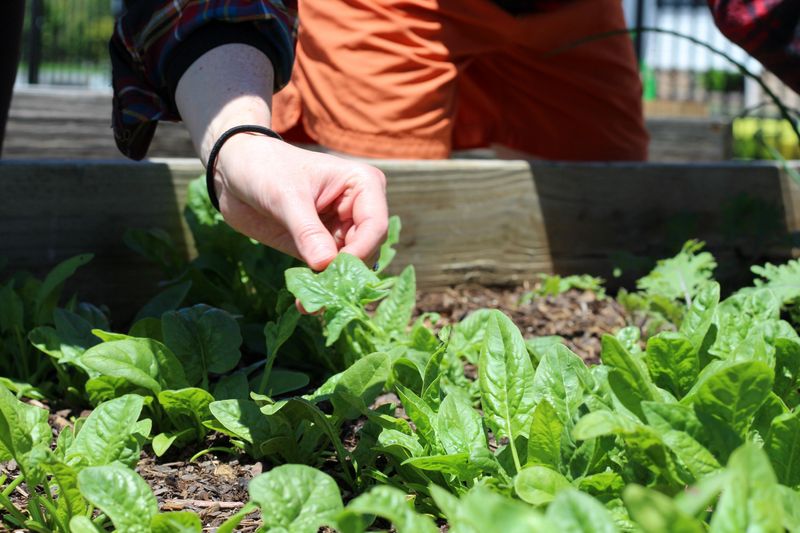
My neighbor once picked a big bowl of spinach in March while snow still sat in the corners of her yard. Everyone on the street wanted to know her secret. The answer was simple: she planted it in October.
Spinach is one of the toughest vegetables you can grow. It handles freezing nights much better than most garden plants.
Small spinach plants can sleep through a Pennsylvania winter and start growing again once the days warm up.
Sow the seeds in early October for the best results. The young plants need a few weeks to grow some leaves before the cold arrives. Smaller plants survive winter better than large ones anyway.
Plant the seeds about half an inch deep in loose, rich soil. Space them a couple of inches apart, then thin them later. Keep the soil damp until the seedlings show up.
Protection is the key to success. Cover the bed with a light row cover, which is a thin fabric that lets in sun and rain. A layer of straw mulch around the plants also helps.
During the coldest weeks, the plants may look flat and sad. Do not worry. They are simply resting and waiting for longer days.
By March or early April, fresh leaves will start growing fast. You may harvest weeks before anyone else in your neighborhood. Spring spinach also tastes sweeter because cold weather makes the leaves store more sugar.
Pick the outer leaves first and let the center keep growing. You will get several harvests before summer heat arrives.
5. Winterberry Holly For Birds And Winter Color
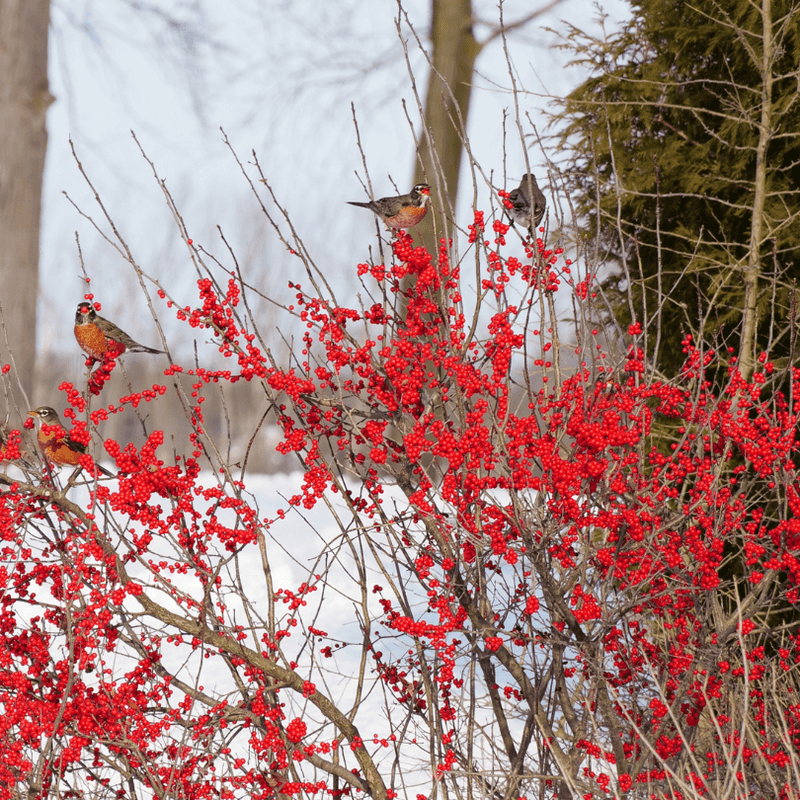
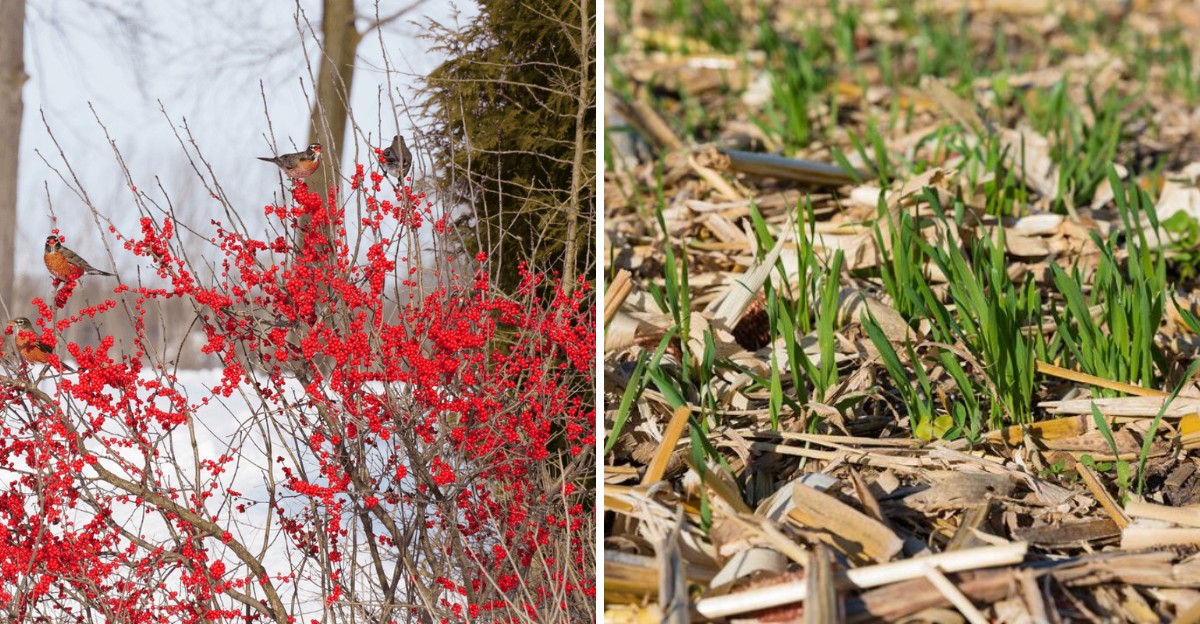
Bright red berries glowing against white snow. A robin hopping from branch to branch. Winterberry holly turns a gray winter yard into a lively scene.
Winterberry is a holly that grows naturally in Pennsylvania. Unlike the classic Christmas holly, it drops its leaves in fall. That leaves bare branches covered with red berries that last deep into winter.
Early fall is an excellent time to plant it. The soil stays warm enough for roots to spread, while cool air keeps the shrub from getting stressed. By spring, the plant is settled and ready to grow.
Got a soggy corner where nothing seems happy? Winterberry might love it. It handles moist and even wet soil better than most shrubs. It also grows well in normal garden soil if you water it during dry spells.
Here is a detail many people miss. Winterberry plants are either male or female. Only females grow berries, but they need a male plant nearby to make them.
One male can serve up to ten females. Ask your nursery to match the right male type with your females so they bloom at the same time.
Plant in a spot with full sun or partial shade. More sun usually means more berries. Dig a hole twice as wide as the root ball and water deeply after planting.
The berries feed robins, bluebirds, cedar waxwings, and other birds during the hungry months. You get a free bird show from your window.
Branches also look beautiful in holiday arrangements. Clip a few for your front door.
6. Virginia Bluebells For Shady Spots

Walk through a Pennsylvania forest in April and you might spot a sea of soft blue flowers. Those are Virginia bluebells, and they can grow in your own shady yard. Fall is the season to get them started.
Virginia bluebells are native wildflowers. In spring they produce clusters of bell-shaped flowers. The buds start out pink, then slowly change to sky blue as they open.
Most nurseries sell them as dormant roots in the fall. A dormant root looks like a brown, knobby lump with no leaves. It may not look exciting, but it holds everything the plant needs to bloom next spring.
Choose a spot with shade and moist soil. Under tall trees is perfect. Bluebells enjoy the spring sunlight that reaches the ground before trees fill out with leaves.
Plant the roots about 1 to 2 inches deep with the top buds facing up. Space them around a foot apart. Water well and add a light layer of shredded leaves on top.
Here is something surprising. After blooming in late spring, bluebells go completely dormant and vanish by summer. Mark where you planted them so you do not dig them up by mistake.
Ferns and hostas make great neighbors. They fill in the empty space once the bluebells disappear.
Over the years, bluebells spread by seed and form lovely colonies. A few plants can turn into a big blue patch. Bumblebees and early butterflies also visit the flowers, so you help local pollinators too.
7. Cereal Rye To Rebuild Tired Soil
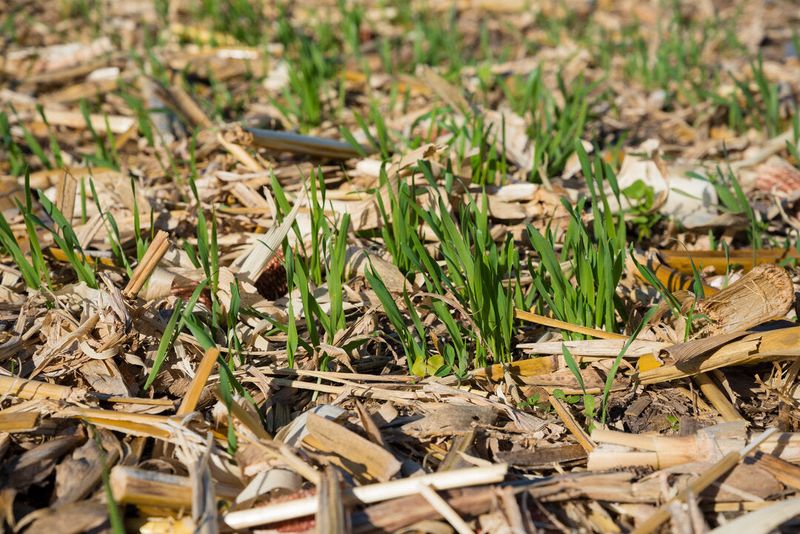
Bare garden soil in winter is like leaving your front door wide open. Wind and rain can carry away the good stuff. Cereal rye acts like a living shield that keeps your soil safe until spring.
Cereal rye is a type of grass grown as a cover crop. A cover crop is a plant grown mainly to protect and improve soil. Pennsylvania farmers have used rye for generations.
What makes rye special is its love of cold weather. It is one of the few cover crops you can still sow in October. It sprouts quickly and keeps growing even when days are chilly.
Planting is easy. Rake your empty vegetable beds to loosen the top layer of soil. Scatter the seeds by hand, then rake lightly to cover them.
Water the area if the weather is dry. Within a week or two, you should see green shoots. By late fall, your beds will look like a small lawn.
The roots hold soil in place during heavy rain and melting snow. They also break up hard ground and help water soak in. Fewer weeds can take over too.
In early spring, cut the rye down before it gets tall and forms seed heads. Turn it into the soil or let it sit as mulch. As it breaks down, it adds organic matter that feeds your soil.
Wait about two to three weeks before planting vegetables there. Your garden will thank you with richer, healthier soil all season long.