Simple Things To Do If Opossums Keeps Showing Up In Your Pennsylvania Yard
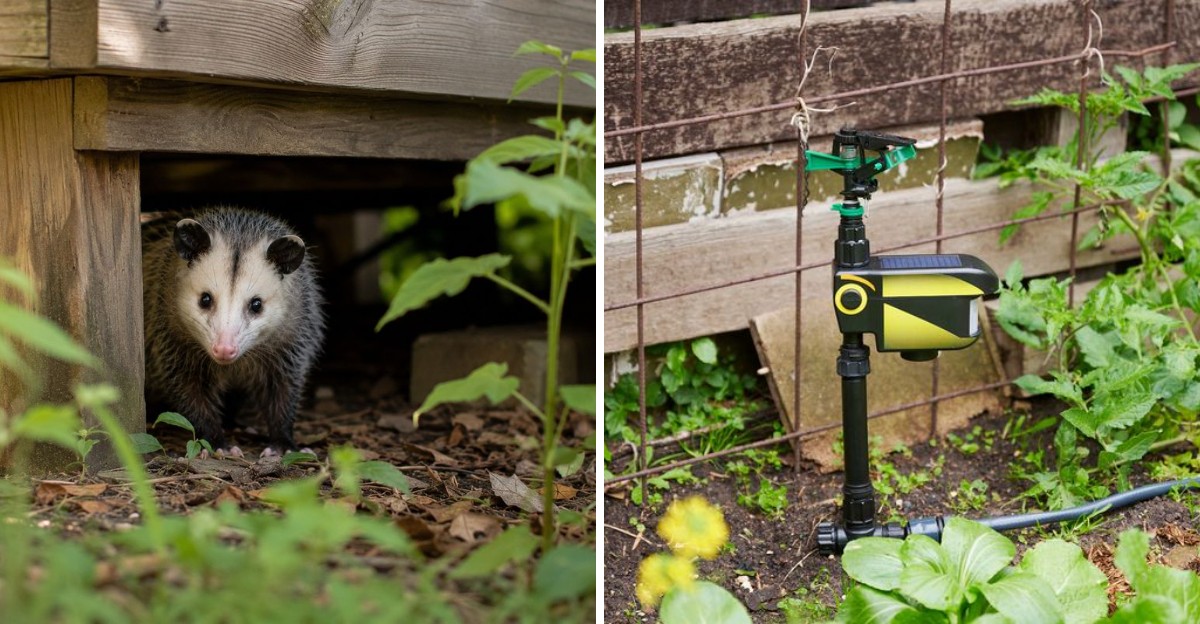
Opossums aren’t built for Pennsylvania winters. They don’t hibernate, their thin ears and bare tails offer little protection from the cold, and many end up with frostbitten tips by spring.
That’s why fall is when they start looking hard for a warm place to hunker down. If an opossum keeps returning to your yard, it has probably found something it likes.
A dry space under the deck. A gap beneath the shed. A steady supply of food it doesn’t have to work for. Once those needs are met, there’s little reason for it to move on.
Opossums are gentle and helpful neighbors, but most homeowners would rather not share their porch with one all winter.
Luckily, you don’t need traps or harsh chemicals to solve the problem. A few small changes around the house can send your visitor in a new direction.
1. Lock Down Your Trash Cans
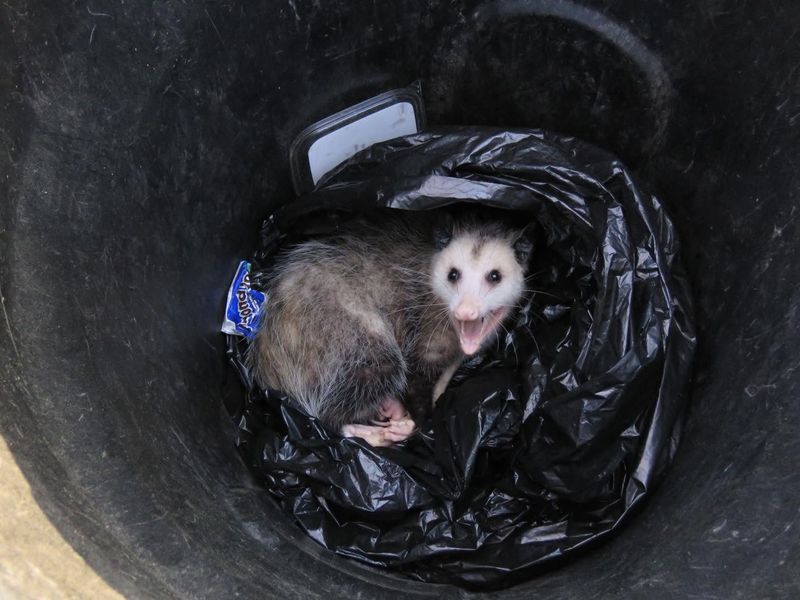
Garbage night is basically a free buffet to a hungry opossum. These animals have a strong sense of smell, and they can find leftover chicken bones from a long way off. If your trash can lid pops open easily, you have already sent them an invitation.
The fix is simple. Use cans with tight, locking lids, or strap the lids down with bungee cords. Heavy-duty plastic or metal cans work best because they are harder to tip over.
Some families in Pennsylvania even keep their cans inside the garage or a shed until pickup morning.
Try to put trash out in the morning instead of the night before. Opossums are most active after dark, so that one small change can make a big difference. If your town picks up early, a locked storage box for cans is a smart choice.
Smell matters too. Rinse out cans every few weeks with soapy water and a splash of vinegar. Double-bag food scraps, especially meat and fish. The less your garbage smells, the less tempting it will be.
Recycling bins can also draw attention. Rinse out yogurt cups, pet food cans, and soda bottles before tossing them in. Sticky leftovers attract opossums, raccoons, and skunks all at once.
Here is a fun fact. Opossums have 50 teeth, more than any other land mammal in North America. Even so, they would rather grab an easy snack than work hard for one.
When your trash becomes a locked vault, most opossums simply wander off to search somewhere else. Think of it as cutting off their favorite restaurant. No food means no reason to keep visiting.
2. Bring Pet Food Inside At Night
Ever wonder why your cat’s bowl is licked clean every morning even though she barely touched it?
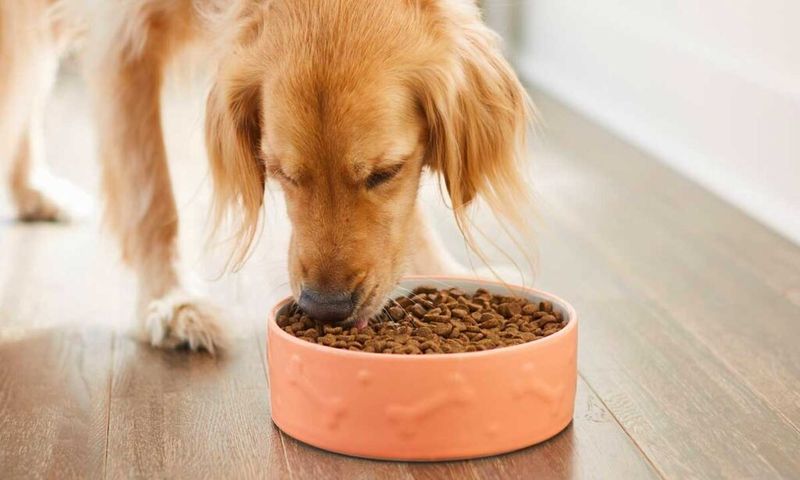
Chances are an opossum sneaked in for a midnight snack. Pet food is one of the top reasons these critters keep coming back.
Dry kibble and wet food are packed with protein. To an opossum, a bowl left on the porch is like finding a pizza on the sidewalk. Once they learn where it is, they will return night after night.
Your Pennsylvania Garden Changes Every Week. Your Plan Should Too.
Gardening in Pennsylvania changes quickly throughout the season. Every Friday you’ll receive a simple weekly plan showing exactly what to plant, prune, fertilize, harvest, and protect so you never miss the right timing.
The easiest solution is to feed pets indoors. If your dog or cat eats outside, set a schedule. Put food out in the morning and pick up the bowl before sunset. Leftovers should go back in a sealed container.
Storage is just as important. Bags of pet food in a garage or shed should be kept in hard plastic or metal bins with snug lids. Opossums are good climbers and can chew through thin paper bags.
Bird feeders can cause the same trouble. Seeds spill onto the ground, and opossums happily clean them up. Use a seed tray under the feeder, or bring feeders in at night during warm months.
Water bowls also attract wildlife, especially in hot Pennsylvania summers. Empty outdoor water dishes in the evening and refill them in the morning.
My neighbor tried this trick for one week, and her nightly visitor stopped showing up by day five. Opossums are not stubborn.
They are just practical. When the food disappears, they move their search to a new spot. Your pets stay safer too, since fewer wild visitors means fewer surprise run-ins.
3. Pick Up Fallen Fruit And Garden Scraps
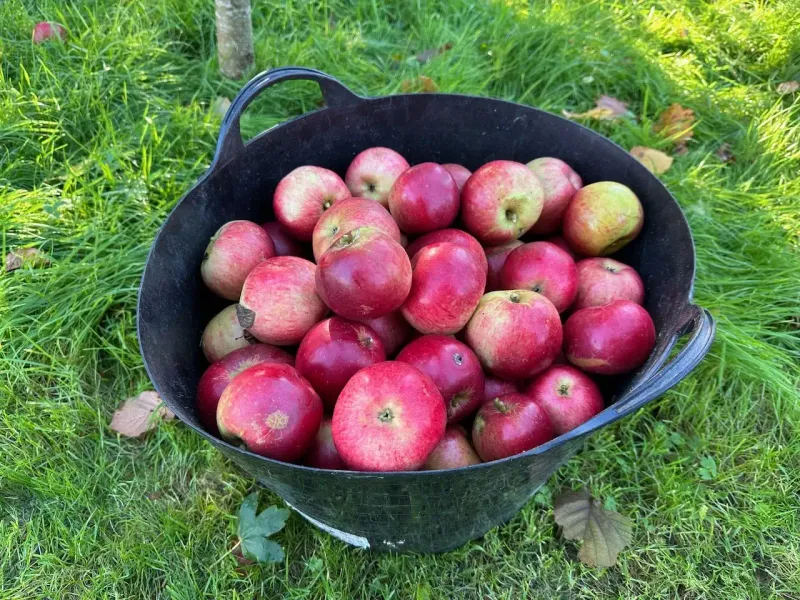
Autumn in Pennsylvania means apple trees, pear trees, and plenty of fruit dropping to the ground. For people, it can be a mess. For opossums, it is a feast that rolls right to their feet.
Opossums are not picky eaters. They love soft, sweet fruit, especially when it starts to get mushy. Persimmons are a special favorite. In fact, some old stories in the eastern United States call persimmons possum candy.
Walk your yard every day or two during fruit season. Rake up fallen apples, berries, and pears.
Toss them in a sealed bin or add them to a closed compost system. Open compost piles are like a welcome mat, so cover yours with a lid or use a tumbler.
Vegetable gardens can be just as tempting. Tomatoes, melons, and squash that split or fall should be picked up quickly. Ripe produce should be harvested on time instead of left to sit.
A little garden fencing helps too. A low wire fence with a floppy top edge makes climbing tricky. Opossums can climb, but loose wire wobbles and discourages them.
Here is the upside. Opossums also eat slugs, snails, and beetles that harm your garden. You do not need to hate them. You just want them hunting bugs, not chowing down on your tomatoes.
Families with kids can make cleanup a quick game. Who can fill a bucket fastest? It keeps the yard tidy and teaches kids how wildlife finds food.
A clean yard sends a clear message. There is nothing tasty here, so it is time to move on.
4. Seal Off Decks, Sheds, And Crawl Spaces
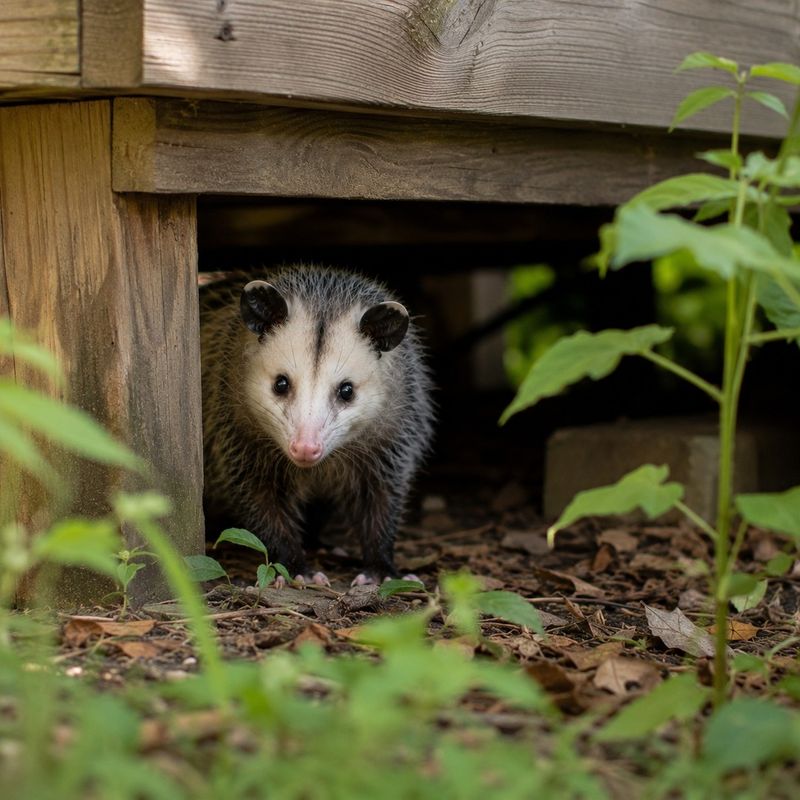
Quiet, dark, and dry. To an opossum, the space under your deck sounds like a five-star hotel. These animals do not dig their own homes, so they borrow cozy spots that already exist.
Common hideouts include gaps under porches, sheds, decks, and crawl spaces. Woodpiles and thick brush piles work too. If you see a well-worn path or loose dirt near an opening, someone may be living there.
Before sealing anything, make sure nobody is home. Sprinkle a thin layer of flour near the opening at night.
If you see footprints leading out in the morning and none leading back, it is safe to close it. Spring is baby season, so watch carefully. Mother opossums carry babies in a pouch and then on their backs.
Use galvanized hardware cloth with small holes, about half an inch wide. Chicken wire is too weak.
Bury the bottom edge about 8 to 12 inches deep, then bend it outward in an L shape. That stops animals from pushing under it.
Check vents, broken lattice, and holes in shed walls. Patch them with sturdy mesh or wood. Keep firewood stacked off the ground and away from your house.
Trimming overgrown shrubs and clearing brush removes extra hiding places. Opossums like cover, so an open, neat yard feels less safe to them.
Doing the work once can save years of trouble. A sealed deck stays free of nests, smells, and fleas.
Many Pennsylvania homeowners say this single step solved their problem completely. Give opossums nowhere to sleep, and they will look for a home in the woods instead.
5. Try Motion-Activated Lights And Sprinklers
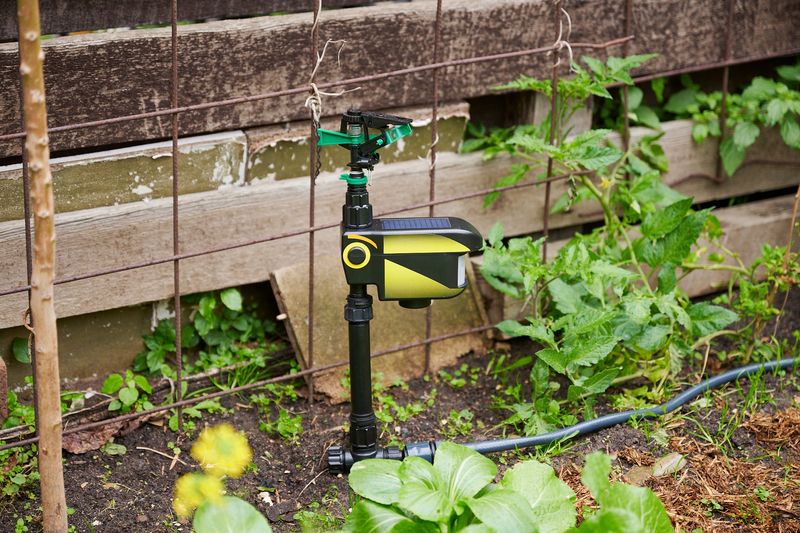
Nothing ruins a sneaky night out like a sudden blast of water. Opossums are shy creatures, and surprises make them nervous. That is exactly why motion-activated gadgets work so well.
Motion sprinklers hook up to your garden hose. When an animal walks by, a sensor spots the movement and sprays a quick burst of water.
It does not hurt the opossum, but it startles it enough to run away. After a few soggy visits, most animals decide your yard is not worth the trouble.
Motion lights are another easy choice. Opossums prefer the dark, so a bright light flicking on can send them scurrying. Place lights near trash cans, garden beds, and the edges of decks or sheds.
Some tips help these tools work better. Move sprinklers to new spots every week or two so animals do not get used to them.
Point sensors toward paths where you have seen tracks. Solar-powered lights save money and are simple to install.
Winter needs a different plan. Pennsylvania freezes can crack sprinkler parts, so store them once temperatures drop. Lights can keep working all year long.
Remember one thing. Gadgets help most when combined with other steps. If food is still sitting out, a hungry opossum might decide a little water is worth the meal.
A quick bonus fact. When very scared, an opossum may play possum. It flops over, drools, and gives off a stinky smell. The act is not on purpose.
It is a natural reaction, and the animal wakes up and leaves after a while. Gentle scares like these keep everyone safe and send a clear message.
6. Use Smells Opossums Dislike

Noses rule an opossum’s world. They rely on smell to find food, avoid danger, and pick safe resting spots. You can use that super sniffer to your advantage.
Certain scents seem to bother opossums. Garlic, hot pepper, and ammonia are common choices.
Some people mix crushed garlic or cayenne pepper with water and a few drops of dish soap. They spray it around garden beds, trash areas, and deck edges.
Store-bought repellents are another option. Look for products made for opossums or raccoons that use natural ingredients. Always follow the label, and keep sprays away from kids and pets.
Ammonia needs extra care. Soak a rag, place it in a small open container, and set it near a den opening.
Never mix ammonia with bleach, since that creates dangerous fumes. Many people prefer milder methods for this reason.
Rain washes scents away quickly. In Pennsylvania, spring and fall showers are common, so plan to reapply after storms. Once a week is a good habit during busy seasons.
Be honest with yourself about results. Smells work best as a helper, not a full solution. They nudge opossums toward leaving, especially when food and shelter are already gone.
Here is a neat trick some gardeners swear by. Dryer sheets or used kitty litter placed near trouble spots may also make opossums think twice. Results can vary from yard to yard, so test a few ideas.
Changing scents now and then keeps things fresh. Animals get used to the same smell over time. Mix it up, stay consistent, and your yard will start to feel less inviting.
7. Call Local Wildlife Experts When Needed
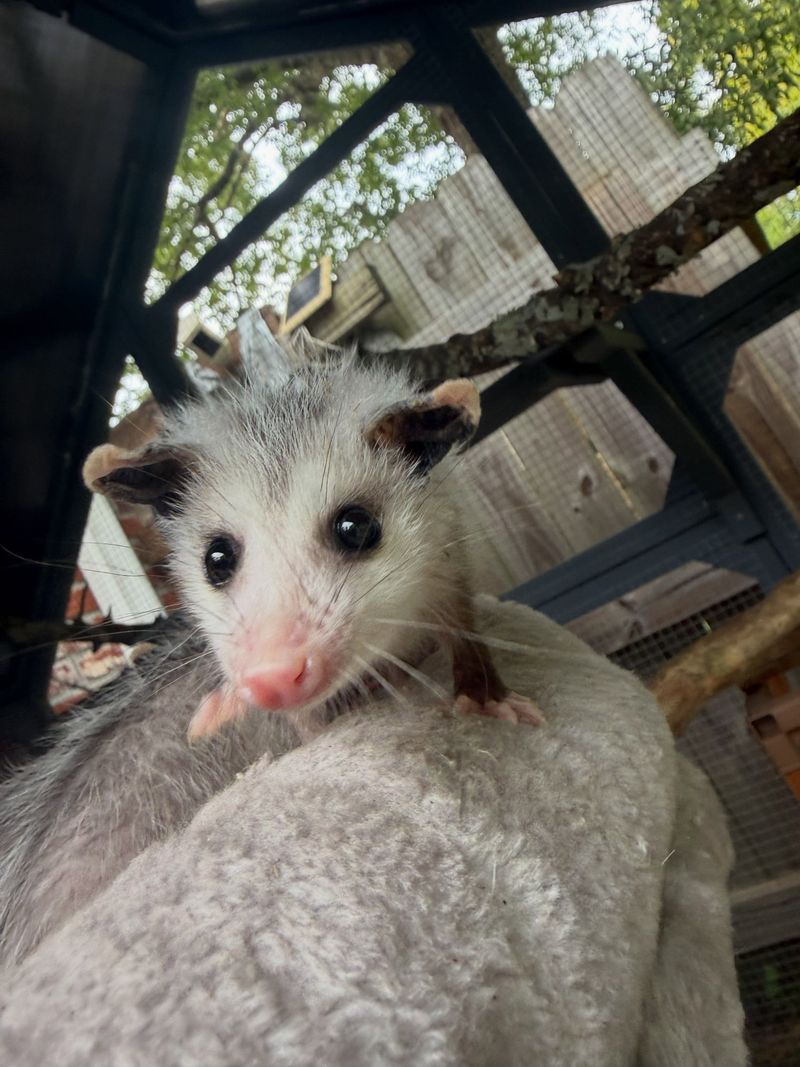
Sometimes the smartest move is picking up the phone. If an opossum is living in your attic, acting sick, or simply will not leave, it is time to get help from people who handle wildlife every day.
In Pennsylvania, opossums are considered furbearers, and the Pennsylvania Game Commission has rules about trapping and moving them.
Relocating wildlife on your own can break state laws. It can also stress the animal and spread disease. A licensed wildlife control operator knows the rules and uses humane methods.
Here are some signs you need a pro. You hear scratching inside walls or ceilings. You find a mother with babies in a tricky spot. An opossum seems hurt, wobbly, or out during bright daytime for long stretches.
Note that daytime sightings alone are not always a problem, since mothers sometimes forage extra.
Orphaned or injured babies should go to a licensed wildlife rehabilitator. Pennsylvania has several rehab centers that care for young opossums until they can live on their own. Never try to raise one at home.
Calling for help is also a good idea if you are nervous. Opossums rarely bite and are unlikely to carry rabies because of their low body temperature. Still, wild animals deserve space and respect.
Ask any company you hire how they remove animals and whether they seal entry points afterward. Good experts will fix the reason the opossum moved in, not just remove it.
Asking for help is not giving up. It is a smart, responsible choice. With the right support, your yard goes back to normal and the opossum finds a better home.