The Easiest Plants To Grow In Pennsylvania
Plenty of people are convinced they just weren’t born with a green thumb. They’ve watched houseplants wilt, flower beds fizzle, and vegetable gardens struggle, and they’ve decided gardening simply isn’t for them.
More often than not, the problem isn’t the gardener. It’s the plant. Some plants are fussy by nature. They need perfect soil, constant watering, and just the right amount of sun. Others are far more forgiving.
They handle Pennsylvania’s cold winters, humid summers, and unpredictable weather swings without much help at all.
Many come back year after year, spread on their own, and shrug off pests and diseases that would flatten weaker plants.
Starting with the right choices can turn gardening from a frustrating chore into something you actually look forward to.
1. Black-Eyed Susan, The Sunny Native Star
Drive down almost any country road in Pennsylvania in July, and you will spot bright yellow flowers waving from the ditches.
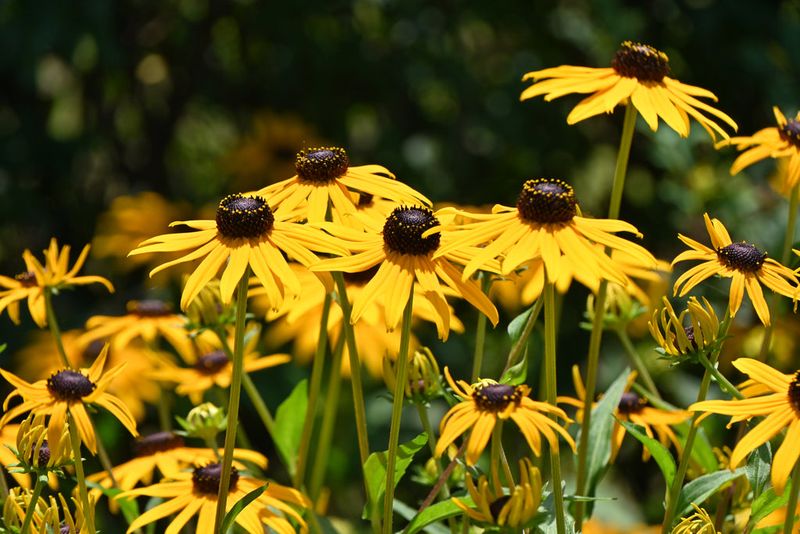
Those happy blooms are Black-Eyed Susans. They grow wild here, and that is exactly why they are so easy to grow at home.
The flowers have golden-yellow petals around a dark brown center that looks like a little button. They bloom from early summer all the way into fall. That long show means your garden stays colorful for months without much work from you.
Tough is the best word to describe this plant. It handles heat, dry weather, and poor soil like a champ. You do not need rich compost or fancy fertilizer. In fact, too much fertilizer can make the stems floppy.
Plant Black-Eyed Susans in a spot that gets at least six hours of sun each day. Water them often during the first few weeks while the roots settle in. After that, they usually only need a drink during long dry spells.
Here is a fun bonus. When the flowers fade, leave the seed heads standing. American goldfinches love to snack on the seeds, and you might see these little yellow birds visiting your yard well into winter.
Black-Eyed Susans also spread by dropping seeds. That means you may find new plants popping up next spring. If they show up somewhere you do not want them, just dig them up and share them with a friend.
Did you know? The Black-Eyed Susan is the state flower of Maryland, Pennsylvania’s next-door neighbor. Still, it feels right at home on our side of the border too. For new gardeners, it is a simple and rewarding first plant.
2. Purple Coneflower, A Pollinator Magnet
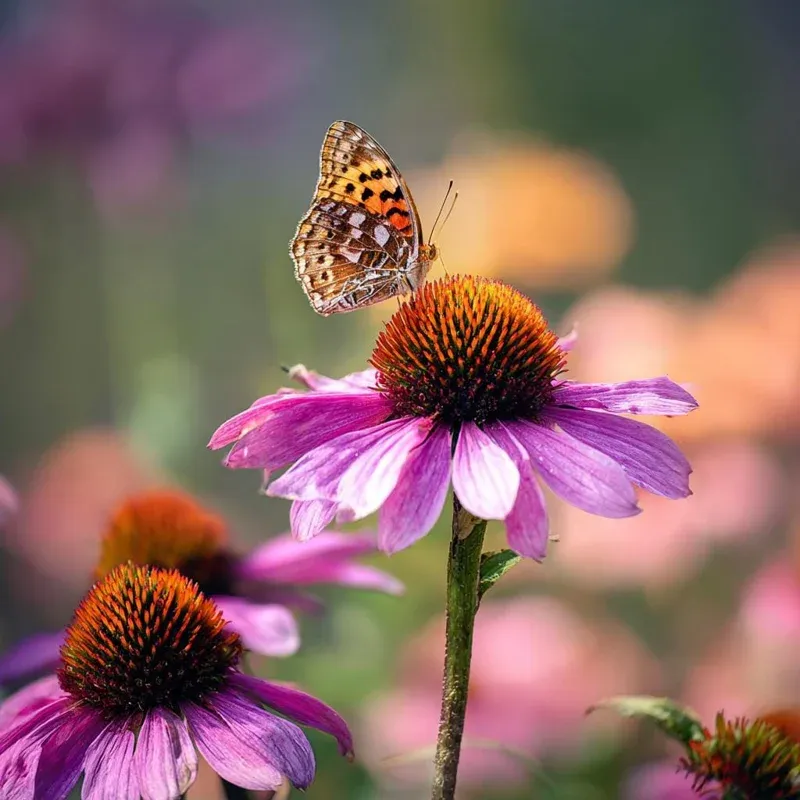
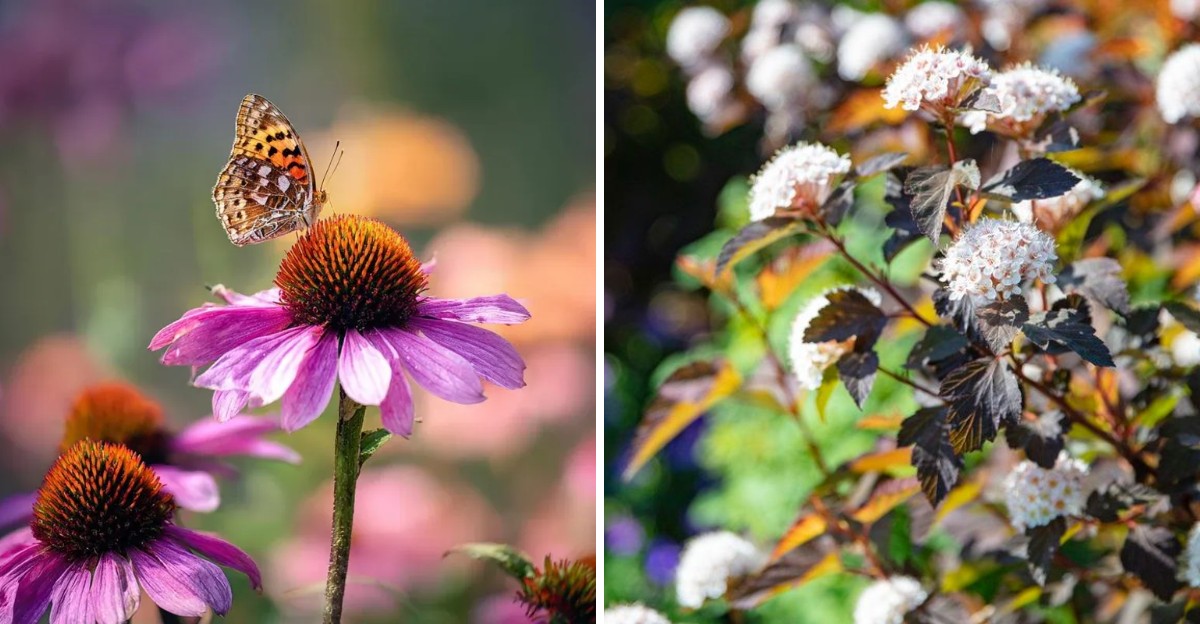
Bees buzz, butterflies flutter, and birds swoop in later for a snack. All of that action happens around one plant, the purple coneflower. If you want a garden full of life, this flower is your ticket.
Purple coneflower is a perennial, which means it comes back every year. Its blooms have pink-purple petals that droop slightly downward around a spiky orange center. The center looks a bit like a tiny hedgehog, and kids often love to touch it.
Your Pennsylvania Garden Changes Every Week. Your Plan Should Too.
Gardening in Pennsylvania changes quickly throughout the season. Every Friday you’ll receive a simple weekly plan showing exactly what to plant, prune, fertilize, harvest, and protect so you never miss the right timing.
Sunshine is what this plant craves most. Give it a spot with full sun, and it will reward you with flowers from June through August. Once its roots are settled, usually after one season, it can handle dry spells without much help.
Soil does not need to be perfect either. Coneflowers grow fine in average dirt as long as water drains away and does not sit in puddles. Soggy roots are about the only thing that bothers them.
Want more flowers? Snip off a few faded blooms during summer to keep new ones coming. Then, in the fall, stop cutting. Let the seed heads dry on the stems so goldfinches and other birds can feast on the seeds when food gets scarce.
A quick history bit adds some fun. Native Americans used coneflower roots for many years as a home remedy. Today you may see its scientific name, Echinacea, on tea boxes and vitamin shelves at the store.
Coneflowers also look great in a vase. Cut a few stems in the morning and bring them inside. Your kitchen table will feel like a summer meadow, and your garden will barely notice the missing blooms.
3. Hostas, The Shade Garden Heroes
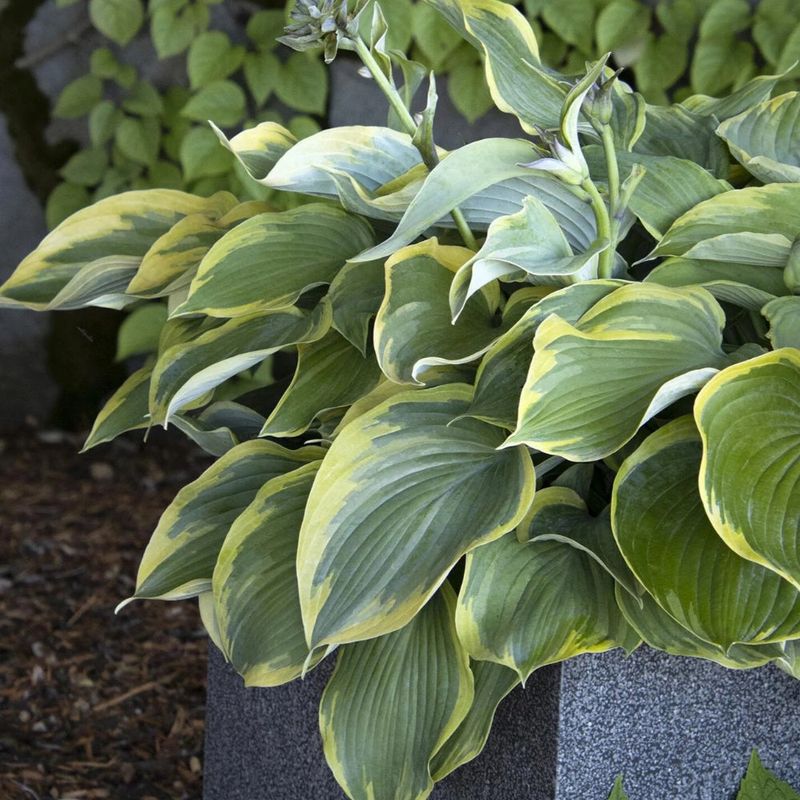
Got a dark corner where grass refuses to grow? Plenty of Pennsylvania yards have big oak and maple trees that block the sun. Hostas were practically made for those gloomy spots.
Leaves are the real stars here. Hostas come in so many shapes and colors that you could fill a whole garden with them.
Some have blue-green leaves as big as dinner plates. Others are tiny, with gold or white-striped leaves no bigger than a spoon.
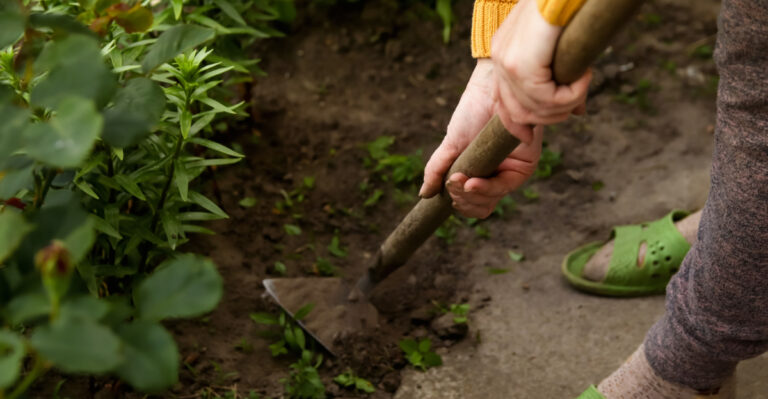
Once planted, hostas come back year after year with very little care. They form neat, rounded mounds that grow larger each season. After a few years, you can dig up a clump, split it with a shovel, and plant the pieces somewhere new for free.
Keep the soil a little moist, especially during hot summer weeks. A layer of shredded mulch helps hold in water and keeps weeds down. Hostas also send up tall stems with lavender or white flowers in summer, and hummingbirds sometimes stop by.
Now for the not-so-fun part. Deer think hostas are a tasty salad. In many Pennsylvania neighborhoods, a deer can chew a whole plant down to stubs overnight.
Luckily, you have options. Deer repellent sprays work well if you reapply them after rain. A simple fence or netting also helps. Some gardeners plant hostas close to the house, where deer are less likely to wander.
Slugs may nibble small holes in leaves too. Thicker, blue-leaved types tend to resist them better. Pick those if slugs are common in your yard.
With a little protection, hostas turn shady spaces into calm, green hideaways that feel cool even in August.
4. Daylilies, Blooms That Shrug Off Neglect
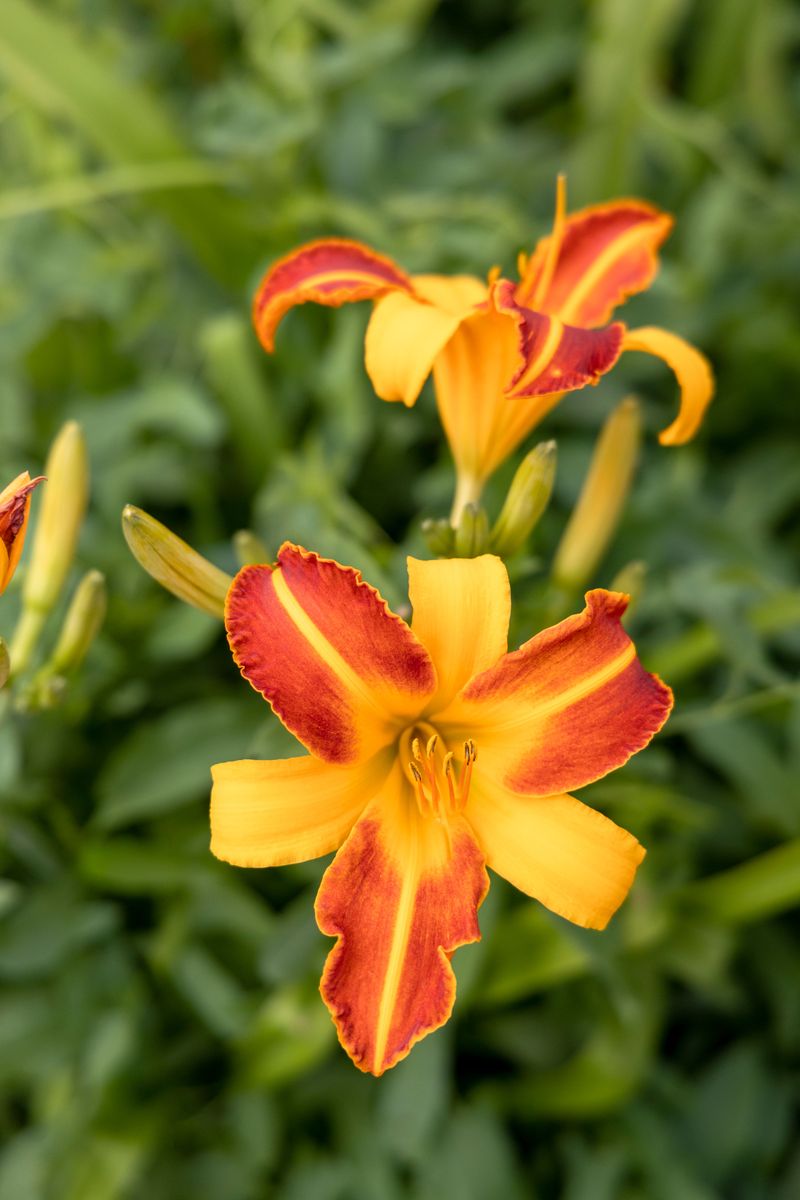
Forgot to water for two weeks? Daylilies will hardly notice. Some gardeners joke that these plants thrive on being ignored, and honestly, that is not far from the truth.
Daylilies grow in almost any kind of soil. Clay, sand, rocky dirt, you name it. They handle summer heat, dry spells, and even a bit of neglect with ease. That makes them perfect for busy families or anyone just starting out.
Each flower only lasts one day, which is how the plant got its name. Do not worry, though. A single plant makes dozens of buds, so new blooms open almost every morning for weeks.
Modern daylilies come in a rainbow of colors. You can find red, yellow, peach, pink, purple, and even near-white flowers.
Some have ruffled edges or a bright eye in the center. Garden centers sell them by variety name, like Stella de Oro, a small golden type that blooms again and again.
Here is an important tip. Skip the plain orange daylily you often see along roadsides. People call it the ditch lily.
It spreads quickly by underground roots and can take over flower beds and push out native plants. Named garden varieties behave much better and stay in neat clumps.
Plant daylilies in a sunny spot with at least six hours of light. Water them well the first month. After that, they mostly take care of themselves.
Every three or four years, the clumps get crowded. Dig them up in early fall, pull them apart, and replant. You will end up with extra plants to fill new spots or give to neighbors. It is a little like getting a free gift from your garden.
5. ‘Autumn Joy’ Sedum, The Fall Color Champ
Most gardens start to fade once September rolls around. Then ‘Autumn Joy’ sedum steps up and steals the show. Just when other plants are tired, this one is getting its second wind.
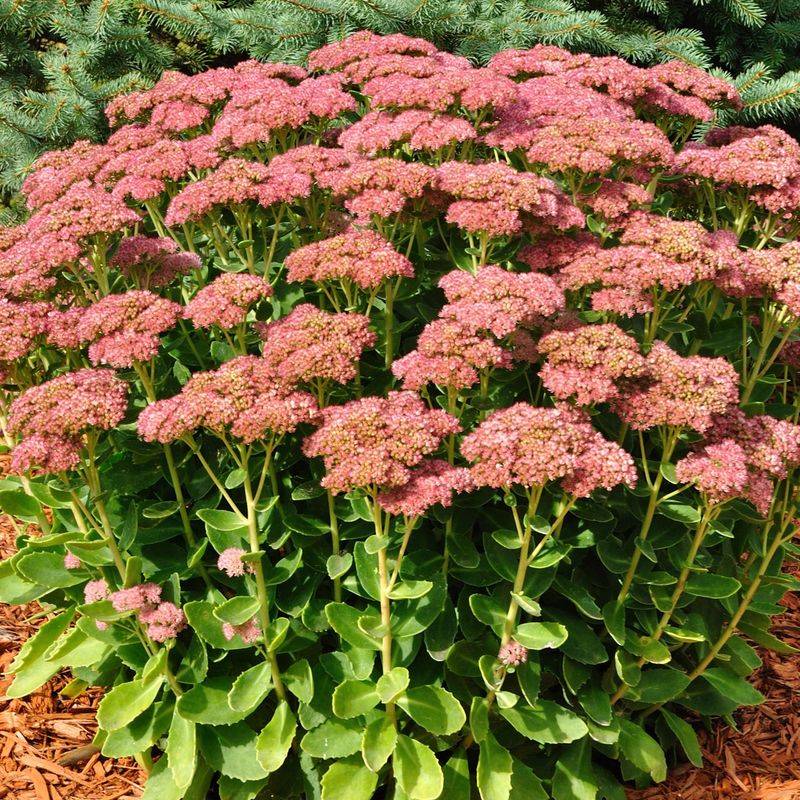
Look closely at the leaves first. They are thick, fleshy, and juicy, a lot like a cactus without the spikes. That is because sedum is a succulent. It stores water inside those chunky leaves, so it can go a long time without rain.
Late summer brings flat clusters of tiny flower buds. They start out pale green, then turn soft pink. As fall arrives, the color deepens to a rusty, brick red. Watching that slow change is half the fun.
Sunny, dry spots suit this plant best. Think of the hot strip next to your driveway, a rocky slope, or a spot by the mailbox where nothing else wants to grow. Good drainage matters most. Wet, heavy soil can cause the roots to rot.
Care is almost zero once the plant is established. No fertilizer needed. In fact, rich soil makes the stems flop over.
If yours starts leaning, try cutting the stems back by about half in early June. They will grow shorter and sturdier.
Butterflies and bees flock to the flowers in fall, when food is harder to find. That makes sedum a kind helper for pollinators getting ready for winter.
Leave the dried flower heads standing all winter. They look lovely dusted with snow. In early spring, cut the old stems down to make room for fresh growth.
Want more plants? Snap off a stem, stick it in the soil, and it will often root on its own. Easy peasy.
6. Catmint, A Fragrant Cloud Of Blue
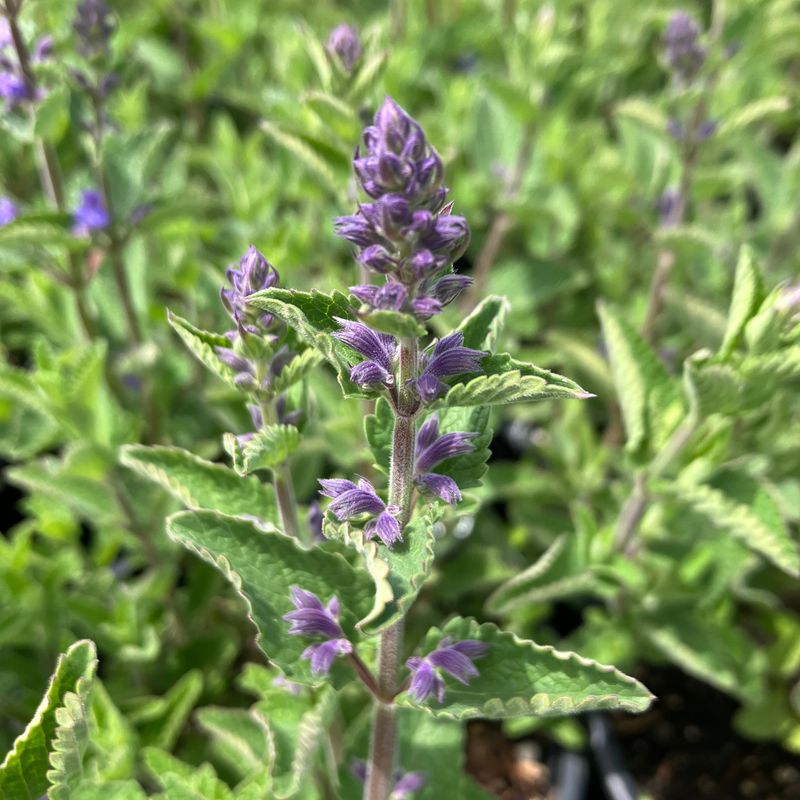
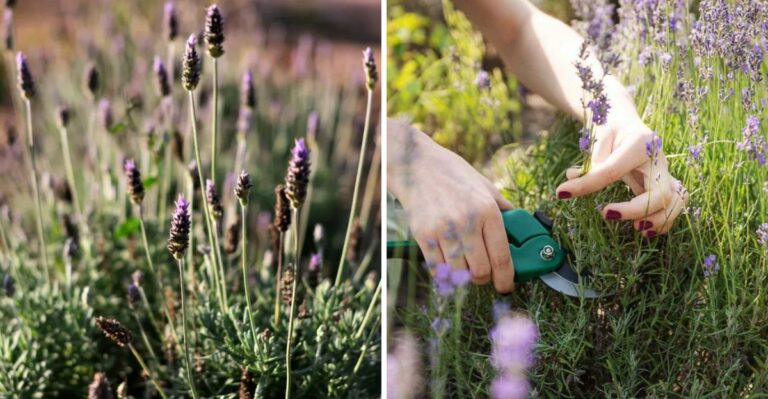
Brush your hand across a catmint plant, and a fresh, minty smell fills the air. People love it. Deer and rabbits, on the other hand, usually turn up their noses and walk away.
That scent is one of catmint’s best tricks. In parts of Pennsylvania where deer munch everything in sight, this plant is a true lifesaver for frustrated gardeners. Rabbits tend to leave it alone too.
From late spring through summer, catmint puts on a soft, airy show. Tiny lavender-blue flowers cover the plant, making it look like a little purple cloud. Bees and butterflies buzz around it all day long.
So, is it the same as catnip? They are cousins. Some cats do enjoy rolling in catmint, but most are less wild about it than real catnip. If you have a curious kitty, it might nap in the middle of your plant now and then.
Plant catmint in full sun with soil that drains well. It handles dry weather nicely once settled in. Too much water or shade can make it sprawl and flop.
Here is a secret that pros use. After the first big wave of flowers fades in early summer, grab some garden shears and trim the plant back by about one third. It might look bare for a week or two. Soon fresh leaves appear, and a second round of blooms follows.
Catmint makes a lovely edging along paths and walkways. It also pairs well with roses, softening their stiff stems with a wave of blue.
One popular variety, Walker’s Low, grows into a tidy mound about two feet tall. It is a smart pick for small yards and front beds.
7. Ninebark, A Tough Native Shrub With Style
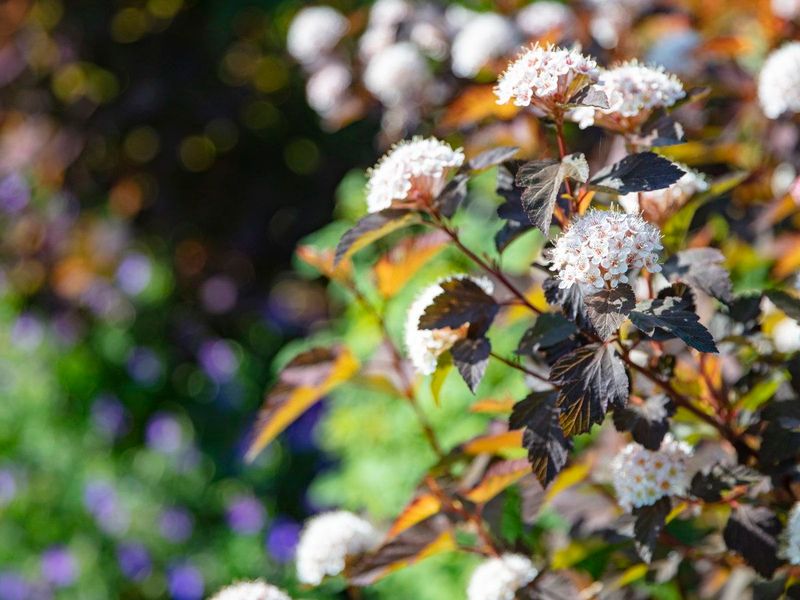
Picture-perfect shrubs often need lots of pampering. Ninebark is the happy exception. This rugged plant grows wild along Pennsylvania streams and hillsides, and it brings that same toughness to your yard.
Heat does not faze it. Drought does not slow it down much. Heavy clay soil, the kind that sticks to your boots, is no problem at all. Even our bitter winter winds barely leave a mark on this shrub.
The name comes from its bark. As the stems get older, the bark peels off in thin, papery strips.
Old stories say it has nine layers, though nobody has really counted. In winter, that shaggy bark adds interesting texture when the leaves are gone.
Modern varieties are where things get exciting. Some have deep burgundy leaves, almost purple-black.
Others glow bright gold or a warm coppery orange. Diabolo is a popular burgundy type, while Amber Jubilee offers fiery orange tones.
These colors last from spring until fall, so you get a full season of color without planting a single flower.
In late spring, small round clusters of white or pale pink flowers appear. Bees and other pollinators love them. Later, the flowers turn into reddish seed pods that birds sometimes visit.
Plant ninebark in full sun for the richest leaf color. It can handle some shade, but the colors may turn greener. Water it well during the first summer.
Pruning is simple. Right after it flowers, cut out a few of the oldest stems near the ground. That keeps the shrub fresh and full.
Need a hedge, a privacy screen, or a bold focal point? Ninebark does it all with very little help.