These Fuzzy Orange Flowers Bring A Burst Of Fall Color To Georgia Gardens
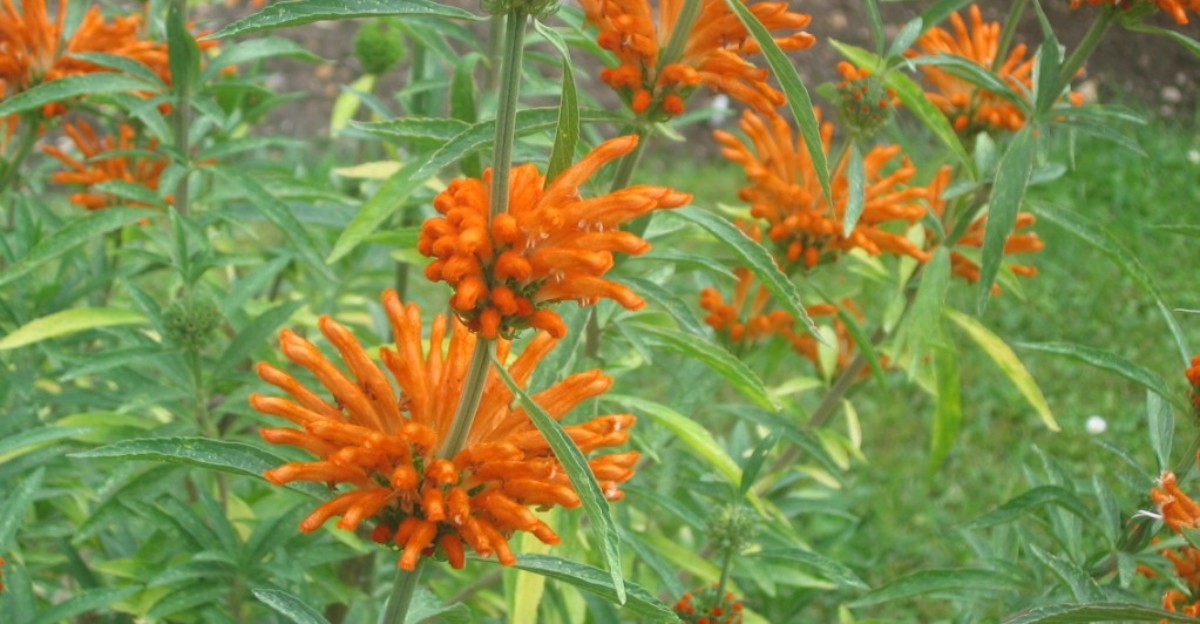
Much of the color in a fall yard comes from leaves, so flowers that glow orange in late October tend to grab your attention fast.
One plant pulls it off with soft, fuzzy blooms that look almost velvety up close. Its color runs from bright tangerine to deep burnt orange, depending on the variety and light.
Butterflies and other pollinators often keep visiting it well into fall, long after many summer flowers fade.
Gardeners in much of Georgia can enjoy its blooms right up until the first hard frost finally arrives.
Sunny spots with decent drainage tend to bring out its best show. Give it room to spread, since crowded plants often bloom less and stay shorter.
Neighbors who notice those fuzzy orange blooms usually end up asking what they are and where to find one.
1. Tiers Of Velvety Orange Blooms Stack Up Along Tall Stems
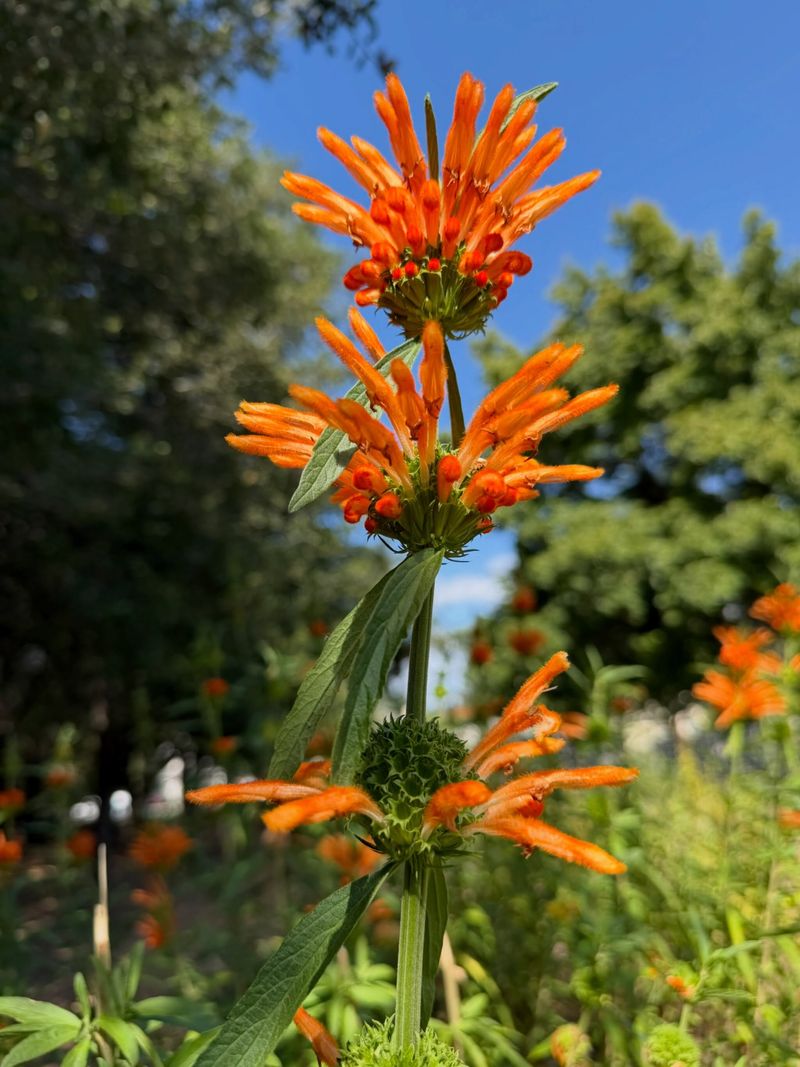
Picture a stem lined with orange pom-poms, spaced out like floors in a tall building. That is the first thing most people notice about lion’s tail.
Its proper name is Leonotis leonurus, and it belongs to the mint family.
Each cluster wraps around the stem in a ring, which gardeners call a whorl. Several rings stack up the stem, with a gap of green between each one.
Up close, every flower is a curved tube covered in tiny hairs, which gives it that soft, fuzzy look.
Plants native to South Africa often handle heat well, and this one is no exception. In a good Georgia summer, it can grow into a large, shrubby clump several feet tall.
Size depends on your soil, sun, and how long the growing season lasts in your area.
Because it gets tall, place it toward the back of a bed or along a fence. Shorter plants in front will hide its lower stems, which can look a bit bare by fall.
Some gardeners like to pair it with purple flowers such as salvias or asters for a strong color contrast.
A few stems also work in a vase. Cut them when the lower rings are open, and the orange tiers can brighten a kitchen table for several days.
2. Peak Flowering Arrives From Late Summer Until Frost
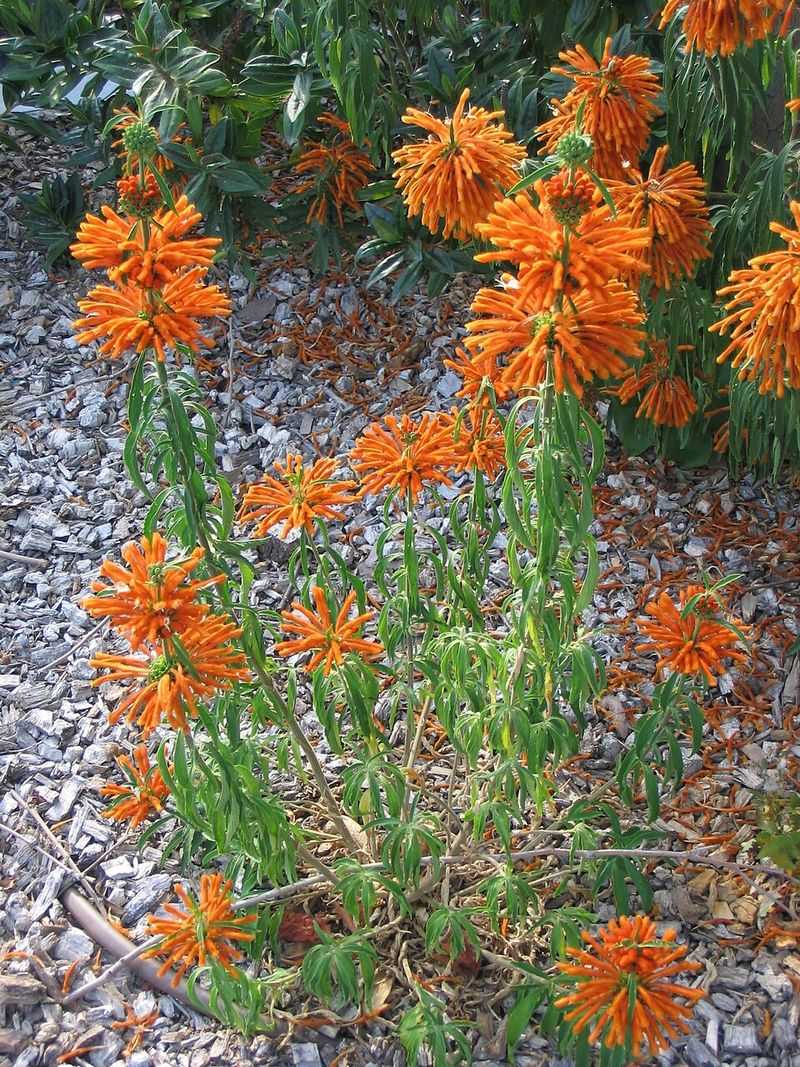
Patience pays off with lion’s tail. Spring and early summer are mostly about leafy growth, and you may wonder when the show will start.
Blooms usually build in late summer and carry on into fall.
Timing shifts with your planting date and weather. A plant set out in spring often needs a good stretch of warm months before it puts on its best color.
Once the flowers begin, new rings keep opening up the stems over a period of weeks.
In much of Georgia, that means orange blooms can still be going strong in October. Gardens in the south often enjoy a longer run than those in the mountains.
Frost tends to end the season, since the leaves and flowers are tender to freezing cold.
Your Georgia Garden Changes Every Week. Your Plan Should Too.
Gardening in Georgia changes quickly throughout the season. Every Friday you’ll receive a simple weekly plan showing exactly what to plant, prune, fertilize, harvest, and protect so you never miss the right timing.
A light frost may only damage the top growth, while a hard freeze can brown the whole plant. How much harm happens depends on how cold it gets and for how long.
Want more blooms? Trimming off spent flower stems can tidy the plant, though results vary.
Keep an eye on your local forecast as fall moves along. If a cold night is coming, cut a few stems for indoor bouquets first, so you get to enjoy the color a little longer.
3. Hummingbirds Seek Out The Tubular Flowers Late In The Season
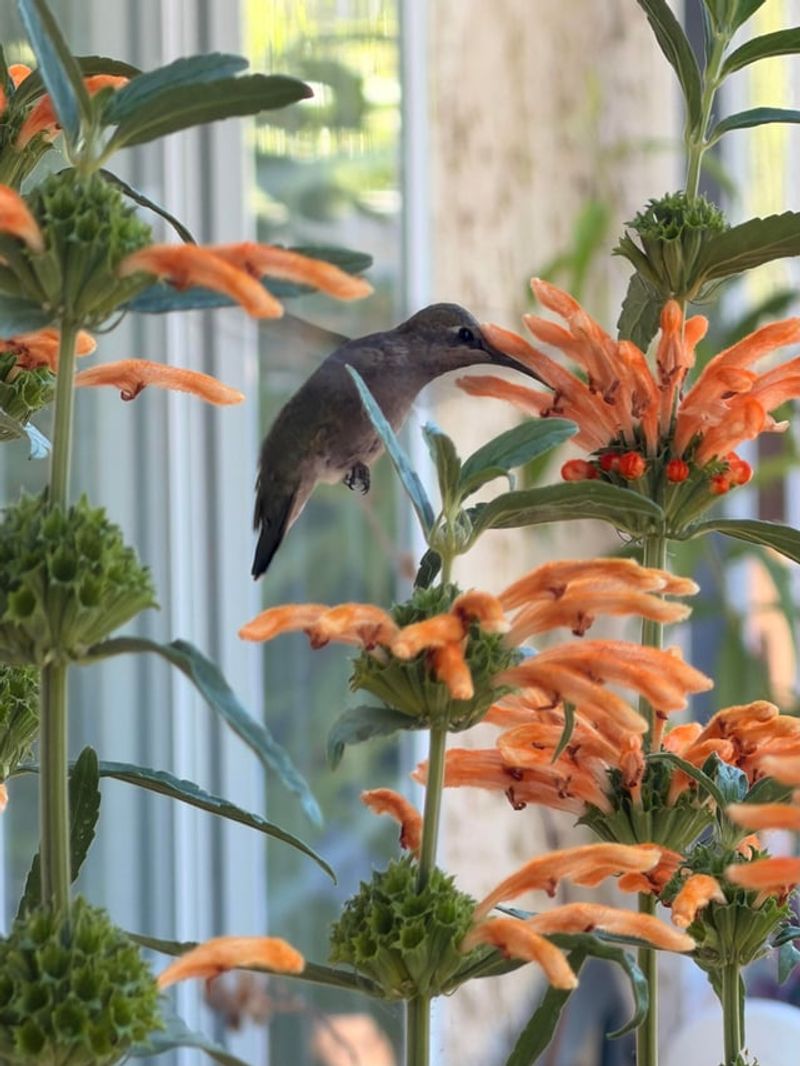
A quick buzz near your ear, then a flash of green. That is often how gardeners find out hummingbirds have discovered their lion’s tail.
Long, curved, orange tubes fit a hummingbird’s bill nicely, and the flowers hold nectar deep inside.
Ruby-throated hummingbirds pass through Georgia during fall migration, roughly from late summer into early fall. Blooms that open at that time can give them a helpful fuel stop.
How many birds you see depends on where you live and what else is blooming nearby.
Some yards get a steady stream of visitors. Others see only a bird or two, and that is perfectly normal.
Bees and butterflies may stop by as well, though hummingbirds tend to steal the show.
Want to give them a better reason to stay? Plant lion’s tail where you can see it from a window or porch, and skip pesticide sprays on flowering plants.
Pairing it with other late bloomers, like salvias, can create a small feeding area that lasts longer.
Western hummingbirds, such as rufous hummingbirds, sometimes show up in the Southeast in late fall and winter. Spotting one is not common, but late-blooming plants may give you a better chance if one wanders through your area.
4. Square Stems Reveal Its Place In The Mint Family
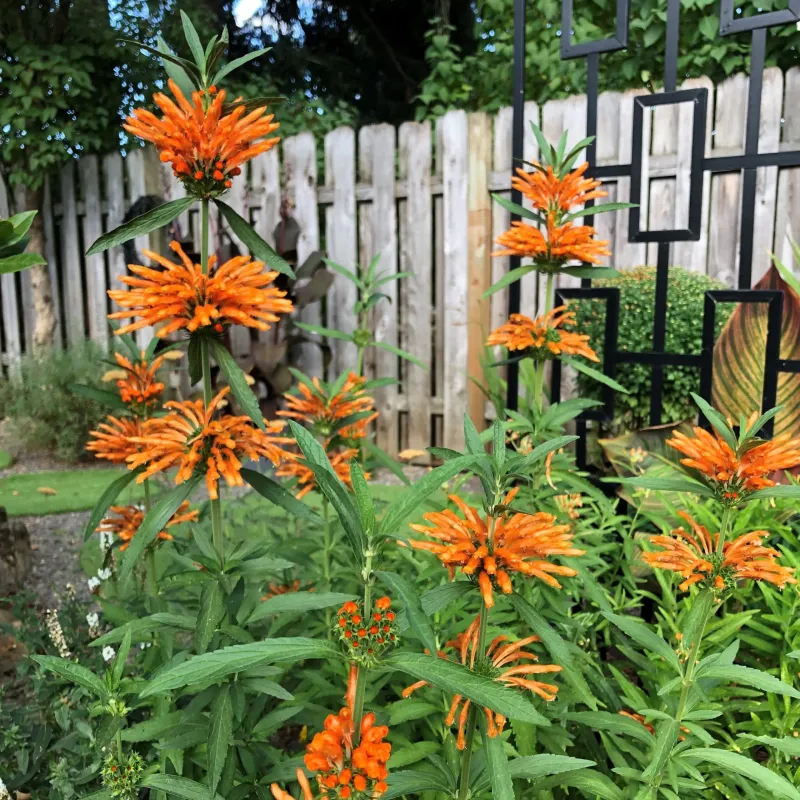
Roll a stem between your fingers and you will feel corners. Lion’s tail stems are square, which is a common trait in the mint family.
Basil, salvia, and rosemary share this feature, so you may already grow a few relatives.
Leaves also follow a mint family habit. They grow in pairs, with one leaf on each side of the stem, facing each other.
Each leaf is narrow and a bit rough, with small teeth along the edges.
Unlike garden mint, though, lion’s tail does not spread aggressively by underground runners. It grows in a clump, which makes it easier to keep in its spot.
Crushed leaves give off a mild scent, though it is not as strong as peppermint.
Square stems can also help you tell it apart from look-alikes. A close cousin, Leonotis nepetifolia, has rounder flower clusters and grows as an annual in many Georgia gardens.
Both plants have orange blooms, so checking the leaves and flower shape helps sort them out.
Older stems become woody near the base as the season goes on. Light trimming in spring can shape the plant, but avoid heavy cuts late in fall when cold weather is close.
5. Full Sun And Good Drainage Suit This Drought-Tolerant Bloomer
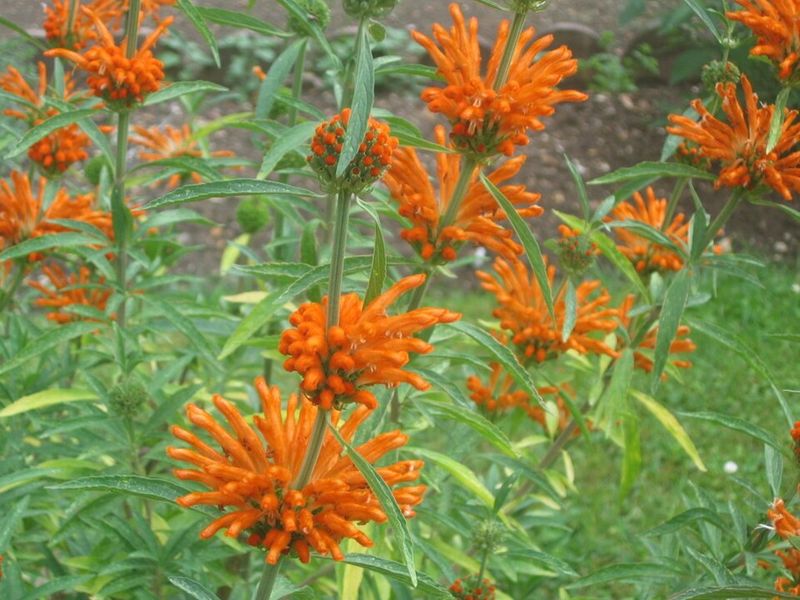
Shade and soggy soil are two things lion’s tail does not enjoy. Give it bright sun and loose ground, and it usually grows with little fuss.
Aim for a spot that gets at least six hours of direct sun each day.
Red clay is common across much of Georgia, and it can hold water after heavy rain. Mixing in compost or planting on a slight mound can help water drain away from the roots.
Raised beds work well too if your yard stays wet.
Once settled in, the plant handles dry spells better than many flowers. New plants still need regular water for the first several weeks while roots spread out.
After that, water deeply during long stretches without rain, then let the soil dry a bit.
Overwatering can cause more trouble than a short dry period. Soil that stays wet for days may lead to root problems, especially in heavy ground.
Fertilizer needs are modest. Too much rich feeding may push leafy growth with fewer flowers, so a light hand is usually enough.
A thin layer of mulch helps hold moisture in summer heat. Keep it pulled back from the base of the stems to allow air to move around them.
6. Root Hardiness Is Limited To Milder Parts Of The State
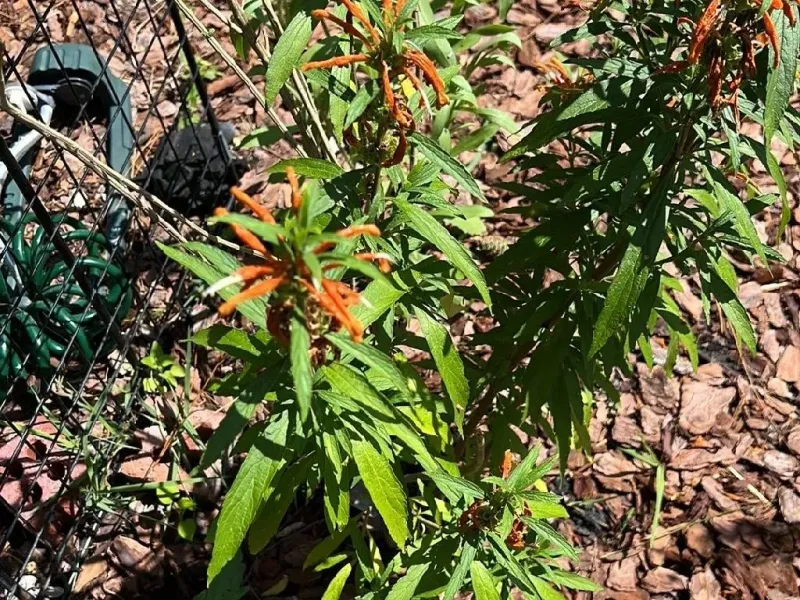
Cold winters are where lion’s tail meets its match. Its roots are generally rated as hardy only in warmer zones, around zone 8 and up.
Georgia ranges from about zone 6 in the north Georgia mountains to zone 9 near the coast and southern border.
Gardens in the southern and coastal areas have the best odds of seeing plants return in spring. Top growth may still brown after a freeze, but the roots can survive and send up new shoots.
Middle areas, like around Macon or Atlanta, sit in between. Plants there may come back after a mild winter and fail after a harsh one.
North of that, treating lion’s tail as an annual is often the safer plan.
Good drainage matters a lot in winter. Cold, wet soil tends to harm roots more than cold, dry soil.
A thick layer of mulch, such as pine straw, can help protect the base after the first frost.
Wait until spring to remove browned stems, since they may give the crown a little shelter. If green shoots have not appeared by late spring, the roots likely did not make it through the winter.
7. Stem Cuttings Taken Before Frost Can Carry Plants Through Winter
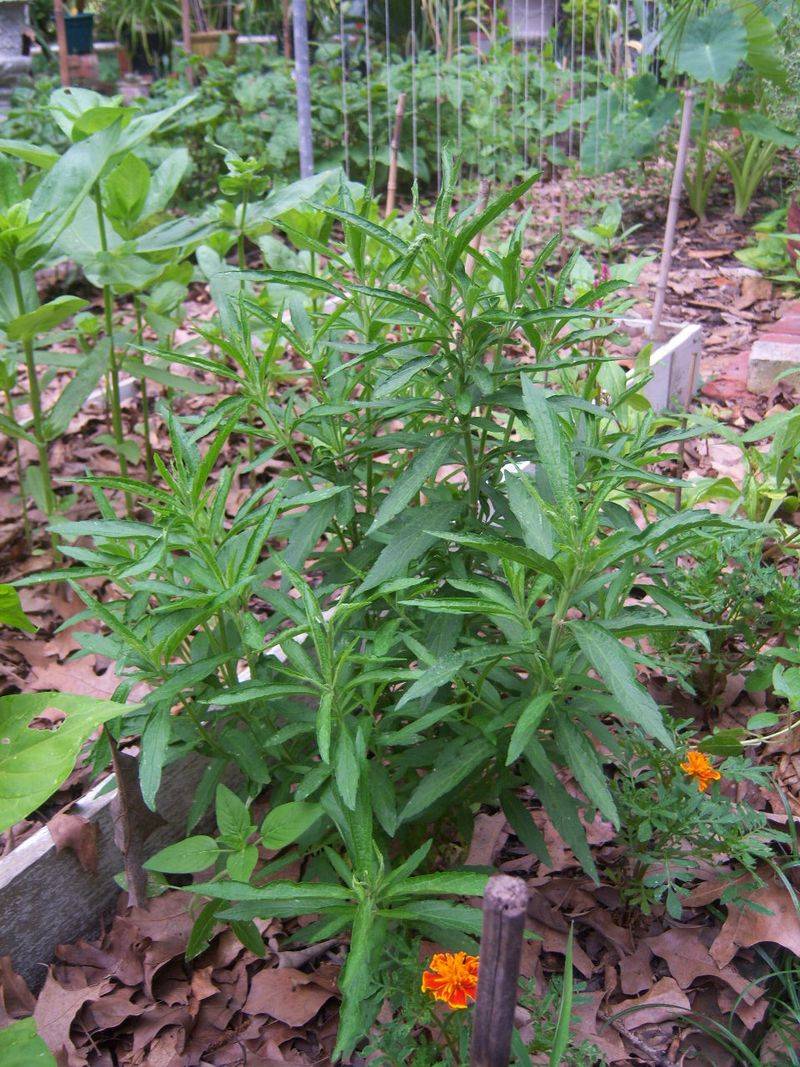
Losing a favorite plant to cold weather stings. Luckily, lion’s tail can often be saved by rooting a few pieces indoors.
Take cuttings in early fall, well before your first expected frost.
Pick healthy, green stems without flowers if you can find them. Cut pieces about four to six inches long, just below a pair of leaves.
Remove the lower leaves, then dip the cut end in rooting hormone if you have some.
Stick each cutting into a small pot of moist, light potting mix. Cover loosely with a clear plastic bag to hold in humidity, and keep it out of harsh direct sun.
Roots often form within a few weeks, though timing varies with warmth and light.
A gentle tug that meets resistance usually means roots have formed. At that point, remove the bag and move the pot to a bright, sunny window.
Water when the top of the soil feels dry, and avoid letting pots sit in standing water.
Indoor plants may look a little leggy by spring. That is fine, since they usually bounce back outdoors.
Once frost danger has passed in your part of Georgia, harden them off slowly before planting them back in the garden.