Something Is Working Below Your Louisiana Lawn After Dark, And The Holes Are Only The First Clue
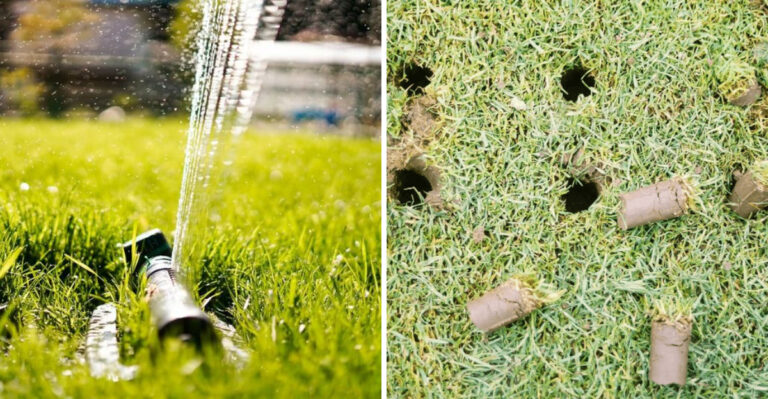
Overnight, a crew you did not hire reshaped your lawn. Turf lies flipped, roots exposed, with holes scattered across the grass.
Neighbors report similar patches, and the dog looks suspiciously guilty. Raccoons, skunks, and armadillos forage for beetle grubs buried inches below your turf.
Their noses locate a grub beneath the surface, then paws lift the sod. Sleep conceals a visit that ends before sunrise, so you wake to surprise.
Across Louisiana, a visit to your lawn signals a pattern for neighbors. Darkness hides these foragers from dogs, neighbors, and passing headlights.
Soon, repeat visits multiply as hungry foragers return to proven ground. Exposed roots dry out fast, and bare patches soon invite weeds.
You can calm the nightly crowd before the next freeze reaches Louisiana. Grub counts in your soil influence who returns, and a quick test reveals yours.
Cone-Shaped Holes Point To The Digger
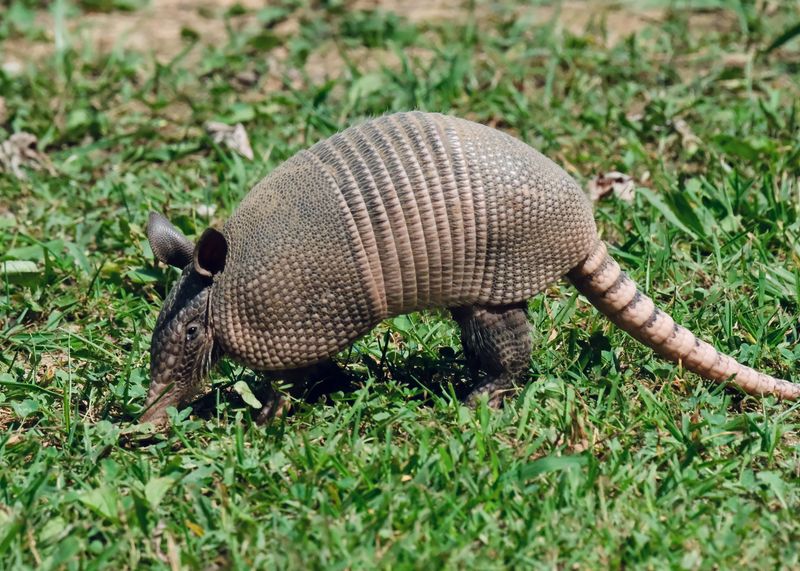
Picture a hole about the size of a coffee cup, shaped like an upside-down cone. That shape is the calling card of the nine-banded armadillo, Louisiana’s armored night digger.
Armadillos poke their long snouts into soft soil to sniff out food. Their noses are so sharp they can smell insects buried several inches deep.
Each hole usually measures three to five inches wide and one to three inches deep. You might find dozens scattered across the yard after a single busy night.
Moles and voles leave raised ridges or neat round tunnels instead. Skunks dig too, and their holes can look similar, so check for other clues.
October can be a busy time for this activity in Louisiana. Cooler nights and damp ground make digging easy, so armadillos stay busy well into fall.
To confirm your suspect, sprinkle a thin layer of flour near fresh holes at dusk. Check the next morning for tracks or snout marks pressed into the powder.
Fresh holes tend to appear in clusters along the softest, wettest parts of the lawn. Mark each cluster with a small flag to see whether the pattern shifts nightly.
Fill each hole with a mix of topsoil and sand, then press it down firmly. Water lightly so the grass around the edges can knit back together before winter.
What Flipped Sod Patches Can Tell You
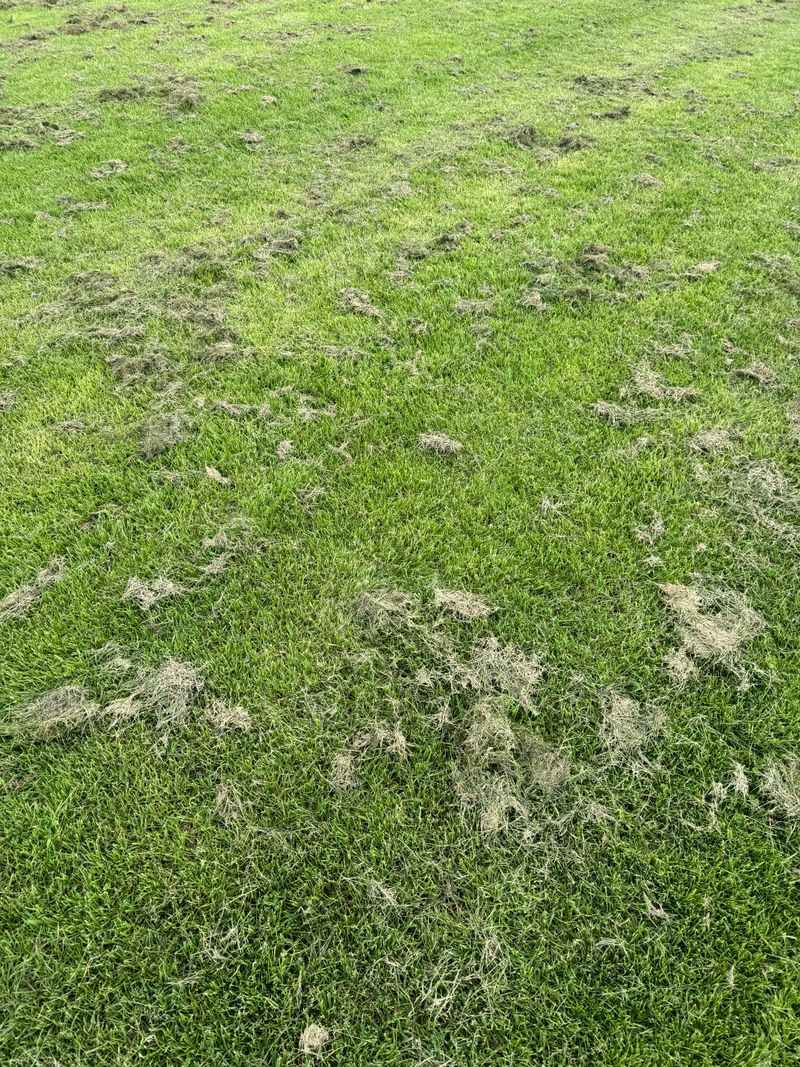
Walking out to find squares of grass flipped like pancakes can feel personal. Raccoons and skunks often roll sod in sheets, though armadillos can lift it too.
When food sits just below the roots, they dig with their claws and may lift turf. Freshly laid sod is a favorite target because it has not rooted deeply yet.
St. Augustine and centipede grass, both common in Louisiana yards, peel up fairly easily. Moist soil after a fall rain makes the job even simpler for them.
Act quickly once you spot the digging. Flip each chunk back over, press it into place, and give it a good drink of water.
Roots that stay exposed to air for more than a day or two can dry out. A quick fix often saves the patch, while a slow one may mean buying new sod.
Your Louisiana Garden Changes Every Week. Your Plan Should Too.
Gardening in Louisiana changes quickly throughout the season. Every Friday you’ll receive a simple weekly plan showing exactly what to plant, prune, fertilize, harvest, and protect so you never miss the right timing.
Check the underside of each flipped piece before replacing it. Curled white grubs clinging to the roots reveal why the turf was targeted.
Pin loose pieces with landscape staples if the critter keeps returning to the same spot. Some homeowners also lay chicken wire over new sod until roots grab hold.
Think of it as a temporary seatbelt for your lawn. Once the roots dig in, usually after a few weeks, you can pull the wire back up.
Why A Burrow Near Your Foundation Deserves Attention
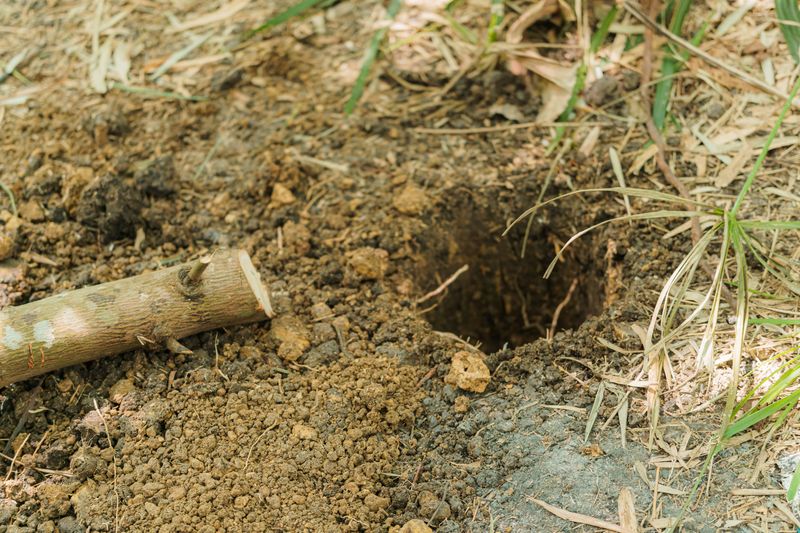
Here is a question worth asking on your next walk around the house. Is there a wide, arched hole near your porch, shed, or slab?
Armadillos dig burrows about seven to eight inches across for sleeping during the day. They prefer spots under concrete, decks, and thick shrubs where they feel hidden.
A single animal may use several burrows, switching between them like vacation homes. The entrance often has a fan of loose dirt spread out in front.
Burrows near a foundation can wash out soil and invite water where you do not want it. Over time, that can lead to cracks or settling under steps and patios.
Walk the edge of your foundation slowly after a rain and look for fresh dirt fans. New soil piles stand out against damp mulch.
Spring babies are usually grown by October, so families are less likely to be tucked inside. Still, a quick check protects both you and the animal.
Stuff loose newspaper or leaves in the entrance and check if it has been pushed aside after two nights. If the plug stays put, the burrow is likely empty.
Fill it with gravel and soil, then bury an L-shaped strip of hardware cloth along the wall. Call a licensed wildlife pro if you suspect an animal still lives inside.
Grubs Feeding Quietly Beneath The Surface Of Your Grass
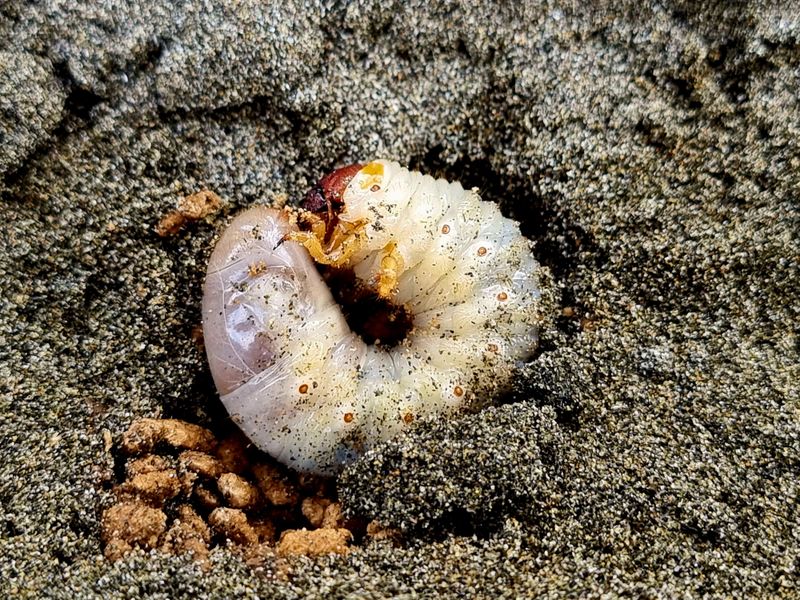
A hungry visitor needs a menu, and your lawn may be serving a buffet. White grubs, earthworms, and beetle larvae are the main attraction underground.
Grubs are C-shaped, cream-colored larvae of June beetles and other scarab beetles. They munch on grass roots, which weakens your turf before any digging starts.
To check, cut a one-foot square of sod on three sides and fold it back. Count the grubs you see in the top few inches of soil.
Test several spots across the lawn, since grubs gather unevenly. Shady, well-watered areas often hold larger groups.
Finding five or fewer is normal and usually no big deal. Higher counts may call for treatment, and thresholds vary by grass type.
Beneficial nematodes are tiny worms that hunt grubs and are safe for pets and kids. Apply them in the evening when the soil is moist and cool.
Some grub products work best in late summer, so October treatments may need a different plan. Read labels carefully and follow LSU AgCenter advice for timing.
Keep in mind that armadillos also eat earthworms, which you want to keep around. Cutting the grub supply helps, but it may not end each visit on its own.
Healthy turf with deep roots bounces back faster from both grubs and diggers. Mow a little higher this fall to help roots grow strong.
Reading The Tracks Left Behind In Soft Soil
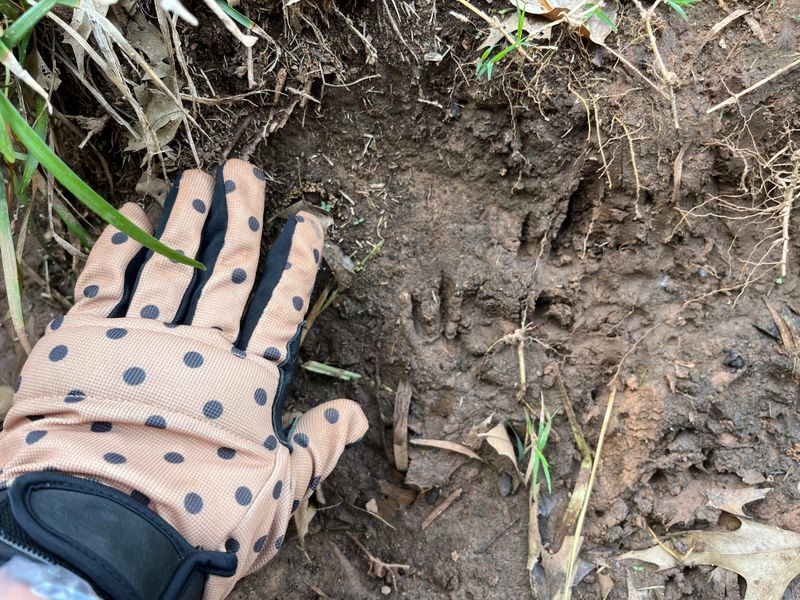
Think of soft ground as a diary, if you know how to read it. Soft mud after a Louisiana rain is the perfect page.
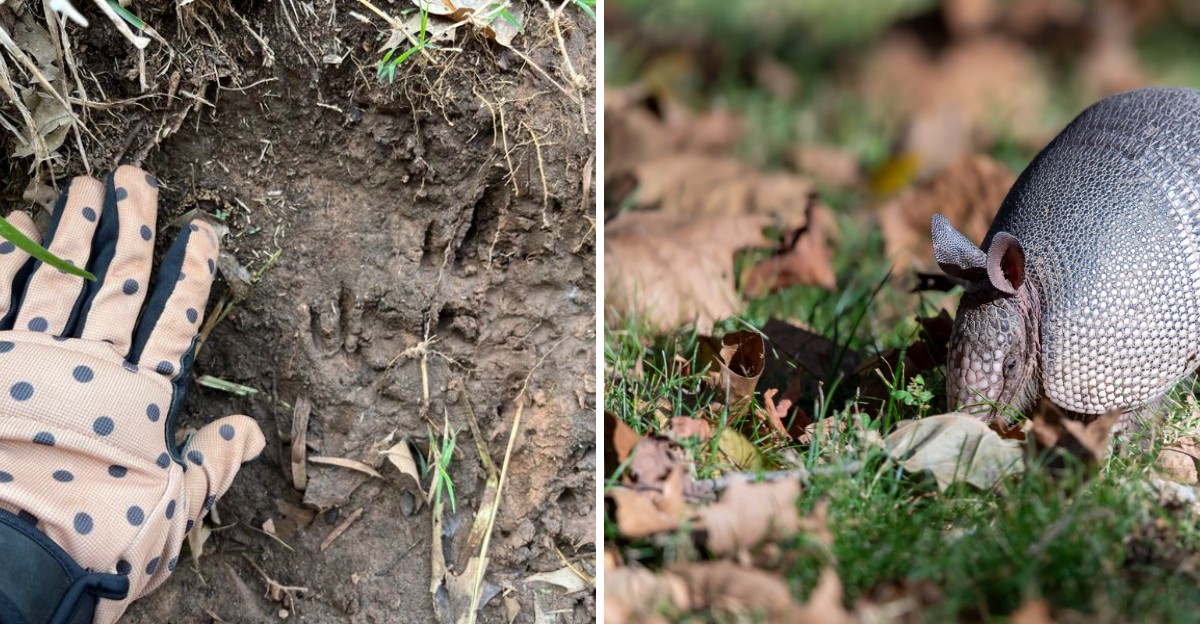
Armadillo tracks look a bit like tiny bird feet with long, sharp claw marks. The front feet show four toes, while the back feet show five.
Look along fence lines, flower bed edges, and muddy spots near drainage ditches. Armadillos tend to follow the same paths night after night.
You might also spot a faint drag line between prints from the tail. That line can be a hint you are not dealing with a raccoon or opossum.
Smooth a patch of damp sand near the suspected route to make a tracking pad. Fresh prints stand out sharply there.
Raccoon prints look like little human hands, and opossum prints show a thumb-like toe on the back foot. Comparing photos online can help you sort it out fast.
Morning dew can make faint prints easier to see. Head out early with a flashlight angled low, and the shadows will make each toe pop.
Snap pictures of the tracks with a coin beside them for size. That record helps if you later talk with a wildlife control service.
Knowing the travel route also tells you where to place barriers or traps. Working with their habits beats chasing them around the whole yard.
Listening For Rustling Sounds In The Night
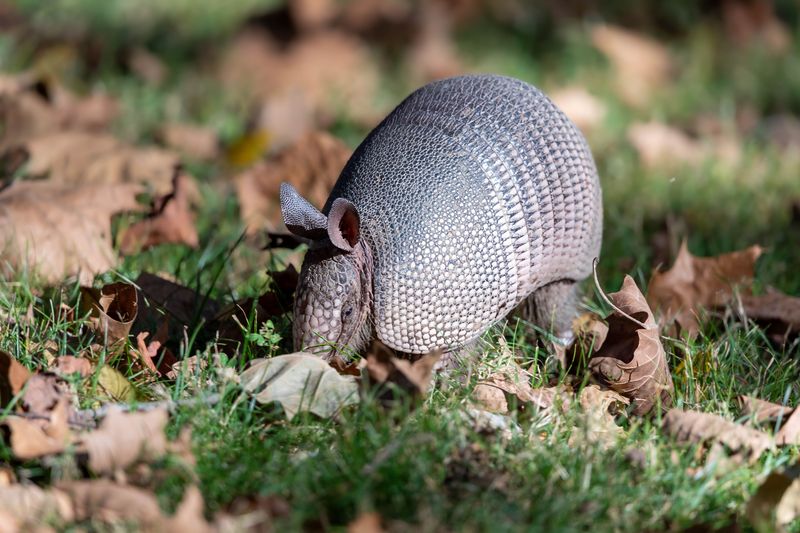
Scratch, scratch, snuffle. If those sounds drift through your bedroom window around midnight, you may have a front-row seat to the action.
Armadillos are noisy diners for such small creatures. They grunt, snort, and rustle through leaves without much care for who hears them.
Their eyesight is poor, so they lean on smell and hearing instead. That is why one might wander surprisingly close to you before noticing anything.
When startled, armadillos can jump straight up about three or four feet. That reflex can be risky for them, especially near busy Louisiana roads.
Listen for the pattern as well as the volume. A steady shuffle along a fence suggests one animal on a regular route.
Mild October evenings are a great time to watch, since they feed more actively when temperatures stay comfortable. Once real cold arrives, they shift to daytime foraging.
Try a quiet stakeout on a warm evening with a red-light flashlight. Red light may bother night animals less, so you can watch without sending them running.
Motion-activated trail cameras are another easy option and cost less than you might think. Mount one about knee-high, pointed at the freshest digging area.
Keep your distance and do not try to grab one. Armadillos may carry bacteria linked to Hansen’s disease, though spread to people is uncommon, so wear gloves around their burrows.
How Sinking Spots And Cracked Walkways Can Signal Tunnels
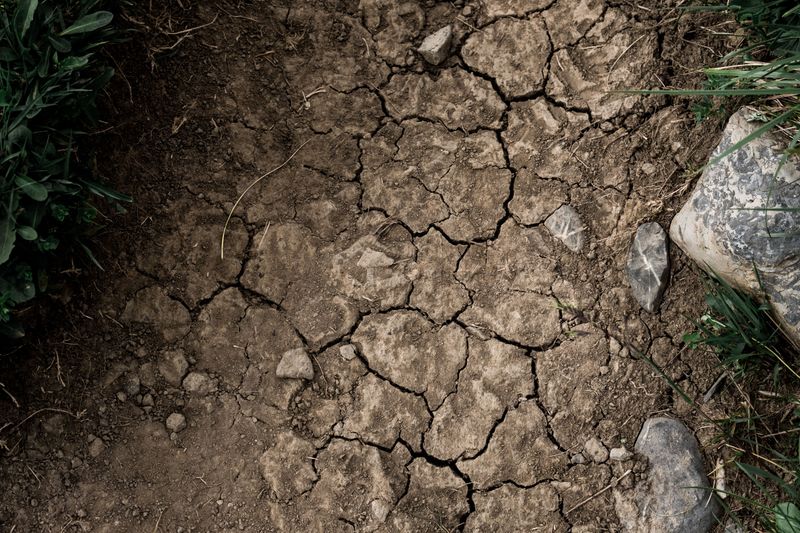
A small animal can seem an unlikely cause of uneven concrete, yet it can happen. Uneven pavers and soft spots in the lawn can trace back to busy digging below.
Burrow tunnels can stretch up to fifteen feet long and run under walkways. Rain then washes soil into those empty spaces, leaving gaps beneath the surface.
Step on a spot that feels spongy, and you may sink an inch or two. That can be a sign of a hollow tunnel under the grass, though drainage problems cause it too.
Probe suspicious areas gently with a long screwdriver or metal rod. If it slides in with almost no pushback, the soil below is likely loose or empty.
Pour a little water along the edge of a suspicious spot and watch where it drains. Water that sinks into a narrow gap points toward a hidden tunnel.
Fill shallow gaps with sand and topsoil, tamping each layer as you go. For cracks or tipped pavers, a contractor may need to re-level the base.
Gutters and downspouts matter here too, since extra water speeds up the washing out. Point them away from the house so tunnels are less likely to settle.
Kids and older family members may be more likely to trip on sunken spots. Mark questionable areas with a small flag until you can fix them.
Catching this early can reduce repair costs and trip risks. A few minutes of checking each month beats a larger repair bill down the road.
Protecting Your Flower Beds From Nighttime Diggers
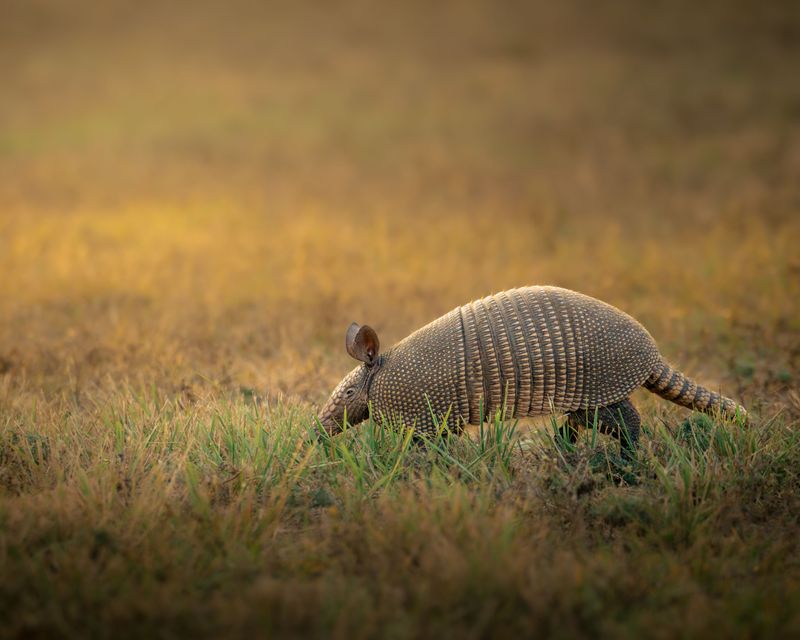
You spent a whole Saturday planting fall mums and pansies. By Monday, half of them are lying on their sides like they fainted.
Flower beds are a magnet for diggers because mulch keeps soil moist and full of bugs. Freshly turned dirt is also easy to push through with a snout.
Pine straw and wood mulch hide plenty of beetles, worms, and roaches. Armadillos rake through these layers and move plants aside to reach their snack.
A short fence works better than many sprays or home remedies. Use wire about two feet tall and bury the bottom edge twelve to eighteen inches deep.
Consider keeping a few prized plants in pots on the porch until the fence is in place. Moving favorites out of reach buys time to build a solid barrier.
Angle the top outward slightly, since armadillos can climb a little. That small tilt makes the fence much harder to scale.
Castor oil repellents are sometimes used, but evidence for them is limited. Reapply after heavy rain, which washes the scent away fast.
Trapping is allowed in Louisiana under state rules when animals cause damage, but local ordinances may add limits. Check with Louisiana Wildlife and Fisheries or your parish office before setting anything up.
Replant displaced flowers right away and water them well. Many bounce back within a week, ready to brighten your yard through the cool season.