Mosquitoes and Pack Rats in Arizona Yards: What Actually Helps
Mosquitoes whine around the patio and pack rats stash cactus joints in the engine bay, so a single plant that fixes both sounds wonderful. Sadly, the sources we checked do not show that any such plant exists.
What does help is a handful of simple yard habits, and each one targets a different pest. Here is what to do, what to skip, and how to stay safe around nests.
The double-duty plant claim isn’t established
Plenty of yard lore promises a single shrub that sends mosquitoes and pack rats packing at the same time. The sources we checked do not back that up.
No Arizona yard plant has been shown to reliably deter both pests.
That is a gap in proof, not a ruling that no plant could ever bother either pest. It just means you cannot count on a plant alone.
A recent field test of two ornamental plants found no significant mosquito repellency, and Arizona guidance on woodrats focuses on removing attractants, blocking access, and using barriers instead of planting something.
So the smarter plan splits the job in two. Mosquitoes call for dumping and draining water.
Pack rats call for fewer nesting opportunities and tighter entry points.
Think of it as changing habits rather than hunting for a magic shrub. The sections below walk through each pest, and none of them promise a pest-free yard.
Does a living citronella plant repel mosquitoes?
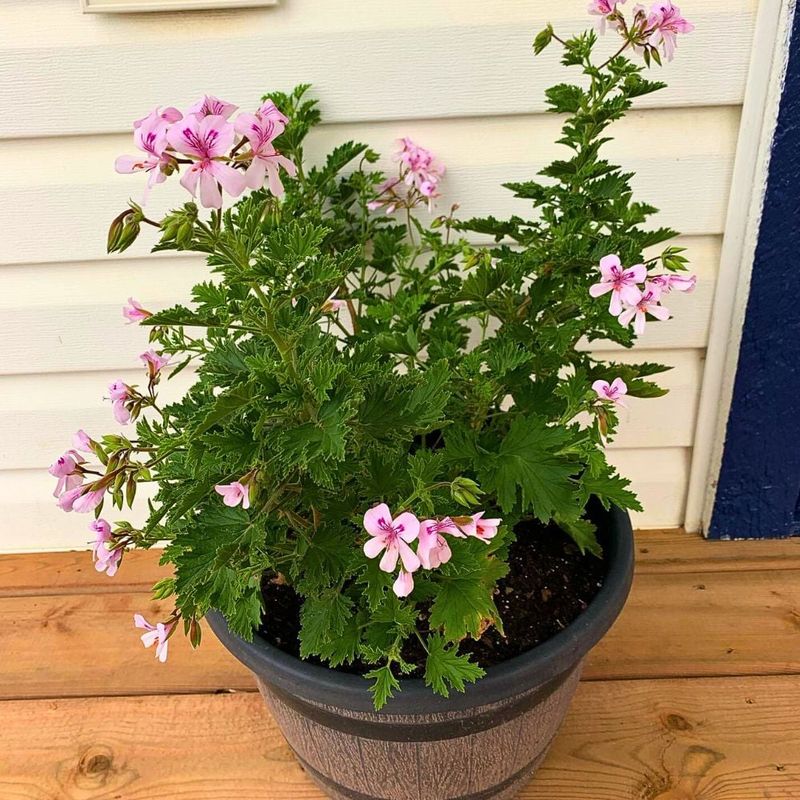
Citronella has a strong reputation, so it is fair to wonder if a pot of it by the patio helps. Researchers put that idea to the test with two living ornamentals: citronella-scented geranium and prostrate rosemary.
They ran the trial in field conditions at two California locations and watched how host-seeking mosquitoes behaved.
Neither plant showed significant repellency. That held true even when the plants were mechanically damaged to release more scent, the same idea behind crushing leaves in your hand.
Two cautions matter here. Extracted or concentrated plant oils and formulated repellents are a different thing from a living plant, so results for those do not carry over to a pot on your patio.
The test also covered only those two plants at those two sites, so it says nothing final about other plants, other varieties, or Arizona yards.
If you enjoy the smell of these plants, keep growing them. Just treat them as garden features, and keep a real mosquito plan in place.
Standing water is the mosquito-control target
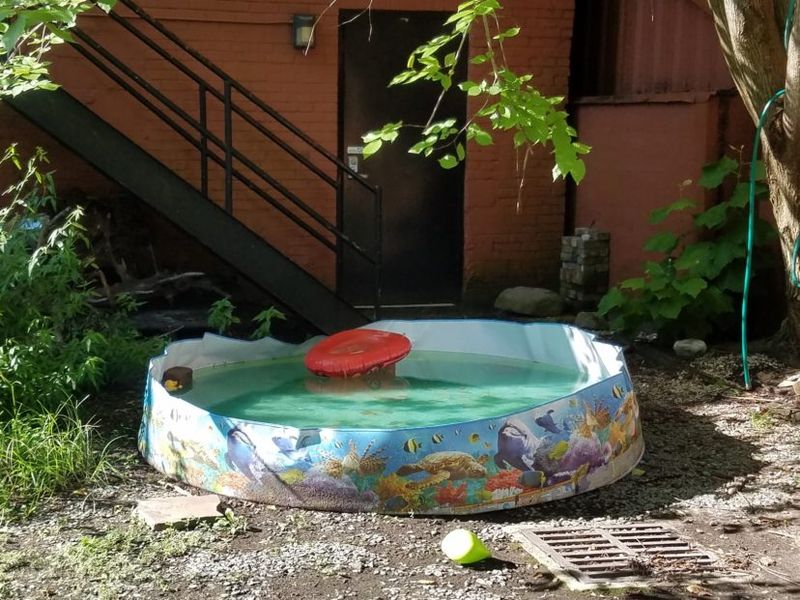
Every mosquito starts life in water. Without it, eggs and larvae cannot develop, which makes standing water the most useful target in your yard.
Arizona extension guidance points homeowners toward containers and other spots that collect water.
Walk the property and look for buckets, plant saucers, birdbaths, toys, tarps, and clogged gutters. Drain or dump what you find, and refresh anything you want to keep, like a birdbath.
Checking twice a week is the ideal rhythm according to that guidance.
Bigger sources hide in the plumbing of the yard. Fix leaking hose bibs and irrigation lines, and correct low spots where water lingers after irrigation or a monsoon storm.
Your Arizona Garden Changes Every Week. Your Plan Should Too.
Gardening in Arizona changes quickly throughout the season. Every Friday you’ll receive a simple weekly plan showing exactly what to plant, prune, fertilize, harvest, and protect so you never miss the right timing.
Keep gutters clear so they do not hold puddles.
These steps reduce the places mosquitoes can breed, but they will not erase them. Neighboring yards and other water sources still count.
The goal is to shrink the number of spots where a new batch can get started.
Pack-rat prevention starts with attractants and access
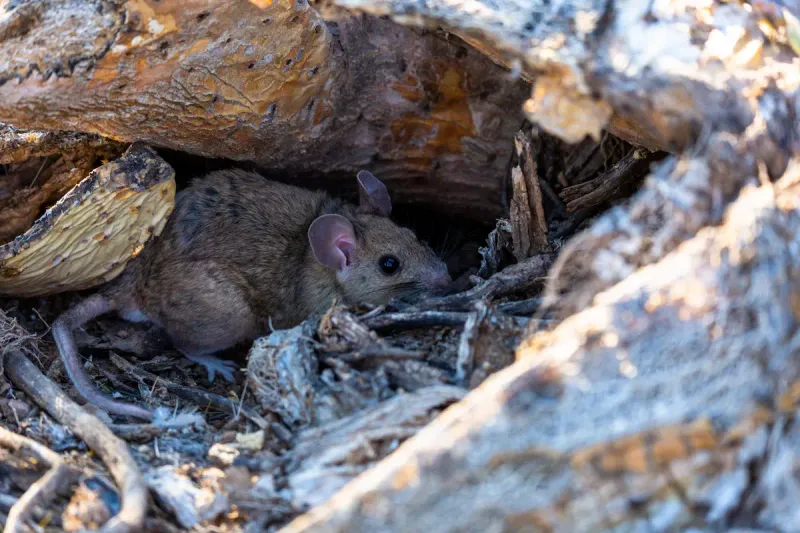
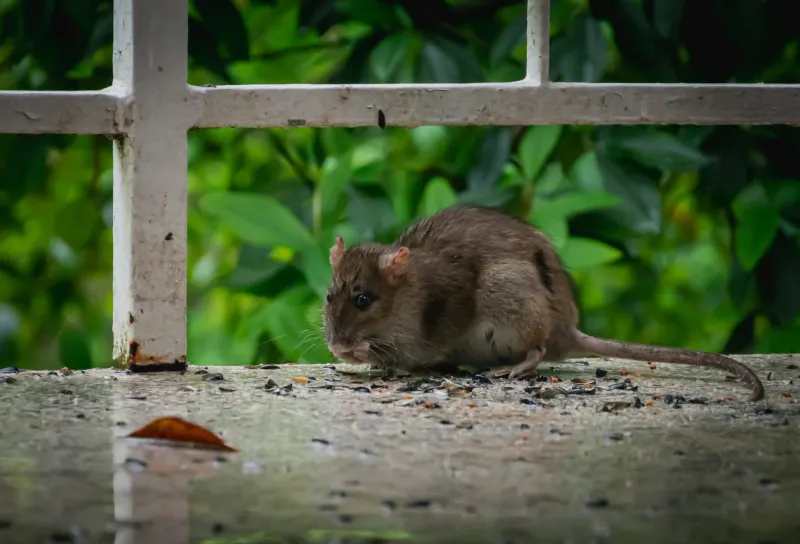
Pack rats, which Arizona guidance treats as woodrats, are a separate puzzle from mosquitoes. They gather material to build bulky nests, and coarse woody debris is one thing they may use.
That does not mean stripping out shrubs or native plants, since the guidance focuses on specific attractants and nesting material.
Start with a walk around the yard. Stacked firewood, piles of branches, and clutter near the house can give woodrats cover and building supplies.
Pet food and other easy meals are attractants worth removing too.
When woodrats are entering structures, exclusion and barriers are the most effective methods. Closing off the gaps they use in garages, sheds, and other buildings matters more than any scent or plant.
Trapping may be part of the response, but trapping alone is not a long-term solution. If the attractants and openings stay, new animals can move in.
This advice covers woodrats, so do not assume it fits every rat or rodent.
Barriers can protect a garden or individual plant
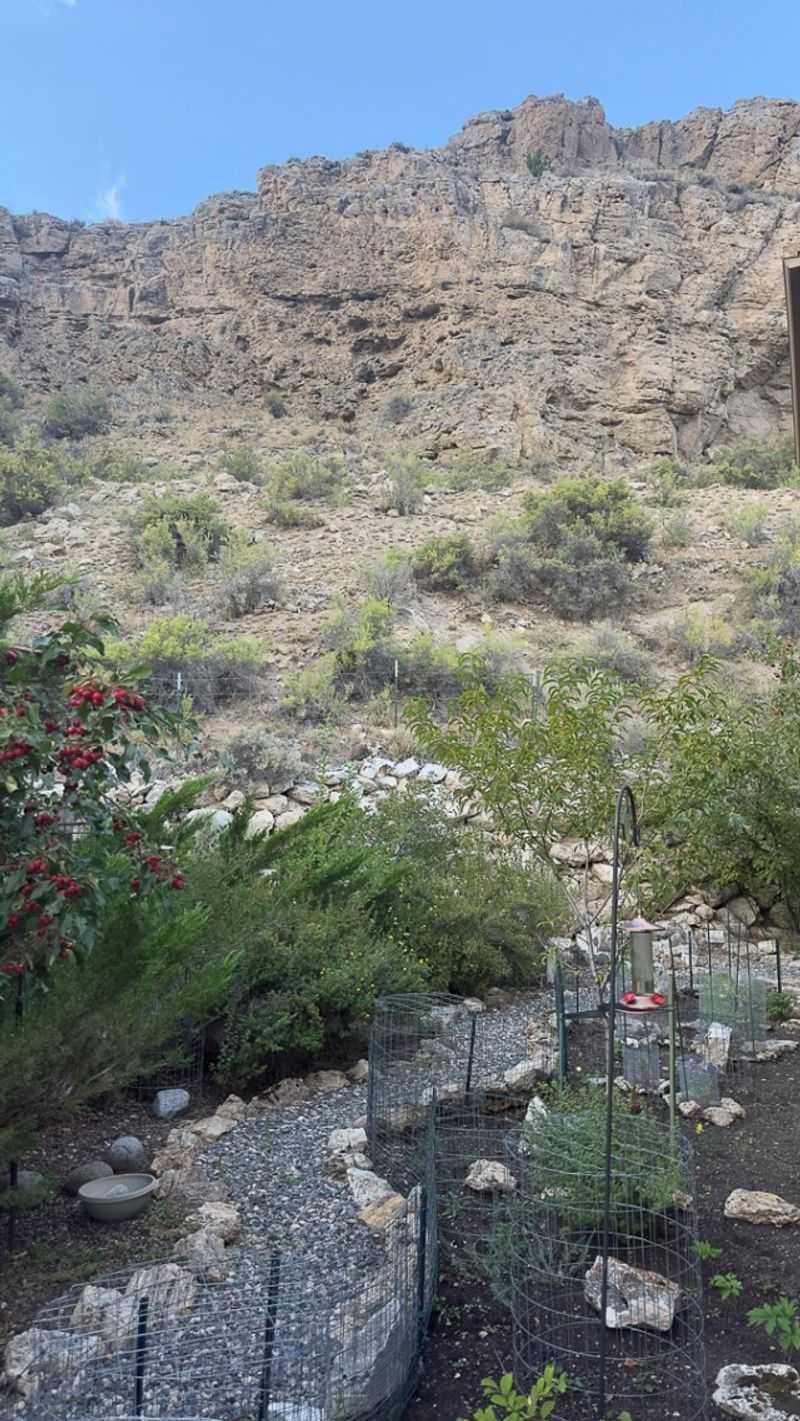
Sometimes a vegetable bed or a prized plant needs its own protection. Arizona guidance describes smooth sheet-metal barriers at least two feet tall for protecting gardens or individual plants.
The word smooth matters, since the idea is to give climbing animals nothing to grip. Picture a short wall around what you want to protect, not a scent or a plant that scares pests off.
A barrier is an exclusion tool. It can limit access to the plants inside it, but it does not guarantee pack rats will leave the yard or stop using other spots.
Pair it with attractant cleanup and closing off buildings for a stronger setup.
Check the barrier now and then for gaps, bent edges, or nearby objects and branches that might give an animal a way across. A small fix early is easier than replanting later.
Handle nests and droppings cautiously
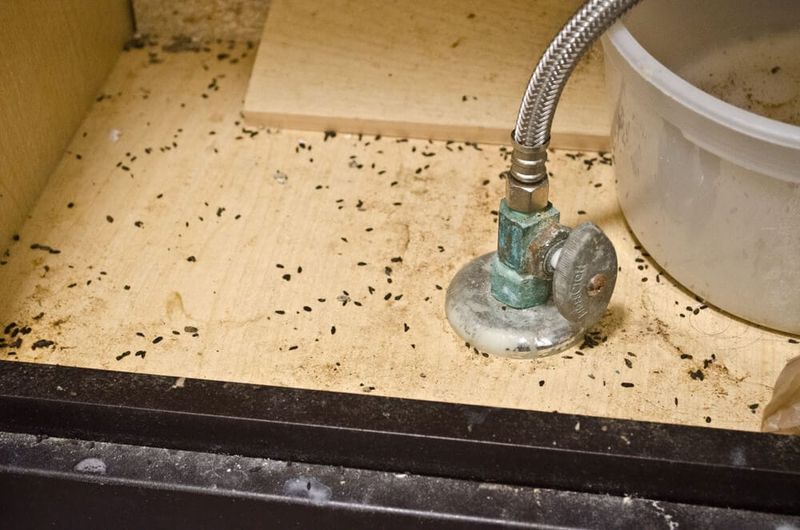
Nests and droppings deserve respect. Arizona guidance warns that diseases that spread from animals to people can be present, so a nest is not something to poke apart on a whim.
If a nest must be disturbed, the guidance says to soak it first with an antibacterial or antiviral disinfectant. Do that before moving or breaking it up, not after.
The same caution applies to droppings and urine. CDC guidance says not to sweep or vacuum rodent urine or droppings before disinfecting them, because that can spread contaminated dust.
Heavy infestations call for special precautions, so read the CDC cleanup steps before you start. If the mess is large or you are unsure, consider getting professional help.
Grabbing a broom is the one shortcut to skip.
Choose Arizona plants for the site, not a pest promise
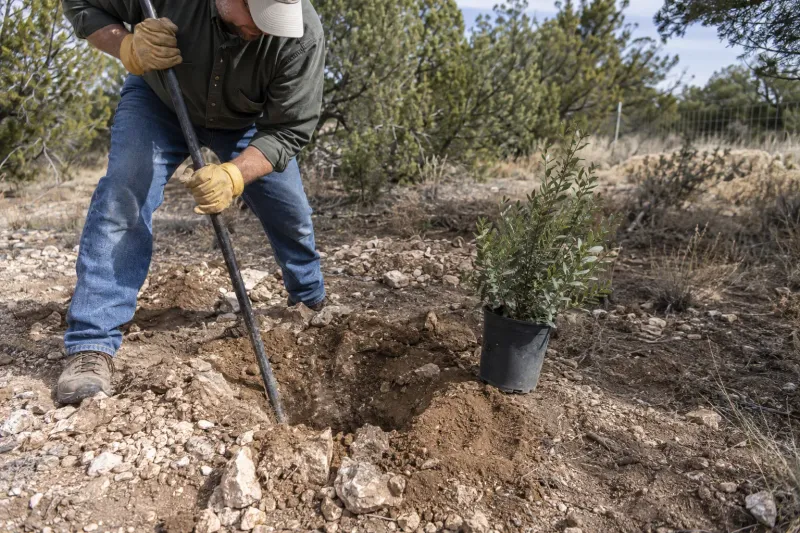
When you add something new to the yard, let the site pick the plant. Arizona guidance notes that local soils are commonly alkaline, and that caliche or compacted soil can restrict water and root movement.
Those conditions can decide whether a plant thrives or struggles.
Before buying, dig a test hole and see how the soil drains and how deep you can go. A plant that fits your sun, soil, and watering setup will usually serve you better than one chosen for a pest rumor.
Pick for shade, blooms, wildlife, or low water needs, whatever you actually want from the space.
Keep plant shopping and pest prevention on separate lists. Water control handles mosquito breeding, while attractant cleanup, exclusion, and barriers handle woodrats.
A well-chosen plant makes a better yard, and a tidy, well-drained yard gives pests fewer reasons to move in.