The Backyard Features That Keep Anna’s Hummingbirds In Arizona Year Round
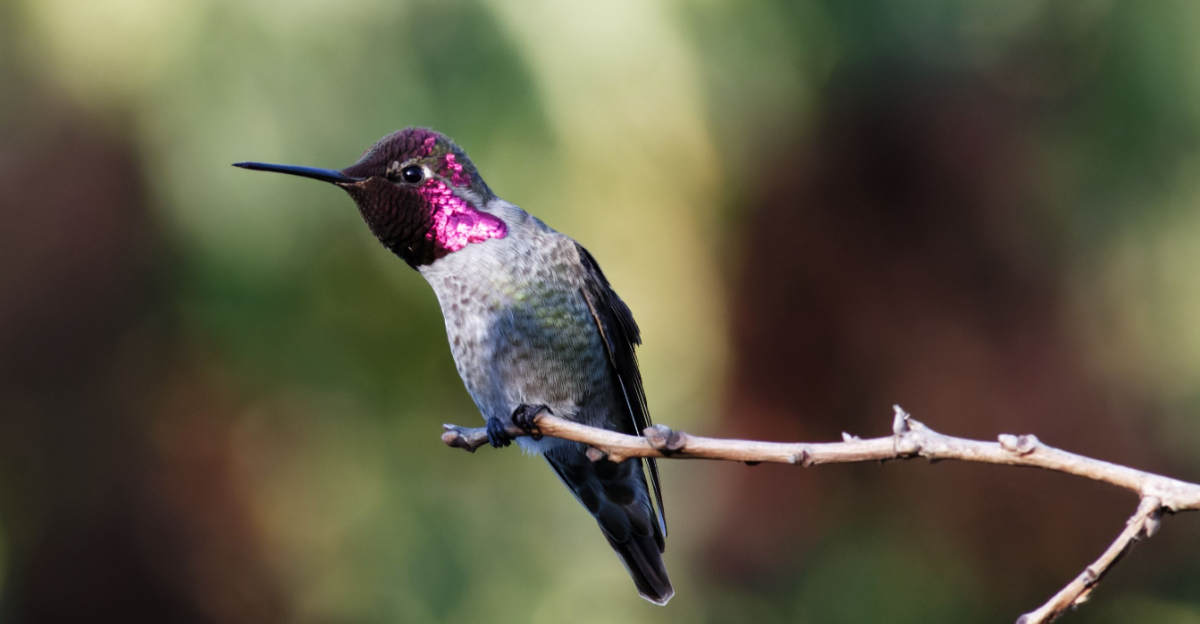
Anna’s hummingbirds have a habit of showing up where they feel at home. When the same tiny visitor keeps returning, it is rarely just a coincidence.
These birds do not waste energy flying from yard to yard without a reason. They remember places that consistently meet their daily needs.
A few simple features can make one backyard stand out from the rest. You might already have one without even realizing it.
In Arizona, Anna’s hummingbirds stay active throughout the entire year. That makes the yards they choose especially interesting to watch.
Take a moment to notice what keeps drawing them back. The answer is often closer than you think.
Once a hummingbird claims a favorite yard, it often returns again and again.
Understanding what makes your space appealing can make every visit feel even more rewarding.
1. Blooming Plants Provide A Reliable Food Source
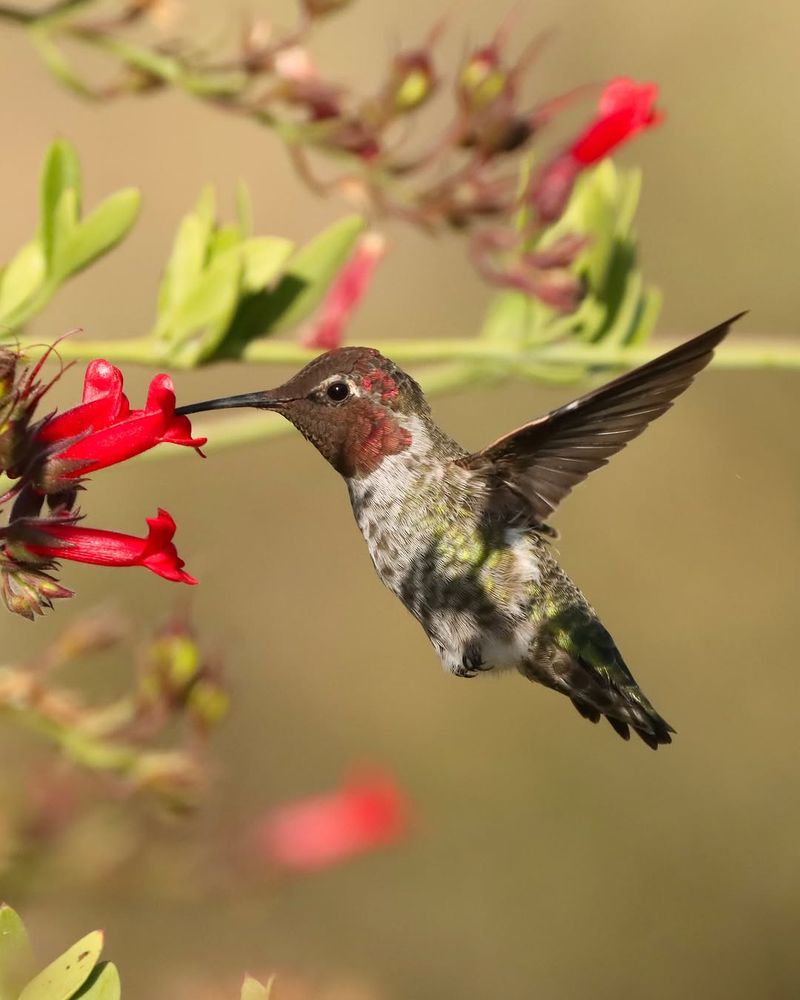
Flowers are the foundation of any hummingbird-friendly yard. Anna’s Hummingbirds feed on nectar almost constantly, and a yard full of blooms gives them a reason to keep coming back.
Native plants tend to work best in this climate. Salvia greggii, desert willow, and penstemon are solid choices that bloom across different seasons.
Staggering bloom times helps fill gaps so there is food available most of the year.
Red and orange tubular flowers attract hummingbirds most reliably, though they will visit other colors too. Planting in clusters rather than single stems makes feeding more efficient for the birds.
Avoid heavy pesticide use near flowering plants. Residue on blooms can be harmful, and keeping plants as natural as possible tends to support more wildlife overall.
Low-water native plants are a practical pick for Arizona gardens. Many bloom reliably with minimal care once established, though results can vary depending on soil quality and sun exposure.
A layered planting style, with shrubs, groundcovers, and taller plants mixed together, creates a more inviting environment. Hummingbirds like having options, and a varied garden tends to hold their attention longer than a few isolated plants.
2. Clean Nectar Feeders Fill Seasonal Gaps
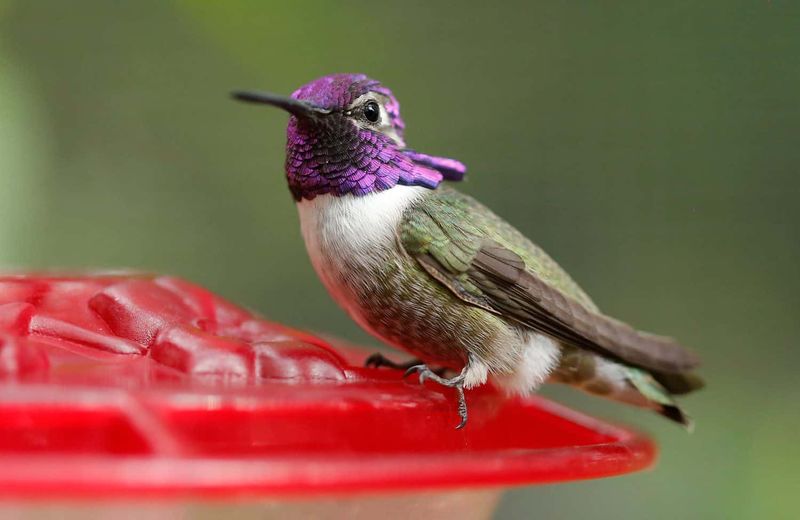
Even the best garden has slow periods. Feeders bridge those gaps when blooms are sparse, especially during cooler months when fewer plants are flowering.
Keeping feeders clean matters more than most people realize. Nectar spoils quickly in warm weather, sometimes within two days during summer heat.
Mold and fermentation can make birds feel unwell, so rinsing and refilling regularly is worth the effort.
A basic nectar recipe is straightforward: one part white granulated sugar to four parts water. Boiling the water first can slow fermentation slightly, but it is not strictly required.
Skip red dye entirely since plain clear nectar works fine and avoids unnecessary additives.
Placement affects how often birds use a feeder. Hanging it near natural cover, like a shrub or small tree, gives hummingbirds a perch nearby and makes them feel less exposed.
In Arizona winters, nectar can cool down overnight but rarely freezes at lower elevations. Bringing feeders in during cold nights and putting them back out at dawn helps maintain access during chilly stretches.
Your Arizona Garden Changes Every Week. Your Plan Should Too.
Gardening in Arizona changes quickly throughout the season. Every Friday you’ll receive a simple weekly plan showing exactly what to plant, prune, fertilize, harvest, and protect so you never miss the right timing.
Having two or three feeders spread around the yard reduces competition. Anna’s Hummingbirds can be territorial, and spreading out feeding spots lets more birds visit without constant chasing.
3. Fresh Water Supports Daily Activity
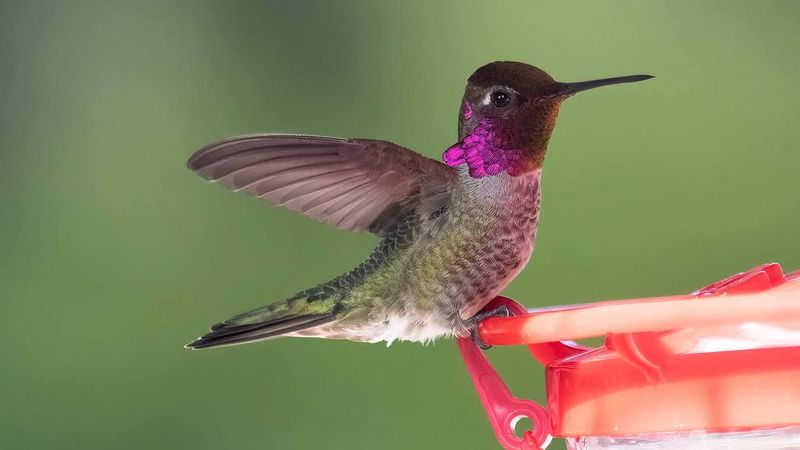
Water is something a lot of backyard birders overlook when setting up for hummingbirds. Nectar provides energy, but fresh water supports bathing and preening, which keeps feathers in good working order.
Hummingbirds prefer very shallow water. A standard deep birdbath is not ideal.
Look for options with a depth of about half an inch to one inch, or add flat stones to a deeper basin to create a shallower area.
Moving water gets their attention faster than still water. A small dripper or mister attachment creates ripples and sound that hummingbirds find appealing.
Misters are especially popular since the birds love flying through a fine spray.
Positioning matters. Placing a water feature near a feeder or flowering plant creates a convenient, all-in-one stop.
Avoid setting it directly under trees where falling debris can dirty the water quickly.
Changing the water every day or two keeps it fresh and prevents buildup. In summer, water can warm up fast, so morning refills help keep conditions reasonable.
Hummingbirds bathe more often than people expect. Watching one hover and dip into a mister is genuinely entertaining.
Adding a water feature often increases overall bird activity in the yard, not just hummingbirds.
4. Mature Trees Provide Safe Nesting Sites
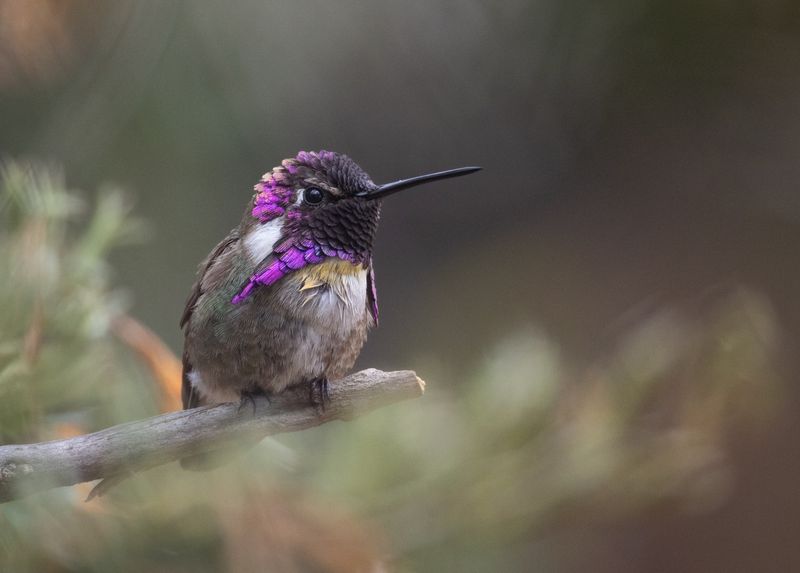
Nesting is where things get personal for Anna’s Hummingbirds. Females build small, cup-shaped nests using plant fibers and spider silk, and they are particular about where they place them.
Mature trees with established branches offer the kind of stable, sheltered spots females look for. Oak trees, mesquite, and citrus trees are commonly used in residential yards across the region.
The nests are tiny, roughly the size of a golf ball, so spotting one takes a patient eye.
Females prefer branches with some overhead cover to protect the nest from direct sun and rain. A spot that gets filtered light rather than full afternoon exposure tends to work well in this climate.
Young trees with thin, flexible branches are less likely to be chosen. Stability matters since the nest needs to hold through wind and weather for several weeks during incubation and chick development.
Avoid heavy pruning during nesting season, which typically runs from late fall through early spring for Anna’s Hummingbirds. Disturbing branches during that period can cause females to abandon an active nest.
Leaving spider webs undisturbed in the yard actually helps. Females collect silk to build and reinforce nests, so a yard with natural web material nearby is genuinely useful to a nesting bird.
5. Small Insects Supply Essential Protein
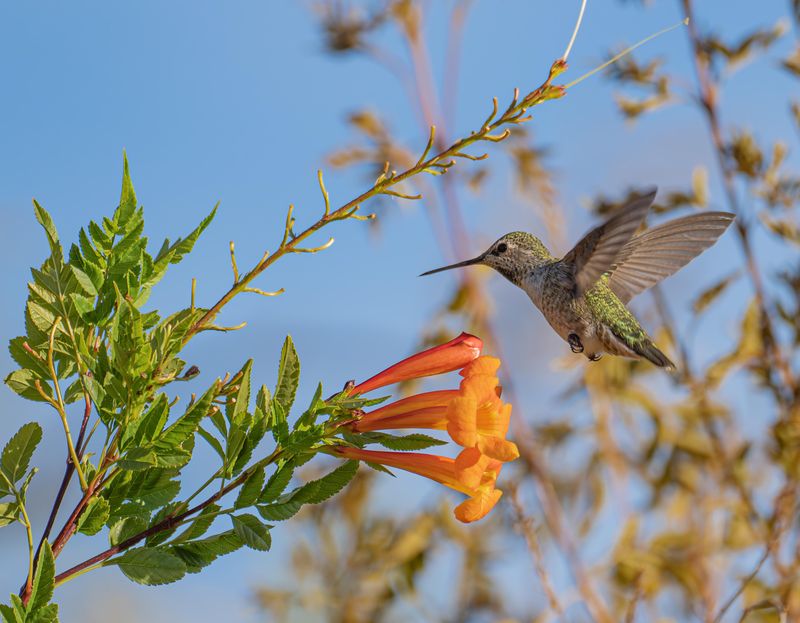
Nectar gets most of the attention, but protein is just as important to hummingbirds. Small insects and spiders make up a significant portion of their diet, especially during nesting season when chicks need protein to grow.
Gnats, fruit flies, aphids, and tiny beetles are all fair game. Hummingbirds catch them mid-air or pluck them from leaves and bark.
A yard with some insect activity is actually a healthier environment for these birds than one that has been heavily treated with pesticides.
Reducing broad-spectrum insecticide use is one of the most practical steps a backyard birder can take. Spot treatments on specific problem plants are a better approach than spraying entire garden areas.
Compost bins and leaf litter piles naturally attract small insects.
Keeping a small, managed compost area near the garden creates a low-effort insect source that benefits hummingbirds and other wildlife too.
Overripe fruit left on a plate or in a mesh feeder can attract fruit flies, which hummingbirds will actively hunt around. It is a simple trick that takes almost no effort to try.
Insect availability tends to drop in winter, which is one reason feeders and blooming plants become more critical during colder months.
Balancing both food types helps support hummingbirds through seasonal shifts.
6. Dense Cover Offers Protection From Predators
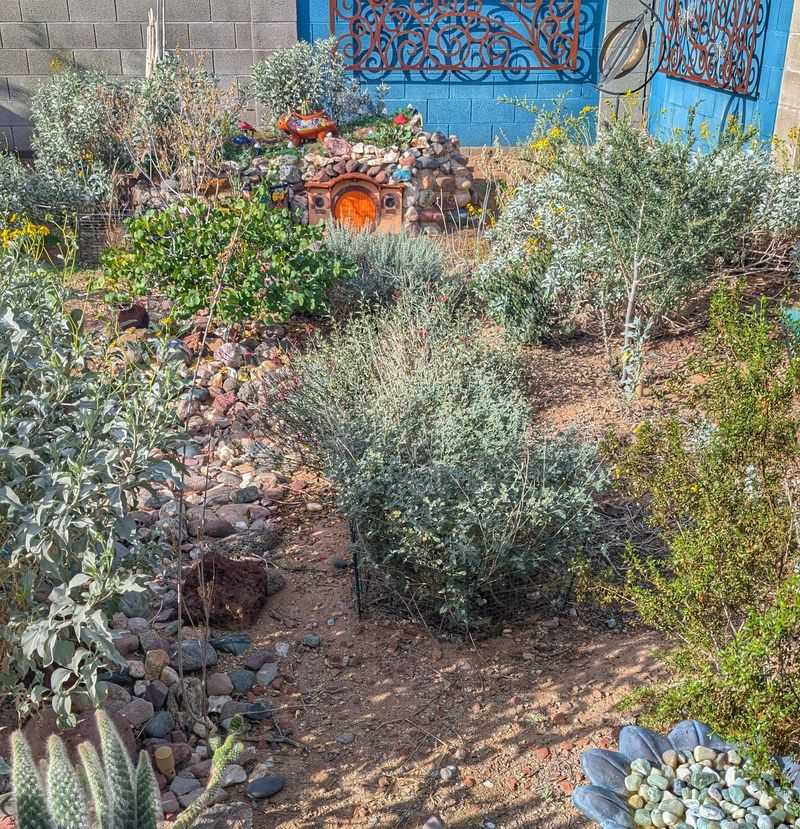
Hummingbirds are fast, but they are also small and vulnerable. Dense shrubs and layered plantings give them places to retreat quickly when a hawk or cat appears nearby.
Plants like desert hackberry, wolfberry, and chuparosa grow thick enough to offer real cover. Hummingbirds often perch inside dense shrubs between feeding sessions, resting out of sight from potential threats.
Cats are a genuine concern in residential neighborhoods. Keeping feeders and water features elevated and away from ground-level hiding spots reduces the risk of ambush.
Placement at least five to six feet off the ground is a reasonable starting point.
Hawks, particularly Cooper’s Hawks and Sharp-shinned Hawks, do target small birds at feeders. Having cover plants within a few feet of feeding areas gives hummingbirds a quick escape route when needed.
Thorny shrubs add an extra layer of security. Plants like desert Christmas cactus or native hawthorn create spaces that larger predators find harder to navigate.
Hummingbirds can slip through gaps that most threats cannot follow.
Layering plants at different heights, low groundcovers, mid-height shrubs, and taller canopy trees, creates a more complex environment. Complexity generally makes a yard feel safer to small birds and tends to increase how long they linger.
7. Quiet Spaces Encourage Regular Visits
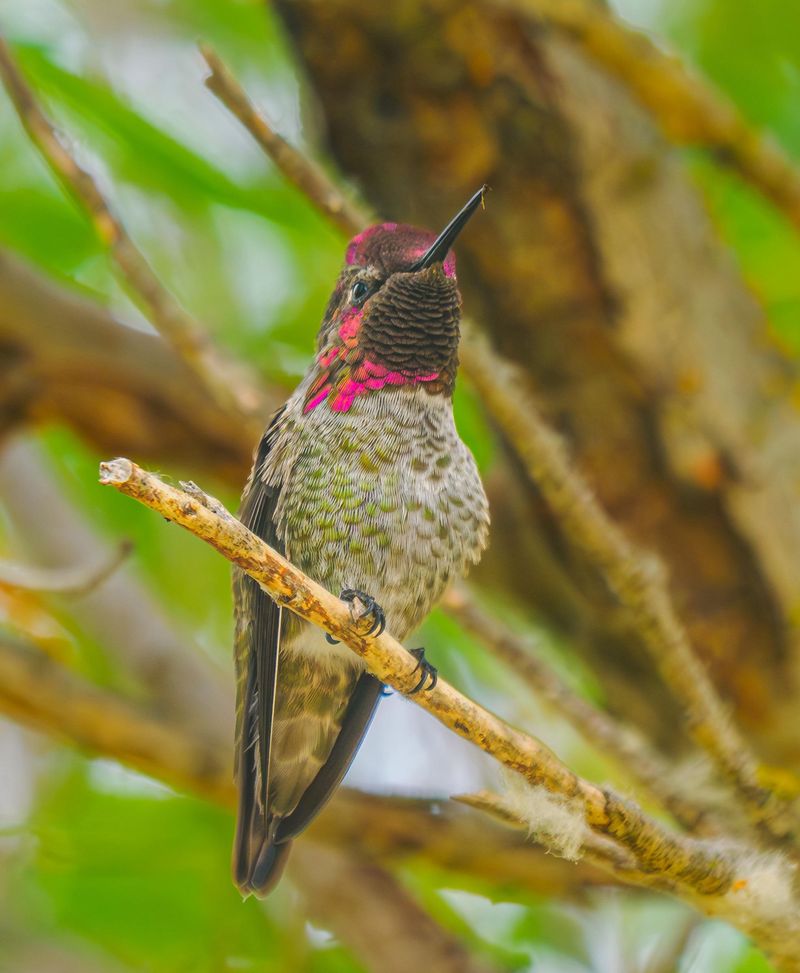
Noise and constant movement can push hummingbirds away from an otherwise well-set-up yard. Foot traffic, loud music, and active pets near feeding areas make birds cautious about returning.
Positioning feeders and plants in lower-traffic corners of the yard tends to increase visits. A spot that gets morning sun and afternoon shade, away from the main patio or back door, often works well.
Hummingbirds are bold but not reckless. Once they identify a spot as safe, they return to it predictably.
Consistency in the yard environment helps build that trust over time.
Avoiding sudden changes near feeding areas is worth considering. Moving a feeder to a completely different location, or rearranging nearby furniture frequently, can disrupt established patterns and cause birds to explore elsewhere.
Watching from a distance works better than trying to get close. A window view or a chair set back from the feeding area lets you observe without creating pressure on the birds.
Over time, Anna’s Hummingbirds can become quite comfortable in familiar yards. Some individuals return to the same feeders and perches day after day, especially in winter when territorial males claim a reliable food source and defend it consistently.
8. Windbreaks Make Feeding Easier
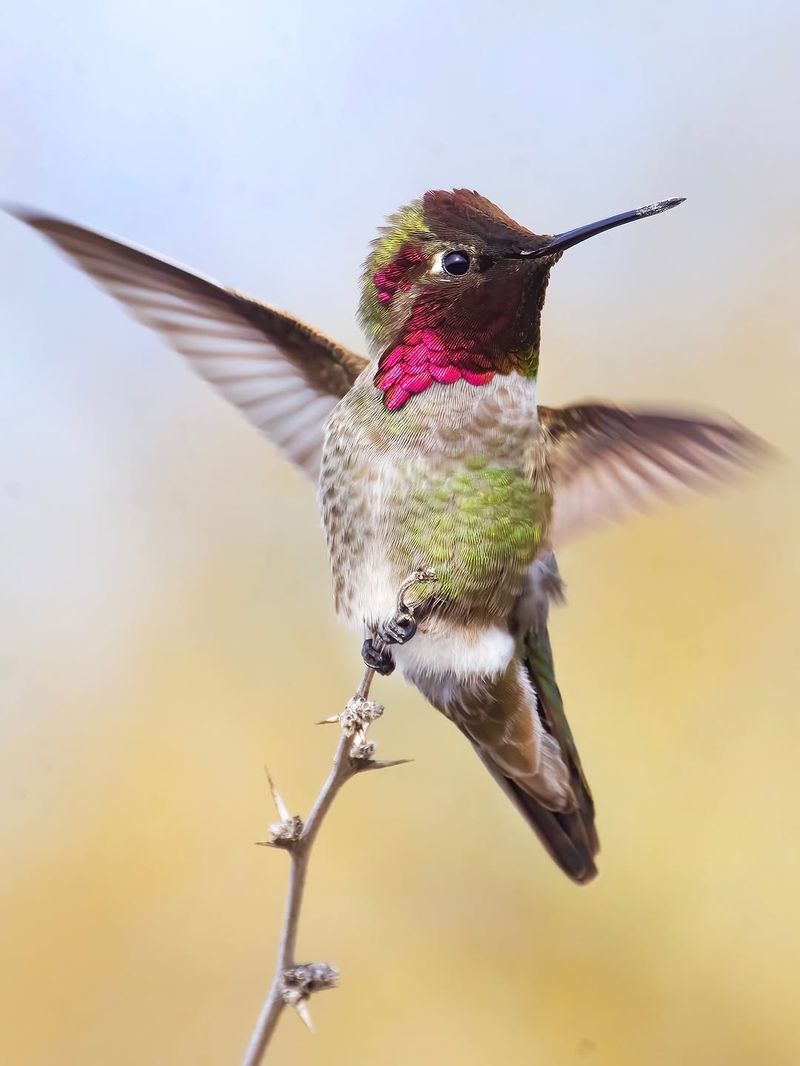
Wind is a real challenge for hummingbirds. Hovering takes precise muscle control, and strong gusts make feeding at an exposed feeder genuinely difficult.
A sheltered spot makes a measurable difference.
Rows of tall shrubs or small trees along fence lines block prevailing winds without creating a completely enclosed space.
Native plants like velvet mesquite, Arizona rosewood, or desert willow work well in this role and fit the local climate naturally.
Walls and fences also provide wind protection, but solid barriers can create turbulence on the leeward side. Permeable plantings, where wind passes through partially, tend to create calmer conditions than a solid wall alone.
Feeder placement relative to the windbreak matters. Positioning a feeder about six to ten feet from a dense shrub row usually puts it in a calmer air pocket without placing it too close to cover where cats might lurk.
Afternoon winds are common in many parts of the Southwest, particularly during monsoon season. Orienting windbreaks on the west or southwest side of feeding areas can reduce the impact of those predictable afternoon gusts.
A calmer feeding environment encourages longer visits.
Hummingbirds that can feed without fighting wind tend to spend more time in a yard, which is exactly the outcome most backyard birders are hoping for.