Why Fall Is The Best Time To Fix Drought-Stressed Texas Soil
Take a good look at your Texas yard right now. If the ground looks like a giant cracked cracker and feels about as soft as a sidewalk, congratulations, you survived another summer.
Your soil, however, is still recovering. For months it has been baked, trampled, and mostly ignored while everyone focused on keeping plants alive and the air conditioner running.
Rude, honestly. Here is the encouraging news: as temperatures finally ease up, a valuable window opens for giving that tired dirt the comeback it deserves.
Soil life starts waking up, rain has a better chance to soak in, and the fixes you make now have months to work their magic before spring arrives. Skip this season and you may find yourself fighting the same stubborn ground next summer.
So grab some gloves, because healthier soil starts today.
1. Cooler Temperatures Wake Up Soil Life
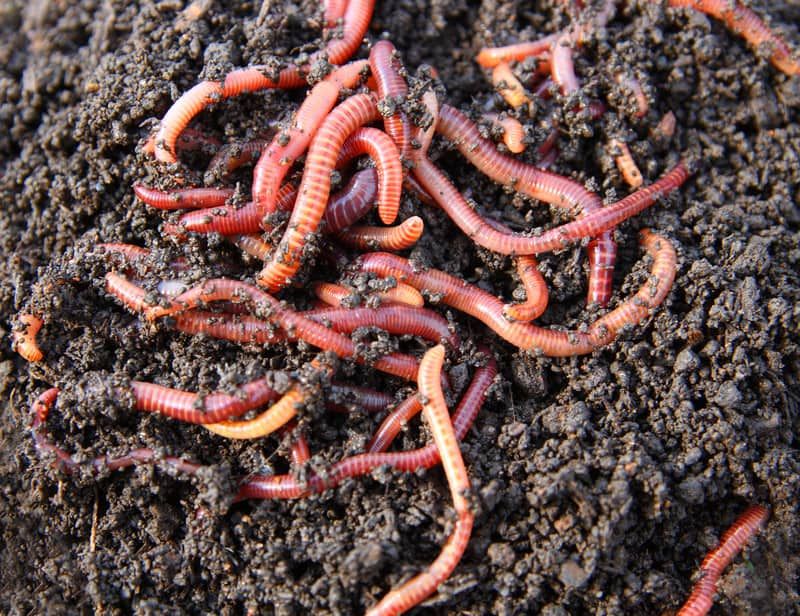
Earthworms are a bit like people in August. When the ground bakes past 100 degrees, they burrow deep and wait for better days.
Once fall arrives in Texas, the top few inches of soil cool down to a friendly range. Worms, fungi, and tiny bacteria start moving again, and they get right back to work.
These helpers break down old roots and leaves into food your plants can actually use.
Soil life does its best work when the dirt sits between about 50 and 80 degrees. Summer pushes far above that, so most of the underground crew takes a long break.
Fall gives them weeks of steady, comfortable weather to rebuild.
You can help the process along in simple ways. Spread a thin layer of compost over tired beds, then water it lightly so it stays damp.
Skip heavy chemical sprays, since they can bother the very critters you want to welcome home.
Here is a quick test anyone can try. Dig a small hole about one shovel deep and count the worms you see.
Finding five or more is a happy sign, while finding zero means your soil needs extra organic matter.
Fun fact: a single teaspoon of healthy soil can hold more living things than there are people on Earth. Treat that busy little world well this season, and it will pay you back all year.
2. Fall Rains Help Texas Ground Soak Up Moisture
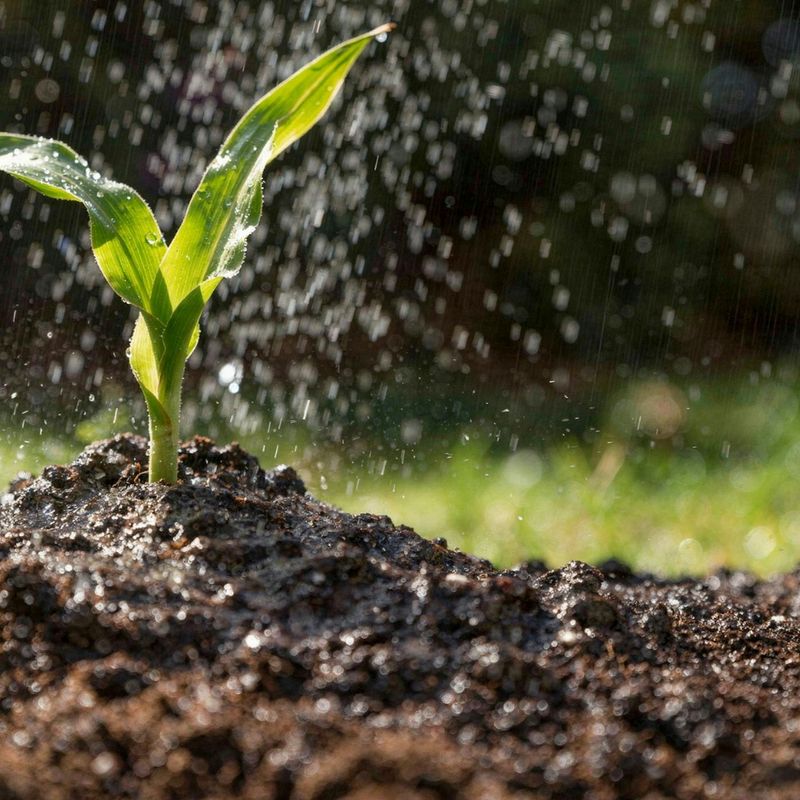
Ever poured water on a dry sponge and watched it roll right off? Hard, crusty ground acts the same way after a brutal summer.
Fall often brings gentler, more regular showers across much of Texas. Those soft rains have time to sink in instead of racing down the driveway.
Each storm slowly softens the crust and lets moisture travel deeper toward thirsty roots.
Summer storms tend to dump heavy rain in a hurry. Most of it runs off before the baked ground can grab hold.
In autumn, cooler air also means less water escapes back into the sky, so more stays put.
Make the most of every drop with a few easy moves. Loosen the top inch of soil with a garden fork before a forecasted rain.
Your Texas Garden Changes Every Week. Your Plan Should Too.
Gardening in Texas changes quickly throughout the season. Every Friday you’ll receive a simple weekly plan showing exactly what to plant, prune, fertilize, harvest, and protect so you never miss the right timing.
Build small berms or shallow basins around trees so water pools near the roots.
A rain barrel is another smart helper. Catching runoff from your roof gives you free water for dry spells between fronts.
Plants usually prefer rainwater anyway, since it lacks the salts found in some city supplies.
Keep an eye on how fast puddles disappear after a shower. If water sits for hours, your soil may be packed tight and need some aeration.
If it vanishes in seconds, adding compost will help it hold moisture longer. Small changes now set the stage for a much healthier yard come spring.
3. Compost Works Faster In Mild Weather
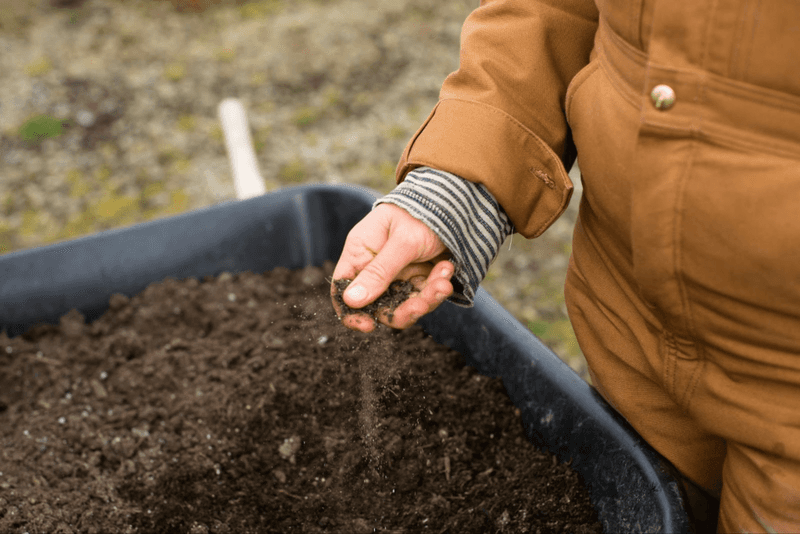
My neighbor calls compost black gold, and honestly, she is not wrong. A few shovels of the stuff can turn sad, pale dirt into something that smells like a forest floor.
Timing matters a lot with compost. During a Texas summer, it can dry out on top of the soil before anything useful happens.
Fall weather keeps it moist longer, which lets microbes break it down and mix it into the ground.
Spread about one to two inches across your beds and around shrubs. You do not need to dig it in deeply.
Worms and rain will carry it down over the next few months, doing the hard labor for you.
Heavy clay soil, common in places like Dallas and Houston, benefits the most. Compost opens up tiny air pockets so roots can breathe and water can drain.
Sandy soils gain the opposite perk, since compost helps them hold onto moisture.
Homemade compost is great if you have a pile going. Kitchen scraps, coffee grounds, and shredded leaves all make solid ingredients.
Bagged compost from a local nursery works just fine too, especially for bigger areas.
One tip many folks miss is to look for compost that smells earthy and sweet. A sour or rotten odor usually means it was not finished properly.
Good compost should crumble in your hand like chocolate cake, and your plants will thank you for choosing well.
4. Mulching Protects Soil Before Winter
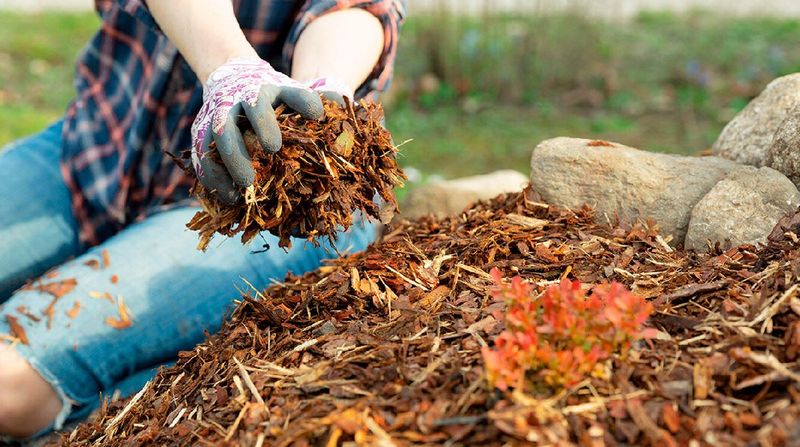
Think of mulch as a cozy blanket for your yard. It keeps the ground from swinging wildly between warm afternoons and chilly nights.
Winter in Texas can be strange. One day feels like spring, and the next brings a hard freeze.
A good layer of mulch smooths out those sudden changes so roots and soil critters stay comfortable.
Mulch also traps moisture from fall rains. Bare soil loses water fast, even in cooler months, thanks to wind and sun.
Covered soil stays damp for days longer, saving you time with the hose.
Aim for a layer about two to three inches thick. Shredded hardwood, pine straw, and chopped leaves all work nicely.
Keep mulch a few inches away from tree trunks and plant stems, since piling it up against them can invite rot.
Over time, natural mulch breaks down and feeds the soil. That slow process adds organic matter without any extra effort from you.
By spring, the bottom layer will look a lot like rich compost.
Weeds hate mulch, which is another bonus. A thick cover blocks sunlight that weed seeds need to sprout.
Fewer weeds mean less competition for water and nutrients your plants need.
Quick tip: many cities offer free mulch made from tree trimmings. Call your local recycling center and ask.
You might save a nice chunk of money while giving your yard real protection.
5. Fallen Leaves Are Free Food For Gardens
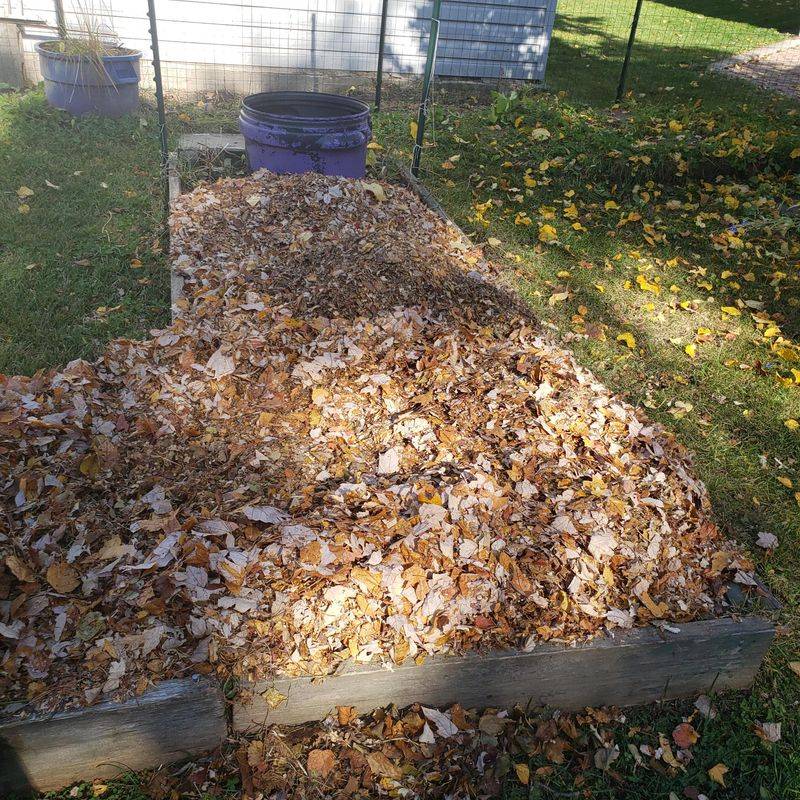
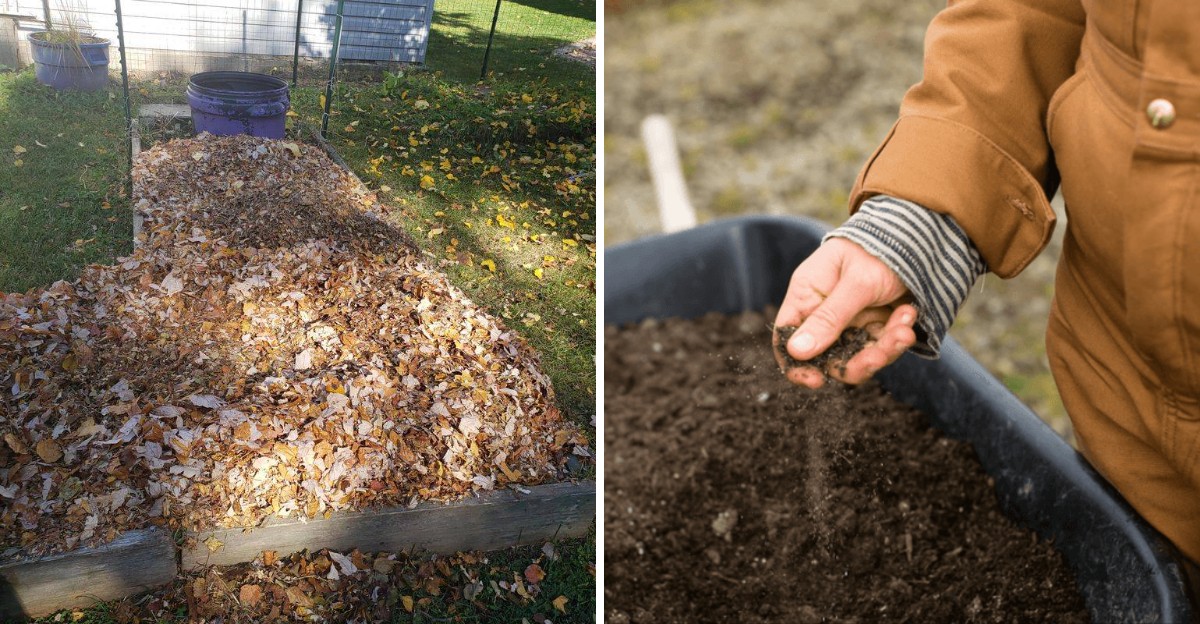
Raking leaves into plastic bags and dragging them to the curb? Hold on a second, because you might be tossing out the best soil food around.
Leaves are packed with minerals that trees pulled up from deep underground. When they break down, those nutrients return to the top layer of soil.
Oak, pecan, and maple leaves are common across Texas and make excellent garden material.
Whole leaves can mat together and block water, so shredding helps a lot. Run them over with a lawn mower a couple of times.
The smaller pieces break down faster and stay put better on windy days.
You have several smart choices for using them. Spread shredded leaves as mulch on flower beds.
Mix them into a compost pile with green kitchen scraps. Or simply mow them into the lawn, where they feed the grass.
Leaf mold is another treasure worth trying. Pile wet leaves in a corner or a wire bin and leave them alone for a year.
The result is dark, crumbly material that holds water like a sponge.
Gardeners have been turning fallen leaves into soil-building material for generations, and for good reason. It costs nothing, takes almost no effort, and works wonders on tired ground.
Ask neighbors for their bagged leaves too. Most will happily hand them over, and your garden gets a free feast.
6. Cover Crops Rebuild Tired Texas Dirt
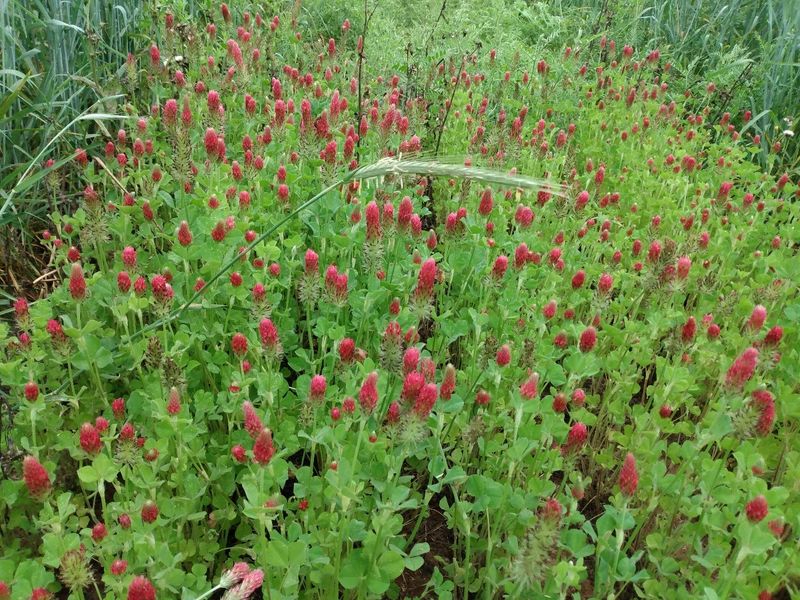
Some of the hardest-working plants in any garden are ones you will never eat. Cover crops quietly fix the ground while you relax indoors over the winter.
Fall is the ideal planting time for them in Texas. The soil is still warm enough for seeds to sprout quickly, and cooler air keeps young plants happy.
By the time winter settles in, roots are already digging deep.
Popular choices include crimson clover, cereal rye, winter peas, and hairy vetch. Clover and peas pull nitrogen from the air and store it in the ground.
Rye grows thick roots that break up hard, packed soil like tiny drills.
Planting is simple. Rake the bed smooth, scatter seeds by hand, and lightly cover them with soil or compost.
Water gently until you see green sprouts poking through.
Come early spring, cut the plants down before they set seed. You can leave them on top as mulch or turn them lightly into the soil.
Either way, they add a big boost of organic matter.
Cover crops also block weeds and stop soil from washing away in heavy rains. Bare ground loses its best topsoil quickly, while planted ground holds tight.
Did you know? Farmers have used clover to improve fields for centuries, long before anyone understood the science behind it.
A small packet of seeds can bring that same old wisdom to your backyard.
7. Aerating Loosens Compacted Clay
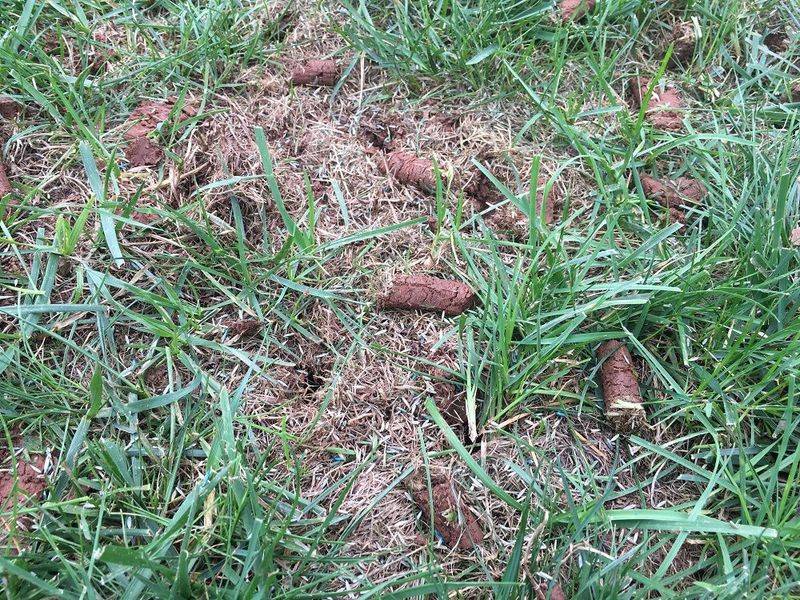
Stepping on a Texas lawn in late summer can feel like walking on a parking lot. Months of heat, foot traffic, and little rain press the soil tight.
Packed soil causes real trouble. Water runs off instead of soaking in, and roots struggle to push through.
Air, which roots need just as much as water, has nowhere to go.
Core aeration fixes the problem by pulling small plugs of dirt out of the ground. Those holes let water, air, and nutrients reach the root zone.
Timing depends on your grass. Most lawns are warm-season grasses like St. Augustine, Bermuda, and zoysia, and Texas A&M guidance generally recommends aerating them in late spring to early summer, when they are growing strongly and can recover quickly.
Early fall can still work if your grass is actively growing, but if dormancy is setting in, it is smarter to note the compacted spots now and plan to aerate when spring growth kicks in.
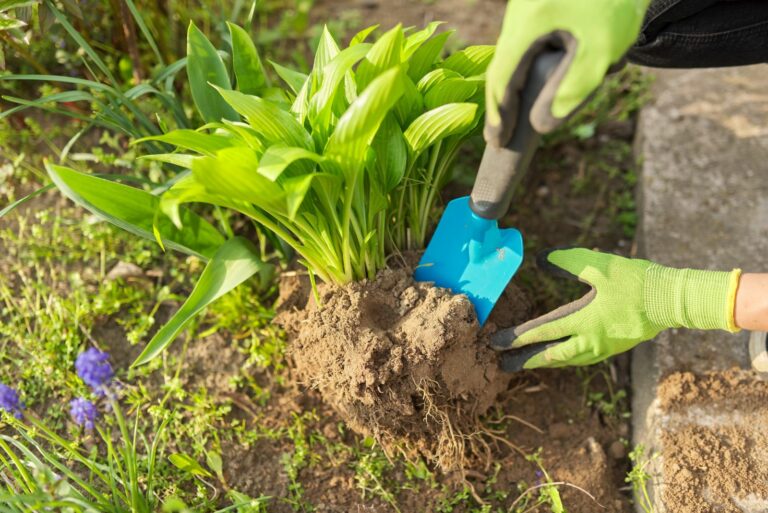
Garden beds are a different story. Fall is a great time to loosen compacted beds, since you are not working around actively growing turf.
You can rent a core aerator from most hardware stores for a few hours. Water the lawn a day before so the machine digs in easily.
Go over the yard in two directions for the best coverage.
Leave the little soil plugs right where they fall. They break down in a week or two and return nutrients to the surface.
Right after aerating, spread a thin layer of compost so it slides into the fresh holes.
Smaller spaces can get by with a hand tool or even a sturdy garden fork. Push it in, rock it back and forth, and move a few inches over.
Yes, it takes some elbow grease, but the results are worth it.
Stick with core aerators over spike types, since spikes can actually pack the soil even tighter.
8. Fall Soil Testing Gives Gardeners A Head Start
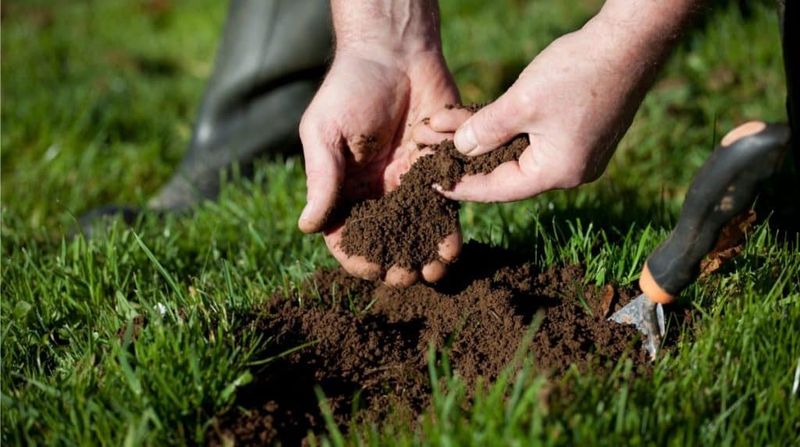
Guessing what your soil needs is a bit like guessing your shoe size with your eyes closed. A simple test takes away the mystery and saves money too.
Texas A&M AgriLife Extension runs an affordable soil testing lab that many homeowners use. You mail in a small sample, and a report comes back showing pH levels and key nutrients.
The results often include clear advice on what to add and how much.
Fall is the smart season for testing. Labs are less busy than in spring, so results arrive faster.
You also get plenty of time to make changes before planting season begins.
Collecting a sample is easy. Use a clean trowel to dig about six inches deep in several spots around one area.
Mix the dirt together in a bucket, then follow the lab’s instructions for how much to send. Texas A&M typically asks for around a pint, so check the submission form before you mail it.
Many parts of the state have alkaline soil, which means a high pH. That can lock up iron and cause yellow leaves on plants.
Knowing your numbers helps you pick the right fixes. Iron chelate products are often the most reliable option for yellowing plants, while sulfur has a limited and short-lived effect on naturally alkaline soils and tends to work better in raised beds with imported soil.
Testing also stops you from wasting fertilizer. Plenty of yards already have enough phosphorus, so adding more does nothing useful.
Some extra can even wash into creeks and lakes.
Write down your results each year in a notebook. Over time, you will see how your soil improves and which steps made the biggest difference.
9. Spring Success Starts With Fall Prep
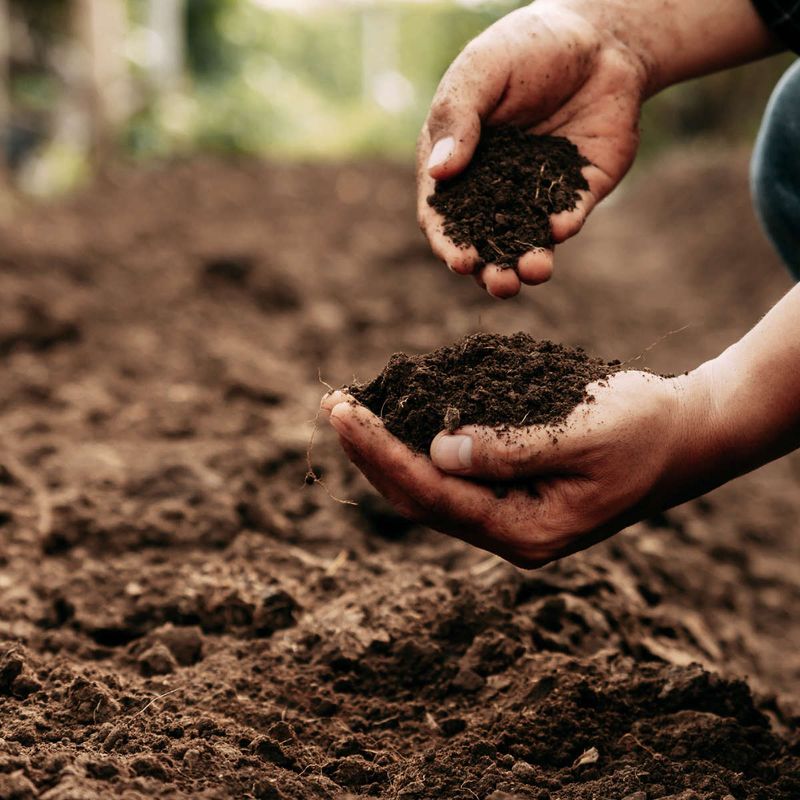
Gardeners who show off big tomatoes in April usually share a little secret. Most of their real work happened back in October and November.
Soil improvements take time to settle in. Compost needs weeks to blend with the ground, and cover crops need months to grow roots.
Starting in fall gives every fix a long runway before spring planting arrives in Texas.
Spring often brings a rush of busy weekends and surprise weather. Trying to fix tired soil at that point feels like cramming for a test the night before.
Fall work lets you plant on time with confidence instead of scrambling.
A simple fall checklist keeps things easy. Test your soil, add compost, spread mulch, and plant a cover crop where beds sit empty.
Loosen compacted garden beds, save those fallen leaves for later use, and make a note of any packed lawn areas so you can aerate them when warm-season grass wakes up in spring.
Healthy soil also handles the next summer far better. Ground rich in organic matter holds more water, so plants stay greener during hot spells.
You may find yourself watering less and enjoying your yard more.
Think of fall prep as a gift to your future self. A few cool afternoons of effort can bring stronger roots, brighter blooms, and fewer headaches later.
So step outside, breathe in that crisp air, and get your hands a little dirty. Your garden is ready for a fresh start, and this season is the perfect moment to give it one.