What North Carolina Vegetable Beds Need Before The First Frost Arrives
The first frost does not end the garden, but it changes the job. Tender crops give up overnight, while hardy ones carry on. The days before that cold night are your chance to set things up.
Some tasks protect what is still growing. Others prepare the soil for winter, so spring planting starts with a head start. Doing them in the wrong order wastes effort. Doing them too late means working in cold, wet clay that fights back.
North Carolina’s first frost arrives weeks apart in the mountains and on the coast, so your date depends on where you live. A short list of jobs now keeps your beds productive this fall and healthy through the winter months ahead.
1. A Final Harvest Of Tender Crops
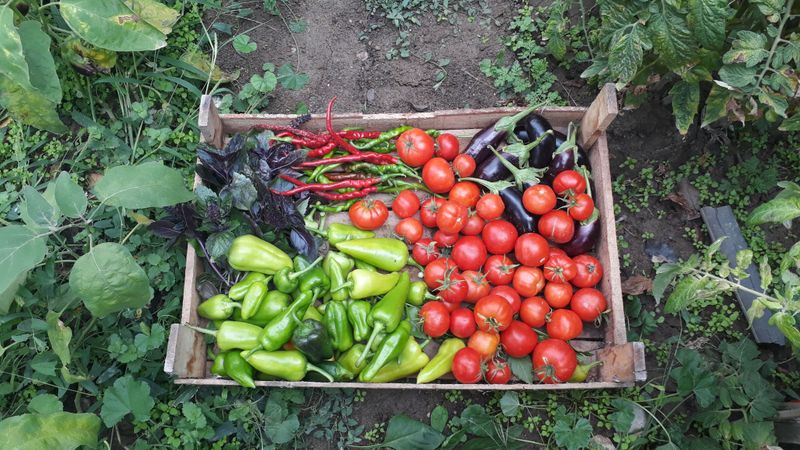
Nothing stings quite like walking outside after a cold night and finding your pepper plants limp and blackened. Warm season crops love heat, and frost is their worst enemy.
Tomatoes, peppers, eggplant, beans, squash, cucumbers, okra, and basil all take damage when temperatures drop to freezing.
Ice crystals form inside the plant cells and break them open. As a result, fruit left on the vine can turn soft and watery overnight. A bright, firm tomato on Monday can become mush by Tuesday morning if you wait too long.
The best defense is paying attention to the weather. Check your local forecast every day once nights start cooling off, and plan a big picking day before the first frost hits. Gather everything that is ripe or close to ripe, even if your basket overflows.
Green tomatoes still have value. Mature ones that have turned pale green or show a hint of color can ripen indoors at room temperature. Simply set them in a single layer on a counter or in a paper bag, and check them every few days.
Basil needs extra care because it gets hurt even before frost arrives. Cool nights in the 40s can turn the leaves dark, so harvest it all early. Blend it into pesto, freeze it in ice cube trays, or dry it for winter meals. Timing matters across the state.
The first frost usually shows up in October in the Mountains, from late October to early November in the Piedmont, and in November in the Coastal Plain. Know your region, use your harvest quickly, and enjoy every last bite of summer.
2. Sweet Potatoes Dug And Cured
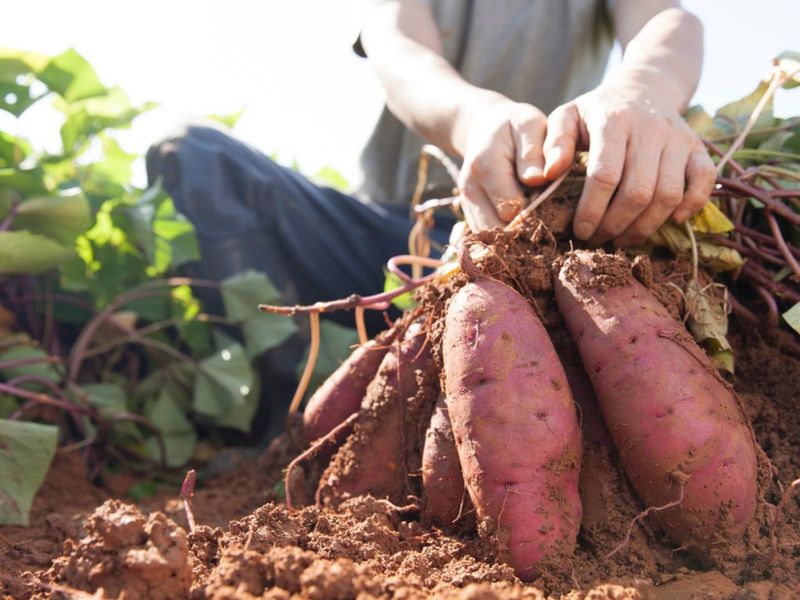
North Carolina grows more sweet potatoes than any other state in the country. That proud title makes sense, since our long, warm summers suit these tasty roots perfectly.
Plenty of home gardeners grow a row or two every year, and the harvest feels like digging for buried treasure.
Cold weather is the main threat to that treasure. Sweet potato roots can suffer damage when soil temperatures fall below about 55°F. Frost on the vines can also cause trouble, and both problems can lead to rot once the roots go into storage.
So when should you dig? Aim to harvest before frost, or right after a frost blackens the vines. Waiting longer lets the damage travel down into the roots, which shortens how long they keep.
Your North Carolina Garden Changes Every Week. Your Plan Should Too.
Gardening in North Carolina changes quickly throughout the season. Every Friday you’ll receive a simple weekly plan showing exactly what to plant, prune, fertilize, harvest, and protect so you never miss the right timing.
Gentle hands make a big difference here. The skin on freshly dug sweet potatoes is thin and bruises easily, so use a garden fork carefully and start digging a little away from the plant. Avoid tossing them into buckets or washing them right away.
Next comes curing, a step many beginners skip. Keep the roots at about 85°F with high humidity for about a week. A warm spot near a heater, with the potatoes covered loosely to hold moisture, can work well at home.
Curing toughens the skin and helps heal small scrapes. It also turns starches into sugars, so the flavor gets sweeter and richer.
After curing, store them somewhere around 55 to 60°F, and avoid the fridge, which can harm them. Treated well, your harvest can last for months of holiday pies and cozy dinners.
3. Row Covers For Cool Season Crops
Here is some good news for anyone who loves greens. Kale, collards, cabbage, broccoli, spinach, lettuce, carrots, and turnips can handle a light frost with ease.
Many of them even taste sweeter after a chilly spell, because the plants build up sugars to protect themselves from the cold.
Still, a hard freeze is a different story. When temperatures drop well below freezing, even tough crops can get damaged leaves. A simple covering keeps them safer and helps them keep producing for weeks longer.
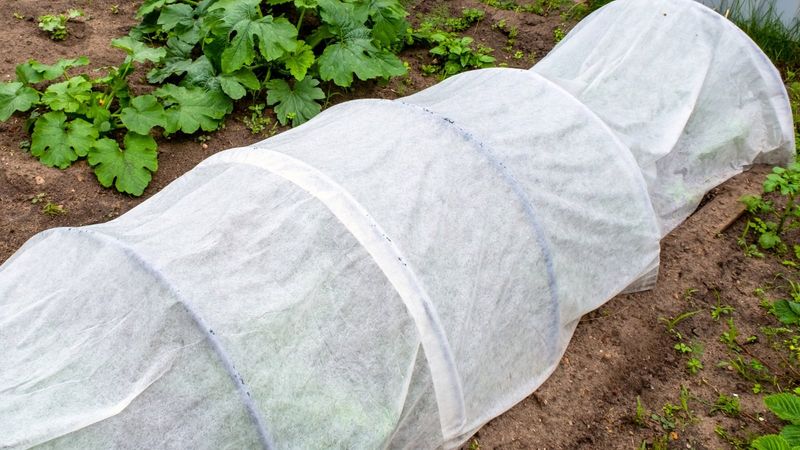
Row cover, sometimes called frost cloth, is a lightweight fabric that traps heat rising from the soil. Buy some before you need it, since stores often sell out when a cold snap hits. Keep it folded in the shed so it is ready to go.
When a hard freeze is in the forecast, spread the fabric over your plants in the afternoon. Make sure it reaches all the way to the ground on every side. Weigh the edges down with rocks, bricks, or soil bags so wind can’t lift it.
Hoops help a lot. Bend wire or plastic pipe into arches over the bed, then drape the fabric on top. Keeping the cloth off the leaves prevents cold spots where fabric touches the plants. On sunny days, peel the covers back or open the ends.
Too much trapped heat can stress your crops. In the Piedmont and Coastal Plain, this easy routine often lets you pick fresh greens well into winter, which means homemade collards and crunchy salads long after summer fades.
4. Deep Watering Before A Cold Night
Watering before a frost sounds strange at first. After all, why add moisture when ice is on the way? The answer comes down to simple science that works right in your backyard.
Moist soil holds more heat than dry soil. During the day, wet ground soaks up warmth from the sun, and at night it slowly releases that heat back into the air.
That gentle warmth can keep the air around low growing plants a few degrees warmer, which is sometimes just enough to prevent damage.
Healthy roots matter too. Plants that are stressed from drought handle cold poorly, while well-watered plants are stronger and bounce back faster. Think of it like going out into a cold wind hungry versus going out after a good meal.
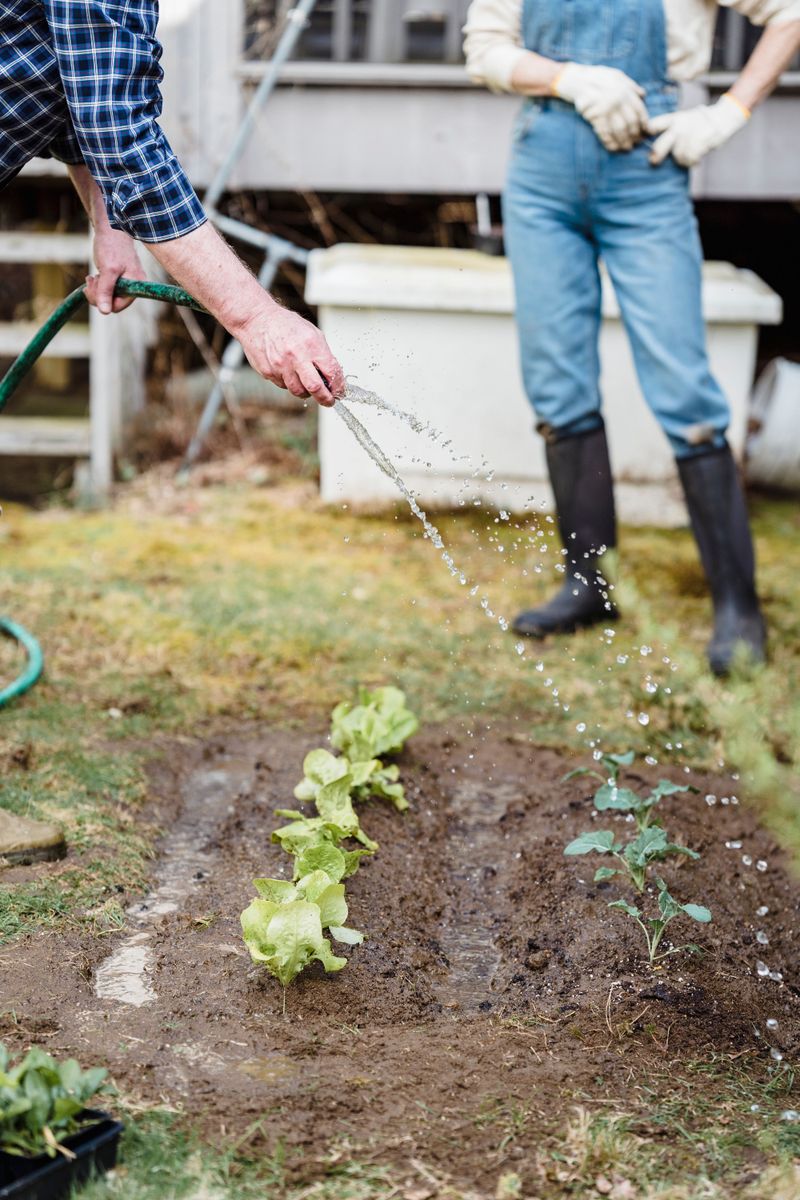
Timing makes the trick work. Water dry beds during the day before a predicted frost, ideally in the morning or early afternoon. That gives the soil time to warm up in the sun before night falls.
Aim the water at the base of your plants instead of spraying the leaves. Wet leaves won’t help much, and the soil is where the heat gets stored. A watering can, a hose with a gentle nozzle, or drip irrigation all work nicely.
Much of North Carolina has faced drought this year, and many towns have limits on water use. Check your local rules before turning on a sprinkler.
Hand watering or drip lines are often allowed even when sprinklers aren’t, and they use far less water. A little care keeps your garden safe and keeps you a good neighbor.
5. Spent And Diseased Plants Removed
Old tomato vines might look harmless, but they can hide a lot of trouble. Tired plants and fallen fruit often carry diseases like early blight and powdery mildew. Leave them in the bed, and those problems can wait patiently for next spring.
Pests love a messy garden too. Squash bugs, for example, hide in plant debris and spend the winter tucked away in old leaves and stems. When warm weather returns, they come out hungry and ready to attack your new squash plants.
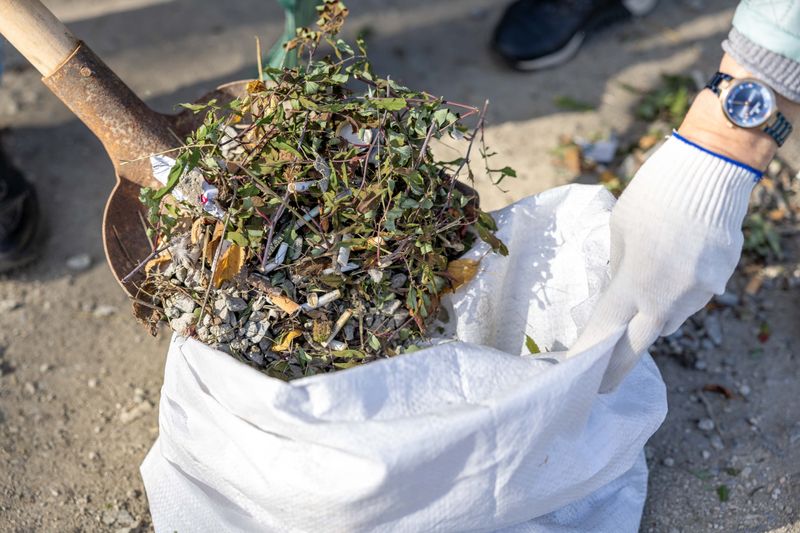
Cleanup is the simple fix. After your final harvest or after frost hits, pull out spent warm season plants like tomatoes, squash, cucumbers, and beans. Pick up any rotting fruit lying on the ground, since it can hold disease spores and attract pests.
Be careful about where it all goes. Healthy plant material can go in your compost pile, but anything with signs of disease should be bagged and put in the trash. Most home compost piles don’t get hot enough to destroy disease organisms.
Crop rotation adds another layer of protection. Plants in the same family, like tomatoes, peppers, and eggplant, share many of the same diseases. Plant each family in a different bed next year so problems in the soil can’t find their favorite food again.
A simple notebook sketch of this year’s layout makes planning easy. Our mild winters in North Carolina are lovely for people, but they also help pests and disease organisms survive in garden debris.
A tidy bed now means fewer headaches and healthier plants when spring rolls around.
6. A Soil Test And Lime If Needed
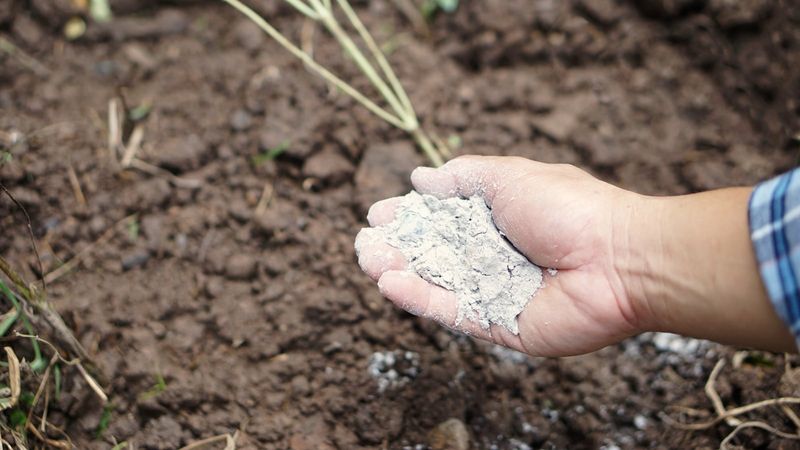
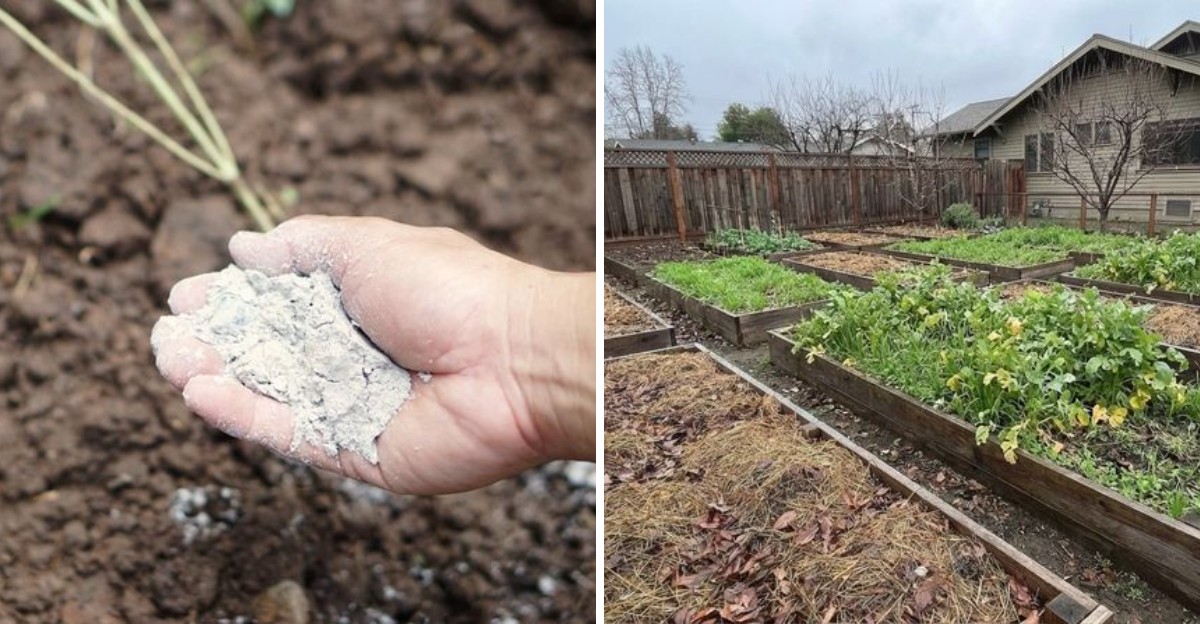
Fall might be the smartest time of year to learn what your soil really needs. A soil test tells you the pH and nutrient levels, so you can stop guessing and start fixing. Your plants will thank you next summer.
Soil pH measures how acidic or sweet the ground is. Most vegetables grow best when the pH sits around 6.0 to 6.5. Many North Carolina soils are naturally acidic, so lime is often needed to raise the pH into that sweet spot.
Lime works slowly, though. It can take months to change soil pH, which is why adding it in fall makes so much sense. By spring planting time, the lime has had a chance to do its job.
Getting started is easy. Stop by your local Cooperative Extension office and pick up free soil sample boxes and forms. Use a clean trowel to collect soil from several spots in each bed, mix it in a clean bucket, and fill one box per bed.
Send the boxes to the North Carolina Department of Agriculture soil testing lab. Testing in fall is a wise money move, since the lab charges a small fee during its busy winter season. Results usually come back faster this time of year too.
Your report will list exactly how much lime and fertilizer each bed needs. Follow those numbers instead of guessing, since too much can cause problems of its own. A few minutes with a trowel today can mean bigger tomatoes and greener beans next year.
7. A Cover Crop Or Mulch For Empty Beds
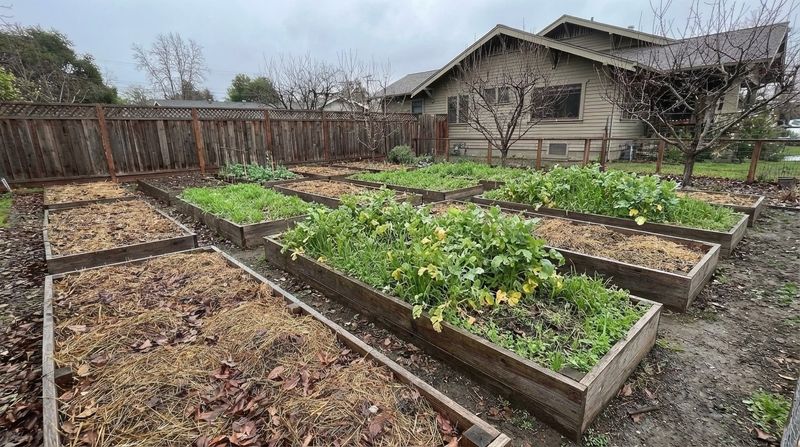
Bare soil in winter is like leaving your front door wide open during a storm. Heavy rain washes the top layer away, carrying nutrients with it. Winter weeds quickly move in and take over the empty space.
Luckily, the fix is cheap and simple. A cover crop or a thick layer of mulch shields the soil from pounding rain. Over time, both break down and add organic matter, which makes soil richer and easier to dig.
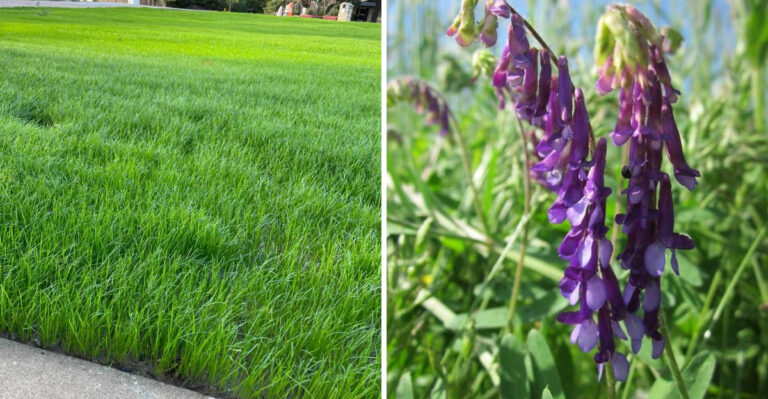
Cover crops are plants grown just to feed and protect the soil. Crimson clover is a favorite because it adds nitrogen and blooms with gorgeous red flowers in spring. Plant it earlier in the fall so it can settle in before cold weather arrives.
Cereal rye is tough and forgiving. In much of the state, you can sow it into November, and its strong roots hold soil in place all winter. Simply scatter the seed, rake it in lightly, and water if the weather stays dry.
Not into cover crops? Spread a thick layer of shredded leaves or straw over your empty beds instead. Fallen leaves are free, and they turn into dark, crumbly soil by spring.
One bed deserves something special: garlic. Plant cloves in fall, pointy side up, and they will grow slowly through winter for a harvest next summer. It feels great to have something growing while everything else rests.
Winter rain and mild weather in North Carolina make cover crops a practical way to build better soil. Your beds stay busy, protected, and ready for spring.