Why Fall Root Crops Turn Hairy, Forked, Or Oddly Shaped In North Carolina
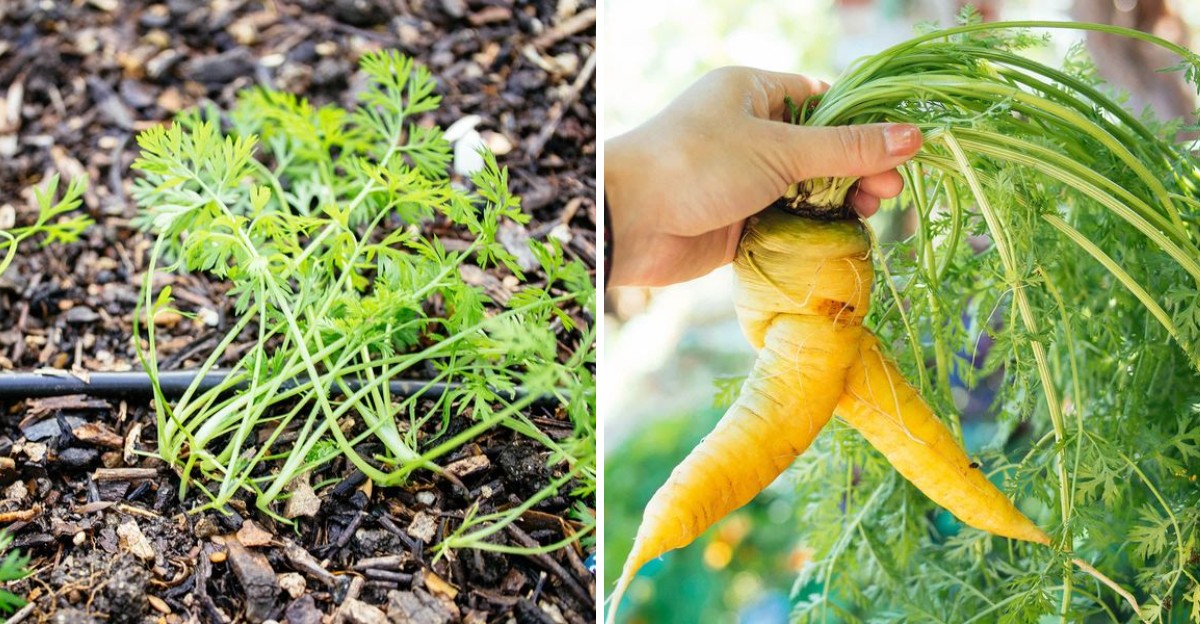
You pull a carrot, and it comes out with three legs and a beard. It looks strange, but the cause is usually simple. Roots grow in the shape the soil allows.
A stone, a clump of clay, or a pocket of hard soil can split a root in two. Fresh, rough compost can do the same by making roots branch toward food. Too much nitrogen often produces hairy roots, and uneven moisture adds cracks.
North Carolina’s heavy clay is especially tough on root vegetables. Poor spacing also plays a part. Misshapen roots are still edible, so nothing is wasted.
Understanding the causes helps you prepare the bed better next time and pull a straighter, smoother harvest from the same garden.
1. Rocks And Clods Push Roots Off Course
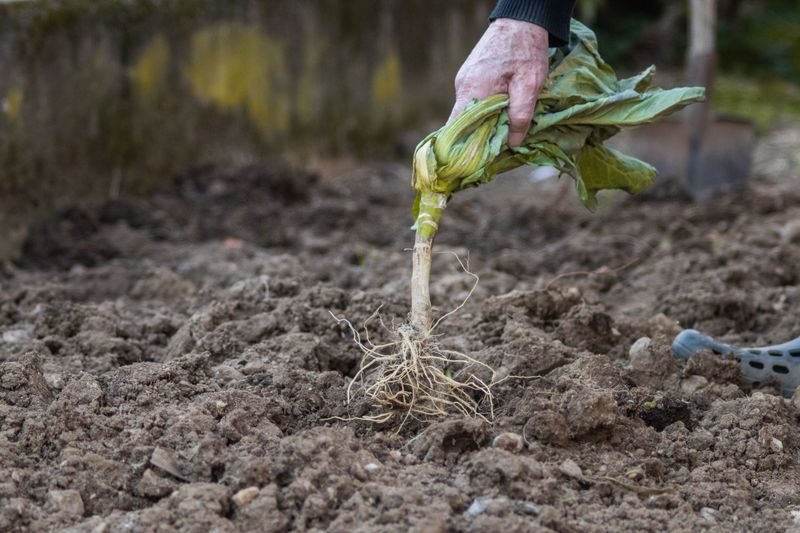
Every carrot starts life as a tiny root tip searching for a clear path downward. As long as nothing blocks the way, it grows long and straight. Trouble begins the moment that tip bumps into something hard.
When a growing root hits a rock, a stiff clod of soil, or a chunk of old wood, it has two choices. It can bend around the obstacle, or the tip can split into two or more roots.
Either way, you end up with a crooked, forked, or twisted carrot, parsnip, or other root crop instead of a smooth one.
Preparing the bed before you sow makes a huge difference. Loosen the soil 8 to 12 inches deep with a garden fork or spade, since that is the zone where most root crops do their growing. As you work, pick out rocks, sticks, roots, and any other debris you find.
Next, break up lumps. A garden fork works well for big clods, and a rake helps smooth out the smaller bits. Your goal is a fine, crumbly seedbed that feels almost like brown sugar under your hand.
Sow your seeds into that soft surface, and the young roots will have an easy ride downward. North Carolina gardeners face this problem from two directions.
Mountain soils are often packed with stones of every size, so a rake can turn up a surprising pile in just one bed. Down in the Piedmont, hard clay forms tough clods that act just like rocks once they dry out.
A little extra effort at planting time pays off at harvest. Spend an afternoon clearing and crumbling your soil, and your fall roots will thank you with straighter, prettier shapes.
2. Compacted Clay Soil Restricts Growth
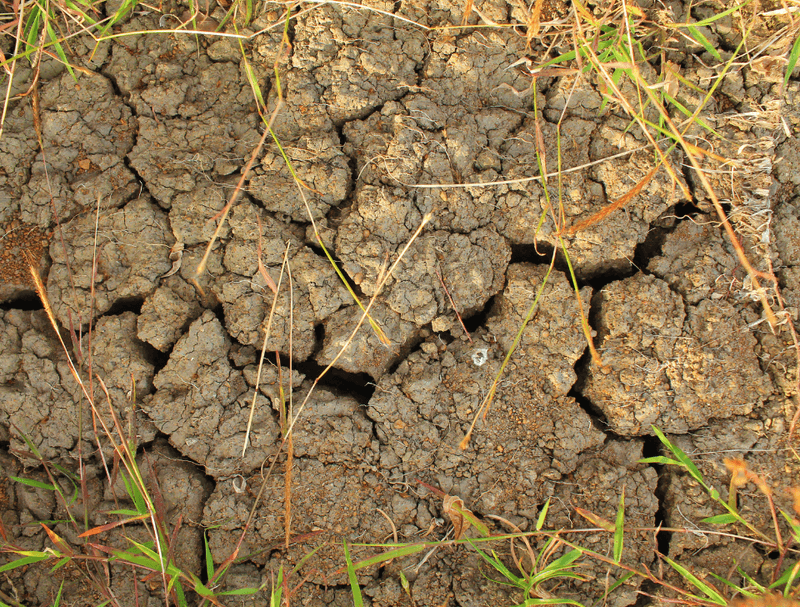
Red clay has a reputation in North Carolina, and gardeners know it well. It sticks to your boots when wet and turns nearly as hard as brick when dry. Root crops trying to push through it have a rough time.
Dense clay resists roots as they grow downward. Instead of sliding easily through the soil, carrots and parsnips may stop short, grow stubby, twist sideways, or split.
The problem gets worse during dry weather, when clay shrinks and hardens around the roots like a tight fist.
Your North Carolina Garden Changes Every Week. Your Plan Should Too.
Gardening in North Carolina changes quickly throughout the season. Every Friday you’ll receive a simple weekly plan showing exactly what to plant, prune, fertilize, harvest, and protect so you never miss the right timing.
Compost is your best friend here. Work 2 to 3 inches of it into the planting area before sowing, mixing it well into the top layer of soil.
Over time, organic matter loosens clay, helps it drain, and makes it far more welcoming to roots. For really heavy ground, raised beds can be a game changer.
Fill them with a loose mix of topsoil and compost, and your root crops will grow in soft, fluffy soil that clay cannot touch. Just remember to keep your feet out of the beds, because every step packs the soil back down.
Picking the right variety helps too. Long, skinny carrots struggle in clay, but shorter types like Danvers and Chantenay are built for tougher ground. Their thick, sturdy shape lets them fill out nicely even when the soil below is firm.
Since heavy red clay covers much of the Piedmont, from Charlotte to Raleigh, many gardeners deal with this every season.
A mix of compost, raised beds, and smart variety choices can turn that stubborn clay into a place where tasty, well-shaped roots thrive.
3. Too Much Nitrogen Makes Roots Hairy
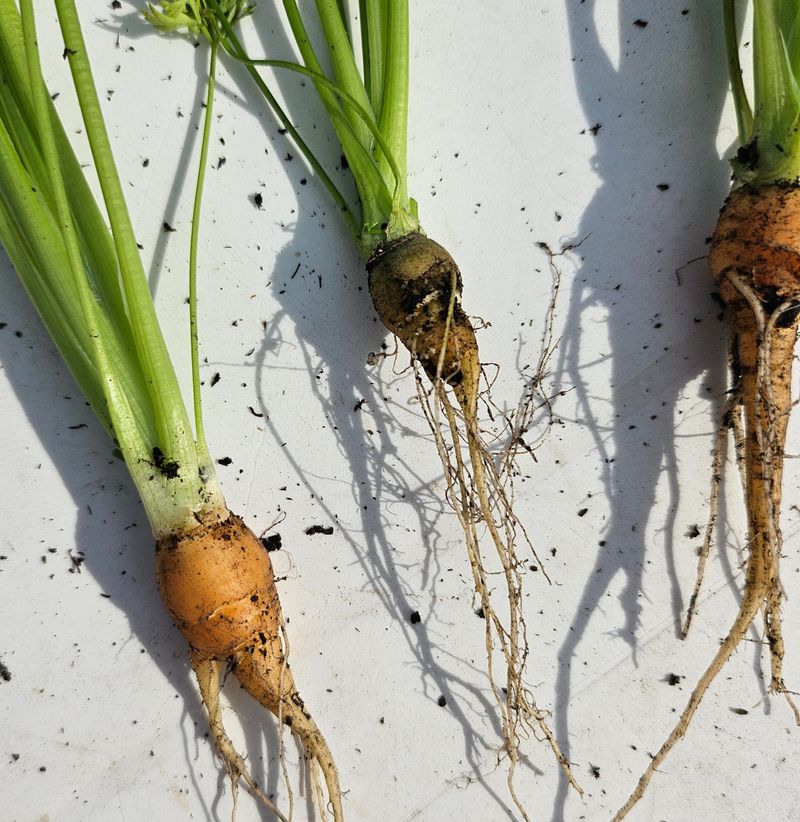
Big, bushy carrot tops look like a great sign, right? Sadly, a jungle of leaves can actually mean trouble underground. Too much feeding often leads to roots that look fuzzy, lumpy, or oddly shaped. Nitrogen is the nutrient that fuels leafy growth.
When the soil holds too much of it, especially from fresh manure or high-nitrogen fertilizers, plants pour their energy into the tops.
Carrots and other root crops may then sprout lots of tiny side roots, giving them a hairy look, and excess nitrogen can also play a part in forking.
Start with a soil test before planting. Your local N.C. Cooperative Extension office can help you get one through the NC Department of Agriculture, which offers soil testing. The results tell you exactly what your soil needs, so you are not guessing.
Skip fresh manure in beds meant for root crops. It is rich and strong, and it can cause the very problems you are trying to avoid. Well-aged compost is a much better choice because it feeds the soil gently and improves texture at the same time.
When it comes to fertilizer, follow the soil test results instead of adding extra nitrogen just to be safe. Root crops usually need less than heavy feeders like corn or tomatoes. A modest, balanced approach works best.
In North Carolina, fall carrots and beets often go into beds that held summer vegetables. Those beds may have been fertilized heavily for tomatoes, peppers, or squash, leaving leftover nitrogen behind.
Testing first and holding back on extra feeding helps your fall roots grow smooth and clean.
4. Root-Knot Nematodes Damage The Roots
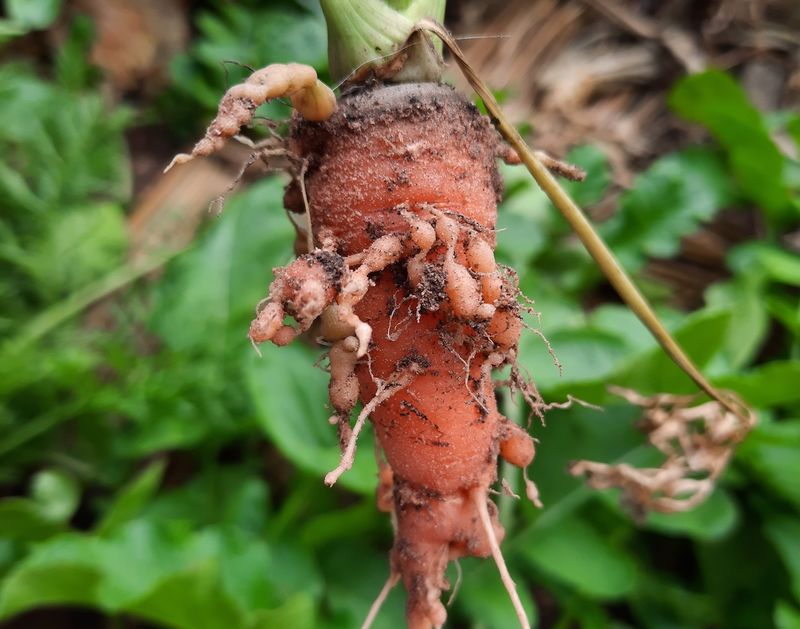
Some garden troublemakers are too small to see without a microscope. Root-knot nematodes are tiny worms that live in the soil, and they can wreck a whole crop of carrots before you notice anything is wrong.
Above ground, plants may just look a little weak or slow. Underground, the story is very different.
These nematodes feed inside roots, which causes swollen knots called galls. Affected carrots, beets, and other root crops often show forking, stunting, and lots of hairy side roots, leaving them misshapen and hard to enjoy.
Checking is easy. Gently pull up a few roots partway through the season and look closely for small bumps, knots, or swollen spots. Catching the problem early helps you plan for next time.
Crop rotation is a powerful tool. Move root crops to a new spot each year and fill the old bed with crops that nematodes like less, such as certain resistant varieties or small grains.
Adding plenty of organic matter like compost also helps, because healthy soil supports helpful organisms that work against nematodes.
Weeds matter more than you might think. Many common weeds host nematodes, letting them hang around between crops, so keep beds clean. If damage is severe year after year, try growing root crops in a different area or in raised beds with fresh soil.
Gardeners in eastern North Carolina should watch closely. Root-knot nematodes are especially common in the sandy soils of the Coastal Plain, where they move easily and multiply fast.
A little detective work and smart rotation can keep them from ruining your harvest.
5. Uneven Watering Causes Splits And Odd Shapes
Imagine running full speed, stopping cold, then sprinting again. Roots go through something similar when the soil swings between bone dry and soaking wet. Their growth starts and stops, and the results can look pretty rough.
During a dry spell, root growth slows way down and the outer skin firms up. Then heavy rain or a big watering arrives, and the inside of the root suddenly swells.
The skin cannot stretch fast enough, so carrots, radishes, and beets may crack, split, or form uneven, knobby shapes.
Steady moisture is the fix. During dry weather, water deeply about once or twice a week so the moisture reaches well down into the root zone. Deep soaks are better than quick sprinkles, which only wet the surface.
Mulch is a simple helper. Spread straw, shredded leaves, or fine wood chips between rows to slow evaporation and keep the soil cool. It also cuts down on weeds that steal water from your crops.
Drip lines and soaker hoses deliver water slowly and right where roots need it. They waste less water than sprinklers and keep leaves dry. Before you set them up, check your town or county rules, since some areas limit watering during dry periods.
North Carolina weather loves to keep gardeners guessing. This year’s drought has left many gardens thirsty, and then a passing storm can dump inches of rain in a day.
Those big swings are exactly what cause split roots, so steady watering and good mulch give your fall crops a calmer, smoother season.
6. Crowded Seedlings Twist Around Each Other
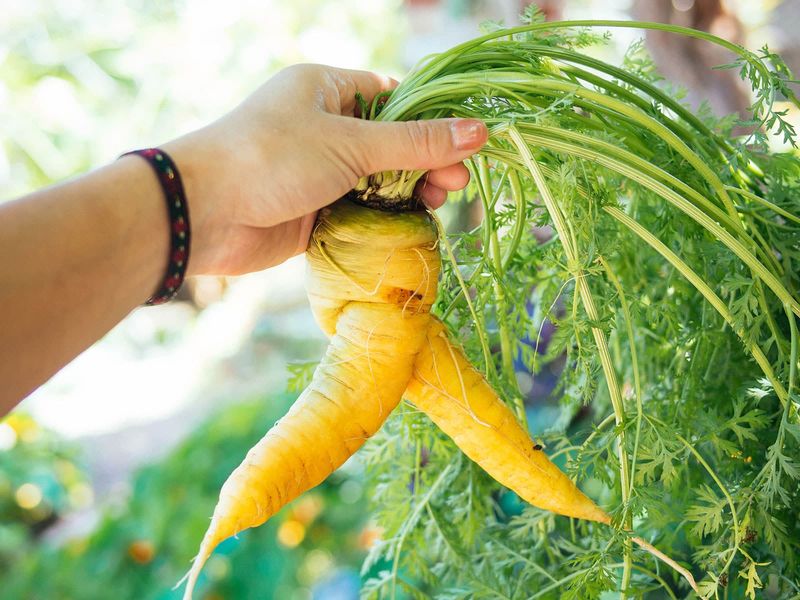
Ever pulled up two carrots wrapped around each other like old friends hugging? It looks funny, but it is a clear sign the row was too crowded. Root crops need personal space to grow well.
When seedlings sprout close together, their roots compete for the same small patch of soil. As they swell, they push against each other, and the result is often twisted, tangled, or stunted roots.
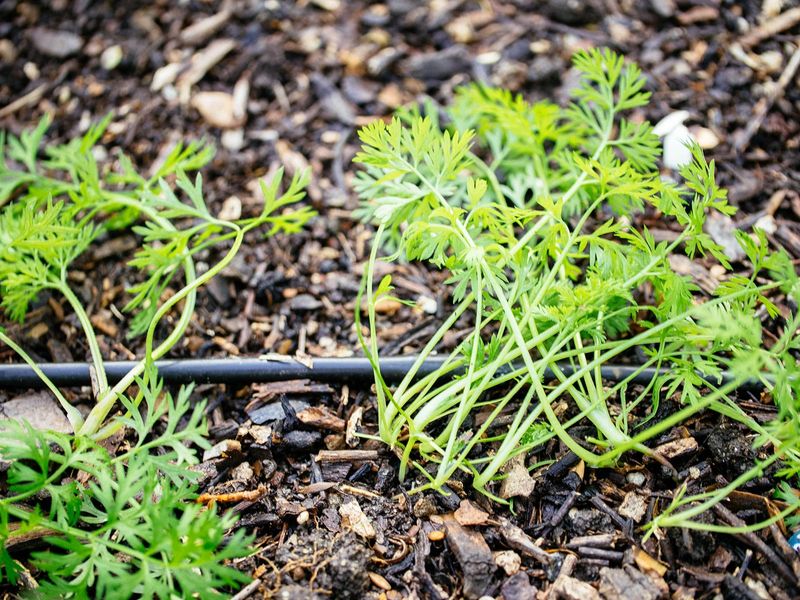
Crowded plants also fight over water and nutrients, so none of them reach their full size. Thinning solves the problem. Carrot seedlings should end up about 2 to 3 inches apart.
For beets, turnips, and radishes, follow the spacing printed on the seed packet, since each crop has slightly different needs.
Timing matters here. Thin early, when seedlings are small and have just a few true leaves, so you disturb the keepers as little as possible. Snipping extras at soil level with small scissors works great and avoids yanking neighbors out by accident.
Thinning does not have to feel wasteful. Those tiny plants make wonderful baby greens. Beet and turnip thinnings are tasty in salads or a quick sauté, and young radish leaves add a peppery kick.
For North Carolina gardeners, carrots cause the most trouble. Their seeds are so tiny that sowing too thickly happens almost without trying.
Mixing seeds with a little sand before sowing, or using seed tape, helps spread them out. A few minutes of thinning now means straight, full-sized carrots later in the season.
7. Transplanting Damages The Main Root
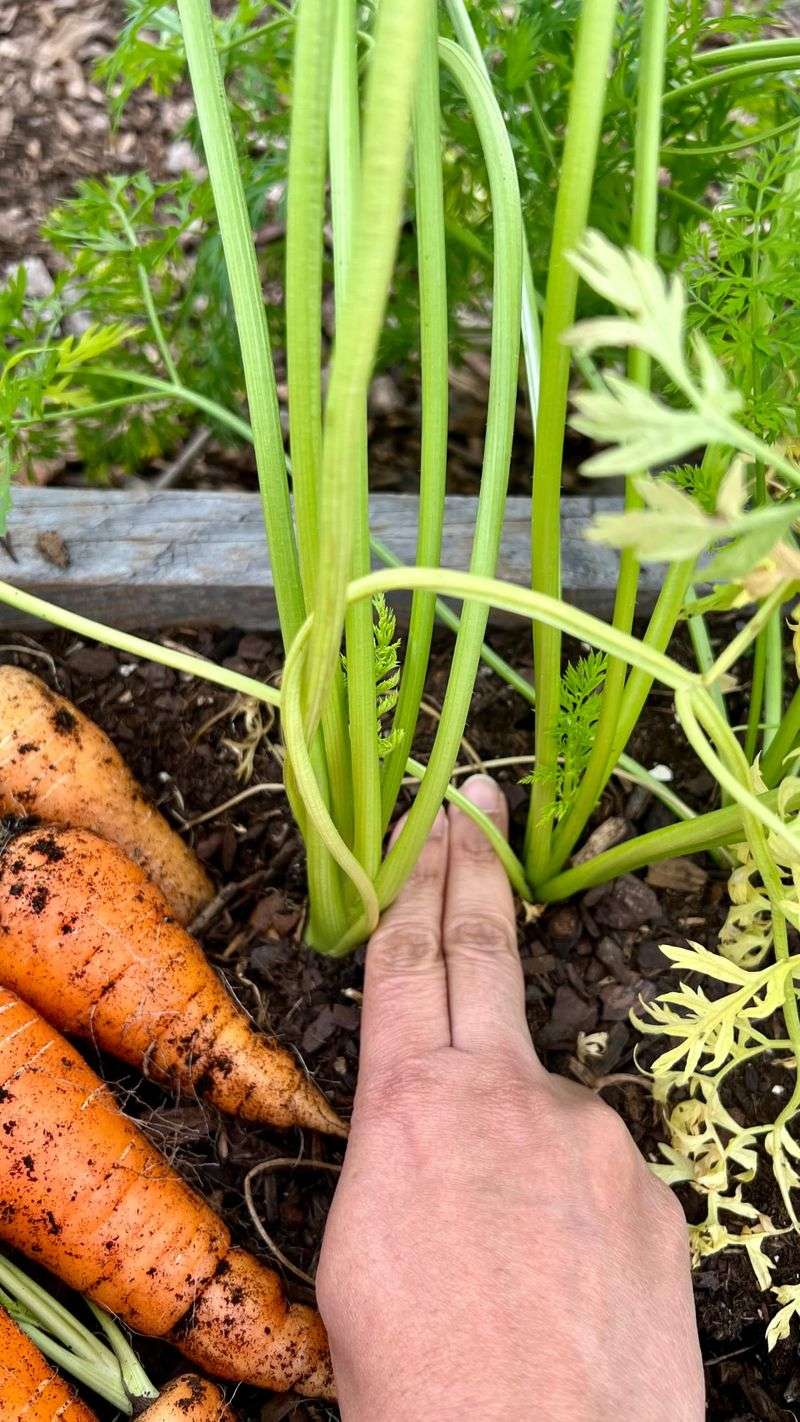
Starting seeds in trays works wonders for tomatoes and peppers. Carrots and parsnips, however, have other plans. Moving them from pot to garden almost always backfires.
These crops form a single main taproot, and that root is the part you eat. Even a young seedling already has a delicate taproot reaching downward.
If it gets bent, broken, or squished during transplanting, the carrot or parsnip often grows forked, stunted, or crooked.
Direct sowing is the way to go. Plant root crop seeds right where they will grow, at the depth listed on the packet. That way the taproot can head straight down from day one without any interruptions.
Moisture is key while you wait. Carrot and parsnip seeds sprout slowly, sometimes taking two weeks or more, and they need steady moisture the whole time.
Water gently every day or so, or lay a board or burlap over the row to hold in moisture, removing it as soon as sprouts appear.
Resist the urge to start carrots or parsnips in trays, no matter how tempting it feels. Beets can handle a little moving, but even they do best when sown in place. Patience at the start leads to far better roots at harvest.
Timing depends on where you live in North Carolina. Fall root crops do best sown directly in late summer to early fall, with mountain gardens planting earlier and coastal gardens later.
Check with your local Extension office for the best dates, then sow, water, and wait for straight, sweet roots.