8 Bulbs Pennsylvania Gardeners Should Plant Before the First Frost
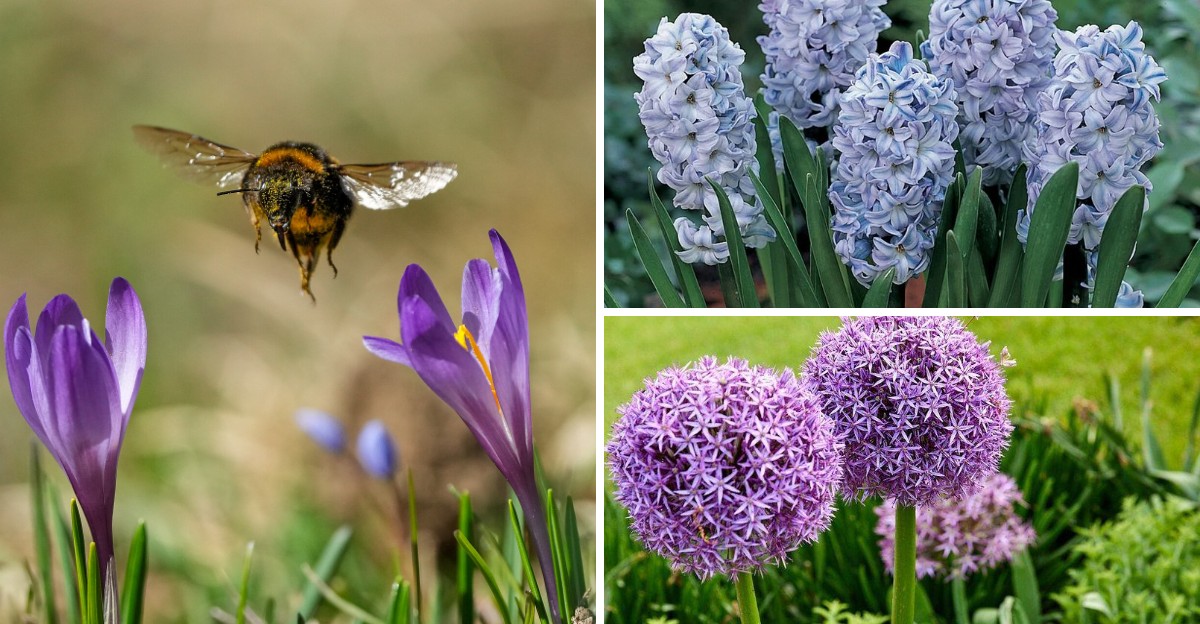
Next April will judge what you do in your garden this October, and the soil is already keeping score. I learned that lesson the hard way after one gray Pennsylvania spring with nothing blooming outside my window.
The fix costs very little and takes one sunny afternoon with a trowel and muddy knees. Small brown lumps go into cool ground now and wake up as bright color in early spring.
Personally, I think fall planting is the most hopeful chore on the whole backyard gardening calendar. You bury a promise in October, and the reward pops up months later like a surprise party.
Timing matters a lot here in Pennsylvania, and the first hard frost is creeping closer each chilly night. My favorite eight bulbs for cold winters are waiting below, and a couple of them might surprise you.
1. Daffodil
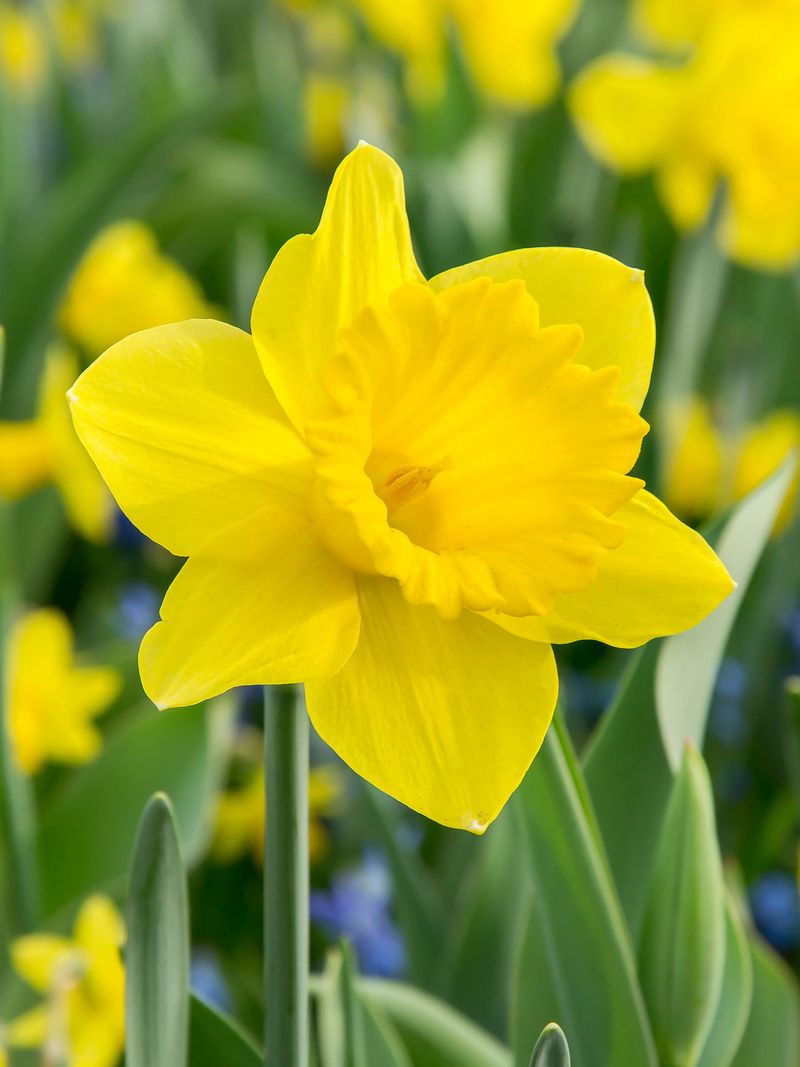
Hungry deer stroll right past daffodils, and that snub is the best compliment a fall bulb can receive. The bulbs contain bitter, toxic compounds, so nibbling animals mostly learn to leave them alone after one taste.
I plant mine first each October because they handle our cold winters with almost no fuss at all. Daffodils grow well in USDA zones 3 through 8, which covers every corner of the Keystone State.
Dig a hole about three times as deep as the bulb is tall, usually around six inches. Set each bulb with the pointy end facing up, and space them roughly five inches apart for full clumps.
Sunny spots work best, though daffodils bloom early enough to enjoy light under trees before the leaves return. Aim for at least six hours of sun, and choose soil that drains well after heavy rain.
Soggy ground is the one thing these sturdy bulbs truly dislike, since wet feet invite rot over winter. Raised beds or gentle slopes help a lot if your yard holds puddles after a storm.
After blooming, let the leaves stay green for about six weeks before you cut them back. Those floppy leaves feed the bulb underground, building energy for an even bigger show the following spring.
Over time, daffodils often multiply into wide golden drifts that look like someone spilled sunshine across the lawn. One small bag planted this fall can turn into a neighborhood favorite within just a few years.
2. Tulip
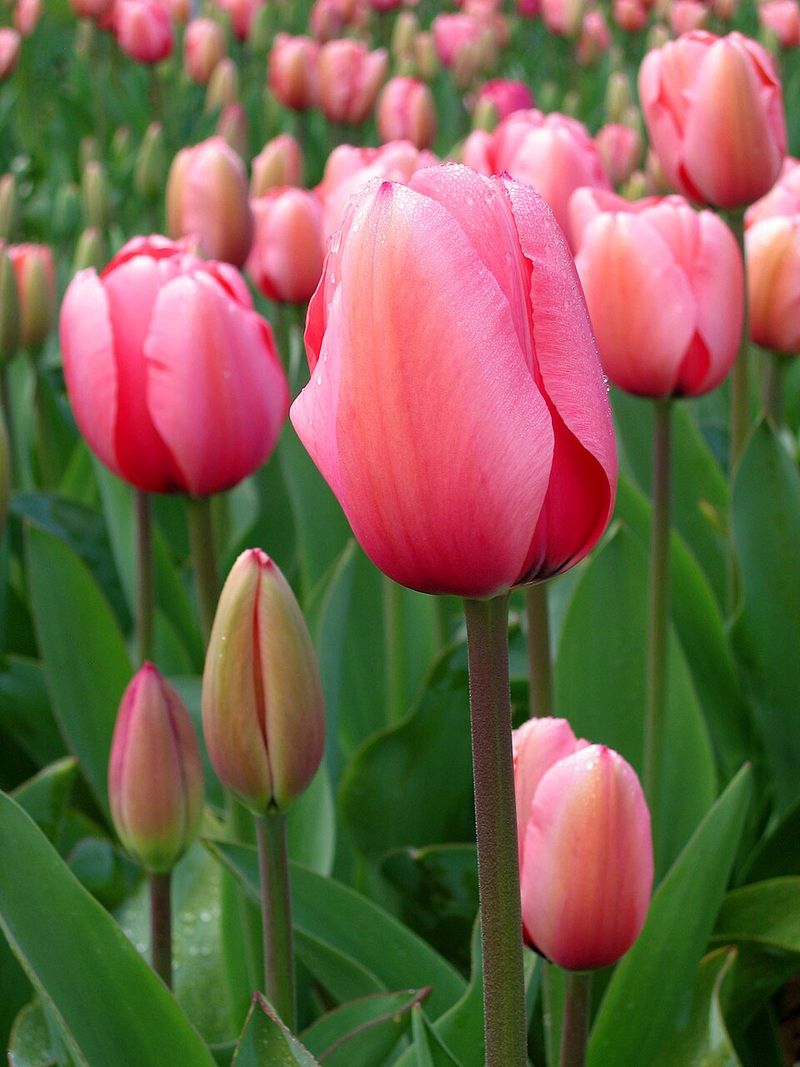
Tulips are the divas of the bulb world, and honestly, I forgive them every single April. Their silky cups come in nearly every color except true blue, from deep maroon to pale buttery cream.
Fun fact for your next garden chat: tulip bulbs once sold for wild prices in seventeenth-century Holland. People traded fortunes for striped blooms, which we now know were caused by a plant virus.
Tulips need a long cold rest underground, usually about twelve to sixteen weeks, to bloom properly in spring. Our chilly winters handle that job for free, so you can skip the refrigerator tricks southern gardeners use.
Your Pennsylvania Garden Changes Every Week. Your Plan Should Too.
Gardening in Pennsylvania changes quickly throughout the season. Every Friday you’ll receive a simple weekly plan showing exactly what to plant, prune, fertilize, harvest, and protect so you never miss the right timing.
Plant bulbs six to eight inches deep with the pointed tip facing the sky, spacing them about five inches apart. Wait until soil cools below sixty degrees, which often happens in October across much of Pennsylvania.
Full sun gives the brightest colors and the strongest stems, so pick an open spot with good drainage. Tulips grow well in zones 3 through 8, and they sulk badly in heavy, waterlogged clay.
Deer and squirrels treat tulips like a snack bar, so a little protection goes a long way here. Lay chicken wire over the planting bed before mulching, or tuck tulips among daffodils to confuse hungry visitors.
Many hybrid tulips fade after a few seasons, so plenty of gardeners treat them like annuals. Species tulips and Darwin hybrids tend to return more reliably, rewarding you with color year after year.
3. Crocus
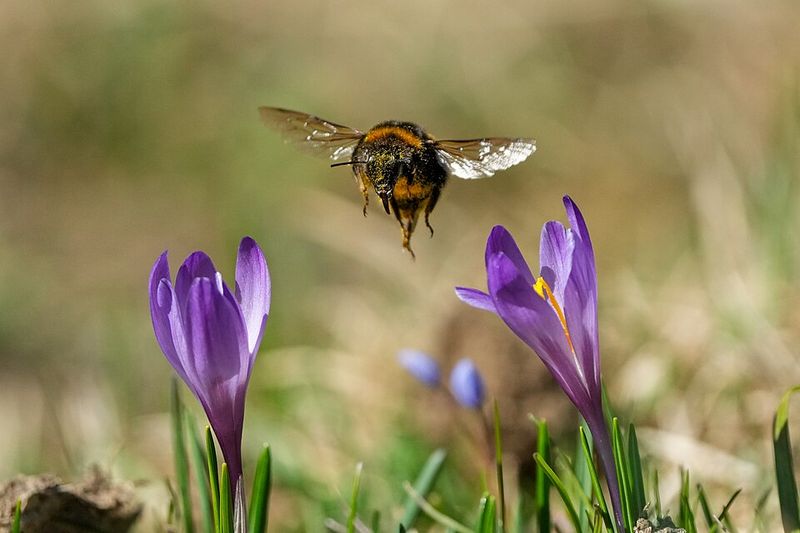
Hungry honeybees on a chilly March afternoon often head straight for the first open crocus they can find. Those little cups hold some of the earliest pollen of the year, a real lifeline for waking insects.
I love spotting purple and gold blooms poking through a thin crust of melting late snow. Crocus flowers stand only three or four inches tall, yet they steal the spotlight in a sleepy yard.
Technically, crocuses grow from corms rather than true bulbs, but you plant them almost the same way. Set each corm about three to four inches deep, with the flat bottom down and the tip pointing up.
Space them a few inches apart in loose clusters, since crowds of crocuses look far better than lonely soldiers. They grow happily in zones 3 through 8 and prefer full sun with soil that drains quickly.
Squirrels and chipmunks sometimes dig up fresh corms, so watch your plantings for the first few weeks. A sprinkle of sharp gravel in each hole or a sheet of wire mesh helps discourage digging.
One clever trick is planting crocuses right in the lawn, where they bloom before the grass needs mowing. Just hold off on the first cut until the leaves turn yellow, usually by late spring.
Given a sunny home, crocuses often spread into bigger patches each year with almost no help from you. Twenty corms tucked in this October could become a colorful carpet that greets early bees for decades.
4. Hyacinth
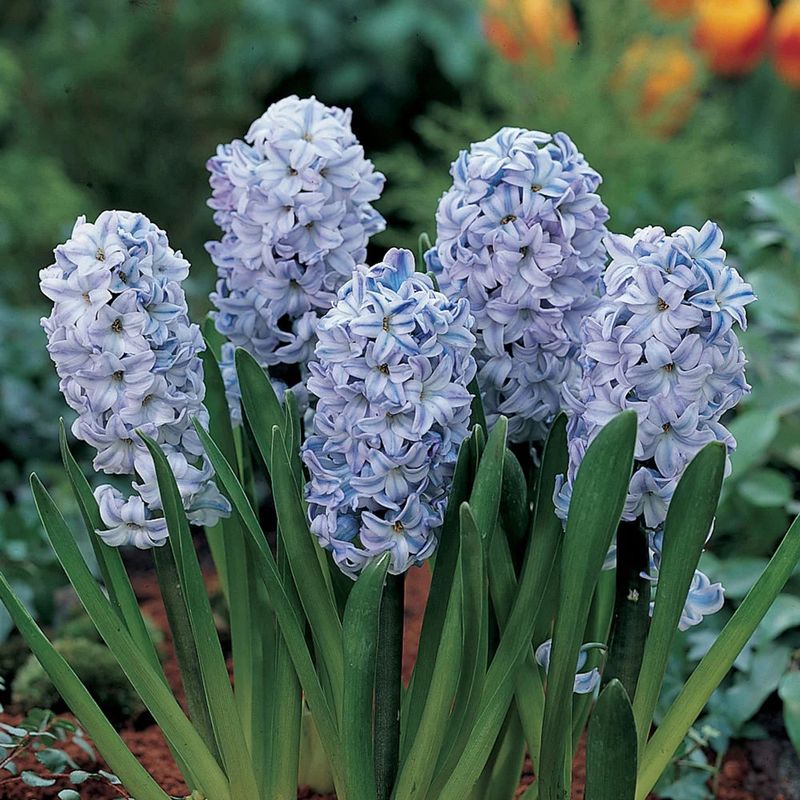
One whiff of hyacinth on a cool April morning can stop you halfway down the driveway. The scent is sweet and heavy, and a single clump can perfume an entire front porch for days.
Old farmhouse gardens often kept hyacinths by the kitchen steps, where the fragrance drifted indoors each spring. Their chunky flower spikes are packed with tiny starry florets in shades of blue and soft pink.
Hyacinths grow best in zones 4 through 8, which suits most backyards across the state just fine. Plant the bulbs about six inches deep and roughly six inches apart, with the pointed end facing upward.
Wear gloves while handling them, because the papery bulbs can make bare skin itchy and irritated. The culprit is tiny crystals of calcium oxalate, which also help discourage curious deer and squirrels from feasting.
Choose a sunny or lightly shaded spot with loose soil, since soggy beds can cause the bulbs to rot. Mixing in some compost before planting gives the roots an easier start during cool fall weather.
Expect the biggest, fattest flower spikes in the first spring after planting, followed by looser blooms later. Many gardeners actually prefer the relaxed look of older hyacinths, which feels more like an old cottage garden.
Plant a few near your front door or along a walkway you pass every single day. That way, you get a fragrant welcome each time you step outside on a crisp, breezy spring morning.
5. Allium
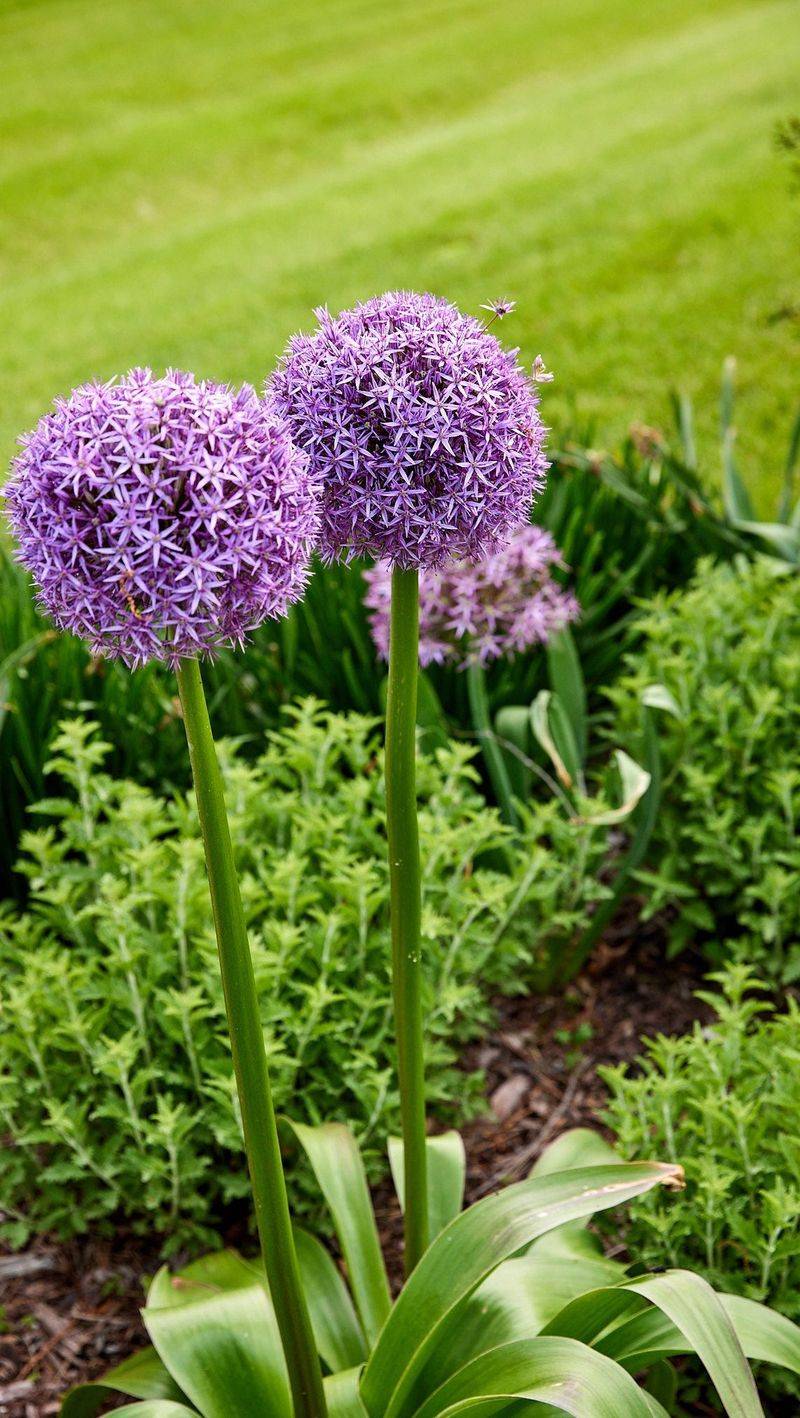
Giant purple globes bobbing on tall bare stems make alliums look like lollipops designed by a cartoonist. Ornamental onions bloom in late spring, filling the quiet gap after tulips fade and before summer perennials open.
Yes, they really are cousins of the onions in your kitchen, and a crushed leaf smells the part. That oniony scent comes from sulfur compounds, which explains why deer and rodents mostly leave alliums alone.
Most popular varieties grow well in zones 4 through 8, though hardiness varies a bit by type. Check the label before buying, especially for giant kinds like Globemaster with flower heads near ten inches wide.
Plant bulbs about two to three times as deep as they are tall, often six to eight inches. Space large types around eight inches apart so each big round head has room to show off.
Full sun and sharp drainage keep alliums happy, while wet winter soil often leads to rotting bulbs. Once settled, they handle dry spells nicely, which makes them a smart pick for sunny, forgetful gardeners.
Bees and butterflies crowd onto the tiny star-shaped florets, so expect plenty of buzzing activity during bloom time. I like leaving the dried seed heads standing, because they look like sparklers frozen in midair.
Allium leaves often turn yellow and floppy right as the flowers open, which can look a little messy. Tuck them behind leafy perennials like hostas or catmint to hide the foliage while the globes steal attention.
6. Snowdrop
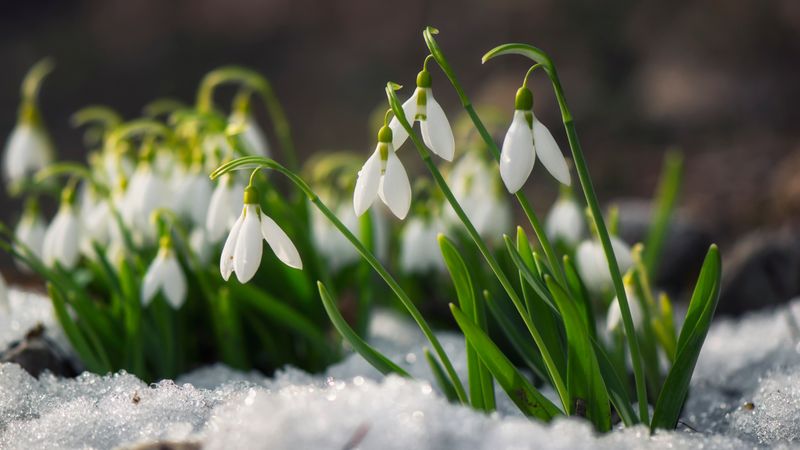
Snowdrops have a secret talent: their leaf tips are hardened to help push through frozen ground in late winter. I still get a little thrill finding their white bells nodding above the snow in February.
Each tiny flower hangs like a pearl earring, with three outer petals and a green-marked inner cup. The common snowdrop, Galanthus nivalis, grows only four to six inches tall, so plant it where you can see it.
Snowdrops are hardy in zones 3 through 7, which makes them a great fit for chilly northern gardens. They enjoy partial shade under deciduous trees, soaking up winter sun before the branches leaf out again.
Plant the small bulbs about three inches deep and three inches apart, pointed end facing up. Get them into the ground soon after buying, because dry snowdrop bulbs often struggle to recover.
Many experts actually prefer moving snowdrops in spring right after flowering, a method called planting in the green. Still, fresh dry bulbs planted this fall usually reward you, especially if the soil stays slightly moist.
Deer and rodents tend to ignore snowdrops, since the bulbs are toxic and taste unpleasant to most critters. Over the years, a handful of bulbs can slowly spread into wide white clumps under trees.
Their leaves fade by late spring, so neighboring perennials like ferns and hellebores can fill the space afterward. Pair them with a bench nearby, because these little bloomers deserve a close look on cold days.
7. Checkered Lily
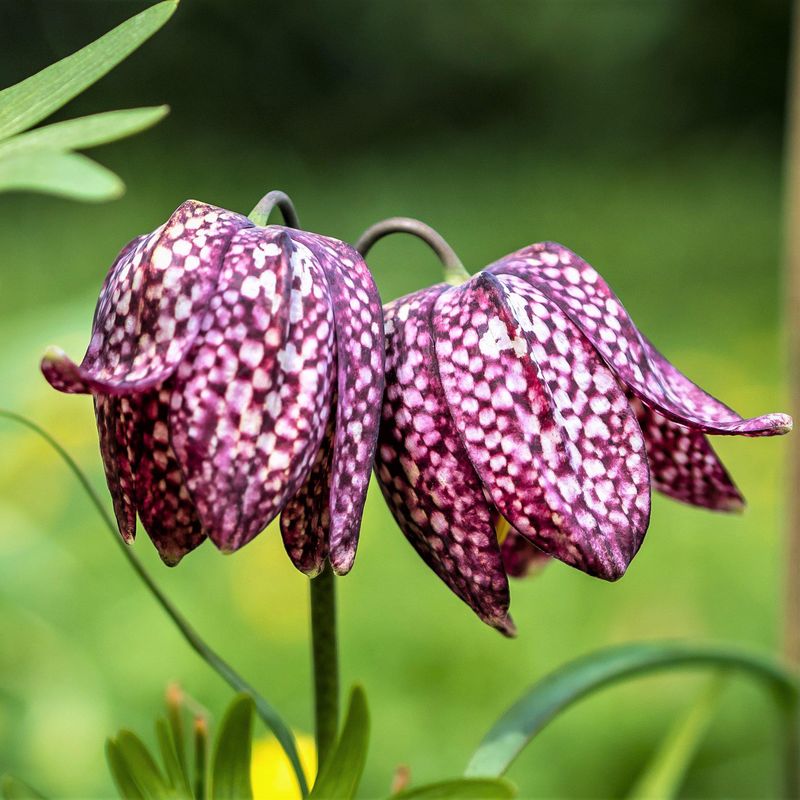
A flower covered in a perfect checkerboard pattern sounds made up, yet checkered lilies really look that way. Their nodding purple bells wear a tidy grid of light and dark squares, like tiny woven baskets.
Folks also call them snake’s head fritillary, because the pattern reminds some people of reptile scales. The scientific name, Fritillaria meleagris, even nods to the speckled guinea fowl, a bird with spotted feathers.
Checkered lilies grow in zones 3 through 8, and they handle our cold winters without any special care. Unlike most bulbs, they actually enjoy moist but well-drained soil, perfect for low spots and meadow edges.
The bulbs are small and delicate, with a hollow spot on top where water can sometimes collect. Plant them on their sides about four inches deep, which helps prevent rot during long, wet winters.
Handle them gently and plant quickly, because these bulbs lack a protective papery coat and dry out fast. Space them about four inches apart in clusters, giving the dainty blooms a fuller, more natural look.
Partial shade or sun both work, especially under trees that let dappled light reach the ground in spring. The flowers bloom in mid-spring on slender stems about a foot tall, swaying in the lightest breeze.
Deer and squirrels mostly leave fritillaries alone, which is a welcome break for gardeners tired of chewed tulips. Every spring visitor who spots these quirky blooms will want to know what on earth you planted.
8. Dwarf Iris
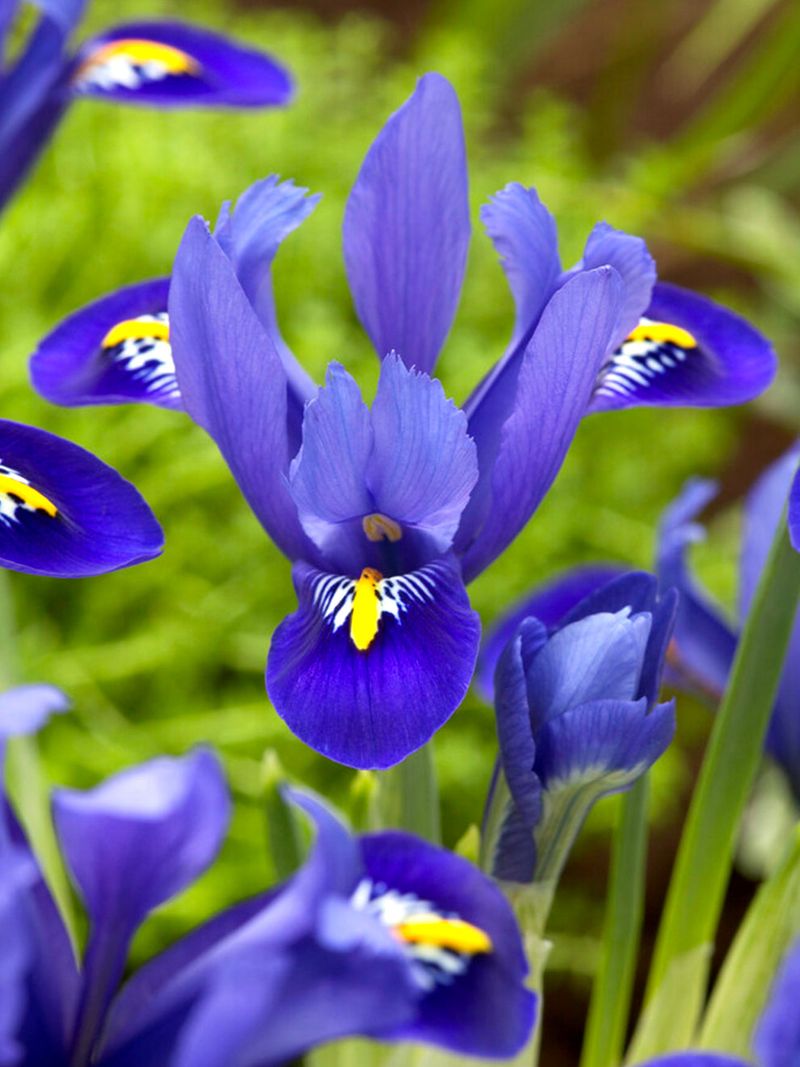
Dwarf irises bloom so low and so early that you might mistake them for fallen jewels on the mulch. I saved this one for last because it surprises nearly everyone who sees it in late winter.
Iris reticulata stands only four to six inches tall, yet each bloom shows off rich blue or purple petals. Look closely and you will spot bright yellow or white markings, like tiny landing strips for bees.
The name reticulata refers to the netted, fiber-covered skin wrapped around each small bulb like mesh. Many blooms carry a light sweet scent, which you will notice best when you kneel down close.
Dwarf irises grow well in zones 5 through 9, which covers most of Pennsylvania outside the coldest mountain pockets. Plant bulbs about four inches deep and three inches apart, pointy tips up, in a sunny well-drained spot.
Good drainage really matters here, since these little bulbs often rot in heavy clay that stays wet. Rock gardens make ideal homes, especially near sunny walkways where you pass by during chilly late-winter days.
Some bulbs split into tiny bulblets after blooming, so flowers may thin out after a few years. Planting them a little deeper and adding fresh bulbs every few falls keeps the show going strong.
Squirrels and deer seldom bother them, and they pair beautifully with early crocuses for a jewel-toned welcome. A dozen bulbs cost about as much as a fancy coffee, yet they brighten the gloomiest weeks of the year.