Real Reasons Your California Hydrangeas Leaf Out But Never Bloom
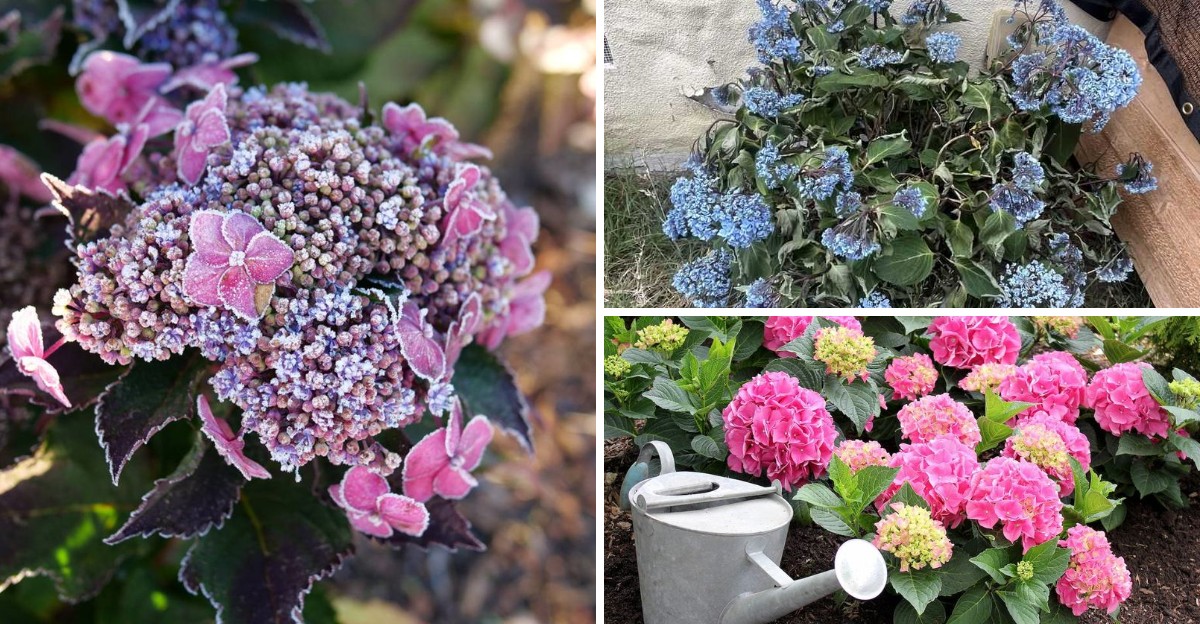
Midsummer can bring a puzzling sight in California yards. A hydrangea stands full and lush, its leaves broad and glossy, yet not a single flower appears.
Next door, a similar shrub may be bursting with blue and pink clusters.
Healthy foliage with no blooms usually points to something specific rather than a struggling plant.
The answer often hides in timing, placement, or habits that seem perfectly reasonable at the moment.
California’s varied climates add another layer, since coastal fog, inland heat, and foothill frost each bring their own challenges.
Fall, as it happens, is when many of these clues matter most. Understanding them now can turn next summer’s green mound into the colorful display it was meant to be.
1. Pruning At The Wrong Time Removes Buds
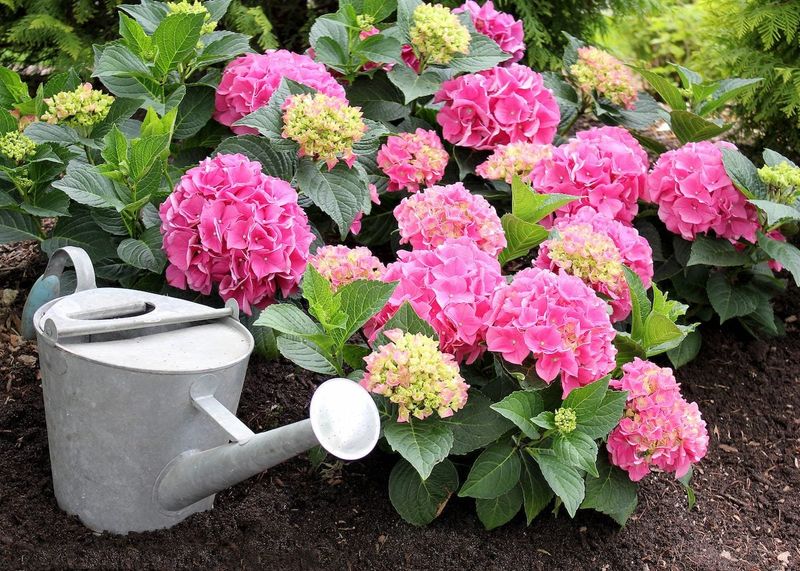
A tidy fall haircut feels productive, yet for many hydrangeas it’s the fastest way to lose next summer’s flowers.
Bigleaf and oakleaf types set flower buds in late summer and fall on stems that grew that year.
Those buds sit quietly at stem tips all winter. Stems cut back hard in autumn or early spring send them to the green waste bin.
The plant then pushes fresh, leafy growth, which explains all those healthy leaves with nothing on top.
UC guidance recommends pruning bigleaf hydrangeas right after flowering, usually by late summer, giving new shoots enough weeks to form buds before winter. Oakleaf types follow the same rule.
Not every hydrangea works this way. Panicle and smooth hydrangeas, such as Limelight and Annabelle, bloom on new wood and handle late-winter pruning without losing flowers.
The fix starts with identifying the type. Bigleaf stems that flowered get cut back to a healthy pair of buds right after blooms fade.
Removing a few of the oldest, woodiest canes at the base opens the shrub.
Unbloomed stems deserve leaving alone, since they carry next year’s show. In late winter, old dried flower heads can come off just above the first fat bud.
Pruners used like a scalpel rather than a lawnmower, and wiped with household disinfectant, help the flowers return.
October cleanup urges deserve extra caution right now, since those buds are already in place.
2. Late Frost Damages Flower Buds
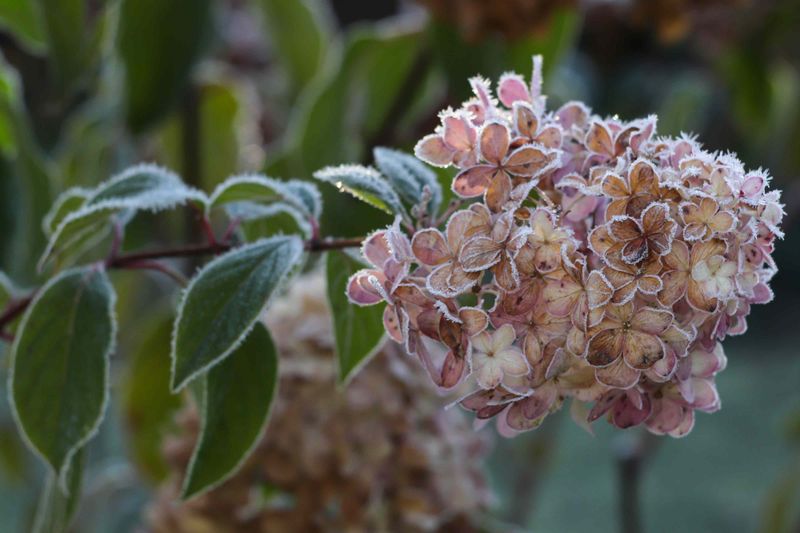
One cold March night can undo a whole year of patience. In inland valleys and foothills, a warm spell often wakes hydrangeas early, then frost arrives after buds start swelling.
Those tender buds are the most fragile part of the plant. Frost turns them brown or black, and they shrivel within days.
The shrub survives and sends out new leaves from lower buds, but those shoots usually carry no flowers.
Coastal gardeners rarely face this problem, since ocean air keeps nights milder. Gardens in Sacramento, Fresno, or the Sierra foothills see it far more often.
Protection starts with placement. A spot near a wall, fence, or high tree canopy traps warmth that softens cold nights.
Low spots where cold air settles like water in a bowl are best avoided.
Your California Garden Changes Every Week. Your Plan Should Too.
Gardening in California changes quickly throughout the season. Every Friday you’ll receive a simple weekly plan showing exactly what to plant, prune, fertilize, harvest, and protect so you never miss the right timing.
Forecasts deserve watching in late winter and early spring. When frost is predicted, frost cloth or an old bedsheet draped over the shrub in the evening helps.
A cover reaching the ground holds in soil warmth, and removing it the next morning prevents overheating.
Plastic sheeting touching leaves is best skipped, since it can transfer cold. Watering before a cold night helps too, because moist soil holds more heat than dry soil.
A little bedtime tucking can save a summer of blooms.
Fall offers a good time to stock frost cloth, before nurseries run low during the first cold snaps.
3. Too Much Shade Cuts Flowering
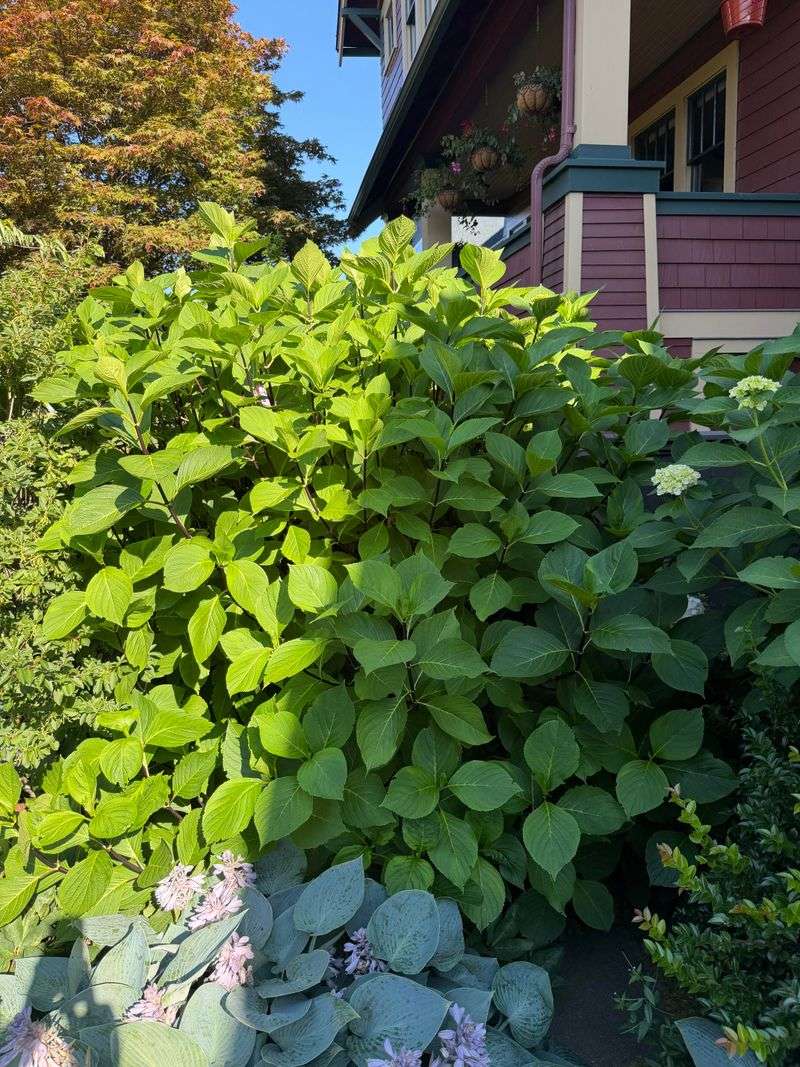
A hydrangea tucked along a north wall or under a spreading tree may have bloomed nicely a decade ago.
Since then, the tree has grown, and shadow covers the shrub most of the day.
Hydrangeas love part shade, yet they still need sunshine to make flowers. Leaves turn light into energy, and flower buds are expensive to build.
In deep shade, the plant has just enough fuel for leaves and little else.
The signs are easy to spot. Stems grow long and leggy as they stretch toward light, while leaves look large and dark and flowers stay small and few.
UC guidance suggests morning sun with afternoon shade as the sweet spot for bigleaf hydrangeas in most of California. Near the coast, plants handle more direct sun thanks to fog.
A full-day watch of the spot, counting hours of direct light, reveals the problem. About four hours of morning sun makes a good target.
Thinning a few tree branches can let in dappled light, ideally with help from a certified arborist for larger trees.
A spot that stays dark may call for moving the shrub in fall or winter while dormant, with a wide root ball, the same planting depth, and a deep watering.
Hydrangeas under native oaks deserve relocation anyway, since their summer water can encourage oak root diseases.
A brighter address often brings blooms back within a season or two.
4. Too Much Nitrogen Pushes Leaves
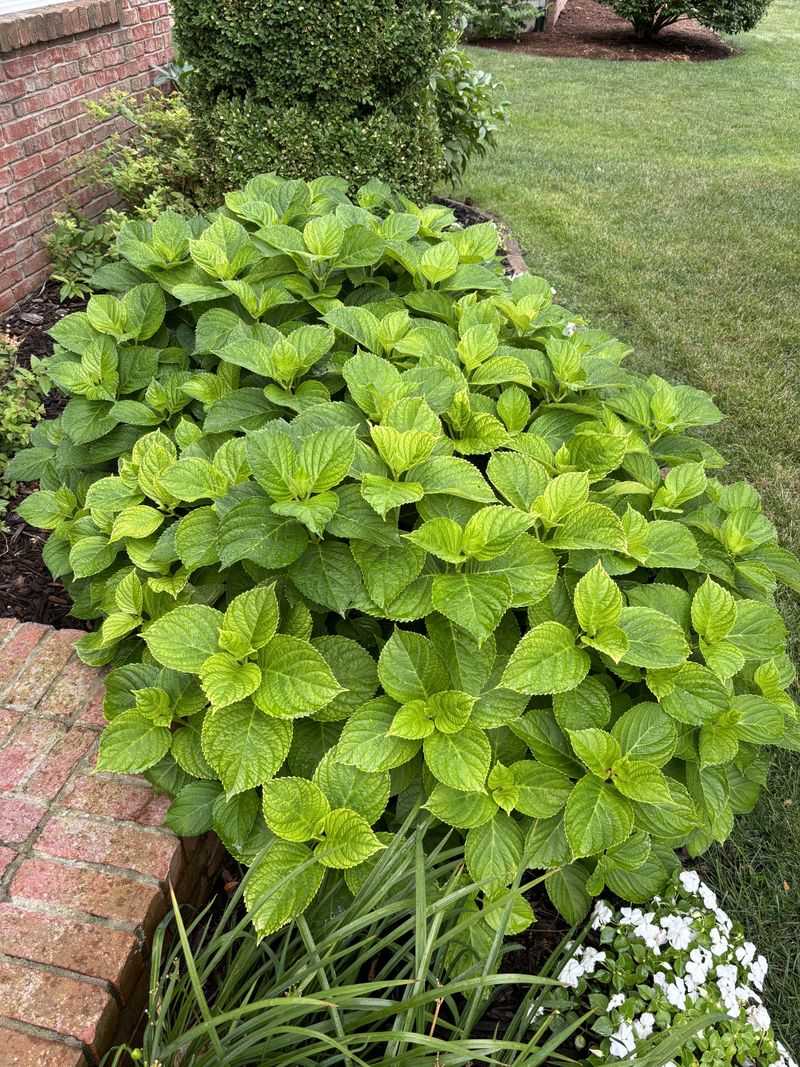
Love can be measured in fertilizer, and sometimes hydrangeas get a little too much. A plant fed generously every few weeks often answers with giant, gorgeous leaves and few flowers.
Nitrogen fuels leafy growth. Too much, and the plant pours energy into stems and foliage, while bud formation takes a back seat.
Lawn fertilizer offers a sneaky source. Hydrangeas planted beside turf often soak up high-nitrogen food meant for grass, since their roots spread wider than many expect.
UC guidance notes that hydrangeas need only modest feeding. A light application of balanced or slow-release fertilizer in spring is usually plenty.
Most garden soils enriched with compost already supply a good share of nutrients.
A fertilizer bag’s three numbers tell the story, with nitrogen listed first. A first number much higher than the others belongs on the lawn instead.
Resetting an overfed shrub starts with a season off from feeding. Compost or mulch adds gentle nutrition and keeps roots cool.
Lawn fertilizer works best kept a few feet beyond the shrub’s drip line.
Once the extra nitrogen fades, the plant usually shifts back to making buds. Sometimes the best help is a hands-off approach.
Fall feeding is best skipped entirely, since soft late growth has little time to harden before winter.
Many California soils already hold plenty of phosphorus, so pricey bloom boosters rarely solve the problem either.
5. Young Plants Need Time
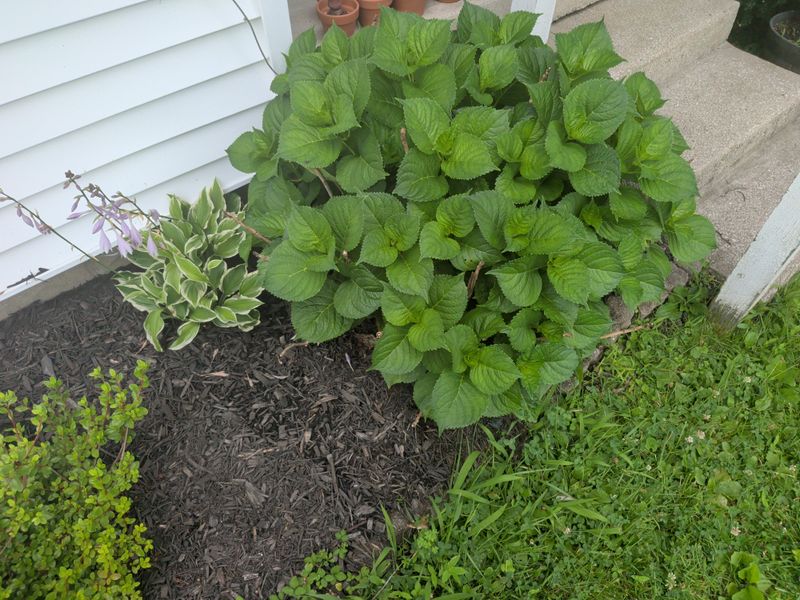
Many shoppers bring home a hydrangea loaded with nursery blooms. The next summer arrives, and the same plant grows nothing but leaves.
Nursery plants often grow under ideal greenhouse conditions with steady feeding and perfect timing.
Once planted in a yard, the shrub must adjust to new soil, light, and weather, and its first job is building roots rather than putting on a show.
Very young plants, such as small starter pots or rooted cuttings, may also be too immature to flower well. They need a season or two to build sturdy stems.
Patience is the main fix, though a few habits help. Deep, regular watering during the first two summers matters, since new roots dry out fast.
Two to three inches of mulch around the base, kept a few inches from stems, holds moisture. Within five feet of the house, Zone 0 rules exclude bark mulch.
Heavy pruning is best avoided during these early years, since every stem kept could carry a bud next season. Only broken or damaged pieces need removal.
Light feeding matters too. A young shrub pumped with nitrogen may grow big and leafy without blooming at all.
Most bigleaf hydrangeas settle in and flower within one to two years after planting. Once roots feel at home, flowers tend to follow.
Fall planting gives young shrubs a head start, since winter rains help roots establish before summer heat.
6. Drought Stress Prevents Bud Formation
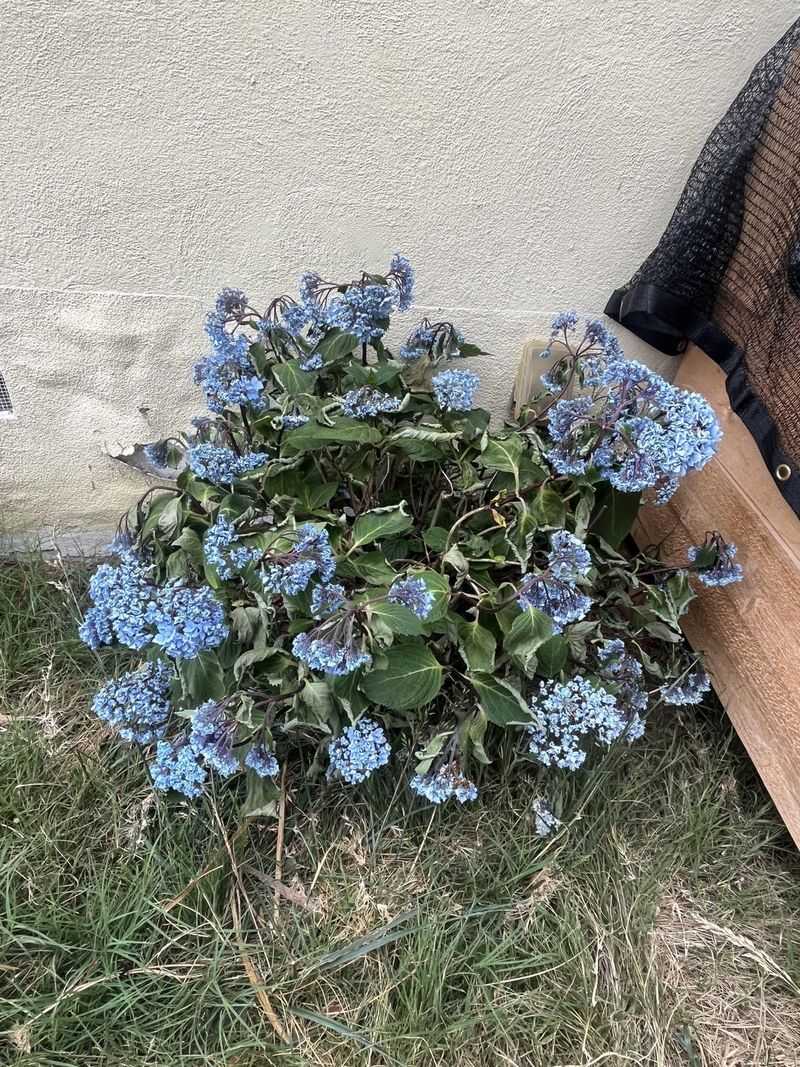
Late August in California can feel like an oven, and at that exact moment, hydrangeas are quietly building next year’s flower buds. A few skipped waterings can halt that work.
The name hints at its thirst. Hydrangea comes from Greek words meaning water vessel, and bigleaf types have broad, thin leaves that lose moisture quickly.
When water runs short, the shrub switches to survival mode, dropping energy-hungry tasks like bud formation to keep leaves alive.
Wilting, crispy edges, or yellow leaves serve as warning signs worth noticing quickly.
California’s dry summers and water limits make this a real challenge, yet deep watering beats frequent sprinkles. A slow soak should reach eight to twelve inches down.
Drip irrigation or a soaker hose works well and wastes less water, especially when run early in the morning before heat steals moisture.
A finger pushed a couple of inches into the soil offers the best check. Sandy soils need attention more often than clay.
Mulch helps considerably here. A layer of shredded bark or compost beyond five feet of the house keeps roots cooler and slows evaporation.
Yards that truly can’t support a thirsty shrub might suit oakleaf hydrangea better, since it handles dry spells a bit more easily once established.
Fall watering still matters, too, since many areas stay dry until November and buds have already formed.
7. Hard Afternoon Sun Burns Buds
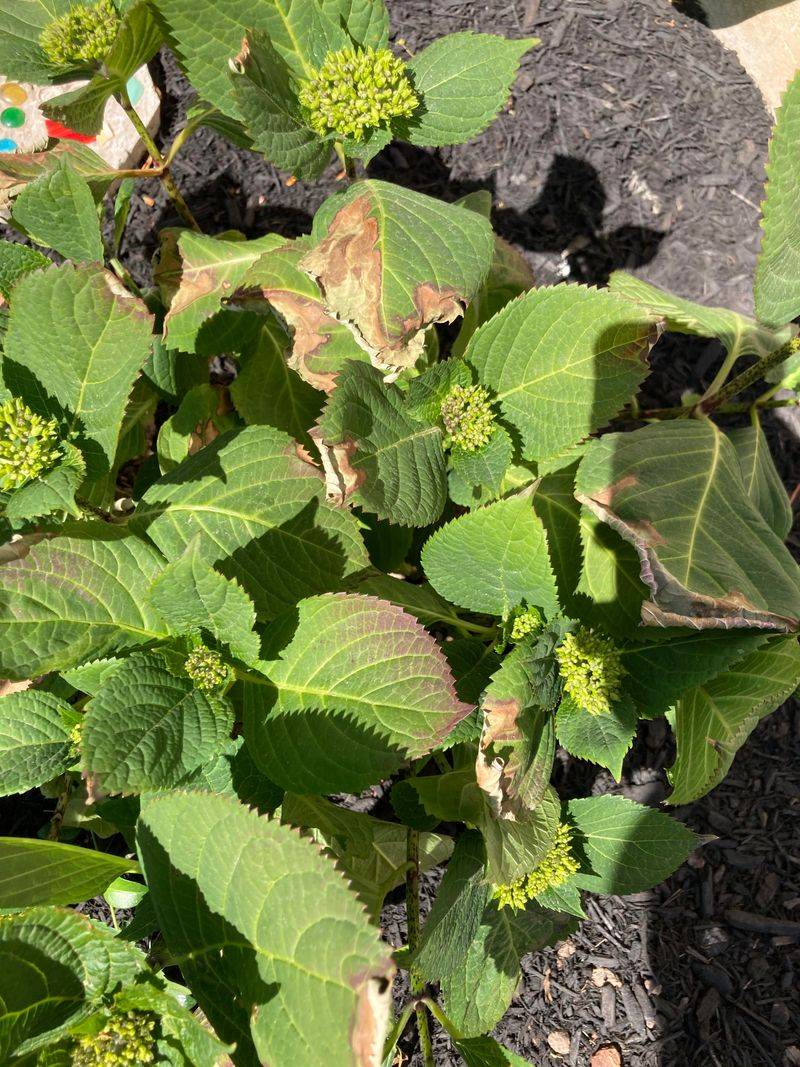
Brown, papery patches on leaves offer a loud clue, along with buds that look toasted before opening. The hydrangea may be suffering a serious sunburn.
Inland California afternoon sun is fierce. Temperatures above 95 degrees combined with direct rays can scorch tender tissue quickly.
Hydrangeas against a west or south wall face extra heat bouncing off stucco, brick, or pavement.
Burned leaves can no longer make energy, and developing buds dry out and struggle. The shrub may push new leaves to replace the damage, creating that green-but-flowerless look.
UC guidance favors morning sun and afternoon shade for bigleaf hydrangeas away from the coast, where fog and cool breezes allow more sun.
A simple sun audit helps. Noting where shadows fall from noon until evening shows whether the plant bakes from 2 to 6 p.m.
Quick fixes include shade cloth rated around 30 to 50 percent, hung on stakes during heat waves. A patio umbrella works in a pinch.
A small tree or tall shrub planted to the west adds lasting shade over time.
Relocating to an east-facing spot may offer the best long-term solution, ideally during cool, dormant months.
Paired with deep watering, cooler afternoons let the plant keep its buds rather than losing them to scorch.
Santa Ana heat in October can scorch leaves too, so a temporary shade cloth during those spells protects buds already forming.
8. Wrong Variety For Your Winter
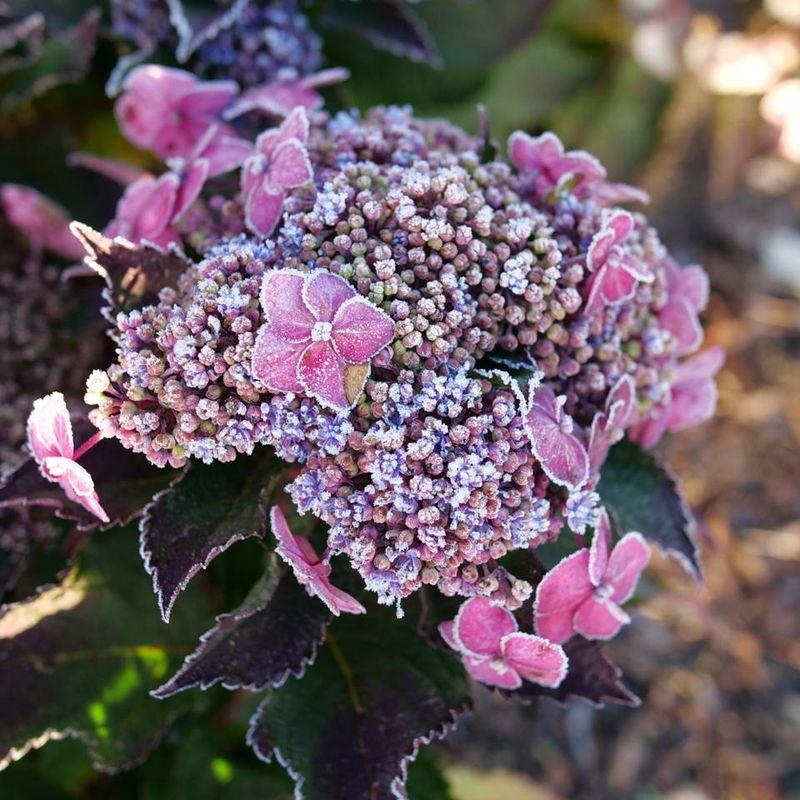
Some hydrangeas simply mismatch their neighborhood. A variety thriving in a mild coastal garden might struggle in a chilly foothill yard, and the reverse can happen too.
Classic bigleaf hydrangeas bloom only on old wood. Where cold snaps or late frosts occur, those overwintering buds stay at risk, and one bad night can erase a year’s flowers.
Reblooming bigleaf types offer a smart backup plan. Series such as Endless Summer bloom on both old and new wood.
When frost or a pruning mistake removes old buds, new stems can still flower later in summer.
Hydrangeas also need some winter chill to bloom well. In very warm low-desert or frost-free areas, certain bigleaf types may get too little rest.
Smooth and panicle hydrangeas bloom reliably on new wood and handle colder spots with ease.
Local nurseries and UC ANR resources can point toward varieties that perform well in a specific climate zone.
Plant tags deserve a close read for phrases such as reblooming or blooms on new wood, along with sun needs that match the planting spot.
A shrub that keeps struggling despite good care may simply need a swap. Passing it to a friend with a better spot gives it a second chance.
The ASPCA lists hydrangeas as toxic to cats and dogs, so any new planting works best away from pets that chew leaves.
Fall planting in much of California gives a new variety strong roots before its first bloom season.