The One Cause Of Curling Citrus Leaves In California This Summer
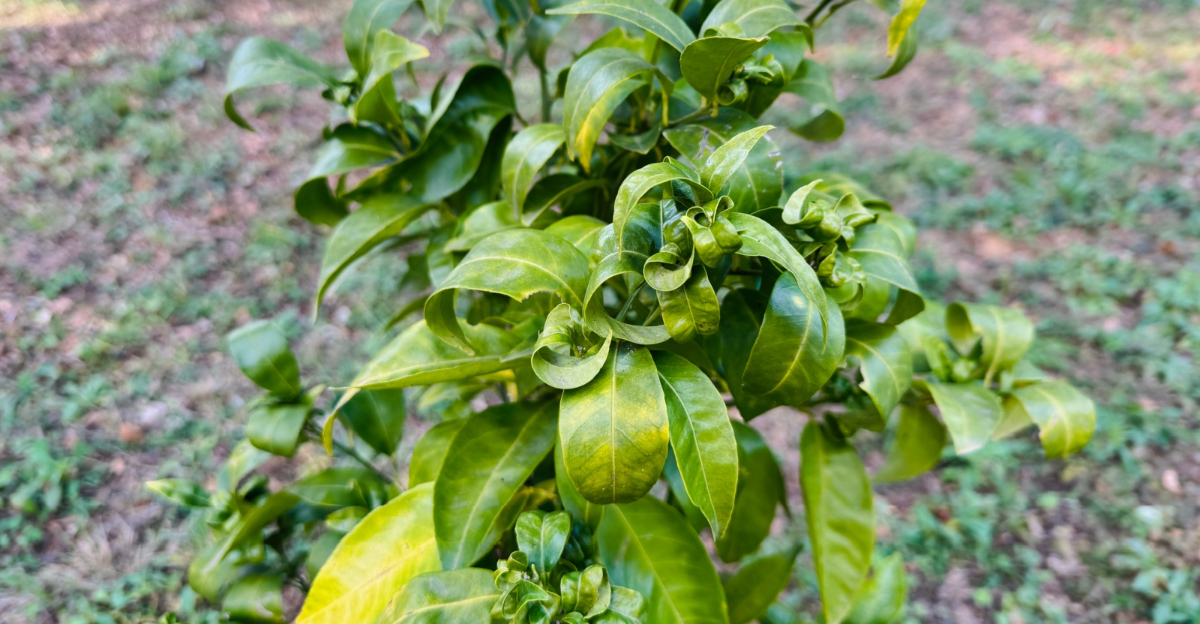
Curled leaves on your lemon tree mean changes are happening fast. Heat waves across California are testing your citrus without any warning.
Drought stress is quietly disrupting the water flowing through your leaves. Worry won’t save your tree, but knowledge will. California summers push your lemon tree past its comfort zone repeatedly.
Your roots can’t pull enough moisture when soil dries out completely. Leaves curl inward to protect your tree from further water loss. Understanding this response puts you ahead of anxious neighbors.
Soil temperature spikes can quietly overheat your root systems underground. Watering habits often make your problem worse, not better.
Timing matters more than you realize during intense heat waves. Nutrient deficiencies can mimic drought symptoms, confusing even you.
Diagnosing correctly saves your tree from unnecessary chemical treatments. Every symptom tells you a story worth decoding immediately. You won’t want to miss what’s actually happening inside your leaves.
What Causes Citrus Leaves To Curl In California Summers
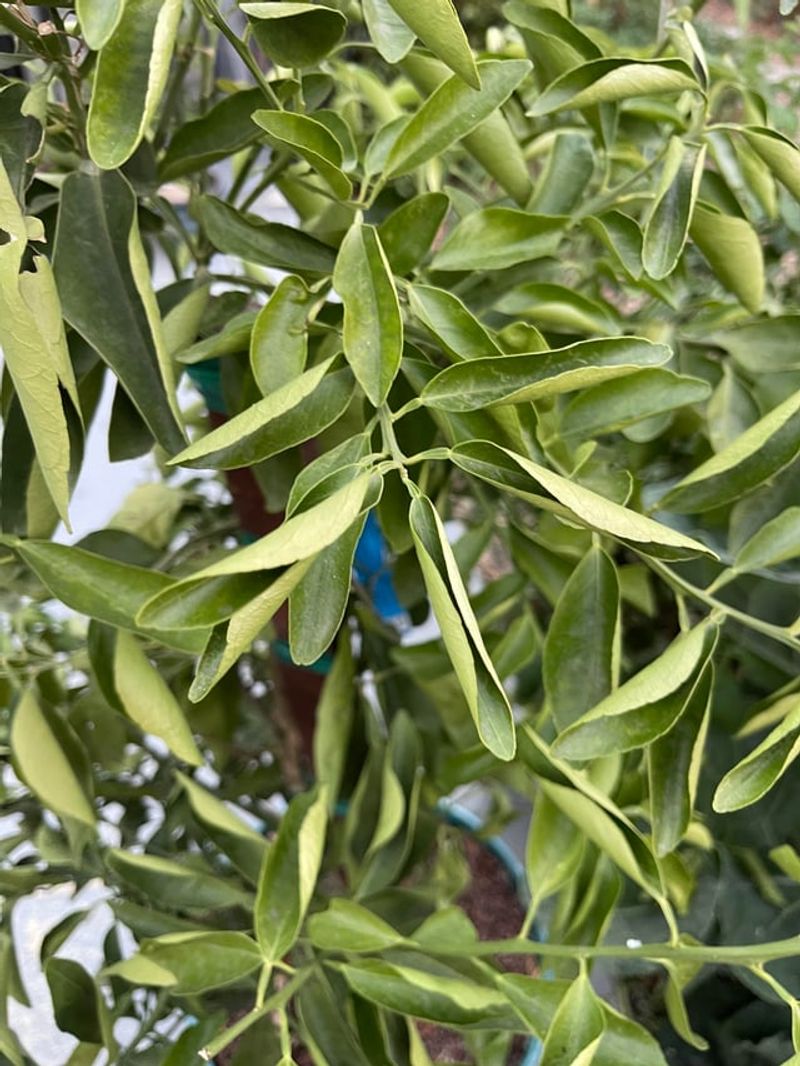
Walk outside on a hot July afternoon and your citrus tree tells a story. The leaves curl inward as a protective response to intense heat.
That curling is not random. It is a survival response triggered by intense heat and moisture loss happening inside each leaf.
Curling citrus leaves in California summers are almost always connected to heat and drought stress. The tree is signaling that it needs help.
When temperatures climb into the mid-nineties or higher, citrus trees can lose water through their leaves faster than roots can replace it. The leaf curls to reduce the surface area exposed to hot, dry air.
Think of it like a person squinting in bright sunlight. The tree is doing the same thing, just with its foliage instead of eyes.
Coastal growers may see this less often, but inland valleys are affected most. Riverside, Fresno, and Sacramento gardeners deal with this challenge every summer.
The good news is that curling leaves rarely mean permanent damage. Catch it early and your tree bounces back surprisingly fast.
Soil type, sun exposure, and watering habits all play supporting roles. But heat and drought stress are the primary cause behind most curling episodes.
Knowing the real cause saves you from chasing phantom problems like pests or disease. Start with stress, and you will usually find your answer right there.
How Heat Stress Triggers Leaf Curling
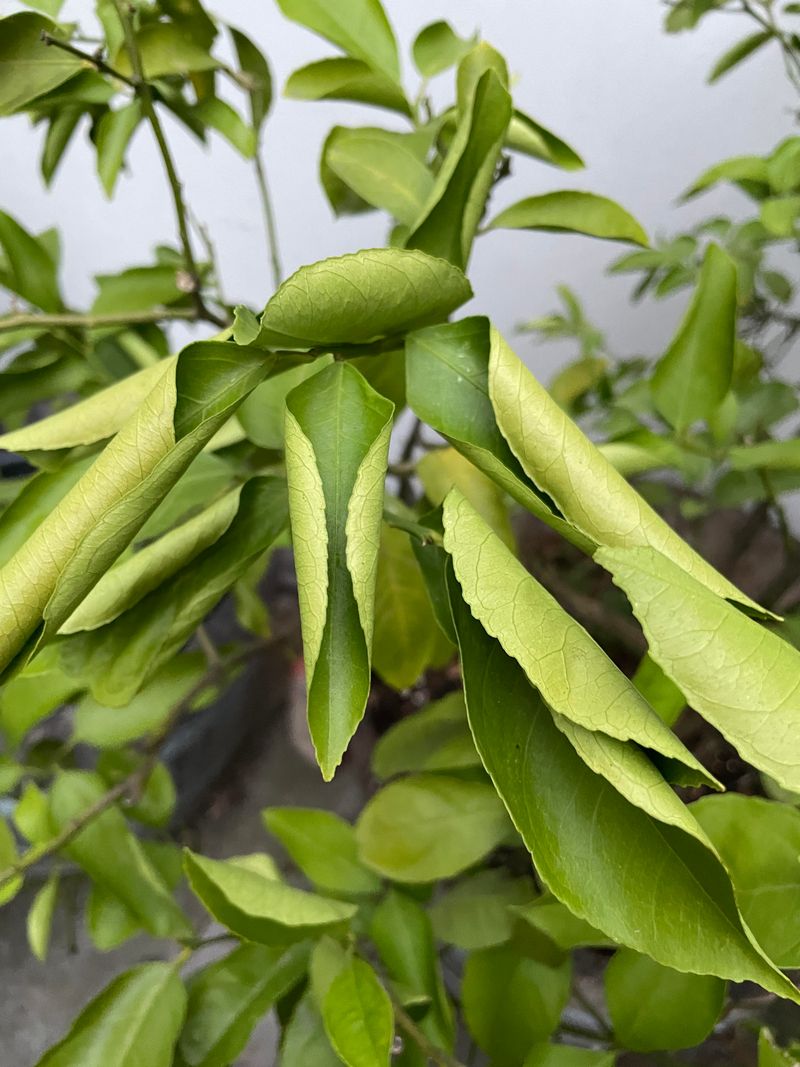
Heat stress is sneaky. It builds slowly through the day, then overwhelms your citrus tree all at once by early afternoon.
When air temperatures climb into extreme heat, the tree’s internal water pressure can drop sharply. Leaves curl inward to cut down on water escaping through tiny pores called stomata.
Stomata are like little doors on the leaf surface. When the tree gets too hot, it closes those openings and the leaf curls as a side effect.
Photosynthesis slows down dramatically during extreme heat. The tree essentially pauses its food-making process to focus purely on surviving the temperature spike.
Young trees feel heat stress faster than established ones. Their root systems are smaller and less capable of pulling deep soil moisture during a heat wave.
Your California Garden Changes Every Week. Your Plan Should Too.
Gardening in California changes quickly throughout the season. Every Friday you’ll receive a simple weekly plan showing exactly what to plant, prune, fertilize, harvest, and protect so you never miss the right timing.
Container-grown citrus trees are affected even more. Pots heat up fast in direct sun, overheating the roots and reducing water uptake from below.
You might notice the curling gets worse between noon and four in the afternoon. That window represents peak heat load on the tree each day.
Leaves that stay curled overnight after temperatures drop are sending a stronger warning signal. That pattern suggests the stress has been building for several days in a row.
Catching heat stress early means acting before the tree starts dropping fruit or foliage. A little shade cloth and a good deep watering can shift things quickly.
Recognizing Drought Stress In Citrus Trees
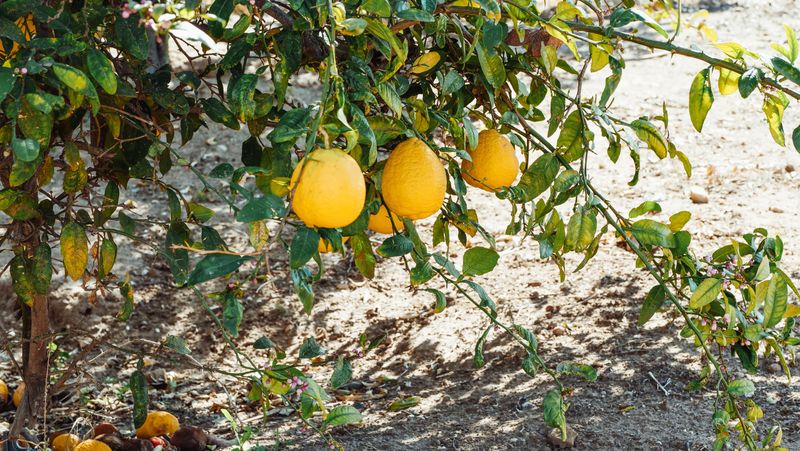
Drought stress looks similar to heat stress but has its own specific clues. Knowing the difference helps you respond with exactly the right fix.
The most obvious sign is soil that is bone dry two inches below the surface. Stick your finger into the ground near the drip line and you will feel it immediately.
Curling citrus leaves from drought tend to look dull and slightly grayish. Heat-stressed leaves usually keep their color but curl tightly along the midrib.
Wilting that does not recover overnight is a red flag. When morning temperatures drop and leaves stay curled, drought stress is almost certainly the cause.
Citrus trees need consistent moisture, especially during fruit development. A dry spell lasting even five to seven days in peak summer can trigger serious leaf curl.
Check your irrigation system before assuming the tree is the problem. Clogged emitters, broken lines, and shifted sprinkler heads are common culprits hiding in plain sight.
Sandy soils drain fast and dry out between watering cycles. Clay soils hold moisture longer but can develop surface crust that blocks water from reaching roots.
Mulching around the base of the tree makes a surprisingly big difference. A three-inch layer of wood chips slows evaporation and keeps soil temperature more stable.
Spotting drought stress early gives you a clear path forward. Water deeply, mulch well, and watch those leaves slowly relax back to their natural shape over several days.
Watering Citrus Trees Correctly During Summer
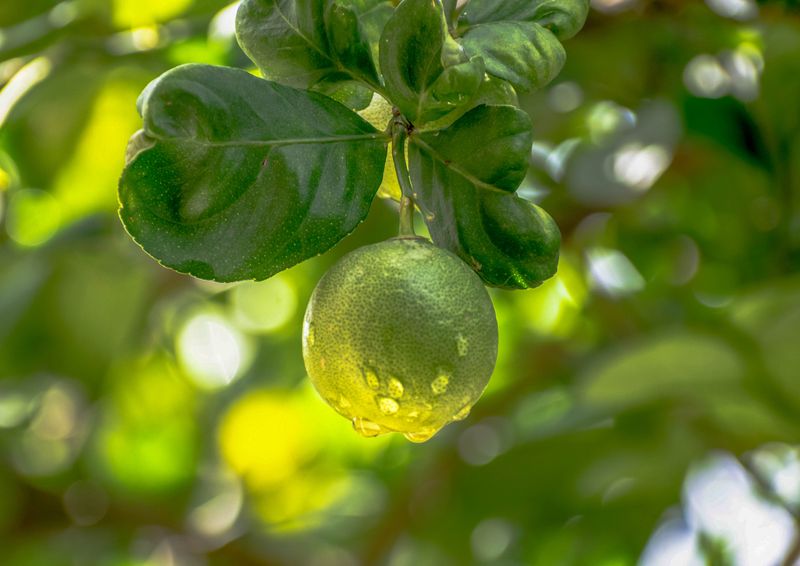
Watering seems simple until you realize most people do it completely wrong. Shallow, frequent watering is one of the biggest mistakes citrus growers make every summer.
Citrus trees need deep, infrequent watering to thrive. Roots chase moisture downward, and shallow watering keeps them stuck near the surface where heat weakens them.
A mature citrus tree in summer heat typically needs a deep, thorough watering session, though exact amounts vary by tree size and soil type. That surprises most backyard growers who assume a quick sprinkle is enough.
Water slowly so the soil absorbs it rather than letting it run off. A drip system set to run for several hours beats a quick five-minute sprinkler burst every single time.
Early morning watering is far more effective than evening sessions. Morning moisture soaks in before heat peaks, and roots have all day to absorb what they need.
Check soil moisture at the drip line, not directly at the trunk. That outer zone is where feeder roots actually live and where water does the most good.
During a heat wave, you may need to water every three to four days instead of weekly. Pay attention to the tree rather than following a rigid calendar schedule.
Avoid wetting the trunk and lower branches repeatedly. Constant moisture near the base invites fungal problems that compound the stress your tree is already dealing with.
Getting your watering rhythm right is the single most powerful thing you can do. Healthy hydration turns curling leaves back into flat, glossy, productive foliage within days.
Other Contributing Factors To Watch For
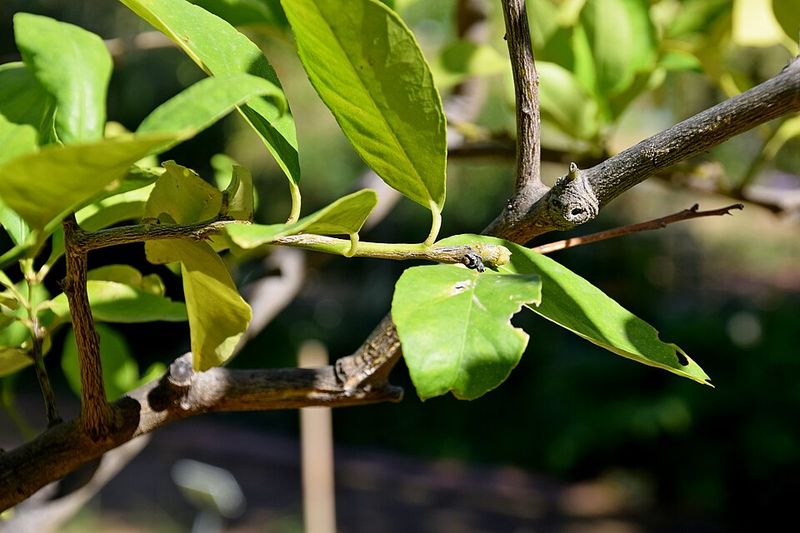
Heat and drought stress get most of the blame, but other factors sometimes pile on top. Knowing what else can cause curling helps you solve trickier problems faster.
Aphids cluster on new growth and suck sap from tender leaves. Their feeding causes leaves to pucker, twist, and curl in ways that look almost identical to stress curling.
Check the undersides of curled leaves carefully. Tiny green, black, or brown insects hiding there tell you pest pressure is part of the equation this season.
Citrus leafminer is another common offender in warm regions. The larvae tunnel through leaf tissue and leave a distinctive silvery trail as the leaf curls and twists.
Root rot from overwatering can also cause curling, which confuses many growers. The tree cannot absorb water from damaged roots, so it curls leaves even when the soil feels wet.
Nutrient deficiencies sometimes trigger curling too. Low magnesium or zinc shows up as twisted, pale leaves that look stressed even when watering seems adequate.
Herbicide drift from nearby lawns or fields is an underrated cause. Certain weed sprays can cause dramatic leaf curl when they contact citrus foliage even in tiny amounts.
Strong, hot winds strip moisture from leaves faster than roots can replace it. Wind-exposed trees in open yards often show more curling than sheltered ones nearby.
Ruling out these secondary causes gives you a complete picture. Sometimes the answer is one factor, but often summer stress and pests team up against your tree together.
Protecting Citrus Trees From Heat Long-Term
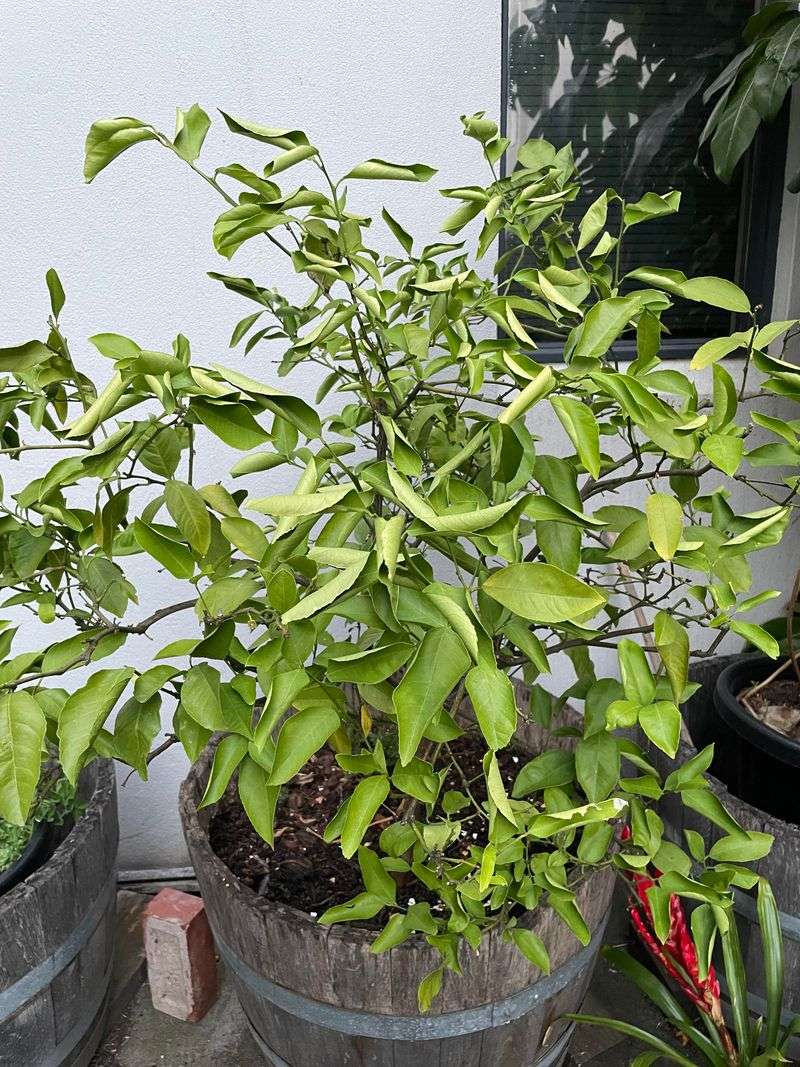
Short-term fixes help, but building real heat resilience into your citrus trees pays off for years. A little planning now saves a lot of stress later every summer.
Shade cloth rated at thirty to forty percent can significantly help young trees. Draping it over vulnerable trees during peak summer afternoons cuts leaf temperature noticeably.
Established trees benefit from strategic planting near a west-facing wall or fence. That barrier blocks the harshest afternoon sun without reducing the morning light trees need for fruiting.
Deep root watering systems installed below the soil surface deliver moisture exactly where it matters. Underground drip lines keep root zones consistently moist even during multi-day heat events.
Applying a thick organic mulch layer every spring builds long-term soil health. Decomposing wood chips improve water retention and feed beneficial soil microbes that support root function.
Whitewashing exposed tree trunks with diluted latex paint prevents sunscald on thin-barked young trees. That method is old but has been shown to help in hot inland climates.
Fertilizing correctly matters more than most growers realize. Avoid high-nitrogen fertilizers during summer heat because they push soft new growth that wilts and curls almost immediately.
Pruning to open the canopy slightly improves airflow and reduces internal heat buildup. A dense, closed canopy traps hot air and stresses the tree from the inside out.
Long-term protection turns a vulnerable tree into a resilient one. Citrus trees that survive summer stress well become stronger and more productive each passing year.
When To Call A Professional About Curling Citrus Leaves
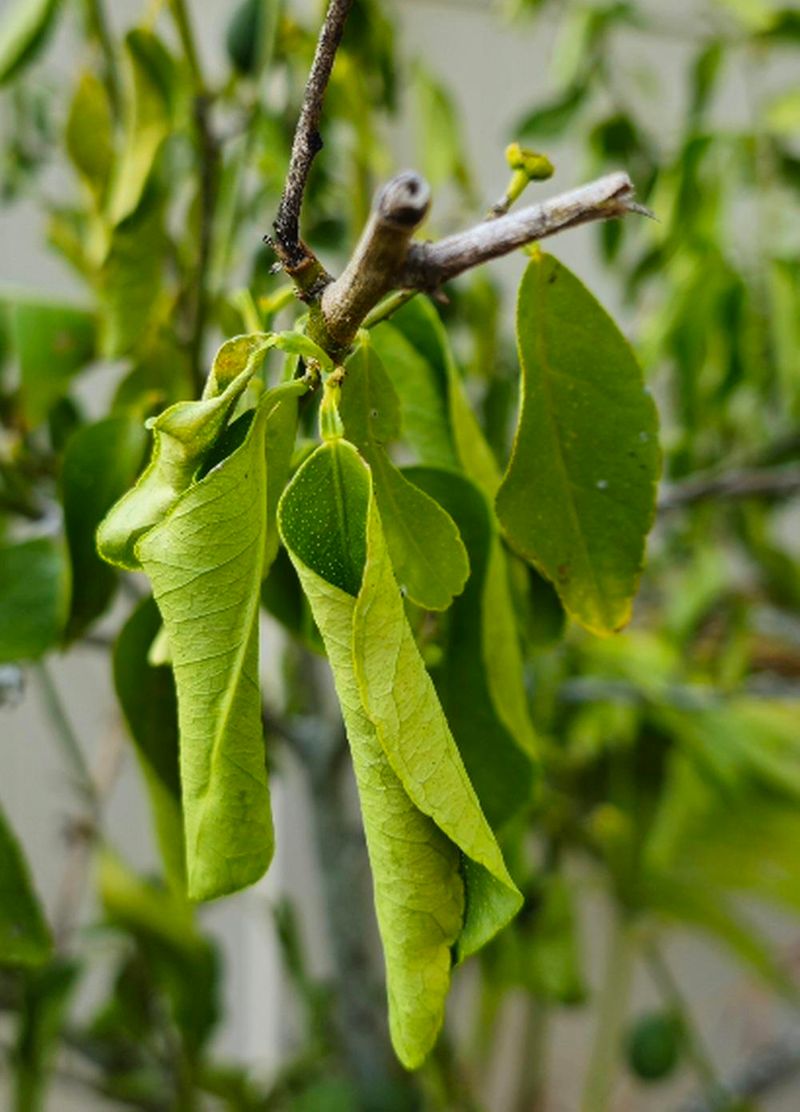
Most curling leaf problems respond well to better watering and some afternoon shade. But sometimes the problem runs deeper than basic care can fix on its own.
If leaves keep curling after two weeks of improved watering, something else is likely going on. Persistent curling despite good care deserves a closer professional look.
A certified arborist or UC Cooperative Extension advisor can diagnose problems you cannot see. Root rot, soil toxicity, and systemic infections are hard to spot without training and tools.
Soil testing is worth doing if your tree seems perpetually stressed year after year. A simple test reveals pH problems and nutrient gaps that explain chronic leaf curl mysteries.
Citrus greening disease, a serious condition monitored closely by California agricultural officials, causes unusual leaf symptoms. An expert can rule it out quickly and give you real peace of mind.
Pest infestations that spread to multiple trees need professional intervention fast. Scale insects and mites can spread through an entire yard before early signs are noticed.
Local nurseries with knowledgeable staff are an underused resource for backyard growers. Many offer free consultations and can identify common regional problems specific to your area.
Taking photos of the curling citrus leaves over several days helps professionals diagnose faster. Visual documentation of the progression tells a clearer story than a single snapshot ever could.
Knowing when to ask for help is a strength, not a failure. Getting the right answer early saves your tree, your fruit, and your sanity before summer ends.