Pick Your Satsumas Before The First Frost? What North Florida Growers Should Know
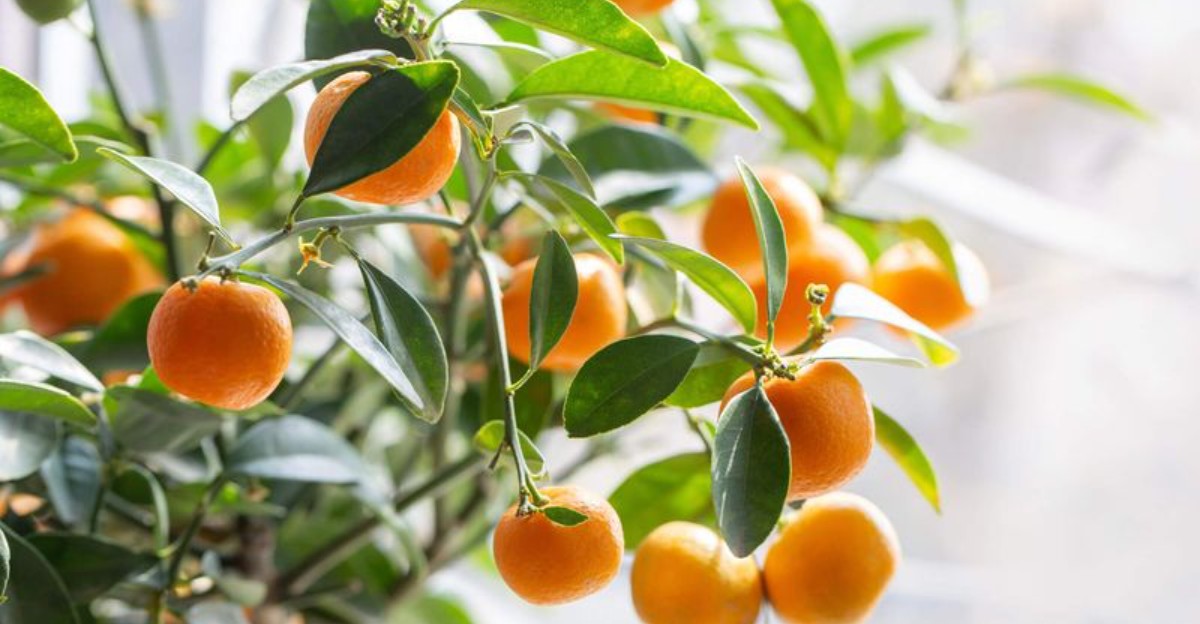
Satsumas have a reputation as the tough guys of the citrus world. North Florida growers still argue about what that toughness really covers.
The fruit hangs there glowing orange while the forecast slides toward the thirties. Every neighbor has a theory.
One swears by an early harvest. Another leaves the tree alone and sleeps like a baby.
Both show off sweet proof at the fence.
The fruit and the tree don’t handle cold the same way, and that gap changes the whole picture. Temperature, timing, and even the taste in your mouth all play a part.
Guess wrong in one direction and you lose flavor. Guess wrong in the other and you lose a lot more.
Pull up the forecast, then read up before you grab the basket. The right call could save your crop and a few regrets.
1. Satsumas Ripen From October Through December
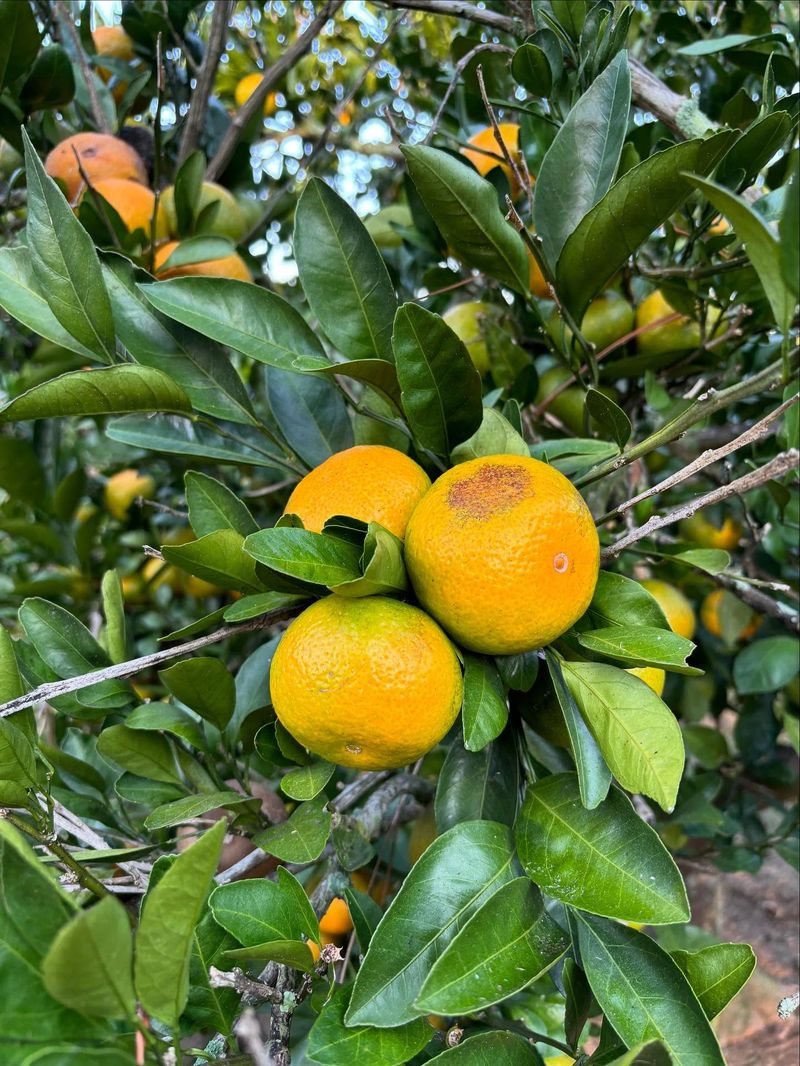
Mark your calendar, because satsuma season in North Florida is short and sweet. Most trees here start offering fruit in October and keep going into December.
The exact timing depends on which variety you planted. Some early types, like Early St. Ann, can be ready from mid-September to mid-October.
Brown Select usually comes in about two weeks ahead of Owari. Owari is the most common satsuma in Florida, and it tends to ripen in November.
Where you live matters too. Growers farther north in the state may see their fruit ripen a bit later than folks closer to Central Florida.
Weather plays a part as well. A warm fall can slow color changes, while a cool snap may speed things along a little.
Not sure which kind you have? Check the old nursery tag, or ask the person who planted the tree.
Knowing your variety helps you plan ahead. You can start checking fruit at the right time instead of guessing.
A good habit is to walk past your tree each week once October arrives. Look at the fruit, give it a gentle squeeze, and note any changes in a simple garden notebook.
Over a few seasons, those notes become your own personal ripening guide. That beats any chart you will find online.
2. Ripe Satsumas Turn Slightly Soft
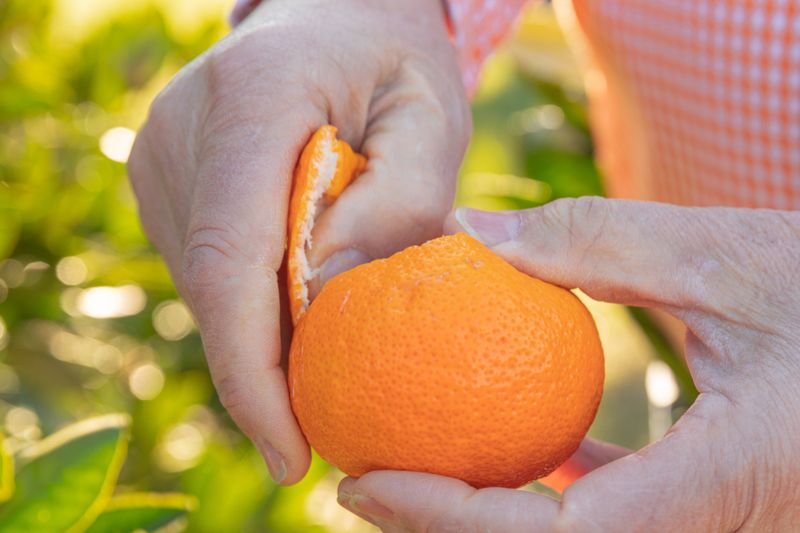
Your fingertips might be the best ripeness tool you own. A ripe satsuma has a little give when you press it gently.
Unripe fruit feels firm, almost like a hard ball. As the sugars build up, the peel loosens and the fruit softens just a touch.
Picture squeezing a ripe peach, but even lighter. You want a slight cushion, not a mushy spot.
That loose, soft feel also makes satsumas famous for easy peeling. Kids love them for this reason, since the skin often slips off in one or two big pieces.
As the season moves along, you may notice the fruit getting softer and easier to peel each week. That is a sign the tree is hitting its peak.
Be careful not to press too hard. Satsuma skin is thin and tender, and rough handling can leave bruises.
Your Florida Garden Changes Every Week. Your Plan Should Too.
Gardening in Florida changes quickly throughout the season. Every Friday you’ll receive a simple weekly plan showing exactly what to plant, prune, fertilize, harvest, and protect so you never miss the right timing.
Try testing fruit from different parts of the tree. Fruit on the sunny south side often ripens sooner than fruit tucked inside the shady canopy.
Fun fact: satsumas are sometimes called zipper-skin fruit because the peel comes off so easily. That loose peel is part of their charm.
Pair the squeeze test with other clues, like taste and timing. Together, they give you a clear picture of when to start picking.
3. Ripe Fruit Can Still Show Some Green
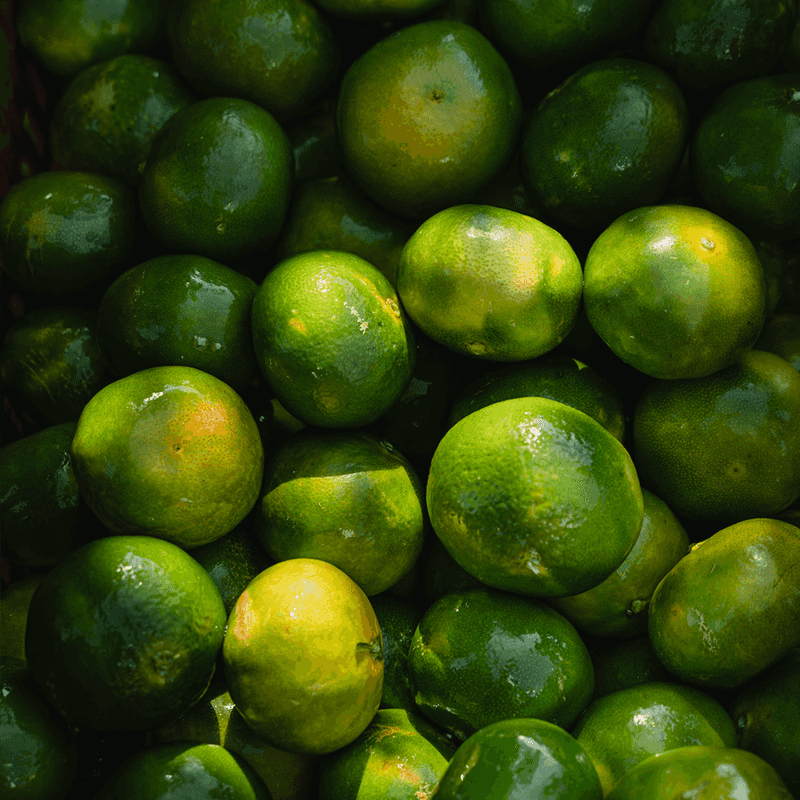
Here is a surprise that trips up plenty of new growers. A satsuma with green patches on its skin can be fully ripe and sweet inside.
Many people wait for a deep, perfect orange before picking. In Florida, that can mean waiting too long.
Peel color depends a lot on cool nights. Citrus skin turns orange when temperatures drop, which breaks down the green color in the peel.
North Florida falls are often warm and mild. So the inside of the fruit may be ready while the outside still looks a bit unfinished.
Store-bought citrus sometimes gets treated to even out its color. Backyard fruit skips that step, so it looks more natural and patchy.
Remember this key point too. Citrus does not get sweeter after you pick it, so the sugar level on harvest day is what you get.
That is why color alone is not a trustworthy guide. A greenish fruit might taste amazing, while a bright orange one might still be a little sour.
Do not judge a satsuma by its jacket. Use softness, timing, and a taste test to make your call.
Once you learn this trick, you might start picking a week or two earlier than your neighbors. Enjoy that head start.
4. Taste-Test A Few Before Picking The Whole Tree
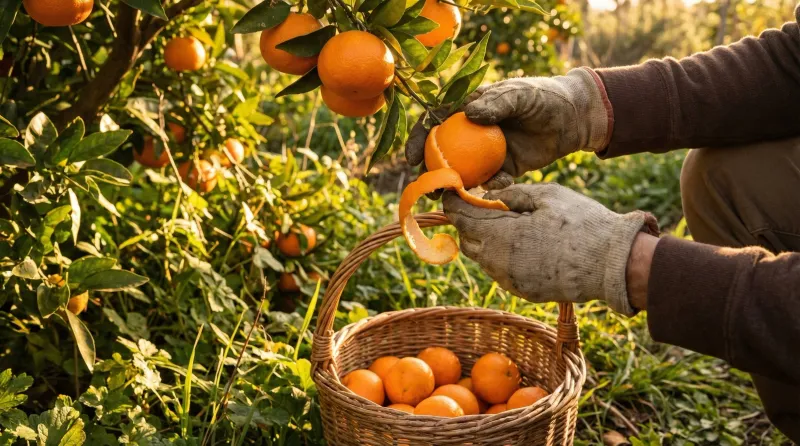
Good news: the best ripeness test is also the most delicious one. Grab a few satsumas and eat them.
Experts at the University of Florida agree that tasting is the surest way to know if fruit is ready. Your mouth can tell you things your eyes and hands cannot.
Pick three or four fruits from different spots on the tree. Try one from the top, one from the sunny side, and one from deeper inside.
Are they sweet enough for you? Some people like a little tang, while others want candy-level sweetness.
Since taste is personal, you get to set the bar. If the fruit seems sour, wait a week and try again.
Do not rush to strip the whole tree after one good bite. A single sweet fruit might just be an early bloomer.
Keep in mind that citrus will not keep sweetening on your counter. Once it leaves the branch, the flavor is locked in place.
Make tasting a family event. Kids can help score each fruit on a scale of one to five, which turns a chore into a game.
When most samples taste great, you have your green light. Grab the basket and start harvesting with confidence.
5. The Fruit Usually Handles A Light Frost
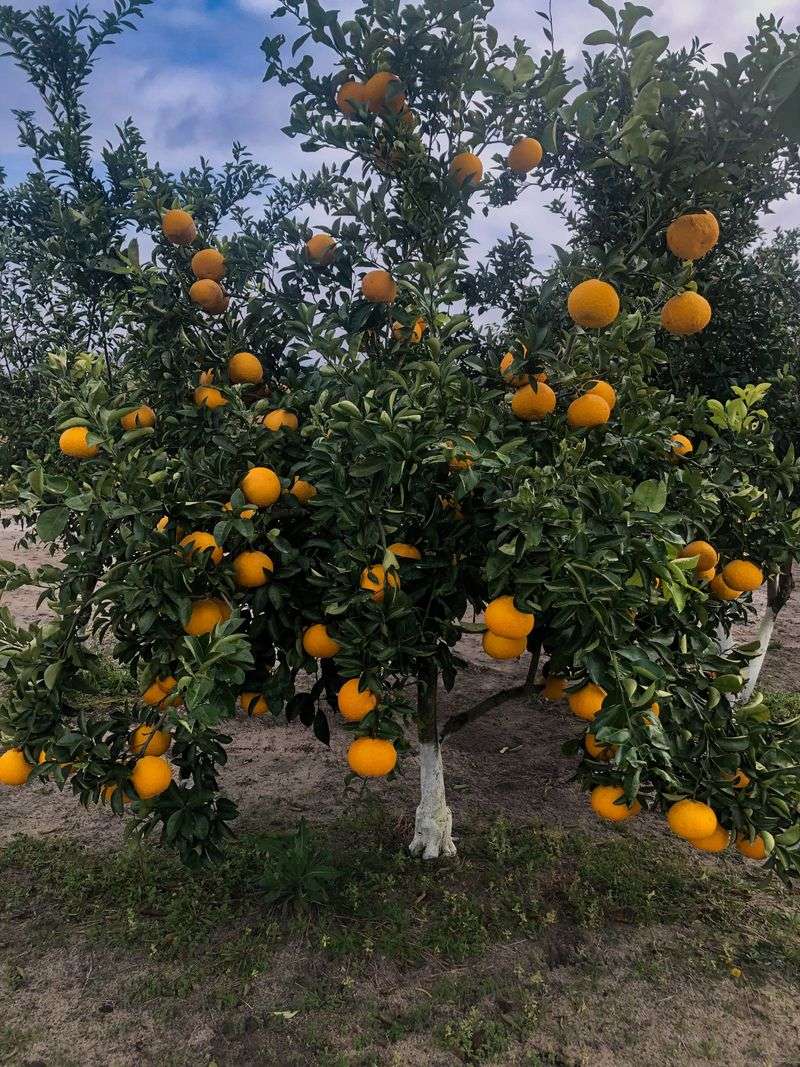
Frost on the lawn does not have to send you into a panic. A light frost, around 30 to 32 degrees, usually does little harm to satsuma fruit or trees.
Satsumas are among the toughest citrus around. Mature trees that have hardened off for winter can handle temps as low as 14 to 18 degrees without severe harm.
The fruit is more delicate than the tree, though. Brief dips into the upper 20s usually do little harm, but several hours below 28 degrees can freeze it.
So a crisp, sparkly morning is not a reason to strip the branches. You can relax, sip your coffee, and admire the view.
The real trouble comes with long, hard cold, which the next section covers.
Watch the forecast closely once December rolls in. A cheap outdoor thermometer near your tree helps, since backyard temps can differ from the official reading.
Low spots in your yard may run colder too. Cold air sinks and settles, much like water filling a bowl.
Trees planted near a house or a south-facing wall often stay a few degrees warmer. That little bit of shelter can help on borderline nights.
6. Pick Everything Before Five Hours Below 28 Degrees
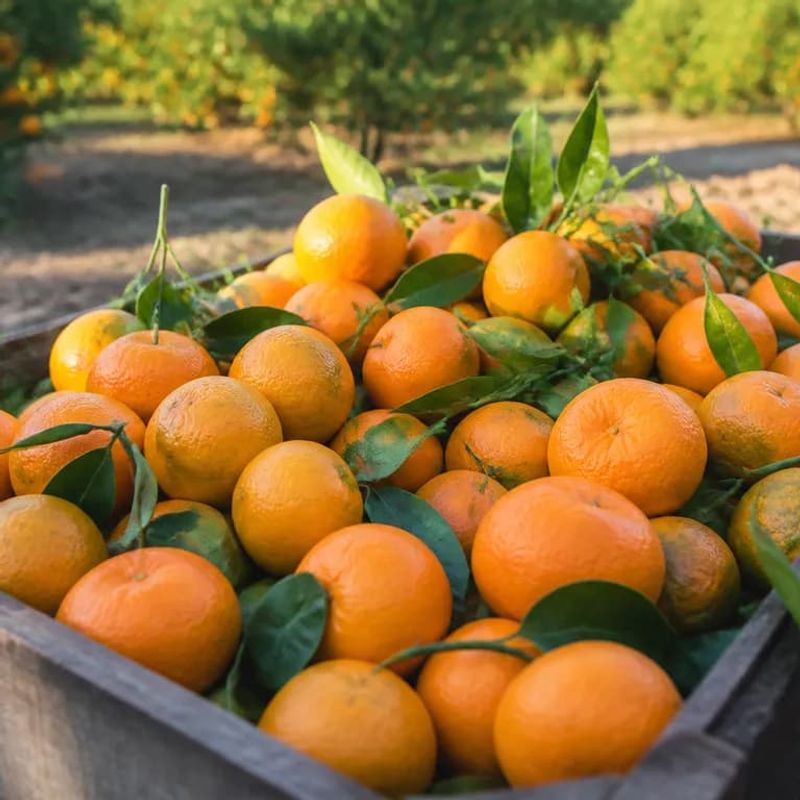
When the weather app flashes a hard freeze warning, it is time to move. Plan to pick all ripe fruit before temps sit below 28 degrees for five hours or more.
Fruit is filled with juice, and juice can freeze. Once ice forms inside, the pulp can turn dry, mushy, or bland.
The tree may handle sub-freezing weather for 24 to 36 hours. The fruit, on the other hand, can get damaged much sooner.
Frozen satsumas sometimes look fine from the outside at first. A few days later, they may dry out inside or drop from the branches.
Do not gamble a whole season of fruit on one chilly night. Gather buckets, call in helpers, and make it a harvest party.
Start a day ahead if you can. Picking in the dark while the wind bites your fingers is no fun at all.
Here is a handy tip: dry fruit stores better than wet fruit. Try to pick in the afternoon after any dew has burned off.
If you have more satsumas than fridge space, share them with neighbors. Fresh citrus makes a cheerful holiday gift, and nobody turns it down.
7. Satsumas Don’t Hold Well On The Tree Once Ripe
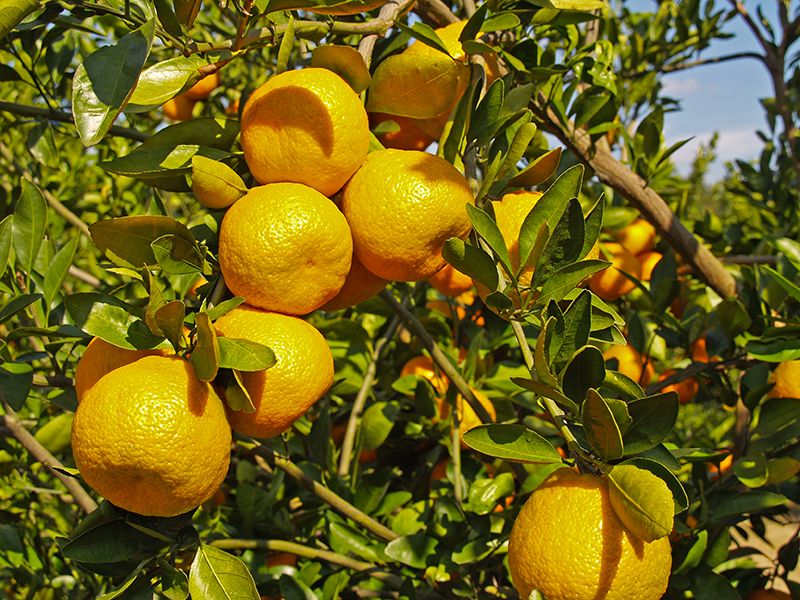
Some citrus can hang on the tree for months like ornaments. Satsumas are a bit more impatient.
Once ripe, many satsumas start losing quality if left too long. The peel can turn puffy, pulling away from the sections inside.
That puffy fruit often tastes dry or flat. The juicy pop you were hoping for may fade into something pithy and dull.
Some varieties hold up better than others. A few may stay decent for a month or two until freezing weather arrives.
Others start sliding downhill much faster. Since every tree acts a little differently, keep an eye on yours.
Think of ripe satsumas like fresh bread. They taste best soon after they are ready, not weeks later.
A smart plan is to pick in rounds. Harvest the ripest fruit first, then come back every week or so for the next batch.
Watch for warning signs as you go. Loose, baggy skin, soft spots, or fruit dropping to the ground all suggest it is time to finish up.
Picking on time also helps the tree. Leaving overripe fruit hanging can attract bugs and critters looking for an easy snack.
8. Clip The Fruit Instead Of Pulling It
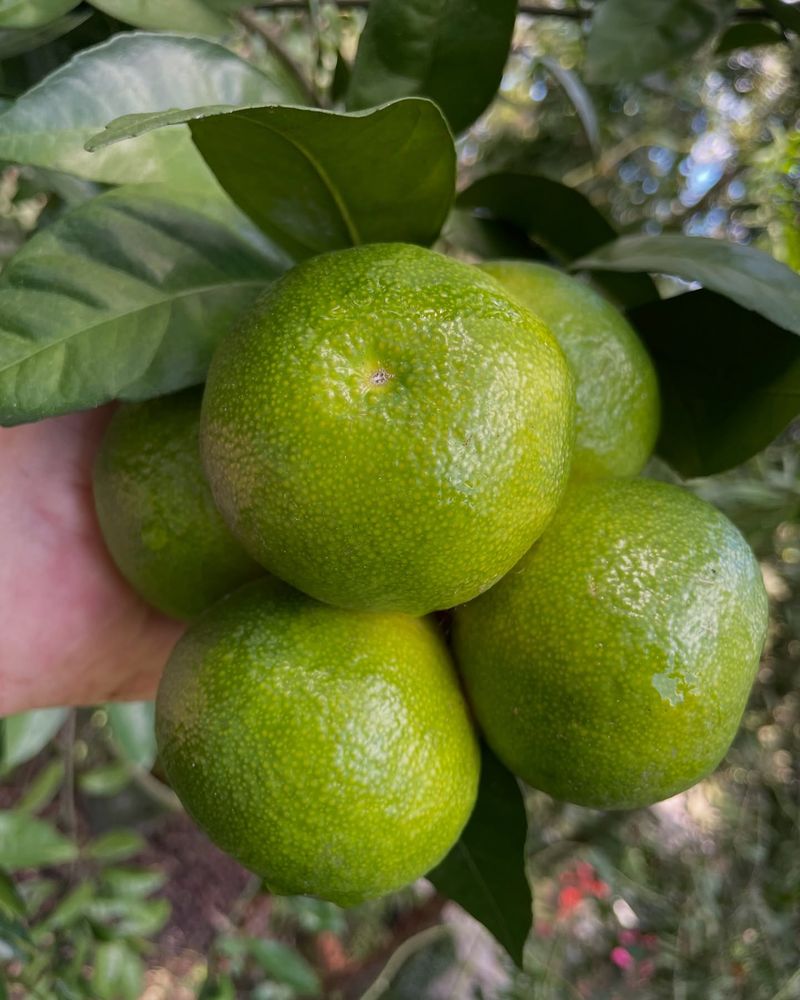
Yanking a satsuma off the branch feels natural, but your fruit will thank you for a gentler approach. Clipping is the way to go.
Satsuma peel is thin and loose. When you pull, the stem can rip a hole in the skin near the top.
That small tear may not look like much. Yet it opens the door to mold and rot, and the fruit will not last long in storage.
Instead, grab a pair of hand pruners, garden snips, or even sharp scissors. Cut the stem close to the fruit, leaving a tiny stub attached.
Keep that stub short. A long stem can poke and scratch other fruit in your basket.
Fun fact: commercial citrus pickers often use special clippers made just for this job. Backyard growers can get similar results with basic snips.
Wipe your blades now and then while working. Clean tools help keep plant problems from spreading branch to branch.
Set each fruit into the basket instead of tossing it. Bruises may hide at first but show up later as soft brown spots.
A soft-lined bucket or a cloth bag works great. Treat your harvest a bit like a carton of eggs, and it will stay fresh longer.
9. Store Picked Fruit In The Fridge At 32 To 36 Degrees
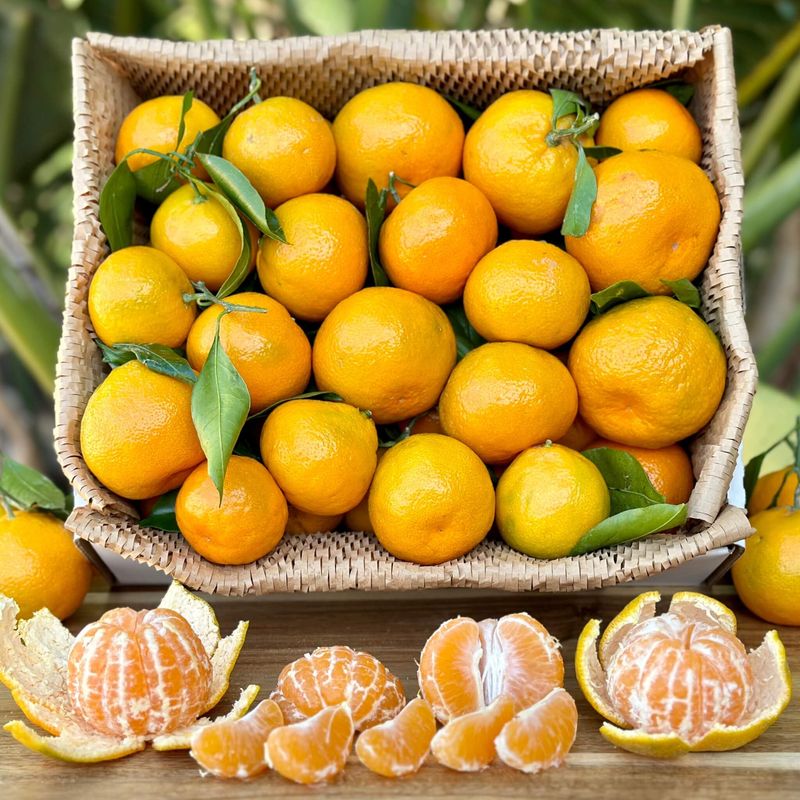
A bowl of satsumas on the counter looks lovely for a few days. For longer keeping, the fridge is your best friend.
Cold storage slows down moisture loss and spoilage. Kept chilly, satsumas can stay fresh for about a month, sometimes a bit longer.
Aim to keep the fruit cold, roughly in the 32 to 36 degree range many growers use. Some research points to about 39 degrees as a sweet spot, so a normal fridge drawer works well.
Make sure the fruit is dry before you store it. Damp satsumas can split or grow mold faster.
Air flow matters too. Skip sealed plastic bags and use a mesh bag, an open container, or a crisper drawer with the vent cracked.
Check your stash every few days. Remove any soft or moldy fruit so the trouble does not spread.
Have a huge harvest? Peel and freeze segments for smoothies, or squeeze the juice and freeze it in ice cube trays.
Satsuma juice also makes a bright salad dressing or marinade. A splash livens up chicken, fish, or roasted carrots.
With a little planning, your harvest can brighten lunches and snacks well into the new year. That is a sweet reward for good timing.