This Is Why Pentas Are Such A Strong Choice For Florida Yards
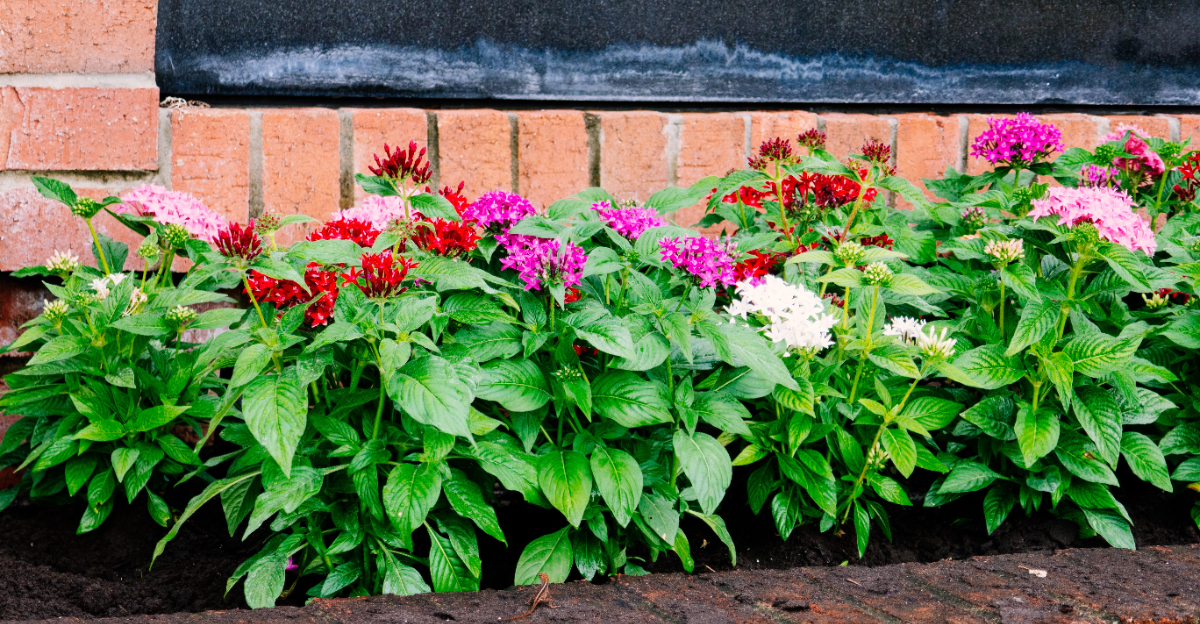
Pentas have a way of standing out in Florida yards without trying too hard. While many plants struggle to keep up with the heat, humidity, and sudden rain shifts, these bloomers just keep going, holding their shape and color when others start to fade or stall.
There is a reason they keep showing up in so many Florida landscapes. They attract attention fast, stay full for long stretches, and bring steady color right through the toughest part of the growing season.
No dramatic fuss, no constant rescue work, just reliable performance when the garden needs it most.
Once you see them in full bloom under Florida sun, it is easy to understand why so many gardeners keep coming back to them season after season.
1. Pentas Thrive In Florida Heat And Humidity
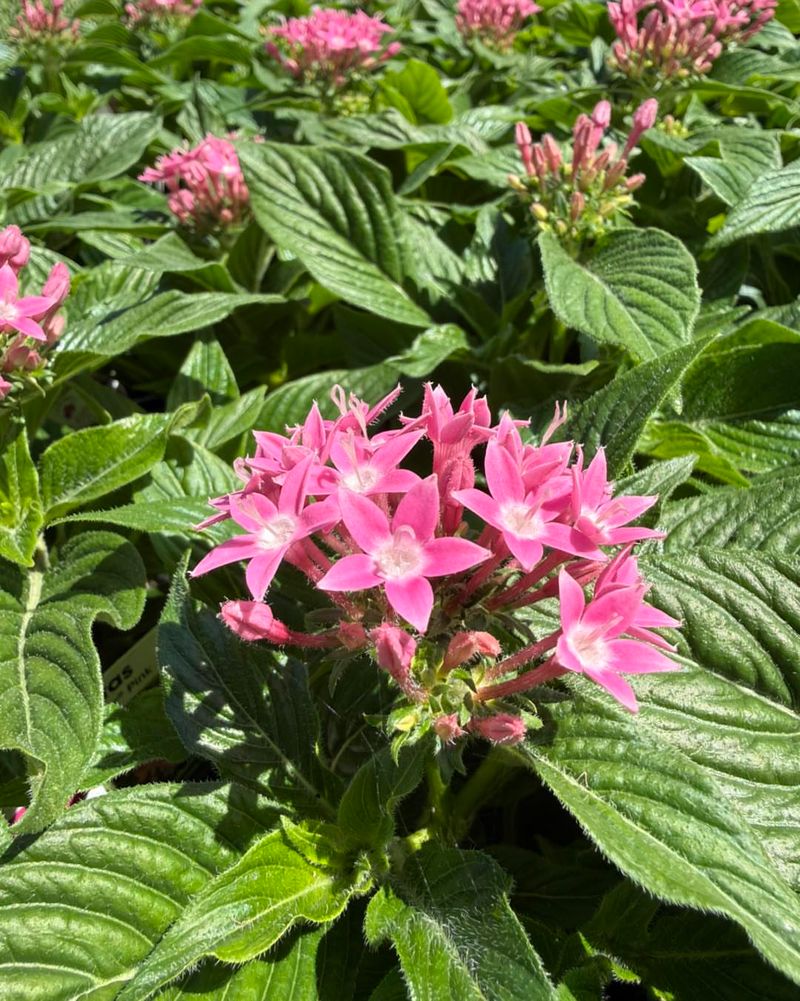
Some plants look great at the nursery and fall apart the moment Florida summer hits full force. Pentas lanceolata is not one of them.
Originally from East Africa, this plant evolved in warm, humid conditions that closely mirror what Florida gardeners deal with every single year. That background gives it a real advantage when temperatures climb and the air feels thick enough to cut with a knife.
Pentas handles high heat without dropping its blooms or wilting into a sad heap by midday. While other landscape plants go into survival mode during the hottest stretch of summer, pentas keeps right on growing.
Its root system establishes fairly quickly in Florida’s sandy soils, and once it settles in, it handles the combination of heat and humidity with impressive ease.
For best results, plant pentas in a spot that receives full sun, which means at least six hours of direct sunlight daily. Well-draining soil is essential because standing water around the roots can cause problems fast in Florida’s rainy season.
Raised beds or slightly elevated planting areas work especially well in low-lying yards.
According to UF/IFAS Extension, pentas performs reliably across USDA Hardiness Zones 8b through 11, covering the vast majority of Florida’s landscape zones from the Panhandle all the way down to the Keys.
2. Continuous Blooms Carry Through The Hottest Months
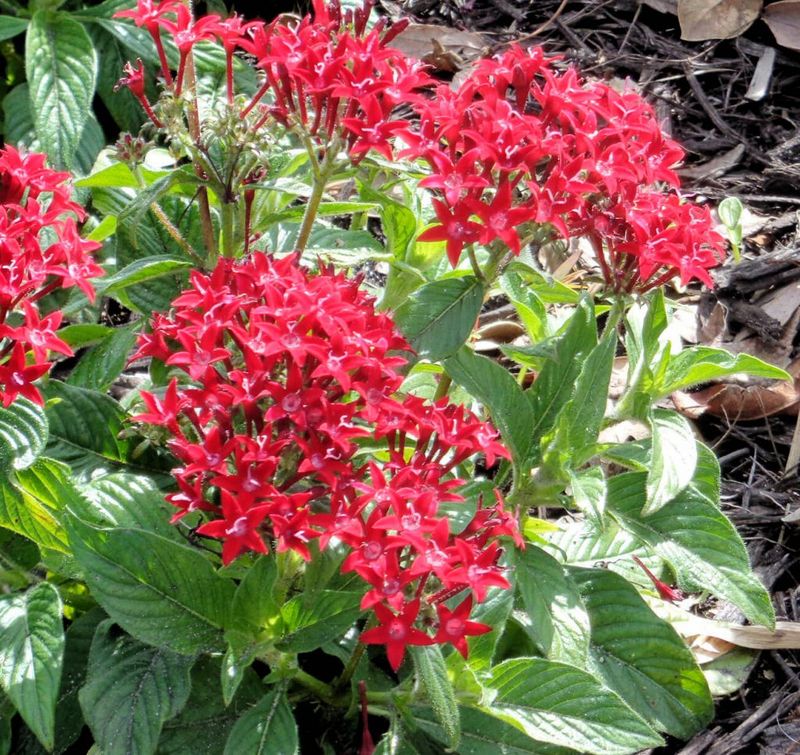
Walk through a Florida neighborhood in August and you will notice that most flowering plants look worn out. The heat takes a toll, blooms fade early, and color disappears from beds that looked great back in April.
Pentas bucks that trend in a way that is hard to ignore once you have seen it in action.
Flowering from spring all the way through fall, pentas delivers consistent color during the exact months when most other plants slow down or stop producing blooms entirely. In frost-free parts of South Florida, some varieties even push flowers into winter.
That extended blooming window makes pentas one of the most reliable sources of color in the Florida landscape calendar.
To keep the flowers coming at full strength, a light application of a balanced, slow-release fertilizer in spring and again in midsummer helps maintain healthy growth without pushing too much leafy growth at the expense of blooms.
Your Florida Garden Changes Every Week. Your Plan Should Too.
Gardening in Florida changes quickly throughout the season. Every Friday you’ll receive a simple weekly plan showing exactly what to plant, prune, fertilize, harvest, and protect so you never miss the right timing.
Deadheading, which means removing spent flower clusters, encourages the plant to redirect energy into producing new blooms rather than setting seed.
You do not need to deadhead constantly, but a quick pass every couple of weeks during peak season makes a noticeable difference. Consistent moisture during dry stretches also supports uninterrupted flowering without stressing the plant.
3. Strong Performance In Full Sun Landscapes
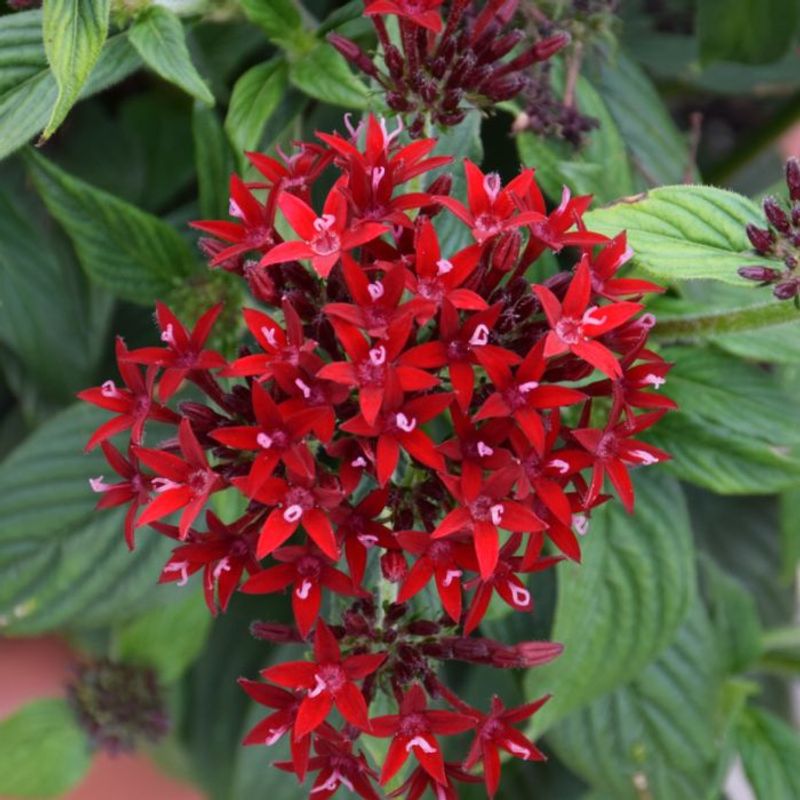
Full sun can be brutal in Florida, especially in July and August when the UV index is sky-high and the ground radiates heat back up at plants from below. Many flowering annuals and perennials struggle in these exposed conditions, bleaching out or wilting by early afternoon.
Pentas genuinely thrives in those same spots where other plants wave the white flag.
Its tolerance for direct sun exposure makes it a go-to choice for open landscape beds, road-facing borders, and any area in the yard where shade is simply not available.
Rather than treating full sun as a challenge, pentas uses that intense light to fuel vigorous growth and heavy flowering.
Gardeners who have tried shading heat-sensitive plants in Florida know how much extra effort that requires, and pentas removes that problem entirely.
When planting pentas in full sun areas, proper spacing matters more than many people realize. Crowding plants together reduces airflow between them, which in Florida’s humid climate can encourage fungal issues.
Spacing plants about 18 to 24 inches apart gives each one enough room to fill out naturally while allowing air to move through the planting. This simple step keeps foliage cleaner and reduces the chance of disease problems that humid conditions can sometimes trigger.
Good spacing also makes the bed look fuller and more intentional as the season progresses.
4. Flexible Use In Beds, Borders, And Containers
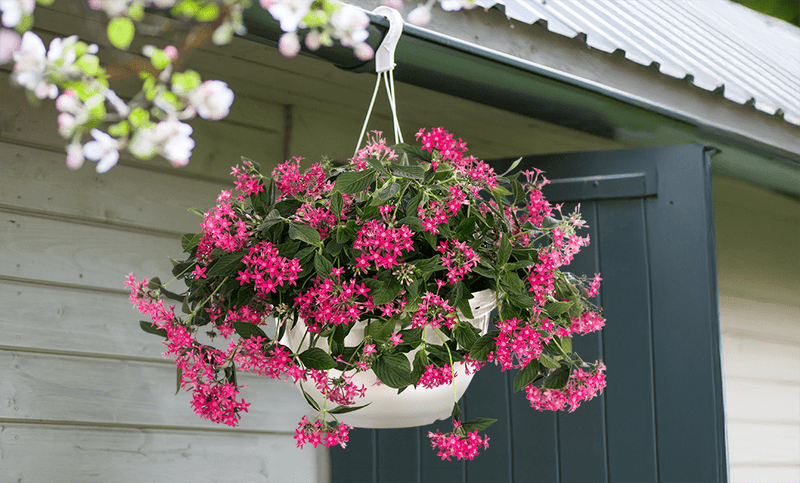
Not every Florida yard has the same layout, and not every gardener works with the same amount of space.
Some people want large sweeping beds of color, others are working with narrow borders along a fence or walkway, and plenty of Florida residents rely heavily on containers because they rent, live in condos, or simply prefer the flexibility of movable plants.
Pentas fits all of those situations without demanding special treatment.
In landscape beds, pentas works beautifully as a mid-border plant, filling in space with dense clusters of flowers and upright but manageable growth.
Most varieties reach about 2 to 3 feet tall and wide at maturity, making them easy to fit into mixed plantings without overwhelming neighboring plants.
Along borders, they create a clean, colorful edge that holds its appearance through the season without constant trimming.
Container growing is equally successful with pentas. Choose a pot with drainage holes and fill it with a quality potting mix that drains well rather than staying soggy.
A container at least 12 inches wide gives the roots enough space to establish properly. Containers on patios or near entryways benefit from the consistent color pentas provides, and moving containers to adjust sun exposure is simple when needed.
In North Florida where winters get cooler, container-grown pentas can be moved to a sheltered spot to extend the season a few extra weeks.
5. Reliable Attraction For Butterflies And Pollinators
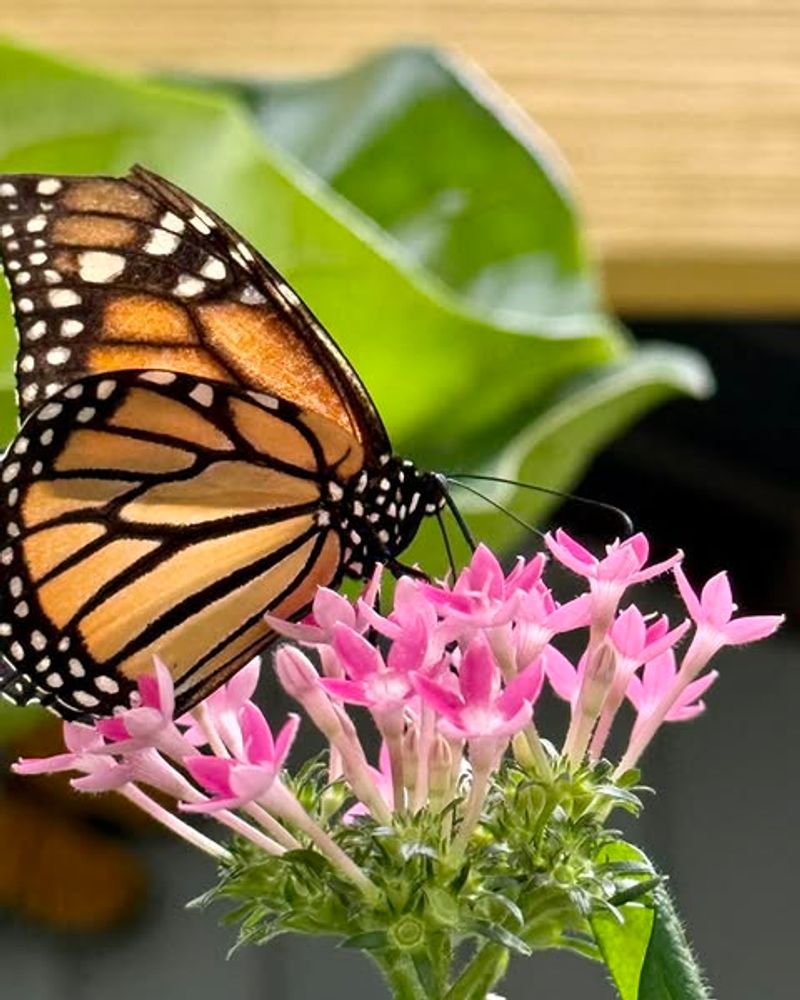
Few things make a Florida yard feel more alive than watching butterflies move from flower to flower on a warm morning.
Pentas has a well-established reputation as one of the best butterfly plants available to Florida gardeners, and that reputation is backed up by consistent real-world results in landscapes across the state.
The nectar-rich flowers attract a wide variety of butterfly species, including swallowtails, monarchs, and sulphurs, all of which are commonly seen throughout Florida. Bees also visit pentas regularly, adding to the pollinator activity in the garden.
This kind of consistent pollinator traffic is not just visually rewarding. It supports local ecosystems and contributes to the health of surrounding plants that depend on pollinators to reproduce.
From a practical standpoint, adding pentas to a Florida yard creates a low-effort way to support pollinator habitat without installing complex native plantings or spending a lot of money.
The flowers are accessible in shape, meaning their flat-topped clusters allow butterflies to land and feed easily.
Red and pink varieties tend to draw the most butterfly activity, though all colors attract visitors.
Grouping several pentas plants together in one area rather than scattering them individually across the yard creates a stronger visual signal for pollinators and tends to result in noticeably more butterfly visits throughout the season.
6. Different Growth Patterns Across Florida Regions
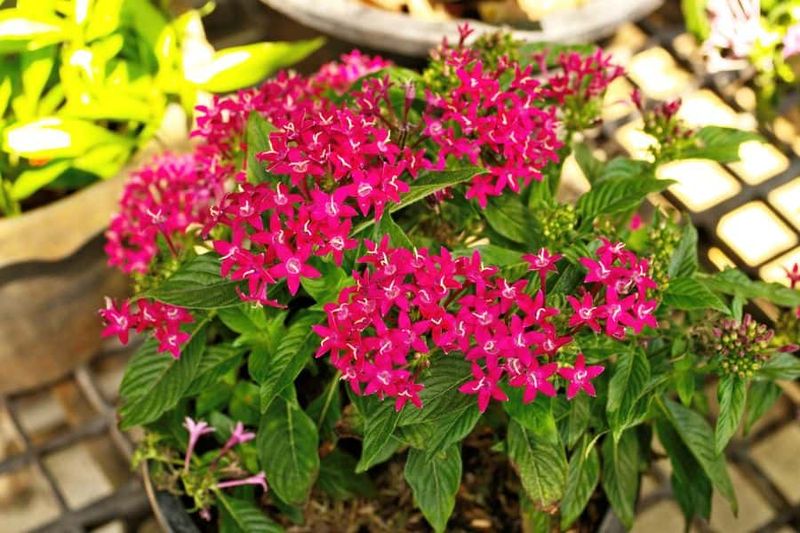
Florida is a long state, and growing conditions in Pensacola look nothing like growing conditions in Miami. That regional difference matters when planning a garden, and pentas behaves quite differently depending on where in Florida you are planting it.
Understanding those differences helps set realistic expectations and leads to better results.
In South Florida, roughly from the Palm Beach and Lee County areas southward, pentas often behaves as a true perennial. It can survive year-round without frost interruption, growing larger and woodier over time.
In these areas, established plants may need occasional hard pruning to keep them from becoming overgrown and leggy. Central Florida gardeners generally see pentas return for multiple seasons, though an occasional cold snap can set plants back temporarily.
In North Florida, including the Panhandle and areas around Tallahassee and Jacksonville, pentas is best treated as a warm-season annual or a tender perennial that may not survive a hard freeze.
Gardeners in these regions typically replant pentas each spring after the last frost date passes.
This approach still delivers a full season of color and pollinator activity without the disappointment of expecting year-round performance in a climate that does not fully support it.
Knowing your USDA zone, which ranges from 8b in the Panhandle to 11 in the Keys, helps you plan accurately and get the most from your pentas plantings.
7. Low Effort Care Keeps Plants Looking Full
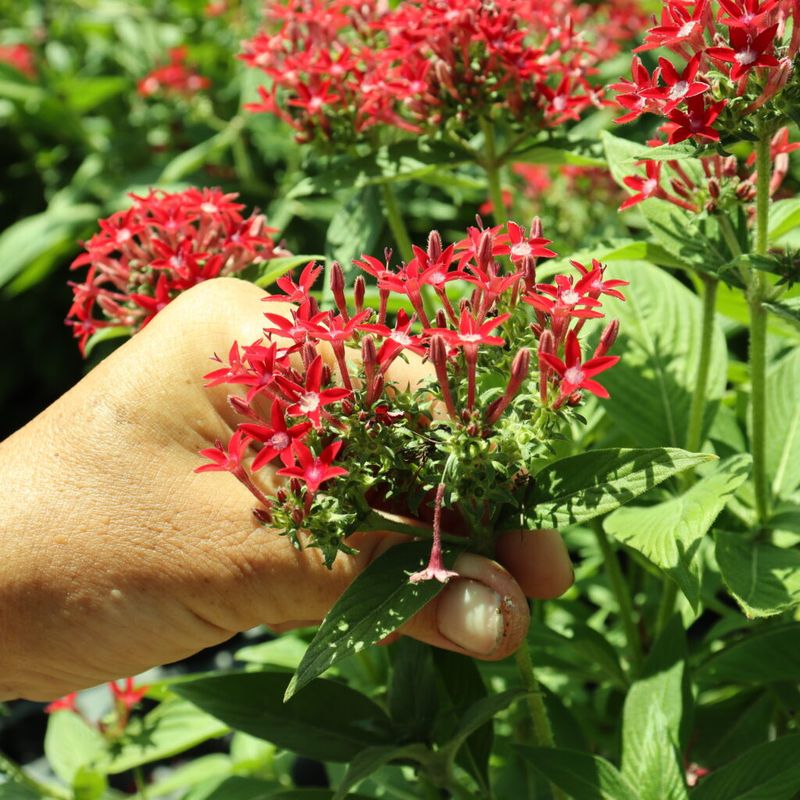
Busy schedules and Florida’s fast-growing conditions do not always mix well, and high-maintenance plants can quickly become a source of stress rather than enjoyment.
One of the most practical things about pentas is that it stays presentable without requiring constant attention.
Once established, it is genuinely one of the easier flowering plants to manage in a Florida yard.
Watering needs are moderate. Newly planted pentas benefits from consistent moisture for the first few weeks while roots establish, but mature plants handle short dry periods reasonably well.
During Florida’s rainy season, natural rainfall often provides enough moisture without any supplemental watering. During dry spells, watering deeply once or twice a week at the base of the plant is more effective than frequent shallow watering, which encourages shallow root development.
Pruning is simple and infrequent. Cutting plants back by about one-third in late summer or early fall encourages fresh growth and a new flush of blooms heading into the cooler months.
For fertilization, a balanced slow-release granular fertilizer applied in spring and again in midsummer is generally sufficient. Avoid over-fertilizing with high-nitrogen products, which can push leafy growth at the expense of flowers.
Beyond those basics, pentas asks for very little. No staking, no complex soil amendments, and no specialized treatments are needed to keep it looking full and healthy through a long Florida season.
8. Ideal Placement Around Florida Yards For Best Results
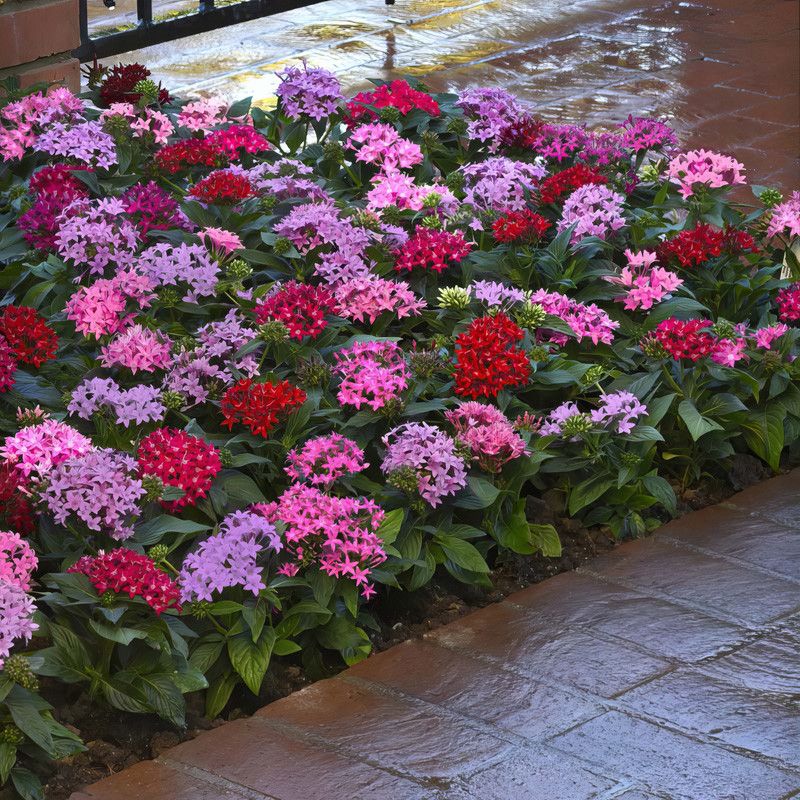
Getting the placement right makes a bigger difference than most gardeners expect. Even a tough, adaptable plant like pentas will underperform if it ends up in the wrong spot.
Thinking through light, soil, and spacing before planting saves a lot of frustration later and leads to a much better-looking result throughout the season.
Pentas performs best in areas that receive full sun for at least six hours per day. South-facing beds, open front yard borders, and spots along sunny walkways or driveways are natural fits.
Near patios and entryways, pentas adds consistent color right where people spend time outdoors, and the butterfly activity it attracts makes those areas feel lively.
Avoid planting in spots where large trees or structures block morning sun, since low light reduces both growth rate and flower production noticeably.
Soil preparation before planting is worth the extra few minutes it takes. Florida’s sandy soils drain quickly, which pentas appreciates, but working a small amount of compost into the planting hole helps retain just enough moisture to support establishment.
Space plants 18 to 24 inches apart to allow for mature spread and good airflow. If planting along a walkway or border, a staggered double row creates a fuller, more layered appearance than a single straight line.
Starting with healthy nursery stock and giving it a strong foundation in the right location sets pentas up to deliver reliable color and growth from the very first season.