How Late Is Too Late To Plant Tulip Bulbs In Ohio This Fall
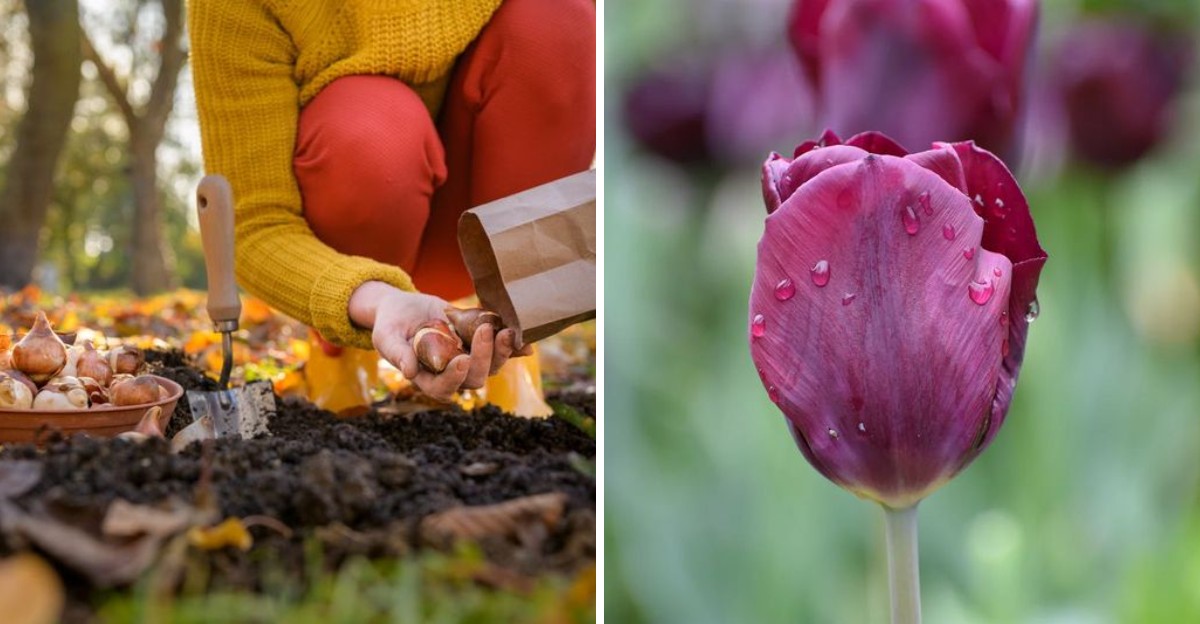
There is a paper bag sitting in your garage right now, and it has been quietly judging you for weeks. Inside are tulip bulbs, bought on a whim at the garden center or handed over by a neighbor with a knowing wink and a promise of spring color.
Now the leaves are crunching, the nights are getting chillier, and you are starting to wonder if the planting window slammed shut while you were busy with pumpkins and cider. Take a breath.
Ohio gardeners tend to have more wiggle room than most people expect, and the real deadline has less to do with the calendar than you might think. Your bulbs may still have a shot at a big spring show.
Spoiler: your shovel has the final say.
1. Ohio’s Sweet Spot Runs From Late September Through November
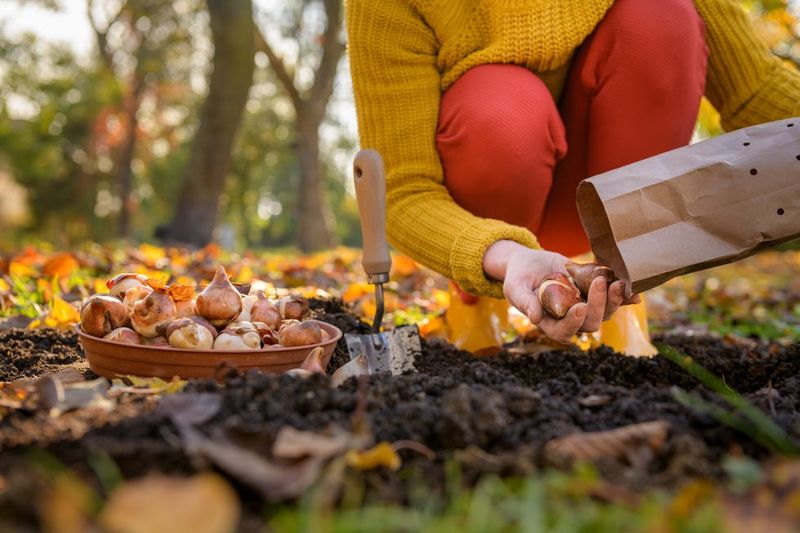
Gardeners across Ohio share a little secret. The best planting time is later than most folks guess.
Tulips need cool soil to wake up their roots. Most experts suggest planting when soil drops to about 55 degrees or lower.
In northern parts of the state, that usually happens from late September into October. Southern parts of the state often stay warm longer, so mid-October through November works well there.
Planting too early can cause a few problems. Warm soil can encourage unnecessary top growth before winter and may raise the risk of disease issues around the bulb.
Tulip foliage is fairly cold tolerant, so a little early green is not usually a serious concern, but there is no benefit to rushing.
A simple trick helps you time things right. Wait until nighttime temperatures stay between 40 and 50 degrees for about a week.
You can also use an inexpensive soil thermometer. Push it about six inches deep in the morning for the most honest reading.
Many local gardeners tie planting to a fun tradition. Some plant after Halloween, while others aim for the weekend after the first hard frost.
Either way, the goal stays the same. Your bulbs need roughly six weeks of root growth before the ground freezes solid.
Mark your calendar loosely, not strictly. Weather changes each year, so let the soil guide you more than the date.
2. Frozen Ground Is The Real Deadline
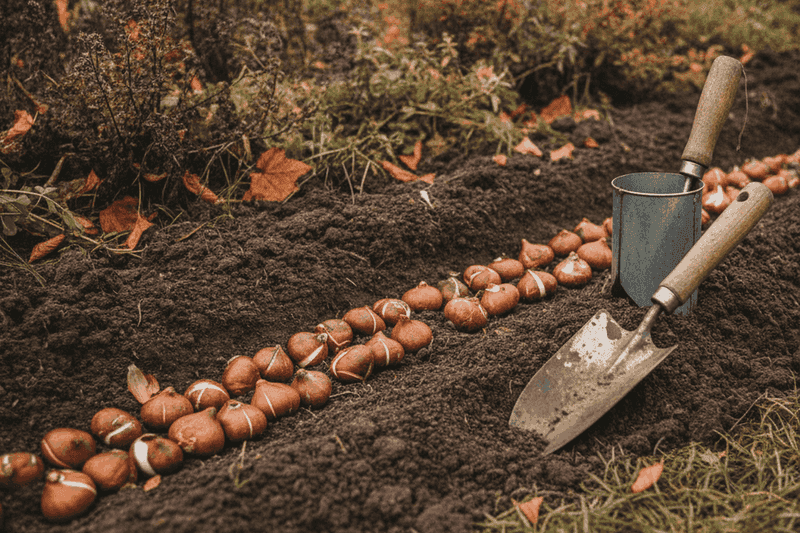
Here is a fun way to think about it. The calendar does not set your deadline, but your shovel does.
If you can still dig a hole six to eight inches deep, you can usually still plant. Plenty of Ohio gardeners have tucked bulbs in during early December with good results.
The ground often stays workable longer than people expect. Snow can even act like a blanket, keeping soil softer underneath.
Once the dirt turns into a hard, icy block, planting gets tricky. Roots cannot grow in frozen ground, and your bulbs may struggle.
Try a quick test before heading out. Stick a garden fork into the soil and see if it slides in or bounces off.
If it slides in, grab your bulbs and get going. If it bounces, you may need a backup plan, which we will cover soon.
Your Ohio Garden Changes Every Week. Your Plan Should Too.
Gardening in Ohio changes quickly throughout the season. Every Friday you’ll receive a simple weekly plan showing exactly what to plant, prune, fertilize, harvest, and protect so you never miss the right timing.
Late planting can come with a few trade-offs, though results vary quite a bit. Depending on the variety, the soil, and how the winter plays out, your tulips may bloom a little later than a neighbor’s, and the first-year flowers may be somewhat smaller.
Many late planters see good results anyway.
Even a shorter tulip beats no tulip at all.
So do not toss those bulbs just because Thanksgiving passed. Check the ground first and give them a fair shot.
3. Northern And Southern Ohio Play By Different Rules
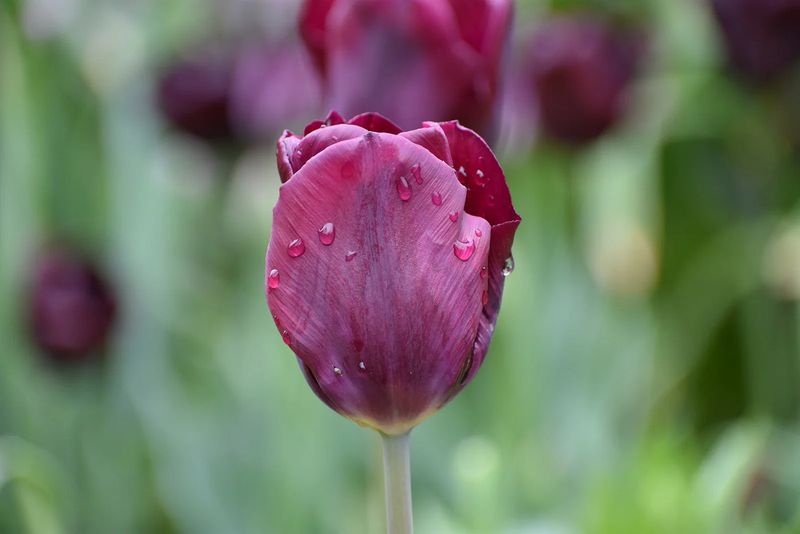
Did you know Cleveland and Cincinnati can feel like two different worlds in November? That difference matters a lot for your tulips.
Under the 2023 USDA Plant Hardiness Zone Map, Ohio ranges from roughly zone 5b to 7a. The north tends to cool faster, while the south, especially along the Ohio River, hangs onto warmth longer.
Gardeners near Lake Erie face a quirky twist. The lake keeps nearby areas slightly milder in fall, then dumps heavy lake-effect snow later.
In places like Toledo or Akron, aim for October. Many years, early November still works fine too.
Down in Columbus, the middle of the state, late October through mid-November is a safe bet. Folks around Dayton often follow a similar schedule.
Southern spots like Cincinnati or Portsmouth can often plant into December. The soil there frequently stays soft well into the holiday season.
Small details in your own yard count too. A sunny, south-facing bed warms up faster than a shady spot by the garage.
Low areas where cold air settles may freeze sooner. Raised beds also chill quicker than ground-level gardens.
Pay attention to your local weather rather than broad advice online. A quick chat with a nearby garden center can give you the inside scoop on your exact area.
4. Healthy Bulbs Matter More Than Perfect Timing
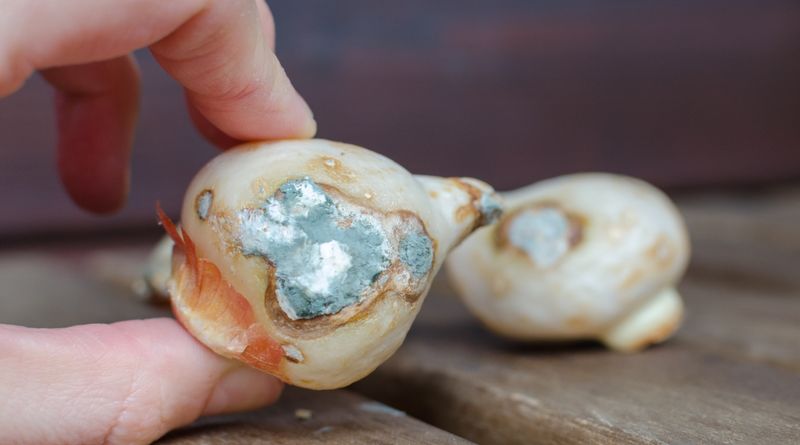
Picking up a bulb is a bit like picking out a peach. You can learn a lot just by giving it a gentle squeeze.
A good tulip bulb feels firm and heavy for its size. Its papery skin may be loose or torn, and that is perfectly okay.
Watch out for mushy spots or a sour smell. Blue-green mold or shriveled, lightweight bulbs are signs of trouble.
Late in the season, Ohio stores often put bulbs on clearance. These bargains can be wonderful, but check each one carefully before buying.
Bulbs sitting in a warm store for weeks may dry out. A few might still bloom, while others may skip the show.
Bigger bulbs usually produce bigger flowers. Look for labels that list sizes like 12 centimeters or larger.
Storage at home matters too. Keep bulbs in a cool, dry, dark place, like a basement or unheated garage.
Keep them away from apples and pears in the fridge. Those fruits release a gas that can harm the flower inside the bulb.
Here is a fun fact for your next garden chat. During the tulip craze in 1600s Holland, prices for a few rare bulbs were reported to rival the cost of a house.
Historians still debate how far the frenzy really went, but the story has kept tulips famous for centuries.
5. Digging Deep Pays Off In Clay Soil
Anyone who has gardened in Ohio knows the struggle. That sticky clay can grab your boots like glue after a rainy day.
Tulips dislike soggy feet, so drainage is a big deal. Bulbs sitting in wet clay all winter may rot before spring.
Mix in compost or shredded leaves to loosen things up. A few inches worked into the top foot of soil makes a real difference.
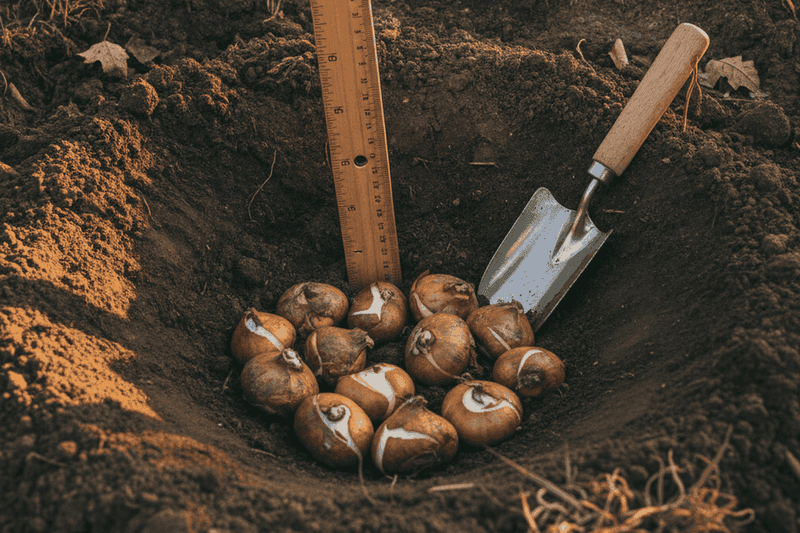
Plant each bulb about three times as deep as it is tall. For most tulips, that means six to eight inches down.
Point the pointy end up and the flat root end down. If you cannot tell, plant it sideways, and the bulb will figure it out.
Space bulbs about four to six inches apart. Grouping them in clusters of ten or more creates a fuller, happier look.
Late planters can get a small bonus from deeper holes. Deeper soil stays warmer a little longer, giving roots extra time.
A bulb auger that fits your power drill saves your back. It can turn a two-hour job into a twenty-minute one.
Water well right after planting, even if the weather feels chilly. That first drink helps roots settle in quickly.
6. Mulch Gives Late Plantings A Cozy Head Start
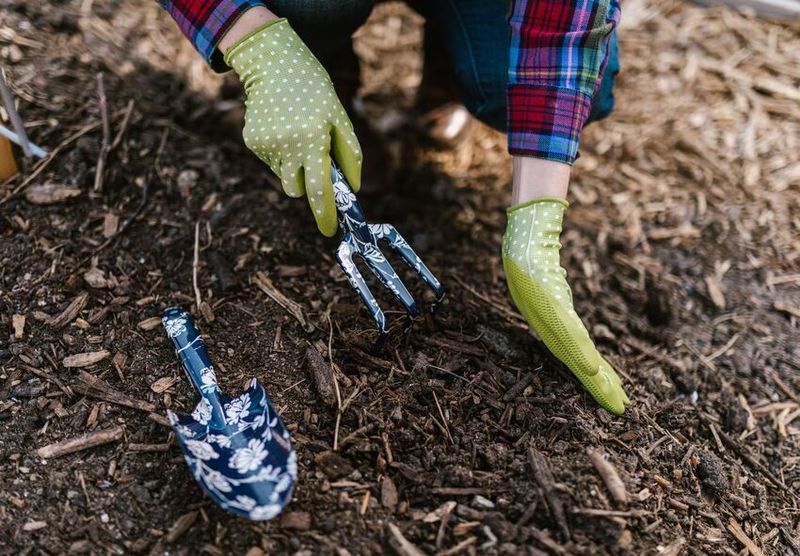
Think of mulch as a warm winter coat for your garden. Late-planted bulbs especially love the extra snuggle.
A two to three inch layer of shredded leaves, straw, or bark keeps soil warmer. That gives roots a few more precious weeks to grow.
Mulch also helps with a sneaky Ohio problem. Our winters often swing between thawing and freezing, sometimes in the same week.
Those swings can push bulbs right up out of the ground. Gardeners call it frost heaving, and mulch helps prevent it.
Fallen leaves from your own yard work great and cost nothing. Run them over with the mower first so they do not mat down.
Wait to spread mulch until after the ground gets cold if you planted early. For late planters, though, mulching right away is smart.
Come spring, pull some mulch back when you see green tips. That lets the soil warm up and the shoots stretch toward the sun.
Leave a light layer around plants to hold moisture. It also keeps mud from splashing onto your pretty petals.
A simple step like mulching can turn a risky late planting into a total success story.
7. Hungry Critters Love A Late Bulb Snack
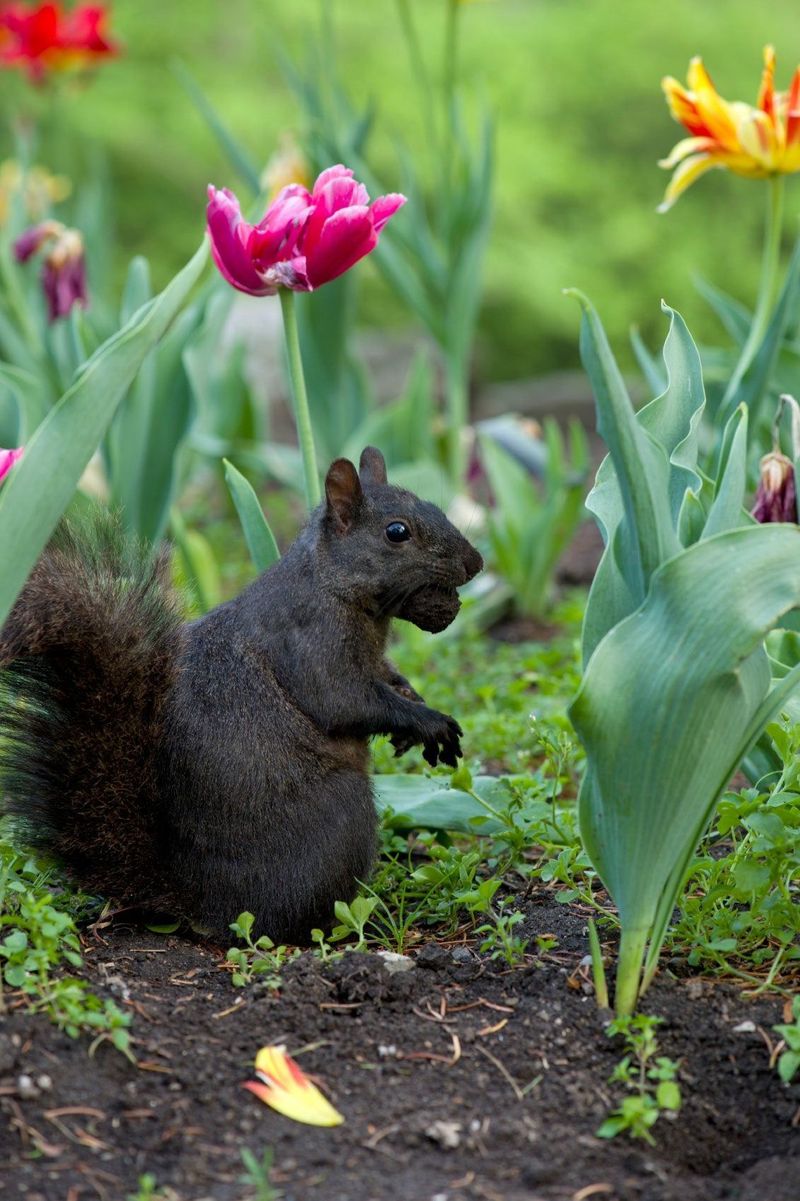
Squirrels in Ohio seem to have a sixth sense for fresh digging. You plant at noon, and by dinner, holes dot the flower bed.
Late fall is prime snack-hunting time for local wildlife. Squirrels, chipmunks, voles, and deer all find tulips tasty.
Fresh soil and papery bulb scraps act like a dinner bell. Clean up any loose skins and debris after planting.
Laying chicken wire flat over the bed is one of the more dependable options. Cover it with mulch, and remove it in early spring before shoots poke through.
Some gardeners plant bulbs inside small wire cages. It takes extra effort but can help protect against underground voles.
Some gardeners also sprinkle crushed gravel in each hole, hoping to discourage diggers. The evidence for this is mostly anecdotal, so think of it as a trick that may help in some situations rather than a sure fix.
Deer usually show up in spring when leaves appear. Repellent sprays with a strong smell can help keep them moving along.
Daffodils are worth considering too. Many animals avoid them because they taste bitter and can upset tummies.
Planting daffodils among tulips may not reliably protect the tulips, though, so treat it as a possible bonus rather than a guarantee.
A little planning now can save heartbreak later. Few things sting like spotting a half-eaten bulb in April.
8. Pots Offer A Clever Backup Plan
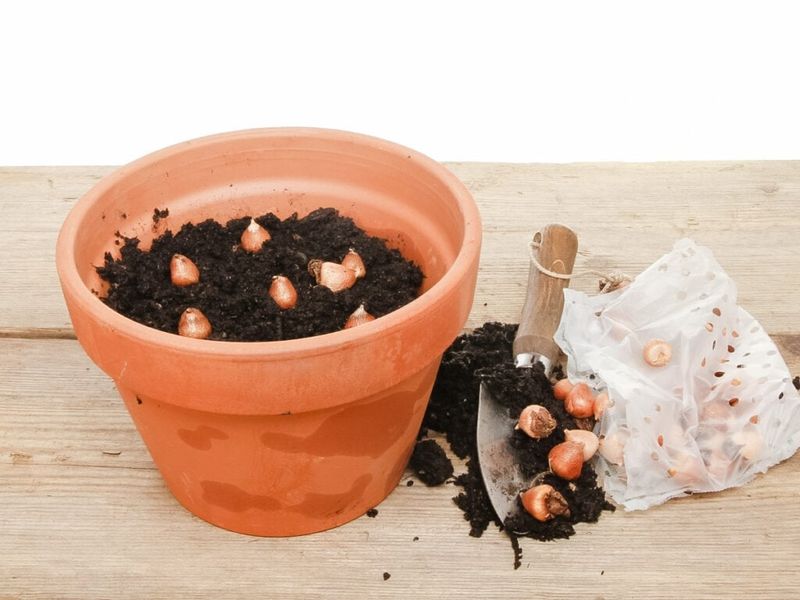
So the ground froze before you got around to planting. Take a breath, because your bulbs still have options.
Containers are a lifesaver for late Ohio gardeners. Fill a large pot with potting mix and plant bulbs shoulder to shoulder.
Choose pots with good drainage holes. Plastic or thick resin pots handle freezing better than thin clay ones, which may crack.
Tulips still need a long cold spell to bloom. Most varieties want 12 to 16 weeks of chilly temperatures.
An unheated garage or shed works perfectly for storage. You want temperatures between about 35 and 45 degrees.
Water the soil lightly once a month so it does not turn bone dry. Too much water, though, may lead to rot.
When spring arrives, move the pots outside to a sunny spot. Your tulips will burst into color right on your porch.
Another trick is the bulb lasagna method. Layer tulips deep, then smaller bulbs like crocus above them for weeks of blooms.
Some folks even chill bulbs in a spare fridge and force them indoors. Blooms on the kitchen table in February can brighten the gloomiest winter day.
9. Spring Shows Whether Your Gamble Worked
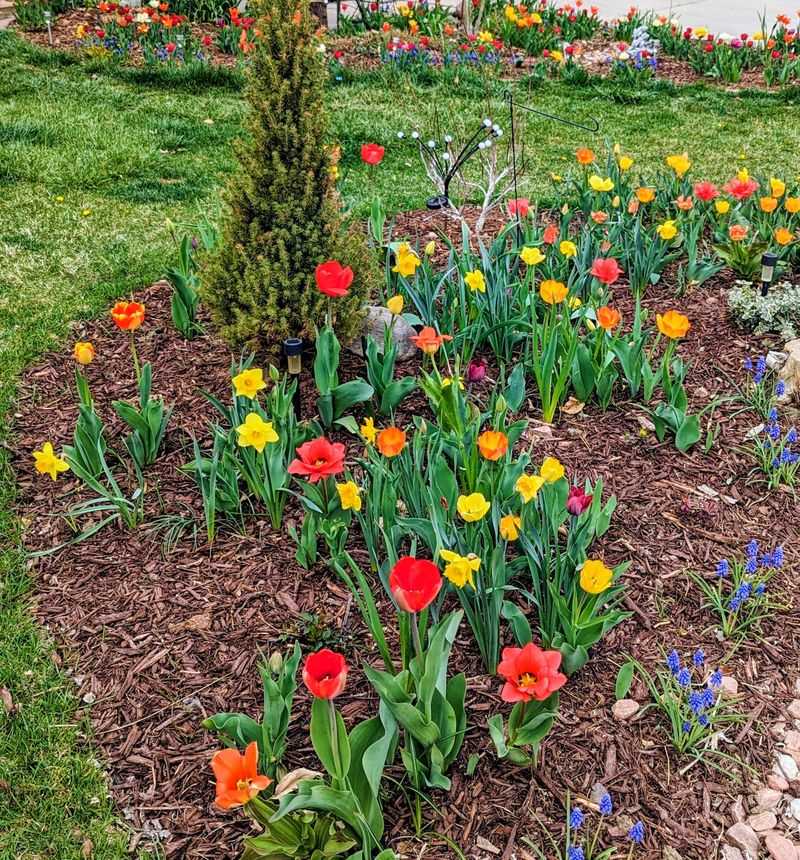
Few moments feel better than spotting the first green tip in March. It is like your garden whispering that the wait was worth it.
Late-planted tulips in Ohio often catch up surprisingly fast. You might see flowers in late April or early May.
Do not panic if growth seems slow at first. Bulbs planted in December simply need a little more time to stretch.
Feed your tulips once leaves appear. A balanced bulb fertilizer gives them a helpful boost.
After blooms fade, snip off the flower heads. Leave the leaves alone, though, until they turn yellow.
Those leaves soak up sunshine to recharge the bulb. Cutting them early can mean fewer flowers next year.
Keep a simple garden journal for next season. Jot down your planting date, location, and when blooms appeared.
Over a few years, you will learn your yard’s exact rhythm. That knowledge beats any general rule you find online.
Many tulips act more like annuals than perennials. Species tulips and Darwin hybrids tend to return more reliably.
Whether your bulbs went in early or late, enjoy the show. Every spring bloom is a small victory you earned back in fall.