The Wildflower Seed Texas Gardeners Need In The Ground Before Thanksgiving
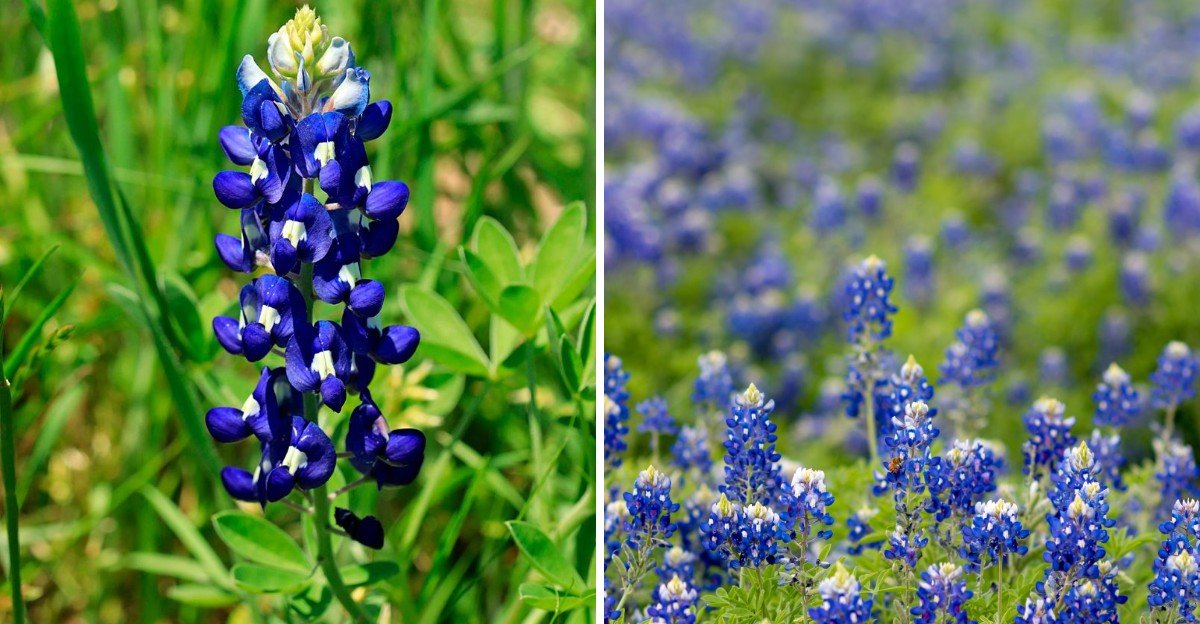
Every spring, one wildflower turns Texas roadsides, pastures, and hillsides into rolling seas of blue.
Drivers slow down to admire the view, and towns host festivals in its honor. Most people don’t realize that show starts long before spring.
This beloved wildflower needs a head start. Its seeds have a hard outer coat and take their time sprouting.
Once they do, the young plants spend the cool months growing low, leafy rosettes and strong roots.
That winter growth is what powers the bright blooms that appear in March and April. Miss the planting window, and you might be waiting an entire year for flowers.
Getting seeds in the ground before Thanksgiving gives them the best possible chance to settle in, survive the winter, and burst into color right on schedule next spring.
The State Flower Starts In Fall
Ask any Texan about spring, and bluebonnets will come up fast. These blue wildflowers paint highways, pastures, and backyards across the state. Few sights feel more like home.
Bluebonnets are native annual wildflowers. That means they grow, bloom, make seeds, and finish their life cycle in one year. They belong to the lupine family, which is why some folks call them lupines.
Here is a fun fact. Texas does not pick just one bluebonnet as its state flower. Back in 1901, lawmakers chose a single species. Many people argued that a different one was prettier.
In 1971, the state settled the debate by naming all native bluebonnet species as the state flower.
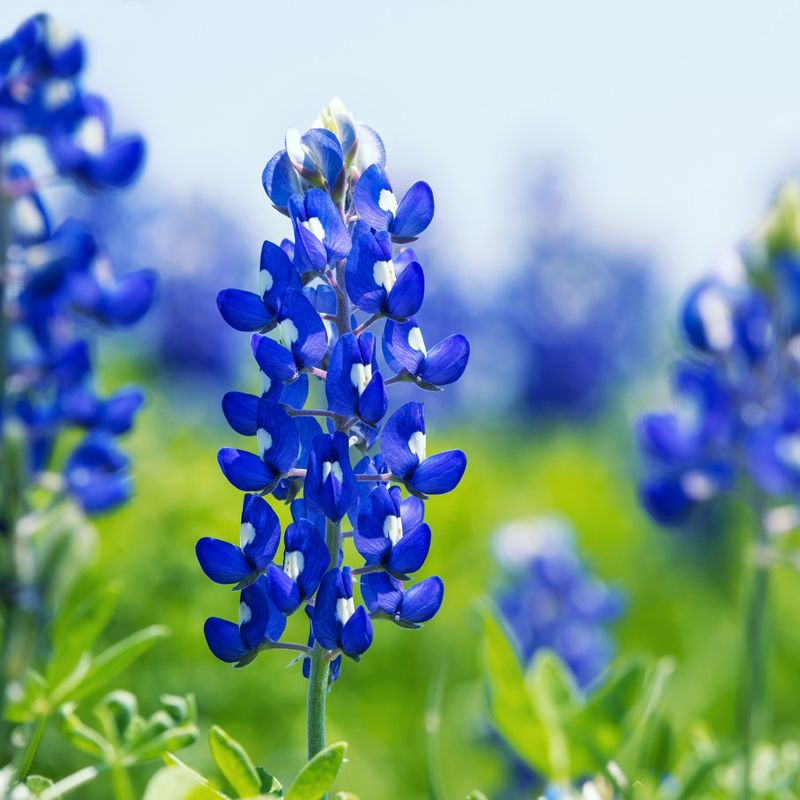
The most common one in gardens is the Texas bluebonnet, also called Lupinus texensis. It has deep blue petals with a white tip on top. As the flower ages, that white tip can turn a soft purple or red.
So why does a spring flower need fall planting? Bluebonnets follow the rhythm of Texas weather. In the wild, seeds drop in early summer.
They sit quietly through the heat. Then fall rains wake them up.
Your garden works the same way. If you want blooms in March and April, you have to plant months earlier. Think of it as a gift you give your future self.
Bluebonnets also help nature. Bees love their nectar and pollen. Their roots add nitrogen to the soil, which helps nearby plants.
Planting a few seeds this fall connects you to a true Texas tradition. And come spring, your yard can join the blue parade.
Why Timing Matters So Much
Timing is everything with bluebonnets. Plant too late, and the seeds may not have enough time to grow before the heat arrives. Plant at the right time, and nature does most of the work.
The best window runs from September through November. During these months, Texas often gets helpful fall rains. The soil is still warm, but the air is cooling down. Those are perfect conditions for seeds to sprout.
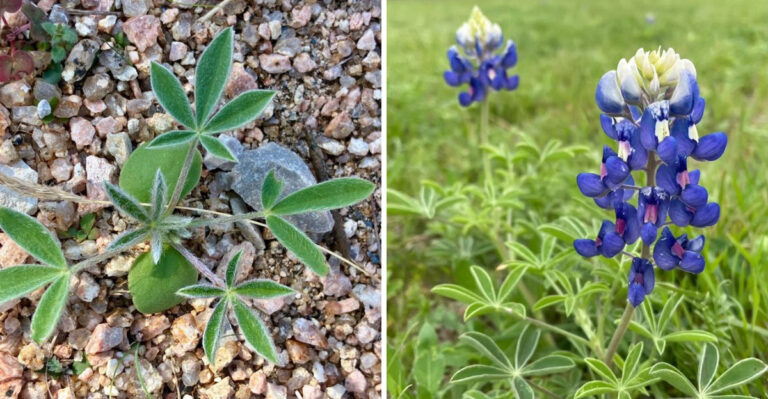
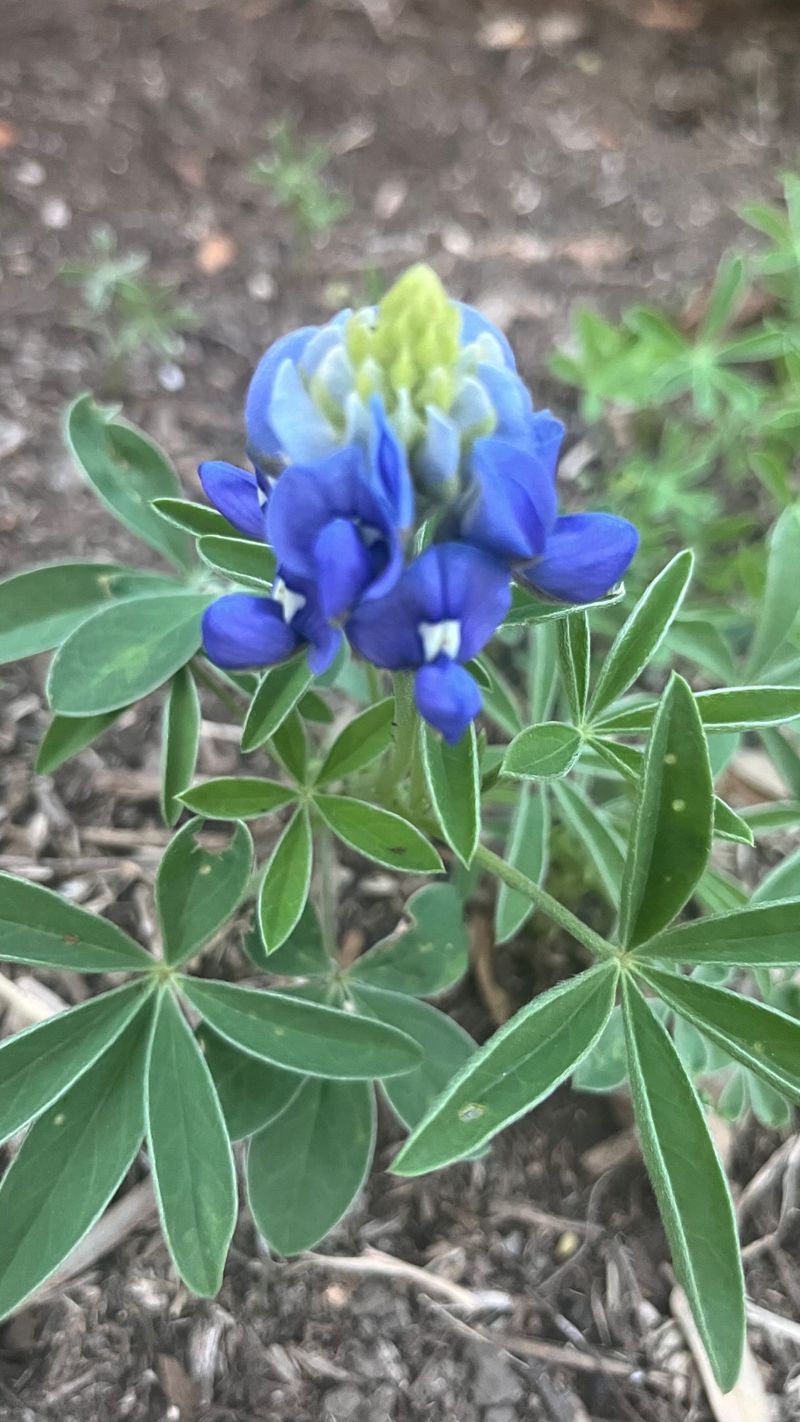
Once the seeds sprout, something interesting happens. The young plants do not shoot up tall right away. Instead, they form low, flat circles of leaves called rosettes. Each leaf looks like a tiny green hand or star.
Your Texas Garden Changes Every Week. Your Plan Should Too.
Gardening in Texas changes quickly throughout the season. Every Friday you’ll receive a simple weekly plan showing exactly what to plant, prune, fertilize, harvest, and protect so you never miss the right timing.
All winter long, those rosettes hug the ground. You might think nothing is happening. But under the soil, the roots are growing deep and strong. That root system is the secret to big spring blooms.
When March rolls in, the plants are ready. They send up flower spikes, and by April, many areas are bursting with blue. Plants that got an early start usually bloom bigger and longer.
Many gardeners use Thanksgiving as an easy deadline. If your seeds are planted before the holiday, you are in great shape. Some people still sow into early December in South Texas, but results can be weaker.
Here is a helpful tip. Watch your local weather forecast. Planting right before a gentle rain gives seeds a free drink.
Mark the dates on your calendar now. A little planning in fall leads to a yard full of color later. Your future spring self will thank you.
Choose Scarified Seed For Faster Results

Bluebonnet seeds are tough little guys. Their outer shell is so hard that water has trouble getting inside. In the wild, this is actually a clever survival trick.
Because of that hard coat, untreated seeds sprout slowly. Some may pop up this year. Others might wait two, three, or even more years. Nature uses this trick so a dry year does not wipe out a whole patch.
That is great for wild fields. But in your backyard, you probably want flowers sooner. That is where scarified seed comes in.
Scarified seed has been treated to crack or scratch that hard coat. Water can then soak in more easily. As a result, many more seeds sprout in their very first season.
Most garden centers and online seed shops sell scarified bluebonnet seed. Check the label before you buy. It may cost a bit more, but the results are usually worth it.
Want to try scarifying at home? You can gently rub seeds between two sheets of sandpaper. Another method is soaking them in warm water overnight. Seeds that swell up are ready to plant.
Some gardeners like to mix both types. Scarified seed gives quick color this spring. Untreated seed acts like a backup plan for future years.
Also, buy seed from a trusted source. Look for seeds grown in Texas when possible. Local seed is better suited to our weather and soil.
A small choice at the store can make a big difference. Picking the right seed means less waiting and more blooming.
Pick A Sunny, Well-Drained Spot
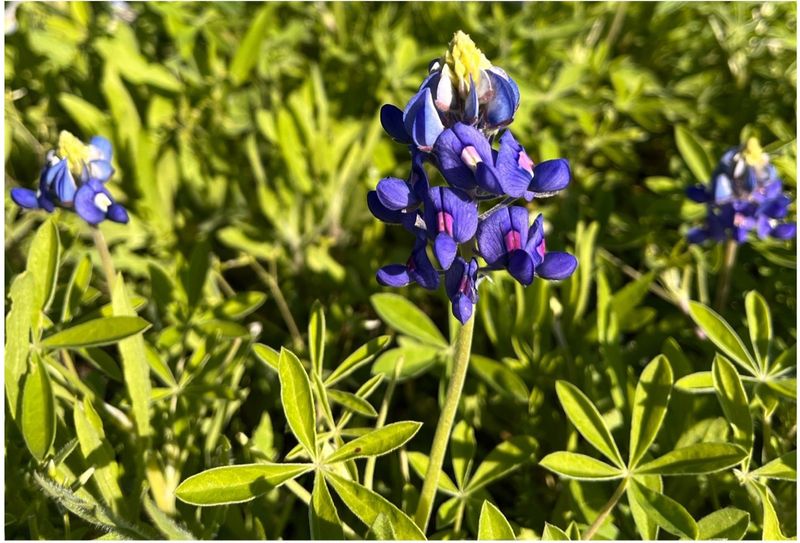
Sunshine lovers, unite! Bluebonnets crave bright light more than almost anything else. Give them shade, and they will sulk.
Aim for a spot that gets full sun, ideally at least eight hours a day. Walk around your yard on a sunny afternoon. Notice where shadows from trees, fences, or your house fall. The brightest spot is your winner.
Next, think about drainage. Bluebonnets hate soggy feet. If water sits in puddles after rain, that spot is not a good match. Too much moisture can cause the roots to rot.
Here is the surprising part. Bluebonnets actually like poor soil. Rocky, gravelly, or thin soil suits them just fine. That is why they thrive along dry roadsides where few other flowers grow.
Got a hard, rocky slope nobody wants to garden? It might be perfect. Sloped areas drain water quickly, which bluebonnets enjoy.
Skip the fertilizer. It may sound strange, but feeding bluebonnets can backfire. Extra nutrients push the plants to grow lots of leaves instead of flowers. You could end up with a big green bush and very little blue.
Bluebonnets make their own nitrogen with help from tiny soil bacteria on their roots. So they really do not need extra help.
If your soil is heavy clay, mix in some sand or fine gravel. That helps water drain away faster.
Keep your chosen area free of thick grass too. Grass can crowd out the young plants. With sun, drainage, and a little space, your bluebonnets will feel right at home.
Plant The Seeds The Right Way
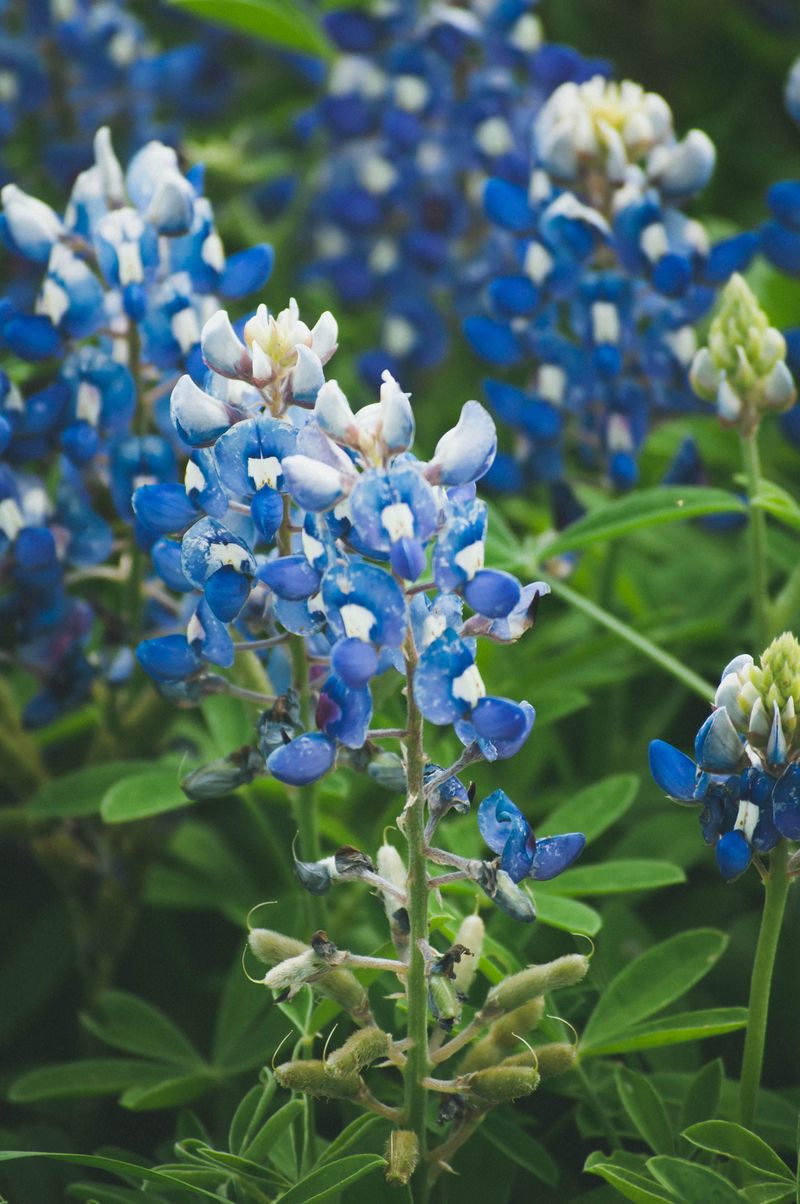
Good news for busy folks. Planting bluebonnets takes less time than mowing the lawn. You just need a rake, your seeds, and a little water.
Start by clearing the area. Pull weeds and remove thick grass. Then rake the soil lightly to loosen the top layer. You do not need to dig deep or till.
Now scatter the seeds across the surface. Try to spread them evenly. A simple trick is mixing the seeds with a little sand first. The sand shows where you have already sown.
After scattering, press the seeds into the soil. You can walk over the area, use the back of a rake, or gently tamp with a board. The goal is good contact between seed and soil.
Do not bury them deep. Cover the seeds no more than about one eighth of an inch. That is about the thickness of a nickel or two. Seeds planted too deep may never reach the surface.
Next, give the area a good watering. This helps settle the seeds into place. If fall rains are steady, nature can handle the rest.
If the weather stays dry, keep the soil lightly moist. Water gently every few days until you see sprouts. Avoid flooding the area, since too much water can wash seeds away.
Sprouts usually appear within a few weeks. Once rosettes form, you can water less often.
How much seed should you use? A good rule is about one ounce for every 100 square feet. More seed means a fuller, bluer patch.
Let Them Reseed For Next Year
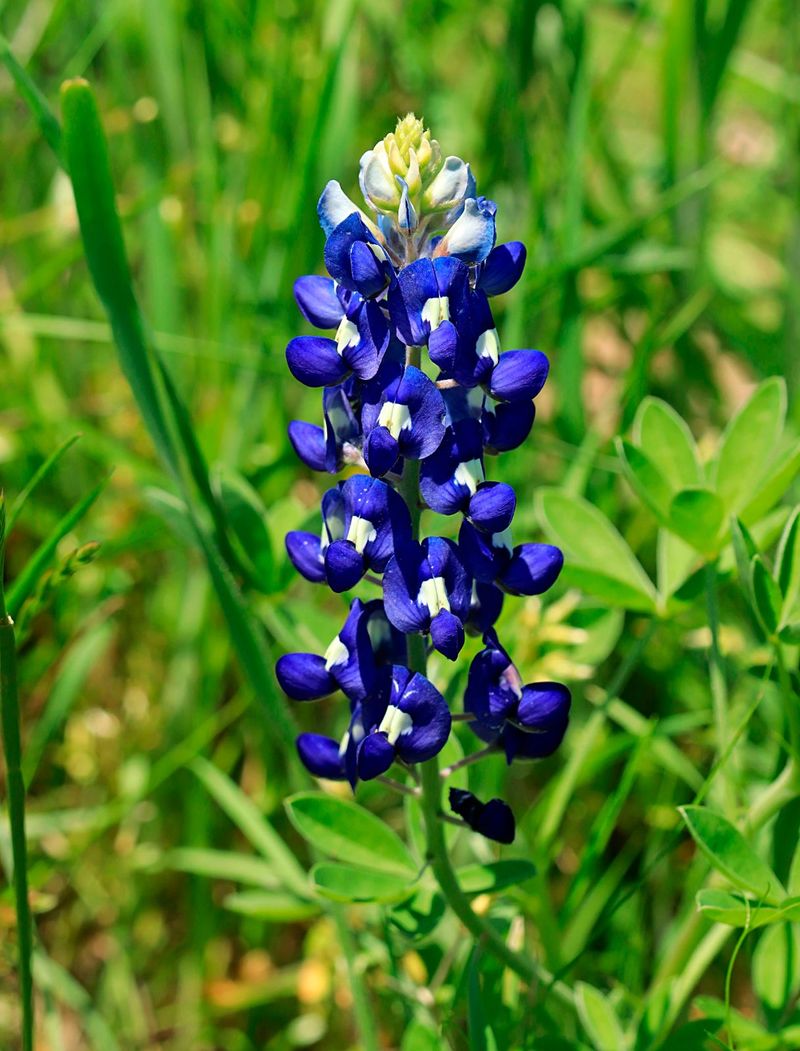
Patience pays off with bluebonnets. Once you plant a patch, it can keep coming back on its own. All you have to do is wait a little.
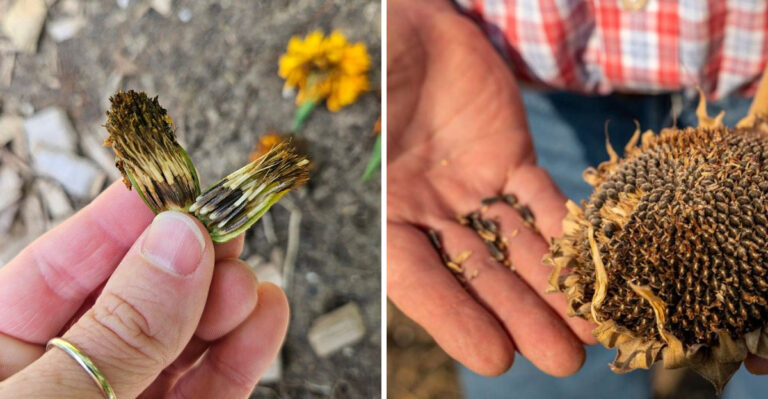
After the spring blooms fade, the plants start making seed pods. These pods look like small fuzzy green bean pods. Over several weeks, they turn yellow, then brown and dry.
Leave the plants alone during this time. Yes, they may look a bit messy. But they are busy getting next year’s flowers ready.
When the pods fully dry, something fun happens. They twist and pop open, flinging seeds across the ground. On a warm day, you might even hear a little snap. That natural launch helps your patch spread a bit wider each year.
The biggest mistake people make is mowing too soon. If you cut the plants while the pods are still green, you lose the seeds.
Wait until most pods are dry and brown, often in late May or June. Not sure if it is time? Shake a pod gently. If you hear seeds rattle, they are ready.
Want to save seeds for friends? Pick a few dry pods and place them in a paper bag. Let them pop open inside, then store the seeds in a cool, dry spot. Plant them next fall, or share them with neighbors.
Remember that some seeds may wait years before sprouting. Your patch might surprise you with new plants later on.
Each spring, your yard can grow bluer. With a little restraint, one fall planting can become a lasting family tradition.