When To Start Paperwhites And Amaryllis For Christmas Blooms In Virginia
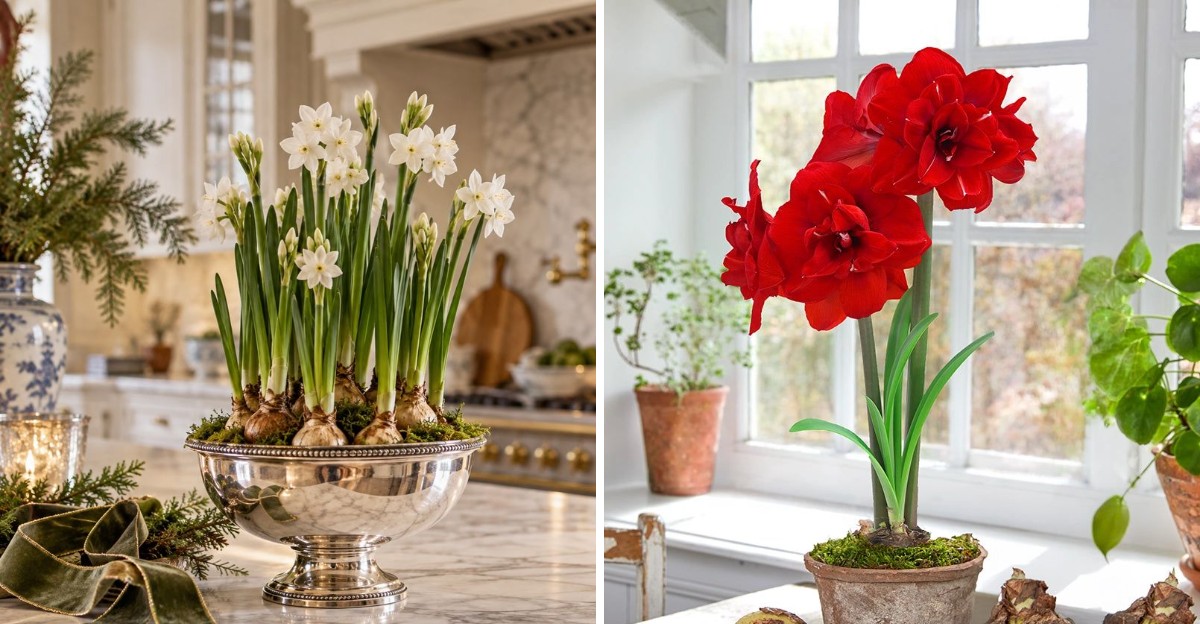
A giant red amaryllis glowing on the kitchen table on a snowy December morning feels like pure holiday magic. That kind of display doesn’t happen by accident, though.
Paperwhites and amaryllis need a head start, and the clock is already ticking. These indoor bulbs are some of the easiest flowers you can grow, even with a less-than-green thumb.
They ask for little more than a pot, some water, and a sunny window. Timing is everything, though, if you want blooms by Christmas instead of Valentine’s Day.
From the mountains to the coast, Virginia gardeners are tucking bulbs into pots right now. A few smart tricks can mean the difference between floppy stems and a showstopping display.
Fill your home with color and sweet fragrance this December. Amaryllis should go in this week, and paperwhites can wait until just before Thanksgiving.
Amaryllis Needs Six To Ten Weeks To Bloom
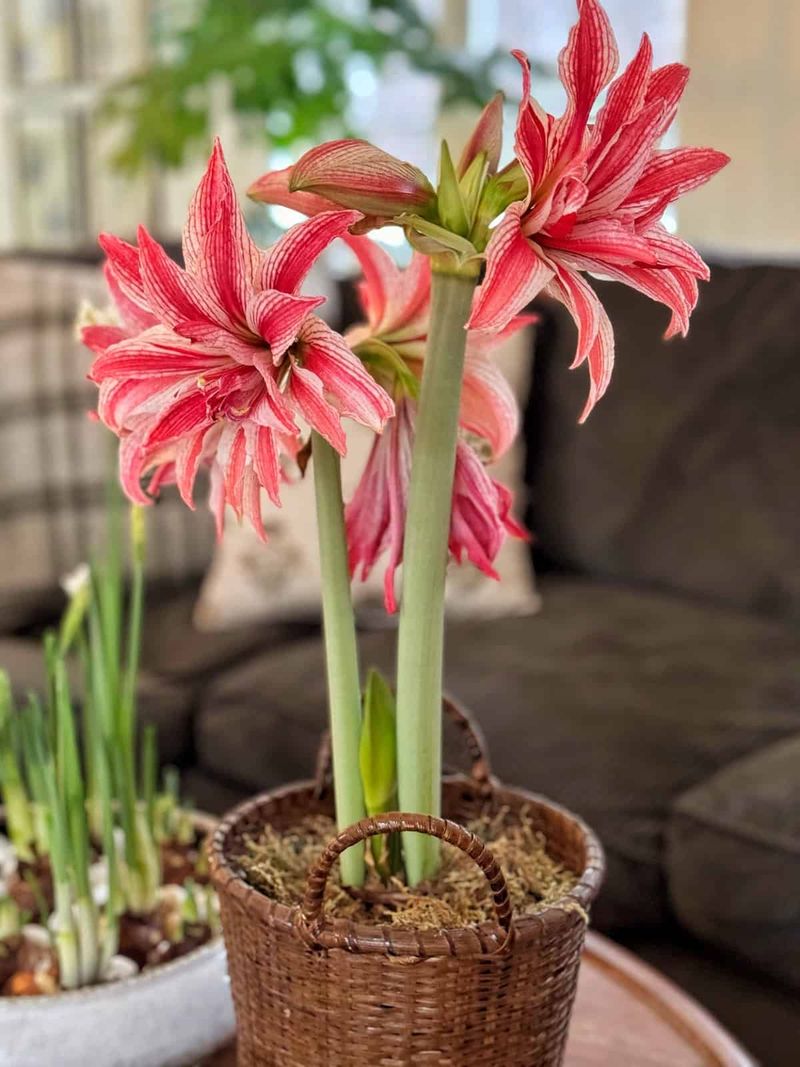
Patience is the secret ingredient with amaryllis. Most bulbs take six to eight weeks to flower, though some varieties stretch to ten or even twelve.
Counting backward from Christmas helps you plan. For Virginia homes, late October through early November is the sweet spot for planting.
Waiting until December usually means flowers arrive in January. Those blooms are still lovely, but they miss the holiday party.
Watch for the first green tip poking up from the bulb. Once it appears, growth speeds up and the stalk can climb an inch a day.
Warmth helps wake a sleepy bulb. Aim for a spot between 70 and 75 degrees until that flower stalk shows up.
A heat mat or a warm shelf near, but not on, a radiator works well. Bright light keeps the stalk sturdy instead of pale and stretched.
Turn the pot a quarter turn every few days. Stalks lean toward the window, and rotating keeps them growing straight.
Water lightly at first, just enough to dampen the soil. Too much water before roots form can cause the bulb to rot.
Here is a fun bit of history for you. Amaryllis bulbs sold for the holidays actually belong to a South American group called Hippeastrum.
Dutch and South African growers made them famous worldwide. Today, a single bulb can produce two or three stalks, each topped with four giant flowers.
Mark your planting date on a calendar. Tracking the weeks takes the guesswork out of hitting that Christmas deadline.
Paperwhites Bloom In Just Four To Six Weeks
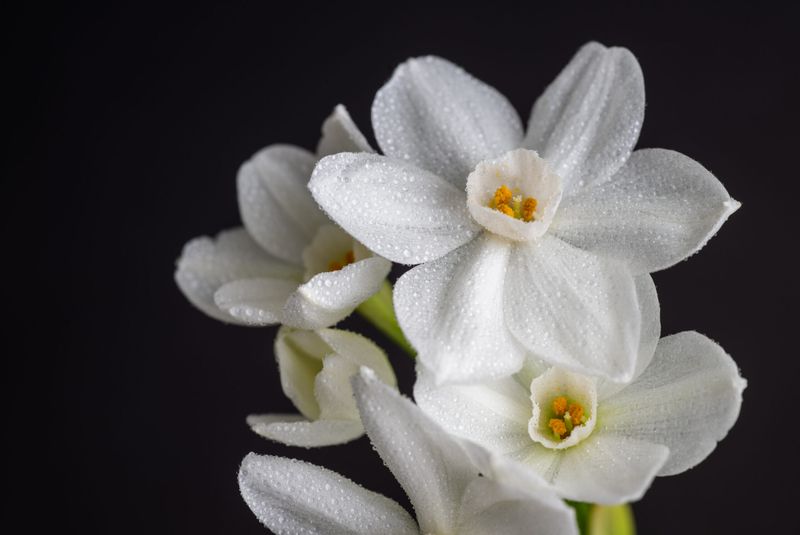
Talk about speedy! Paperwhites go from dry bulb to fragrant flowers in about four to six weeks.
Some quick types even open in three to five weeks. That makes them the perfect choice for anyone who got a late start.
Timing them for Christmas is simple. Plant your bulbs about a week before Thanksgiving, and they should peak right around the holidays.
Planting too early has a downside, too. Your flowers might fade before guests ever arrive.
No chilling is needed, unlike tulips or daffodils grown indoors. Paperwhites come from warm Mediterranean regions, so they skip the cold nap.
Your Virginia Garden Changes Every Week. Your Plan Should Too.
Gardening in Virginia changes quickly throughout the season. Every Friday you’ll receive a simple weekly plan showing exactly what to plant, prune, fertilize, harvest, and protect so you never miss the right timing.
Fresh from the bag, they are ready to grow. Just add water and light, and roots start forming within days.
The scent is a big part of their charm. Many people love the sweet, musky perfume that fills a room.
Others find it a bit strong, so it is smart to test one pot first. Varieties like Ziva are very fragrant, while Inbal has a softer smell.
Bright, indirect light keeps growth compact and healthy. A cool window in sunroom is a great place to start them.
Once buds show white, you can move them anywhere you like. A dining table or entryway makes a cheerful welcome for holiday visitors.
Buy bulbs in bulk if you can. They are inexpensive and make sweet gifts for neighbors, teachers, and friends.
Choose Big, Firm Bulbs For Bigger Flowers
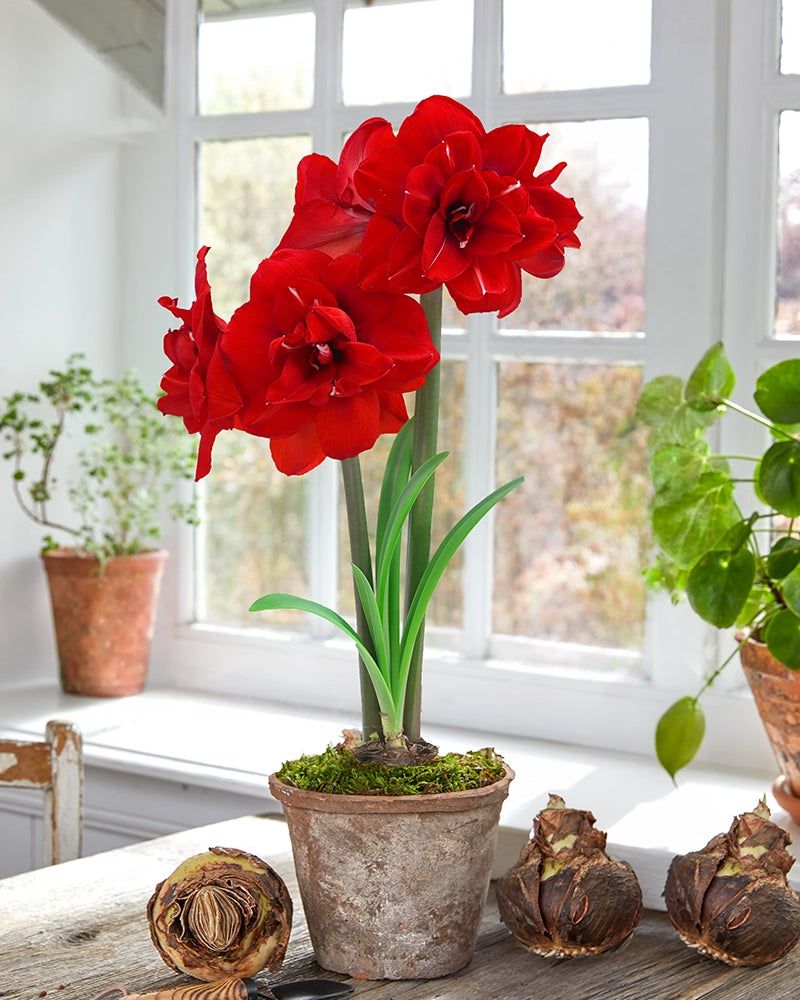
Think of a bulb as a packed lunch for the plant. The bigger the lunch, the more energy it has for flowers.
Large amaryllis bulbs often send up two or even three stalks. Smaller ones may manage just one, with fewer blooms on top.
Size is often listed in centimeters around the bulb. Look for amaryllis bulbs measuring 30 to 34 centimeters or more for the best show.
They cost a bit more, but the payoff is worth it. One premium bulb can outshine three bargain ones.
Firmness matters just as much as size. Give each bulb a gentle squeeze, like you would test an onion at the store.
It should feel solid and heavy for its size. Soft spots, mold, or a mushy base are warning signs to skip that one.
Dry, papery skin is perfectly normal. A few loose layers do not hurt anything at all.
Paperwhites follow the same rule. Plump, chunky bulbs usually grow taller clusters packed with more tiny flowers.
Shop early for the best selection. Virginia garden centers and online sellers often run low on top bulbs by mid-November.
If you cannot plant right away, store bulbs somewhere cool, dry, and dark. Keep them away from apples, since ripening fruit can harm the flower buds inside.
A little care at the store pays off later. Great bulbs lead to the kind of blooms people photograph.
Amaryllis Likes A Snug Pot
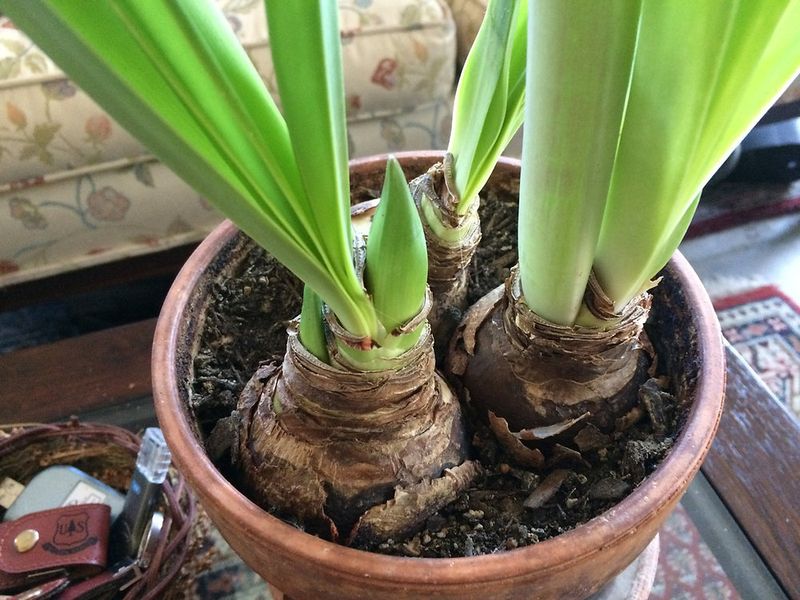
Oddly enough, amaryllis prefers tight quarters. A crowded pot nudges the bulb to spend energy on flowers instead of roots.
Choose a container only one to two inches wider than the bulb itself. That leaves about an inch of soil around the sides.
A huge pot can cause problems. Extra soil holds extra water, and soggy soil invites rot.
Drainage holes are a must. Without them, water pools at the bottom where you cannot see the trouble brewing.
Weight is worth thinking about, too. Amaryllis stalks can reach two feet tall with heavy flowers on top.
A lightweight plastic pot may tip over like a top-heavy toy. Clay, ceramic, or stone pots with wide bases offer much better balance.
Here is a handy trick if you love a pretty plastic pot. Drop a few rocks in the bottom before adding soil for extra ballast.
Use a good, well-draining potting mix. Skip garden soil, which packs down hard indoors.
Planting several bulbs together? Set them close, nearly touching, in one wider container for a bold holiday look.
Many growers reuse the same pot for years. Amaryllis can stay potbound for three or four seasons before needing a bigger home.
Finding a snug fit is easy once you know the rule. Measure the bulb, add two inches, and you are set.
Leave The Top Third Of The Bulb Exposed
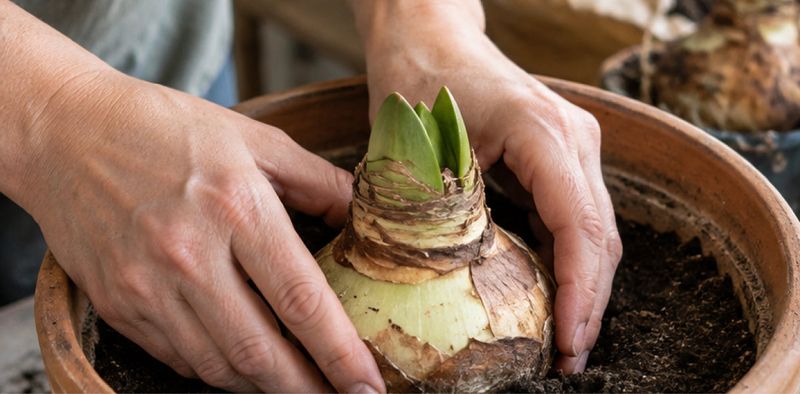
Burying an amaryllis like a tulip is a common rookie mistake. Instead, the top third of the bulb should peek out above the soil.
Picture a shy turtle poking its head out of its shell. That is about the look you want.
Why leave so much showing? The neck of the bulb is sensitive to moisture.
Wet soil piled around it can lead to rot. Keeping the shoulders dry helps protect the bulb from that soggy trouble.
Start by adding a few inches of potting mix to the pot. Set the bulb on top with the roots spread gently downward.
Fill around the sides, pressing the soil lightly to hold the bulb steady. Stop once about two-thirds of the bulb is covered.
Soak dry roots in lukewarm water for a few hours before planting. Many experts say it helps wake them up.
Water carefully around the edges of the pot, not over the top of the bulb. Pouring water into the neck is like leaving a sponge in a sink.
Proper depth also supports strong flower stalks. A well-seated bulb grows straighter and stands up better as blooms open.
Paperwhites like a similar setup. Their pointed tips should sit above the soil or pebbles too.
Get the depth right, and you have handled one of the trickiest steps already.
Paperwhites Grow Happily In Pebbles And Water
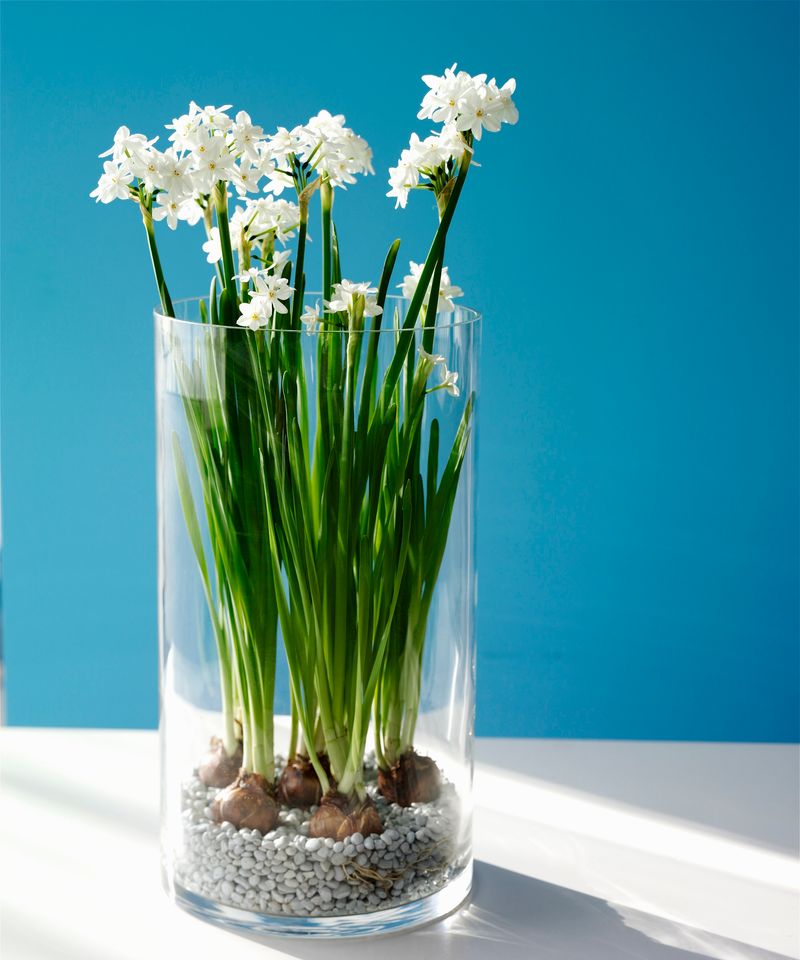
No soil? No problem at all.
Paperwhites grow beautifully in nothing but pebbles and water.
Kids especially love watching the white roots snake through the stones. It is like a science project that smells amazing.
Choose a shallow container without drainage holes. Glass bowls, ceramic dishes, or even old teacups work well.
Add two or three inches of pebbles, marbles, or gravel to the bottom. Set the bulbs pointy side up, close enough that they nearly touch.
Tuck more stones around them to hold them steady. Leave the top half of each bulb uncovered.
Now comes the key step. Pour in water until it sits just below the base of the bulbs.
Bulbs resting in water can rot quickly. Roots will reach down to find the water on their own.
Check the level every few days. Thirsty roots drink faster than you might expect, especially in warm, dry winter homes.
Glass containers make this easy because you can see the waterline. Add more as needed, keeping that gap below the bulb.
Get creative with decorations. Moss, pinecones, or cranberries scattered on top give the bowl a festive touch.
One note on reuse, though. Bulbs forced in water give their all and usually get tossed afterward, so plan on fresh bulbs next year.
A Splash Of Alcohol Keeps Paperwhites From Flopping
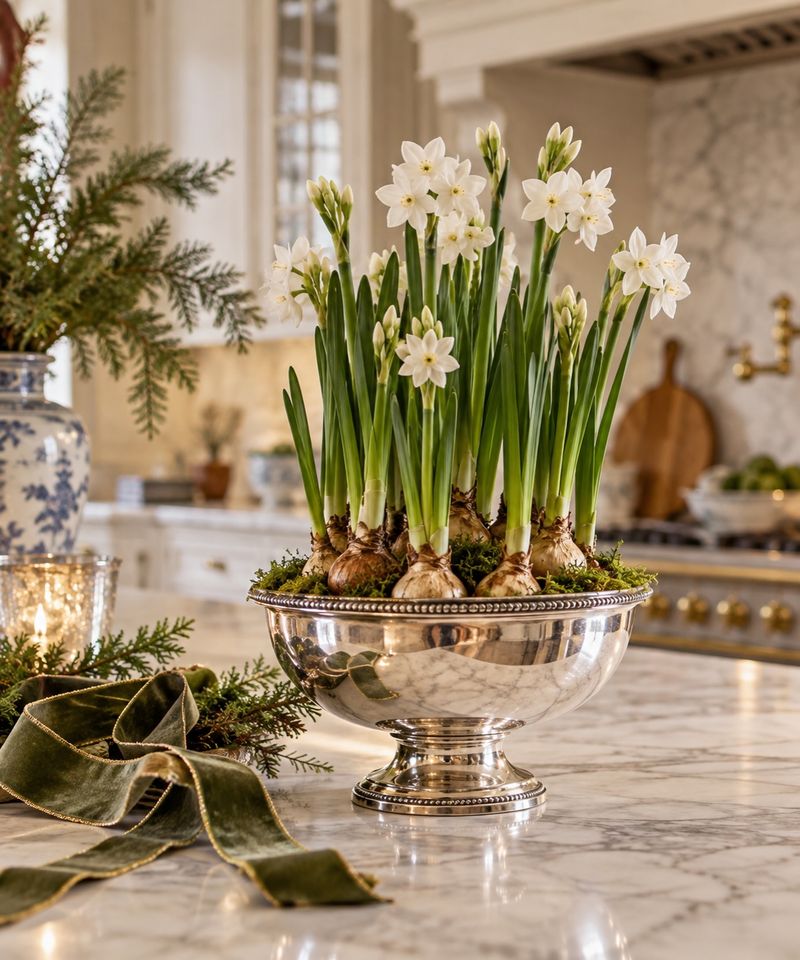
Here is a party trick with a scientific twist. Researchers at Cornell University found that diluted alcohol keeps paperwhites short and sturdy.
Tall paperwhites tend to tip over like sleepy kids at a late movie. A little booze in the water fixes that.
The alcohol stresses the plant just enough to slow stem growth. Stems end up one-third to one-half shorter than usual.
Best of all, the flowers stay full size. Their scent and number of blooms do not change.
Timing matters for this trick. Start with plain water until roots form and green shoots reach one to two inches tall.
Then switch to a solution of about four to six percent alcohol. Gin, vodka, or rubbing alcohol can all work.
For 40 percent spirits, mix one part liquor with seven parts water. Rubbing alcohol is stronger, so use one part to ten or eleven parts water.
Skip beer and wine, since the sugars can cause problems. Clear spirits are the safest bet.
Keep the waterline below the bulbs, just as before. Top off with the same mix whenever levels drop.
Too much alcohol can harm the plant, so measure carefully. A kitchen measuring cup makes it simple.
Guests in your Virginia home will be amazed. Few people expect a gin and tonic secret behind those tidy flowers.
Cool Rooms Make Blooms Last Longer
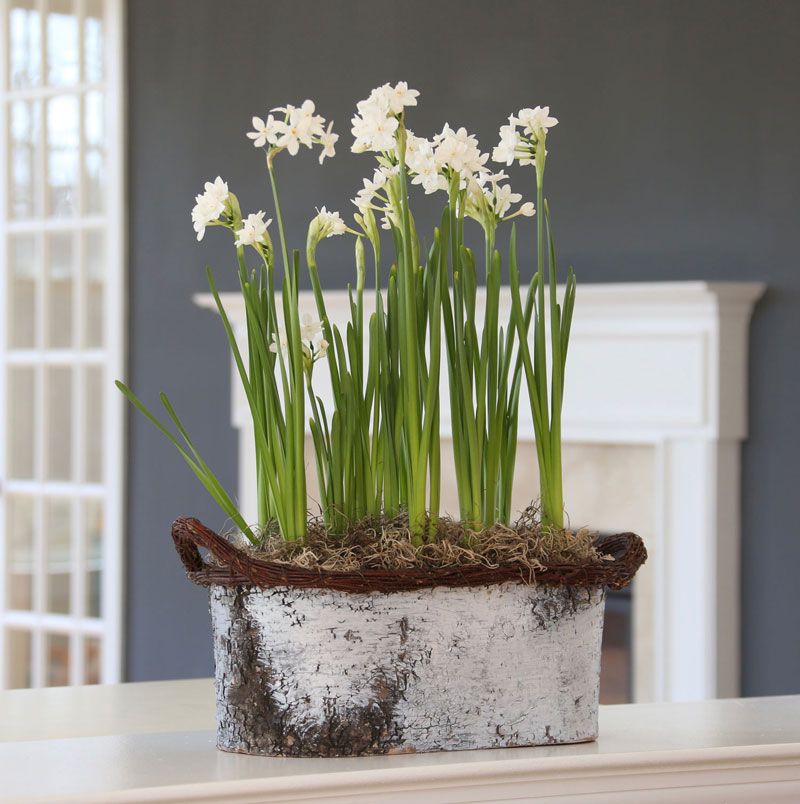
Flowers are a bit like ice cream. Keep them cool, and they last much longer.
Once your amaryllis opens, move it to a spot around 65 degrees. Warm rooms speed up the bloom cycle and shorten the show.
Paperwhites enjoy similar treatment. A room between 60 and 65 degrees keeps those starry flowers fresh for weeks.
Cool entryways, guest rooms, or a chilly corner near the stairs work great. Many older Virginia houses have drafty spots that are perfect for this.
Direct sunlight is great for growing but tough on open flowers. Once petals unfold, shift pots to bright, indirect light.
Keep plants away from heat vents, fireplaces, and televisions. Dry, warm air makes petals wilt fast.
Some gardeners move pots somewhere colder at night. A bright mudroom or enclosed porch above freezing can add several extra days of color.
Snip the yellow pollen parts from amaryllis flowers if you like. It may help blooms last a little longer and keeps pollen off tablecloths.
Water amaryllis when the top inch of soil feels dry. Paperwhites just need their water level checked.
With a little cool air, amaryllis flowers can last two to three weeks. That is plenty of time to enjoy them from Christmas Eve to New Year’s Day.
Stagger Plantings For Flowers All Season
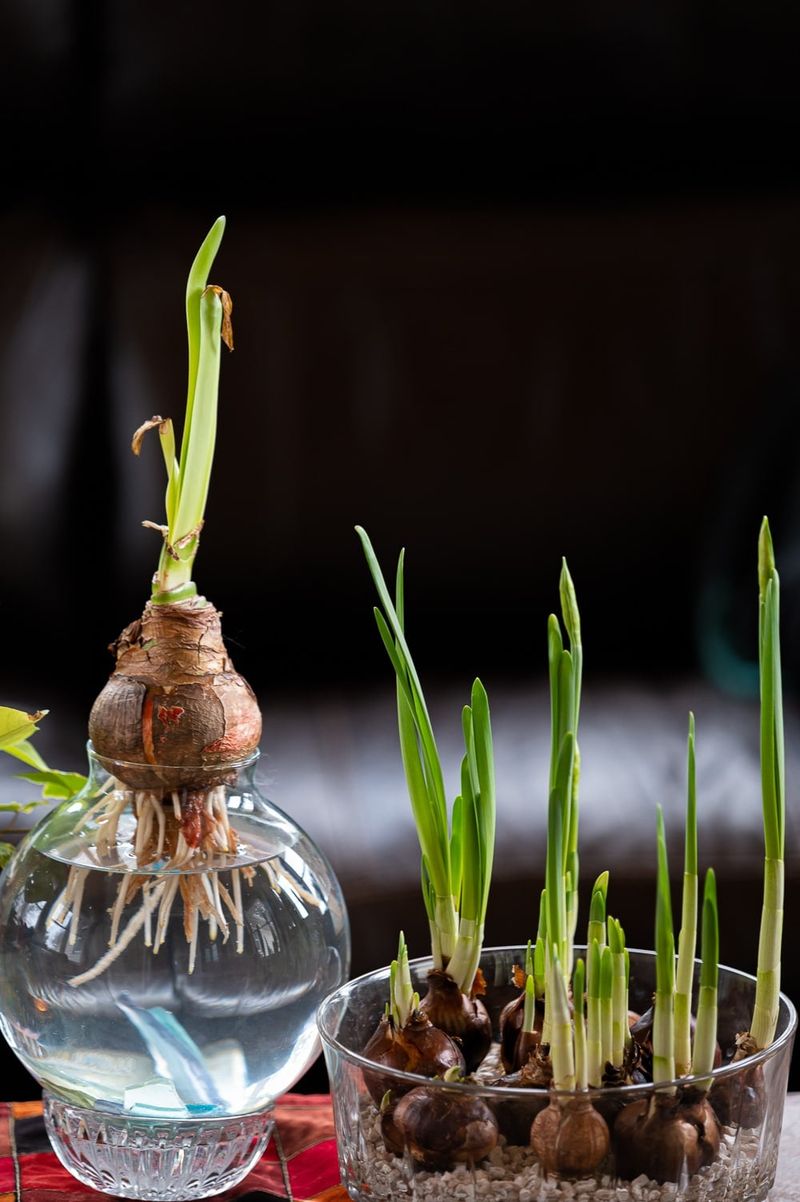
Why stop at Christmas? With a little planning, your windowsill can bloom from December through April.
The secret is staggering. Plant a few bulbs, wait one to two weeks, then plant a few more.
Each batch will flower on its own schedule. As one fades, the next is ready to take the spotlight.
Picture a relay race with flowers passing the baton. Your home stays bright through the gray months of winter.
Paperwhites are ideal for this approach. Buy a big bag in the fall and start a new bowl every two weeks.
Store waiting bulbs in a cool, dry, dark place. A paper bag in an unheated closet works nicely.
Amaryllis can follow the same pattern. Early types bloom fast, while some late varieties take longer to open.
Mixing colors keeps things fun. Try red for Christmas, white for January, and pink or striped ones near Valentine’s Day.
Keep a simple log of planting dates and bloom times. Next year, you will know exactly how your bulbs behave in your home.
Winter in Virginia can feel long once the decorations come down. Fresh flowers in February give everyone a reason to smile.
Start your first batch this week. Future you will be grateful when March blooms greet a chilly morning.