Why Your Virginia Garden Might Need A Row Of Peanuts
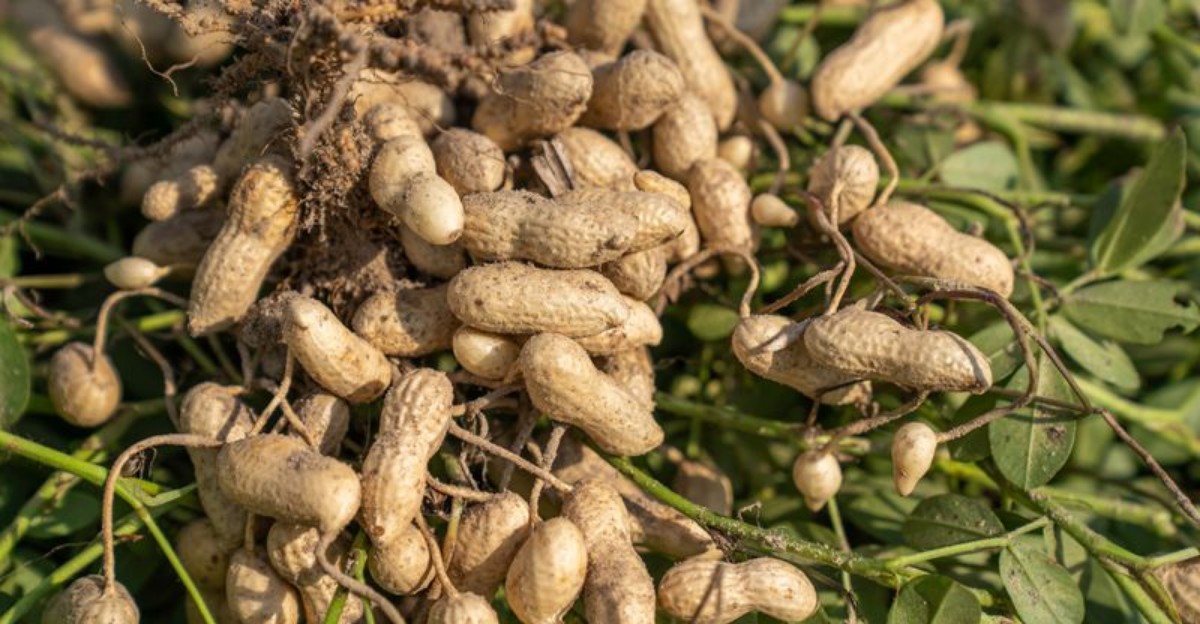
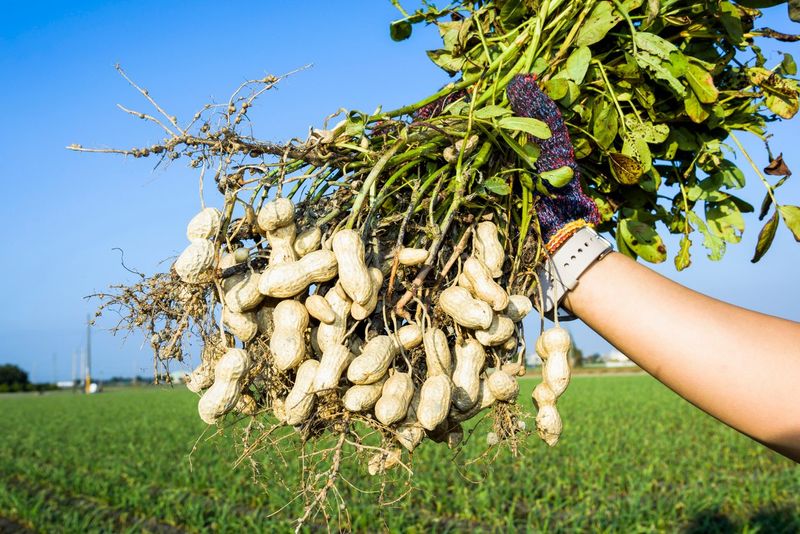
Tug a leafy plant from warm soil, and you might find dozens of pale, knobby pods clinging beneath it. That little thrill is what growing peanuts feels like.
Most people buy them salted in a can, yet these humble legumes grow happily in backyard beds. Virginia gardeners have a special reason to try them, since the state helped put peanuts on the map.
The plants look modest above ground all summer while a surprise develops below. Fall is when that hidden crop finally comes to light.
Peanuts also treat your soil kindly and give kids a great reason to get muddy. With a little planning, the whole process is simpler than most people expect.
Virginia-Type Peanuts Have A Proud Local History
Back in 1842, a farmer near Waverly in Sussex County grew the first commercial peanut crop in America. Those fields helped launch a tradition that still shapes southeastern Virginia today.
Peanuts first reached the Virginia colony in the early 1700s. Enslaved Africans carried them across the Atlantic, and the crop found a welcome home in local soil.
Over time, one type stood out from the rest. Virginia-type peanuts became famous for their big pods and rich, crunchy flavor.
Growers wanted buyers to trust that size and taste. By 1895, a special Virginia grade helped keep quality high and customers happy.
Today you can find these large peanuts in the Carolinas and even West Texas. Still, their name points straight back to the Old Dominion and its sandy farm country.
Planting a row at home connects you to that long story. You get to grow the same kind of peanut that built small towns and family farms.
Want a fun project for your family? Look up peanut festivals in towns like Emporia, then compare your homegrown pods to the ones sold there.
Seed catalogs often list varieties such as Jumbo Virginia or Bailey. Choosing one of these gives your garden a true local flavor and a great conversation starter.
Friends may smile when you mention peanuts in the vegetable patch. Once they taste your roasted harvest, they will likely ask how they can grow some too.
History tastes better when you dig it up yourself. A small row can honor generations of growers while filling your kitchen with a warm, nutty smell.
Fall Is Harvest Season, Not Planting Season
Plenty of new gardeners assume peanuts go in the ground with garlic in autumn. Sadly, that plan leads to chilly seeds that rot before they sprout.
Peanuts love warmth from start to finish. Spring is your planting window, and autumn is when you celebrate the results.
Wait until after the last spring frost has passed. In most areas, late April through May works nicely.
Soil temperature matters more than the calendar. Aim for a steady 65 to 70 degrees Fahrenheit at planting depth.
A cheap soil thermometer takes the guesswork out of timing. Push it about two inches down in the morning and check the reading for several days.
Once the ground warms, plant raw, unroasted peanuts about one to two inches deep. Space them roughly six inches apart in rows about two to three feet wide.
Your Virginia Garden Changes Every Week. Your Plan Should Too.
Gardening in Virginia changes quickly throughout the season. Every Friday you’ll receive a simple weekly plan showing exactly what to plant, prune, fertilize, harvest, and protect so you never miss the right timing.
From seed to harvest, the plants need four to five months. That means around 120 to 150 frost-free days.
Spring planting gives them the full summer to grow strong. By the time leaves turn in the fall, your pods should be plump and ready.
Mark a reminder on your phone for early May. Pair it with a note to buy seed peanuts from a garden store, not the snack aisle.
Store-bought roasted peanuts will not sprout at all. Fresh seed peanuts, still in their shells or carefully shelled, give you the best start.
Good timing sets up everything else. Get the season right, and the rest of the journey feels much smoother.
The Plants Flower Above Ground And Fruit Below
Here is a plant that pulls a real magic trick. It blooms in the sunshine, then hides its fruit in the dirt.
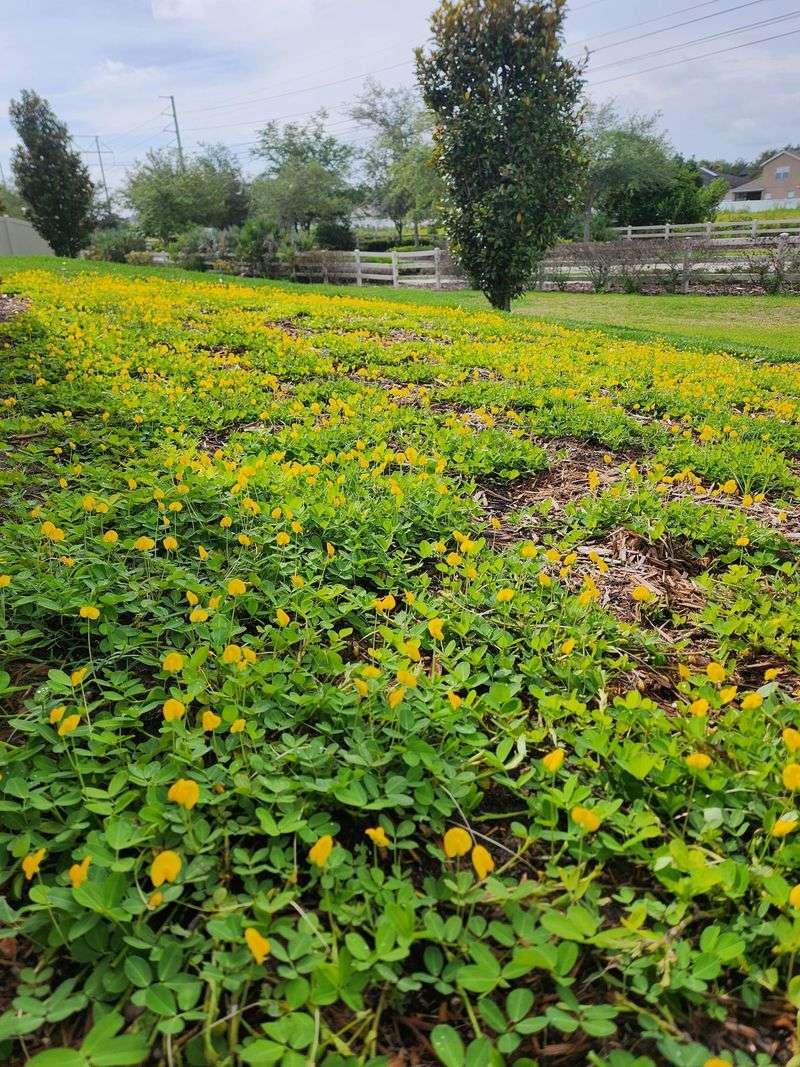
About 40 days after planting, small yellow flowers appear near the base of the stems. They look a bit like tiny sweet pea blossoms.
Each flower pollinates itself, so you need no bees for help. After a day or so, the petals fall away quietly.
What comes next surprises almost everyone. A thin stalk called a peg grows out and bends toward the ground.
Slowly, the peg pushes itself into the soil. At its tip, a baby peanut begins to swell and form a shell.
Underground, the pods stay shielded from sun and hungry birds. That hidden growth explains the old nickname ground nuts.
Curious gardeners can watch the process up close. Gently brush aside a little soil near a peg in midsummer to peek at the progress.
Try not to disturb the pegs too much, though. Cultivating deeply around the plants can snap them before they reach the soil.
A light layer of loose mulch or hilled soil helps pegs find their way down. Many growers add a few inches of soft soil around the base in early summer.
Watching this odd routine makes peanuts feel like a science lesson in your backyard. Every yellow bloom is a promise of a pod waiting below.
Once you see it, you will look at a jar of peanut butter a little differently.
Loose, Sandy Soil Makes Digging Easy
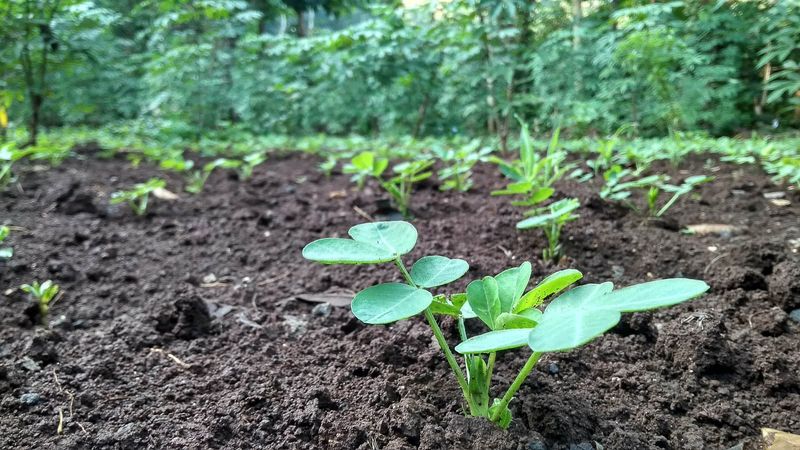
Think of a peanut peg as a tiny drill with a very soft tip. It needs crumbly earth to push through, not hard-packed clay.
Light, sandy loam is the dream soil for this crop. Southeastern Virginia farms have plenty of it, which helps explain the long peanut tradition there.
Heavy clay creates trouble in two ways. Pegs struggle to enter it, and pods can end up small or misshapen.
Harvest time also turns into a wrestling match. Clay clings to pods and makes them hard to pull free.
Don’t worry if your yard sits on stubborn red clay. Mixing in several inches of compost can loosen things up nicely.
Some gardeners also build raised beds filled with a sandy mix. That approach works well in the Piedmont and other clay-heavy regions.
Drainage matters just as much as texture. Soggy ground can cause pods to rot before you ever see them.
Pick a spot where rain soaks in quickly rather than puddling. Full sun, at least eight hours a day, keeps plants happy too.
A soil test from your local extension office is money well spent. Peanuts like a pH around 5.8 to 6.2 and appreciate calcium for filling out their shells.
Gypsum is a common calcium boost for peanut growers. Sprinkle it near the plants as they begin to flower.
Loose soil pays you back in autumn. Pods slip free with a gentle tug, and cleanup takes minutes instead of hours.
A Long, Warm Season Is A Must
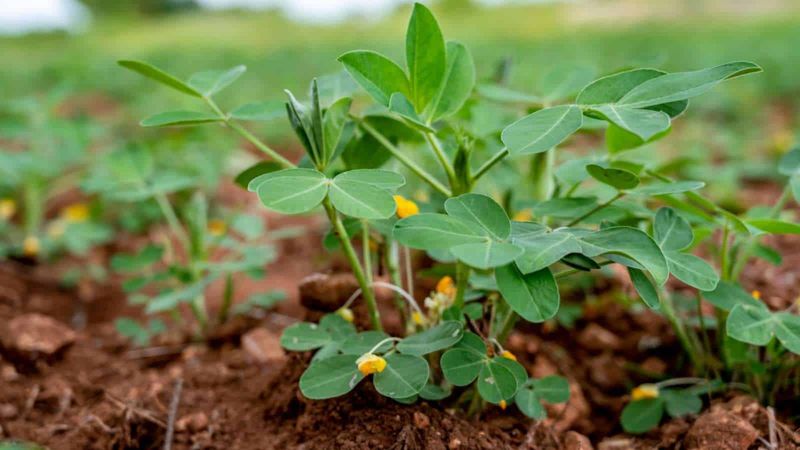
Peanuts are sun worshippers at heart. If they could, they would wear sunglasses and sip lemonade all summer long.
Your plants need at least 120 frost-free days to finish their work. Some larger varieties ask for closer to 150 days.
Most of the state offers enough warm weather for success. Coastal and southern counties have the easiest time, while mountain gardeners may need faster varieties.
Plants grow best when daytime temperatures reach the upper 80s and low 90s. Those steamy July afternoons you complain about are peanut paradise.
Cool spells slow things down quite a bit. A late frost can harm tender seedlings, so patience in spring pays off.
Gardeners in shorter-season areas have a few tricks. Start seeds indoors in biodegradable pots about three weeks early.
Black plastic mulch can also warm the soil faster in spring. Lay it down a week or two before planting and cut small holes for the seeds.
Spanish and Valencia types mature quicker than Virginia types. They are smaller, but they fit neatly into tighter windows.
Water matters during the heat as well. Give plants about an inch per week, especially while they flower and form pods.
Easing up on water near harvest helps the pods firm up. Too much moisture late in the season can invite mold.
Choose a sunny corner, watch the forecast, and let summer do the heavy lifting. Warm days turn tiny seeds into bushy, pod-packed plants.
Dig Them Up Before The First Frost
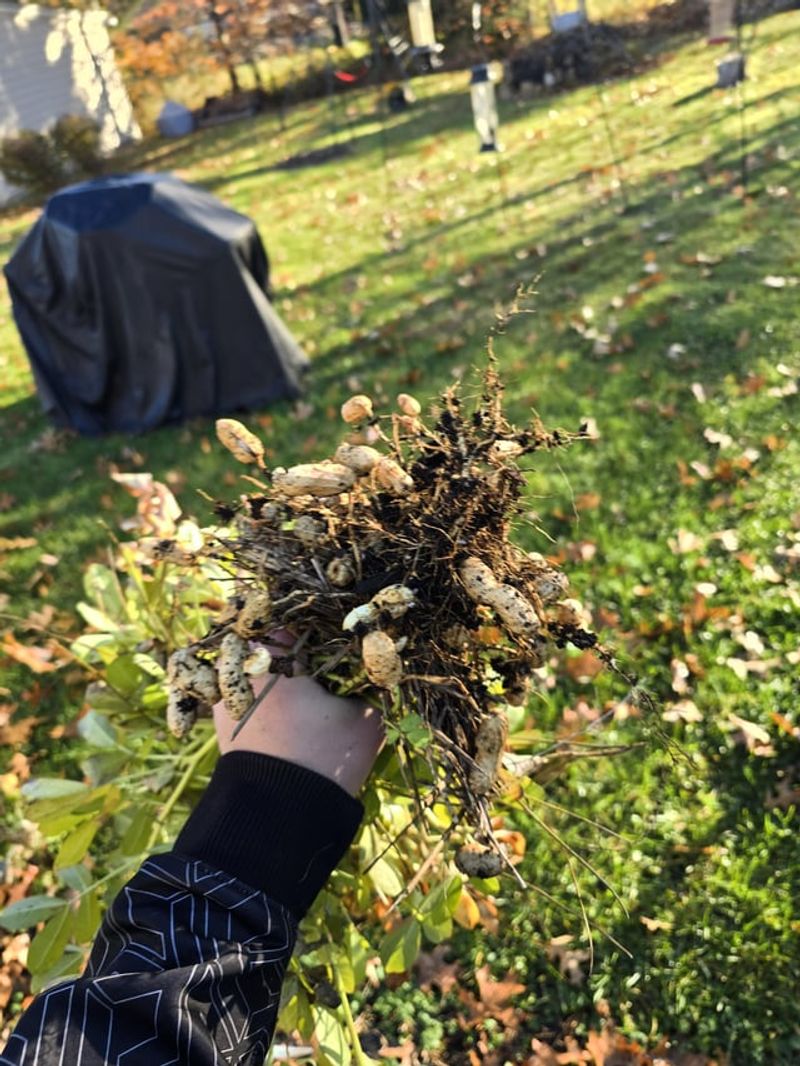
Watch the leaves closely as summer fades. When they start turning yellow, your plants are sending a clear message.
For many gardens, that signal shows up from mid-September to late October. Your exact date depends on variety and planting time.
A quick test helps confirm readiness. Pull up one plant and crack open a few pods.
Look inside the shell for dark veins and a brownish tint. Pale, white insides mean the peanuts need a bit more time.
Keep a close eye on the weather forecast once pods look good. A hard frost can damage peanuts still attached to the plants.
Cold air can also make harvest messier and less rewarding. Getting ahead of the chill protects all your summer effort.
Pick a dry day when the soil is slightly moist but not muddy. Slide a spading fork under the plant, a few inches away from the stem.
Lift gently and rock the fork to loosen the roots. Then pull the whole plant up by its base.
Shake off loose dirt with a soft touch. Rough handling can snap pods off and leave them buried.
Afterward, sift through the soil with your fingers for strays. Almost every row hides a few runaways.
Skip digging right after a heavy rain. Wet pods take longer to dry and may grow mold later.
Cure The Pods Before Roasting
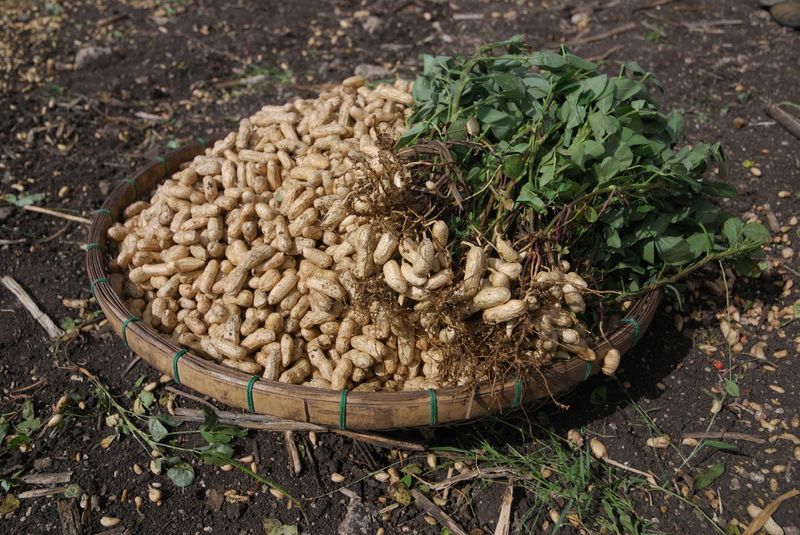
Fresh-dug peanuts are tempting, but patience makes them taste far better. Curing is the quiet step that turns damp pods into roasting gold.
Right after harvest, peanuts hold a lot of moisture. Roasting them too soon can leave them chewy, bland, or prone to mold.
Farmers flip plants upside down in rows called windrows. Sun and breeze dry them for several days before machines take over.
Home gardeners can copy that idea on a small scale. Hang plants upside down in a garage, shed, or covered porch.
Choose a spot with good airflow and no direct rain. A fan nearby can speed things along on humid days.
Leave the pods on the plants for about one to two weeks. The leaves will crisp up and the shells will feel dry and papery.
Once dry, pull the pods off and spread them on screens for another week or so. Stir them now and then so all sides dry evenly.
You can tell curing is done when the kernels rattle inside the shells. Crack one open and the skin should slip off easily.
Now you are ready for the fun part. Roast in-shell peanuts at 350 degrees for about 20 minutes, then let them cool.
Boiled peanuts are another Southern favorite worth trying. Green, freshly dug peanuts work best for that salty treat.
A little waiting brings a big reward. Well-cured peanuts crunch louder and taste richer than anything from a can.
Raw Peanuts Store Best In A Cool, Dry Spot
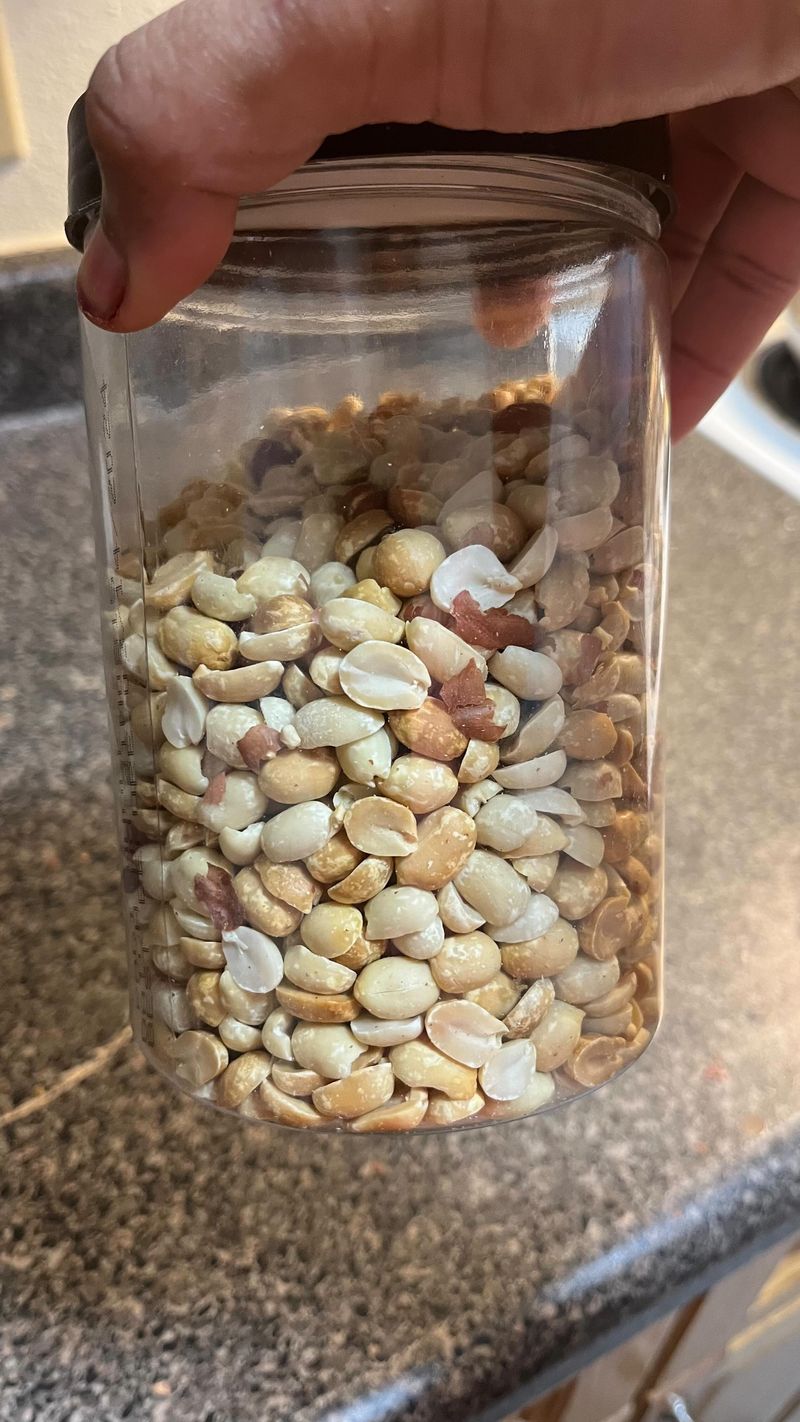
Nobody wants to crack open a peanut and taste something stale or bitter. Natural oils inside the kernels can turn rancid if stored carelessly.
Heat, light, and moisture are the three main troublemakers. Keep them away, and your harvest stays fresh much longer.
In-shell peanuts store the best. Their shells act like tiny lunchboxes that protect the kernels from air.
Place them in mesh bags or breathable containers in a cool, dark pantry. They can stay tasty for several months this way.
Shelled raw peanuts are a different story. In the pantry, they last only a month or two before flavor fades.
Your refrigerator stretches that time to around six months. Airtight jars or zip bags keep out odors from last night’s leftovers.
Freezing works even better for long storage. Packed tightly, raw peanuts can last up to a year.
Label each container with the harvest date. A permanent marker and a strip of tape save a lot of guessing later.
Give your stash a sniff test before using it. Fresh peanuts smell mild and nutty, while old ones smell sharp, like paint.
Set aside a handful of the biggest, healthiest pods for next year. Keep those seed peanuts in their shells in a cool, dry place.
Smart storage lets you enjoy a harvest long after the garden goes quiet. Winter snacks taste sweeter when you grew them yourself.
They Add Nitrogen To The Soil
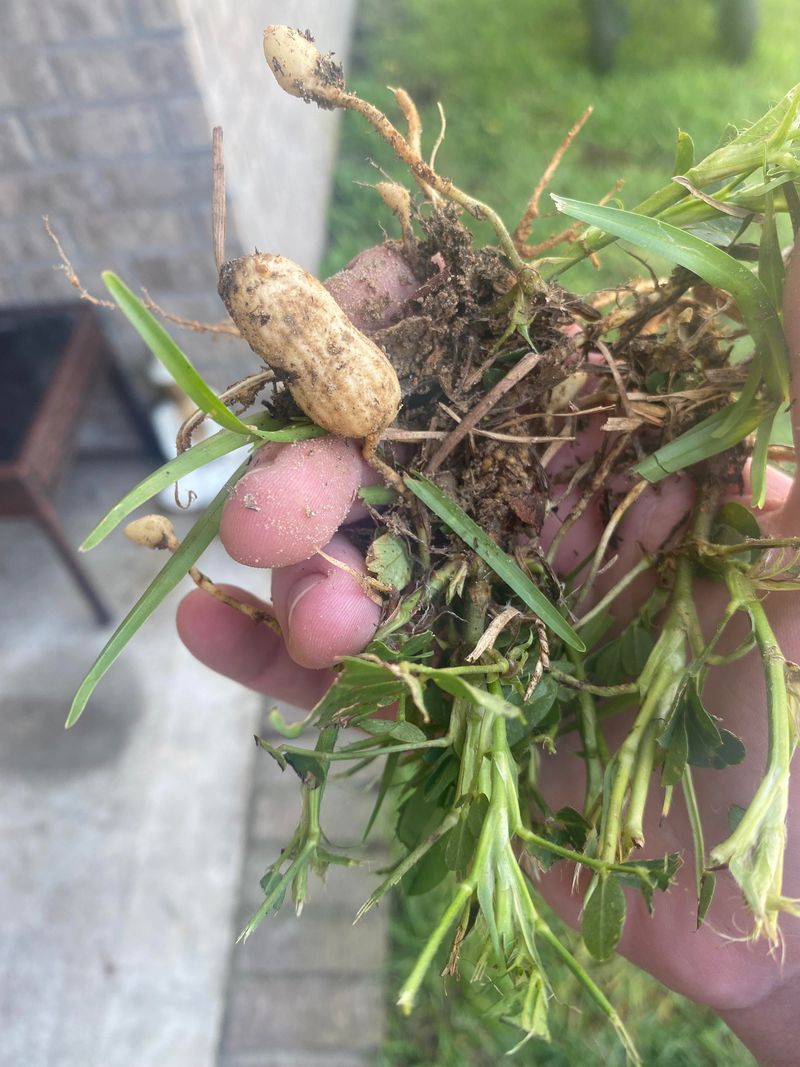
Imagine a crop that feeds your family and fertilizes your garden at the same time. Peanuts pull off that double duty with help from tiny partners.
As members of the legume family, they team up with soil bacteria called Rhizobium. These microbes live in little bumps on the roots called nodules.
Inside those nodules, bacteria grab nitrogen from the air. They change it into a form plants can actually use.
Nitrogen fuels leafy growth in most vegetables. Having it made on-site means less store-bought fertilizer for you.
Pull up a healthy plant and inspect the roots. Pink or reddish centers in the nodules show the bacteria are hard at work.
For the best results, coat seeds with a peanut inoculant before planting. Garden centers and seed catalogs sell it in small packets.
Make sure the label says it is made for peanuts. Inoculants for beans or peas use different bacteria strains.
Crop rotation lets you take full advantage of this gift. Plant corn, squash, or leafy greens in that bed next spring.
Chop up leftover leaves and stems and turn them into the soil. They break down and return even more nutrients over winter.
Avoid heavy nitrogen fertilizer on the peanut plants themselves. Too much can make them lazy about forming nodules.
A row of peanuts quietly improves the ground beneath it. Your future tomatoes and peppers will likely appreciate the head start.
Kids Love Pulling Up The Surprise Harvest
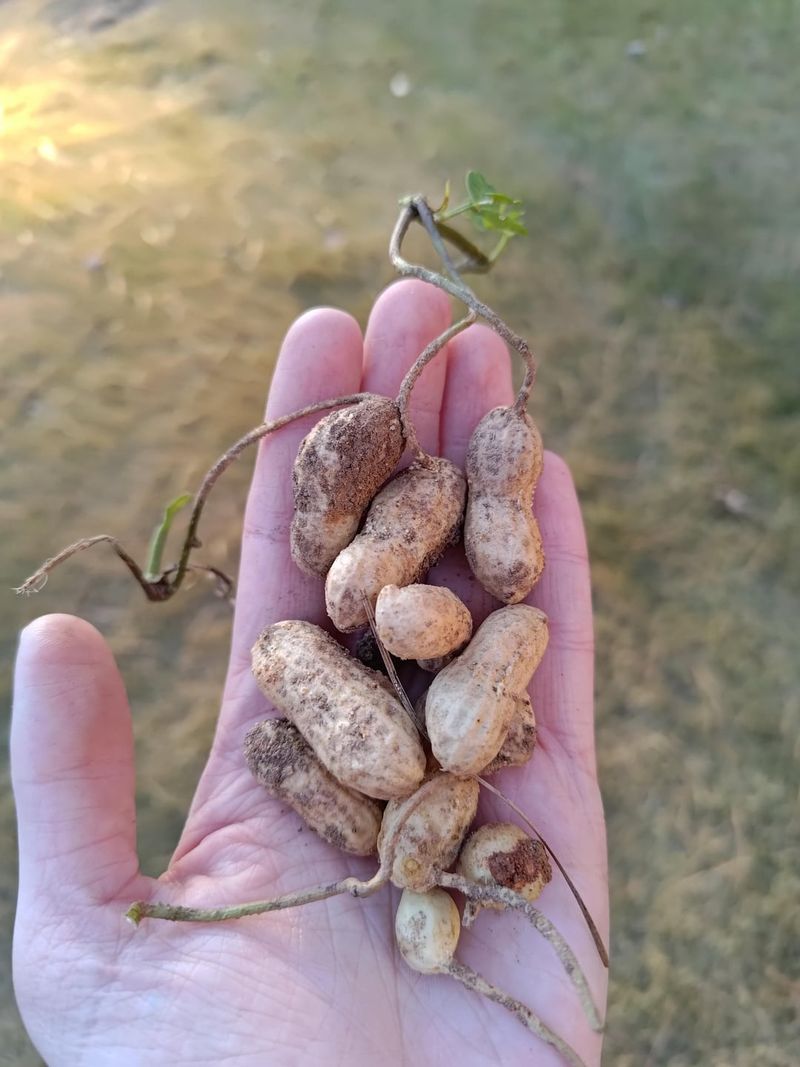
Ask any child who has pulled up a peanut plant, and you will hear squeals of delight. It feels like finding buried treasure in the backyard.
All summer, the plants look like ordinary leafy bushes. Nothing hints at what waits below.
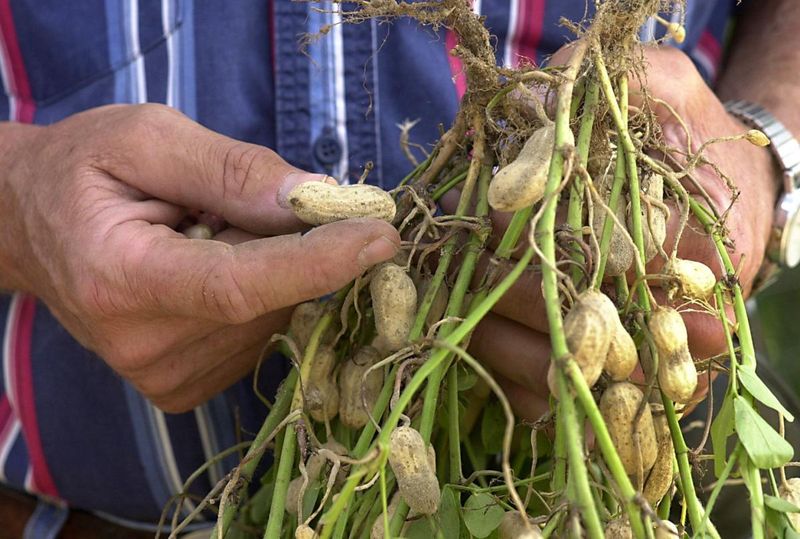
Then comes harvest day. One firm tug reveals dozens of pods hanging from the roots like little ornaments.
Kids often race to count their haul. Turning it into a friendly contest keeps everyone busy and giggling.
Give each child their own short section of the row in spring. Let them plant, water, and check for flowers through the summer.
Ownership makes the payoff even sweeter. They will proudly show off every pod they grew.
Plenty of learning sneaks in along the way. Children see how flowers turn into pegs, and pegs turn into food.
Tie in some local history for extra fun. Tell them Virginia farmers have grown peanuts here since the 1800s.
Afterward, bring the harvest to the kitchen. Kids can help roast peanuts or stir up a small batch of homemade peanut butter.
Please keep allergies in mind before sharing with friends or classmates. A quick check with parents keeps the celebration safe for everyone.
Dirty hands and happy faces make lasting memories. Your garden might just raise a new generation of peanut growers, one muddy afternoon at a time.