A Pile Of Fallen Branches Can Shelter Indiana Wildlife All Winter
Some of the warmest hideouts in a backyard are made from yard leftovers that most people haul away in fall. I love that a messy corner can block cold wind for small birds during long Indiana nights in January.
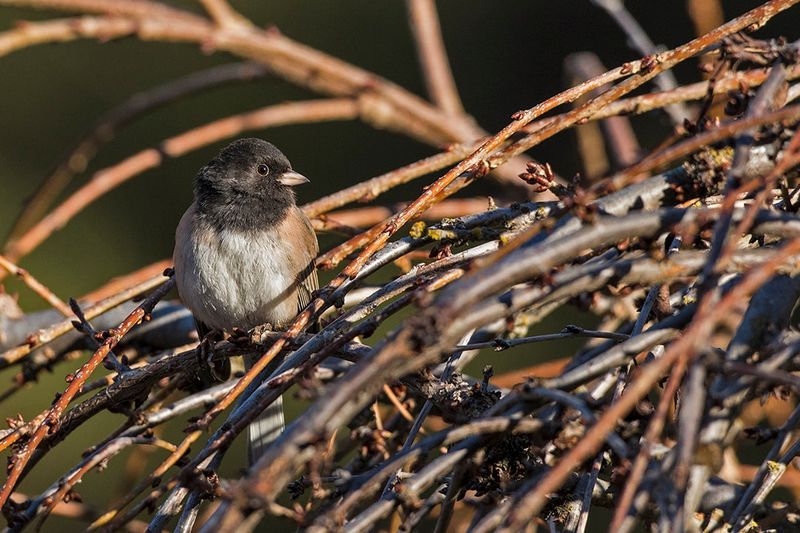
Dark-eyed juncos start showing up across Indiana in October, and they spend their time near the ground. These little gray birds look for low, tangled cover where hawks and cats have a harder time reaching them.
Wildlife biologists at state agencies often suggest leaving rough, woody shelter in yards to support birds and small mammals. You need little money for this kind of habitat, because the materials often fall from your own trees.
On a gray November morning, you might notice tiny tracks in frost leading straight into a tangle near the fence. Who knew that cleaning up less could make your yard feel much more alive in the coldest months?
Cold-Weather Cover That Backyard Birds Seek Out
A simple brush pile made from fallen branches can give Indiana wildlife real shelter through the coldest months of winter. Wildlife guides from state agencies and extension services list brush piles as easy habitat homeowners can build with yard debris.
Birds like northern cardinals, juncos, and white-throated sparrows duck into the tangled sticks when wind, snow, or hawks show up. The pile works like a shrub with no leaves, giving them quick cover close to the ground where they feed.
Many winter birds in Indiana eat seeds from the ground, so they spend long stretches of time in the open. A nearby hiding spot lets them rest, preen, and escape without flying far and burning extra energy in the cold.
The inside of a thick pile also blocks wind, which matters because wind chill pulls heat from small bodies fast. Researchers have not measured exact temperatures in every backyard pile, but less wind clearly helps birds hold onto body warmth.
October is a smart month to start building, since storms and fall pruning leave plenty of extra branches lying around. Getting the pile in place before the first hard freeze means birds can learn the spot before deep winter arrives.
I like how one afternoon of hauling sticks can turn into months of bird watching from a warm kitchen window. Once birds find the shelter, they often return to it every day until spring brings new leaves back to shrubs.
Large Logs Form A Sturdy Base
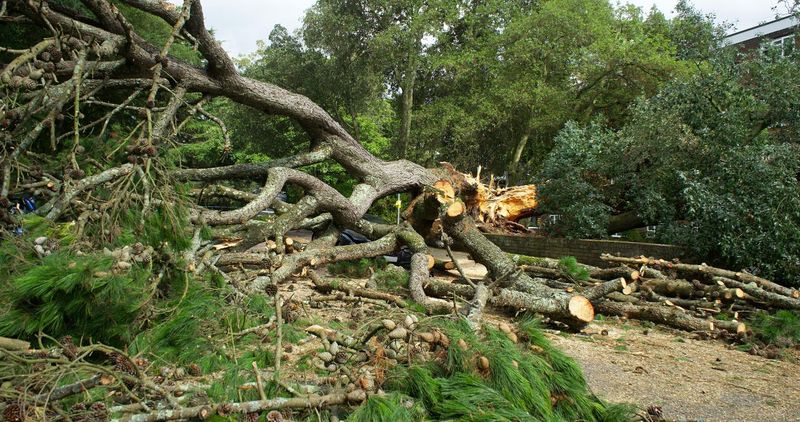
Every strong brush pile starts at the bottom, and the biggest pieces of wood belong there first. Logs four to eight inches thick create open tunnels underneath, giving animals room to crawl in and move around.
Many wildlife guides suggest laying three or four logs side by side, with a few inches of space between them. You can then set a second layer crosswise on top, which builds a frame a bit like a log cabin.
That crisscross design keeps the bottom from packing down as snow piles up and wet leaves settle over winter. Without those gaps, a pile flattens into a dense heap that rabbits and birds have a hard time getting inside.
Your Indiana Garden Changes Every Week. Your Plan Should Too.
Gardening in Indiana changes quickly throughout the season. Every Friday you’ll receive a simple weekly plan showing exactly what to plant, prune, fertilize, harvest, and protect so you never miss the right timing.
Trunk sections from storm-damaged trees work well, and so do thick limbs left over after fall pruning jobs. Some people also use rocks, clay drain pipes, or concrete blocks to hold the base open for years.
Dense hardwoods like oak and hickory break down slowly, so they keep the base strong for several seasons. Softer woods such as willow or cottonwood rot faster, which means you may need to add new logs sooner.
Rotting logs are not a problem, though, because decaying wood feeds beetles, fungi, and other small creatures. Those insects later become food for wrens, woodpeckers, and other birds that search the pile for a meal.
I believe this bottom layer is the most important step, since every other branch depends on what lies below. Take your time placing the logs, and you will set up a shelter that holds its shape all winter long.
Smaller Branches Stacked Loosely On Top
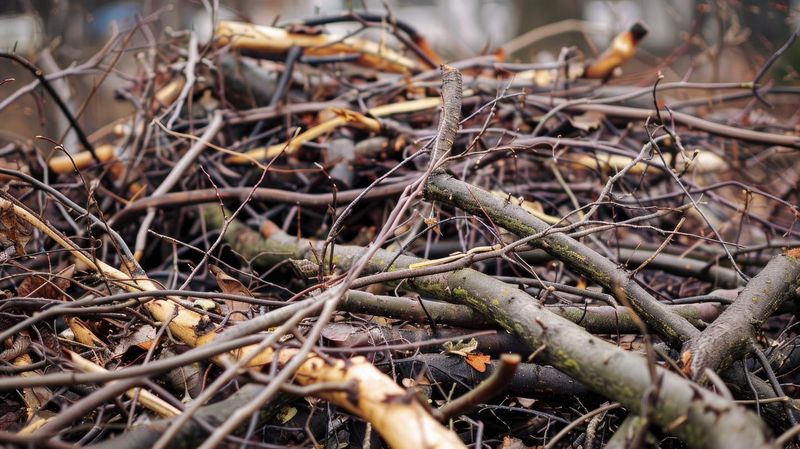
Once the logs are settled, the fun part begins, and it feels a little like building a giant bird nest. Medium branches go on next, followed by thinner sticks and twigs that fill in the upper layers of the pile.
The goal is a loose, airy stack with plenty of small openings, not a tightly packed wall of wood. Birds need gaps big enough to slip through, yet small enough that a hawk or cat has a hard time following them.
Try laying branches in different directions so they crisscross and leave pockets of space between each layer. A rough dome shape works well, because it sheds some snow while keeping the inside dry and protected.
Wildlife agencies often suggest adding a used Christmas tree on top in January for extra thick cover. The needles block wind and snow well, and the tree helps hold lighter branches in place during storms.
Fall leaves can be tucked into a few spots, but avoid smothering the pile with heavy mats of them. Too many wet leaves can clog the openings and make the shelter harder for birds to enter.
Vines like native grape or Virginia creeper can grow over the pile next year and add more cover. Skip invasive vines like Japanese honeysuckle and oriental bittersweet, which spread quickly and crowd out native plants in Indiana.
You can add new sticks all winter whenever wind knocks branches down, so the pile grows each month. Fresh layers on top help make up for the slow settling that happens as the bottom wood softens.
Rabbits Settle In Alongside Sparrows
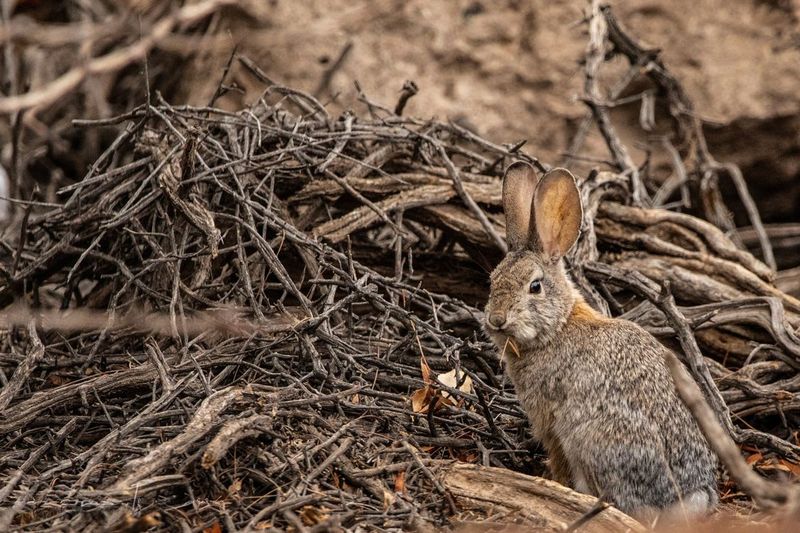
A single brush pile can work like a small apartment building, with different tenants using different floors and corners. Eastern cottontails often hide in the lower tunnels, while song sparrows and juncos use the upper branches for cover.
Cottontails usually rest in shallow depressions above ground rather than digging burrows, so they depend on thick cover to rest through winter. A brush pile gives them a place to rest during the day before they come out to feed.
Other visitors may include chipmunks, toads, garter snakes, and white-footed mice, depending on where you live in Indiana. Some toads and snakes may tuck in under the base, looking for a protected spot to wait out winter.
Not everyone loves the idea of mice nearby, and that worry is fair when the pile sits close to buildings. Placement matters a lot for this reason, and keeping the pile away from your house helps reduce that concern.
Predators like hawks, foxes, and owls may also notice the extra activity around your pile during winter. That can feel surprising, but it is a normal part of a healthy food web in any backyard.
The tangled branches give small animals a real chance to escape, which is the whole point of the shelter. You might spot tracks in fresh snow that show rabbits hopping in and birds landing near the edges.
I love checking the snow around a pile after a cold night, since it tells a story about who visited. Rabbit tracks show two long back feet ahead of two smaller front prints, which surprises many first-time trackers.
A Spot Near Feeders Or Shrubby Edges
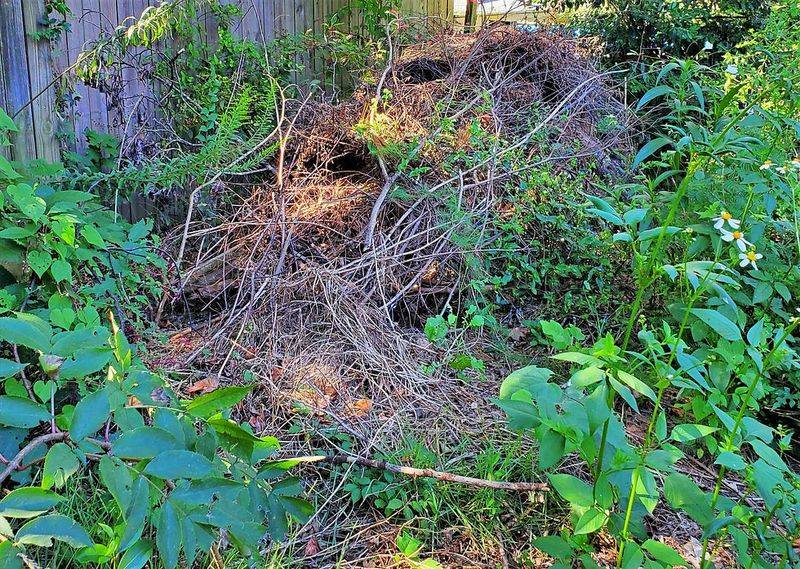
Location can make or break a brush pile, because birds rarely travel far from food and other cover. Placing your pile about ten to fifteen feet from a feeder gives birds a quick escape route between meals.
That distance is close enough for a fast dash, yet far enough that spilled seed stays away from the tangled cover. Many bird experts suggest this setup, since feeders without nearby cover can leave small birds exposed to hawks.
Shrubby edges along fences, property lines, or wooded borders also make smart locations for a winter brush pile. Birds like to move along edges, hopping from one patch of cover to the next rather than crossing lawns.
A pile that connects a row of shrubs to a garden bed can link the yard together for wildlife. Native shrubs like American hazelnut, gray dogwood, or winterberry holly pair nicely with brush piles in Indiana yards.
Their berries and seeds add winter food, while the pile adds shelter just a few hops away. Sunny, south-facing spots can stay a bit warmer and melt snow sooner than shady spots on the north side.
Low, soggy areas are less ideal, because standing water can soak the base and fill the lower tunnels. You should also think about your own view, since watching visitors is the biggest reward of building one.
Placing the pile where you can see it from a window makes cold January mornings a lot more fun. A pair of binoculars on the sill can turn a simple stack of sticks into a winter-long nature show.
A Safe Distance From Your Home’s Foundation
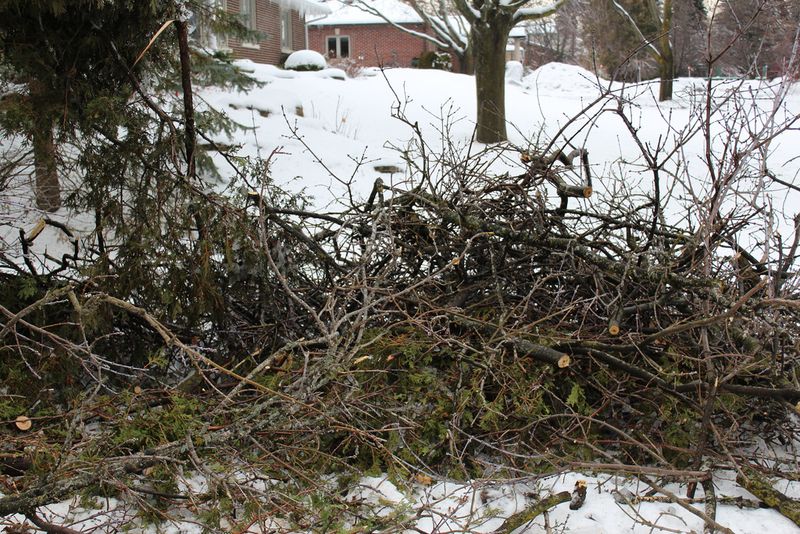
Shelter for wildlife is wonderful, but nobody wants mice or snakes moving from a brush pile into the basement. Many experts suggest keeping brush piles well away from your house, often around twenty to thirty feet or more.
That gap reduces the chance that mice will explore your foundation looking for cracks and warm spots inside. Wood piles near homes can also attract termites and carpenter ants, which entomologists advise keeping away from structures.
Keeping rotting wood away from siding and decks helps protect the wooden parts of your house from these insects. Fire safety matters, since dry brush can catch quickly, so keep piles away from fire pits and grills.
Check your neighborhood rules before building, because some towns and homeowner associations limit yard debris piles in front yards. A back corner of the yard usually works best, both for wildlife privacy and for keeping neighbors happy.
Ticks can live in brushy areas, so skip placing the pile right beside play sets, patios, or walking paths. Wear gloves when you add branches, and check your clothes for ticks afterward, especially on warm fall afternoons.
You can tidy the pile’s edges each fall without tearing it apart, since disturbing it in winter can stress animals. If the pile needs a major rebuild, early fall is the better time, before winter visitors settle in.
I believe a well-placed pile is the easiest habitat project a busy Indiana family can finish this October. Your fallen branches already did the hard part, and now they can keep small animals safe until spring.