Arizona Wildflower Seeds Not Sprouting? Steps That Improve the Odds Before Winter
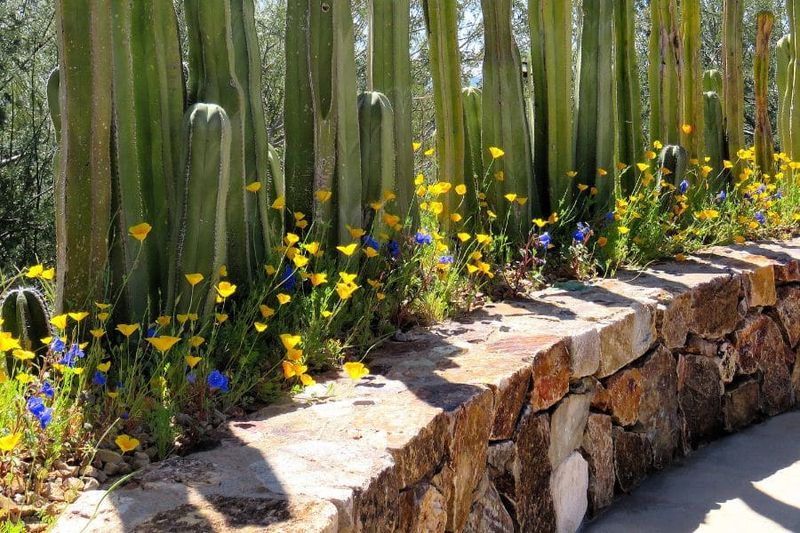
You scattered wildflower seed across your yard, waited, and got a few sprouts or none at all. That bare patch is frustrating, especially when water is precious in the low desert.
Several things can go wrong, and most of them happen before the first leaf appears. Here are practical steps to give your next fall sowing a better shot.
Sparse sprouts do not identify one cause
Looking at a bare seedbed tells you very little. Seed that never sprouted could have been weak to begin with, or it could have been sitting in dry soil, buried too deep, or waiting on conditions its species needs.
Germination tests from University of Arizona Extension show how much results can vary. Tested restoration species germinated at very different rates, and pretreatments helped some species but did nothing for others.
Those tests used particular purchased seed lots over a limited period, so they cannot predict what your garden packet will do. Treat a thin result as a clue to investigate, not a verdict.
Check your seed label, your sowing depth, and how often the soil stayed damp before blaming the seed.
Choose seed for the place and planting season
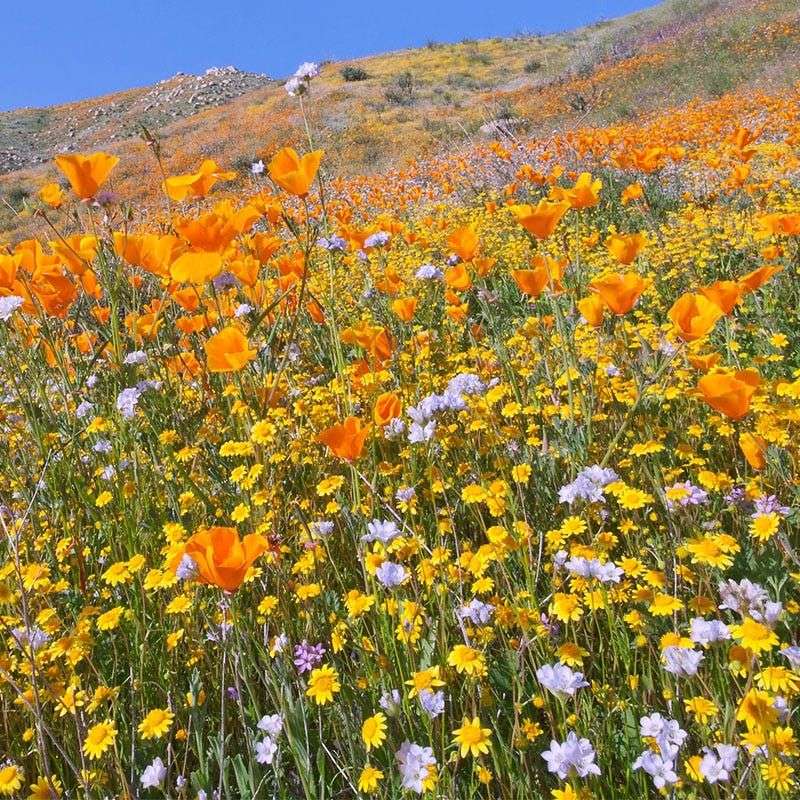
Start with the seed packet. Some inexpensive mixes may not suit your local climate or elevation, and some contain weedy or invasive plants, so Extension guidance advises reading the label for species and weed content.
Look for low-desert seed that is locally grown or collected when you can find it.
Timing depends on the plant type. Spring-blooming wildflowers are generally sown in fall in Arizona, while summer bloomers are generally planted in early spring.
State seeding guidance gives mid-September to mid-November as a general window for spring bloomers.
That window is a broad guide, not a rule for every species, neighborhood, or elevation. If the label or a species-specific source gives different dates, follow those.
Sow shallowly and make seed-to-soil contact
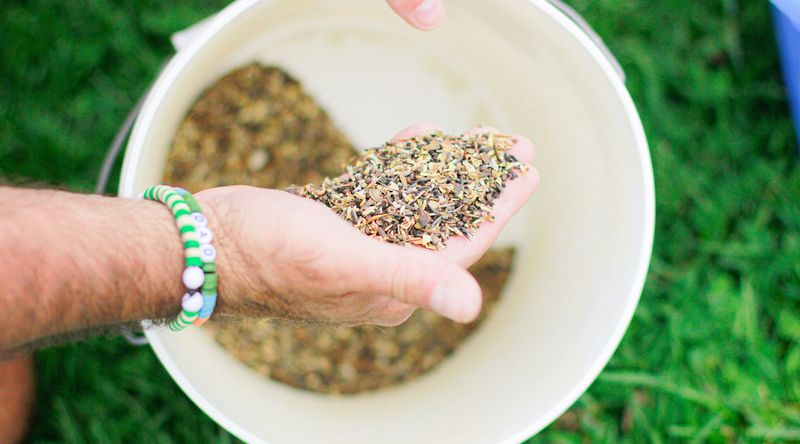
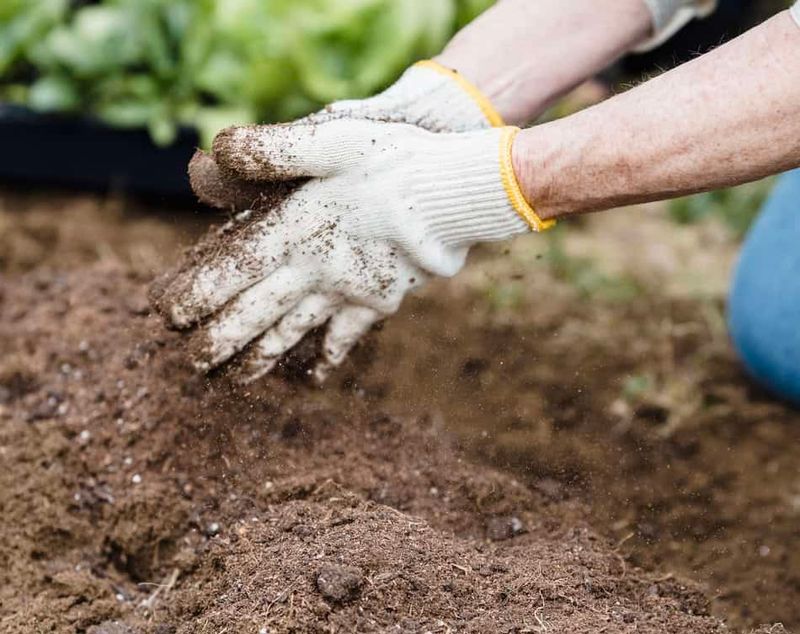
Think surface, not trench. If the top of your soil is crusty or compacted, loosen it lightly, scatter the seed, then rake or press it just enough to touch the ground.
Arizona Native Plant Society guidance says not to bury seed deeper than 1/8 inch. That is a good guide for the tiny seed in many wildflower mixes, but it is not a depth rule for every species, so larger seeds may have their own instructions.
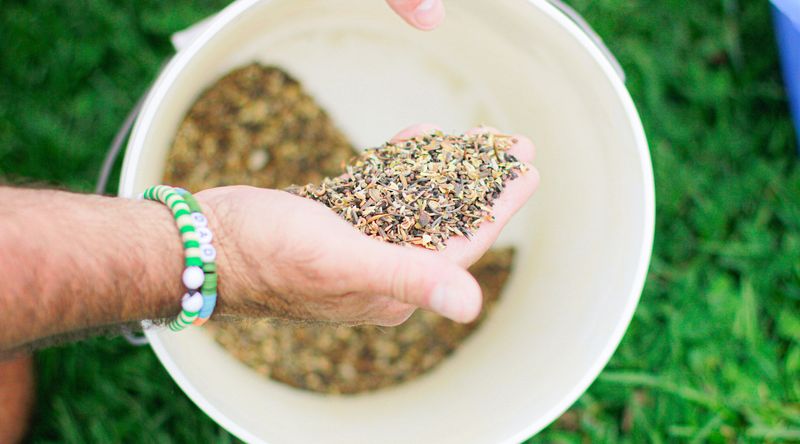
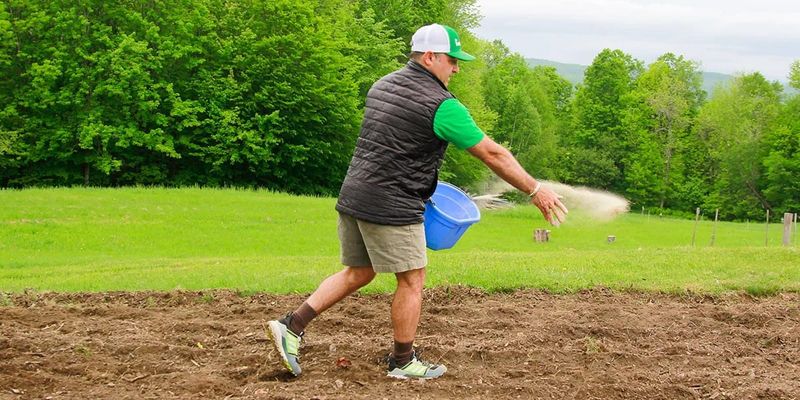
Tiny seed can clump and land unevenly. Mixing it with sand, fine soil, or fine organic mulch before broadcasting can help spread it out.
A carrier only helps with distribution. It does not treat the seed or make it more likely to sprout.
Keep the seedbed moist when rain falls short
Moisture matters most early. Extension guidance calls the first two months critical, and it suggests supplemental irrigation when precipitation is lacking.
Spring bloomers count on fall and winter rains. State guidance says to water several times a week if those rains fall short, which is a useful reminder but not a statewide schedule.
Your Arizona Garden Changes Every Week. Your Plan Should Too.
Gardening in Arizona changes quickly throughout the season. Every Friday you’ll receive a simple weekly plan showing exactly what to plant, prune, fertilize, harvest, and protect so you never miss the right timing.
Let the weather and your yard set the pace. A sunny, south-facing bed with sandy soil dries out faster than a shaded spot with heavier soil.
After a good soaking rain, you may be able to skip watering for a while, and a dry, breezy stretch may call for more.
Check the top inch of soil, and aim for damp, not soggy, so seed is not left to dry out or sit in puddles.
Avoid blanket treatments and guaranteed bloom claims
You may see advice to chill, nick, or soak every seed before sowing. That one-size approach does not hold up.
In the Extension germination tests mentioned earlier, pretreatments helped some tested species and did nothing for others, and those results do not show what every garden packet needs. Use a treatment only when instructions for that named species call for it.
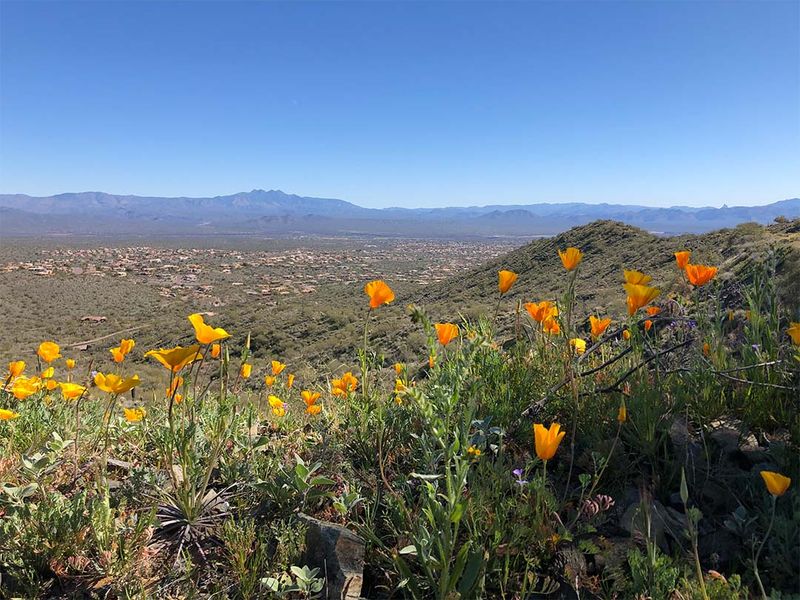
Bloom size is another unknown. The Desert Museum notes that timing and spacing of rain, temperature, site conditions, and plant-eating animals all affect a display.
Its talk of roughly an inch of triggering fall rain describes mass germination of showy desert annuals, not a threshold for your seed.
Research on Sonoran Desert annuals also finds that some seeds stay ungerminated under tested conditions. A sparse first season does not prove every seed failed, but it is no promise of a better show next year.
Before winter, make the controllable adjustments
Run through a short list before the cool season arrives. Confirm the seed suits your site and the season, and that it is a spring bloomer if you are sowing in the fall window.
Loosen only the surface, scatter the seed, and press or rake it into contact without burying it.
Then watch the sky. If rain skips your yard, water enough to keep the seedbed damp through early germination, as Extension guidance advises.
These steps cover the conditions you can control. Weather, seed lots, and species quirks still get a vote.
Desert wildflowers have always kept their own schedule, and good prep simply gives them a fair invitation.